

Free South Sumatra Travel Guide & Mobile App
Explore South Sumatra with free travel guides. Discover regional history, expert tips, proposed trips, and audio guides on web or mobile app.


South Sumatra combines Palembang’s Srivijaya heritage and river culture with volcanic highlands, coffee country, wetlands and distinctive cuisine.
Read more about South Sumatra
When is the best time to visit South Sumatra?
Best: June–August · 31°C| Month | High (°C) | Rainfall (mm) |
|---|---|---|
| January | 30 | 200 |
| February | 30 | 180 |
| March | 31 | 200 |
| April | 31 | 210 |
| May | 31 | 190 |
| June (best) | 31 | 170 |
| July (best) | 31 | 160 |
| August (best) | 31 | 160 |
| September | 31 | 170 |
| October | 31 | 180 |
| November | 31 | 190 |
| December | 31 | 200 |
Getting to and around South Sumatra
How to get there
Transportation
Best attractions in South Sumatra
South Sumatra’s attractions range from the urban heritage of Palembang to mountain landscapes and extensive wetlands. In the capital, visitors can explore the Musi riverfront, cross or view the Ampera Bridge, visit the Balaputra Dewa Museum and investigate archaeological associations with ancient Srivijaya around Bukit Siguntang and other city sites. Kemaro Island provides a river excursion with Chinese-Indonesian religious heritage and views of the working Musi. Inland, Pagar Alam offers Mount Dempo scenery, tea plantations, coffee-growing country, waterfalls and access to dispersed megalithic remains in the surrounding uplands. Lahat and nearby districts add rural landscapes and prehistoric stone monuments, while Danau Ranau combines a broad volcanic lake with mountain villages and agricultural scenery. In the Banyuasin delta, the Sembilang area of Berbak-Sembilang National Park is important for mangroves, tidal waterways and migratory birds, though it requires more planning than the province’s city attractions. The result is a region best experienced through several contrasting bases rather than one concentrated sightseeing circuit.
-
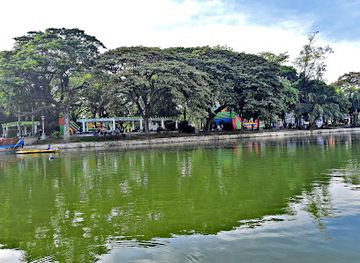
Park
Taman Kambang Iwak Besak
Discover the tranquility of Taman Kambang Iwak Besak, a lush green park in Palembang, perfect for relaxation and nature exploration.
-
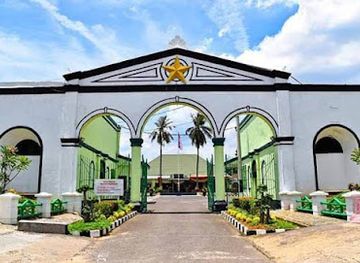
Fortress
Kuto Besak Fortress
Explore Kuto Besak Fortress, a historic landmark in Palembang offering stunning views and a glimpse into the rich cultural heritage of Indonesia.
-
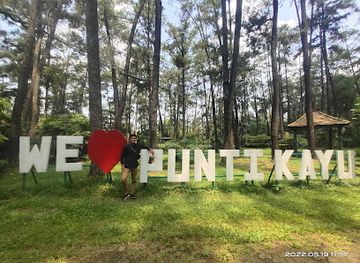
Tourist attraction
Puntikayu Amusement Palembang
Explore the thrills and delights of Puntikayu Amusement in Palembang, where family fun meets adventure in a beautiful park setting.
-
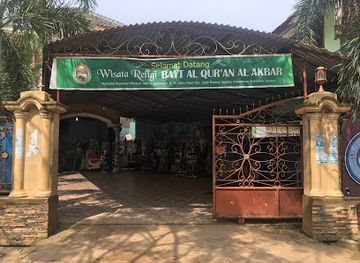
Museum
Bayt Al-Qur'an Palembang
Explore Bayt Al-Qur'an Palembang, a unique museum devoted to the sacred art and history of the Holy Qur'an in South Sumatra.
Explore South Sumatra on the map
Plan your trip on one map. See where the top cities, national parks and sights are, and book hotels and experiences in a few clicks.
Best hotels in South Sumatra
Best restaurants in South Sumatra
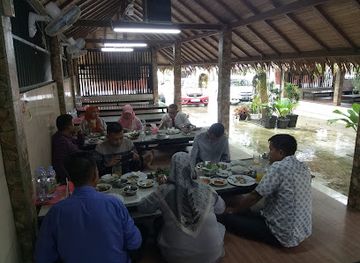
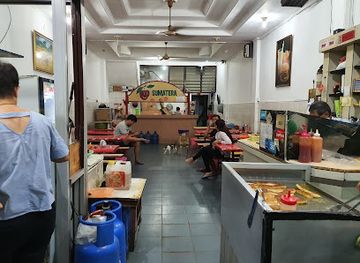
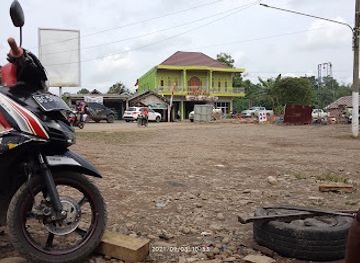
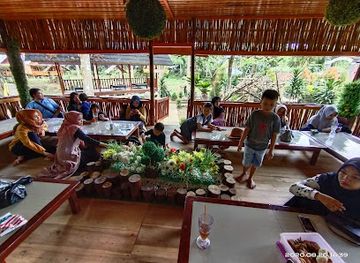
South Sumatra has one of Indonesia’s most recognisable regional food cultures, centred on Palembang’s river and Malay culinary traditions. Pempek, made principally from fish and tapioca and served with the dark, tangy sauce known as cuko, appears in many shapes and textures; popular varieties include kapal selam, lenjer and adaan. Tekwan is a light fish-ball soup, while model combines filled fish cakes with broth, and pindang offers a fragrant, sour-spiced style of fish or meat preparation found in several local variations. Tempoyak, fermented durian, is used selectively in regional cooking and has a strong flavour. Palembang’s markets, food streets, cafés and family restaurants provide the broadest choice, with casual stalls often specialising in one dish. Highland areas add coffee, tea and fresh produce, while rural eateries may offer simple rice meals and local fish. Ask about ingredients when ordering, particularly if unfamiliar with fermented or fiery sauces.
-
Padang restaurant
Rumah makan pindang pondok bambu 2
Discover authentic Padang cuisine at Rumah Makan Pindang Pondok Bambu 2 in Prabumulih – a culinary delight for every palate.
-
Restaurant
Restoran Sumatera
Discover authentic Indonesian cuisine at Restoran Sumatera in Palembang—where every dish tells a story of tradition and flavor.
-
Padang restaurant
Rm.Padang Roda Baru
Experience authentic Padang cuisine at Rm. Padang Roda Baru in South Sumatra – a culinary journey through rich flavors and vibrant dishes.
-
Padang restaurant
RM Tanjung Manau Kuning
Experience authentic Padang cuisine at RM Tanjung Manau Kuning – where every dish tells a story of tradition and flavor.
Best bars in South Sumatra
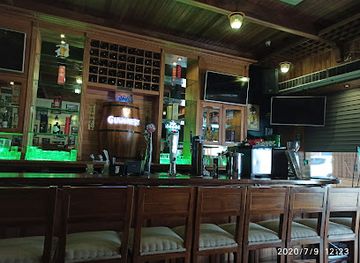
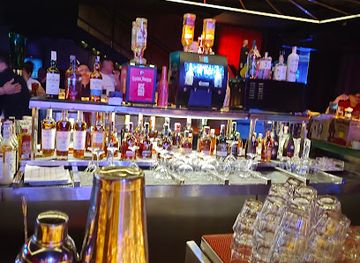
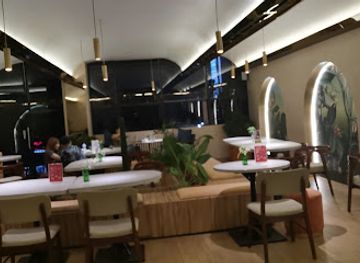
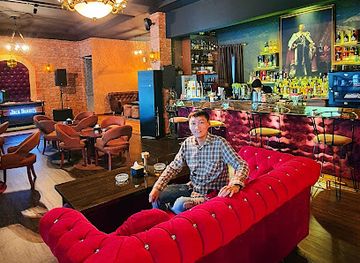
Nightlife in South Sumatra is concentrated in Palembang rather than distributed evenly across the province. The city offers hotel lounges, cafés, restaurants, karaoke venues and a modest selection of contemporary bars, with evening activity generally focused on dining and socialising rather than a large international club scene. Riverside areas and central commercial districts can be busy after sunset, while live music and family-oriented cafés provide alternatives to alcohol-centred venues. In Pagar Alam, Lahat, Muara Enim and other inland towns, evenings are quieter and tend to revolve around coffee shops, food stalls, hotel restaurants and informal community gatherings. Visitors should remember that alcohol availability varies and that dress and behaviour should respect local Muslim norms. In rural and highland districts, plan evening transport in advance, as services may be limited after dark.
-
Bar
Healy Mac's Bar And Restaurant Medan
Experience the vibrant atmosphere of Healy Mac's Bar and Restaurant in Medan, where delicious food meets a lively social scene.
-
Bar
SHOOT RESTO BAR CLUB
Experience the ultimate nightlife at SHOOT RESTO BAR CLUB in Medan, where live music and vibrant energy create unforgettable nights out.
-
Bar
SKY the Oasis Rooftop Bar & Lounge
Experience the breathtaking views and vibrant nightlife at SKY the Oasis Rooftop Bar & Lounge in Medan, where every moment is a celebration.
-
Bar
The Lavish Room
Discover the vibrant nightlife of Medan at The Lavish Room, where exquisite drinks and a lively atmosphere await you.
Best nightclubs in South Sumatra
Nightlife in South Sumatra is concentrated in Palembang rather than distributed evenly across the province. The city offers hotel lounges, cafés, restaurants, karaoke venues and a modest selection of contemporary bars, with evening activity generally focused on dining and socialising rather than a large international club scene. Riverside areas and central commercial districts can be busy after sunset, while live music and family-oriented cafés provide alternatives to alcohol-centred venues. In Pagar Alam, Lahat, Muara Enim and other inland towns, evenings are quieter and tend to revolve around coffee shops, food stalls, hotel restaurants and informal community gatherings. Visitors should remember that alcohol availability varies and that dress and behaviour should respect local Muslim norms. In rural and highland districts, plan evening transport in advance, as services may be limited after dark.
-
Night club
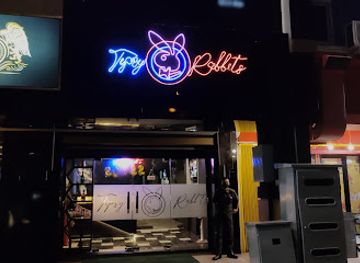
Tipsy Rabbits Lounge & Resto
Discover the vibrant nightlife at Tipsy Rabbits Lounge & Resto, Palembang's top destination for music, food, and fun.
-
Night club
Basri Xurax Night Club
Immerse yourself in the lively atmosphere of Basri Xurax Night Club, where music, dance, and local culture come together in South Sumatra's premier nightlife destination.
-
Night club
D.O.B.palembang
Discover the nightlife of Palembang at D.O.B. Palembang – where energetic music and vibrant ambiance meet.
-
Night club
Night Club Reko Nedi
Experience the electrifying nightlife at Night Club Reko Nedi in Palembang, where vibrant music and dance create unforgettable memories.
Best shops in South Sumatra
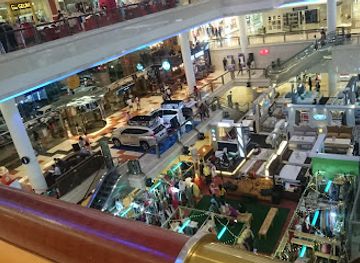
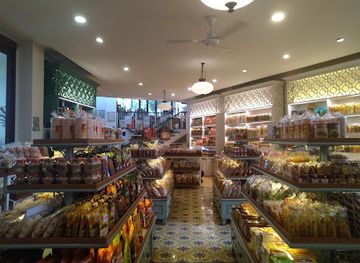
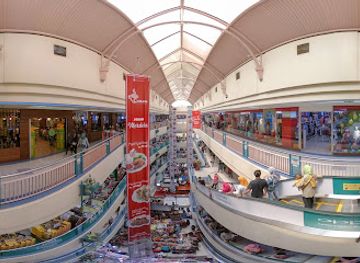
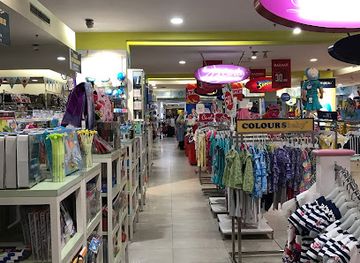
Palembang is the province’s principal shopping centre, combining modern malls and department stores with traditional markets, independent food shops and streets selling textiles and souvenirs. Songket Palembang, a handwoven cloth often featuring metallic thread, is the region’s most distinctive craft purchase; quality, design and price vary considerably, so buyers should ask about materials and weaving methods. Visitors may also find traditional lacquerware, small handicrafts and locally packaged foods. Pempek and related fish snacks are widely sold as take-home products, although check packaging and travel conditions before carrying them long distances. Markets and food shops offer coffee, tea, spices and other produce from the highlands and interior districts. In Pagar Alam and nearby towns, agricultural products and coffee have greater prominence, while smaller market towns focus on practical goods rather than specialist retail. Bargaining may be appropriate in some markets, but it should be conducted courteously and not assumed in fixed-price shops.
-
Shopping mall
Sun Plaza
Discover shopping, dining, and entertainment at Sun Plaza, Medan's premier mall that captures the essence of local culture and modern retail.
-
Outlet store
Rumah Mode Factory Outlet
Discover unbeatable fashion deals at Rumah Mode Factory Outlet, the ultimate shopping destination in Bandung, West Java.
-
Shopping mall
Medan Mall
Explore Medan Mall, a vibrant shopping haven in Medan City, offering diverse stores, delightful dining, and entertainment for every visitor.
-
Shopping mall
Mall Kartini
Explore Mall Kartini in Bandar Lampung for a vibrant shopping and dining experience with diverse options and family-friendly entertainment.
Get your free copy of our complete guide to South Sumatra, delivered straight to you.
Everything on this page, from attractions and restaurants to essentials and local phrases, in one PDF you can read offline, print or share.
Already have an account? Sign in
Your South Sumatra guide is ready.
We'll send it to · Not you? Sign out

Getting your guide ready…
We are putting together a fresh copy of the South Sumatra guide. This can take up to a minute.
This can take a few moments. If your browser asks, choose Allow so the download can start. You'll find the guide in your Downloads folder.
Nothing happened? Download it again
Sorry, the guide is taking longer than usual. Please try again in a minute, or get it by email instead.
South Sumatra essentials
Currency and Payment
Safety
Emergency Situations
Do's and Don'ts
Local Tips
From Eve
Local phrases worth knowing
You don't need to get them perfect. A few words go a long way, and locals appreciate the effort.
Basics
| English | Local | Say it |
|---|---|---|
| Hello | Halo | [hɑːloʊ] |
| Goodbye | Selamat tinggal | [səˈlɑːmət ˈtiŋɡəl] |
| Yes | Iya | [iːjɑː] |
| No | Tidak | [tiːˈdɑːk] |
| Please/You're welcome | Silakan/Sama-sama | [siˈlɑːkən/ˈsɑːmə ˈsɑːmə] |
| Thank you | Terima kasih | [təˈrimɑː ˈkɑːsi] |
| Excuse me/Sorry | Permisi/Maaf | [pərˈmisi/mɑːf] |
| How are you? | Apa kabar? | [ˈɑːpɑː kɑˈbɑːr] |
| Fine. And you? | Baik. Dan kamu? | [ˈbaɪk. dɑn ˈkɑːmu] |
| Do you speak English? | Apakah kamu bisa berbahasa Inggris? | [ˈɑːpɑːkɑː ˈkɑːmu ˈbɪsɑː bərˈbɑːhɑː ˈɪŋɡrɪs] |
| I don't understand | Saya tidak mengerti | [ˈsɑːjɑː tiːˈdɑːk məŋərˈti] |
Eating & Drinking
| English | Local | Say it |
|---|---|---|
| I'd like to see the menu, please | Saya ingin melihat menu, silakan | [ˈsɑːjɑː ˈiŋɪn məˈlihɑːt məˈnuː, siˈlɑːkən] |
| I don't eat meat | Saya tidak makan daging | [ˈsɑːjɑː tiːˈdɑːk ˈmɑːkən ˈdɑːɡɪŋ] |
| Cheers! | Selamat minum! | [səˈlɑːmət ˈminum] |
| I would like to pay, please | Saya ingin membayar, silakan | [ˈsɑːjɑː ˈiŋɪn məmˈbɑːjɑːr, siˈlɑːkən] |
Emergencies
| English | Local | Say it |
|---|---|---|
| Help! | Tolong! | [ˈtoːlɔŋ] |
| Go away! | Pergi jauh! | [pərˈɡi ˈdʒɑʊ] |
| Call the Police! | Panggil Polisi! | [ˈpaŋɡɪl pɔˈlɪsi] |
| Call a doctor! | Panggil dokter! | [ˈpaŋɡɪl ˈdɔktər] |
| I'm lost | Saya tersesat | [ˈsɑːjɑː tərˈsɛsat] |
| I'm ill | Saya sakit | [ˈsɑːjɑː ˈsɑːkɪt] |
Shopping
| English | Local | Say it |
|---|---|---|
| I'd like to buy... | Saya ingin membeli... | [ˈsɑːjɑː ˈiŋɪn məmˈbeli...] |
| I'm just looking | Saya hanya melihat | [ˈsɑːjɑː ˈhɑːnjɑ ˈməlihɑːt] |
| How much is it? | Berapa harganya? | [bəˈrɑːpɑː hɑːrˈɡɑːnʲɑ] |
| That's too expensive | Itu terlalu mahal | [ˈitu tərˈlɑːlu ˈmɑːhɑl] |
| Can you lower the price? | Bisakah kamu menurunkan harga? | [ˈbɪsɑːkɑː ˈkɑːmu məˈnuːrʊnˌkɑːn ˈhɑːrɡɑː] |
Time & Numbers
| English | Local | Say it |
|---|---|---|
| What time is it? | Jam berapa? | [dʒɑːm bəˈrɑːpɑː] |
| It's one o'clock | Jam satu | [dʒɑːm ˈsɑːtu] |
| Half past (10) | Setengah sebelas | [səˈtɛŋah səˈbəlɑs] |
| Morning | Pagi | [ˈpɑːɡi] |
| Afternoon | Sore | [ˈsɔːrɛ] |
| Evening | Malam | [ˈmɑːlɑm] |
| Yesterday | Kemarin | [kəˈmɑːrɪn] |
| Today | Hari ini | [ˈhɑːri ˈini] |
| Tomorrow | Besok | [ˈbɛsɔk] |
| 1 | Satu | [ˈsɑːtu] |
| 2 | Dua | [ˈduːə] |
| 3 | Tiga | [ˈtiːɡɑː] |
| 4 | Empat | [ɛmˈpɑːt] |
| 5 | Lima | [ˈliːmɑː] |
| 6 | Enam | [əˈnɑːm] |
| 7 | Tujuh | [ˈtuːdʒuːh] |
| 8 | Delapan | [dəˈlɑːpɑːn] |
| 9 | Sembilan | [səmˈbɪlɑːn] |
| 10 | Sepuluh | [səˈpʊlʊh] |
Transport & Directions
| English | Local | Say it |
|---|---|---|
| Where's a/the...? | Di mana...? | [di ˈmɑːnɑː] |
| What's the address? | Apa alamatnya? | [ˈɑːpɑː əˈlɑːmɑːt] |
| Can you show me (on the map)? | Bisakah kamu tunjukkan (di peta)? | [ˈbɪsɑːkɑː ˈkɑːmu ˈtunʤʊkɑn (di ˈpɛtɑː)] |
| When's the next (bus)? | Kapan bus berikutnya? | [ˈkɑːpɑːn bʊs bɪrɪkʊtˈɲɑ] |
| A ticket (to ....) | Tiket (ke ...) | [ˈtikɛt (kə ...)] |
History of South Sumatra
Early Megalithic Communities
The highland districts around Lahat and Pagar Alam contain a notable concentration of prehistoric megalithic remains, including stone figures, burial-related monuments and carved features. Their exact dates and meanings vary by site, but they demonstrate that communities in the southern Sumatran uplands developed complex ritual and social practices long before written records. The monuments are usually found in rural settings rather than within large formal museums, and their survival is closely connected with local landscapes and farming areas. They provide an important counterpoint to the better-known maritime history of Palembang.
Srivijaya and the Musi River, c. Seventh–Thirteenth Centuries
Palembang is strongly associated with Srivijaya, a Buddhist-oriented maritime power that prospered through control of river routes and wider connections across the Strait of Malacca and Southeast Asia. Archaeological evidence around the Musi basin, including sites linked with Bukit Siguntang and ancient settlement zones, helps explain the city’s early importance. Srivijaya was not simply a local kingdom: it formed part of a network of ports, religious centres and trading relationships. The river remains central to South Sumatra’s identity, echoing the geography that supported this early power.
The Palembang Sultanate
After the decline of Srivijaya and later regional powers, Palembang developed as a Malay-Islamic political centre. The Sultanate of Palembang Darussalam emerged in the seventeenth century and maintained authority through riverine networks, agriculture and trade. Its legacy can be seen in the city’s Islamic traditions, courtly culture and surviving historic buildings, although much of the old political landscape has been transformed by modern development. The sultanate also formed part of the wider contest for influence in southern Sumatra involving local rulers, regional merchants and European powers.
Dutch Colonial Rule and the End of the Sultanate
Dutch influence in Palembang intensified during the eighteenth and nineteenth centuries as the colonial state sought control over trade, territory and natural resources. The Palembang Sultanate was abolished in 1825 following conflict with the Dutch, bringing the city more directly into the colonial administrative system. Roads, plantations and commercial networks expanded unevenly, while the Musi continued to serve as a major transport artery. Colonial-era changes laid foundations for later urban growth but also altered established political structures and patterns of land ownership.
Oil, Coal, Rubber and Plantation Development
During the late colonial period and the twentieth century, South Sumatra became increasingly important for resource extraction and plantation agriculture. Oil fields, coal deposits, rubber cultivation and later palm-oil development reshaped parts of the province, linking inland districts to ports, railways and urban markets. Coal mining around Tanjung Enim became particularly significant, while rubber helped connect rural communities to international commodity cycles. These industries brought employment and infrastructure but also created enduring environmental and land-use pressures.
Occupation, Revolution and Indonesian Independence
South Sumatra experienced Japanese occupation during the Second World War and the upheaval that followed Indonesia’s declaration of independence in 1945. Palembang and the surrounding resource areas were strategically important because of their transport routes and oil installations. The revolutionary period involved political mobilisation, armed conflict and struggles over control of infrastructure. After Indonesian sovereignty was established, South Sumatra became part of the new republic and its provincial institutions gradually developed within the national state.
Modern Provincial Transformation
Post-independence South Sumatra has combined rapid urbanisation with continuing rural change. Palembang expanded as a provincial capital, educational centre and transport hub, while plantations, mining, irrigation and transmigration altered the demographic and economic geography of the interior. The Musi River remains both a working waterway and a cultural symbol, while highland agriculture and coastal conservation have become increasingly important to regional planning. Contemporary South Sumatra therefore reflects several overlapping legacies: ancient maritime exchange, Malay and Islamic institutions, colonial extraction and a modern resource-based economy.
South Sumatra in Photos
Browse through our photo collection highlighting the charm and character of the destination.
Neighbouring regions of South Sumatra
The closest regions to South Sumatra, if you have time for more than one.
-

-

-

-

-


Swipe for more regions
Explore more

Explore more of Indonesia
Explore Indonesia: An archipelago of diverse cultures, stunning landscapes, and endless adventures from bustling cities to serene beaches.
Explore Indonesia