

Free Sumatra Travel Guide & Mobile App
Explore Sumatra with free travel guides. Discover regional history, expert tips, proposed trips, and audio guides on web or mobile app.


Explore Sumatra for volcanic lakes, rainforest wildlife, highland cultures, historic river cities and some of Indonesia’s most distinctive regional food.
Read more about Sumatra
When is the best time to visit Sumatra?
Best: February, July–August · 31°C| Month | High (°C) | Rainfall (mm) |
|---|---|---|
| January | 31 | 250 |
| February (best) | 31 | 230 |
| March | 31 | 250 |
| April | 31 | 270 |
| May | 31 | 280 |
| June | 31 | 250 |
| July (best) | 31 | 230 |
| August (best) | 31 | 230 |
| September | 31 | 250 |
| October | 31 | 270 |
| November | 31 | 280 |
| December | 31 | 270 |
Getting to and around Sumatra
How to get there
Transportation
Top city travel guides in Sumatra
The cities of Sumatra, and the easiest places to base yourself.

Swipe for more cities
Destinations in Sumatra
Resorts, valleys and scenic spots worth a trip of their own.
-

-


Swipe for more destinations
Best attractions in Sumatra
-
Tourist attraction
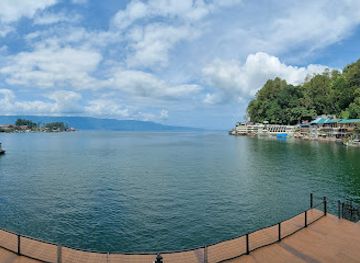
Pantai Bebas Parapat Danau Toba
Experience the breathtaking beauty of Pantai Bebas Parapat on the serene shores of Danau Toba, a perfect retreat for relaxation and adventure.
-
Tourist attraction
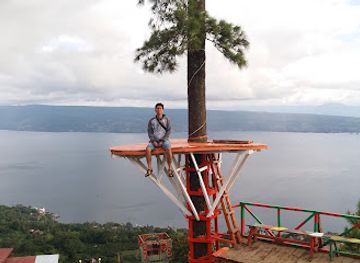
Bukit Indah Simarjarunjung
Explore the stunning beauty of Bukit Indah Simarjarunjung, where mesmerizing views of Lake Toba await every visitor in North Sumatra.
-
Catholic church
Graha Bunda Maria Annai Velangkanni
Discover the stunning architecture and serene atmosphere of Graha Bunda Maria Annai Velangkanni, a must-visit spiritual landmark in Medan, North Sumatra.
-
Buddhist temple
Maha Vihara Maitreya
Explore the serene beauty and rich culture of Maha Vihara Maitreya, a stunning Buddhist temple in Medan, a unique gem for spiritual seekers and travelers alike.


Best landmarks in Sumatra
Sumatra’s landmarks express its volcanic geology, maritime history and cultural plurality. Lake Toba is the island’s defining natural feature, an immense caldera whose shores and islands are closely associated with Batak history and architecture. Mount Kerinci provides a powerful highland landmark in Jambi and West Sumatra, while the rainforest ridges of the Barisan range shape views across much of the island. In Banda Aceh, the Baiturrahman Grand Mosque is a major symbol of the city, and the Aceh Tsunami Museum and the inland-drifted power ship preserve the memory of the 2004 disaster. Palembang’s Ampera Bridge spans the Musi and has become a visual emblem of the city, while the Muaro Jambi temple complex represents the region’s connection with the Srivijaya-era Buddhist world. West Sumatra’s traditional rumah gadang houses, with their sweeping rooflines, are distinctive cultural landmarks, particularly in Minangkabau communities. Bengkulu’s Fort Marlborough records British and later colonial competition on the western coast, and the old coal railway landscapes around Sawahlunto reveal the industrial history of the highlands.
-
Historical place
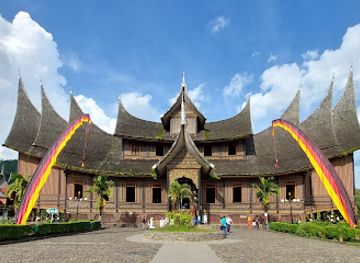
Istano Basa Pagaruyung
Explore Istano Basa Pagaruyung, a stunning historical palace in West Sumatra that showcases the rich Minangkabau culture and tradition.
-
Fortress
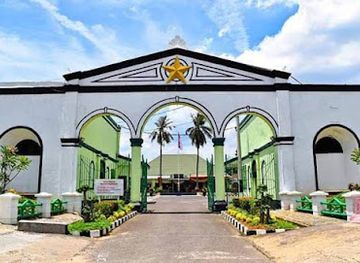
Kuto Besak Fortress
Explore the rich history and stunning architecture of Kuto Besak Fortress, a must-visit landmark in Palembang, Sumatra.
-
Monument
Monumen Merpati Perdamaian
Discover Monumen Merpati Perdamaian in Padang, a breathtaking monument symbolizing peace and unity amidst stunning natural beauty.
-
Tourist attraction
Puncak Lawang
Discover the breathtaking views and thrilling paragliding adventures at Puncak Lawang, a must-visit tourist attraction in West Sumatra.
Explore Sumatra on the map
Plan your trip on one map. See where the top cities, national parks and sights are, and book hotels and experiences in a few clicks.
Best hotels in Sumatra
Best restaurants in Sumatra
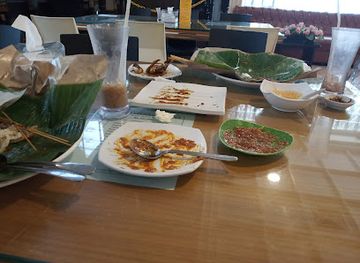
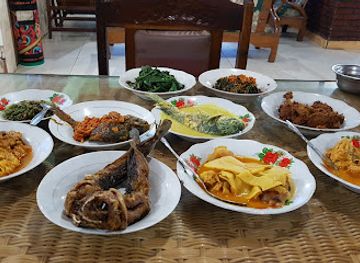
Sumatra has one of Indonesia’s most varied regional food cultures. Minangkabau restaurants, commonly recognised by their displays of prepared dishes, are found across the island and are associated with rendang, spicy curries, gulai, grilled chicken and richly seasoned vegetables, although the best-known dishes have become part of the wider Indonesian culinary repertoire. Padang and Bukittinggi are strong places to explore this tradition alongside market snacks and sweet coffee. In Palembang, try pempek, fishcake served with a dark, sharp-sweet sauce, while Medan is known for a broad mix of Malay, Chinese, Indian and Batak influences. Acehnese cooking includes spiced noodles, rice dishes and strong coffee traditions; Lampung contributes coffee and local produce; and coastal towns offer varied seafood. Food markets, roadside stalls, coffee houses, family restaurants and simple warungs are often more revealing than formal dining rooms. Many establishments are halal, but travellers should still ask about ingredients, particularly when ordering meat, seafood or dishes containing fermented products.
-
Indonesian
Miramar Restaurant, Medan
Discover authentic Indonesian cuisine at Miramar Restaurant in Medan - a must-visit culinary destination for food enthusiasts.
-
Padang restaurant
Rumah Makan & Restaurant Aie Badarun
Discover the flavors of Indonesia at Rumah Makan & Restaurant Aie Badarun - where every dish tells a story.
-
Padang restaurant
Kuraya Resto
Experience authentic Padang cuisine at Kuraya Resto in West Sumatra, where tradition meets flavor in every dish.
-
Padang restaurant
One Gunung
Experience authentic Padang cuisine at One Gunung in Dharmasraya Regency, where traditional flavors meet warm hospitality.
Best bars in Sumatra
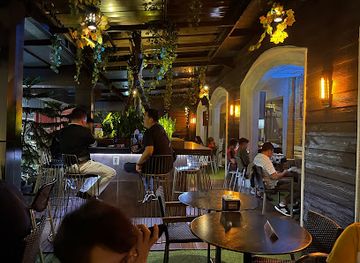
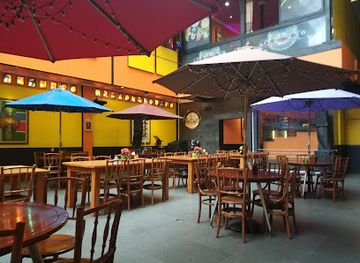
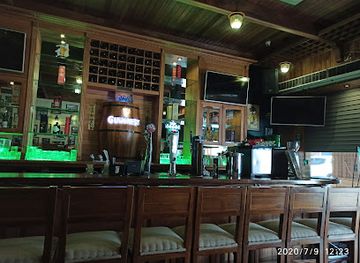
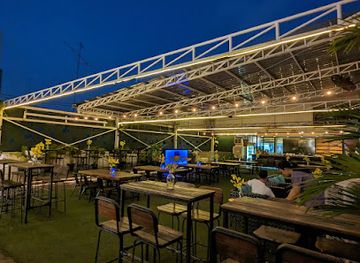
Evening life in Sumatra is generally more varied than a conventional nightclub guide suggests. In Medan, Padang, Palembang, Pekanbaru and Bandar Lampung, visitors will find hotel lounges, restaurants, karaoke venues, coffee shops and a modest selection of bars, with nightlife concentrated in commercial districts rather than across the whole city. In Banda Aceh, public nightlife is more restrained because of the province’s Islamic legal and social environment, and coffee houses are central to evening social life. Lake Toba and Bukit Lawang have relaxed visitor-oriented restaurants and occasional live music, but their atmosphere depends heavily on the season and local regulations. In smaller towns, evenings usually centre on food stalls, cafés, family gatherings and traditional or contemporary music rather than clubs. Alcohol may be limited or unavailable in many areas, and visitors should respect local customs instead of assuming that nightlife follows the patterns of Bali or Jakarta.
-
Bar
BISTRONOMIX
Experience the best of Medan's vibrant culinary scene at BISTRONOMIX, where delicious food and drinks meet a lively atmosphere.
-
Karaoke bar
Teebox Padang
Discover the joy of singing and socializing at Teebox Padang, where the nightlife of West Sumatra comes alive in vibrant harmony.
-
Bar
Healy Mac's Bar And Restaurant Medan
Discover the lively atmosphere and delicious offerings at Healy Mac's Bar and Restaurant in Medan, where great food meets vibrant nightlife.
-
Bar
Level 02
Experience the vibrant nightlife at Level 02, a premier bar in Medan City offering a delightful mix of drinks and a welcoming atmosphere.
Best nightclubs in Sumatra
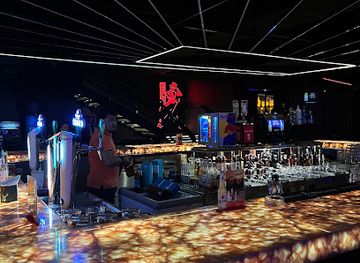
Evening life in Sumatra is generally more varied than a conventional nightclub guide suggests. In Medan, Padang, Palembang, Pekanbaru and Bandar Lampung, visitors will find hotel lounges, restaurants, karaoke venues, coffee shops and a modest selection of bars, with nightlife concentrated in commercial districts rather than across the whole city. In Banda Aceh, public nightlife is more restrained because of the province’s Islamic legal and social environment, and coffee houses are central to evening social life. Lake Toba and Bukit Lawang have relaxed visitor-oriented restaurants and occasional live music, but their atmosphere depends heavily on the season and local regulations. In smaller towns, evenings usually centre on food stalls, cafés, family gatherings and traditional or contemporary music rather than clubs. Alcohol may be limited or unavailable in many areas, and visitors should respect local customs instead of assuming that nightlife follows the patterns of Bali or Jakarta.
-
Disco club
Retrospective Reserve
Discover the electrifying nightlife of Medan at Retrospective Reserve, a top disco club featuring vibrant music, stylish ambiance, and unforgettable experiences.
-
Pub
The Cube Club
Experience the vibrant nightlife of Medan at The Cube Club, where great drinks and lively entertainment await.
-
Night club
SHOOT RESTO BAR CLUB
Discover the electrifying nightlife at SHOOT RESTO BAR CLUB in Medan, where live music and great vibes await every night.
-
Cocktail bar
VEGAS CLUB PADANG
Discover the vibrant nightlife of Padang at Vegas Club, the ultimate cocktail and entertainment hub with lively atmosphere and karaoke fun.


Best shops in Sumatra
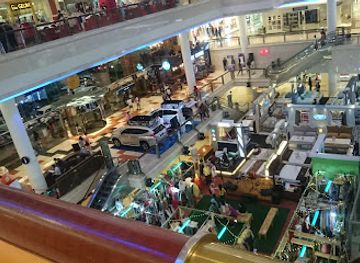
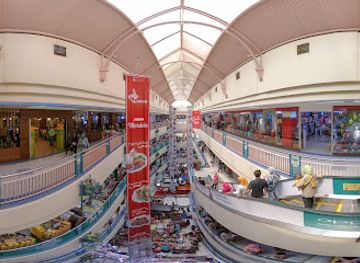
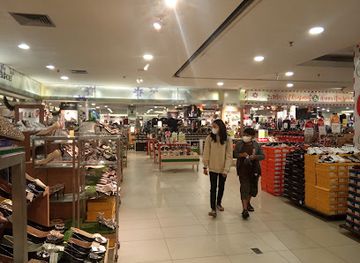
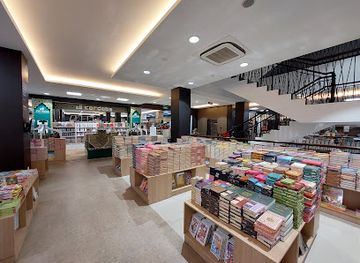
Shopping in Sumatra is strongest when approached through its markets, food traditions and regional crafts rather than through large-scale retail. Medan and Padang have busy urban markets, modern malls and shops selling coffee, spices, snacks and packaged local produce. Bukittinggi is well known for textile shopping, including songket and embroidered work, although quality and provenance vary; ask sellers about how items were made and compare prices before buying. Palembang is associated with songket weaving, while West Sumatran towns offer carved wood, woven goods and Minangkabau-inspired designs. Coffee from the highlands of Aceh, North Sumatra, Kerinci and Lampung is a practical souvenir when purchased from a reputable roaster, and regional spice pastes and sweets travel well if sealed appropriately. Smaller markets can be excellent for observing everyday commerce, but bargaining should remain courteous and proportionate. In remote craft communities, buying directly from makers or established cooperatives can provide clearer support than purchasing mass-produced items labelled as traditional.
-
Shopping mall
Sun Plaza
Discover Sun Plaza in Medan: A vibrant shopping mall offering diverse retail, delicious dining, and exciting entertainment experiences for all visitors.
-
Shopping mall
Medan Mall
Experience the vibrant shopping and dining scene at Medan Mall, North Sumatra's premier shopping destination.
-
Shopping mall
Mall Kartini
Explore Mall Kartini in Bandar Lampung for an unforgettable shopping and dining experience, blending local culture with international flair.
-
Book store
Gramedia Book Store
Immerse yourself in the world of books at Gramedia Book Store, a must-visit literary paradise in Padang, West Sumatra.
Get your free copy of our complete guide to Sumatra, delivered straight to you.
Everything on this page, from attractions and restaurants to essentials and local phrases, in one PDF you can read offline, print or share.
Already have an account? Sign in
Your Sumatra guide is ready.
We'll send it to · Not you? Sign out

Getting your guide ready…
We are putting together a fresh copy of the Sumatra guide. This can take up to a minute.
This can take a few moments. If your browser asks, choose Allow so the download can start. You'll find the guide in your Downloads folder.
Nothing happened? Download it again
Sorry, the guide is taking longer than usual. Please try again in a minute, or get it by email instead.
Sumatra essentials
Currency and Payment
Safety
Emergency Situations
Do's and Don'ts
Local Tips
From Eve
Local phrases worth knowing
You don't need to get them perfect. A few words go a long way, and locals appreciate the effort.
Basics
| English | Local | Say it |
|---|---|---|
| Hello | Halo | [Hah-loh] |
| Goodbye | Selamat tinggal | [Seh-lah-mat teen-gahl] |
| Yes | Ya | [Yah] |
| No | Tidak | [Tee-dahk] |
| Please/You're welcome | Silakan/ Sama-sama | [See-lah-kahn/ Sah-mah sah-mah] |
| Thank you | Terima kasih | [Teh-ree-mah kah-see] |
| Excuse me/Sorry | Permisi/ Maaf | [Per-mee-see/ Mah-ahf] |
| How are you? | Apa kabar? | [Ah-pah kah-bar] |
| Fine. And you? | Baik. Dan kamu? | [By-ik. Dan kah-moo] |
| Do you speak English? | Apakah kamu bisa berbahasa Inggris? | [Ah-pah-kah kah-moo bee-sah ber-bah-sah Ing-gris] |
| I don't understand | Saya tidak mengerti | [Sah-yah tee-dahk meng-er-tee] |
Eating & Drinking
| English | Local | Say it |
|---|---|---|
| I'd like to see the menu, please | Saya ingin melihat menu, silakan | [Sah-yah in-gin meh-lih-hat meh-nu, see-lah-kahn] |
| I don't eat meat | Saya tidak makan daging | [Sah-yah tee-dahk mah-kahn dah-ging] |
| Cheers! | Selamat makan! | [Seh-lah-mat mah-kahn] |
| I would like to pay, please | Saya ingin membayar, silakan | [Sah-yah in-gin mem-bah-yar, see-lah-kahn] |
Emergencies
| English | Local | Say it |
|---|---|---|
| Help! | Tolong! | [Toh-long] |
| Go away! | Pergi jauh! | [Per-gee jah-oo] |
| Call the Police! | Panggil Polisi! | [Pang-geel Poh-lee-see] |
| Call a doctor! | Panggil dokter! | [Pang-geel dok-ter] |
| I'm lost | Saya tersesat | [Sah-yah ter-seh-saht] |
| I'm ill | Saya sakit | [Sah-yah sah-kit] |
Shopping
| English | Local | Say it |
|---|---|---|
| I'd like to buy... | Saya ingin membeli... | [Sah-yah in-gin mem-beh-li...] |
| I'm just looking | Saya hanya melihat | [Sah-yah han-yah meh-lih-hat] |
| How much is it? | Berapa harganya? | [Brah-pah har-gah-nya] |
| That's too expensive | Itu terlalu mahal | [Ee-too ter-lah-loo mah-hal] |
| Can you lower the price? | Bisakah kamu menurunkan harga? | [Bee-sah-kah kah-moo meh-noo-run-kahn har-gah] |
Time & Numbers
| English | Local | Say it |
|---|---|---|
| What time is it? | Jam berapa sekarang? | [Jahm brah-pah seh-kah-rang] |
| It's one o'clock | Jam satu | [Jahm sah-too] |
| Half past (10) | Setengah (10) | [Seh-teng-ah (10)] |
| Morning | Pagi | [Pah-gee] |
| Afternoon | Sore | [So-reh] |
| Evening | Malam | [Mah-lahm] |
| Yesterday | Kemarin | [Kah-mah-rin] |
| Today | Hari ini | [Hah-ree ee-nee] |
| Tomorrow | Besok | [Beh-sok] |
| 1 | Satu | [Sah-too] |
| 2 | Dua | [Doo-ah] |
| 3 | Tiga | [Tee-gah] |
| 4 | Empat | [Em-pat] |
| 5 | Lima | [Lee-mah] |
| 6 | Enam | [Eh-nahm] |
| 7 | Tujuh | [Too-joo] |
| 8 | Delapan | [Deh-lah-pahn] |
| 9 | Sembilan | [Sem-bee-lahn] |
| 10 | Sepuluh | [Seh-poo-loo] |
Transport & Directions
| English | Local | Say it |
|---|---|---|
| Where's a/the...? | Di mana ...? | [Dee mah-nah ...?] |
| What's the address? | Apa alamatnya? | [Ah-pah ah-lah-maht-nya] |
| Can you show me (on the map)? | Bisakah kamu menunjukkan (di peta)? | [Bee-sah-kah kah-moo men-unjuk-kahn (dee peh-tah)?] |
| When's the next (bus)? | Kapan (bus) selanjutnya? | [Kah-pahn (boos) seh-lahn-joo-tah?] |
| A ticket (to ....) | Sebuah tiket (ke ....) | [Seh-boo-ahh tee-ket (keh ....)] |
History of Sumatra
Early Settlements and the Ancient Barisan Landscape
Sumatra has long been inhabited by communities adapting to mountain valleys, river basins, forests and coasts. Archaeological evidence from the island includes prehistoric stone tools, megalithic traditions and early settlements associated with farming and trade. The Barisan range helped create distinct cultural areas, while navigable rivers connected inland communities with the Strait of Malacca and the wider Indian Ocean. These early patterns of movement and exchange laid foundations for the island’s later linguistic, religious and political diversity.
Srivijaya and the Maritime Trade of Palembang
From roughly the seventh to the thirteenth centuries, the Buddhist maritime polity of Srivijaya exerted influence from its centre around Palembang and the Musi River. Its power depended on controlling strategic sea routes and drawing ships into the network of the Strait of Malacca. Inscriptions, imported ceramics and the extensive remains at Muaro Jambi testify to the wider cultural and religious world connected to this period. Srivijaya’s legacy helps explain why southern Sumatra became an important meeting point for Southeast Asian, Indian and Chinese commerce.
Islamic Sultanates and Port-City Networks
Islam spread through trading communities, teachers and ruling courts rather than through a single island-wide event. The Sultanate of Aceh became a major power at the northern tip of Sumatra from the sixteenth century, while other sultanates and coastal polities developed along the island’s eastern and western shores. Aceh’s capital, Banda Aceh, grew as a centre of scholarship and commerce. Inland societies, including the Minangkabau communities of West Sumatra and the Batak peoples around Lake Toba, retained distinctive political and cultural systems while engaging with expanding Muslim trade networks.
European Companies and Colonial Consolidation
European commercial powers competed for Sumatra’s pepper, tin, gold, camphor and other commodities. Dutch influence expanded gradually through treaties, forts and military campaigns, rather than arriving as a fully controlled territory at once. Dutch rule became particularly significant in plantation districts, mining areas and ports linked to global markets. The long Aceh War, which began in 1873, was one of the most difficult and protracted conflicts faced by the Dutch in the Indonesian archipelago. Colonial infrastructure reshaped towns, roads, railways and export agriculture, while also provoking resistance and social change.
Plantations, Mining and the Modern Economy
During the late nineteenth and early twentieth centuries, Sumatra was transformed by commercial production of rubber, tobacco, coffee, palm oil and other commodities, alongside coal, petroleum and tin extraction. Deli tobacco estates near Medan became especially prominent, while Ombilin coal and oil-producing areas connected the island to international industry. These developments brought migrant labour, new transport links and rapidly growing port cities, but also created unequal land and labour systems. Contemporary Sumatra still reflects this economic history in its plantations, industrial districts, railways and environmental pressures.
War, Independence and Regional Political Change
Japanese occupation during the Second World War disrupted Dutch colonial rule and intensified political mobilisation. Sumatrans participated in the Indonesian nationalist movement and in the struggle that followed the proclamation of independence in 1945. The early republic faced armed conflict, economic disruption and difficult negotiations before sovereignty was recognised by the Netherlands in 1949. Regional political movements later shaped relations between Jakarta and the island, contributing to periods of conflict in Aceh and other areas. The peace agreement in Aceh in 2005 created a new era of regional autonomy after decades of violence.
The 2004 Indian Ocean Tsunami
On 26 December 2004, an undersea earthquake west of northern Sumatra generated a tsunami that devastated coastal areas, particularly in Aceh. Banda Aceh and many communities along the province’s western and northern shores suffered enormous loss of life and extensive physical destruction. Reconstruction changed the urban landscape, improved disaster-awareness systems and produced memorials such as the Aceh Tsunami Museum and the neighbouring hull of a power-generating ship carried inland by the waves. The event remains central to Aceh’s contemporary history and to international understanding of tsunami risk.
Sumatra in Photos
Browse through our photo collection highlighting the charm and character of the destination.
Neighbouring regions of Sumatra
The closest regions to Sumatra, if you have time for more than one.
-

-

-

-

-


Swipe for more regions

