

Free Central Papua Travel Guide & Mobile App
Explore Central Papua with free travel guides. Discover regional history, expert tips, proposed trips, and audio guides on web or mobile app.


Central Papua combines Paniai's highland lakes, Mimika's rainforests and demanding mountain landscapes with distinctive Papuan cultures.
Read more about Central Papua
When is the best time to visit Central Papua?
Best: June–August · 27°C| Month | High (°C) | Rainfall (mm) |
|---|---|---|
| January | 28 | 300 |
| February | 28 | 280 |
| March | 28 | 290 |
| April | 28 | 270 |
| May | 28 | 260 |
| June (best) | 27 | 250 |
| July (best) | 27 | 240 |
| August (best) | 27 | 250 |
| September | 28 | 270 |
| October | 28 | 280 |
| November | 28 | 290 |
| December | 28 | 300 |
Getting to and around Central Papua
How to get there
Transportation
Best attractions in Central Papua
Central Papua's attractions are shaped more by landscape and cultural setting than by a dense network of formal tourist facilities. Around Paniai, Deiyai and Dogiyai, highland lakes, cultivated valleys and forested ridges provide the basis for guided walks, community visits and landscape photography, subject to local permission and current security advice. The southern lowlands around Mimika offer rivers, rainforest, wetlands and mangroves, with access to parts of the wider Lorentz National Park landscape through specialist operators and authorised arrangements. The park is a vast protected area extending beyond Central Papua, so excursions should specify exactly which section is being visited. Timika and Nabire provide the province's most practical urban bases, with markets, local food and everyday Papuan life rather than a conventional catalogue of museums and theme attractions. High-altitude expeditions towards Puncak Jaya appeal to experienced mountaineers, but access, permits, security and environmental conditions make them specialist undertakings. Across the province, the most meaningful experiences depend on local guides, realistic itineraries and respect for customary communities and fragile ecosystems.
-
Monument
West Irian Liberation Monument
Explore the West Irian Liberation Monument in Jakarta, a symbol of Indonesia's journey to freedom and a must-visit tourist attraction.
-
Tourist attraction
Piaynemo Raja Ampat
Explore the breathtaking landscapes and underwater wonders of Piaynemo Raja Ampat, a hidden paradise in Indonesia known for its stunning beauty.
-
Historical landmark
Monumen Gong Perdamaian Dunia
Explore Monumen Gong Perdamaian Dunia in Ambon, a stunning monument dedicated to peace, surrounded by natural beauty and rich cultural history.
-
Tourist attraction
Bukit Jokowi
Explore the breathtaking views and serene nature of Bukit Jokowi, a top tourist attraction in Jayapura, Papua, perfect for adventure and relaxation.


Best landmarks in Central Papua
Central Papua's most significant landmarks are largely geographical and industrial. Lake Paniai, Lake Tigi and Lake Tage form a notable highland lake landscape whose shores and surrounding valleys are closely connected with local communities and customary life. The Sudirman Range, including Puncak Jaya, gives the province one of Indonesia's most dramatic mountain profiles, although the summit area is a restricted and technically demanding expedition destination rather than an ordinary sightseeing stop. In Mimika, the Grasberg mining complex is a powerful modern landmark of the province's economic history, but industrial access is controlled and visitors should not approach restricted facilities. The broad rivers, rainforest and wetland environments associated with the Mimika lowlands lead towards the Central Papuan part of Lorentz National Park, a protected landscape of international importance that extends well beyond the province. Nabire's coastal setting and Timika's rapidly developed urban landscape complete a contrast between maritime gateway, highland basin, rainforest frontier and resource-based city.
-
Monument
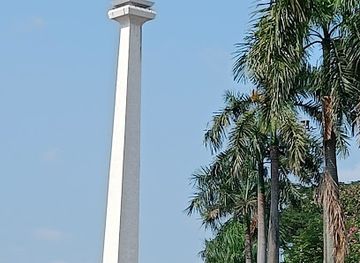
Monas
Discover the iconic Monas in Jakarta, a monument of independence surrounded by lush Merdeka Square, offering panoramic city views and rich historical insights.
-
Buddhist temple
Borobudur Temple
Explore the breathtaking Borobudur Temple, a UNESCO World Heritage site that showcases Indonesia's rich Buddhist heritage and stunning architectural brilliance.
-
Scenic spot
Tanah Lot
Explore Tanah Lot, Bali's breathtaking sea temple, famed for its stunning sunsets and cultural heritage, making it a must-see for every traveler.
-
Tourist attraction
Piaynemo Raja Ampat
Explore Piaynemo in Raja Ampat, a breathtaking paradise known for its stunning viewpoints and vibrant marine life, perfect for adventure and relaxation.


Explore Central Papua on the map
Plan your trip on one map. See where the top cities, national parks and sights are, and book hotels and experiences in a few clicks.
Best hotels in Central Papua
Best restaurants in Central Papua
Dining in Central Papua is centred on Indonesian staples, Papuan ingredients and practical town-based eateries rather than a distinct restaurant circuit. Timika and Nabire have the broadest choice, including warungs, family restaurants, coffee shops and Indonesian establishments serving rice, noodles, grilled fish, chicken, vegetables and spicy sambal. Coastal communities make greater use of fish and other seafood, while highland cooking reflects local gardens, with sweet potatoes, taro, greens and other cultivated produce appearing alongside nationally familiar dishes. Sago is an important food tradition in many parts of Papua, particularly the lowlands, where it may be prepared in forms such as papeda; recipes and accompanying dishes vary by community. Markets can be useful for fruit, snacks and prepared foods, but hygiene standards differ, so choose busy stalls with good turnover and carry drinking water. In remote districts, food supplies are limited and organised trips may require provisions or advance meal arrangements.
-
Seafood
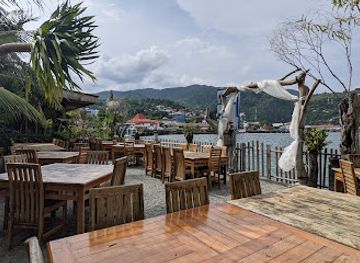
Rumah Laut restaurant
Discover exquisite seafood dining at Rumah Laut in Papua, where every dish reflects local flavors amidst breathtaking ocean views.
-
Seafood
Sendok Garpu Restaurant
Savor authentic Papuan cuisine at Sendok Garpu Restaurant - where every meal tells a story through fresh seafood and traditional flavors.
-
Family-friendly
Cristho Resto
Experience the vibrant flavors of Asian and Manado cuisine at Cristho Resto in Jayapura—perfect for families seeking authentic local dining.
-
Porridge restaurant
Mandala Sentani
Experience authentic Papuan cuisine at Mandala Sentani, renowned for its delicious porridge and welcoming atmosphere.


Best bars in Central Papua
Central Papua does not have a large, region-wide nightclub scene. Evening life is concentrated in Timika and Nabire, where visitors will find restaurants, cafés, hotel lounges, karaoke venues and local bars, with activity shaped by business travel, shift work and the urban population rather than by a specialised nightlife district. In smaller towns, evenings generally centre on food stalls, family gatherings, church and community activities or modest local meeting places. Some hotels and restaurants serve beer and other drinks, but alcohol availability and local attitudes vary, so visitors should behave discreetly and follow venue rules. Live music and informal social occasions may appear without a fixed event calendar. Remote mountain and rainforest journeys have no dependable night-time entertainment infrastructure; carry a torch, return to accommodation before dark and avoid treating rural communities as nightlife venues.
-
Hotel
ASTON Niu Manokwari Hotel and Conference Center
Discover luxury and comfort at ASTON Niu Manokwari Hotel, your gateway to the beauty of West Papua.
-
Restaurant
Pit's Corner ( Papua Specialty Coffee )
Immerse yourself in Papua's coffee culture at Pit's Corner, where every sip tells a story and every visit is a memorable experience.
-
Porridge restaurant
Mandala Sentani
Experience the authentic flavors of Papua at Mandala Sentani, a charming porridge restaurant offering a taste of local culture and cuisine.
-
Grill
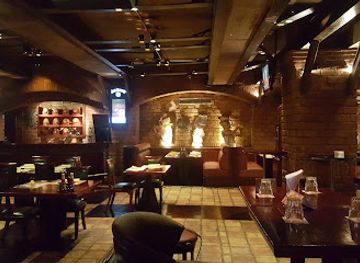
B.A.T.S. Bar and Restaurant
Experience Jakarta's vibrant nightlife at B.A.T.S. Bar and Restaurant, where exquisite dining meets lively entertainment in an upscale setting.


Best nightclubs in Central Papua
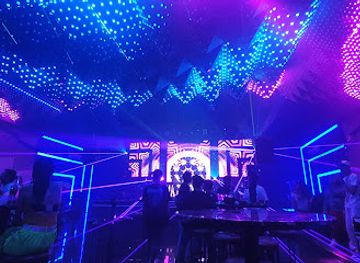
Central Papua does not have a large, region-wide nightclub scene. Evening life is concentrated in Timika and Nabire, where visitors will find restaurants, cafés, hotel lounges, karaoke venues and local bars, with activity shaped by business travel, shift work and the urban population rather than by a specialised nightlife district. In smaller towns, evenings generally centre on food stalls, family gatherings, church and community activities or modest local meeting places. Some hotels and restaurants serve beer and other drinks, but alcohol availability and local attitudes vary, so visitors should behave discreetly and follow venue rules. Live music and informal social occasions may appear without a fixed event calendar. Remote mountain and rainforest journeys have no dependable night-time entertainment infrastructure; carry a torch, return to accommodation before dark and avoid treating rural communities as nightlife venues.
-
Night club
BLUE ANGELS CLUB
Dive into an unforgettable nightlife experience at Blue Angels Club, the ultimate destination for dancing and karaoke in Jayapura, Papua.
-
Bar
Kangaroo Club
Experience the vibrant nightlife of Papua at Kangaroo Club, where local culture meets a lively bar atmosphere.
-
Night club
STARLIGHT EXECUTIVE CLUB
Starlight Executive Club: Discover the pulsating heart of Sorong's nightlife with electrifying music, vibrant crowds, and an unforgettable experience.
-
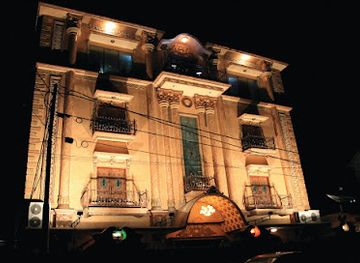
Night club
SCARLET CLUB
Discover the vibrant nightlife of Jayapura at Scarlet Club - where music, dance, and local culture collide in an unforgettable experience.


Best shops in Central Papua
Shopping in Central Papua is most practical in Nabire and Timika, where markets, small supermarkets, independent shops and produce stalls serve local residents. Fresh fruit, vegetables, fish, prepared snacks, coffee and packaged Indonesian foods are more useful purchases than standard tourist merchandise, while availability changes considerably outside the main towns. Handicrafts may include woven goods, beadwork, carvings and other items made within Papuan communities, but origins and permissions should be discussed with the seller and visitors should avoid purchasing objects that may be culturally restricted or made from protected wildlife. Local markets are places for ordinary commerce rather than staged attractions, so ask before photographing people or goods. Bargaining may be possible in informal markets but is not appropriate everywhere. Carrying a small amount of rupiah is essential, particularly in highland districts where card payments and formal retail are limited.
-
Shopping mall
Diana Supermarket
Explore the vibrant Diana Supermarket in Papua, blending local culture with a diverse shopping experience for every traveler.
-
Shopping mall
Mega Waena Departement Store
Experience Papua's vibrant shopping scene at Mega Waena Department Store, where local charm meets modern retail convenience.
-
Clothing store
Matahari Department Store Jayapura Mall
Explore the vibrant shopping scene at Matahari Department Store in Jayapura Mall, where fashion meets local culture.
-
Shopping mall
Shopping Family Tembagapura
Explore Shopping Family Tembagapura: A Family-Friendly Shopping Mall Offering Diverse Retail and Dining Options in Tembagapura, Papua.


Get your free copy of our complete guide to Central Papua, delivered straight to you.
Everything on this page, from attractions and restaurants to essentials and local phrases, in one PDF you can read offline, print or share.
Already have an account? Sign in
Your Central Papua guide is ready.
We'll send it to · Not you? Sign out

Getting your guide ready…
We are putting together a fresh copy of the Central Papua guide. This can take up to a minute.
This can take a few moments. If your browser asks, choose Allow so the download can start. You'll find the guide in your Downloads folder.
Nothing happened? Download it again
Sorry, the guide is taking longer than usual. Please try again in a minute, or get it by email instead.
Central Papua essentials
Currency and Payment
Safety
Emergency Situations
Do's and Don'ts
Local Tips
From Eve
Local phrases worth knowing
You don't need to get them perfect. A few words go a long way, and locals appreciate the effort.
Basics
| English | Local | Say it |
|---|---|---|
| Hello | Salam | [sah-lahm] |
| Goodbye | Sampai jumpa | [sahm-pai joom-pah] |
| Yes | Iya | [ee-yah] |
| No | Tidak | [tee-dahk] |
| Please/You're welcome | Silakan/ Sama-sama | [see-lah-kahn/ sah-mah sah-mah] |
| Thank you | Terima kasih | [teh-ree-mah kah-see] |
| Excuse me/Sorry | Permisi/ Maaf | [per-mee-see/ mah-ahf] |
| How are you? | Apa kabar? | [ah-pah kah-bar] |
| Fine. And you? | Baik. Dan kamu? | [bye-eek. dahn kah-moo] |
| Do you speak English? | Apakah kamu bisa berbahasa Inggris? | [ah-pah-kah kah-moo bee-sah ber-bah-sah ing-gris] |
| I don't understand | Saya tidak mengerti | [sah-yah tee-dahk men-ger-tee] |
Eating & Drinking
| English | Local | Say it |
|---|---|---|
| I'd like to see the menu, please | Saya mau melihat menu, silakan | [sah-yah mau meh-lih-hat meh-nu, see-lah-kahn] |
| I don't eat meat | Saya tidak makan daging | [sah-yah tee-dahk mah-kahn dah-ging] |
| Cheers! | Selamat! | [seh-lah-mat] |
| I would like to pay, please | Saya mau membayar, silakan | [sah-yah mau mem-bah-yar, see-lah-kahn] |
Emergencies
| English | Local | Say it |
|---|---|---|
| Help! | Tolong! | [toh-long] |
| Go away! | Pergi! | [per-gee] |
| Call the Police! | Panggil Polisi! | [pang-gil poh-leh-see] |
| Call a doctor! | Panggil dokter! | [pang-gil dok-ter] |
| I'm lost | Saya tersesat | [sah-yah ter-seh-saat] |
| I'm ill | Saya sakit | [sah-yah sah-kit] |
Shopping
| English | Local | Say it |
|---|---|---|
| I'd like to buy... | Saya mau membeli... | [sah-yah mau mem-beh-lee] |
| I'm just looking | Saya hanya melihat | [sah-yah han-yah meh-lih-hat] |
| How much is it? | Berapa harganya? | [beh-rah-pah har-gah-nya] |
| That's too expensive | Itu terlalu mahal | [ee-too ter-lah-loo mah-hal] |
| Can you lower the price? | Bisakah kamu menurunkan harga? | [bee-sah-kah kah-moo meh-noor-oon-kahn har-gah] |
Time & Numbers
| English | Local | Say it |
|---|---|---|
| What time is it? | Jam berapa? | [jahm beh-rah-pah] |
| It's one o'clock | Jam satu | [jahm sah-too] |
| Half past (10) | Setengah sebelas | [seh-teng-ahk seh-beh-lahs] |
| Morning | Pagi | [pah-gee] |
| Afternoon | Siang | [see-ahng] |
| Evening | Sore | [soh-reh] |
| Yesterday | Kemarin | [keh-mah-rin] |
| Today | Hari ini | [hah-ree ee-nee] |
| Tomorrow | Besok | [beh-sok] |
| 1 | Satu | [sah-too] |
| 2 | Dua | [doo-ah] |
| 3 | Tiga | [tee-gah] |
| 4 | Empat | [em-paht] |
| 5 | Lima | [lee-mah] |
| 6 | Enam | [eh-nahm] |
| 7 | Tujuh | [too-joo] |
| 8 | Delapan | [deh-lah-pahn] |
| 9 | Sembilan | [sem-bee-lahn] |
| 10 | Sepuluh | [seh-poo-loo] |
Transport & Directions
| English | Local | Say it |
|---|---|---|
| Where's a/the...? | Di mana ...? | [dee mah-nah] |
| What's the address? | Apa alamatnya? | [ah-pah ah-lah-mah-nya] |
| Can you show me (on the map)? | Bisakah kamu tunjukkan (di peta)? | [bee-sah-kah kah-moo toon-joo-kahn (dee peh-tah)] |
| When's the next (bus)? | Kapan bus berikutnya? | [kah-pahn boos beh-ri-koot-nya] |
| A ticket (to ....) | Sebuah tiket (ke ....) | [seh-boo-ahh tee-ket (keh)] |
History of Central Papua
Ancient Papuan settlement and highland societies
The mountains, valleys, wetlands and coasts of Central Papua have been inhabited for many thousands of years. Highland communities developed intensive gardening systems, local trade networks and elaborate social relationships suited to steep terrain and isolated valleys, while lowland peoples adapted to rivers, mangroves, rainforest and the sea. Archaeological evidence across New Guinea points to a very long history of food cultivation and forest management, although much of the region's past is also preserved through oral traditions, customary law and ancestral narratives rather than written records.
European mapping and Dutch New Guinea
European knowledge of the interior expanded gradually through Dutch expeditions, missionaries, traders and colonial officials during the nineteenth and twentieth centuries. Dutch New Guinea was administered separately from most of the Indonesian archipelago, and colonial influence was strongest around coastal stations and mission centres. Much of the highlands remained governed primarily through local communities and customary authority. The Dutch period introduced new schools, churches, administrative practices and trade connections, while also beginning patterns of political and economic change that continued after the transfer of sovereignty.
War and political transition in the twentieth century
The wider western New Guinea region experienced the upheavals of the Second World War, followed by intensified strategic interest during the post-war decolonisation period. In the early 1960s, sovereignty became the subject of a major dispute between the Netherlands and Indonesia. The United Nations Temporary Executive Authority administered the territory briefly before control passed to Indonesia in 1963. These events remain central to political memory in Papua and help explain why historical questions of representation, autonomy and identity continue to carry great significance.
Indonesian administration and the 1969 Act of Free Choice
Central Papua became part of the Indonesian state during a period of rapid administrative and political transformation. The 1969 Act of Free Choice confirmed integration from the Indonesian government's perspective, while many Papuans and international observers have continued to debate the process and its legitimacy. Indonesian administration expanded roads, schools, government services and migration, but integration also brought conflict and competing claims over land, political authority and resource control. These tensions remain relevant when interpreting monuments, public discussions and contemporary news in the province.
Mining and the growth of Mimika
The mining history of Mimika is closely associated with the Grasberg complex in the highlands near Puncak Jaya. A major mining agreement was established in the late 1960s, and large-scale extraction developed in the decades that followed. The operation helped turn Timika into a major urban and logistical centre, bringing employment, migration, transport infrastructure and public revenue, while also generating profound debates about environmental change, customary land, inequality and the distribution of benefits. Mining continues to influence the economy and geography of southern Central Papua.
Special autonomy and the creation of Central Papua
Following Indonesia's Reformasi era, Papua received special autonomy arrangements intended to increase regional participation and public investment, although their effects have remained contested. Administrative reorganisation subsequently divided the former Papua Province into new provinces. Central Papua was formally established in 2022, bringing together Nabire, Mimika, Paniai, Dogiyai, Deiyai, Intan Jaya, Puncak and Puncak Jaya. Nabire became the provincial capital. The new province is still developing its institutions and transport links, and its boundaries should not be confused with the broader cultural region of Papua.
Central Papua in Photos
Browse through our photo collection highlighting the charm and character of the destination.
Neighbouring regions of Central Papua
The closest regions to Central Papua, if you have time for more than one.
-

-

-

-

-


Swipe for more regions
Explore more

Explore more of Indonesia
Explore Indonesia: An archipelago of diverse cultures, stunning landscapes, and endless adventures from bustling cities to serene beaches.
Explore Indonesia