

Free Maluku Islands Travel Guide & Mobile App
Explore Maluku Islands with free travel guides. Discover regional history, expert tips, proposed trips, and audio guides on web or mobile app.


Explore the Maluku Islands of Indonesia for spice history, volcanic scenery, coral seas, island cultures and adventurous journeys between Ambon, Ternate and beyond.
Read more about Maluku Islands
When is the best time to visit Maluku Islands?
Best: October–December · 32°C| Month | High (°C) | Rainfall (mm) |
|---|---|---|
| January | 31 | 200 |
| February | 31 | 190 |
| March | 31 | 180 |
| April | 32 | 170 |
| May | 32 | 160 |
| June | 32 | 150 |
| July | 32 | 140 |
| August | 32 | 130 |
| September | 32 | 120 |
| October (best) | 32 | 110 |
| November (best) | 32 | 100 |
| December (best) | 32 | 90 |
Getting to and around Maluku Islands
How to get there
Transportation
Destinations in Maluku Islands
Resorts, valleys and scenic spots worth a trip of their own.
-

-


Swipe for more destinations
Best attractions in Maluku Islands
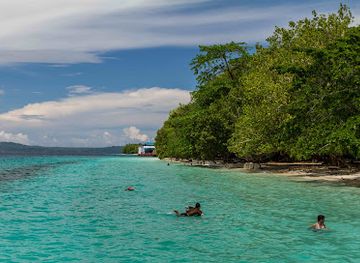
The Maluku Islands offer an attraction landscape shaped by separation between islands and by the close relationship between land and sea. Ambon provides museums, harbour history, churches, mosques, viewpoints and access to bays and coastal villages, while nearby Saparua and Nusa Laut are associated with colonial forts, local history and quieter marine settings. The Banda Islands combine nutmeg landscapes, volcanic slopes, historic settlements and excellent opportunities for diving and snorkelling. In North Maluku, Ternate and Tidore offer crater lakes, clove-growing hills, sultanate heritage and sea views framed by volcanic cones. Halmahera is suited to travellers seeking forest, coastline, birdlife and less developed routes, although transport requires planning. The Kei Islands are known for beaches, limestone formations and clear water, while Morotai combines beaches with Second World War history. Across the region, activities include boat excursions, reef exploration, village visits, birdwatching, walking and spice-focused cultural tours. Facilities, guides and environmental conditions vary substantially, so an attraction may be as much a logistical journey as a formal visitor site.
-
Resort hotel
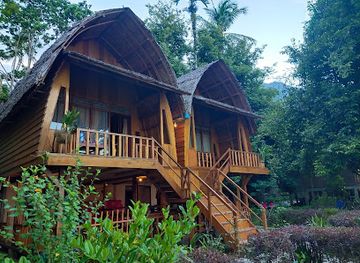
Air Belanda Resort, Near Ora Beach
Discover the serene beauty of Air Belanda Resort near Ora Beach, a perfect blend of relaxation and adventure in Central Maluku's tropical paradise.
-
Bay
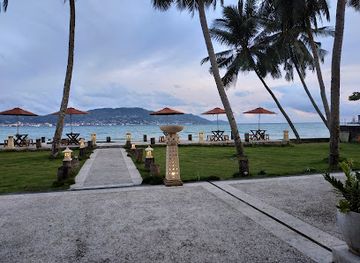
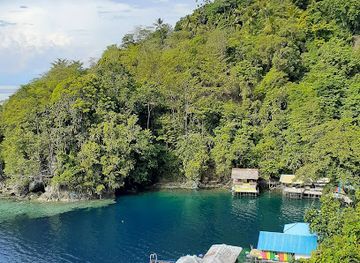
Ambon Bay
Experience the breathtaking beauty of Ambon Bay, a paradise of crystal-clear waters and lush landscapes, perfect for relaxation and adventure in Indonesia's Maluku Islands.
-
Diving center
Dive Bluemotion
Experience the breathtaking underwater beauty of Maluku at Dive Bluemotion, your premier diving center for unforgettable marine adventures.
-
Island
Mangoli Island
Explore the untouched beauty and vibrant culture of Mangoli Island, a hidden paradise in North Maluku, Indonesia, perfect for relaxation and adventure.

Best landmarks in Maluku Islands
The most recognisable landmarks of the Maluku Islands reflect volcanic power, royal history and the strategic importance of the spice trade. In Ternate, Mount Gamalama dominates the island and forms a dramatic backdrop to the city, while remnants of European fortifications and the Sultanate of Ternate connect the landscape to centuries of political and commercial rivalry. Tidore's volcanic profile and sultanate heritage provide a complementary historical setting across the channel. In the Banda Islands, Fort Belgica stands above Banda Neira as a major surviving symbol of Dutch attempts to control nutmeg, while old colonial buildings, churches and plantation landscapes preserve the character of the former trading centre. Fort Duurstede on Saparua is another important reminder of colonial military power and the resistance associated with Pattimura. Ambon's harbour, hills and surrounding bays are defining features of the provincial capital, although its significance is more geographical and civic than monumental. Across the wider archipelago, coral coastlines, volcanic cones, forested ridges and narrow sea passages are landmarks in their own right, giving each island a strongly individual profile.
-
Beach
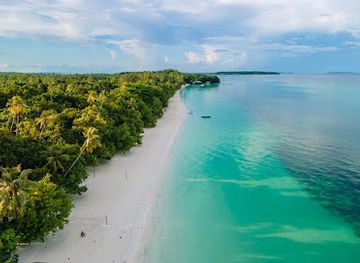
Pantai Liang
Discover the serene beauty of Pantai Liang, a tropical paradise with white sandy beaches and crystal-clear waters perfect for relaxation and adventure.
-
Tourist attraction
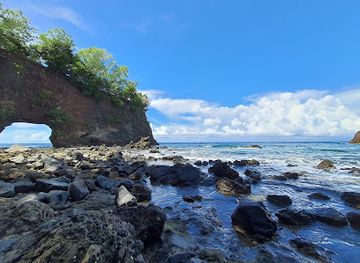
Lubang Buaya Morella
Experience the unparalleled beauty of Lubang Buaya Morella, a serene park in Central Maluku filled with stunning landscapes and vibrant marine life.
-
Tourist attraction
Ngurbloat Beach
Discover the breathtaking Ngurbloat Beach in Maluku, Indonesia, where white sands meet clear waters in a serene tropical paradise.
-
Tourist attraction
Pintu Kota Beach
Discover the beauty of Pintu Kota Beach, a stunning tourist attraction in Ambon, where unique landscapes meet crystal-clear waters for an unforgettable experience.
Explore Maluku Islands on the map
Plan your trip on one map. See where the top cities, national parks and sights are, and book hotels and experiences in a few clicks.
Best hotels in Maluku Islands
Best restaurants in Maluku Islands
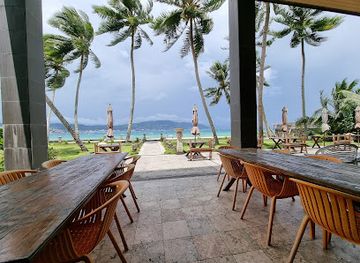
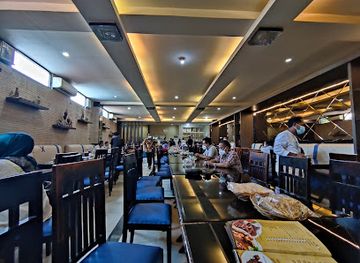
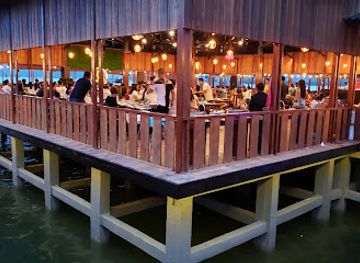
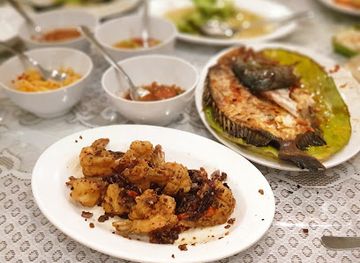
Dining in Maluku is closely connected to the sea, tropical crops and the islands' spice heritage. Fish and other seafood are common, often grilled or served with chilli, herbs and fragrant seasonings, while sago, cassava, banana and coconut provide important local staples. Papeda, a soft sago dish traditionally eaten with fish-based accompaniments, is strongly associated with eastern Indonesian foodways, though recipes and presentation vary between communities. Ambon and Ternate offer the widest choice, from modest warung serving regional meals to Chinese-Indonesian, Malay and contemporary restaurants. In smaller towns, meals may depend on the day's catch and local market supply rather than a fixed menu. Nutmeg, cloves and mace appear in drinks, sweets and savoury cooking, and Banda is particularly associated with nutmeg cultivation. Markets are useful for discovering seasonal fruit, smoked or dried fish and local snacks. Outside the main centres, visitors should expect early dinners, limited choice and the value of arranging meals with a guesthouse.
-
Indonesian
Wailela Cafe and Resto | Ambon
Experience the vibrant fusion of Indonesian, Chinese, and Western cuisines at Wailela Cafe & Resto in beautiful Ambon.
-
Chinese
Royal's Resto & Function Hall
Experience authentic Chinese and seafood dishes at Royal's Resto & Function Hall in Ternate – where flavor meets tradition.
-
Seafood
Lateri Beach Restaurant
Experience the finest seafood with breathtaking ocean views at Lateri Beach Restaurant in Ambon, where every meal is a memorable journey.
-
Seafood
Sari Gurih Restaurant
Discover the best seafood in Kota Ambon at Sari Gurih Restaurant, where local flavors meet exceptional dining experiences.
Best bars in Maluku Islands
Nightlife in the Maluku Islands is generally social and local rather than centred on large clubs. Ambon has the broadest evening choice, including casual restaurants, karaoke venues, hotel lounges, coffee shops and places with live music, while Ternate offers a similarly concentrated scene around its urban centre and waterfront. Elsewhere, evenings usually revolve around family gatherings, food stalls, cafés, community events or a relaxed drink at a guesthouse or local establishment. Alcohol availability varies by island and community, and in predominantly Muslim areas visitors should follow local expectations; in Christian communities, social drinking may be more visible but is still not a requirement of travel. Traditional cafés and small eateries are often more representative of local evening life than formal nightlife venues. Island settlements can become quiet early, and transport back from a night out may be limited, so arrange a safe return before leaving accommodation.
-
Restaurant
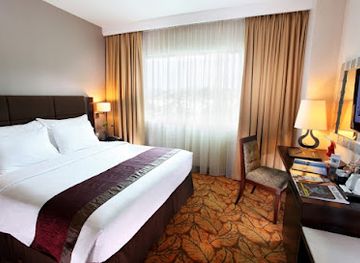
Swiss-Belhotel Ambon
Discover the perfect blend of luxury and local charm at Swiss-Belhotel Ambon, your gateway to the beauty of Maluku.
-
Pizza
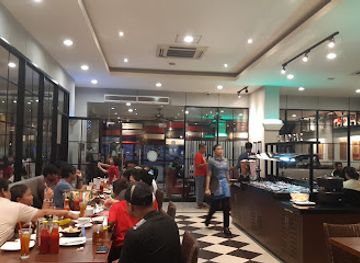
Pizza Hut Restoran
Experience a delightful blend of classic and local flavors at Pizza Hut Restoran, the pizza haven in Ambon, Indonesia, perfect for every pizza lover.
-
Chinese
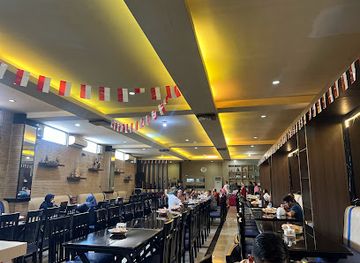
Royal's Resto & Function Hall
Discover the rich flavors of Chinese and fresh seafood at Royal's Resto & Function Hall in Ternate City, a must-visit dining destination.
-
Seafood
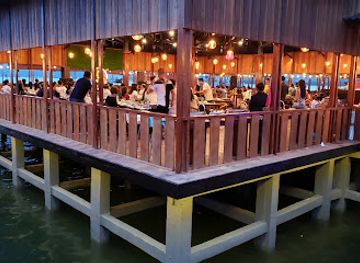
Lateri Beach Restaurant
Experience the best seafood dining at Lateri Beach Restaurant, where ocean views and exquisite flavors meet in Kota Ambon, Maluku.
Best nightclubs in Maluku Islands
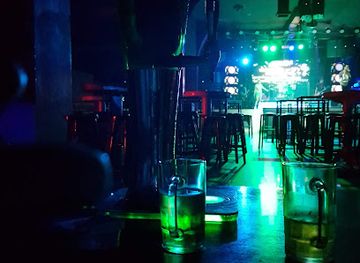
Nightlife in the Maluku Islands is generally social and local rather than centred on large clubs. Ambon has the broadest evening choice, including casual restaurants, karaoke venues, hotel lounges, coffee shops and places with live music, while Ternate offers a similarly concentrated scene around its urban centre and waterfront. Elsewhere, evenings usually revolve around family gatherings, food stalls, cafés, community events or a relaxed drink at a guesthouse or local establishment. Alcohol availability varies by island and community, and in predominantly Muslim areas visitors should follow local expectations; in Christian communities, social drinking may be more visible but is still not a requirement of travel. Traditional cafés and small eateries are often more representative of local evening life than formal nightlife venues. Island settlements can become quiet early, and transport back from a night out may be limited, so arrange a safe return before leaving accommodation.
-
Bar
qbeat club
Discover the energetic nightlife at Qbeat Club in Ternate City, North Maluku, where great music and delicious drinks await every visitor.
-
Live music bar
X9 Club & KTV
Discover the vibrant nightlife of Ambon at X9 Club & KTV, where live music and unforgettable experiences await every night.
-
Night club
Granat Moeslim
Experience the vibrant nightlife of Central Maluku at Granat Moeslim, a popular night club that brings together locals and tourists in a lively atmosphere.
-
Night club
PENGKLOAN ULUD
Discover the heartbeat of Ternate's nightlife at Pengkloan Ulud, where vibrant music and energetic crowds create unforgettable nights.

Best shops in Maluku Islands
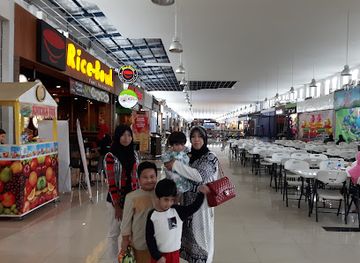
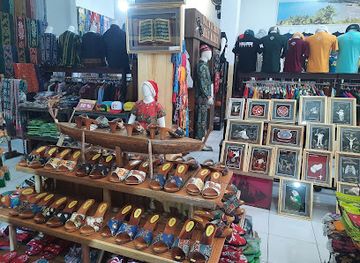
Shopping in the Maluku Islands is oriented towards markets, practical goods and locally produced food rather than large-scale retail. Ambon and Ternate have the most developed high streets, supermarkets and indoor shops, while smaller islands depend on market areas and independent stores. Regional products worth seeking include dried fish, nutmeg sweets, nutmeg syrup, clove-based goods, sago snacks, coconut products and locally grown spices, although packaging and availability vary. Traditional textiles and handicrafts may be found through local cultural organisations, craft sellers and community contacts, but visitors should ask about provenance rather than assuming every item is locally made. Markets are useful for fruit, prepared food, woven articles and everyday island produce, and bargaining should remain polite and proportionate. In remote destinations, shopping options can be extremely limited, so buy essentials in Ambon or Ternate before travelling onward. Souvenirs should be transported responsibly, with no removal of coral, shells, archaeological material or protected wildlife.
-
Shopping mall
Gramedia MCM - Maluku City Mall
Explore Gramedia MCM - Maluku City Mall for a unique shopping experience in Ambon, featuring diverse stores, entertainment, and local flair.
-
Gift shop
Toko Oleh Oleh Khas Maluku The Ambon Manise Shop Pusat - Terlengkap Terbesar Terdekat
Explore the rich cultural heritage of Maluku at The Ambon Manise Shop, your premier destination for authentic local gifts and souvenirs.
-
Department store
Matahari Department Store Ambon Indah Plaza
Discover an array of shopping delights at Matahari Department Store Ambon Indah Plaza, where local charm meets global brands for every traveler.
-
Shopping mall
Maluku City Mall (MCM)
Explore Maluku City Mall for a unique shopping experience in Ambon, featuring local delicacies, diverse shops, and entertainment options.
Get your free copy of our complete guide to Maluku Islands, delivered straight to you.
Everything on this page, from attractions and restaurants to essentials and local phrases, in one PDF you can read offline, print or share.
Already have an account? Sign in
Your Maluku Islands guide is ready.
We'll send it to · Not you? Sign out

Getting your guide ready…
We are putting together a fresh copy of the Maluku Islands guide. This can take up to a minute.
This can take a few moments. If your browser asks, choose Allow so the download can start. You'll find the guide in your Downloads folder.
Nothing happened? Download it again
Sorry, the guide is taking longer than usual. Please try again in a minute, or get it by email instead.
Maluku Islands essentials
Currency and Payment
Safety
Emergency Situations
Do's and Don'ts
Local Tips
From Eve
Local phrases worth knowing
You don't need to get them perfect. A few words go a long way, and locals appreciate the effort.
Basics
| English | Local | Say it |
|---|---|---|
| Hello | Halo | [hah-loh] |
| Goodbye | Sampai jumpa | [sahm-pai joom-pah] |
| Yes | Iya | [ee-yah] |
| No | Tidak | [tee-dahk] |
| Please/You're welcome | Silakan/Sama-sama | [see-lah-kahn/sah-mah-sah-mah] |
| Thank you | Terima kasih | [teh-ree-mah kah-seeh] |
| Excuse me/Sorry | Permisi/Maaf | [per-mee-see/mah-ahf] |
| How are you? | Apa kabar? | [ah-pah kah-bar] |
| Fine. And you? | Baik. Dan kamu? | [bye-eek. dahn kah-moo] |
| Do you speak English? | Apakah kamu bisa berbahasa Inggris? | [ah-pah-kah kah-moo bee-sah ber-bah-sah eeng-gris] |
| I don't understand | Saya tidak mengerti | [sah-yah tee-dahk men-ger-tee] |
Eating & Drinking
| English | Local | Say it |
|---|---|---|
| I'd like to see the menu, please | Saya ingin melihat menu, tolong | [sah-yah een-gin meh-lih-hat meh-noo, toh-long] |
| I don't eat meat | Saya tidak makan daging | [sah-yah tee-dahk mah-kahn dah-ging] |
| Cheers! | Selamat minum! | [seh-lah-mat mee-noom] |
| I would like to pay, please | Saya ingin membayar, tolong | [sah-yah een-gin mem-bah-yar, toh-long] |
Emergencies
| English | Local | Say it |
|---|---|---|
| Help! | Tolong! | [toh-long] |
| Go away! | Pergi jauh! | [per-gee jah-oo] |
| Call the Police! | Telepon Polisi! | [teh-leh-pon poh-lee-see] |
| Call a doctor! | Telepon dokter! | [teh-leh-pon dok-ter] |
| I'm lost | Saya tersesat | [sah-yah ter-seh-saht] |
| I'm ill | Saya sakit | [sah-yah sah-kit] |
Shopping
| English | Local | Say it |
|---|---|---|
| I'd like to buy... | Saya ingin membeli... | [sah-yah een-gin mem-beh-lee] |
| I'm just looking | Saya hanya melihat | [sah-yah han-yah meh-lih-hat] |
| How much is it? | Berapa harganya? | [beh-rah-pah har-gah-nya] |
| That's too expensive | Itu terlalu mahal | [ee-too ter-lah-loo mah-hahl] |
| Can you lower the price? | Bisakah Anda menurunkan harga? | [bee-sah-kah ahn-dah meh-nu-run-kahn har-gah] |
Time & Numbers
| English | Local | Say it |
|---|---|---|
| What time is it? | Jam berapa? | [jahm beh-rah-pah] |
| It's one o'clock | Jam satu | [jahm sah-too] |
| Half past (10) | Setengah (10) | [seh-teng-ah (sepuluh)] |
| Morning | Pagi | [pah-gee] |
| Afternoon | Siang | [see-ahng] |
| Evening | Sore | [soh-reh] |
| Yesterday | Kemarin | [keh-mah-reen] |
| Today | Hari ini | [hah-ree ee-nee] |
| Tomorrow | Besok | [beh-sok] |
| 1 | Satu | [sah-too] |
| 2 | Dua | [doo-ah] |
| 3 | Tiga | [tee-gah] |
| 4 | Empat | [em-pah-t] |
| 5 | Lima | [lee-mah] |
| 6 | Enam | [eh-nahm] |
| 7 | Tujuh | [too-joo] |
| 8 | Delapan | [deh-lah-pahn] |
| 9 | Sembilan | [sem-bee-lahn] |
| 10 | Sepuluh | [seh-poo-loo] |
Transport & Directions
| English | Local | Say it |
|---|---|---|
| Where's a/the...? | Di mana ...? | [dee mah-nah] |
| What's the address? | Apa alamatnya? | [ah-pah ah-lah-maht-nya] |
| Can you show me (on the map)? | Bisakah kamu menunjukkan saya (di peta)? | [bee-sah-kah kah-moo men-unjuk-kahn sah-yah (dee peh-tah)] |
| When's the next (bus)? | Kapan bus berikutnya? | [kah-pahn boos be-ree-koot-nya] |
| A ticket (to ....) | Sebuah tiket (ke ....) | [seh-boo-ahh tee-ket (keh)] |
History of Maluku Islands
Early settlement and maritime exchange
The islands of Maluku have been inhabited for thousands of years, with communities adapting to volcanic terrain, tropical forests and a sea-based geography. Long before European arrival, cloves and nutmeg moved through networks linking the islands with Sulawesi, Java, the Malay world, China and the wider Indian Ocean. Trading connections also carried religious ideas, technologies and cultural influences. Archaeological evidence and oral traditions point to complex local societies rather than isolated communities, although the surviving record differs considerably from island to island.
The sultanates of Ternate and Tidore
From the late medieval period, the sultanates of Ternate and Tidore became major political powers in North Maluku. Their influence rested partly on control of clove-producing territories and maritime alliances, and both competed for authority across neighbouring islands. Islam became established through commerce and elite connections, while older customary institutions continued alongside the sultanates. The rivalry between Ternate and Tidore later drew European powers into local politics, leaving forts, royal traditions and enduring historical identities around the volcanic islands.
Portuguese arrival and the European spice race
Portuguese forces and merchants reached the Maluku spice-producing islands in the early sixteenth century, seeking direct control of the trade in cloves and nutmeg. Their presence was built through alliances, missions and fortified trading posts, but it faced resistance and competition from local rulers and other European powers. Spanish involvement, particularly through connections with Tidore, added another layer to the rivalry. European intervention transformed existing commercial networks into a struggle for military and monopoly control over production and shipping.
The Dutch East India Company and Banda
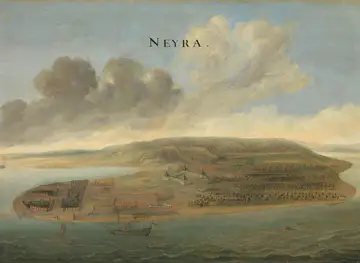
The Dutch East India Company established a powerful position in Maluku during the seventeenth century and used forts, treaties, forced contracts and military action to control the spice trade. The Banda Islands, the world's principal historical source of nutmeg and mace, suffered devastating Dutch conquest in 1621, when much of the indigenous population was killed, displaced or forced into a new plantation system. Fort Belgica and other surviving structures illustrate this period, but the history also remains central to discussions of colonial violence, land and commercial power.
Colonial rule, resistance and Pattimura
Dutch authority expanded and contracted over the islands through changing systems of administration, missionary activity, plantation production and military control. Resistance was recurrent, including the 1817 uprising led by Thomas Matulessy, widely known as Kapitan Pattimura, in Saparua and surrounding parts of Maluku. The revolt opposed the restoration of Dutch rule and the burdens imposed on local communities after the Napoleonic period. Pattimura became an important Indonesian national hero, and monuments and public institutions across Maluku continue to carry his name.
War, decolonisation and Indonesian statehood
Maluku was affected by the Japanese occupation during the Second World War, when strategic ports, airfields and islands became part of the wider Pacific conflict. After Indonesian independence, the region experienced political upheaval, including the 1950 proclamation of the Republic of South Maluku, which was defeated by Indonesian forces. Maluku and North Maluku subsequently developed within the Indonesian republic, with administrative boundaries changing over time. Their modern economies combine fisheries, agriculture, government, trade, tourism and continuing inter-island migration.
Contemporary island identities and conservation
Today, Maluku's history is expressed through overlapping local, religious, customary and Indonesian identities. Clove and nutmeg cultivation remain culturally and economically significant, while fishing and sea transport connect communities scattered across a large marine area. Conservation efforts focus on coral reefs, forests, coastal habitats and sustainable fisheries, although pressures from development and changing marine conditions remain. Tourism is growing unevenly: Ambon, Banda and Ternate are more accessible, while many other islands retain limited infrastructure and require careful, community-sensitive planning.
Maluku Islands in Photos
Browse through our photo collection highlighting the charm and character of the destination.
Neighbouring regions of Maluku Islands
The closest regions to Maluku Islands, if you have time for more than one.
-

-

-

-
-


Swipe for more regions
Explore more

Explore more of Indonesia
Explore Indonesia: An archipelago of diverse cultures, stunning landscapes, and endless adventures from bustling cities to serene beaches.
Explore Indonesia