

Free Central Sulawesi Travel Guide & Mobile App
Explore Central Sulawesi with free travel guides. Discover regional history, expert tips, proposed trips, and audio guides on web or mobile app.


Explore Central Sulawesi for Lore Lindu megaliths, Lake Poso, Palu's bay, rainforest wildlife and the coral islands of the Togian archipelago.
Read more about Central Sulawesi
When is the best time to visit Central Sulawesi?
Best: June–August · 30°C| Month | High (°C) | Rainfall (mm) |
|---|---|---|
| January | 30 | 250 |
| February | 30 | 230 |
| March | 30 | 200 |
| April | 30 | 150 |
| May | 30 | 130 |
| June (best) | 30 | 120 |
| July (best) | 30 | 110 |
| August (best) | 30 | 100 |
| September | 30 | 130 |
| October | 30 | 150 |
| November | 30 | 200 |
| December | 30 | 230 |
Getting to and around Central Sulawesi
How to get there
Transportation
Destinations in Central Sulawesi
Resorts, valleys and scenic spots worth a trip of their own.
-

-


Swipe for more destinations
Best attractions in Central Sulawesi
Central Sulawesi's attractions are defined by the relationship between difficult terrain, ancient settlement and marine environments. Lore Lindu National Park is the province's most important inland destination, combining montane forest, endemic wildlife and the megalithic landscapes of the Bada, Besoa and Napu valleys. Visits are as much about rural scenery and local interpretation as about individual monuments. Lake Poso and Tentena offer a gentler highland experience, with clear water, rivers, waterfalls, agricultural landscapes and access to villages around one of Sulawesi's great lakes. Palu provides museums, markets, coastal views and a base for exploring the dry Palu Valley, while Donggala adds beaches, bays and maritime scenery. In the Gulf of Tomini, the Togian Islands are known for coral reefs, mangroves, seagrass habitats, village stays, snorkelling and diving, subject to weather and local boat arrangements. Farther east and south-east, Morowali and the Banggai area present forest, island and coastal environments for travellers prepared for long journeys and limited infrastructure. Across the province, the strongest experiences are usually guided walks, boat trips, wildlife observation, archaeological visits and time spent in communities rather than a dense circuit of conventional tourist facilities.
-
City park
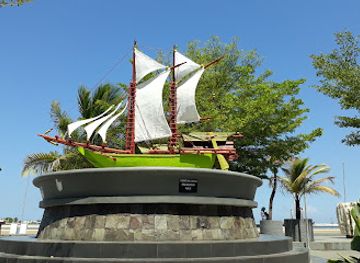
Losari Beach Platform
Experience the beauty and vibrancy of Losari Beach Platform, a must-visit coastal park in Makassar, offering stunning views and delicious local cuisine.
-
Historical landmark
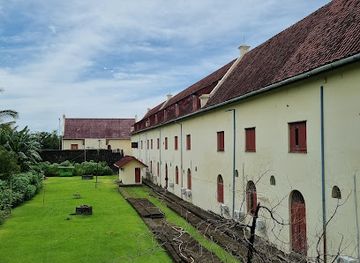
Fort Rotterdam
Explore Fort Rotterdam, a historical landmark in Makassar, showcasing Indonesia's colonial past and rich cultural heritage in a stunning setting.
-
Tourist attraction
Ke'te' Kesu' Toraja
Discover the cultural richness and stunning landscapes of Ke'te' Kesu' Toraja, a unique destination in South Sulawesi that captivates with its traditions and beauty.
-
Water park
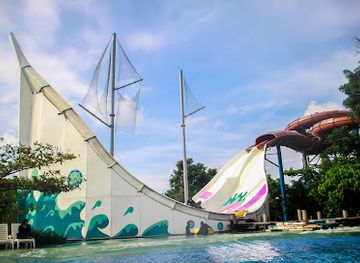
Bugis Waterpark Adventure
Explore endless fun at Bugis Waterpark Adventure, the largest waterpark in Eastern Indonesia, where exhilarating rides and relaxation await every visitor.

Best landmarks in Central Sulawesi
The megaliths of the Bada, Besoa and Napu valleys are Central Sulawesi's most distinctive historic landmarks. Their carved human forms, stone vessels and large upright stones stand in cultivated landscapes within and around Lore Lindu National Park, linking visible archaeological remains with living rural communities. Lake Poso is the province's defining natural landmark, an extensive highland lake whose waters and surrounding mountains shape the identity of the Tentena and Pamona area. Palu Bay and the narrow Palu Valley form another powerful geographical symbol: the city sits between a dry inland basin and a long coastal inlet, a setting also marked by the earthquake, tsunami and liquefaction of 2018. In the Togian Islands, reefs, forested limestone or volcanic islands, mangroves and sheltered bays create a dispersed maritime landmark rather than a single monument. Traditional homes, churches, mosques and village spaces can also be architecturally important, but should be viewed with sensitivity because they are living places rather than staged heritage displays.
-
Historical landmark
Fort Rotterdam
Discover the historical allure of Fort Rotterdam in Makassar, a fortress museum that celebrates Indonesia's cultural heritage and colonial past.
-
Island
Sulawesi
Explore Sulawesi, an Indonesian island rich in culture and natural beauty, perfect for adventure seekers and cultural enthusiasts alike.
-
National park
Bunaken National Marine Park
Discover the vibrant marine life and breathtaking coral reefs of Bunaken National Marine Park, a top diving destination in North Sulawesi, Indonesia.
-
Tourist attraction
Air Terjun Saluopa
Experience the breathtaking beauty of Air Terjun Saluopa, a stunning waterfall in Central Sulawesi, perfect for nature lovers and adventure seekers.

Explore Central Sulawesi on the map
Plan your trip on one map. See where the top cities, national parks and sights are, and book hotels and experiences in a few clicks.
Best hotels in Central Sulawesi
Best restaurants in Central Sulawesi
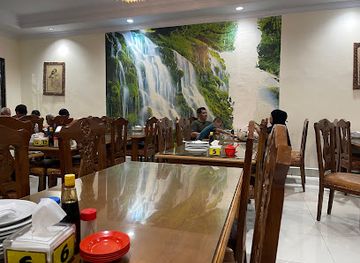
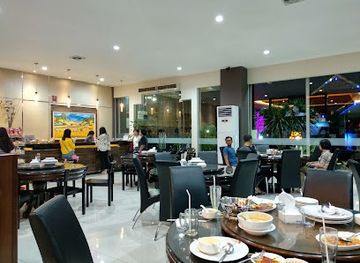
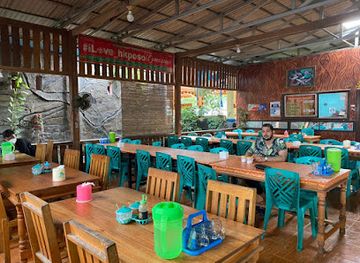
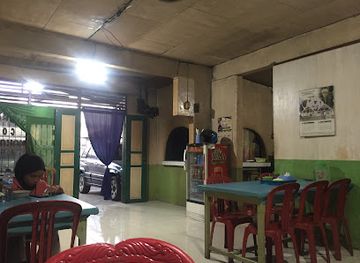
Central Sulawesi's food reflects its inland lakes, forested uplands, fertile valleys and long coastline. In Palu, visitors encounter dishes associated with Kaili culinary traditions, including spicy preparations, grilled or fried fish, rice-based meals and the region's well-known rich, chilli-forward soups and meats. Freshwater fish around Lake Poso and Tentena is an important local ingredient, while coastal towns and the Togian Islands serve seafood, rice, coconut and vegetables according to local supply. Small warungs, market stalls and family restaurants are generally the best places to see everyday cooking, although menus can be more limited in remote valleys and island settlements. Coffee, bananas, cacao and other agricultural products appear in rural markets, and local snacks vary between communities. In Palu, dining is more varied, with Indonesian and regional choices alongside cafés and contemporary restaurants. Halal food is widely available, while travellers with dietary restrictions should explain them clearly, particularly when eating in small rural establishments where ingredients and preparation methods may be less familiar.
-
Restaurant
Borobudur Restaurant
Discover the authentic taste of Indonesia at Borobudur Restaurant in Palu - a culinary haven for breakfast lovers and fans of Manado cuisine.
-
Seafood
EN Resto
Discover exquisite seafood and authentic Asian flavors at EN Resto, a culinary gem in the heart of Palu City.
-
Seafood
Warung Pangkep Dg. Iwan
Discover authentic South Sulawesi seafood at Warung Pangkep Dg. Iwan, where freshness meets tradition in a cozy dining atmosphere.
-
South Sulawesi restaurant
Coto Makassar Daeng Nompo
Experience authentic South Sulawesi cuisine at Coto Makassar Daeng Nompo – where every dish tells a story.
Best bars in Central Sulawesi
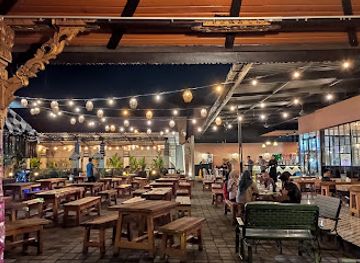
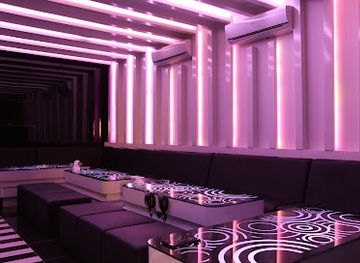
Nightlife in Central Sulawesi is concentrated in Palu rather than spread evenly across the province. The capital has cafés, hotel lounges, casual restaurants and a modest selection of evening venues, with activity generally focused on conversation, food, live entertainment and late meals rather than a large club circuit. Some venues serve alcohol, but availability is more limited and less central to social life than in Indonesia's major tourism centres. In Poso, Tentena, Donggala and smaller towns, evenings are more likely to revolve around food stalls, coffee shops, family gatherings, waterfront walks or local music. Island and lakeside accommodation may offer simple communal evenings, but facilities vary and many places are quiet after dark. Travellers should dress and behave respectfully in predominantly Muslim communities, check local expectations before ordering alcohol, and avoid assuming that remote destinations will have reliable evening transport, lighting or mobile coverage.
-
Cafe
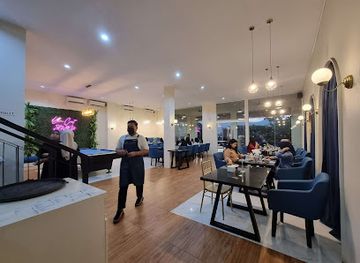
Cafe 168 House
Discover the vibrant atmosphere and diverse menu at Café 168 House in Palu, the perfect blend of dining and entertainment.
-
Karaoke bar
Happy Puppy Karaoke Keluarga Palu
Discover the vibrant nightlife at Happy Puppy Karaoke Keluarga Palu, where music and fun come together for an unforgettable karaoke experience.
-
Restaurant
Cafe Sebelah
Discover the flavors of Central Sulawesi at Cafe Sebelah, a cozy restaurant in Palu serving local dishes and delightful beverages.
-
Karaoke bar
Fortuna Bar & Karaoke
Experience vibrant nights of singing and laughter at Fortuna Bar & Karaoke, Palu City's favorite destination for karaoke enthusiasts.

Best nightclubs in Central Sulawesi
Nightlife in Central Sulawesi is concentrated in Palu rather than spread evenly across the province. The capital has cafés, hotel lounges, casual restaurants and a modest selection of evening venues, with activity generally focused on conversation, food, live entertainment and late meals rather than a large club circuit. Some venues serve alcohol, but availability is more limited and less central to social life than in Indonesia's major tourism centres. In Poso, Tentena, Donggala and smaller towns, evenings are more likely to revolve around food stalls, coffee shops, family gatherings, waterfront walks or local music. Island and lakeside accommodation may offer simple communal evenings, but facilities vary and many places are quiet after dark. Travellers should dress and behave respectfully in predominantly Muslim communities, check local expectations before ordering alcohol, and avoid assuming that remote destinations will have reliable evening transport, lighting or mobile coverage.
-
Karaoke bar
Fortuna Bar & Karaoke
Experience the joy of singing and vibrant nightlife at Fortuna Bar & Karaoke in Palu City, a must-visit destination for music lovers.
-
Bar
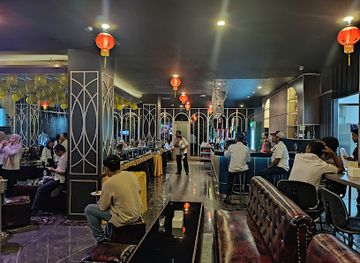
Rich Club Kitchen Bar Executive Karaoke and Lounge
Discover Kendari's vibrant nightlife at Rich Club Kitchen Bar Executive Karaoke and Lounge, where delicious cuisine meets exciting entertainment.
-
Night club
Altitude Nightclub
Discover the ultimate nightlife experience at Altitude Nightclub in Manado, where music, dancing, and vibrant energy come together for an unforgettable night.
-
Night club
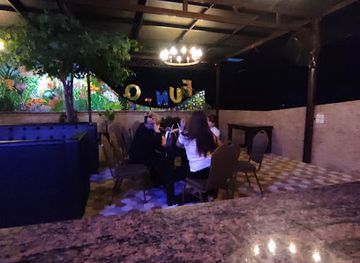
Fun-Q KTV Lounge & Rooftop
Discover the vibrant nightlife of Kendari at Fun-Q KTV Lounge & Rooftop, where karaoke meets stunning views and unforgettable moments.

Best shops in Central Sulawesi
Shopping in Central Sulawesi is primarily local and practical, with the broadest choice in Palu's markets, supermarkets, craft outlets and independent shops. Markets are useful for regional food products, spices, dried fish, coffee, cacao, fruit and snacks, while small traders sell woven goods and textiles whose patterns and techniques vary between communities. Kaili and other Central Sulawesi craft traditions may be represented through cloth, baskets, woodwork and decorative objects, although availability is seasonal and quality differs, so buying directly from recognised makers or community projects is preferable when possible. Tentena, Poso and other market towns offer a more modest selection of rural produce, household goods and locally made items. In the Togian Islands, practical souvenirs and simple handicrafts are more realistic than extensive retail shopping. Do not buy archaeological stones, shells, coral or wildlife products, and check whether any plant, wood or animal-derived item can legally be taken out of Indonesia before purchasing it.
-
Shopping mall
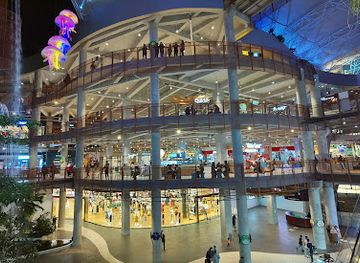
Nipah Mall
Explore the dynamic shopping and dining experiences at Nipah Mall in Makassar, a perfect blend of local charm and modern retail.
-
Department store
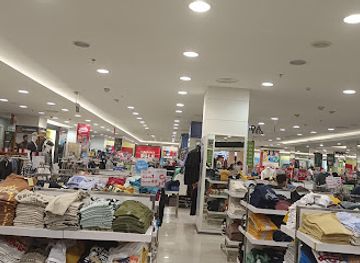
Matahari
Discover the ultimate shopping experience at Matahari, Palu's leading department store, featuring diverse products and vibrant local culture.
-
Store
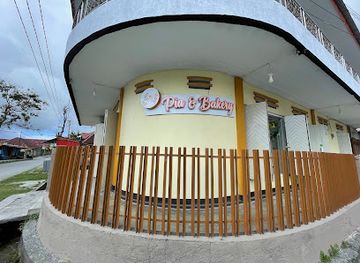
Pia Mony Pusat Oleh2 Ampana
Explore the unique local treasures and delightful souvenirs at Pia Mony Pusat Oleh2 Ampana in Central Sulawesi.
-
Kiosk
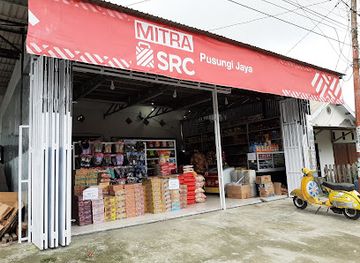
Pusungi Jaya
Immerse yourself in the local flavors and charm of Pusungi Jaya, a must-visit kiosk in Central Sulawesi.
Get your free copy of our complete guide to Central Sulawesi, delivered straight to you.
Everything on this page, from attractions and restaurants to essentials and local phrases, in one PDF you can read offline, print or share.
Already have an account? Sign in
Your Central Sulawesi guide is ready.
We'll send it to · Not you? Sign out

Getting your guide ready…
We are putting together a fresh copy of the Central Sulawesi guide. This can take up to a minute.
This can take a few moments. If your browser asks, choose Allow so the download can start. You'll find the guide in your Downloads folder.
Nothing happened? Download it again
Sorry, the guide is taking longer than usual. Please try again in a minute, or get it by email instead.
Central Sulawesi essentials
Currency and Payment
Safety
Emergency Situations
Do's and Don'ts
Local Tips
From Eve
Local phrases worth knowing
You don't need to get them perfect. A few words go a long way, and locals appreciate the effort.
Basics
| English | Local | Say it |
|---|---|---|
| Hello | Halo | [ha-lo] |
| Goodbye | Selamat tinggal | [se-la-mat ting-gal] |
| Yes | Iya | [ee-ya] |
| No | Tidak | [ti-dak] |
| Please/You're welcome | Silakan | [si-la-kan] |
| Thank you | Terima kasih | [te-ri-ma ka-si] |
| Excuse me/Sorry | Maaf | [ma-af] |
| How are you? | Apa kabar? | [a-pa ka-bar] |
| Fine. And you? | Baik. Dan kamu? | [ba-ik dan ka-mu] |
| Do you speak English? | Apakah kamu bisa berbahasa Inggris? | [a-pa-kah ka-mu bi-sa ber-ba-ha-sa ing-gris] |
| I don't understand | Saya tidak mengerti | [sa-ya ti-dak meng-er-ti] |
Eating & Drinking
| English | Local | Say it |
|---|---|---|
| I'd like to see the menu, please | Saya ingin melihat menu, tolong | [sa-ya in-gin me-li-hat me-nu to-long] |
| I don't eat meat | Saya tidak makan daging | [sa-ya ti-dak ma-kan da-ging] |
| Cheers! | Selamat minum! | [se-la-mat mi-num] |
| I would like to pay, please | Saya ingin membayar, tolong | [sa-ya in-gin mem-ba-yar to-long] |
Emergencies
| English | Local | Say it |
|---|---|---|
| Help! | Tolong! | [to-long] |
| Go away! | Pergi sana! | [per-gi sa-na] |
| Call the Police! | Panggil Polisi! | [pang-gil po-li-si] |
| Call a doctor! | Panggil dokter! | [pang-gil dok-ter] |
| I'm lost | Saya tersesat | [sa-ya ter-se-sat] |
| I'm ill | Saya sakit | [sa-ya sa-kit] |
Shopping
| English | Local | Say it |
|---|---|---|
| I'd like to buy... | Saya ingin membeli... | [sa-ya in-gin mem-be-li] |
| I'm just looking | Saya hanya melihat | [sa-ya han-ya me-li-hat] |
| How much is it? | Berapa harganya? | [be-ra-pa har-ga-nya] |
| That's too expensive | Itu terlalu mahal | [i-tu ter-la-lu ma-hal] |
| Can you lower the price? | Bisakah kamu menurunkan harga? | [bi-sa-kah ka-mu me-nu-run-kan har-ga] |
Time & Numbers
| English | Local | Say it |
|---|---|---|
| What time is it? | Jam berapa? | [jam be-ra-pa] |
| It's one o'clock | Jam satu | [jam sa-tu] |
| Half past (10) | Setengah sebelas | [se-ten-gah se-be-las] |
| Morning | Pagi | [pa-gi] |
| Afternoon | Sore | [so-re] |
| Evening | Malam | [ma-lam] |
| Yesterday | Kemarin | [ke-ma-rin] |
| Today | Hari ini | [ha-ri i-ni] |
| Tomorrow | Besok | [be-sok] |
| 1 | Satu | [sa-tu] |
| 2 | Dua | [du-a] |
| 3 | Tiga | [ti-ga] |
| 4 | Empat | [em-pat] |
| 5 | Lima | [li-ma] |
| 6 | Enam | [e-nam] |
| 7 | Tujuh | [tu-juh] |
| 8 | Delapan | [de-la-pan] |
| 9 | Sembilan | [sem-bi-lan] |
| 10 | Sepuluh | [se-pu-luh] |
Transport & Directions
| English | Local | Say it |
|---|---|---|
| Where's a/the...? | Di mana ...? | [di ma-na] |
| What's the address? | Apa alamatnya? | [a-pa a-la-mat-nya] |
| Can you show me (on the map)? | Bisakah kamu tunjukkan (di peta)? | [bi-sa-kah ka-mu tun-juk-kan di pe-ta] |
| When's the next (bus)? | Kapan bus selanjutnya? | [ka-pan bus se-lan-jut-nya] |
| A ticket (to ....) | Tiket (ke ...) | [ti-ket ke] |
History of Central Sulawesi
Prehistoric Megalithic Cultures
The valleys of Lore Lindu contain one of Indonesia's most important concentrations of prehistoric megaliths. Stone statues, dolmens, stone vats and other carved or erected monuments are found around Bada, Besoa and Napu, often amid cultivated land and village settlements. Their dates and functions remain subjects of archaeological study, and they should not be reduced to a single simple explanation. The monuments demonstrate that complex ritual and social traditions existed in the interior of Central Sulawesi long before modern administrative boundaries. Today they are both archaeological heritage and part of landscapes that local communities continue to inhabit and manage.
Indigenous Societies and Austronesian Settlement
Central Sulawesi developed through the interaction of numerous Austronesian-speaking societies rather than a single regional kingdom. Kaili communities in the Palu area, Pamona communities around Lake Poso, and peoples of the Lore, Mori, Bungku, Banggai and neighbouring areas formed distinct social and cultural traditions. Rice cultivation, forest use, lake and coastal fishing, craft production and long-distance exchange shaped settlement patterns. Oral histories, customary law, architecture and ceremonial life still preserve elements of these histories, although religious change, state administration, education and migration have transformed communities over time.
Islamic, Maritime and Colonial Networks
The coasts and islands of Central Sulawesi were connected to wider maritime networks linking Sulawesi with Maluku, Kalimantan and other parts of the Indonesian archipelago. Islam spread unevenly through coastal trade and political relationships, while Christian missions became influential in parts of the interior, particularly around the Poso region. Dutch colonial authority expanded gradually through treaties, military campaigns and administrative reorganisation rather than by an instant occupation of the whole upland interior. These encounters altered systems of authority, taxation, education and trade, leaving a layered religious and political geography.
Colonial Roads, Missions and Cash Crops
During the late nineteenth and early twentieth centuries, colonial administration and missionary activity were accompanied by new roads, schools and commercial production. Poso and the central highlands became more closely tied to coastal ports and administrative centres, while agriculture increasingly included market-oriented crops alongside subsistence farming. Colonial boundaries helped create the territorial framework from which the modern province later emerged, even though local rulers, customary authorities and village institutions continued to matter. The period also strengthened the role of Palu and other coastal settlements as links between inland communities and outside markets.
War and the Formation of Indonesia
Central Sulawesi experienced the upheavals associated with the end of Dutch rule, the Japanese occupation during the Second World War and the struggle surrounding Indonesian independence. Local political authority was progressively incorporated into the new republic's administrative system, while roads, ports and government institutions connected previously dispersed districts more closely. The province was formally established in the early years of Indonesian independence and later underwent further administrative changes, including the creation of neighbouring provinces. These changes help explain the region's present patchwork of ethnic, religious and ecological districts.
Migration, Development and Conservation
Post-independence Central Sulawesi saw substantial movement of people through state-sponsored transmigration, voluntary migration and expanding commercial activity. New settlements and roads changed agricultural landscapes and connected remote areas to markets, while mining, plantations, logging and fisheries brought both employment and environmental pressure. Conservation initiatives established or strengthened protections for places such as Lore Lindu and Morowali, recognising the importance of endemic wildlife and forest watersheds. The province's contemporary identity therefore reflects a continuing negotiation between customary land use, national development, conservation and local economic needs.
The 2018 Earthquake, Tsunami and Liquefaction
On 28 September 2018, a major earthquake struck Central Sulawesi, followed by a tsunami affecting parts of Palu Bay and severe liquefaction in areas around Palu, Sigi and Donggala. Thousands of people died or were displaced, and roads, homes, public facilities and coastal settlements were heavily damaged. Recovery and reconstruction have reshaped parts of the provincial capital and surrounding districts, while memorials and altered landscapes remain reminders of the disaster. Visitors should follow current local guidance around coastal hazards and respect communities still living with its consequences.
Central Sulawesi in Photos
Browse through our photo collection highlighting the charm and character of the destination.
Neighbouring regions of Central Sulawesi
The closest regions to Central Sulawesi, if you have time for more than one.
-

-

-

-

-


Swipe for more regions
Explore more

Explore more of Indonesia
Explore Indonesia: An archipelago of diverse cultures, stunning landscapes, and endless adventures from bustling cities to serene beaches.
Explore Indonesia