

Gorontalo, Indonesia Travel Guide
Discover Gorontalo, Indonesia’s hidden gem, where stunning underwater landscapes and rich cultural heritage await in an unspoiled tropical paradise.
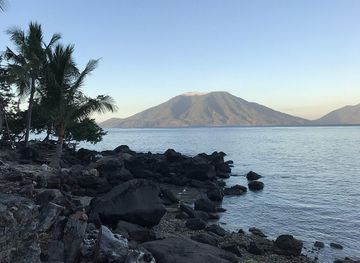
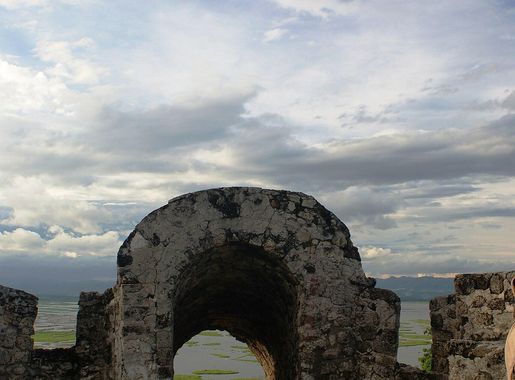
Nestled on the northern coast of Sulawesi, Gorontalo is a charming city that offers a blend of natural beauty and rich cultural heritage. Known for its stunning underwater landscapes, it is a paradise for diving enthusiasts. The pristine waters of Tomini Bay are home to vibrant coral reefs and diverse marine life, making it one of the best spots for underwater photography. Beyond its aquatic allure, Gorontalo's landscape is dotted with lush hills and valleys, offering scenic hiking trails for nature lovers. One of the highlights is the breathtaking view from the top of Mount Tilongkabila. For those interested in history, the city’s colonial architecture and ancient forts provide a glimpse into its storied past. Gorontalo is also famous for its traditional arts and crafts. Visitors can explore local markets filled with handmade textiles and pottery, which make for perfect souvenirs. The local cuisine, with its unique flavors and spices, is a must-try for any foodie. Make sure to try 'Binthe Biluhuta', a traditional corn soup that is a local favorite.

Know before you go
Hi, I'm Eve. Here are a few practical things to know before exploring Gorontalo.
- Best time to visit Gorontalo is during the dry season from May to October for clear skies and calm seas.
- For an authentic experience, visit the local markets early in the morning when they are most vibrant.
- Pack mosquito repellent and sunscreen to stay protected while exploring outdoor attractions.
- Rent a scooter for convenient and flexible travel around the city and nearby attractions.
- Respect local customs and dress modestly, especially when visiting religious sites.
Explore Gorontalo: Things to Do, Places to Eat, Hotels & More
Handpicked recommendations for top attractions, local dining, accommodations, and more

Top Attractions & Sightseeing in Gorontalo
Top-rated picks
Best Attractions

Limboto Tower
Experience breathtaking views and rich culture at Limboto Tower, a premier tourist attraction in Gorontalo, Indonesia.

Pantai Pohon Cinta
Discover the enchanting beauty of Pantai Pohon Cinta, a coastal paradise in Gorontalo, Indonesia, perfect for relaxation and romance.

Kurenai Beach Resort
Discover the beauty of Kurenai Beach Resort in Gorontalo, Indonesia, where stunning beaches and vibrant marine life await every traveler.

Wisata Hiu Paus Botubarani
Explore the magic of swimming with whale sharks at Wisata Hiu Paus Botubarani, a breathtaking marine adventure in Gorontalo, Indonesia.

Best landmarks in Gorontalo
Top-rated picks
Best Landmarks

Sulawesi
Explore Sulawesi, the enchanting Indonesian island with vibrant culture, breathtaking landscapes, and diverse marine life waiting to be discovered.

Limboto Tower
Discover the enchanting Limboto Tower in Gorontalo, Indonesia, where stunning views, rich culture, and captivating history await every visitor.

Grand Q Hotel Gorontalo
Discover luxury and comfort at Grand Q Hotel Gorontalo, your ideal base for exploring the beauty of Gorontalo with modern amenities and exceptional service.

Benteng Otanaha
Explore Benteng Otanaha, a historical fortress in Gorontalo, Indonesia, where rich heritage meets stunning views in a captivating setting.

Best restaurants in Gorontalo
Top-rated picks
Best Restaurants
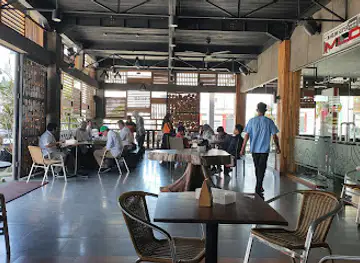
Kingdom Foodcourt & Coffee Toffee
Discover diverse flavors at Kingdom Foodcourt & Coffee Toffee in Gorontalo – where local meets international cuisine in a vibrant setting.

Rumah Makan Mawar Sharon
Discover the flavors of Gorontalo at Rumah Makan Mawar Sharon - a family-friendly restaurant offering a diverse menu of local and international dishes.

Domestique
Discover the vibrant fusion of Asian and Western flavors at Domestique in Gorontalo - A must-visit dining destination for every traveler.
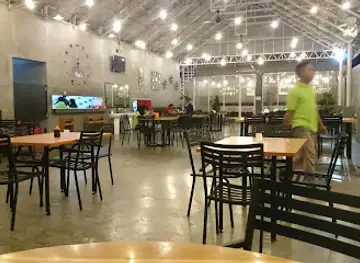
RM Pino's
Discover the authentic taste of Indonesia at RM Pino's - a must-visit restaurant in Gorontalo for food enthusiasts.

Best bars in Gorontalo
Top-rated picks
Best Bars

Inul Vizta
Experience the joy of singing at Inul Vizta, Gorontalo's premier karaoke bar, where music and fun come together in a vibrant atmosphere.

Lyrics
Experience unforgettable nights of music and fun at Gorontalo's top karaoke bar, perfect for locals and tourists alike.

Rumah Makan Anugrah
Savor authentic Indonesian flavors at Rumah Makan Anugrah, a must-visit diner and bar in Gorontalo, perfect for every food lover.

TDI CAFE AND ROOFTOP
Experience the flavors of Gorontalo at TDI Cafe and Rooftop, where delightful dishes and stunning views create the perfect dining experience.

Best nightclubs in Gorontalo
Top-rated picks
Best Nightclubs

Lyrics
Experience the vibrant karaoke culture of Gorontalo at Lyrics, where every note brings joy and laughter to your night out.

Barracuda Hotel Karaoke Club,resto, bar pab gorontalo
Discover the vibrant nightlife at Barracuda Hotel Karaoke Club in Gorontalo, where great food meets unforgettable karaoke fun!

SPLASH KARAOKE AND LOUNGE
Experience the vibrant nightlife of Gorontalo at SPLASH KARAOKE AND LOUNGE, where music and fun come together in a lively atmosphere.

Diablo Club Gorontalo
Discover the vibrant nightlife at Diablo Club Gorontalo, where live music and a lively atmosphere create unforgettable experiences for all.

Best shops in Gorontalo
Top-rated picks
Best Shops

Citimall Gorontalo
Explore Citimall Gorontalo for an unforgettable shopping experience filled with local flavors, diverse shops, and exciting entertainment options.

Karsa Utama
Explore the vibrant Karsa Utama in Gorontalo for a unique shopping experience with local goods, delicious foods, and cultural treasures.

Mitra Electronic Superstore
Explore the vast selection of electronics and home appliances at Mitra Electronic Superstore, Gorontalo's leading destination for tech and home needs.

Informa Gorontalo
Discover a world of furniture and decor at Informa Gorontalo, where style meets comfort in a vibrant shopping experience.

Explore Gorontalo on the Map
A handpicked selection of must-see spots in Gorontalo, mapped for you.
Gorontalo Essentials
-
Gorontalo, located on the northern part of Sulawesi Island, Indonesia, can be accessed by air, sea, and road. The Jalaluddin Airport (GTO) is the main gateway, with daily flights from Jakarta, Makassar, and Manado. From the airport, you can reach the city center by taxi or shuttle services. Alternatively, you can take a ferry from nearby islands or drive via the Trans-Sulawesi Highway, which offers scenic views of the island.
-
Getting around Gorontalo is relatively easy. Public transportation includes bendi (horse-drawn carriages), minibuses (mikrolet), and motorbike taxis (ojek). For a more comfortable ride, you can use ride-hailing apps like Grab. Renting a car or motorbike is also an option for exploring the area at your own pace. Traffic is generally light, but be cautious of local driving habits.
-
The official currency in Gorontalo is the Indonesian Rupiah (IDR). While credit cards are accepted in some hotels, restaurants, and larger stores, it is advisable to carry cash, especially for small purchases and in rural areas. ATMs are widely available in the city, but ensure you have enough cash if traveling to remote locations.
-
Gorontalo is generally safe for tourists. However, petty crimes like pickpocketing can occur in crowded areas such as markets and public transport. Some neighborhoods like Tenda and Hulonthalangi have higher crime rates, so exercise caution, especially at night. Always keep your belongings secure and avoid walking alone in unfamiliar areas.
-
In case of emergency, dial 112 for general assistance, 110 for police, and 118 for medical emergencies. The main hospital in Gorontalo is Aloei Saboe Hospital, which offers comprehensive medical services. It is advisable to have travel insurance that covers medical emergencies. Pharmacies are available for minor health issues, and many pharmacists speak basic English.
-
Fashion: Do dress modestly, especially when visiting religious sites. Avoid wearing revealing clothing. Religion: Do respect local customs and traditions. Remove your shoes when entering mosques and other religious buildings. Public Transport: Do be respectful and give up your seat to elderly passengers. Don't eat or drink on public transport. Greetings: Do greet people with a friendly 'Selamat' (hello). A slight bow or handshake is common. Eating & Drinking: Do try local delicacies and accept food offerings graciously. Don't refuse hospitality, as it is considered impolite.
-
To experience Gorontalo like a local, visit the traditional markets such as Pasar Sentral and Pasar Tua for fresh produce and local handicrafts. Engage with the locals, who are known for their friendliness and hospitality. Don't miss the opportunity to explore the natural beauty of the region, including the Bogani Nani Wartabone National Park and the pristine beaches of Olele Marine Park. For a unique experience, try local dishes like 'Binthe Biluhuta' (corn soup) and 'Ilabulo' (grilled sago with chicken or fish).
When is the best time to visit Gorontalo?
Useful Local Phrases for Gorontalo
You don't need to speak the language perfectly. Even learning a few simple words can make conversations warmer—and locals usually appreciate the effort.
— Eve

Here are the phrases I use most often in Gorontalo. Try a few—you'll be surprised how far they go! 😊
❤️
-
- HelloSalam
[sah-lahm] - GoodbyeSelamat tinggal
[seh-lah-maht teen-gahl] - YesIya
[ee-yah] - NoTidak
[tee-dahk] - Please/You're welcomeSilakan
[see-lah-kahn] - Thank youTerima kasih
[teh-ree-mah kah-see] - Excuse me/SorryMaaf
[mah-ahf] - How are you?Apa kabar?
[ah-pah kah-bar] - Fine. And you?Baik. Dan kamu?
[bye-ik. dahn kah-moo] - Do you speak English?Apakah kamu bisa berbahasa Inggris?
[ah-pah-kah kah-moo bee-sah ber-bah-sah ing-gris] - I don't understandSaya tidak mengerti
[sah-yah tee-dahk men-ger-tee]
- HelloSalam
-
- I'd like to see the menu, pleaseSaya mau lihat menu, silakan
[sah-yah mau lee-haht meh-noo, see-lah-kahn] - I don't eat meatSaya tidak makan daging
[sah-yah tee-dahk mah-kahn dah-ging] - Cheers!Santai!
[sahn-tah-ee] - I would like to pay, pleaseSaya mau membayar, silakan
[sah-yah mau mem-bah-yar, see-lah-kahn]
- I'd like to see the menu, pleaseSaya mau lihat menu, silakan
-
- Help!Tolong!
[toh-long] - Go away!Pergi!
[per-gee] - Call the Police!Panggil polisi!
[pang-gil poh-lee-see] - Call a doctor!Panggil dokter!
[pang-gil dok-ter] - I'm lostSaya tersesat
[sah-yah ter-seh-saht] - I'm illSaya sakit
[sah-yah sah-kit]
- Help!Tolong!
-
- I'd like to buy...Saya mau beli...
[sah-yah mau beh-lee] - I'm just lookingSaya hanya melihat
[sah-yah han-yah meh-lihat] - How much is it?Berapa harganya?
[beh-rah-pah har-gah-nya] - That's too expensiveItu terlalu mahal
[ee-too ter-lah-lu mah-hal] - Can you lower the price?Bisakah kamu menurunkan harga?
[bee-sah-kah kah-moo men-u-run-kahn har-gah]
- I'd like to buy...Saya mau beli...
-
- What time is it?Jam berapa?
[jahm beh-rah-pah] - It's one o'clockJam satu
[jahm sah-too] - Half past (10)Setengah sepuluh
[seh-teng-ah sep-oo-looh] - MorningPagi
[pah-gee] - AfternoonSiang
[see-ahng] - EveningSore
[so-reh] - YesterdayKemarin
[keh-mah-rin] - TodayHari ini
[hah-ree ee-nee] - TomorrowBesok
[beh-sok] - 1Satu
[sah-too] - 2Dua
[doo-ah] - 3Tiga
[tee-gah] - 4Empat
[em-paht] - 5Lima
[lee-mah] - 6Enam
[eh-nahm] - 7Tujuh
[too-joo] - 8Delapan
[deh-lah-pahn] - 9Sembilan
[sem-bee-lahn] - 10Sepuluh
[seh-poo-loo]
- What time is it?Jam berapa?
-
- Where's a/the...?Di mana...?
[dee mah-nah] - What's the address?Apa alamatnya?
[ah-pah ah-lah-maht-nya] - Can you show me (on the map)?Bisakah kamu tunjukkan (di peta)?
[bee-sah-kah kah-moo toon-jook-kahn (dee peh-tah)] - When's the next (bus)?Kapan bus berikutnya?
[kah-pahn boos beh-ree-koot-nya] - A ticket (to ....)Tiket (ke ...)
[tee-ket (keh ...)]
- Where's a/the...?Di mana...?
History of Gorontalo
-
The history of Gorontalo dates back to the 13th century when it was known as Hulontalo. The region was initially inhabited by various indigenous tribes who lived along the coastal areas and practiced agriculture and fishing. By the 16th century, the Gorontalo Kingdom was established, emerging as a significant power in the region. The kingdom was known for its complex social structure, with a ruling class that maintained control through a combination of military strength and strategic alliances.
-
In the 15th century, the arrival of Islamic missionaries marked a significant turning point in Gorontalo's history. The spread of Islam was facilitated by trade and intermarriage, leading to the gradual conversion of the local population. The integration of Islamic principles had a profound effect on Gorontalo's culture, influencing everything from architecture to social customs. This period also saw the emergence of the Gorontalo Sultanate, which played a crucial role in promoting Islamic education and governance.
-
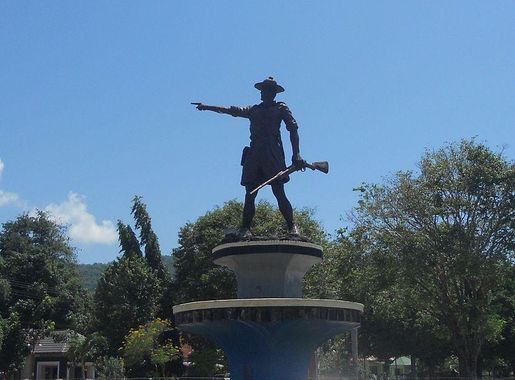
Gorontalo came under the influence of European colonial powers in the 16th century, beginning with the Portuguese and later the Dutch. The Dutch East India Company (VOC) established control over much of the region by the 17th century, exploiting its resources and imposing heavy taxes. This period was marked by numerous uprisings and resistance movements, as the local population sought to regain control of their land and resources. Notable leaders like Nani Wartabone emerged during this time, leading efforts to resist colonial rule.
-
During World War II, Gorontalo was occupied by Japanese forces from 1942 to 1945. The occupation brought significant hardship to the local population, including forced labor and food shortages. Despite these challenges, the period also sparked a renewed sense of nationalism and unity among the people of Gorontalo. The end of the Japanese occupation in 1945 paved the way for the region's involvement in the broader Indonesian struggle for independence.
-
Following Indonesia's declaration of independence in 1945, Gorontalo became part of the newly-formed Republic of Indonesia. The region experienced significant political and social changes as it integrated into the national framework. Efforts to modernize infrastructure, education, and healthcare were initiated, contributing to the region's development. In 2000, Gorontalo was officially designated as a separate province, reflecting its unique cultural and historical identity within Indonesia.
-
Gorontalo is rich in cultural heritage, with traditions that have been passed down through generations. The region is known for its traditional music, dance, and craftsmanship. The Gorontalo people celebrate various festivals and ceremonies throughout the year, such as the 'Tumbilotohe' or Night of a Thousand Lights, which marks the end of Ramadan. Traditional houses, known as 'Dulohupa', and local crafts like weaving and pottery are integral parts of Gorontalo's cultural landscape.
Neighbouring Regions of Gorontalo
The closest regions to Gorontalo, if you have time for more than one.
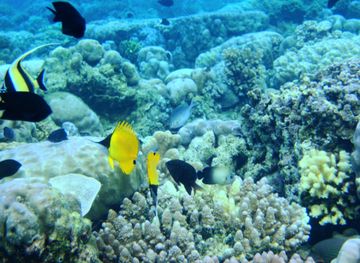


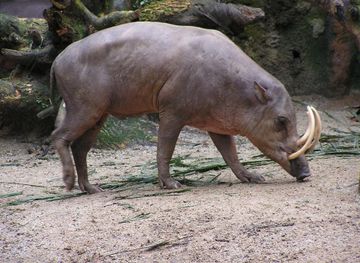

Your all‑in‑one travel companion app
Explore expert travel guides, compare and book tours, experiences, hotels, and more—all from the palm of your hand. Download now for seamless trip planning wherever your wanderlust takes you.


Explore More of Indonesia

Looking beyond Gorontalo? Discover Indonesia for broader travel guides, local hot-spots, and regional highlights.
Explore IndonesiaGorontalo in Photos
Browse through our photo collection highlighting the charm and character of the destination.





Gorontalo: The Hidden Gem of Indonesia
Nestled on the northern coast of Sulawesi, Gorontalo is a charming city that offers a blend of natural beauty and rich cultural heritage. Known for its stunning underwater landscapes, it is a paradise for diving enthusiasts. The pristine waters of Tomini Bay are home to vibrant coral reefs and diverse marine life, making it one of the best spots for underwater photography. Beyond its aquatic allure, Gorontalo's landscape is dotted with lush hills and valleys, offering scenic hiking trails for nature lovers. One of the highlights is the breathtaking view from the top of Mount Tilongkabila. For those interested in history, the city’s colonial architecture and ancient forts provide a glimpse into its storied past. Gorontalo is also famous for its traditional arts and crafts. Visitors can explore local markets filled with handmade textiles and pottery, which make for perfect souvenirs. The local cuisine, with its unique flavors and spices, is a must-try for any foodie. Make sure to try 'Binthe Biluhuta', a traditional corn soup that is a local favorite.