

Free West Sulawesi Travel Guide & Mobile App
Explore West Sulawesi with free travel guides. Discover regional history, expert tips, proposed trips, and audio guides on web or mobile app.


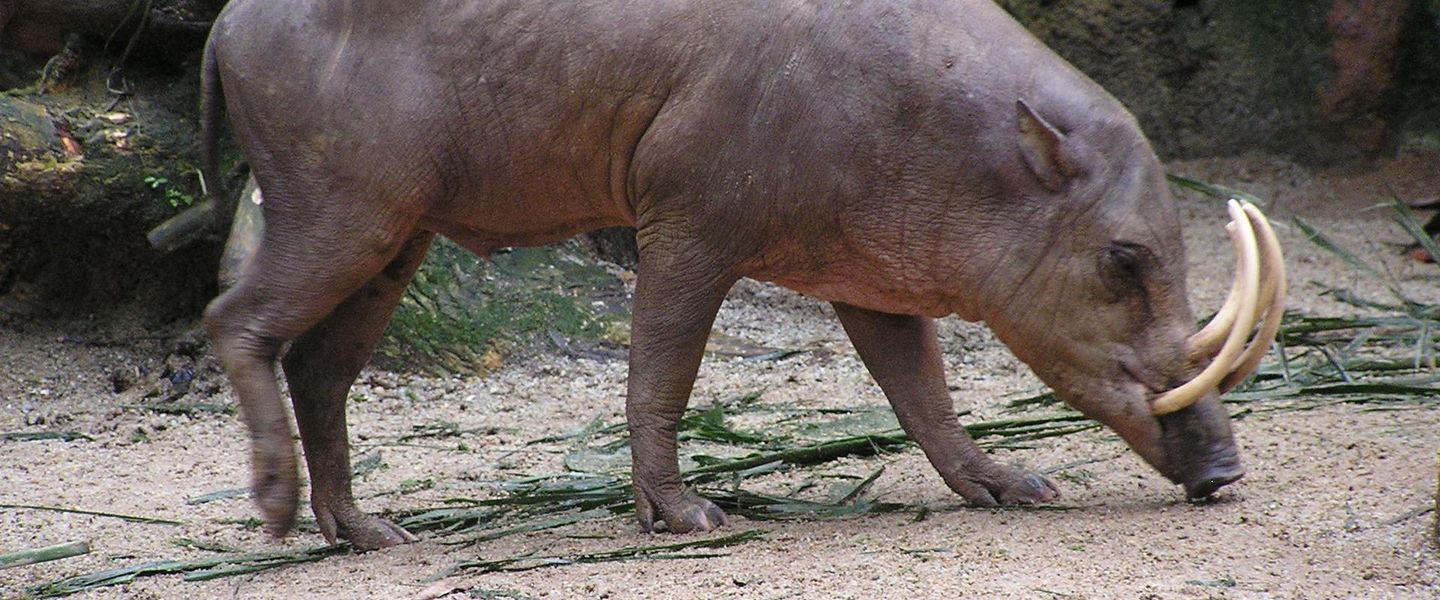


West Sulawesi combines Mandar maritime culture, quiet beaches, archaeological valleys and cool mountain landscapes around Mamuju, Majene and Mamasa.
Read more about West Sulawesi
When is the best time to visit West Sulawesi?
Best: June–August · 31°C| Month | High (°C) | Rainfall (mm) |
|---|---|---|
| January | 31 | 300 |
| February | 31 | 250 |
| March | 31 | 200 |
| April | 31 | 150 |
| May | 32 | 150 |
| June (best) | 31 | 100 |
| July (best) | 31 | 100 |
| August (best) | 31 | 100 |
| September | 31 | 100 |
| October | 32 | 150 |
| November | 32 | 200 |
| December | 31 | 250 |
Getting to and around West Sulawesi
How to get there
Transportation
Destinations in West Sulawesi
Resorts, valleys and scenic spots worth a trip of their own.

Swipe for more destinations
Best attractions in West Sulawesi
-
Tourist attraction
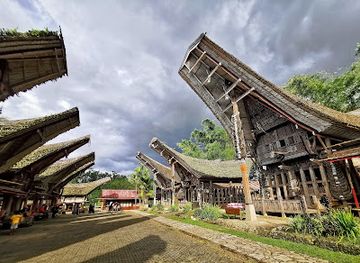
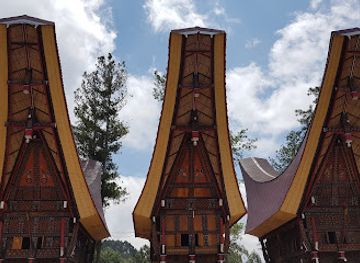
Ke'te' Kesu' Toraja
Explore the cultural heart of Toraja at Ke'te' Kesu', where traditional architecture and stunning landscapes intertwine in a unique experience.
-
Tourist attraction
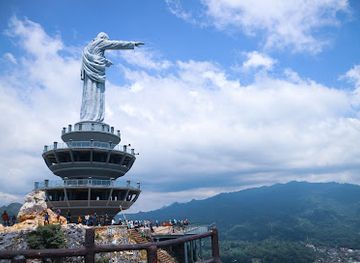
Jesus Christ Blessing Statue
Explore the stunning Jesus Christ Blessing Statue in Tana Toraja Regency, a magnificent sculpture with breathtaking views of South Sulawesi's lush landscapes.
-
Tourist attraction
Lolai - To' Tombi, Negeri di atas awan
Experience the breathtaking beauty of Lolai - To' Tombi, a scenic park in North Toraja, South Sulawesi, renowned for its stunning mountain views and cultural heritage.
-
Tourist attraction
Pango-Pango Makale
Explore the serene beauty and cultural richness of Pango-Pango Makale, a stunning park in Tana Toraja Regency, South Sulawesi.
Best landmarks in West Sulawesi
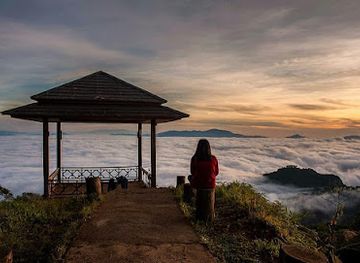
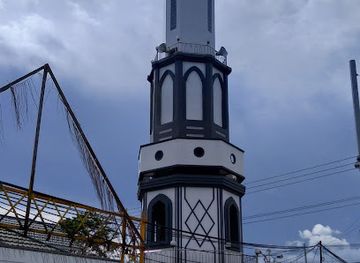
West Sulawesi’s most recognisable landmarks reflect its maritime setting, Mandar history and mountainous interior. The sandeq, with its narrow hull and distinctive outriggers, is an important cultural symbol of the western coast and can be encountered through local sailing communities and events when arrangements permit. In Mamuju, the Manakarra waterfront and its landmark mosque form a civic focus overlooking the Makassar Strait. Karampuang Island provides a memorable coastal reference point, reached by boat from the Mamuju area. The traditional and religious buildings of Mandar communities, including historic mosques and houses in the Polewali Mandar and Majene districts, reveal the region’s layered cultural history. Inland, the steep ridges and forested summits of the Gandang Dewata range create West Sulawesi’s most imposing natural landmark, while the highland valleys around Mamasa are distinguished by terraces, rivers and scattered settlements. The archaeological landscape of Kalumpang is significant not for monumental architecture but for the surviving evidence of early farming and craft communities in the Karama Valley. These places are best understood within their landscape, where coast, river corridor and mountain route explain the province’s history.
-
Island
Sulawesi
Explore Sulawesi Island: A stunning Indonesian paradise of breathtaking landscapes, vibrant cultures, and rich marine biodiversity.
-
Tourist attraction
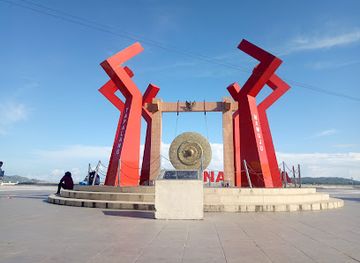
Anjungan Pantai Manakarra
Explore Anjungan Pantai Manakarra in Mamuju, West Sulawesi - a stunning beach paradise blending natural beauty and rich local culture.
-
Tourist attraction
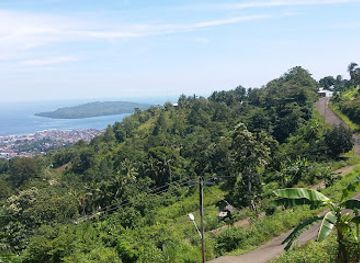
Puncak Mamuju City
Explore the breathtaking views and rich culture of Puncak Mamuju City, a stunning tourist attraction in West Sulawesi that promises unforgettable experiences.
-
Tourist attraction
Pantai Mampie
Explore Pantai Mampie, a tranquil beach in West Sulawesi offering stunning views, local culture, and delicious cuisine for an unforgettable travel experience.
Explore West Sulawesi on the map
Plan your trip on one map. See where the top cities, national parks and sights are, and book hotels and experiences in a few clicks.
Best hotels in West Sulawesi
Best restaurants in West Sulawesi
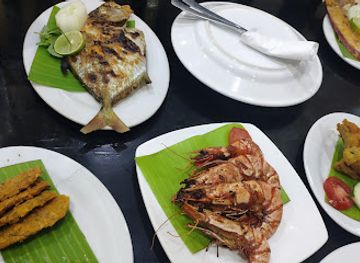
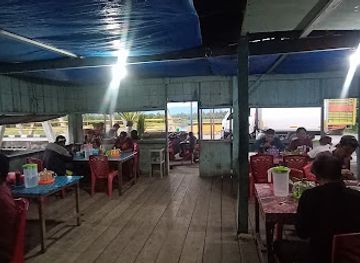
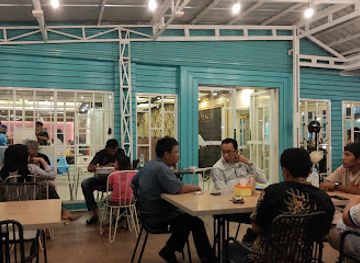
Dining in West Sulawesi is closely tied to the coast, rice lands and local markets. In Mamuju, Majene, Polewali and other larger towns, small restaurants and food stalls commonly serve grilled or fried fish, seafood, rice dishes, noodles and preparations flavoured with chilli, coconut and aromatic spices. Coastal markets are useful places to see the range of local catch, while roadside stalls may offer regional snacks and sweet drinks made with familiar Indonesian ingredients. Mandar culinary traditions form an important part of the province’s identity, although recipes and names vary between communities and families. In Mamasa, highland produce, rice, vegetables and preserved foods reflect a cooler agricultural environment, alongside dishes shared with the wider cuisines of Sulawesi and Indonesia. Cafés and more contemporary restaurants are most readily found in Mamuju, while rural dining is usually simpler and often arranged through guesthouses or local warungs. Visitors should not expect a dense fine-dining scene; the strength of the region’s food culture is its freshness, local sourcing and connection to everyday coastal and highland life.
-
Restaurant
RM. Cici
Discover RM. Cici: A Seafood Haven in Mamuju Offering Authentic Ikan Bakar and Indonesian Delicacies.
-
Nasi restaurant
Sop Saudara Jalan Punggawa Malolo depan Pasar Lama Mamuju. Sejak Tahun 1996 ️
Discover the flavors of Indonesia at Sop Saudara - a beloved nasi restaurant in Mamuju offering authentic dishes since 1996.
-
South Sulawesi restaurant
Hidangan Coto Makassar
Experience authentic South Sulawesi flavors at Hidangan Coto Makassar—home of the beloved Coto dish.
-
Restaurant
Cilacap cafe
Discover Cilacap Cafe in Mamuju - where local flavors meet comfort dining in an inviting atmosphere.

Best bars in West Sulawesi
West Sulawesi has a modest evening scene, shaped more by family restaurants, coffee shops, hotel lounges and traditional warungs than by large nightclubs. Mamuju offers the widest choice of places to eat and meet after dark, with some live music and late-opening cafés, while Majene and Polewali have smaller town-centre scenes. In coastal communities, evenings may centre on food stalls and conversation near the waterfront rather than organised nightlife. Mamasa’s nights are generally quiet, with guesthouses, cafés and local restaurants providing the main options. Alcohol is not central to public life in many communities, and visitors should respect local religious and social norms. There are few reliable reasons to travel between districts solely for nightlife, and opening arrangements can change, particularly outside the provincial capital.
-
Bar
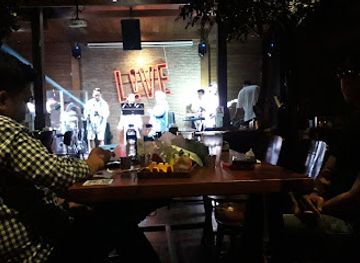
HW Helen's Live Bar Makassar
Explore Makassar's nightlife at HW Helen's Live Bar, where live music meets a vibrant atmosphere and delicious drinks.
-
Lounge
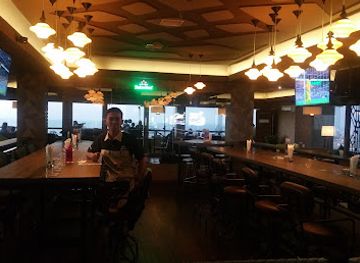
Gravity Sky Lounge
Discover the perfect blend of culinary delight and breathtaking views at Gravity Sky Lounge in Makassar.
-
Bar
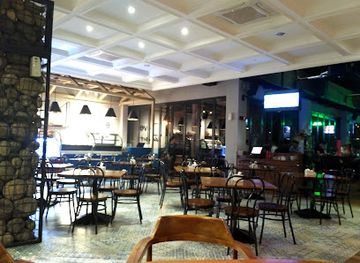
Publiq Dine & Wine
Discover the vibrant culinary scene at Publiq Dine & Wine, where local flavors meet international cuisine in the heart of Makassar.
-
Karaoke bar
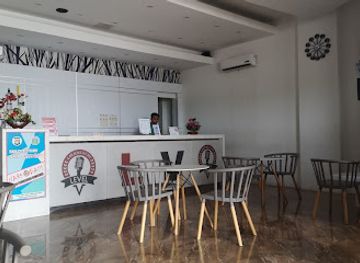
Level V Karaoke
Experience the joyous atmosphere of Level V Karaoke in Mamuju Regency, where singing, laughter, and unforgettable memories await!
Best nightclubs in West Sulawesi
West Sulawesi has a modest evening scene, shaped more by family restaurants, coffee shops, hotel lounges and traditional warungs than by large nightclubs. Mamuju offers the widest choice of places to eat and meet after dark, with some live music and late-opening cafés, while Majene and Polewali have smaller town-centre scenes. In coastal communities, evenings may centre on food stalls and conversation near the waterfront rather than organised nightlife. Mamasa’s nights are generally quiet, with guesthouses, cafés and local restaurants providing the main options. Alcohol is not central to public life in many communities, and visitors should respect local religious and social norms. There are few reliable reasons to travel between districts solely for nightlife, and opening arrangements can change, particularly outside the provincial capital.
-
Karaoke bar
Level V Karaoke
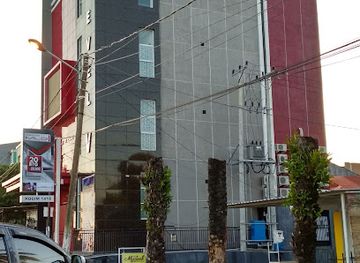
Experience the joy of singing at Level V Karaoke, Mamuju's top karaoke bar offering a fun atmosphere and a diverse song selection.
-
Night club
EN Club
Discover the electric nightlife of Palu at EN Club, where vibrant music and dancing create unforgettable memories in Central Sulawesi.
-
Night club
Dome Club & Lounge
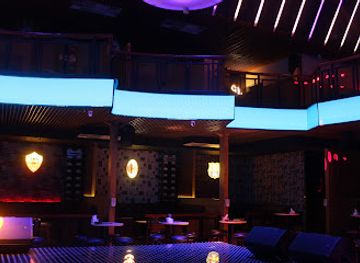
Experience the vibrant nightlife at Dome Club & Lounge in Palu, where the music is alive and the atmosphere is electric.
-
Night club
A Club family karaoke
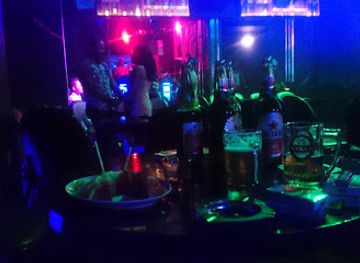
Experience the vibrant nightlife of Polewali at A Club Family Karaoke, where every night is filled with music, laughter, and unforgettable memories.
Best shops in West Sulawesi
Shopping in West Sulawesi is primarily local and practical, with the best selection found in the markets and commercial streets of Mamuju, Majene, Polewali and other district centres. Fresh produce, fish, spices, coffee, snacks and household goods provide a direct introduction to regional life, while small shops sell packaged foods and everyday Indonesian products. Visitors may find Mandar-influenced textiles, woven items, handicrafts and locally made souvenirs, although availability varies and specialist craft outlets are not always easy to locate. Sandeq imagery and maritime motifs appear in some locally produced goods, but buyers should ask about provenance rather than assuming every item is traditionally made. Mamasa’s markets offer highland agricultural products and practical village goods; they are more useful for understanding local commerce than for luxury retail. Mamuju has the widest range of modern shops, pharmacies and supermarkets, but West Sulawesi is not a major designer-shopping destination. Carry cash for markets, bargain politely where appropriate, and avoid purchasing archaeological objects, protected wildlife products or cultural items whose ownership and export status is unclear.
-
Convenience store
Indomaret Buntubuda Mamasa
Discover convenience and local flavors at Indomaret Buntubuda in Mamasa, your essential stop for snacks, essentials, and more.
-
Shopping mall
NM_Store
Experience the best of shopping at NM_Store in Donggala Regency, featuring women's fashion and household essentials for every taste.
-
Shopping mall
Toko Kamasena Unique
Experience local culture and modern shopping at Toko Kamasena Unique in Enrekang Regency, South Sulawesi.
-
Supermarket
Toko Annisa
Explore Toko Annisa in Mamasa, a vibrant supermarket offering local flavors, fresh produce, and a welcoming shopping experience.

Get your free copy of our complete guide to West Sulawesi, delivered straight to you.
Everything on this page, from attractions and restaurants to essentials and local phrases, in one PDF you can read offline, print or share.
Already have an account? Sign in
Your West Sulawesi guide is ready.
We'll send it to · Not you? Sign out

Getting your guide ready…
We are putting together a fresh copy of the West Sulawesi guide. This can take up to a minute.
This can take a few moments. If your browser asks, choose Allow so the download can start. You'll find the guide in your Downloads folder.
Nothing happened? Download it again
Sorry, the guide is taking longer than usual. Please try again in a minute, or get it by email instead.
West Sulawesi essentials
Currency and Payment
Safety
Emergency Situations
Do's and Don'ts
Local Tips
From Eve
Local phrases worth knowing
You don't need to get them perfect. A few words go a long way, and locals appreciate the effort.
Basics
| English | Local | Say it |
|---|---|---|
| Hello | Halo | [ha-lo] |
| Goodbye | Selamat tinggal | [se-la-mat ting-gal] |
| Yes | Iya | [ee-ya] |
| No | Tidak | [ti-dak] |
| Please/You're welcome | Silakan | [si-la-kan] |
| Thank you | Terima kasih | [te-ri-ma ka-si] |
| Excuse me/Sorry | Maaf | [ma-af] |
| How are you? | Apa kabar? | [a-pa ka-bar] |
| Fine. And you? | Baik. Dan kamu? | [ba-ik. dan ka-mu] |
| Do you speak English? | Apakah kamu bisa bahasa Inggris? | [a-pa-kah ka-mu bi-sa ba-ha-sa ing-gris] |
| I don't understand | Saya tidak mengerti | [sa-ya ti-dak meng-er-ti] |
Eating & Drinking
| English | Local | Say it |
|---|---|---|
| I'd like to see the menu, please | Saya mau lihat menu, silakan | [sa-ya mau li-hat me-nu, si-la-kan] |
| I don't eat meat | Saya tidak makan daging | [sa-ya ti-dak ma-kan da-ging] |
| Cheers! | Selamat minum! | [se-la-mat mi-num] |
| I would like to pay, please | Saya mau bayar, silakan | [sa-ya mau ba-yar, si-la-kan] |
Emergencies
| English | Local | Say it |
|---|---|---|
| Help! | Tolong! | [to-long] |
| Go away! | Pergi! | [per-gi] |
| Call the Police! | Panggil Polisi! | [pang-gil po-li-si] |
| Call a doctor! | Panggil dokter! | [pang-gil dok-ter] |
| I'm lost | Saya tersesat | [sa-ya ter-se-sat] |
| I'm ill | Saya sakit | [sa-ya sa-kit] |
Shopping
| English | Local | Say it |
|---|---|---|
| I'd like to buy... | Saya mau beli... | [sa-ya mau be-li] |
| I'm just looking | Saya hanya melihat | [sa-ya han-ya me-li-hat] |
| How much is it? | Berapa harganya? | [be-ra-pa har-ga-nya] |
| That's too expensive | Itu terlalu mahal | [i-tu ter-la-lu ma-hal] |
| Can you lower the price? | Bisa turunkan harganya? | [bi-sa tu-run-kan har-ga-nya] |
Time & Numbers
| English | Local | Say it |
|---|---|---|
| What time is it? | Jam berapa? | [jam be-ra-pa] |
| It's one o'clock | Jam satu | [jam sa-tu] |
| Half past (10) | Setengah sebelas | [se-ten-gah se-be-las] |
| Morning | Pagi | [pa-gi] |
| Afternoon | Sore | [so-re] |
| Evening | Malam | [ma-lam] |
| Yesterday | Kemarin | [ke-ma-rin] |
| Today | Hari ini | [ha-ri i-ni] |
| Tomorrow | Besok | [be-sok] |
| 1 | Satu | [sa-tu] |
| 2 | Dua | [du-a] |
| 3 | Tiga | [ti-ga] |
| 4 | Empat | [em-pat] |
| 5 | Lima | [li-ma] |
| 6 | Enam | [e-nam] |
| 7 | Tujuh | [tu-juh] |
| 8 | Delapan | [de-la-pan] |
| 9 | Sembilan | [sem-bi-lan] |
| 10 | Sepuluh | [se-pu-luh] |
Transport & Directions
| English | Local | Say it |
|---|---|---|
| Where's a/the...? | Di mana ...? | [di ma-na] |
| What's the address? | Apa alamatnya? | [a-pa a-la-mat-nya] |
| Can you show me (on the map)? | Bisa tunjukkan (di peta)? | [bi-sa tun-juk-kan di pe-ta] |
| When's the next (bus)? | Kapan bus berikutnya? | [ka-pan bus be-ri-kut-nya] |
| A ticket (to ....) | Sebuah tiket (ke ....) | [se-buah ti-ket ke] |
History of West Sulawesi
Early settlement of the Karama Valley
Archaeological sites around Kalumpang in the upper Karama Valley preserve evidence of early farming communities in western Sulawesi. Pottery, stone tools and other remains indicate connections with the wider movement of Austronesian-speaking peoples across Island Southeast Asia during the later prehistoric period. The valley’s importance lies not in monumental ruins but in the evidence it provides for agriculture, craft production, riverine settlement and long-distance cultural exchange in a region that connected the interior with the coast.
Mandar coastal societies and seafaring
For centuries, communities along the western coast developed social and political systems closely linked to fishing, farming, river valleys and maritime trade. The term Mandar refers to a broad cultural community with several historical territories and local identities. Sailing craft, especially the sandeq, enabled movement between coastal settlements and the islands and ports of the Makassar Strait. These maritime traditions remain an important part of West Sulawesi’s cultural identity rather than simply a relic of the past.
The kingdoms of Mandar
Before modern provincial administration, western Sulawesi was organised through a number of local kingdoms and allied territories. Balanipa became one of the most influential polities in the Mandar region, while other areas maintained their own rulers and customary institutions. Authority depended on relationships between coastal settlements, agricultural communities and inland territories. Oral histories, traditional ceremonies and surviving cultural landscapes continue to recall this period, although political structures have been transformed within the modern Indonesian state.
Islam, Christianity and changing regional networks
Islam became deeply established in many coastal Mandar communities through contacts with South Sulawesi, trading networks and religious teachers. In the Mamasa highlands, Christianity became particularly influential through missionary and colonial-era developments, creating a religious landscape different from much of the coast. These histories are visible in mosques, churches, cemeteries, family traditions and local calendars. They also demonstrate that West Sulawesi has never been culturally uniform, with coastal and upland communities following distinct historical paths.
Dutch colonial expansion and the colonial economy
Dutch influence expanded unevenly across western Sulawesi during the nineteenth and early twentieth centuries, as colonial authorities sought to bring local rulers and trade routes under firmer control. Administration, taxation and new commercial relationships affected ports, agricultural districts and traditional political structures. The colonial economy was based largely on regional commodities and transport rather than the large-scale industrial landscapes found in some other parts of Indonesia. Older roads, administrative buildings and changing town layouts reflect this period in limited but significant ways.
The twentieth century and the formation of the province
During the twentieth century, West Sulawesi was administered within larger South Sulawesi structures, while roads, schools, religious institutions and markets gradually connected coastal and inland communities more closely. The province of West Sulawesi was established in 2004, with Mamuju as its capital. Provincial status brought new administrative investment and infrastructure development, while also formalising a regional identity that had long been expressed through Mandar culture and the distinct geography of the western peninsula.
Contemporary development and cultural preservation
Modern West Sulawesi continues to balance road building, urban growth, plantations, fisheries and public services with the protection of forests, highland watersheds and archaeological sites. The 2021 earthquake in the Mamuju area caused serious loss and damage, affecting buildings, communities and heritage. Recovery has formed part of the province’s recent story. At the same time, sandeq sailing, traditional arts, local languages and archaeological research have gained renewed attention as expressions of regional identity and as resources for responsible tourism.
West Sulawesi in Photos
Browse through our photo collection highlighting the charm and character of the destination.
Neighbouring regions of West Sulawesi
The closest regions to West Sulawesi, if you have time for more than one.
-

-

-

-

-


Swipe for more regions
Explore more

Explore more of Indonesia
Explore Indonesia: An archipelago of diverse cultures, stunning landscapes, and endless adventures from bustling cities to serene beaches.
Explore Indonesia