

Free Sulawesi Travel Guide & Mobile App
Explore Sulawesi with free travel guides. Discover regional history, expert tips, proposed trips, and audio guides on web or mobile app.


Explore Sulawesi for Torajan culture, volcanic highlands, rainforest, dramatic coastlines and some of Indonesia’s finest coral reefs.
Read more about Sulawesi
When is the best time to visit Sulawesi?
Best: March–May · 30°C| Month | High (°C) | Rainfall (mm) |
|---|---|---|
| January | 30 | 300 |
| February | 30 | 250 |
| March (best) | 30 | 200 |
| April (best) | 30 | 200 |
| May (best) | 30 | 200 |
| June | 30 | 200 |
| July | 30 | 200 |
| August | 30 | 200 |
| September | 30 | 200 |
| October | 30 | 200 |
| November | 30 | 250 |
| December | 30 | 300 |
Getting to and around Sulawesi
How to get there
Transportation
Top city travel guides in Sulawesi
The cities of Sulawesi, and the easiest places to base yourself.

Swipe for more cities
Destinations in Sulawesi
Resorts, valleys and scenic spots worth a trip of their own.
-

-

-


Swipe for more destinations
Best attractions in Sulawesi
Sulawesi’s attractions are spread across distinct landscapes rather than concentrated in one resort corridor. South Sulawesi combines Makassar’s Fort Rotterdam and maritime history with the limestone caves and karst scenery of Bantimurung-Bulusaraung National Park, where walking routes, waterfalls and forest habitats complement the geology. Further north, Tana Toraja offers journeys through rice-growing valleys, tongkonan houses, ceremonial sites and cliffside burial places, best approached with cultural sensitivity and local guidance. Central Sulawesi brings forest, mountain and lake environments, notably Lore Lindu National Park and the Lake Poso area, while the northern region pairs Manado’s urban base with the reefs of Bunaken National Park and the volcanic landscapes of Minahasa. In the southeast, Wakatobi National Park is centred on coral reefs, island villages, beaches and exceptional opportunities for diving and snorkelling. More remote island groups, including the Togian and Banggai areas, reward travellers prepared for slower logistics. Across the island, birdwatching, trekking, caving, reef excursions, village visits and food-focused travel offer more depth than a short list of headline sights.
-
Tourist attraction
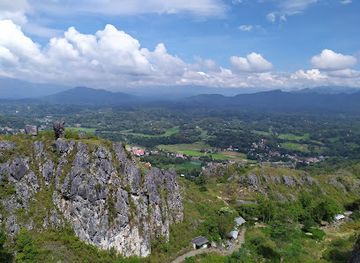
Jesus Christ Blessing Statue
Experience the breathtaking Jesus Christ Blessing Statue in Tana Toraja, a stunning blend of spirituality, art, and natural beauty.
-
Tourist attraction
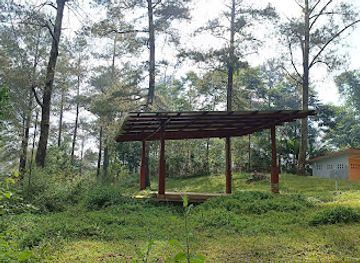
Malino Pine Forest
Experience the serene beauty of Malino Pine Forest, a lush escape in South Sulawesi perfect for nature lovers and adventure seekers.
-
Tourist attraction
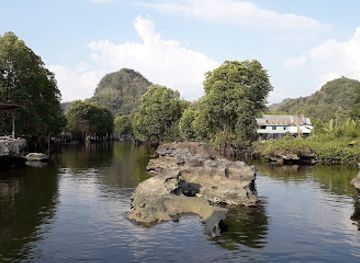
Pier I Rammang-Rammang
Experience the breathtaking beauty of Pier I Rammang-Rammang, a stunning tourist attraction in South Sulawesi, Indonesia, filled with adventure and natural wonders.
-
Tourist attraction
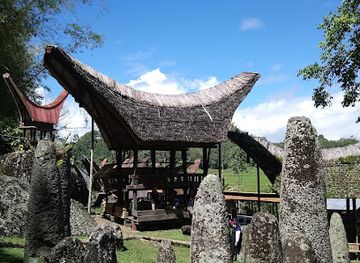
Objek Wisata Kalimbuang Bori
Explore the cultural richness and stunning landscapes of Objek Wisata Kalimbuang Bori in North Toraja, a must-visit tourist attraction in South Sulawesi.
Best landmarks in Sulawesi
Sulawesi’s most recognisable landmarks express its architectural, cultural and geological variety. Fort Rotterdam in Makassar is a substantial reminder of the city’s role in the history of Gowa and Dutch colonial expansion, with defensive walls and historic buildings overlooking the harbour district. In Tana Toraja, tongkonan houses form a powerful architectural symbol: their boat-shaped roofs, carved decoration and carefully arranged compounds are tied to ancestry and community, while burial caves and tau-tau effigies in limestone cliffs reveal the region’s distinctive funerary landscape. The Maros-Pangkep karst in South Sulawesi is both a dramatic natural feature and the setting for globally important prehistoric cave art. In Central Sulawesi, the megaliths around the Lore Lindu region testify to older communities whose precise meanings are still studied. North Sulawesi’s volcanic highlands, including the crater landscapes around Tomohon and nearby Minahasa, contrast with the underwater walls and coral formations of Bunaken National Park. In the southeast, Wakatobi’s reef-fringed islands are geographical landmarks as much as diving destinations, linking marine conservation with long-established island settlements.
-
Historical landmark
Fort Rotterdam
Discover the historic charm of Fort Rotterdam in Makassar, a stunning fortress and museum showcasing the rich cultural heritage of South Sulawesi.
-
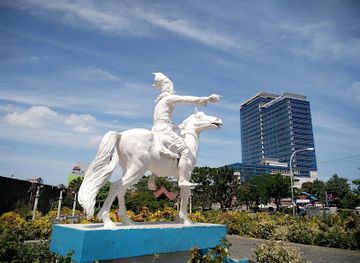
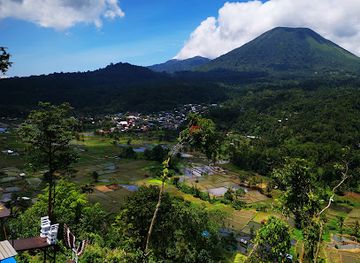
Island
Sulawesi
Experience the breathtaking landscapes and rich cultural heritage of Sulawesi, Indonesia's hidden gem for adventure and exploration.
-
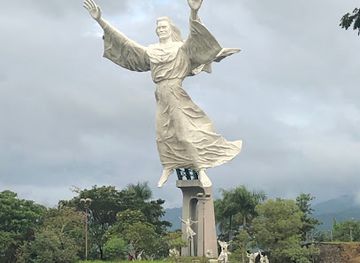
Monument
Yesus Memberkati Statue
Explore the Yesus Memberkati Statue in Manado, a magnificent monument blending faith, culture, and breathtaking views in North Sulawesi.
-
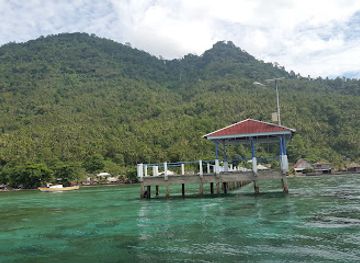
National park
Bunaken National Marine Park
Explore the vibrant underwater world of Bunaken National Marine Park, a premier destination for snorkeling and diving enthusiasts in North Sulawesi, Indonesia.
Explore Sulawesi on the map
Plan your trip on one map. See where the top cities, national parks and sights are, and book hotels and experiences in a few clicks.
Best hotels in Sulawesi
Best restaurants in Sulawesi
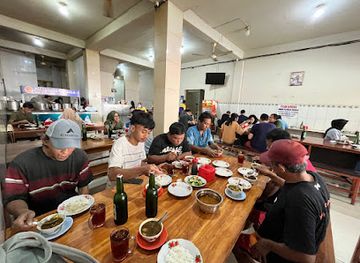
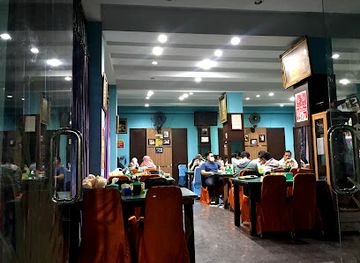
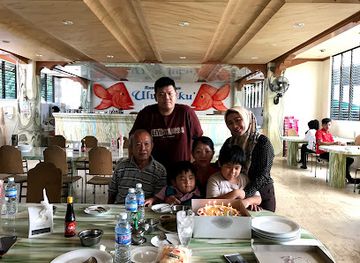
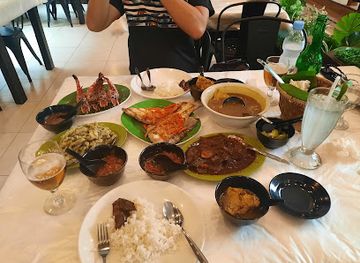
Sulawesi’s cuisine reflects the island’s many trading, agricultural and religious traditions. In Makassar, dishes such as coto, a richly seasoned beef soup, and konro, traditionally prepared with beef ribs, are central to the city’s food culture; pallubasa and seafood are also widely associated with South Sulawesi. Tana Toraja is known for highland produce and distinctive ceremonial foods, while coffee from the uplands is found in cafés and markets across the island. North Sulawesi has a strong Minahasan culinary identity, with boldly seasoned meat, fish, vegetables and sambal, although visitors should check ingredients carefully if they avoid particular meats. Along the coasts and islands, grilled fish, prawns, shellfish and rice-based meals are common. Makassar, Manado and larger provincial towns offer the broadest range of restaurants, cafés and bakeries, while rural areas rely more on warungs, market stalls, family kitchens and simple guesthouse meals. Cash and advance meal arrangements are useful in remote marine and highland destinations.
-
South Sulawesi restaurant
Pallubasa Serigala
Experience authentic South Sulawesi cuisine at Pallubasa Serigala in Makassar - home of delicious soups and local favorites.
-
South Sulawesi restaurant
Aroma Coto Gagak
Experience authentic South Sulawesi cuisine at Aroma Coto Gagak - famous for its delicious Soto dishes in Makassar.
-
Indonesian
Ulu Juku Catering And Restaurant
Experience authentic Indonesian flavors at Ulu Juku Catering And Restaurant—where fresh seafood meets traditional culinary art.
-
Seafood
Ratu Gurih Seafood Market & Resto
Experience authentic Indonesian seafood at Ratu Gurih Seafood Market & Resto in Makassar - where freshness meets flavor!
Best bars in Sulawesi
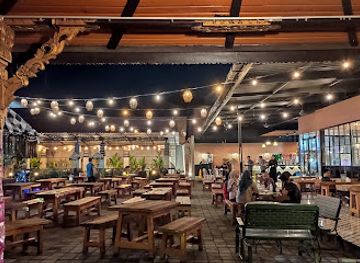
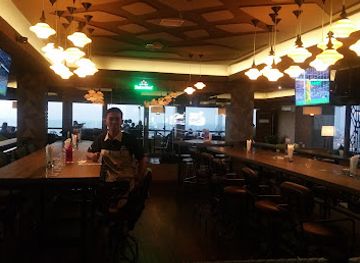
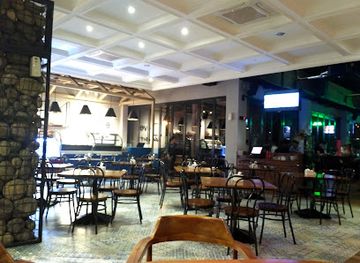
Sulawesi’s evening life varies sharply between its cities, highlands and islands. Makassar has the broadest urban choice, including cafés, hotel lounges, restaurants, karaoke venues, live-music spaces and bars, while Manado has a substantial evening dining and entertainment scene linked to its role as North Sulawesi’s main city. In both places, nightlife is concentrated in central commercial areas and changes as businesses open or close. Smaller towns generally centre their evenings on coffee shops, family restaurants, local eateries and modest bars rather than large clubs. In Tana Toraja and the national-park regions, night-time activity is quieter, with guesthouse dining, conversation and early starts for cultural visits or trekking. Island resorts in Bunaken and Wakatobi may offer informal drinks and occasional music, but the atmosphere is usually shaped by diving schedules, weather and limited local infrastructure. Alcohol is available in some venues, though drinking customs differ between communities and religious settings, so visitors should remain discreet and respectful.
-
Bar
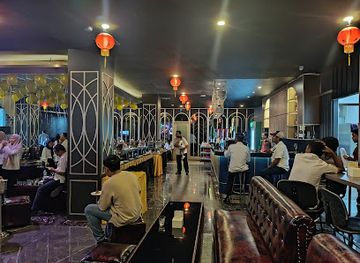
HW Helen's Live Bar Makassar
Discover the lively ambiance and live music at HW Helen's Live Bar in Makassar, where every night is a celebration of good vibes and great company.
-
Cafe
Cafe 168 House
Discover the vibrant atmosphere of Café 168 House in Palu, where delicious coffee meets live music and karaoke for an unforgettable experience.
-
Lounge
Gravity Sky Lounge
Discover the breathtaking views and vibrant atmosphere at Gravity Sky Lounge in Makassar, the ultimate destination for relaxation and nightlife.
-
Bar
Publiq Dine & Wine
Explore the vibrant culinary scene at Publiq Dine & Wine, where local flavors and lively ambience create unforgettable dining experiences in Makassar.

Best nightclubs in Sulawesi
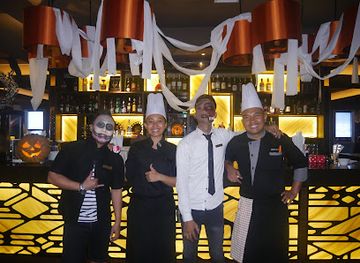
Sulawesi’s evening life varies sharply between its cities, highlands and islands. Makassar has the broadest urban choice, including cafés, hotel lounges, restaurants, karaoke venues, live-music spaces and bars, while Manado has a substantial evening dining and entertainment scene linked to its role as North Sulawesi’s main city. In both places, nightlife is concentrated in central commercial areas and changes as businesses open or close. Smaller towns generally centre their evenings on coffee shops, family restaurants, local eateries and modest bars rather than large clubs. In Tana Toraja and the national-park regions, night-time activity is quieter, with guesthouse dining, conversation and early starts for cultural visits or trekking. Island resorts in Bunaken and Wakatobi may offer informal drinks and occasional music, but the atmosphere is usually shaped by diving schedules, weather and limited local infrastructure. Alcohol is available in some venues, though drinking customs differ between communities and religious settings, so visitors should remain discreet and respectful.
-
Lounge
Gravity Sky Lounge
Experience breathtaking views and exquisite dining at Gravity Sky Lounge, Makassar's premier destination for relaxation and nightlife.
-
Night club
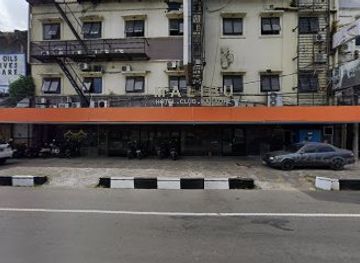
malibu makassar
Discover the lively nightlife at Malibu Makassar, where music, cocktails, and vibrant energy come together for an unforgettable experience.
-
Karaoke bar
NAV KARAOKE LUWUK
Experience the vibrant nightlife of Luwuk at NAV Karaoke, where you can sing, drink, and dance the night away in an electrifying atmosphere.
-
Bar
Rich Club Kitchen Bar Executive Karaoke and Lounge
Discover Kendari's nightlife at Rich Club Kitchen Bar, where delicious food, drinks, and karaoke come together for an unforgettable experience.

Best shops in Sulawesi
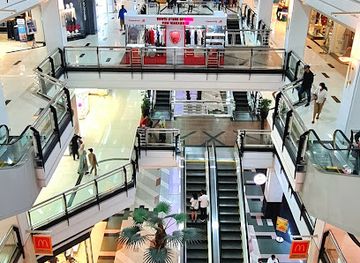
Shopping in Sulawesi is strongest in its provincial cities and market towns, where visitors can combine everyday Indonesian goods with regional food and craft products. Makassar has the widest urban selection, including food markets, department stores, independent shops and outlets selling local snacks, coffee, textiles and souvenirs. South Sulawesi is particularly associated with woven fabrics and the long-standing textile traditions of Bugis and Makassarese communities; quality, patterns and production methods vary, so buying from established cooperatives or craft sellers helps provide useful context. Tana Toraja offers carved wooden objects, woven cloth, coffee and locally made souvenirs, but visitors should avoid purchasing antiquities or items presented as archaeological material. Manado and other northern towns are practical places for packaged foods, coffee and everyday supplies before travelling to marine destinations. In Wakatobi and other island areas, shopping is limited and focuses on community-made crafts, seafood products and basic necessities. Bargain politely in informal markets, carry cash outside major cities and check airline baggage rules before buying bulky or fragile crafts.
-
Shopping mall
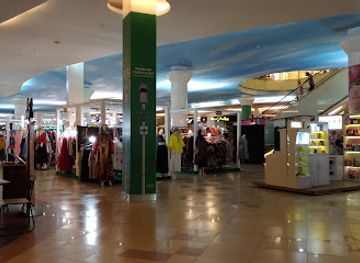
Trans Studio Mall Makassar
Explore Trans Studio Mall Makassar, a dynamic shopping destination featuring luxury brands, diverse dining, and family-friendly entertainment in South Sulawesi.
-
Shopping mall
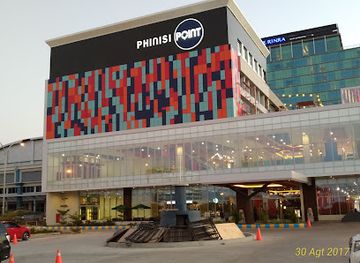
Phinisi Point Mall
Discover the vibrant blend of shopping and dining at Phinisi Point Mall, the ultimate destination for tourists in Makassar.
-
Shopping mall
Nipah Mall
Discover the ultimate shopping experience at Nipah Mall, where modern retail meets local culture in the heart of Makassar.
-
Shopping mall
Mall Ratu Indah
Explore Mall Ratu Indah in Makassar: A vibrant shopping mall with diverse shops, delightful dining, and engaging entertainment for all visitors.
Get your free copy of our complete guide to Sulawesi, delivered straight to you.
Everything on this page, from attractions and restaurants to essentials and local phrases, in one PDF you can read offline, print or share.
Already have an account? Sign in
Your Sulawesi guide is ready.
We'll send it to · Not you? Sign out

Getting your guide ready…
We are putting together a fresh copy of the Sulawesi guide. This can take up to a minute.
This can take a few moments. If your browser asks, choose Allow so the download can start. You'll find the guide in your Downloads folder.
Nothing happened? Download it again
Sorry, the guide is taking longer than usual. Please try again in a minute, or get it by email instead.
Sulawesi essentials
Currency and Payment
Safety
Emergency Situations
Do's and Don'ts
Local Tips
From Eve
Local phrases worth knowing
You don't need to get them perfect. A few words go a long way, and locals appreciate the effort.
Basics
| English | Local | Say it |
|---|---|---|
| Hello | Halo | [Hah-lo] |
| Goodbye | Selamat tinggal | [Seh-lah-mat teen-gahl] |
| Yes | Iya | [Ee-yah] |
| No | Tidak | [Tee-dahk] |
| Please/You’re welcome | Silakan/Sama-sama | [See-lah-kahn/Sah-mah-sah-mah] |
| Thank you | Terima kasih | [Teh-ree-mah kah-see] |
| Excuse me/Sorry | Permisi/Maaf | [Per-mee-see/Mah-af] |
| How are you? | Apa kabar? | [Ah-pah kah-bar] |
| Fine. And you? | Baik. Dan kamu? | [Bye-eek. Dan kah-moo] |
| Do you speak English? | Apakah kamu bisa berbahasa Inggris? | [Ah-pah-kah kah-moo bee-sah ber-bah-sah Ing-gris] |
| I don't understand | Saya tidak mengerti | [Sah-yah tee-dahk meng-er-tee] |
Eating & Drinking
| English | Local | Say it |
|---|---|---|
| I'd like to see the menu, please | Saya mau lihat menu, silakan | [Sah-yah mau lee-haht meh-noo, see-lah-kahn] |
| I don't eat meat | Saya tidak makan daging | [Sah-yah tee-dahk mah-kahn dah-ging] |
| Cheers! | Selamat menikmati! | [Seh-lah-mat menik-mah-tee] |
| I would like to pay, please | Saya mau bayar, silakan | [Sah-yah mau bye-yahr, see-lah-kahn] |
Emergencies
| English | Local | Say it |
|---|---|---|
| Help! | Tolong! | [Toh-long] |
| Go away! | Pergi jauh! | [Per-gee jah-oo] |
| Call the Police! | Panggil Polisi! | [Pang-gil Poh-lee-see] |
| Call a doctor! | Panggil dokter! | [Pang-gil dok-ter] |
| I'm lost | Saya tersesat | [Sah-yah ter-seh-saht] |
| I'm ill | Saya sakit | [Sah-yah sah-kit] |
Shopping
| English | Local | Say it |
|---|---|---|
| I'd like to buy... | Saya mau beli... | [Sah-yah mau beh-lee] |
| I'm just looking | Saya hanya melihat | [Sah-yah han-yah meh-lee-haht] |
| How much is it? | Berapa harganya? | [Beh-rah-pah har-gah-nya] |
| That's too expensive | Itu terlalu mahal | [Ee-too ter-lah-loo mah-hahl] |
| Can you lower the price? | Bisakah kamu turunkan harganya? | [Bee-sah-kah kah-moo too-roon-kahn har-gah-nya] |
Time & Numbers
| English | Local | Say it |
|---|---|---|
| What time is it? | Jam berapa? | [Jahm beh-rah-pah] |
| It's one o'clock | Ini jam satu | [Ee-nee jahm sah-too] |
| Half past (10) | Setengah (10) | [Seh-teng-ah (10)] |
| Morning | Pagi | [Pah-gee] |
| Afternoon | Siang | [See-ahng] |
| Evening | Sore | [So-reh] |
| Yesterday | Kemarin | [Ke-mah-rin] |
| Today | Hari ini | [Hah-ree ee-nee] |
| Tomorrow | Besok | [Beh-sohk] |
| 1 | 1 | [Satu] |
| 2 | 2 | [Dua] |
| 3 | 3 | [Tiga] |
| 4 | 4 | [Empat] |
| 5 | 5 | [Lima] |
| 6 | 6 | [Enam] |
| 7 | 7 | [Tujuh] |
| 8 | 8 | [Delapan] |
| 9 | 9 | [Sembilan] |
| 10 | 10 | [Sepuluh] |
Transport & Directions
| English | Local | Say it |
|---|---|---|
| Where's a/the...? | Di mana ...? | [Dee mah-nah] |
| What's the address? | Apa alamatnya? | [Ah-pah ah-lah-maht-nya] |
| Can you show me (on the map)? | Bisakah kamu tunjukkan (di peta)? | [Bee-sah-kah kah-moo toon-jook-kahn (dee peh-tah)] |
| When's the next (bus)? | Kapan bus selanjutnya? | [Kah-pahn boos seh-lanjoo-tah-nya] |
| A ticket (to ...) | Sebuah tiket (ke ...) | [Seh-boo-ahh tee-ket (keh ...)] |
History of Sulawesi
Early Human Settlement and Cave Art
Sulawesi has an exceptionally important prehistoric record. Archaeological research in the Maros-Pangkep karst of South Sulawesi has identified ancient cave paintings, including hand stencils and animal figures, while nearby caves have yielded evidence of early human activity. The age and interpretation of individual artworks continue to be refined, but the discoveries demonstrate that Sulawesi was home to sophisticated symbolic traditions deep in prehistory. These limestone caves are not merely scenic sites: they form part of a wider record of human movement, adaptation and artistic expression across Island Southeast Asia.
Ancient Maritime Networks
Long before European intervention, Sulawesi’s coastal societies participated in maritime exchange linking the Indonesian archipelago with wider Asian trading networks. Seafarers from South Sulawesi, including Bugis and Makassarese communities, became prominent traders and navigators, travelling between ports and islands for textiles, spices, forest products and other goods. Inland societies were connected to these networks through river valleys and overland routes. The island’s position between the western archipelago, Maluku and the Philippines helped create a history in which commerce, migration and seafaring shaped regional identities.
Kingdoms of South Sulawesi
By the early modern period, South Sulawesi contained powerful political societies, notably Gowa and Bone, alongside other states and local communities. Gowa’s capital at Somba Opu and the port of Makassar became important centres of trade and political influence. Islam spread through South Sulawesi from the early seventeenth century, becoming established among several ruling houses while existing social structures continued to evolve. Rivalries among regional powers influenced diplomacy, warfare and trade across the island, leaving a legacy visible in oral traditions, royal histories and historic sites around Makassar.
Makassar and Dutch Expansion
The commercial importance of Makassar brought it into conflict with the Dutch East India Company. After the Treaty of Bongaya in 1667, Dutch influence over South Sulawesi increased, and Fort Rotterdam in Makassar became a major colonial stronghold. The agreement reshaped regional trading rights and the balance between Gowa and the company, although Dutch authority developed unevenly across Sulawesi and was resisted in many areas. Forts, administrative buildings and later colonial infrastructure provide reminders of how European commercial power became embedded in the island’s political history.
Toraja Society and Colonial Encounters
The highlands of present-day Tana Toraja developed distinctive communities, architectural traditions and ritual systems in relative separation from the major coastal Islamic sultanates. Dutch colonial administration and Christian missionary activity reached the area more intensively during the twentieth century, contributing to major religious and social changes. Toraja communities retained important ceremonial practices, including elaborate funerals and cliffside burials, while adapting them within new religious and political contexts. The region’s tongkonan houses, rice terraces and burial places remain closely linked to family history and social identity.
War, Occupation and Indonesian Independence
Sulawesi experienced Dutch colonial rule, Japanese occupation during the Second World War and the upheavals surrounding Indonesian independence. Local resistance movements and political organisations responded differently across the island, while wartime shortages and military controls affected towns and rural communities. After 1945, integration into the Republic of Indonesia involved political negotiation, armed conflict in some areas and the gradual consolidation of national administration. The island was subsequently divided into several provinces, a structure that continues to shape transport, public services and regional political life.
Modern Marine Conservation and Tourism
From the late twentieth century, Sulawesi’s reefs and island ecosystems became increasingly important to conservation and international tourism. Bunaken National Park in North Sulawesi and Wakatobi National Park in Southeast Sulawesi helped establish protected marine areas associated with diving, reef research and coastal livelihoods. National parks such as Bantimurung-Bulusaraung and Lore Lindu also reflect attempts to protect forests, karst and endemic wildlife while supporting surrounding communities. Tourism remains unevenly distributed, and conservation challenges include waste, fishing pressure, habitat loss and the effects of climate change.
Sulawesi in Photos
Browse through our photo collection highlighting the charm and character of the destination.
Neighbouring regions of Sulawesi
The closest regions to Sulawesi, if you have time for more than one.
-

-

-

-

-


Swipe for more regions
Explore more

Explore more of Indonesia
Explore Indonesia: An archipelago of diverse cultures, stunning landscapes, and endless adventures from bustling cities to serene beaches.
Explore Indonesia