

Free East Nusa Tenggara Travel Guide & Mobile App
Explore East Nusa Tenggara with free travel guides. Discover regional history, expert tips, proposed trips, and audio guides on web or mobile app.


Explore East Nusa Tenggara for Komodo dragons, volcanic lakes, dry-island landscapes, traditional villages, reefs and distinctive Indonesian cultures.
Read more about East Nusa Tenggara
When is the best time to visit East Nusa Tenggara?
Best: June–August · 27–28°C| Month | High (°C) | Rainfall (mm) |
|---|---|---|
| January | 30 | 300 |
| February | 30 | 250 |
| March | 31 | 200 |
| April | 30 | 150 |
| May | 29 | 100 |
| June (best) | 28 | 50 |
| July (best) | 27 | 30 |
| August (best) | 28 | 30 |
| September | 29 | 50 |
| October | 30 | 100 |
| November | 31 | 150 |
| December | 31 | 250 |
Getting to and around East Nusa Tenggara
How to get there
Transportation
Best attractions in East Nusa Tenggara
East Nusa Tenggara’s attractions range from major wildlife and marine sites to landscapes and communities that reward slower travel. Komodo National Park is the province’s international draw, combining Komodo dragons with coral reefs, islands, beaches and viewpoints reached by boat or guided walks. On Flores, Kelimutu National Park centres on three volcanic crater lakes, while the highlands around Bajawa offer traditional villages, agricultural landscapes and access to hot springs and volcanic scenery. West Manggarai, central Flores and the coast around Maumere each have different combinations of reefs, villages and forested or volcanic terrain. Sumba brings dry savannah, waterfalls, beaches and traditional settlements with tall-roofed houses and stone tombs; East Sumba and West Sumba should not be treated as interchangeable experiences. Timor offers Kupang’s urban and coastal attractions, limestone landscapes and access to local markets, while Rote and Alor are valued for beaches, surfing, diving and quieter island travel. Wildlife, village-based visits, hiking, snorkelling and boat excursions are generally more significant here than conventional amusement attractions.
-
Tourist attraction
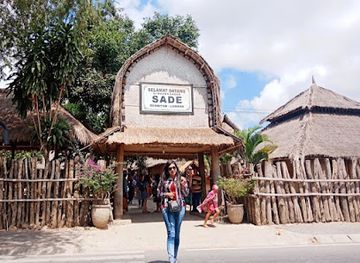
Sade Village
Explore the rich culture and traditions of the Sasak people in Sade Village, a captivating destination in Central Lombok, Indonesia.
-
Tourist attraction
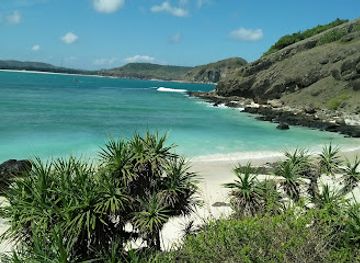
Bukit Merese
Discover the breathtaking landscapes and invigorating hikes at Bukit Merese, a must-visit tourist attraction in Lombok, Indonesia.
-
Island
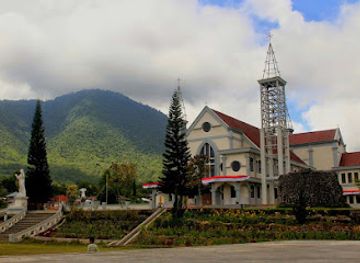
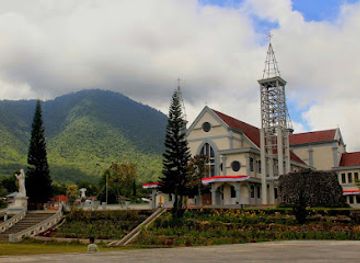
Flores
Explore the beauty and culture of Flores - a captivating island in East Nusa Tenggara, Indonesia, perfect for adventure and relaxation.
-
National park
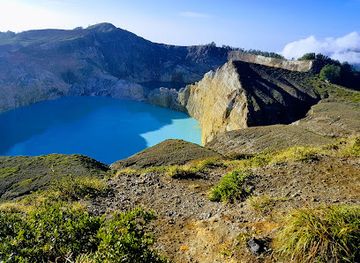
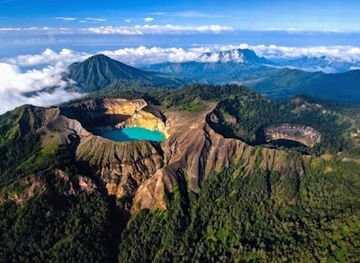
Kelimutu National Park
Explore the enchanting Kelimutu National Park, home to tri-colored lakes and stunning natural beauty in East Nusa Tenggara, Indonesia.
Best landmarks in East Nusa Tenggara
Komodo National Park’s rugged islands and the silhouette of its namesake dragons form East Nusa Tenggara’s most recognisable natural landmark, although the park is also important for its marine habitats and island ecology. The three crater lakes of Kelimutu, each often displaying a different colour, are among Flores’s defining geological sights and are culturally significant to nearby communities. In Bajawa, the traditional villages of Bena and nearby settlements are noted for ancestral shrines, stone structures and distinctive houses set against volcanic highlands. West Sumba’s villages, including Praijing and Ratenggaro, are recognised for steep-roofed houses and megalithic tombs, but they remain lived-in ceremonial places rather than open-air museums. Kupang’s coastal area and nearby limestone formations reflect Timor’s dry landscape, while Rote’s lontar palms and Alor’s mountainous island coast provide strong geographical markers. These landmarks are best approached with local guidance, particularly where customary authority and ritual space remain part of the site’s meaning.
-
 National park
Komodo National Park
Experience the breathtaking beauty and incredible biodiversity of Komodo National Park, home to the legendary Komodo dragons and vibrant marine life.
-
Resort hotel
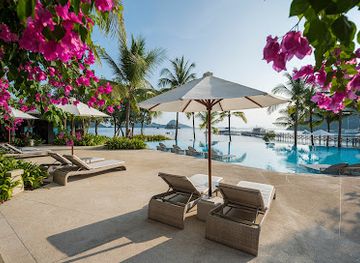
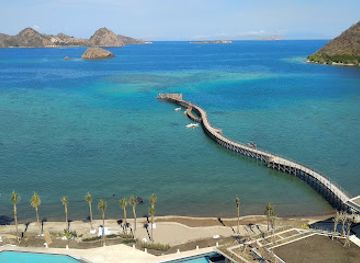
AYANA Komodo Waecicu Beach
Experience ultimate luxury and breathtaking views at AYANA Komodo Waecicu Beach, a premier resort hotel in Indonesia's tropical paradise.
-
Island
Flores
Explore the breathtaking landscapes, rich culture, and vibrant marine life of Flores Island in East Nusa Tenggara, Indonesia.
-
National park
Kelimutu National Park
Discover the mesmerizing tri-colored lakes of Kelimutu National Park, a breathtaking natural gem in East Nusa Tenggara, Indonesia.
Explore East Nusa Tenggara on the map
Plan your trip on one map. See where the top cities, national parks and sights are, and book hotels and experiences in a few clicks.
Best hotels in East Nusa Tenggara
Best restaurants in East Nusa Tenggara
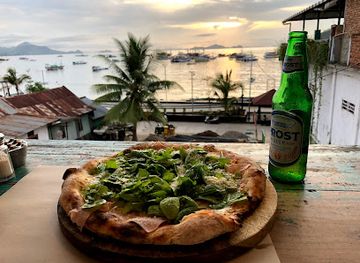
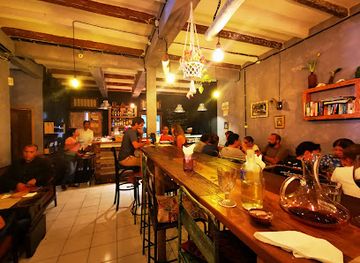
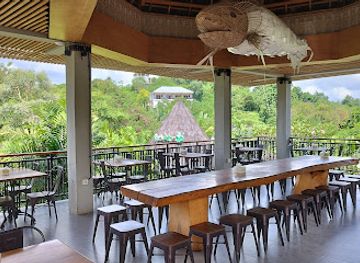
Dining in East Nusa Tenggara is closely connected to climate, farming and the sea. Maize, cassava and rice form important staples, while grilled or smoked fish, spicy sambal, vegetables and simple broths are common in coastal and urban cooking. Kupang is known for dishes such as se'i, traditionally smoked meat, although preparations and availability vary; visitors will also encounter regional snacks made with cassava, banana and palm sugar. Flores has a growing reputation for coffee from highland areas including Bajawa and Manggarai, served in cafés as well as local homes. Seafood restaurants are prominent in Labuan Bajo, Kupang and other coastal towns, while markets provide the best view of everyday ingredients and seasonal produce. In rural districts, food may be served at family-run warungs or accommodation rather than formal restaurants. Muslim, Christian and customary communities have different dietary practices, so ask about ingredients when necessary and expect menus to become simpler away from major tourist centres.
-
Seafood
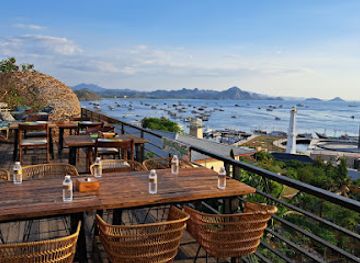
Taman Laut Handayani Seafood Restaurant Labuan Bajo
Discover authentic Indonesian seafood at Taman Laut Handayani Seafood Restaurant in Labuan Bajo – where every meal offers breathtaking views.
-
Italian
La Cucina
Experience authentic Italian flavors at La Cucina in Labuan Bajo, where every meal is crafted with passion and served with stunning views.
-
Japanese
Happy Banana Komodo
Experience the best of Japanese cuisine fused with local flavors at Happy Banana Komodo in Labuan Bajo.
-
Indonesian
Pondok Mai Ceng'go Labuan Bajo
Experience authentic Indonesian cuisine at Pondok Mai Ceng'go in Labuan Bajo—where every meal tells a story.
Best bars in East Nusa Tenggara
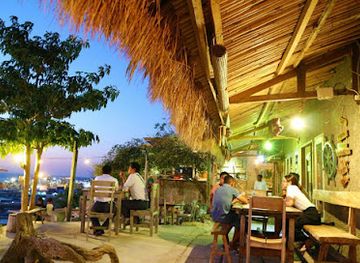
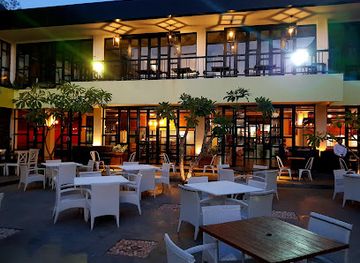
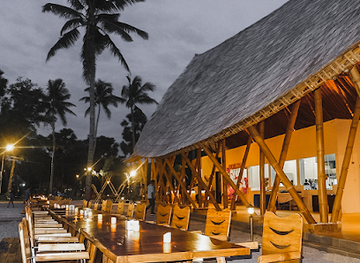
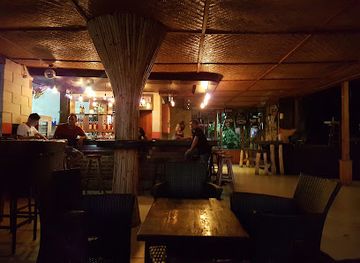
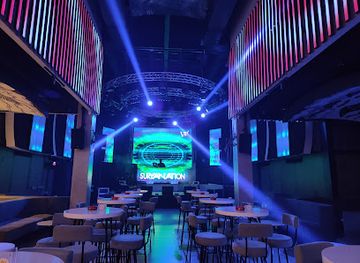
Nightlife in East Nusa Tenggara is concentrated in a few towns and tourist gateways rather than spread evenly across the province. Labuan Bajo has the largest visitor-oriented evening scene, with waterfront restaurants, casual bars, live music and venues catering to people returning from Komodo boat trips. Kupang offers a more local urban mix of cafés, karaoke venues, restaurants and occasional live entertainment, while Maumere and other larger towns have modest evening options. In Sumba, Flores outside the main centres, Alor and Rote, evenings generally revolve around food stalls, cafés, family gatherings, hotel bars and traditional or contemporary music rather than nightclubs. Some resorts and dive operators organise small social evenings, but schedules are seasonal and changeable. Dress and behaviour should remain respectful, particularly in communities where nightlife is not a major part of local life, and visitors should arrange safe transport after dark outside town centres.
-
Restaurant
Tebing Cafe
Discover the vibrant flavors of Nusa Tenggara Tim at Tebing Cafe, where stunning views meet delicious local cuisine in the heart of Kupang.
-
Seafood
Beer and Barrel Kitchen n' Lounge
Experience the best of Kupang's seafood scene at Beer and Barrel Kitchen n' Lounge, where fresh flavors meet a vibrant atmosphere.
-
Restaurant
La Cove Beach Resto & Bar
Experience the freshest seafood and breathtaking views at La Cove Beach Resto & Bar in Kupang, East Nusa Tenggara.
-
Bar
Paradise BAR
Discover the vibrant nightlife at Paradise BAR in Labuan Bajo, where stunning ocean views and refreshing cocktails await you.
Best nightclubs in East Nusa Tenggara
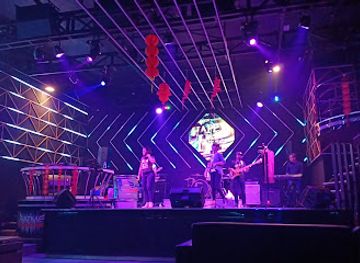
Nightlife in East Nusa Tenggara is concentrated in a few towns and tourist gateways rather than spread evenly across the province. Labuan Bajo has the largest visitor-oriented evening scene, with waterfront restaurants, casual bars, live music and venues catering to people returning from Komodo boat trips. Kupang offers a more local urban mix of cafés, karaoke venues, restaurants and occasional live entertainment, while Maumere and other larger towns have modest evening options. In Sumba, Flores outside the main centres, Alor and Rote, evenings generally revolve around food stalls, cafés, family gatherings, hotel bars and traditional or contemporary music rather than nightclubs. Some resorts and dive operators organise small social evenings, but schedules are seasonal and changeable. Dress and behaviour should remain respectful, particularly in communities where nightlife is not a major part of local life, and visitors should arrange safe transport after dark outside town centres.
-
Bar
Paradise BAR
Experience the lively nightlife at Paradise BAR in Labuan Bajo, where cocktails, dance, and stunning views come together for an unforgettable evening.
-
Club
Atmosphere Club & Karaoke
Experience electrifying nightlife at Atmosphere Club & Karaoke in Kupang City, where music and fun come together for an unforgettable evening.
-
Bar
VIP CLUB
Explore the vibrant nightlife of Labuan Bajo at VIP Club, where stunning ocean views meet an electrifying atmosphere.
-
Bar
Naga Bar
Discover the serene vibe of Naga Bar at AYANA Komodo Resort, where exquisite cocktails meet breathtaking sunset views over Waecicu Beach.

Best shops in East Nusa Tenggara
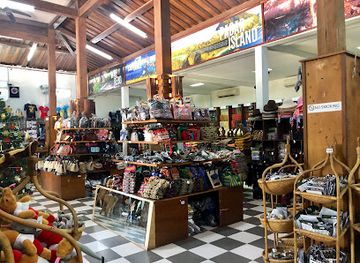
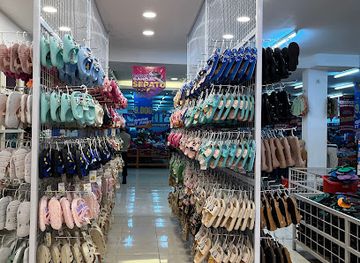
Shopping in East Nusa Tenggara is strongest in traditional textiles, food products and locally made crafts rather than large retail centres. Sumba is especially associated with handwoven ikat, whose motifs and methods differ between districts and may carry family or ceremonial significance; buy from reputable cooperatives or makers and ask about production rather than assuming every textile is traditionally made. Flores also produces distinctive woven cloth, while Timor, Rote and Alor have their own textile traditions and craft styles. Markets in Kupang, Labuan Bajo, Maumere, Waingapu and other towns sell coffee, spices, palm sugar, dried foods, baskets and practical household goods. Smaller village stalls can offer more direct buying opportunities, but stock is seasonal and transport between islands makes bulky purchases inconvenient. Check airline and ferry baggage rules, avoid buying protected wildlife products or antiquities, and treat bargaining as a polite exchange rather than an aggressive contest.
-
Souvenir store
Exotic Komodo Souvenir Shop
Explore the Exotic Komodo Souvenir Shop for authentic Indonesian gifts and crafts, capturing the spirit of the Komodo Islands.
-
Shopping mall
SUBASUKA Department Store
Discover SUBASUKA Department Store in Kupang: A vibrant shopping mall offering a mix of local culture, dining, and entertainment for every traveler.
-
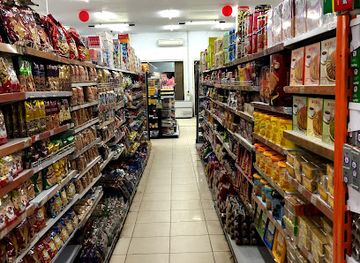
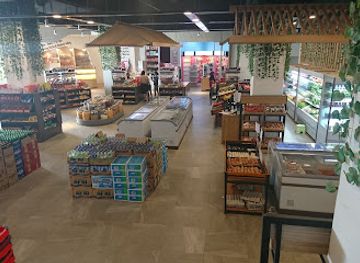
Supermarket
ROXY MART
Explore the vibrant offerings of Roxy Mart in Labuan Bajo, your one-stop supermarket for local delights and essentials.
-
Supermarket
ZASGO MART
Discover Zasgo Mart in Labuan Bajo for a unique shopping experience filled with local flavors and international products, catering to all your travel needs.
Get your free copy of our complete guide to East Nusa Tenggara, delivered straight to you.
Everything on this page, from attractions and restaurants to essentials and local phrases, in one PDF you can read offline, print or share.
Already have an account? Sign in
Your East Nusa Tenggara guide is ready.
We'll send it to · Not you? Sign out

Getting your guide ready…
We are putting together a fresh copy of the East Nusa Tenggara guide. This can take up to a minute.
This can take a few moments. If your browser asks, choose Allow so the download can start. You'll find the guide in your Downloads folder.
Nothing happened? Download it again
Sorry, the guide is taking longer than usual. Please try again in a minute, or get it by email instead.
East Nusa Tenggara essentials
Currency and Payment
Safety
Emergency Situations
Do's and Don'ts
Local Tips
From Eve
Local phrases worth knowing
You don't need to get them perfect. A few words go a long way, and locals appreciate the effort.
Basics
| English | Local | Say it |
|---|---|---|
| Hello | Halo | [ha-lo] |
| Goodbye | Sampai jumpa | [sahm-pai joom-pah] |
| Yes | Iya | [ee-yah] |
| No | Tidak | [tee-dahk] |
| Please/You're welcome | Silakan / Sama-sama | [see-lah-kahn / sah-mah sah-mah] |
| Thank you | Terima kasih | [teh-ree-mah kah-see] |
| Excuse me/Sorry | Maaf | [mah-ahf] |
| How are you? | Apa kabar? | [ah-pah kah-bar] |
| Fine. And you? | Baik. Dan kamu? | [bye-k. dahn kah-moo] |
| Do you speak English? | Apakah kamu bisa berbahasa Inggris? | [ah-pah-kah kah-moo bee-sah ber-bah-sah ing-gris] |
| I don't understand | Saya tidak mengerti | [sah-yah tee-dahk meng-er-tee] |
Eating & Drinking
| English | Local | Say it |
|---|---|---|
| I'd like to see the menu, please | Saya ingin melihat menu, silakan | [sah-yah ee-ngin meh-lihat meh-noo, see-lah-kahn] |
| I don't eat meat | Saya tidak makan daging | [sah-yah tee-dahk mah-kahn dah-ging] |
| Cheers! | Selamat minum! | [seh-lah-mat mee-noom] |
| I would like to pay, please | Saya ingin membayar, silakan | [sah-yah ee-ngin mem-bah-yar, see-lah-kahn] |
Emergencies
| English | Local | Say it |
|---|---|---|
| Help! | Tolong! | [toh-long] |
| Go away! | Pergi jauh! | [per-gee jah-oo] |
| Call the Police! | Panggil polisi! | [pahng-geel poh-lee-see] |
| Call a doctor! | Panggil dokter! | [pahng-geel dok-ter] |
| I'm lost | Saya tersesat | [sah-yah ter-seh-saht] |
| I'm ill | Saya sakit | [sah-yah sah-kit] |
Shopping
| English | Local | Say it |
|---|---|---|
| I'd like to buy... | Saya ingin membeli... | [sah-yah ee-ngin mem-beh-lee] |
| I'm just looking | Saya hanya melihat | [sah-yah hahn-yah meh-lihat] |
| How much is it? | Berapa harganya? | [beh-rah-pah har-gah-nyah] |
| That's too expensive | Itu terlalu mahal | [ee-too ter-lah-loo ma-hal] |
| Can you lower the price? | Bisakah kamu menurunkan harga? | [bee-sah-kah kah-moo meh-noo-run-kahn har-gah] |
Time & Numbers
| English | Local | Say it |
|---|---|---|
| What time is it? | Jam berapa? | [jahm beh-rah-pah] |
| It's one o'clock | Jam satu | [jahm sah-too] |
| Half past (10) | Setengah (10) | [seh-teng-ah (sepuluh)] |
| Morning | Pagi | [pah-gee] |
| Afternoon | Siang | [see-ahng] |
| Evening | Sore | [soh-reh] |
| Yesterday | Kemarin | [keh-mah-rin] |
| Today | Hari ini | [hah-ree ee-nee] |
| Tomorrow | Besok | [beh-sok] |
| 1 | Satu | [sah-too] |
| 2 | Dua | [doo-ah] |
| 3 | Tiga | [tee-gah] |
| 4 | Empat | [em-paht] |
| 5 | Lima | [lee-mah] |
| 6 | Enam | [eh-nahm] |
| 7 | Tujuh | [too-joo] |
| 8 | Delapan | [deh-lah-pahn] |
| 9 | Sembilan | [sem-bee-lahn] |
| 10 | Sepuluh | [seh-poo-looh] |
Transport & Directions
| English | Local | Say it |
|---|---|---|
| Where's a/the...? | Di mana ...? | [dee mah-nah] |
| What's the address? | Apa alamatnya? | [ah-pah ah-lah-maht-nyah] |
| Can you show me (on the map)? | Bisakah kamu menunjukkan (di peta)? | [bee-sah-kah kah-moo men-unjuk-kahn (dee peh-tah)] |
| When's the next (bus)? | Kapan bus selanjutnya? | [kah-pahn boos se-lan-jut-nyah] |
| A ticket (to ....) | Sebuah tiket (ke ...) | [seh-boo-ah tik-et (keh ...)] |
History of East Nusa Tenggara
Early Austronesian Settlement and Megalithic Traditions
The islands of East Nusa Tenggara were settled through successive movements of Austronesian-speaking peoples, whose descendants developed highly varied languages, social systems and ritual traditions. Archaeological evidence and surviving customary practices point to long histories of farming, seafaring and exchange. Megalithic tombs and stone monuments remain particularly visible in Sumba, while traditional houses and ceremonial compounds across Flores, Timor and nearby islands preserve ideas about ancestry and community authority. These traditions are not relics of a single ancient culture; they represent living practices that have changed over time and differ substantially from one island to another.
Indian Ocean and Southeast Asian Maritime Trade
Long before European rule, the islands formed part of maritime networks linking eastern Indonesia with Sulawesi, Java, the Moluccas and Timor’s southern seas. Traders exchanged foodstuffs, forest products, textiles and other commodities, while seasonal sailing connected communities separated by difficult waters. Sandalwood from Timor became especially valuable in wider Asian commerce, and the region’s coastal settlements experienced influences from neighbouring islands without losing their own languages and institutions. The sea was therefore both a means of connection and a reason why communities developed distinct political and cultural identities.
Portuguese Missions and Colonial Competition
Portuguese traders and missionaries established an early European presence in the eastern islands, particularly around Solor, Flores and Timor. Catholic missions gained a lasting foothold in parts of Flores and neighbouring islands, although conversion unfolded unevenly and alongside established customary beliefs. From the seventeenth century, Dutch and Portuguese interests competed for influence, while local rulers negotiated, resisted or allied with the foreign powers according to changing regional circumstances. The colonial contest eventually contributed to the division of Timor between Dutch-controlled western areas and Portuguese East Timor, a boundary with consequences that remain important to the region’s modern geography.
Kupang, the Dutch East Indies and Local Kingdoms
Kupang developed as the principal Dutch base in western Timor and became an important centre for administration, commerce and missionary activity. Colonial authority, however, was mediated through local rajas and customary leaders rather than imposed uniformly across the islands. Dutch influence extended through treaties, military interventions and administrative arrangements, while local societies retained considerable control over land, kinship and ritual affairs. The legacy can be seen in Kupang’s historic sites, the distribution of religious communities and the different colonial experiences of Timor, Flores, Sumba and the smaller islands.
Japanese Occupation and the Struggle for Indonesian Independence
During the Second World War, Japanese forces occupied the region, disrupting colonial administration and imposing military control. The occupation brought hardship, forced labour and shortages, while also weakening Dutch authority. After Indonesia proclaimed independence in 1945, sovereignty in the eastern islands was contested during the wider Indonesian Revolution and subsequent negotiations with the Netherlands. The process was complex because local rulers, communities and colonial institutions did not all share the same political interests. East Nusa Tenggara ultimately became part of the Republic of Indonesia as the post-colonial administrative structure of the Lesser Sunda Islands was reorganised.
The Formation of East Nusa Tenggara Province
East Nusa Tenggara was established as a province in 1958, following the reorganisation of the former Lesser Sunda administrative area. Its territory brought together islands with very different languages, environments, religious patterns and historical experiences. Kupang became the provincial capital and the main administrative and transport centre, while towns such as Ende, Maumere, Labuan Bajo, Waingapu and Bajawa developed distinct regional roles. The province’s modern identity has therefore been shaped not by cultural uniformity, but by the practical and political task of connecting a dispersed archipelago.
Conservation, Tourism and Contemporary Change
From the late twentieth century onwards, conservation and tourism became increasingly important to the regional economy. Komodo National Park, created in 1980, brought international attention to Komodo dragons and the surrounding marine environment, while Kelimutu and other protected landscapes broadened the province’s appeal. Labuan Bajo subsequently grew into a major gateway for park visits and island cruises. Tourism has created jobs and improved access in some places, but it has also raised questions about environmental pressure, visitor management, land use and the fair distribution of benefits. Community-based guiding, textile production and marine conservation remain important parts of the region’s evolving travel economy.
East Nusa Tenggara in Photos
Browse through our photo collection highlighting the charm and character of the destination.
Neighbouring regions of East Nusa Tenggara
The closest regions to East Nusa Tenggara, if you have time for more than one.
-

-

-

-

-


Swipe for more regions
Explore more

Explore more of Indonesia
Explore Indonesia: An archipelago of diverse cultures, stunning landscapes, and endless adventures from bustling cities to serene beaches.
Explore Indonesia