

Free Lesser Sunda Islands Travel Guide & Mobile App
Explore Lesser Sunda Islands with free travel guides. Discover regional history, expert tips, proposed trips, and audio guides on web or mobile app.


Explore the Lesser Sunda Islands for volcanoes, coral reefs, traditional villages, dry savannah and distinctive island cultures across eastern Indonesia.
Read more about Lesser Sunda Islands
When is the best time to visit Lesser Sunda Islands?
Best: June–August · 30–31°C| Month | High (°C) | Rainfall (mm) |
|---|---|---|
| January | 30 | 150 |
| February | 30 | 130 |
| March | 30 | 120 |
| April | 30 | 100 |
| May | 30 | 80 |
| June (best) | 31 | 70 |
| July (best) | 30 | 60 |
| August (best) | 30 | 60 |
| September | 31 | 70 |
| October | 31 | 80 |
| November | 30 | 100 |
| December | 30 | 120 |
Getting to and around Lesser Sunda Islands
How to get there
Transportation
Explore Lesser Sunda Islands on the map
Plan your trip on one map. See where the top cities, national parks and sights are, and book hotels and experiences in a few clicks.
Best hotels in Lesser Sunda Islands
Best restaurants in Lesser Sunda Islands
Food across the Lesser Sunda Islands reflects a meeting of Indonesian, island and local customary traditions rather than one unified regional cuisine. Bali is especially notable for dishes such as babi guling, ayam betutu, lawar and a wide range of temple and household preparations, while Lombok is associated with strongly seasoned food including ayam taliwang and plecing kangkung. Sumbawa has its own chilli-rich cooking and agricultural products, and Flores is known for simple dishes based on rice, corn, vegetables, fish and locally raised meat; coffee from its uplands is widely encountered. In coastal towns, grilled fish, sambal and shellfish are common, although sourcing and menus depend on season and island. Warungs, markets and family-run eateries offer the most direct introduction to local food, while Bali, Lombok and Labuan Bajo have the widest selection of international and contemporary restaurants. In rural areas, meals may be arranged through guesthouses or homestays, so advance notice is useful. Alcohol is more readily available in established tourist centres than in many inland or predominantly Muslim communities.
-
Restaurant
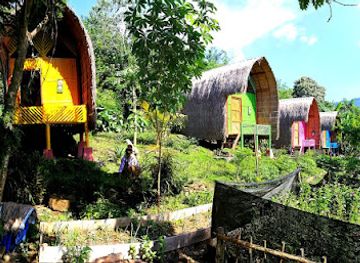
Dapur Tara Flores - Restaurant
Discover authentic Indonesian cuisine at Dapur Tara Flores in Labuan Bajo – where every meal is a celebration of local flavors and breathtaking views.
Best bars in Lesser Sunda Islands
Nightlife varies sharply across the Lesser Sunda Islands. Bali has Indonesia’s most extensive evening scene, ranging from beach clubs and cocktail bars to live music, restaurants and late-night venues in southern resort areas; Ubud is generally more focused on dining, performances and quieter evening gatherings. Lombok offers bars and live music around Senggigi, the Gili Islands and parts of the south, although the atmosphere is less continuously urban than Bali’s. Labuan Bajo has a compact selection of harbour-side bars, restaurants and venues catering to visitors before and after boat trips. Elsewhere, including much of Sumbawa, Flores, Sumba, Alor and Timor, evening life usually centres on local food stalls, cafés, hotel restaurants, traditional gatherings or a small number of pubs rather than nightclubs. Alcohol availability and licensing differ between communities, so visitors should behave discreetly and respect religious and local customs. Boat excursions, diving and remote island travel often begin early, making daytime activities more central to the experience.
-
Bar
Woobar
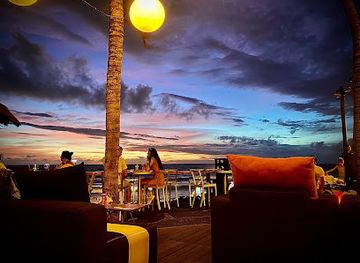
Woobar in Bali: A stylish bar and event venue blending stunning ocean views, vibrant nightlife, and delightful culinary experiences.
-
Grill
Sunset Beach Bar & Grill
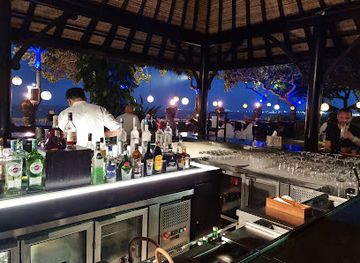
Savor the finest grilled dishes and refreshing cocktails at Sunset Beach Bar & Grill, where captivating ocean views enhance your dining experience.
-
Bar
Paradise BAR
Experience vibrant nightlife and breathtaking views at Paradise BAR, the ultimate tropical escape in Labuan Bajo, Indonesia.
-
Bar
Copper Bonnet Bistro & Bar
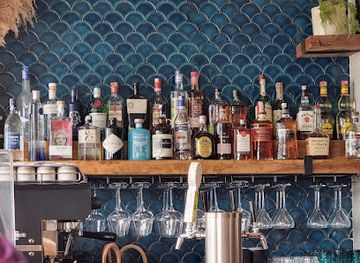
Discover the vibrant flavors and lively ambiance at Copper Bonnet Bistro & Bar in Labuan Bajo, the perfect culinary stop for every traveler.

Best nightclubs in Lesser Sunda Islands
Nightlife varies sharply across the Lesser Sunda Islands. Bali has Indonesia’s most extensive evening scene, ranging from beach clubs and cocktail bars to live music, restaurants and late-night venues in southern resort areas; Ubud is generally more focused on dining, performances and quieter evening gatherings. Lombok offers bars and live music around Senggigi, the Gili Islands and parts of the south, although the atmosphere is less continuously urban than Bali’s. Labuan Bajo has a compact selection of harbour-side bars, restaurants and venues catering to visitors before and after boat trips. Elsewhere, including much of Sumbawa, Flores, Sumba, Alor and Timor, evening life usually centres on local food stalls, cafés, hotel restaurants, traditional gatherings or a small number of pubs rather than nightclubs. Alcohol availability and licensing differ between communities, so visitors should behave discreetly and respect religious and local customs. Boat excursions, diving and remote island travel often begin early, making daytime activities more central to the experience.
-
Bar
VIP CLUB
Discover the vibrant nightlife at VIP Club in Labuan Bajo, where stunning views and electrifying atmosphere await.

Best shops in Lesser Sunda Islands
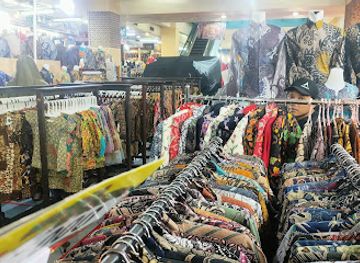
Shopping in the Lesser Sunda Islands is strongest in Bali’s established art centres and in the market towns of Lombok, Flores, Sumba and Timor. Bali offers textiles, woodcarving, ceramics, jewellery, paintings, design goods and food products through a mixture of galleries, workshops, markets and contemporary boutiques, although quality and provenance vary. Lombok is particularly associated with handwoven textiles, pottery and local crafts, while Sumba is recognised for richly patterned ikat textiles whose designs and production methods differ between communities. Flores and Timor also have important weaving traditions, with motifs linked to local identity and customary knowledge. Buy textiles from reputable cooperatives or directly from makers where possible, and ask about materials, production and fair pricing rather than assuming every market item is traditionally made. Food markets are useful for coffee, spices, cashews, dried produce and regional snacks, while smaller islands generally offer practical goods rather than broad retail selections. Do not buy coral, shells, antiquities or wildlife products, and check customs rules before taking plant, animal or archaeological material out of Indonesia.
-
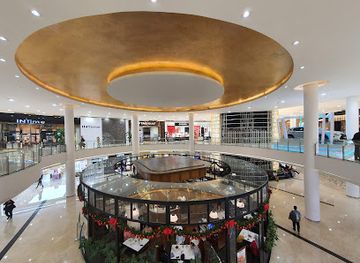
Shopping mall
Kota Kasablanka
Discover the ultimate shopping and dining experience at Kota Kasablanka, Jakarta's premier shopping destination with something for everyone.
-
Shopping mall
Senayan City
Discover the luxury of shopping at Senayan City, Jakarta's premier destination for fashion, dining, and entertainment in a vibrant atmosphere.
-
Shopping mall
Thamrin City
Discover Thamrin City: Jakarta's premier shopping mall for fashion, food, and culture, blending local charm with modern conveniences.
-
Shopping mall
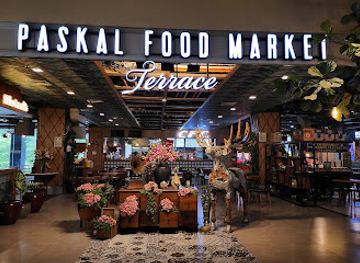
23 Paskal Shopping Center
Explore the bustling 23 Paskal Shopping Center in Bandung, where shopping meets culinary delights in a vibrant atmosphere.

Get your free copy of our complete guide to Lesser Sunda Islands, delivered straight to you.
Everything on this page, from attractions and restaurants to essentials and local phrases, in one PDF you can read offline, print or share.
Already have an account? Sign in
Your Lesser Sunda Islands guide is ready.
We'll send it to · Not you? Sign out

Getting your guide ready…
We are putting together a fresh copy of the Lesser Sunda Islands guide. This can take up to a minute.
This can take a few moments. If your browser asks, choose Allow so the download can start. You'll find the guide in your Downloads folder.
Nothing happened? Download it again
Sorry, the guide is taking longer than usual. Please try again in a minute, or get it by email instead.
Lesser Sunda Islands essentials
Currency and Payment
Safety
Emergency Situations
Do's and Don'ts
Local Tips
From Eve
Local phrases worth knowing
You don't need to get them perfect. A few words go a long way, and locals appreciate the effort.
Basics
| English | Local | Say it |
|---|---|---|
| Hello | Halo | [ha-lo] |
| Goodbye | Selamat tinggal | [se-la-mat ting-gal] |
| Yes | Ya | [ya] |
| No | Tidak | [ti-dak] |
| Please/You're welcome | Silakan/ Sama-sama | [si-la-kan/ sa-ma sa-ma] |
| Thank you | Terima kasih | [te-ri-ma ka-sih] |
| Excuse me/Sorry | Maaf | [ma-af] |
| How are you? | Apa kabar? | [a-pa ka-bar] |
| Fine. And you? | Baik. Dan kamu? | [ba-ik. dan ka-mu] |
| Do you speak English? | Apakah kamu bisa berbahasa Inggris? | [a-pa-kah ka-mu bi-sa ber-ba-ha-sa ing-gris] |
| I don't understand | Saya tidak mengerti | [sa-ya ti-dak men-ger-ti] |
Eating & Drinking
| English | Local | Say it |
|---|---|---|
| I'd like to see the menu, please | Saya ingin melihat menu, silakan | [sa-ya in-gin me-li-hat me-nu, si-la-kan] |
| I don't eat meat | Saya tidak makan daging | [sa-ya ti-dak ma-kan da-ging] |
| Cheers! | Selamat! | [se-la-mat] |
| I would like to pay, please | Saya ingin membayar, silakan | [sa-ya in-gin mem-ba-yar, si-la-kan] |
Emergencies
| English | Local | Say it |
|---|---|---|
| Help! | Tolong! | [to-long] |
| Go away! | Pergi! | [per-gi] |
| Call the Police! | Panggil polisi! | [pang-gil po-li-si] |
| Call a doctor! | Panggil dokter! | [pang-gil dok-ter] |
| I'm lost | Saya tersesat | [sa-ya ter-se-sat] |
| I'm ill | Saya sakit | [sa-ya sa-kit] |
Shopping
| English | Local | Say it |
|---|---|---|
| I'd like to buy... | Saya ingin membeli... | [sa-ya in-gin mem-be-li] |
| I'm just looking | Saya hanya melihat | [sa-ya han-ya me-li-hat] |
| How much is it? | Berapa harganya? | [be-ra-pa har-ga-nya] |
| That's too expensive | Itu terlalu mahal | [i-tu ter-la-lu ma-hal] |
| Can you lower the price? | Bisakah Anda menurunkan harga? | [bi-sa-kah an-da me-nu-run-kan har-ga] |
Time & Numbers
| English | Local | Say it |
|---|---|---|
| What time is it? | Jam berapa? | [jam be-ra-pa] |
| It's one o'clock | Jam satu | [jam sa-tu] |
| Half past (10) | Setengah sebelas | [se-ten-gah se-be-las] |
| Morning | Pagi | [pa-gi] |
| Afternoon | Sore | [so-re] |
| Evening | Malam | [ma-lam] |
| Yesterday | Kemarin | [ke-ma-rin] |
| Today | Hari ini | [ha-ri i-ni] |
| Tomorrow | Besok | [be-sok] |
| 1 | 1 | [satu] |
| 2 | 2 | [dua] |
| 3 | 3 | [tiga] |
| 4 | 4 | [empat] |
| 5 | 5 | [lima] |
| 6 | 6 | [enam] |
| 7 | 7 | [tujuh] |
| 8 | 8 | [delapan] |
| 9 | 9 | [sembilan] |
| 10 | 10 | [sepuluh] |
Transport & Directions
| English | Local | Say it |
|---|---|---|
| Where's a/the...? | Di mana ...? | [di ma-na] |
| What's the address? | Apa alamatnya? | [a-pa a-la-mat-nya] |
| Can you show me (on the map)? | Bisakah kamu tunjukkan (di peta)? | [bi-sa-kah ka-mu tun-juk-kan di pe-ta] |
| When's the next (bus)? | Kapan bus berikutnya? | [ka-pan bus be-ri-kut-nya] |
| A ticket (to ....) | Tiket (ke ....) | [ti-ket ke] |
History of Lesser Sunda Islands
Early Austronesian Settlement
The islands were settled over many centuries by Austronesian-speaking peoples whose descendants created diverse communities across Bali, Lombok, Sumbawa, Flores, Sumba and Timor. Farming, seafaring and exchange shaped settlement patterns, while local societies developed distinct languages, ceremonies and house forms. Archaeological evidence also records much older human occupation in the region, most famously on Flores, where Homo floresiensis remains were found at Liang Bua. The islands’ cultural variety reflects repeated movement and interaction rather than a single historical identity.
Indianised Kingdoms and Balinese Hindu Heritage
Influences from Indianised states reached the Lesser Sunda region through Java and maritime trade. Bali retained and transformed Hindu traditions after political changes in Java encouraged the movement of aristocratic, religious and artistic communities eastwards during the late medieval period. Hindu practice became central to Balinese public life, visible in temple compounds, ritual calendars, water-management traditions and the organisation of villages. Lombok, Sumbawa and parts of the eastern archipelago followed different religious and political paths, producing a more varied historical landscape.
Islamic Sultanates and Maritime Trade
From the sixteenth century onwards, Islam expanded through trade networks linking the islands with Java, Sulawesi, the Malay world and the Moluccas. Muslim sultanates and coastal polities developed in Lombok, Sumbawa, Flores and Timor, while older beliefs continued alongside Islam in many communities. The islands traded horses, sandalwood, rice, forest products and other goods. Coastal ports became meeting places for merchants and migrants, although authority inland often remained with local rulers and customary communities.
Portuguese and Dutch Expansion
European powers competed for control of eastern Indonesian trade from the sixteenth century. The Portuguese established missions and political footholds, particularly around Timor and Flores, while the Dutch East India Company and later the Dutch colonial state expanded their influence through treaties, military campaigns and control of ports. In Timor, rivalry eventually produced a division between Dutch Timor, which became part of Indonesia, and Portuguese Timor, which later became Timor-Leste. Colonial rule altered commerce, administration and religious affiliations without eliminating local authority.
Colonial Administration and Forced Cultivation
During the nineteenth and early twentieth centuries, the Dutch consolidated administration across the archipelago through taxation, military intervention and new systems of local government. Roads, ports and plantation economies expanded unevenly, while some communities faced compulsory labour and restrictions on traditional authority. Catholic missions became particularly influential in Flores and parts of Timor, whereas Islam remained predominant in much of Lombok and Sumbawa. The colonial period left enduring marks on town plans, schools, churches, administrative buildings and patterns of land ownership.
War, Independence and the Timor Border
The Japanese occupation during the Second World War disrupted colonial rule and brought hardship, forced labour and military violence to the islands. Indonesia proclaimed independence in 1945, and the Lesser Sunda territories were incorporated into the new republic after the wider struggle with the Netherlands. Portuguese Timor followed a different path: after decolonisation and Indonesian occupation, it became the independent country of Timor-Leste in 2002. The border across Timor remains a reminder that the island’s modern political geography does not follow a single cultural boundary.
Tourism, Conservation and Regional Change
Mass tourism first transformed Bali and later expanded to Lombok and selected eastern destinations. Surfing, diving, resort development and cultural tourism brought jobs and infrastructure but also pressure on water, land, traffic and coastal ecosystems. Komodo National Park, established in 1980, helped place western Flores and its surrounding seas on the international conservation map. Today the islands balance tourism with customary land rights, marine protection, agricultural livelihoods and the need to ensure that economic benefits reach communities beyond the principal resort centres.
Lesser Sunda Islands in Photos
Browse through our photo collection highlighting the charm and character of the destination.
Neighbouring regions of Lesser Sunda Islands
The closest regions to Lesser Sunda Islands, if you have time for more than one.
-

-

-

-

-


Swipe for more regions
Explore more

Explore more of Indonesia
Explore Indonesia: An archipelago of diverse cultures, stunning landscapes, and endless adventures from bustling cities to serene beaches.
Explore Indonesia