

Free West Nusa Tenggara Travel Guide & Mobile App
Explore West Nusa Tenggara with free travel guides. Discover regional history, expert tips, proposed trips, and audio guides on web or mobile app.


West Nusa Tenggara combines Lombok's volcanoes, Sasak culture and coral islands with Sumbawa's surf beaches, dry hills and quieter coastal journeys.
Read more about West Nusa Tenggara
When is the best time to visit West Nusa Tenggara?
Best: June–August · 28–29°C| Month | High (°C) | Rainfall (mm) |
|---|---|---|
| January | 30 | 300 |
| February | 30 | 250 |
| March | 30 | 200 |
| April | 30 | 150 |
| May | 29 | 100 |
| June (best) | 29 | 50 |
| July (best) | 28 | 30 |
| August (best) | 29 | 30 |
| September | 29 | 50 |
| October | 30 | 100 |
| November | 31 | 150 |
| December | 30 | 250 |
Getting to and around West Nusa Tenggara
How to get there
Transportation
Destinations in West Nusa Tenggara
Resorts, valleys and scenic spots worth a trip of their own.

Swipe for more destinations
Best attractions in West Nusa Tenggara
West Nusa Tenggara's attractions range from marine recreation to demanding mountain journeys. On Lombok, the Gili islands offer snorkelling, diving and swimming around coral reefs, while the south coast provides beaches, headlands and bays near Kuta, Tanjung Aan and Mawun. Gunung Rinjani National Park is the province's major highland destination, with trekking routes, forest landscapes and views towards the caldera, although access depends on permits, weather and official conditions. Around Mataram and West Lombok, royal gardens, religious compounds, markets and craft villages provide a more cultural itinerary. Sumbawa broadens the experience with long coastal drives, surf breaks, dry-season hills, waterfalls and marine environments around Moyo Island. Visitors should expect a less developed tourism network there, with fewer services and longer transfers. Wildlife and reef activities are best approached through operators that respect national-park rules and marine conservation, while rural excursions should be arranged with local guides who understand access, customs and seasonal conditions.
-
 National park
Komodo National Park
Explore the breathtaking landscapes and unique wildlife of Komodo National Park, a UNESCO World Heritage site in East Nusa Tenggara, Indonesia.
-
Tourist attraction
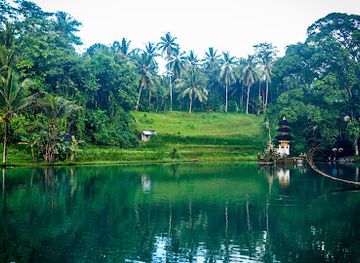
Sangeh Monkey Forest
Experience the Sangeh Monkey Forest, a captivating sanctuary of playful macaques in the lush landscapes of Bali, blending wildlife encounters with cultural heritage.
-
City park
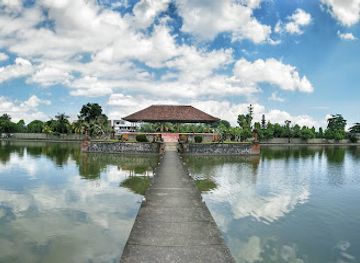
Mayura Park
Explore the rich heritage and lush landscapes of Mayura Park, a tranquil urban oasis in Mataram, Indonesia, perfect for relaxation and cultural immersion.
-
Wildlife park
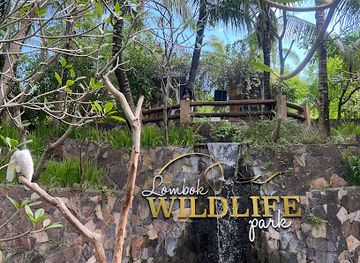
Lombok Wildlife Park
Experience the breathtaking beauty and diverse wildlife at Lombok Wildlife Park, where adventure meets education in a lush tropical paradise.
Best landmarks in West Nusa Tenggara
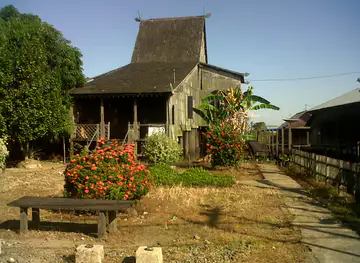
Mount Rinjani is West Nusa Tenggara's defining natural landmark, rising above Lombok and enclosing the Segara Anak crater lake within a volcanic landscape of exceptional scale. Its profile is visible across much of the island, although the mountain itself should be approached as a serious trekking environment rather than a casual viewpoint. The Gili islands form another recognisable provincial landmark group, their low coral islets and reef-fringed shores contrasting with Lombok's high volcanic interior. In western Lombok, Narmada's royal garden complex preserves the memory of the Balinese Mataram court, while Lingsar Temple is a significant sacred landscape associated with both Balinese Hindu and local Islamic traditions. Traditional Sasak houses and compounds in northern and central Lombok reveal building forms adapted to climate, agriculture and community life. On Sumbawa, the wide coastal bays, dry hills and isolated island horizons are more geographical than architectural landmarks, with Moyo Island standing out as a prominent marine destination off the northern coast.
-
Tourist attraction
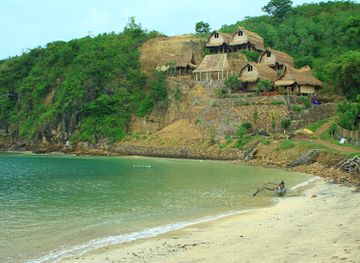
Bukit Merese
Explore Bukit Merese: A breathtaking coastal viewpoint in Lombok, Indonesia, featuring stunning landscapes and picturesque hiking trails.
-
Museum
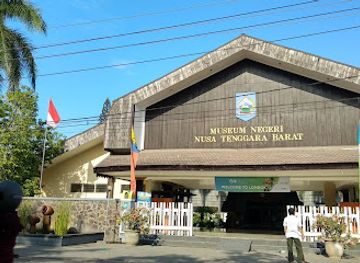
State Museum of West Nusa Tenggara
Explore the State Museum of West Nusa Tenggara in Mataram, a treasure trove of Lombok's rich history and diverse cultural heritage.
-
Tourist attraction
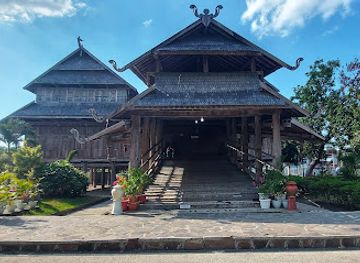
Istana Dalam Loka
Explore the enchanting Istana Dalam Loka, a historic wooden palace revealing the royal legacy of Sumbawa's Sultanate in West Nusa Tenggara.
-
Tourist attraction
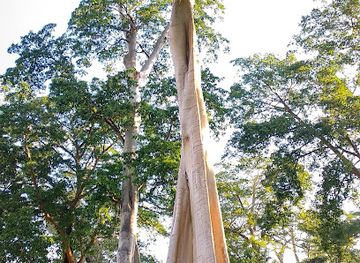
Big Tree Sambelia
Discover the enchanting Big Tree Sambelia, a nature lover's paradise in East Lombok, renowned for its colossal tree and stunning natural backdrop.
Explore West Nusa Tenggara on the map
Plan your trip on one map. See where the top cities, national parks and sights are, and book hotels and experiences in a few clicks.
Best hotels in West Nusa Tenggara
Best restaurants in West Nusa Tenggara
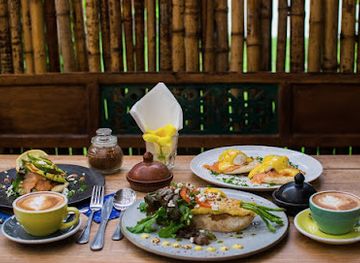
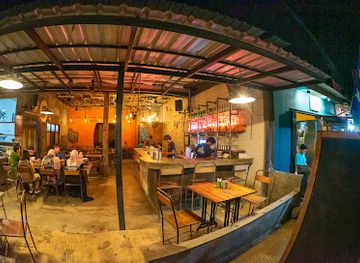
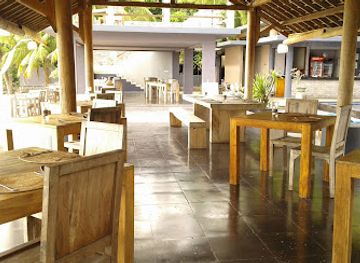
Lombok's food culture is defined by bold seasoning, rice, grilled meats, vegetables, seafood and plentiful chilli. Ayam taliwang, grilled chicken served with a hot spice paste, and plecing kangkung, water spinach with tomato and chilli, are strongly associated with Lombok and appear in local eateries as well as more polished restaurants. Sumbawan cooking varies between districts and reflects dryland agriculture, coastal fishing and the culinary traditions of Samawa and Bima communities. Look for grilled fish, corn-based foods, sambal, coconut-rich dishes and simple roadside meals rather than expecting one uniform provincial cuisine. Mataram and the larger Lombok resort areas offer the greatest range of Indonesian and international dining, while village warungs, market stalls and coastal cafés provide more local flavours. Lombok coffee, rice-based snacks, palm products and seasonal fruit are worth exploring, and food markets are often the best place to see how household cooking and regional produce connect.
-
Mexican
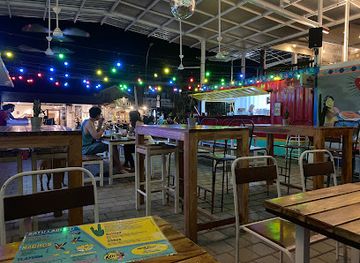
Cantina Mexicana Kuta Lombok
Experience authentic Mexican cuisine at Cantina Mexicana Kuta Lombok - where vibrant flavors meet lively entertainment in paradise.
-
Mediterranean
El Bazar Cafe & Restaurant
Discover the vibrant flavors of Mediterranean and Middle Eastern cuisine at El Bazar Cafe & Restaurant in Kuta, Lombok – a true gastronomic delight.
-
European
KRNK Bar & Restaurant
Discover culinary delights at KRNK Bar & Restaurant in Lombok—where European flavors meet tropical charm.
-
Italian
Cafe Alberto Lombok
Discover the perfect blend of Italian and Indonesian cuisine at Cafe Alberto in Senggigi, Lombok – a culinary gem worth exploring.
Best bars in West Nusa Tenggara
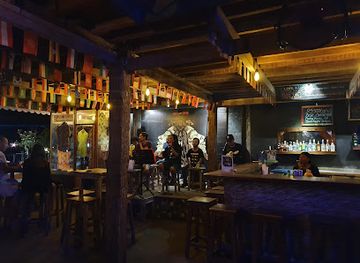
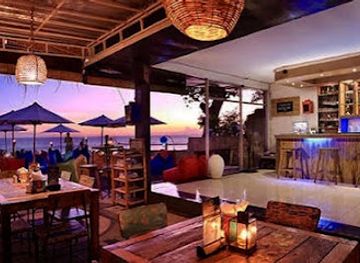
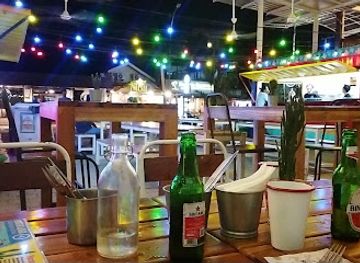
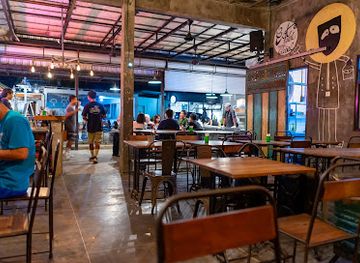
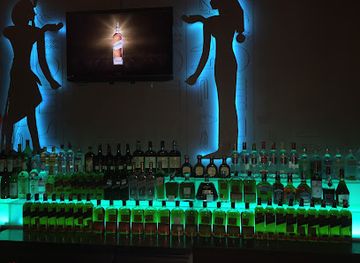
Nightlife in West Nusa Tenggara varies sharply by location. The Gili islands have the province's most concentrated evening scene, with beach bars, casual music venues and late-night venues, although the atmosphere differs between Gili Trawangan, Gili Air and Gili Meno and can change with the season. Senggigi and the tourist areas of southern Lombok offer hotel bars, restaurants, live music and a smaller selection of late venues. In Mataram, evenings are more commonly centred on cafés, food streets, coffee shops and restaurants than on large clubs. Sumbawa's nightlife is generally modest, with local cafés, restaurants, karaoke venues and gathering places in larger towns; remote surf and coastal areas may have little after-dark activity. Alcohol is available in established tourist venues, but local religious and social norms are more conservative outside resort settings, so dress and behaviour should remain considerate.
-
Bar
Sama-Sama Reggae Bar
Discover the vibrant soul of Gili Trawangan at Sama-Sama Reggae Bar, where island life meets lively reggae vibes.
-
Restaurant
La Chill Bar & Restaurant - Senggigi, Lombok
Discover the perfect blend of Indonesian and European cuisines at La Chill Bar & Restaurant in Senggigi, Lombok.
-
Mexican
Cantina Mexicana Kuta Lombok
Experience the vibrant flavors of Mexico at Cantina Mexicana Kuta Lombok, where authentic cuisine meets a lively atmosphere in paradise.
-
Bar
KRNK Bar & Restaurant
Experience the vibrant culinary scene at KRNK Bar & Restaurant in Lombok, offering a diverse menu from burgers to vegan delights in a lively atmosphere.
Best nightclubs in West Nusa Tenggara
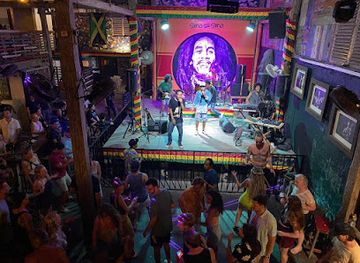
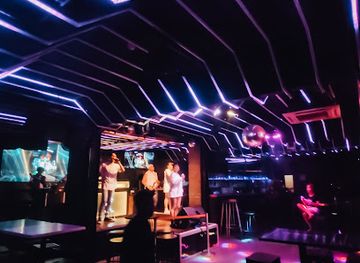
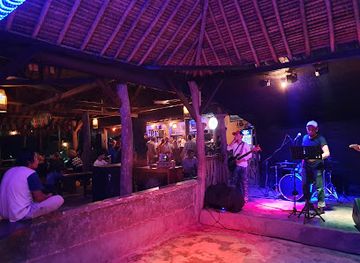
Nightlife in West Nusa Tenggara varies sharply by location. The Gili islands have the province's most concentrated evening scene, with beach bars, casual music venues and late-night venues, although the atmosphere differs between Gili Trawangan, Gili Air and Gili Meno and can change with the season. Senggigi and the tourist areas of southern Lombok offer hotel bars, restaurants, live music and a smaller selection of late venues. In Mataram, evenings are more commonly centred on cafés, food streets, coffee shops and restaurants than on large clubs. Sumbawa's nightlife is generally modest, with local cafés, restaurants, karaoke venues and gathering places in larger towns; remote surf and coastal areas may have little after-dark activity. Alcohol is available in established tourist venues, but local religious and social norms are more conservative outside resort settings, so dress and behaviour should remain considerate.
-
Bar
Sama-Sama Reggae Bar
Experience the vibrant Caribbean spirit at Sama-Sama Reggae Bar on Gili Trawangan, where great food, drinks, and live music await.
-
Disco club
Sahara Club, Karaoke & Pizza House
Experience the vibrant nightlife of Lombok at Sahara Club, where karaoke, pizza, and dancing come together for an unforgettable evening.
-
Bar
Metropolis club & karaoke
Unleash your inner star at Metropolis Club & Karaoke, the ultimate nightlife destination in Senggigi, West Lombok, where fun and music collide.
-
Bar
surfers bar Kuta Lombok
Experience the vibrant atmosphere of Surfers Bar Kuta Lombok, where refreshing drinks and live music create unforgettable memories by the beach.
Best shops in West Nusa Tenggara
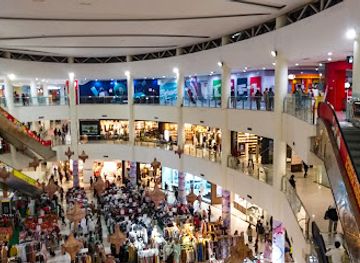
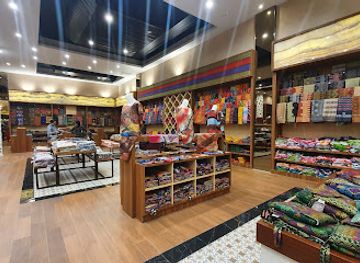
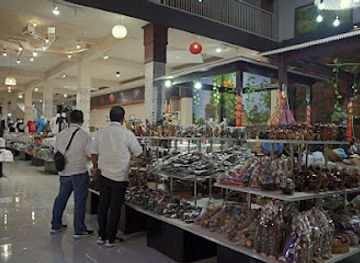
Shopping in West Nusa Tenggara is strongest in markets, village craft centres and independent shops rather than large luxury retail districts. Mataram provides the broadest choice of everyday goods, textiles, food products and souvenirs, while Cakranegara is associated with established urban commerce and traditional market activity. Lombok's handwoven textiles, including songket and ikat, are important purchases, but quality, technique and provenance vary, so buying directly from a reputable cooperative or workshop is preferable. Bamboo, rattan, pottery and carved household items are also found in craft-producing areas, while Sasak-style objects are widely adapted for the tourist market. On Sumbawa, look for local coffee, honey, dried foods, woven products and regional snacks where available, although retail choice is more limited and dispersed. Tourist centres on the Gili islands and in southern Lombok sell beachwear, crafts and jewellery, but visitors should avoid coral, shells, wildlife products and antiquities whose legal or environmental status is uncertain.
-
Shopping mall
Lombok Epicentrum Mall
Experience the lively Lombok Epicentrum Mall in Mataram, a premier shopping and entertainment destination offering diverse shops, dining, and local culture.
-
Souvenir store
Lombok Exotic Sentral Oleh-oleh
Explore Lombok Exotic Sentral Oleh-oleh for unique souvenirs and traditional clothing that beautifully showcase the culture of Lombok.
-
Shopping mall
PRADJE LOMBOK Pusat Oleh-oleh & Restoran
Explore PRADJE LOMBOK for a unique shopping and dining experience, featuring local crafts and delicious Indonesian cuisine in West Nusa Tenggara.
-
Department store
Matahari Department Store Lombok Epicentrum Mall
Explore the vibrant Matahari Department Store in Lombok Epicentrum Mall for a diverse shopping experience featuring fashion, cosmetics, and accessories.
Get your free copy of our complete guide to West Nusa Tenggara, delivered straight to you.
Everything on this page, from attractions and restaurants to essentials and local phrases, in one PDF you can read offline, print or share.
Already have an account? Sign in
Your West Nusa Tenggara guide is ready.
We'll send it to · Not you? Sign out

Getting your guide ready…
We are putting together a fresh copy of the West Nusa Tenggara guide. This can take up to a minute.
This can take a few moments. If your browser asks, choose Allow so the download can start. You'll find the guide in your Downloads folder.
Nothing happened? Download it again
Sorry, the guide is taking longer than usual. Please try again in a minute, or get it by email instead.
West Nusa Tenggara essentials
Currency and Payment
Safety
Emergency Situations
Do's and Don'ts
Local Tips
From Eve
Local phrases worth knowing
You don't need to get them perfect. A few words go a long way, and locals appreciate the effort.
Basics
| English | Local | Say it |
|---|---|---|
| Hello | Halo | [Ha-lo] |
| Goodbye | Selamat tinggal | [Se-la-mat ting-gal] |
| Yes | Iya | [I-ya] |
| No | Tidak | [Ti-dak] |
| Please/You're welcome | Silakan/ Sama-sama | [Si-la-kan/ Sa-ma sa-ma] |
| Thank you | Terima kasih | [Te-ri-ma ka-sih] |
| Excuse me/Sorry | Permisi/Maaf | [Per-mi-si/ Ma-af] |
| How are you? | Apa kabar? | [A-pa ka-bar?] |
| Fine. And you? | Baik. Dan kamu? | [Ba-ik. Dan ka-mu?] |
| Do you speak English? | Apakah kamu bisa berbahasa Inggris? | [A-pa-kah ka-mu bi-sa ber-ba-ha-sa Ing-gris?] |
| I don't understand | Saya tidak mengerti | [Sa-ya ti-dak meng-er-ti] |
Eating & Drinking
| English | Local | Say it |
|---|---|---|
| I'd like to see the menu, please | Saya mau melihat menu, silakan | [Sa-ya mau me-li-hat me-nu, si-la-kan] |
| I don't eat meat | Saya tidak makan daging | [Sa-ya ti-dak ma-kan da-ging] |
| Cheers! | Selamat! (for toasting) | [Se-la-mat] |
| I would like to pay, please | Saya ingin membayar, silakan | [Sa-ya in-gin mem-ba-yar, si-la-kan] |
Emergencies
| English | Local | Say it |
|---|---|---|
| Help! | Tolong! | [To-long] |
| Go away! | Pergi! | [Per-gi] |
| Call the Police! | Panggil polisi! | [Pan-gil po-li-si] |
| Call a doctor! | Panggil dokter! | [Pan-gil dok-ter] |
| I'm lost | Saya tersesat | [Sa-ya ter-se-sat] |
| I'm ill | Saya sakit | [Sa-ya sa-kit] |
Shopping
| English | Local | Say it |
|---|---|---|
| I'd like to buy... | Saya mau membeli... | [Sa-ya mau mem-be-li...] |
| I'm just looking | Saya hanya melihat | [Sa-ya han-ya me-li-hat] |
| How much is it? | Berapa harganya? | [Be-ra-pa har-ga-nya?] |
| That's too expensive | Itu terlalu mahal | [I-tu ter-la-lu ma-hal] |
| Can you lower the price? | Bisakah kamu menurunkan harga? | [Bi-sa-kah ka-mu me-nu-run-kan har-ga?] |
Time & Numbers
| English | Local | Say it |
|---|---|---|
| What time is it? | Jam berapa? | [Jam be-ra-pa?] |
| It's one o'clock | Jam satu | [Jam sa-tu] |
| Half past (10) | Setengah sebelas | [Se-ten-gah se-be-las] |
| Morning | Pagi | [Pa-gi] |
| Afternoon | Siang | [Si-ang] |
| Evening | Sore | [So-re] |
| Yesterday | Kemarin | [Ke-ma-rin] |
| Today | Hari ini | [Ha-ri i-ni] |
| Tomorrow | Besok | [Be-sok] |
| 1 | Satu | [Sa-tu] |
| 2 | Dua | [Dua] |
| 3 | Tiga | [Ti-ga] |
| 4 | Empat | [Em-pat] |
| 5 | Lima | [Li-ma] |
| 6 | Enam | [E-nam] |
| 7 | Tujuh | [Tu-juh] |
| 8 | Delapan | [De-la-pan] |
| 9 | Sembilan | [Sem-bi-lan] |
| 10 | Sepuluh | [Se-pu-luh] |
Transport & Directions
| English | Local | Say it |
|---|---|---|
| Where's a/the...? | Di mana ...? | [Di ma-na ...?] |
| What's the address? | Apa alamatnya? | [A-pa a-la-mat-nya?] |
| Can you show me (on the map)? | Bisakah kamu tunjukkan (di peta)? | [Bi-sa-kah ka-mu tun-juk-kan (di pe-ta)?] |
| When's the next (bus)? | Kapan bus berikutnya? | [Ka-pan bus be-ri-kut-nya?] |
| A ticket (to ....) | Tiket (ke ....) | [Ti-ket (ke ....)] |
History of West Nusa Tenggara
Early settlement and archaeological traditions
The islands of West Nusa Tenggara have been inhabited for thousands of years, although evidence is unevenly distributed and much of the early archaeological record remains less familiar to international visitors than Indonesia's better-known sites. Farming, fishing and inter-island exchange shaped communities across Lombok and Sumbawa. Dry-stone remains, traditional settlements, burial practices and oral traditions point to long relationships between upland and coastal environments. The islands' position between Bali and the eastern Indonesian archipelago also encouraged the movement of goods, technologies, languages and religious influences long before modern tourism.
Hindu-Buddhist kingdoms and Balinese influence
Lombok was influenced by Hindu-Buddhist polities connected to Bali and the wider Indonesian trading world. Balinese rule became particularly significant in western Lombok, where royal centres, irrigation landscapes and religious institutions left a visible legacy. Sites such as Narmada and Lingsar reflect this layered history: Lingsar remains an important shared sacred landscape, while Narmada preserves a royal garden complex associated with the Balinese Mataram court. These legacies coexist with Sasak traditions rather than replacing them, and they help explain the architectural and religious variety of western Lombok.
The rise of Islam and Sasak political communities
Islam became deeply established among the Sasak people of Lombok through networks of scholars, rulers, traders and religious teachers. By the early modern period, Islamic institutions had become central to social and political life, while local customs continued to shape ceremonies, architecture and village organisation. Lombok's religious identity developed in conversation with neighbouring Bali and with maritime contacts to Java, Sulawesi and other islands. The result is not a single uniform tradition but a mixture of Islamic practice, local adat, or customary law, and older cultural forms.
Colonial intervention and the conquest of Lombok
Dutch colonial power expanded into West Nusa Tenggara during the nineteenth century, challenging the authority of Balinese rulers in Lombok and the independent political communities of Sumbawa and Bima. The Dutch conquest of Lombok in 1894 followed conflict involving the Balinese court and Sasak opponents, and it brought the island more firmly into the colonial administrative system. Sumbawa and Bima were subsequently drawn into changing treaties, military arrangements and colonial oversight. This period altered systems of taxation, land control and political authority, with consequences that remained significant after Indonesian independence.
War, occupation and Indonesian independence
West Nusa Tenggara experienced the upheavals of the Second World War and the transition from Dutch colonial rule to the Indonesian Republic. Japanese occupation disrupted existing administration and supplies, while the post-war independence struggle reshaped political loyalties and authority across the islands. On independence, Lombok, Sumbawa and Bima were incorporated into the Indonesian state through changing provincial arrangements. The region's modern identity emerged from the negotiation of local kingdoms, religious organisations, customary communities and national institutions.
Tourism, conservation and regional development
From the late twentieth century, Lombok's beaches, diving areas and Mount Rinjani attracted increasing numbers of domestic and international visitors. The Gili islands became a major tourism centre, while southern Lombok saw accelerated development around Kuta and the Mandalika area. National-park protection on Mount Rinjani and marine conservation initiatives have brought greater attention to fragile environments, although waste, water use, coral damage and pressure on local land remain ongoing concerns. Sumbawa has developed more slowly, with surf travel, nature tourism and improved roads gradually broadening its visitor economy.
West Nusa Tenggara in Photos
Browse through our photo collection highlighting the charm and character of the destination.
Neighbouring regions of West Nusa Tenggara
The closest regions to West Nusa Tenggara, if you have time for more than one.
-

-

-

-
-


Swipe for more regions
Explore more

Explore more of Indonesia
Explore Indonesia: An archipelago of diverse cultures, stunning landscapes, and endless adventures from bustling cities to serene beaches.
Explore Indonesia