

Free Maluku Travel Guide & Mobile App
Explore Maluku with free travel guides. Discover regional history, expert tips, proposed trips, and audio guides on web or mobile app.


Discover Maluku, Indonesia's enchanting Spice Islands, with its pristine beaches, vibrant coral reefs, rich history, and diverse culture.
Read more about Maluku
When is the best time to visit Maluku?
Best: April, June–July · 30–31°C| Month | High (°C) | Rainfall (mm) |
|---|---|---|
| January | 30 | 300 |
| February | 30 | 250 |
| March | 31 | 250 |
| April (best) | 31 | 200 |
| May | 31 | 200 |
| June (best) | 30 | 200 |
| July (best) | 30 | 200 |
| August | 30 | 250 |
| September | 31 | 300 |
| October | 31 | 350 |
| November | 31 | 350 |
| December | 30 | 300 |
Getting to and around Maluku
How to get there
Transportation
Destinations in Maluku
Resorts, valleys and scenic spots worth a trip of their own.
Swipe for more destinations
Best attractions in Maluku
Maluku, often dubbed the 'Spice Islands,' offers a mesmerizing blend of history, culture, and natural beauty that will captivate any traveler. Visitors can explore the remnants of ancient spice trade routes, with historical forts like Fort Belgica and Fort Amsterdam standing as proud testaments to the region's colonial past. Pristine, secluded beaches such as Ora Beach and stunning underwater landscapes in the Banda Islands invite snorkelers and divers to discover vibrant coral reefs and diverse marine life. The rich cultural tapestry is woven from the traditions of numerous indigenous tribes, best experienced at local markets, traditional dance performances, and the unique architecture of villages like Sawai. Adventure seekers can trek through lush rainforests, ascend the active volcano Mount Api, and witness breathtaking panoramic views. Maluku’s charm lies in its unspoiled, authentic allure, making every moment an unforgettable adventure.
-
Tourist attraction
Pantai Jikomalamo - Kota Ternate, Maluku Utara
Explore Pantai Jikomalamo, a stunning beach in Ternate, Maluku Utara, perfect for swimming, snorkeling, and enjoying picturesque sunsets.
-
Beach
Pantai Liang
Experience the tranquility of Pantai Liang, one of Indonesia's most beautiful beaches, with pristine sands and stunning sunsets.
-
Tourist attraction
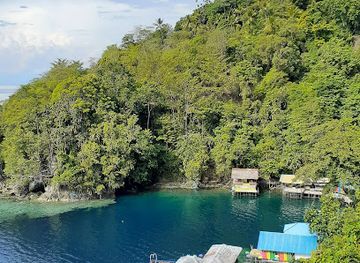
Lubang Buaya Morella
Experience the blend of natural beauty and rich history at Lubang Buaya Morella, a serene park in Central Maluku, Indonesia.
-
Tourist attraction
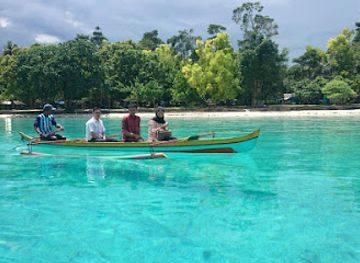
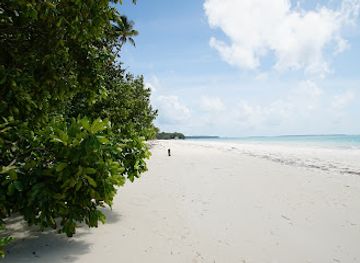
Ngurbloat Beach
Explore the pristine sands and crystal-clear waters of Ngurbloat Beach, a tropical paradise in Southeast Maluku, Indonesia.
Best landmarks in Maluku
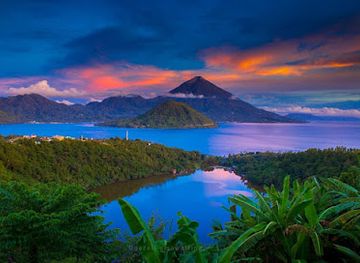
Nestled in the heart of Indonesia, the Maluku Islands, often referred to as the Spice Islands, offer a mesmerizing blend of history, natural beauty, and cultural richness. Visitors can explore the historic Banda Neira, where remnants of Dutch forts like Fort Belgica stand as silent witnesses to the spice trade era, or dive into the crystalline waters of the Banda Sea, teeming with vibrant coral reefs and marine life. The islands are dotted with charming villages, where traditional dances and music bring the local culture to life, and the awe-inspiring Mount Api provides an adventurous hike with panoramic views. Don't miss the serene Ora Beach on Seram Island, often dubbed the 'Maldives of Indonesia', and the stunningly beautiful Kei Islands, known for their pristine white-sand beaches and azure waters. Each corner of Maluku promises a unique and unforgettable experience, from its lush rainforests and volcanic landscapes to its rich tapestry of history and tradition.
-
Tourist attraction
Lubang Buaya Morella
Explore the stunning landscapes and rich marine life at Lubang Buaya Morella, a must-visit park in Central Maluku, Indonesia.
-
Tourist attraction
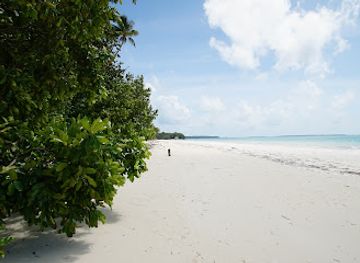
Ngurbloat Beach
Discover the pristine shores and vibrant underwater life at Ngurbloat Beach, a tropical paradise in Southeast Maluku, perfect for relaxation and adventure.
-
Tourist attraction
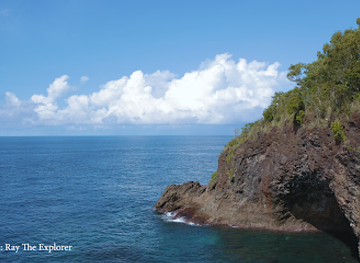
Pintu Kota Beach
Discover the serene beauty of Pintu Kota Beach in Ambon, where stunning rock formations meet crystal-clear waters for an unforgettable coastal experience.
-
Historical landmark
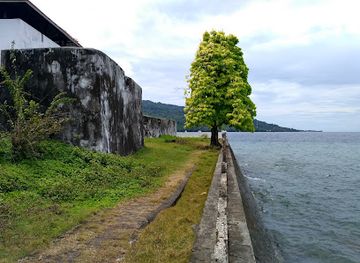
Cagar Budaya van VOC Fort Benteng Amsterdam
Discover the rich colonial history and stunning coastal views at Fort Benteng Amsterdam, a must-visit landmark in Maluku, Indonesia.
Explore Maluku on the map
Plan your trip on one map. See where the top cities, national parks and sights are, and book hotels and experiences in a few clicks.
Best hotels in Maluku
Best restaurants in Maluku
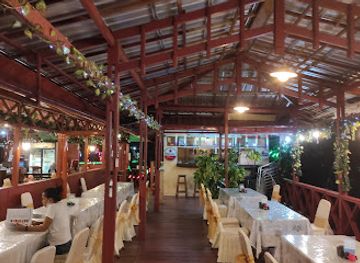
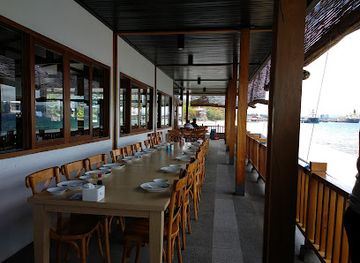
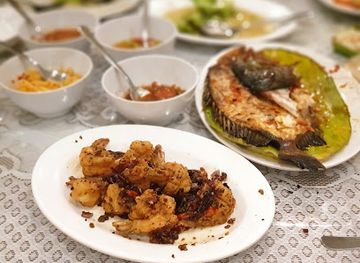
The dining scene in Maluku is a captivating blend of rich history and diverse cultures, offering visitors a tantalizing journey through flavors. Expect to feast on fresh seafood caught daily from the pristine waters, including grilled fish marinated in local spices, succulent prawns, and delectable squid. Savor traditional dishes like 'papeda,' a sago-based staple served with rich fish broth, or 'ikan kuah kuning,' a fragrant yellow fish soup. The area's colonial past also shines through in its cuisine, with Dutch-influenced treats such as 'kue sagu' (sago cookies) and 'lapis legit' (layered spice cake). Street food enthusiasts will delight in bustling markets where they can sample 'sate ikan' (fish satay) and 'kopi sibu-sibu,' a unique coffee blend infused with local herbs. Whether dining in charming seaside warungs or upscale restaurants with stunning ocean views, Maluku promises a culinary adventure that tantalizes the senses and immerses visitors in its vibrant cultural tapestry.
-
Indonesian
Wailela Cafe and Resto | Ambon
Experience the best of Indonesian cuisine at Wailela Cafe and Resto in Ambon—where local flavors meet global tastes.
-
Seafood
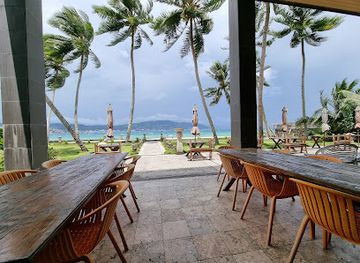
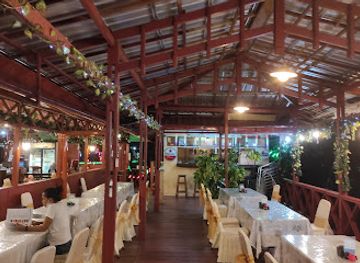
Lateri Beach Restaurant
Discover seafood perfection at Lateri Beach Restaurant in Ambon – where fresh flavors meet stunning ocean views.
-
Seafood
Rumah Makan Seafood Apong Ambon
Discover the freshest seafood delicacies at Rumah Makan Seafood Apong Ambon, where every dish tells a story of culinary excellence.
-
Seafood
Sari Gurih Restaurant
Experience the best of Ambon's seafood at Sari Gurih Restaurant - where fresh flavors meet vibrant culture.
Best bars in Maluku
The nightlife scene in Maluku offers a vibrant and unique blend of local culture and modern entertainment, perfect for those seeking an unforgettable evening. Visitors can expect to find lively bars and nightclubs in Ambon, the capital city, where you can enjoy live music ranging from traditional Indonesian tunes to contemporary hits. Many of the venues feature stunning ocean views, making for a picturesque backdrop as you sip on exotic cocktails or local favorites like Sopi, a traditional Maluku liquor. For a more laid-back experience, beachside bars and cafes offer a relaxed atmosphere where you can unwind under the stars, often accompanied by the soothing sounds of waves and acoustic performances. The friendly locals and the rich tapestry of cultures ensure that every night out in Maluku is filled with warmth, music, and a touch of magic.
-
Restaurant
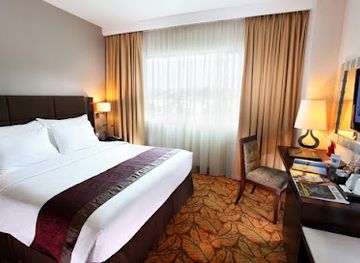
Swiss-Belhotel Ambon
Discover Swiss-Belhotel Ambon: A luxurious restaurant and event venue offering stunning views and exceptional culinary experiences in the heart of Ambon.
-
Seafood
Lateri Beach Restaurant
Indulge in fresh seafood delights at Lateri Beach Restaurant, where stunning ocean views meet Maluku's culinary traditions.
-
Bar
qbeat club
Immerse yourself in the vibrant nightlife of Ternate at Qbeat Club, where delicious drinks and lively music create unforgettable evenings.
-
Live music bar
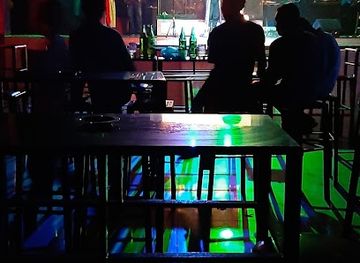
X9 Club & KTV
Experience the vibrant nightlife of Ambon at X9 Club & KTV, where live music and entertainment create an unforgettable atmosphere.

Best nightclubs in Maluku
The nightlife scene in Maluku offers a vibrant and unique blend of local culture and modern entertainment, perfect for those seeking an unforgettable evening. Visitors can expect to find lively bars and nightclubs in Ambon, the capital city, where you can enjoy live music ranging from traditional Indonesian tunes to contemporary hits. Many of the venues feature stunning ocean views, making for a picturesque backdrop as you sip on exotic cocktails or local favorites like Sopi, a traditional Maluku liquor. For a more laid-back experience, beachside bars and cafes offer a relaxed atmosphere where you can unwind under the stars, often accompanied by the soothing sounds of waves and acoustic performances. The friendly locals and the rich tapestry of cultures ensure that every night out in Maluku is filled with warmth, music, and a touch of magic.
-
Live music bar
X9 Club & KTV
Discover the heart of Ambon's nightlife at X9 Club & KTV, where live music and karaoke create unforgettable memories in a vibrant atmosphere.
-
Karaoke bar
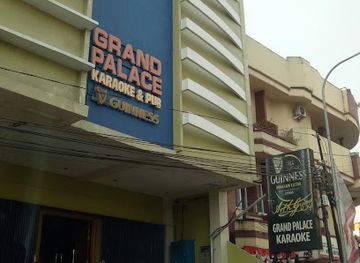
Grand Palace Pub & Karaoke
Unleash your inner star at Grand Palace Pub & Karaoke in Ambon, where unforgettable music and local culture collide.
-
Karaoke bar
Bonex Langgur
Experience the vibrant nightlife at Bonex Langgur, a karaoke bar in Southeast Maluku, where singing and fun meet in an inviting atmosphere.
-
Karaoke bar
Blitz92 Diskotik And Resto Ambon
Experience the vibrant nightlife of Ambon at Blitz92 Diskotik And Resto, a premier karaoke bar offering delicious food and unforgettable musical moments.



Best shops in Maluku
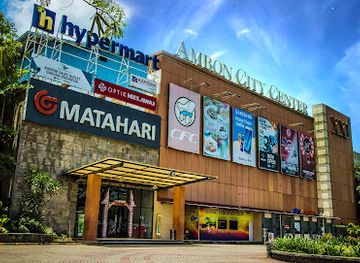
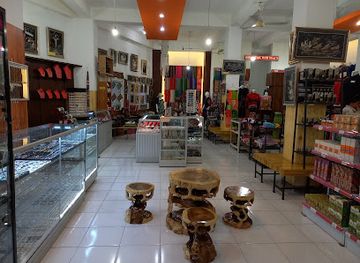
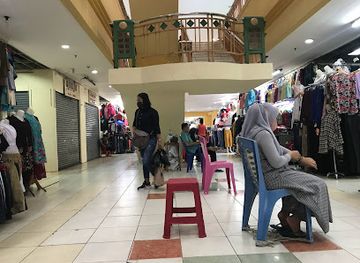
Maluku's shopping scene is a vibrant tapestry of local culture and rich history, offering an eclectic mix of traditional markets, artisanal crafts, and modern boutiques. Visitors can explore bustling bazaars like the Ambon City Center, where the air is filled with the scent of exotic spices and the sounds of lively bartering. Here, you can find unique souvenirs such as handwoven ikat textiles, intricate wooden carvings, and beautifully crafted pearl jewelry sourced from the pristine waters surrounding the islands. Additionally, small coastal villages provide opportunities to purchase freshly harvested nutmeg and cloves, a nod to Maluku's storied past as the fabled Spice Islands. For a more contemporary shopping experience, visitors can head to the modern malls and shopping centers in Ambon, which offer a mix of local and international brands. Whether you're hunting for a piece of history or a chic island outfit, Maluku's diverse shopping venues promise a delightful and memorable experience for every traveler.
-
Shopping mall
Ambon City Center (ACC)
Explore Ambon City Center: A Shopping Paradise in the Heart of Kota Ambon with Diverse Stores and Dining Experiences.
-
Shopping mall
Gramedia MCM - Maluku City Mall
Explore the cultural essence of Ambon at Gramedia MCM, a premier destination within Maluku City Mall for books, music, and unique shopping.
-
Gift shop
Toko Oleh Oleh Khas Maluku The Ambon Manise Shop Pusat - Terlengkap Terbesar Terdekat
Explore Maluku's rich culture through unique gifts and local delicacies at The Ambon Manise Shop in Ambon, Indonesia.
-
Shopping mall
Ambon Plaza
Explore Ambon Plaza for an unforgettable shopping experience in Kota Ambon, blending local culture with modern retail therapy.

Get your free copy of our complete guide to Maluku, delivered straight to you.
Everything on this page, from attractions and restaurants to essentials and local phrases, in one PDF you can read offline, print or share.
Already have an account? Sign in
Your Maluku guide is ready.
We'll send it to · Not you? Sign out

Getting your guide ready…
We are putting together a fresh copy of the Maluku guide. This can take up to a minute.
This can take a few moments. If your browser asks, choose Allow so the download can start. You'll find the guide in your Downloads folder.
Nothing happened? Download it again
Sorry, the guide is taking longer than usual. Please try again in a minute, or get it by email instead.
Maluku essentials
Currency and Payment
Safety
Emergency Situations
Do's and Don'ts
Local Tips
From Eve
Local phrases worth knowing
You don't need to get them perfect. A few words go a long way, and locals appreciate the effort.
Basics
| English | Local | Say it |
|---|---|---|
| Hello | Halo | [ha-lo] |
| Goodbye | Sampai jumpa | [sam-pai jum-pa] |
| Yes | Iya | [ee-ya] |
| No | Tidak | [tee-dak] |
| Please/You're welcome | Silakan/ Sama-sama | [si-la-kan/ sa-ma sa-ma] |
| Thank you | Terima kasih | [te-ri-ma ka-sih] |
| Excuse me/Sorry | Permisi/ Maaf | [per-mi-si/ ma-af] |
| How are you? | Apa kabar? | [a-pa ka-bar] |
| Fine. And you? | Baik. Dan kamu? | [ba-ik. dan ka-mu] |
| Do you speak English? | Apakah kamu bisa berbahasa Inggris? | [a-pa-kah ka-mu bi-sa ber-ba-ha-sa in-gris] |
| I don't understand | Saya tidak mengerti | [sa-ya tee-dak men-ger-ti] |
Eating & Drinking
| English | Local | Say it |
|---|---|---|
| I'd like to see the menu, please | Saya ingin melihat menu, silakan | [sa-ya in-gin me-li-hat me-nu, si-la-kan] |
| I don't eat meat | Saya tidak makan daging | [sa-ya tee-dak ma-kan da-ging] |
| Cheers! | Selamat menikmati! | [se-la-mat me-nik-ma-ti] |
| I would like to pay, please | Saya ingin membayar, silakan | [sa-ya in-gin mem-ba-yar, si-la-kan] |
Emergencies
| English | Local | Say it |
|---|---|---|
| Help! | Tolong! | [to-long] |
| Go away! | Pergi sana! | [per-gi sa-na] |
| Call the Police! | Panggil Polisi! | [pang-gil po-li-si] |
| Call a doctor! | Panggil dokter! | [pang-gil dok-ter] |
| I'm lost | Saya tersesat | [sa-ya ter-se-sat] |
| I'm ill | Saya sakit | [sa-ya sa-kit] |
Shopping
| English | Local | Say it |
|---|---|---|
| I'd like to buy... | Saya ingin membeli... | [sa-ya in-gin mem-be-li] |
| I'm just looking | Saya hanya melihat | [sa-ya han-ya me-li-hat] |
| How much is it? | Berapa harganya? | [be-ra-pa har-ga-nya] |
| That's too expensive | Itu terlalu mahal | [i-tu ter-la-lu ma-hal] |
| Can you lower the price? | Bisakah Anda menurunkan harga? | [bi-sa-kah an-da me-nu-run-kan har-ga] |
Time & Numbers
| English | Local | Say it |
|---|---|---|
| What time is it? | Jam berapa? | [jam be-ra-pa] |
| It's one o'clock | Jam satu | [jam sa-tu] |
| Half past (10) | Setengah (10) | [se-ten-gah] |
| Morning | Pagi | [pa-gi] |
| Afternoon | Siang | [si-ang] |
| Evening | Sore | [so-re] |
| Yesterday | Kemarin | [ke-ma-rin] |
| Today | Hari ini | [ha-ri i-ni] |
| Tomorrow | Besok | [be-sok] |
| 1 | Satu | [sa-tu] |
| 2 | Dua | [du-a] |
| 3 | Tiga | [ti-ga] |
| 4 | Empat | [em-pat] |
| 5 | Lima | [li-ma] |
| 6 | Enam | [e-nam] |
| 7 | Tujuh | [tu-juh] |
| 8 | Delapan | [de-la-pan] |
| 9 | Sembilan | [sem-bi-lan] |
| 10 | Sepuluh | [se-pu-luh] |
Transport & Directions
| English | Local | Say it |
|---|---|---|
| Where's a/the...? | Di mana ...? | [di ma-na] |
| What's the address? | Apa alamatnya? | [a-pa a-la-mat-nya] |
| Can you show me (on the map)? | Bisakah kamu tunjukkan (di peta)? | [bi-sa-kah ka-mu tun-juk-kan (di pe-ta)] |
| When's the next (bus)? | Kapan bus berikutnya? | [ka-pan bus be-ri-kut-nya] |
| A ticket (to ....) | Sebuah tiket (ke ...) | [se-buah ti-ket (ke ...)] |
History of Maluku
The Spice Islands
Maluku, often referred to as the Spice Islands, has a rich history deeply intertwined with the global spice trade. This archipelago was historically known for its abundant cloves, nutmeg, and mace, which drew the attention of traders from as far afield as China, India, Arabia, and later Europe. These spices were highly sought after in the ancient world, not only for culinary purposes but also for their medicinal properties and use in preserving food.
Early Kingdoms and Sultanates
Before the arrival of European colonizers, Maluku was home to several powerful kingdoms and sultanates, including the Tidore and Ternate Sultanates. These local powers played crucial roles in regional politics and trade, often engaging in alliances and conflicts with each other to control the lucrative spice routes. The sultanates also interacted with traders from China, India, and the Middle East, fostering a rich cultural exchange.
Portuguese Arrival
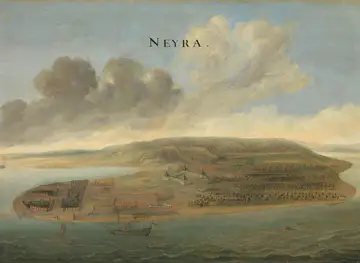
The Portuguese were the first Europeans to arrive in Maluku in the early 16th century, attracted by the lucrative spice trade. They established forts and trading posts, such as Fort São João Baptista on Ternate, in an attempt to monopolize the spice trade. Their presence, however, was met with resistance from local rulers and other European competitors.
Dutch and British Colonization
In the 17th century, the Dutch East India Company (VOC) ousted the Portuguese and established control over Maluku. The Dutch implemented a system known as the 'spice monopoly,' which severely restricted local farmers and traders but ensured a steady supply of spices for European markets. British forces briefly occupied Maluku during the Napoleonic Wars but ultimately, the region returned to Dutch control until Indonesia's independence in the mid-20th century.
World War II
During World War II, Maluku became a battleground between Allied and Japanese forces. The strategic location of the islands made them a key target for military campaigns. The local population endured significant hardship during this period, with many being forced into labor or suffering from the collateral damage of the conflict. The legacy of these events is still remembered in the region today.
Indonesian Independence
After World War II, Maluku became part of the newly formed Republic of Indonesia in 1949. The transition to independence was not without strife; the region experienced political and social upheaval as it integrated into the new nation. Despite these challenges, Maluku has maintained its unique cultural identity while contributing to the broader Indonesian tapestry.
Cultural Heritage
Maluku's cultural heritage is a vibrant tapestry woven from its diverse history. The islands are home to a mix of ethnic groups, languages, and religions, including Christianity and Islam. Traditional music, dance, and crafts, such as the renowned Moluccan ikat textiles, reflect the region's rich cultural legacy. Festivals and ceremonies, often rooted in ancient traditions, continue to play a significant role in community life.
Maluku in Photos
Browse through our photo collection highlighting the charm and character of the destination.
Neighbouring regions of Maluku
The closest regions to Maluku, if you have time for more than one.
-
 Maluku Islands
Discover the Maluku Islands, Indonesia's hidden gem known for its rich history, vibrant marine life, and breathtaking landscapes. Experience the allure of the Spice Islands.
Maluku Islands
Discover the Maluku Islands, Indonesia's hidden gem known for its rich history, vibrant marine life, and breathtaking landscapes. Experience the allure of the Spice Islands.
-
 North Maluku
Discover North Maluku, Indonesia's hidden gem of the Spice Islands, offering pristine beaches, rich history, vibrant marine life, and a tapestry of diverse cultures.
North Maluku
Discover North Maluku, Indonesia's hidden gem of the Spice Islands, offering pristine beaches, rich history, vibrant marine life, and a tapestry of diverse cultures.
-
 Southeast Sulawesi
Discover Southeast Sulawesi: Indonesia's paradise with pristine beaches, lush rainforests, vibrant marine life, and rich cultural heritage.
Southeast Sulawesi
Discover Southeast Sulawesi: Indonesia's paradise with pristine beaches, lush rainforests, vibrant marine life, and rich cultural heritage.
-
 North Sulawesi
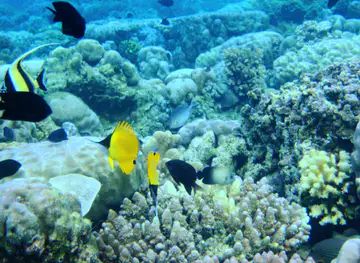
Discover North Sulawesi: Dive into pristine waters, explore lush landscapes, and immerse yourself in a rich cultural heritage in Indonesia's tropical paradise.
North Sulawesi
Discover North Sulawesi: Dive into pristine waters, explore lush landscapes, and immerse yourself in a rich cultural heritage in Indonesia's tropical paradise.
-
 Lesser Sunda Islands
Discover the hidden gems of the Lesser Sunda Islands in Indonesia, where pristine beaches, vibrant marine life, and stunning volcanic landscapes await.
Lesser Sunda Islands
Discover the hidden gems of the Lesser Sunda Islands in Indonesia, where pristine beaches, vibrant marine life, and stunning volcanic landscapes await.
Swipe for more regions

