

Free Banten Travel Guide & Mobile App
Explore Banten with free travel guides. Discover regional history, expert tips, proposed trips, and audio guides on web or mobile app.


Explore Banten for Islamic sultanate heritage, Sunda Strait beaches, Ujung Kulon rainforest and the cultural landscapes of western Java.
Read more about Banten
When is the best time to visit Banten?
Best: June–August · 30°C| Month | High (°C) | Rainfall (mm) |
|---|---|---|
| January | 30 | 300 |
| February | 30 | 280 |
| March | 30 | 260 |
| April | 30 | 240 |
| May | 30 | 220 |
| June (best) | 30 | 200 |
| July (best) | 30 | 180 |
| August (best) | 30 | 190 |
| September | 30 | 220 |
| October | 30 | 250 |
| November | 30 | 270 |
| December | 30 | 290 |
Getting to and around Banten
How to get there
Transportation
Best attractions in Banten
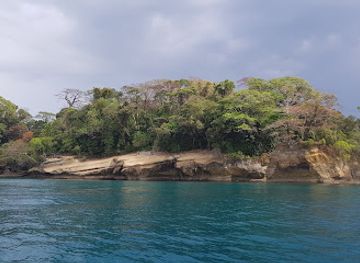
Banten’s attractions range from historic Islamic monuments and archaeological remains to beaches, rainforest and working industrial landscapes. Around Banten Lama, visitors can explore the Great Mosque of Banten, the ruins of Surosowan Palace, Kaibon Palace and Speelwijk Fort, gaining a sense of the former sultanate’s religious, royal and commercial importance. Serang and nearby districts provide museums, markets and access to village landscapes, while Cilegon presents a modern industrial side of the province. The Anyer and Carita coasts offer swimming, sea views and family-oriented resorts, whereas Tanjung Lesung and the beaches of southern Pandeglang are better suited to a slower coastal itinerary. Sawarna, in Lebak, is known for beaches, cliffs and unusual rock formations in a rural setting. Ujung Kulon National Park is Banten’s most important nature destination, combining rainforest, wetlands, reefs and islands with highly regulated wildlife tourism centred on the conservation of the Javan rhinoceros. Outdoor activities should be planned according to season, local conditions and permitted access rather than treated as spontaneous extensions of a beach visit.
-
Botanical garden
Bogor Botanical Gardens
Explore the stunning Bogor Botanical Gardens, a lush retreat in West Java showcasing diverse flora, rich history, and serene landscapes perfect for all nature lovers.
-
Mosque
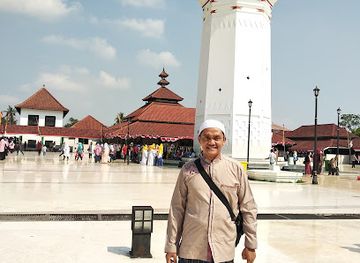
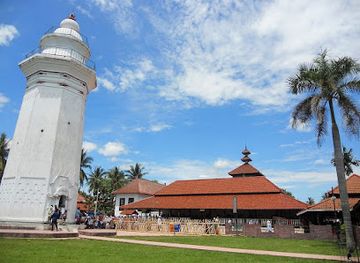
Masjid Agung Banten
Discover the architectural beauty and spiritual essence of Masjid Agung Banten, a must-see attraction in Serang City, Indonesia.
-
 Museum of zoology
Museum of Zoology (Museum Zoologicum Bogoriense)
Explore the fascinating world of wildlife at the Museum of Zoology in Bogor, a hub of biodiversity and conservation education.
-
Tourist attraction
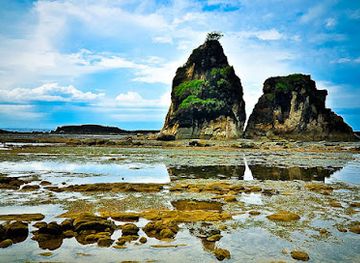
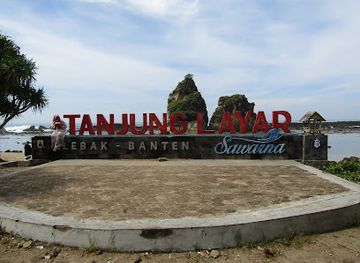
Tanjung Layar Beach
Discover the breathtaking beauty of Tanjung Layar Beach, a coastal paradise in Banten, Indonesia, known for its stunning landscapes and vibrant marine life.

Best landmarks in Banten
The Great Mosque of Banten is the province’s most recognisable historic monument, with a distinctive multi-tiered roof and a surviving connection to the former sultanate. Nearby, the ruins of Surosowan Palace mark the royal centre that once governed a major trading state, while Kaibon Palace preserves remnants of a later royal complex. Speelwijk Fort, built during the period of Dutch intervention, represents the colonial attempt to control Banten’s port and commerce. The old royal and religious precinct at Banten Lama is significant not only for individual structures but also for the way mosque, palace, cemetery and fort reflect changing political authority. In the south, the forested peninsula of Ujung Kulon is a landmark of global conservation importance and one of Java’s last substantial lowland wildernesses. Along the coast, the beaches and headlands of Sawarna provide striking natural reference points, while the Anyer and Carita shoreline remains a prominent recreational landscape facing the Sunda Strait. Banten’s landmarks therefore combine Islamic architecture, colonial remains and protected natural terrain rather than forming a single compact historic centre.
-
Mosque
Masjid Agung Banten
Discover the architectural beauty and spiritual significance of Masjid Agung Banten, a must-visit mosque and cultural landmark in Serang, Indonesia.
-
Tourist attraction
Tanjung Layar Beach
Experience the breathtaking beauty of Tanjung Layar Beach in Sawarna, Banten, where golden sands meet vibrant sunsets and adventure awaits.
-
National park
Ujung Kulon National Park
Explore the breathtaking Ujung Kulon National Park, a UNESCO World Heritage site, home to Indonesia's last Javan rhinoceros and stunning natural landscapes.
-
Tourist attraction
Negeri Di Atas Awan Citorek
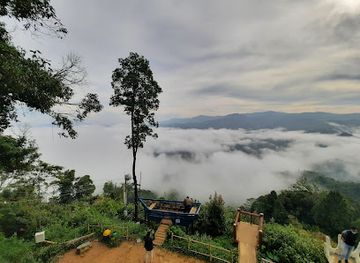
Explore Negeri Di Atas Awan Citorek, Indonesia's breathtaking tourist attraction offering surreal cloud views and lush landscapes in the heart of Banten.
Explore Banten on the map
Plan your trip on one map. See where the top cities, national parks and sights are, and book hotels and experiences in a few clicks.
Best hotels in Banten
Best restaurants in Banten
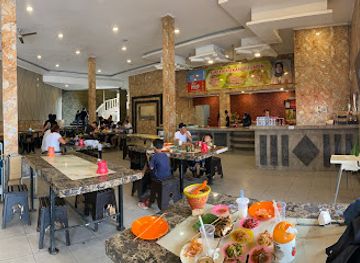
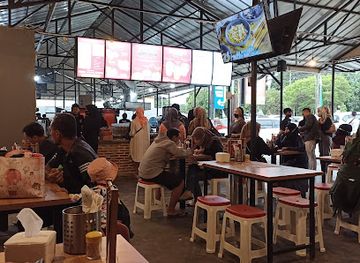
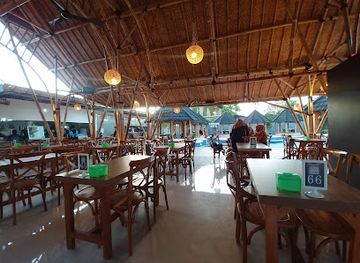
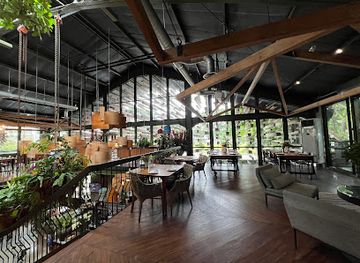
Bantenese cooking reflects Sundanese ingredients, coastal trade and the province’s Islamic and Javanese history. In Serang and surrounding areas, visitors may encounter rabeg, a richly spiced goat dish, as well as nasi sumsum, rice cooked with beef marrow, and a variety of savoury snacks and rice cakes. Coastal towns offer grilled fish, seafood soups and simple dishes prepared with locally available catches, while rural markets combine fresh vegetables, fruit, rice products and prepared foods. Tangerang and the larger towns have the broadest choice of Indonesian regional cuisines, contemporary restaurants, cafés and international dining, whereas smaller coastal settlements tend to centre on warung, family-run eateries and seafood stalls. Traditional markets are useful for tasting local snacks and buying seasonal produce, and roadside food is often most practical away from major resort compounds. Halal food is widely available, but visitors with specific dietary requirements should explain them clearly. Dining customs are generally informal, with menus and payment arrangements varying considerably between urban establishments and rural eateries.
-
Seafood
RM Ibu Entin
Discover the essence of Indonesian seafood at RM Ibu Entin in Serang – where tradition meets taste in every delightful dish.
-
Indonesian
Sambal Bakar Indonesia, Serang
Discover the vibrant flavors of Indonesian cuisine at Sambal Bakar Indonesia in Serang, where authentic sambals steal the spotlight.
-
Indonesian
Kampung Kecil Cilegon
Discover authentic Indonesian flavors at Kampung Kecil Cilegon - where culinary tradition meets modern hospitality.
-
Indonesian
Kayu Kayu Restaurant
Experience authentic Indonesian cuisine at Kayu Kayu Restaurant in South Tangerang—where tradition meets modern dining.
Best bars in Banten
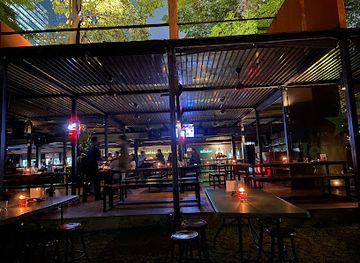
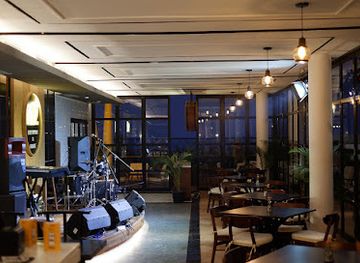
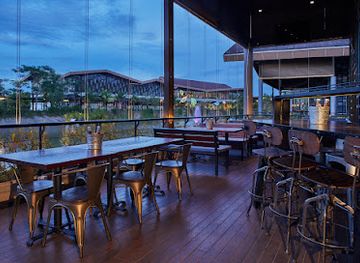
Banten’s evening culture is varied but is not dominated by a large nightclub scene. In Tangerang, especially in busy commercial and hospitality districts, visitors will find modern cafés, restaurants, hotel lounges, karaoke venues and a limited selection of bars. Serang and Cilegon offer more modest evening options, including casual restaurants, coffee shops, live music and hotel-based venues. Along the Anyer and Carita coast, resort restaurants and beachside establishments often provide the main after-dark activity, although the atmosphere can be seasonal and quiet outside holiday periods. In rural Lebak, southern Pandeglang and villages near Ujung Kulon, evenings generally centre on local food stalls, guesthouses and community life rather than organised nightlife. Alcohol availability varies by venue and local context, and visitors should respect the character of predominantly Muslim communities. Check current licensing, transport and opening arrangements locally rather than assuming that a coastal resort operates late throughout the year.
-
Bar
Beer Garden+
Discover the vibrant atmosphere of Beer Garden+ in South Jakarta, offering live music, delicious food, and a variety of drinks in a delightful outdoor setting.
-
Lounge
Clique Kitchen & Bar
Discover the vibrant dining experience at Clique Kitchen & Bar in Tangerang, where delicious food and refreshing drinks create unforgettable moments.
-
Bar
Twelve Degrees Rooftop Bar & Lounge
Experience the vibrant nightlife at Twelve Degrees Rooftop Bar & Lounge, where breathtaking city views meet exquisite drinks in Tangerang.
-
Bar
Brewerkz The Breeze BSD
Discover Brewerkz The Breeze BSD: A lively sports bar and restaurant in Tangerang, serving up American favorites and refreshing drinks in a vibrant atmosphere.
Best nightclubs in Banten
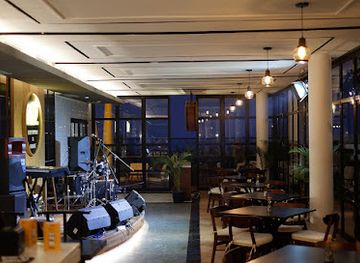
Banten’s evening culture is varied but is not dominated by a large nightclub scene. In Tangerang, especially in busy commercial and hospitality districts, visitors will find modern cafés, restaurants, hotel lounges, karaoke venues and a limited selection of bars. Serang and Cilegon offer more modest evening options, including casual restaurants, coffee shops, live music and hotel-based venues. Along the Anyer and Carita coast, resort restaurants and beachside establishments often provide the main after-dark activity, although the atmosphere can be seasonal and quiet outside holiday periods. In rural Lebak, southern Pandeglang and villages near Ujung Kulon, evenings generally centre on local food stalls, guesthouses and community life rather than organised nightlife. Alcohol availability varies by venue and local context, and visitors should respect the character of predominantly Muslim communities. Check current licensing, transport and opening arrangements locally rather than assuming that a coastal resort operates late throughout the year.
-
Bar
Twelve Degrees Rooftop Bar & Lounge
Experience the breathtaking views and vibrant nightlife at Twelve Degrees Rooftop Bar & Lounge in Tangerang, a perfect venue for relaxation and enjoyment.
-
Night club
The H Club SCBD
Experience Jakarta's vibrant nightlife at The H Club SCBD, where great music and a stylish atmosphere await.
-
Bar
Helen's Night Mart Gading Serpong
Discover the vibrant nightlife at Helen's Night Mart Gading Serpong, where live music and great drinks create unforgettable moments.
-
Karaoke bar
MONKEY KING Restaurant, Bar Club & Executive Karaoke
Discover the ultimate nightlife experience at MONKEY KING, where Asian fusion cuisine meets karaoke and live music in Tangerang's vibrant atmosphere.



Best shops in Banten
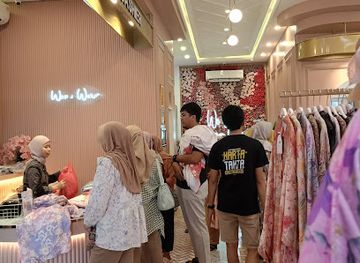
Shopping in Banten ranges from metropolitan retail in Tangerang to traditional markets and small-town high streets elsewhere in the province. Tangerang has the broadest selection of shopping centres, supermarkets, fashion retailers, cafés and contemporary Indonesian brands, while Serang and Cilegon combine modern commercial areas with local markets and independent shops. In smaller towns, pasar markets are useful for fresh produce, prepared food, clothing and household goods rather than polished souvenirs. Visitors can look for Bantenese snacks, dried seafood, spices, palm sugar and packaged regional foods, particularly in markets serving Serang, Pandeglang and Lebak. Batik and woven products are available in the province, although designs and quality vary, so buying from established craft outlets or cooperative-style sellers helps clarify provenance. Near Baduy communities, textiles and woven articles may be sold through authorised local channels; ask about community rules and avoid treating sacred or restricted designs as ordinary curiosities. Coastal resorts tend to offer practical beachwear and food products, while Tangerang is the better choice for extensive retail selection.
-
Department store
Matahari Department Store Mall Serang
Discover an extensive range of fashion, beauty products, and accessories at Matahari Department Store Mall Serang, a premier shopping destination in Banten.
-
Clothing store
Butik Womenwear_
Explore the stylish offerings of Butik Womenwear for trendy women's clothing in the heart of Serang City, Indonesia.
-
Boutique
WOMENWEAR FASHION
Discover unique women's fashion at WOMENWEAR FASHION in Serang City, where style meets sophistication and elegance.
-
Shopping mall
Syeen store banten
Explore Syeen Store Banten: Your ultimate shopping destination in Serang Regency, combining modern retail with local charm.


Get your free copy of our complete guide to Banten, delivered straight to you.
Everything on this page, from attractions and restaurants to essentials and local phrases, in one PDF you can read offline, print or share.
Already have an account? Sign in
Your Banten guide is ready.
We'll send it to · Not you? Sign out

Getting your guide ready…
We are putting together a fresh copy of the Banten guide. This can take up to a minute.
This can take a few moments. If your browser asks, choose Allow so the download can start. You'll find the guide in your Downloads folder.
Nothing happened? Download it again
Sorry, the guide is taking longer than usual. Please try again in a minute, or get it by email instead.
Banten essentials
Currency and Payment
Safety
Emergency Situations
Do's and Don'ts
Local Tips
From Eve
Local phrases worth knowing
You don't need to get them perfect. A few words go a long way, and locals appreciate the effort.
Basics
| English | Local | Say it |
|---|---|---|
| Hello | Halo | [ha-lo] |
| Goodbye | Selamat tinggal | [se-la-mat tin-gal] |
| Yes | Iya | [ee-ya] |
| No | Tidak | [ti-dak] |
| Please/You're welcome | Silakan/ Sama-sama | [si-la-kan/ sa-ma sa-ma] |
| Thank you | Terima kasih | [te-ri-ma ka-sih] |
| Excuse me/Sorry | Permisi/ Maaf | [per-mi-si/ ma-af] |
| How are you? | Apa kabar? | [a-pa ka-bar] |
| Fine. And you? | Baik. Dan kamu? | [ba-ik. dan ka-mu] |
| Do you speak English? | Apakah kamu bisa bahasa Inggris? | [a-pa-kah ka-mu bi-sa ba-ha-sa in-gris] |
| I don't understand | Saya tidak mengerti | [sa-ya ti-dak men-ger-ti] |
Eating & Drinking
| English | Local | Say it |
|---|---|---|
| I'd like to see the menu, please | Saya ingin melihat menu, silakan | [sa-ya in-gin me-li-hat me-nu, si-la-kan] |
| I don't eat meat | Saya tidak makan daging | [sa-ya ti-dak ma-kan da-ging] |
| Cheers! | Selamat! | [se-la-mat] |
| I would like to pay, please | Saya ingin membayar, silakan | [sa-ya in-gin mem-ba-yar, si-la-kan] |
Emergencies
| English | Local | Say it |
|---|---|---|
| Help! | Tolong! | [to-long] |
| Go away! | Pergi jauh! | [per-gi ja-uh] |
| Call the Police! | Panggil polisi! | [pang-gil po-li-si] |
| Call a doctor! | Panggil dokter! | [pang-gil dok-ter] |
| I'm lost | Saya tersesat | [sa-ya ter-se-sat] |
| I'm ill | Saya sakit | [sa-ya sa-kit] |
Shopping
| English | Local | Say it |
|---|---|---|
| I'd like to buy... | Saya ingin membeli... | [sa-ya in-gin mem-be-li] |
| I'm just looking | Saya hanya melihat | [sa-ya han-ya me-li-hat] |
| How much is it? | Berapa harganya? | [be-ra-pa har-ga-nya] |
| That's too expensive | Itu terlalu mahal | [i-tu ter-la-lu ma-hal] |
| Can you lower the price? | Bisakah kamu menurunkan harga? | [bi-sa-kah ka-mu me-nu-run-kan har-ga] |
Time & Numbers
| English | Local | Say it |
|---|---|---|
| What time is it? | Jam berapa? | [jam be-ra-pa] |
| It's one o'clock | Jam satu | [jam sa-tu] |
| Half past (10) | Setengah (10) | [se-ten-gah] |
| Morning | Pagi | [pa-gi] |
| Afternoon | Siang | [si-ang] |
| Evening | Sore | [so-re] |
| Yesterday | Kemarin | [ke-ma-rin] |
| Today | Hari ini | [ha-ri i-ni] |
| Tomorrow | Besok | [be-sok] |
| 1 | Satu | [sa-tu] |
| 2 | Dua | [du-a] |
| 3 | Tiga | [ti-ga] |
| 4 | Empat | [em-pat] |
| 5 | Lima | [li-ma] |
| 6 | Enam | [e-nam] |
| 7 | Tujuh | [tu-juh] |
| 8 | Delapan | [de-la-pan] |
| 9 | Sembilan | [sem-bi-lan] |
| 10 | Sepuluh | [se-pu-luh] |
Transport & Directions
| English | Local | Say it |
|---|---|---|
| Where's a/the...? | Di mana ...? | [di ma-na] |
| What's the address? | Apa alamatnya? | [a-pa a-la-mat-nya] |
| Can you show me (on the map)? | Bisakah kamu tunjukkan (di peta)? | [bi-sa-kah ka-mu tun-juk-kan (di pe-ta)] |
| When's the next (bus)? | Kapan bus berikutnya? | [ka-pan bus be-ri-kut-nya] |
| A ticket (to ....) | Satu tiket (ke ...) | [sa-tu ti-ket (ke)] |
History of Banten
Early Settlements and Banten Girang
The region around the upper Ci Banten valley was occupied before the emergence of the Islamic sultanate. Banten Girang, near present-day Serang, was an important early settlement and is associated with the pre-Islamic political landscape of western Java. Archaeological remains and accounts of the area indicate links with wider Sundanese and maritime networks. Its inland position helped connect agricultural communities with the coastal port that later became the centre of the Banten Sultanate. The surviving archaeological landscape is less monumental than later Banten Lama, but it is essential to understanding the region before Islam and European intervention.
The Rise of the Banten Sultanate in the Sixteenth Century
Islamic rule became firmly established in Banten during the sixteenth century, as western Java was drawn into the political and commercial world of Muslim port states. Banten developed as a major harbour on the Sunda Strait, trading pepper and other goods with merchants from the Indonesian archipelago, South Asia, the Middle East and Europe. The sultanate’s influence extended across parts of western Java, and its rulers supported mosques, palaces and urban institutions. Banten Lama, rather than modern Serang, preserves the clearest physical evidence of this period of political and maritime prominence.
Banten Lama as a Maritime Trading Centre
From the late sixteenth through the seventeenth centuries, Banten Lama prospered as a port positioned on routes connecting the Java Sea, the Sunda Strait and the Indian Ocean. Pepper cultivation in western Java was especially important, while the city’s population and commercial life reflected contact with different Asian trading communities. The Great Mosque of Banten and the royal complex at Surosowan represent the sultanate’s religious and political authority. The city’s fortunes were shaped by competition with other Indonesian ports and by growing European attempts to control the spice trade.
Dutch Intervention and the Decline of the Sultanate
The Dutch East India Company sought to dominate Banten’s trade and gradually interfered in the sultanate’s internal politics. Conflict between Sultan Ageng Tirtayasa and his son, who allied with the company, weakened Banten’s independence in the late seventeenth century. Dutch influence expanded through military pressure, commercial restrictions and political control. Speelwijk Fort, built near Banten Lama, symbolises this changing balance of power. The sultanate survived in reduced form for some time, but the port no longer enjoyed the autonomy and commercial reach that had characterised its earlier history.
Colonial Rule and the End of the Sultanate
During the nineteenth century, colonial authority in western Java became more direct, and the Banten Sultanate was abolished in 1813 under British administration in Java. The former royal centre lost its political role, leaving palace ruins, mosque precincts and fortifications as the main physical reminders of the old state. Colonial governments reorganised administration and promoted agricultural and transport schemes across the region. Banten’s coastal position remained strategically important, while inland communities continued to depend heavily on farming, fishing and local trade.
The 1883 Krakatoa Eruption and the Sunda Strait
The eruption of Krakatoa in August 1883, on the Sunda Strait’s volcanic island system outside Banten province, had devastating consequences for coastal communities in western Java. Tsunamis destroyed settlements and killed large numbers of people along the Banten coast, while ash and atmospheric effects were recorded far beyond the region. The disaster remains an important part of Banten’s environmental and maritime history. It also demonstrates the need to treat the Sunda Strait as an active volcanic and seismic zone when planning coastal travel, boating and accommodation.
Post-Independence Development and the Creation of Banten Province
After Indonesia’s independence, western Java remained administratively connected to West Java until Banten became a separate province in 2000. The new province brought together densely settled districts around Tangerang, historic areas near Serang, the industrial corridor at Cilegon and extensive rural and conservation landscapes in the south. Since then, infrastructure, manufacturing, ports, housing and tourism have expanded at different speeds. The contrast between metropolitan growth in the north and forest, farming and coastal communities in the south is now central to Banten’s contemporary geography.
Banten in Photos
Browse through our photo collection highlighting the charm and character of the destination.
Neighbouring regions of Banten
The closest regions to Banten, if you have time for more than one.
-

-

-

-

-


Swipe for more regions
Explore more

Explore more of Indonesia
Explore Indonesia: An archipelago of diverse cultures, stunning landscapes, and endless adventures from bustling cities to serene beaches.
Explore Indonesia