

Free South Kalimantan Travel Guide & Mobile App
Explore South Kalimantan with free travel guides. Discover regional history, expert tips, proposed trips, and audio guides on web or mobile app.


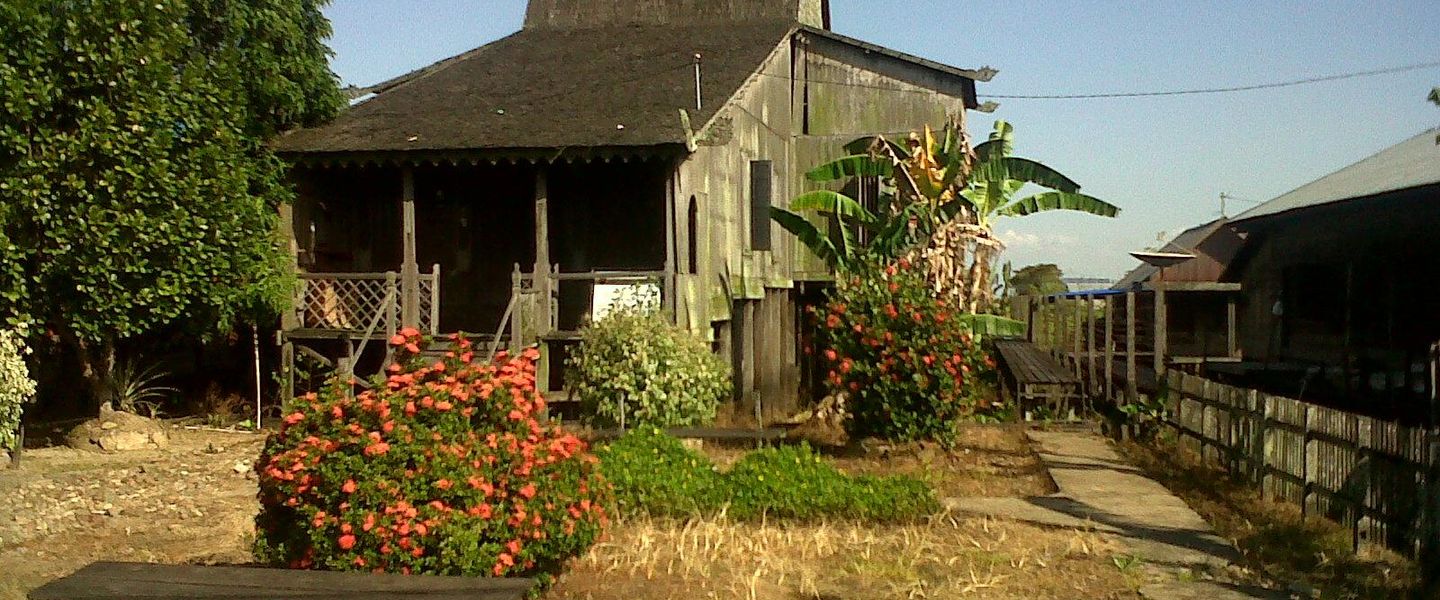


Explore South Kalimantan for floating markets, Banjar heritage, river towns, Meratus forests, bamboo rafting and distinctive Bornean cuisine.
Read more about South Kalimantan
When is the best time to visit South Kalimantan?
Best: June–August · 31°C| Month | High (°C) | Rainfall (mm) |
|---|---|---|
| January | 31 | 330 |
| February | 31 | 280 |
| March | 32 | 250 |
| April | 32 | 200 |
| May | 32 | 190 |
| June (best) | 31 | 160 |
| July (best) | 31 | 160 |
| August (best) | 31 | 160 |
| September | 32 | 170 |
| October | 32 | 200 |
| November | 32 | 240 |
| December | 31 | 280 |
Getting to and around South Kalimantan
How to get there
Transportation
Best attractions in South Kalimantan
South Kalimantan's attractions are shaped by water, faith, trade and forest rather than by a concentration of monumental buildings. In Banjarmasin, river cruises and early-morning floating-market visits provide an introduction to the province's working waterways, while the Kuin district combines riverside history with Islamic heritage. Martapura offers jewellery workshops and markets, and nearby religious sites reflect the importance of Islam in Banjar society. Banjarbaru provides access to museums, parks and the broader urban landscape around the provincial capital. Outside the cities, the wetlands and tributaries of the Barito basin support boat excursions and birdwatching, while the Amandit River and Loksado area offer bamboo rafting, waterfalls, village walks and access to Meratus scenery. Candi Agung near Amuntai adds an archaeological dimension, linking the region to early Hindu-Buddhist kingdoms. The province also contains forested protected landscapes and recreation areas around the Meratus foothills, where conditions are more suitable for guided walking than independent exploration. Attractions are widely dispersed, and the greatest pleasure often lies in observing how markets, boats, farms and settlements continue to use the same landscapes that define the region's history.
-
Park
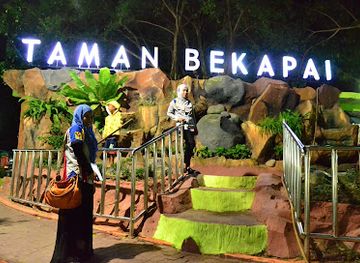
Taman Bekapai
Explore the serene beauty of Taman Bekapai, a lush park in Balikpapan, perfect for relaxation and family outings in East Kalimantan.
-
Tourist attraction
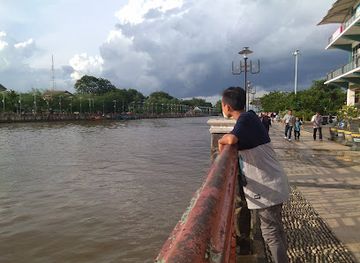
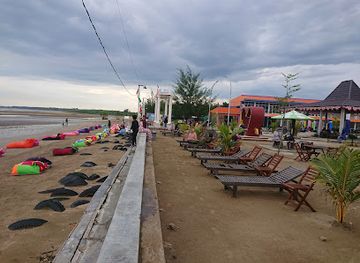
Siring Kota Banjarmasin
Experience the vibrant culture and scenic beauty of Siring Kota Banjarmasin, a riverside gem in South Kalimantan, Indonesia.
-
Beach
Lamaru Beach
Explore the stunning Lamaru Beach in East Kalimantan, where pristine sands meet crystal-clear waters, perfect for relaxation and adventure.
-
Tourist attraction
Pantai Istana Amal Penajam
Experience the tranquil beauty of Pantai Istana Amal Penajam, a coastal paradise in East Kalimantan, perfect for relaxation and local culinary delights.
Best landmarks in South Kalimantan
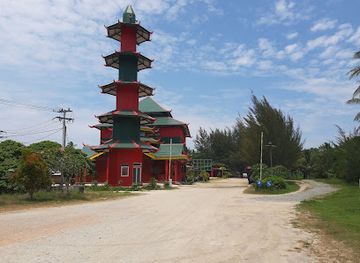
The Sultan Suriansyah Mosque in Kuin is one of South Kalimantan's most significant historic religious landmarks, associated with the early Banjar Sultanate and the development of Islam along the Banjarmasin river system. Candi Agung near Amuntai, a surviving brick archaeological structure linked to the Negara Dipa tradition, represents a much earlier layer of regional history. In Banjarmasin, the Martapura and Barito rivers themselves are landmarks of the city's geography: their junctions, jetties and riverside settlements explain why the city grew as a trading centre. The long Barito Bridge is a prominent modern structure crossing the province's major river and an important route between the urban south and districts beyond the river. Menara Pandang Banjarmasin provides an elevated city view over the water-oriented capital, while the Meratus Mountains form the province's defining inland horizon. Around Loksado, forested ridges, river valleys and waterfalls are landscape landmarks rather than single architectural monuments. Together these places show the region's central contrasts: royal and religious history in the lowlands, engineered connections across broad rivers, and a mountainous interior shaped by forest and living communities.
-
Monument
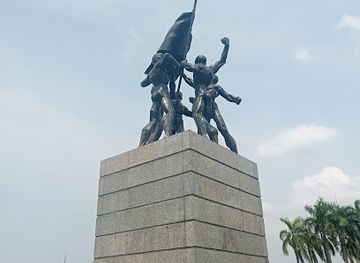
Monas
Discover the iconic Monas, Indonesia's National Monument, a symbol of independence with stunning views and rich history in Jakarta.
-
Scenic spot
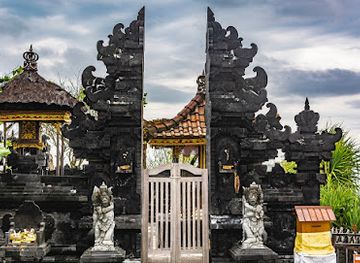
Tanah Lot
Experience the breathtaking beauty and cultural significance of Tanah Lot, Bali's iconic sea temple, as you witness stunning sunsets and vibrant local culture.
-
Tourist attraction
Melawai Beach
Discover the beauty and vibrant local culture at Melawai Beach in Balikpapan, a perfect blend of relaxation and adventure.
-
Recreation center
Khatulistiwa Park
Explore Khatulistiwa Park in Pontianak, a unique blend of culture and nature situated right on the Equator line, offering fun for the whole family.

Explore South Kalimantan on the map
Plan your trip on one map. See where the top cities, national parks and sights are, and book hotels and experiences in a few clicks.
Best hotels in South Kalimantan
Best restaurants in South Kalimantan
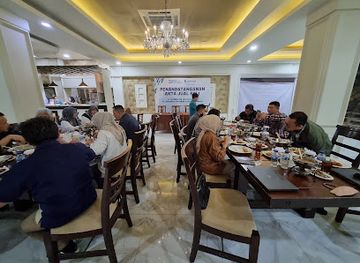
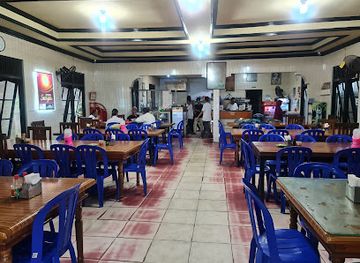
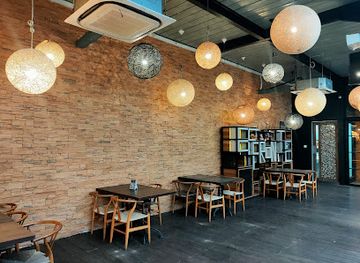
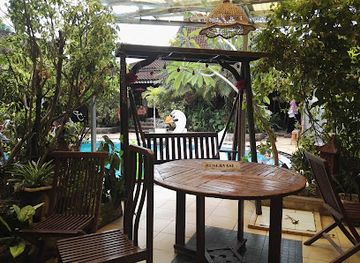
South Kalimantan's food culture is closely tied to Banjar kitchens, freshwater fish, rice, coconut, herbs and the trading routes of the river lowlands. Soto Banjar, a fragrant chicken soup usually served with rice cakes or rice, is widely encountered in Banjarmasin and other towns. Ketupat Kandangan, traditionally associated with Kandangan in Hulu Sungai Selatan, pairs rice cakes with fish and a coconut-based sauce, while dishes using haruan, or snakehead fish, reflect the province's freshwater environment. Look for grilled or spiced fish, rice parcels, savoury cakes and sweet Banjar wadai in markets, cafés and family-run eateries. Martapura and Banjarmasin provide the broadest choice of restaurants, while small towns and rural districts often centre on simple warungs and roadside stalls. Markets are useful places to sample seasonal fruit, snacks and breakfast foods. Ingredients can include fish paste, shrimp, coconut and chilli, so visitors with allergies should ask clearly; vegetarian choices are possible but may require explanation.
-
Chinese
Restaurant Lima Rasa
Discover the vibrant flavors of Chinese cuisine and fresh seafood at Restaurant Lima Rasa in Banjarmasin.
-
Restaurant
Semua Senang (Pak Siyo)
Experience authentic South Kalimantan flavors at Semua Senang (Pak Siyo) - a must-visit restaurant in Banjarbaru City.
-
Restaurant
Effronte
Discover Effronte: A Culinary Haven in Banjarmasin Offering Exquisite Dishes and Chic Atmosphere for Food Lovers.
-
Restaurant
Pasta Joglo Banjar
Experience authentic Italian flavors at Pasta Joglo Banjar - a must-visit restaurant in Banjarbaru for pasta lovers.
Best bars in South Kalimantan
Evening life in South Kalimantan is generally more civil and food-oriented than club-focused, reflecting the province's predominantly Muslim culture. Banjarmasin has the widest selection of cafés, restaurants, hotel lounges and casual evening meeting places, with activity concentrated around central commercial areas rather than a single large nightlife district. Banjarbaru also has late-opening cafés and restaurants serving students, office workers and families. Traditional coffee shops and roadside food stalls are important parts of the evening scene, particularly for conversation and snacks, while live music may appear at selected venues. Alcohol is less central and less widely available than in Indonesia's major resort destinations, and visitors should respect local expectations about public drinking and dress. In Martapura and smaller towns, nights are usually quieter, centred on food, shopping, religious activities and family gatherings. Loksado is primarily an outdoor destination, where evenings suit relaxed meals and early rest rather than organised nightlife.
-
Karaoke bar
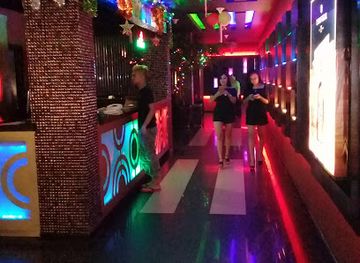
Nasa Luxury Club Karaoke
Experience the vibrant nightlife of Banjarmasin at Nasa Luxury Club Karaoke, where music and fun come together for an unforgettable evening.
-
Pub
Nashville HBI boec
Experience Banjarmasin's vibrant nightlife at Nashville HBI Boec, where local culture, live music, and delicious drinks come together for an unforgettable evening.
-
Bar
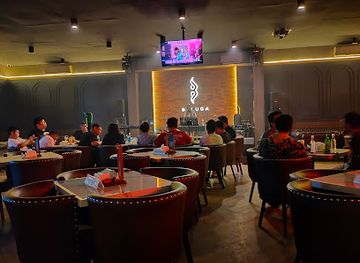
Beluga Cafe
Discover the vibrant nightlife at Beluga Cafe in Banjarmasin, where great drinks and lively ambiance create unforgettable memories.
-
Lounge
HEXAGON RESTO - LOUNGE - KTV Banjarmasin
Discover the ultimate entertainment experience at HEXAGON RESTO - LOUNGE - KTV in Banjarmasin, where great food meets vibrant nightlife.


Best nightclubs in South Kalimantan
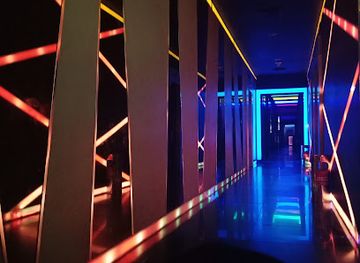
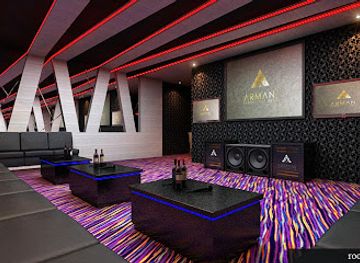
Evening life in South Kalimantan is generally more civil and food-oriented than club-focused, reflecting the province's predominantly Muslim culture. Banjarmasin has the widest selection of cafés, restaurants, hotel lounges and casual evening meeting places, with activity concentrated around central commercial areas rather than a single large nightlife district. Banjarbaru also has late-opening cafés and restaurants serving students, office workers and families. Traditional coffee shops and roadside food stalls are important parts of the evening scene, particularly for conversation and snacks, while live music may appear at selected venues. Alcohol is less central and less widely available than in Indonesia's major resort destinations, and visitors should respect local expectations about public drinking and dress. In Martapura and smaller towns, nights are usually quieter, centred on food, shopping, religious activities and family gatherings. Loksado is primarily an outdoor destination, where evenings suit relaxed meals and early rest rather than organised nightlife.
-
Night club
Celcius Club.Lounge & KTV
Discover the vibrant nightlife at Celcius Club in Samarinda, where music and fun come together for an unforgettable experience.
-
Karaoke bar
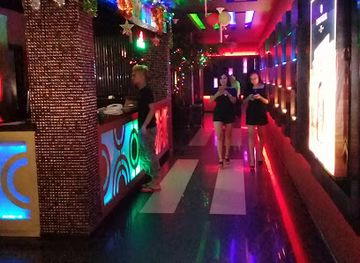
Nasa Luxury Club Karaoke
Experience vibrant nightlife at Nasa Luxury Club Karaoke in Banjarmasin, where every night is a musical celebration with friends and family.
-
Karaoke bar
Grand Karaoke
Experience the vibrant nightlife of Banjarmasin at Grand Karaoke, where music lovers come together to sing and celebrate.
-
Night club
Armani Executive Club
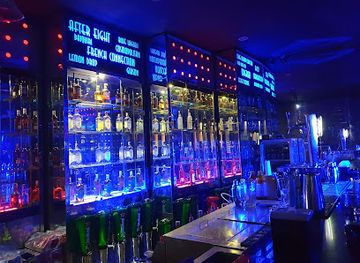
Discover the luxurious nightlife at Armani Executive Club in Banjarmasin, featuring top DJs, exquisite cocktails, and an electrifying atmosphere.
Best shops in South Kalimantan
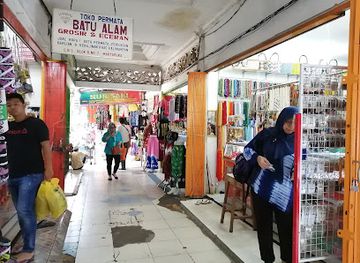
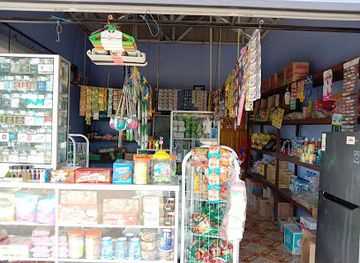
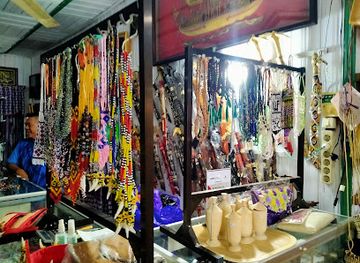
Shopping in South Kalimantan is strongest in traditional markets, jewellery districts and food-producing towns rather than in luxury retail. Martapura is widely associated with diamonds and other precious stones, with jewellery shops and workshops forming a major part of its commercial identity; buyers should use established sellers, request documentation and understand grading before making a substantial purchase. Banjarmasin's markets offer Banjar snacks, fabrics, household goods, woven items and seasonal produce, while Banjarbaru provides modern retail alongside smaller independent businesses. Regional food gifts may include packaged wadai, coffee, dried or preserved fish and other shelf-stable products, subject to airline and customs rules. Craft traditions vary between lowland and upland communities, and Meratus-area textiles or objects should be bought through responsible channels that respect community ownership and avoid trading in protected cultural or natural materials. Market prices are often negotiable, but bargaining should remain courteous and proportionate. Limited-edition promotions and individual shop opening arrangements change frequently, so ask locally rather than relying on old listings.
-
Shopping mall
Duta Mall Banjarmasin
Discover the vibrant shopping and entertainment scene at Duta Mall Banjarmasin, your ultimate destination in South Kalimantan.
-
Shopping mall
Pertokoan Cahaya Bumi Selamat
Explore Pertokoan Cahaya Bumi Selamat, a vibrant shopping mall in South Kalimantan, blending local culture with modern retail in an unforgettable experience.
-
Grocery store
Toko Wafit
Explore authentic Indonesian flavors at Toko Wafit in Tapin Regency, a grocery store brimming with local ingredients and unique snacks.
-
Souvenir store
Toko Antik
Explore the rich culture of Central Kalimantan at Toko Antik, a charming souvenir store filled with unique handicrafts and traditional treasures.

Get your free copy of our complete guide to South Kalimantan, delivered straight to you.
Everything on this page, from attractions and restaurants to essentials and local phrases, in one PDF you can read offline, print or share.
Already have an account? Sign in
Your South Kalimantan guide is ready.
We'll send it to · Not you? Sign out

Getting your guide ready…
We are putting together a fresh copy of the South Kalimantan guide. This can take up to a minute.
This can take a few moments. If your browser asks, choose Allow so the download can start. You'll find the guide in your Downloads folder.
Nothing happened? Download it again
Sorry, the guide is taking longer than usual. Please try again in a minute, or get it by email instead.
South Kalimantan essentials
Currency and Payment
Safety
Emergency Situations
Do's and Don'ts
Local Tips
From Eve
Local phrases worth knowing
You don't need to get them perfect. A few words go a long way, and locals appreciate the effort.
Basics
| English | Local | Say it |
|---|---|---|
| Hello | Halo | [Ha-lo] |
| Goodbye | Selamat tinggal | [Se-la-mat tin-gal] |
| Yes | Ya | [Ya] |
| No | Tidak | [Ti-dak] |
| Please/You're welcome | Silakan | [Si-la-kan] |
| Thank you | Terima kasih | [Te-ri-ma ka-sih] |
| Excuse me/Sorry | Maaf | [Ma-af] |
| How are you? | Apa kabar? | [A-pa ka-bar] |
| Fine. And you? | Baik. Dan kamu? | [Ba-ik. Dan ka-mu] |
| Do you speak English? | Apakah kamu bisa berbahasa Inggris? | [A-pa-kah ka-mu bi-sa ber-ba-ha-sa In-gris] |
| I don't understand | Saya tidak mengerti | [Sa-ya ti-dak men-ger-ti] |
Eating & Drinking
| English | Local | Say it |
|---|---|---|
| I'd like to see the menu, please | Saya ingin melihat menu, silakan | [Sa-ya in-gin me-li-hat me-nu, si-la-kan] |
| I don't eat meat | Saya tidak makan daging | [Sa-ya ti-dak ma-kan da-ging] |
| Cheers! | Selamat makan! | [Se-la-mat ma-kan] |
| I would like to pay, please | Saya ingin membayar, silakan | [Sa-ya in-gin mem-ba-yar, si-la-kan] |
Emergencies
| English | Local | Say it |
|---|---|---|
| Help! | Tolong! | [To-long] |
| Go away! | Pergi jauh! | [Per-gi ja-uh] |
| Call the Police! | Panggil polisi! | [Pan-ggil po-li-si] |
| Call a doctor! | Panggil dokter! | [Pan-ggil dok-ter] |
| I'm lost | Saya tersesat | [Sa-ya ter-se-sat] |
| I'm ill | Saya sakit | [Sa-ya sa-kit] |
Shopping
| English | Local | Say it |
|---|---|---|
| I'd like to buy... | Saya ingin membeli... | [Sa-ya in-gin mem-be-li] |
| I'm just looking | Saya hanya melihat | [Sa-ya han-ya me-li-hat] |
| How much is it? | Berapa harganya? | [Be-ra-pa har-ga-nya] |
| That's too expensive | Itu terlalu mahal | [I-tu ter-la-lu ma-hal] |
| Can you lower the price? | Bisakah kamu menurunkan harga? | [Bi-sa-kah ka-mu me-nu-run-kan har-ga] |
Time & Numbers
| English | Local | Say it |
|---|---|---|
| What time is it? | Jam berapa? | [Jam be-ra-pa] |
| It's one o'clock | Jam satu | [Jam sa-tu] |
| Half past (10) | Setengah (10) | [Se-ten-gah] |
| Morning | Pagi | [Pa-gi] |
| Afternoon | Siang | [Si-ang] |
| Evening | Sore | [So-re] |
| Yesterday | Kemarin | [Ke-ma-rin] |
| Today | Hari ini | [Ha-ri i-ni] |
| Tomorrow | Besok | [Be-sok] |
| 1 | Satu | [Sa-tu] |
| 2 | Dua | [Dua] |
| 3 | Tiga | [Ti-ga] |
| 4 | Empat | [Em-pat] |
| 5 | Lima | [Li-ma] |
| 6 | Enam | [E-nam] |
| 7 | Tujuh | [Tu-juh] |
| 8 | Delapan | [De-la-pan] |
| 9 | Sembilan | [Sem-bi-lan] |
| 10 | Sepuluh | [Se-pu-luh] |
Transport & Directions
| English | Local | Say it |
|---|---|---|
| Where's a/the...? | Di mana ...? | [Di ma-na] |
| What's the address? | Apa alamatnya? | [A-pa a-la-mat-nya] |
| Can you show me (on the map)? | Bisakah kamu tunjukkan (di peta)? | [Bi-sa-kah ka-mu tun-juk-kan di pe-ta] |
| When's the next (bus)? | Kapan (bus) berikutnya? | [Ka-pan bus be-ri-kut-nya] |
| A ticket (to ....) | Sebuah tiket (ke ....) | [Se-buah ti-ket ke] |
History of South Kalimantan
Early Polities and Candi Agung
The archaeological site of Candi Agung at Sungai Malang, near Amuntai, preserves evidence associated with an early Hindu-Buddhist polity traditionally linked to Negara Dipa. Its brick remains and locally transmitted stories are important because they place South Kalimantan within the wider cultural and trading networks that connected Borneo with Java and other parts of maritime Southeast Asia. The surviving structure is modest compared with the great temple complexes of Java, but it provides a valuable regional window onto early state formation, ritual life and long-distance exchange in the Barito basin.
Negara Daha and the Formation of Banjar Rule
Later political traditions centre on Negara Daha, a kingdom in the interior of the southern Barito region, before power shifted towards the coast and the riverine settlements that became associated with Banjar. The movement between inland centres and navigable waterways reflects the geography of South Kalimantan: control of river transport was closely connected to agriculture, forest products and access to maritime trade. Although several details belong to a mixture of historical record and court tradition, the Negara Daha period remains important in explaining the political ancestry claimed by later Banjar rulers.
The Banjar Sultanate and the Rise of Islam
From the sixteenth century, the Banjar Sultanate became the principal political power in southeastern Borneo. Its rulers operated within a commercial world connecting the Barito and Martapura rivers with Java, the Malay world and wider maritime routes. The conversion of the court to Islam strengthened links with Muslim trading communities and shaped the religious identity of the Banjar people. Kampung Kuin in present-day Banjarmasin retains associations with the early sultanate, while the Sultan Suriansyah Mosque is an enduring architectural reminder of this formative period.
European Intervention and the Banjar War
Dutch influence expanded during the nineteenth century as the colonial government sought greater control over the sultanate, trade and resources. Resistance culminated in the Banjar War, generally dated from 1859 to 1863, although conflict and resistance continued beyond the main phase. Prince Antasari became a powerful symbol of opposition, and the struggle affected settlements and communities across the river systems. The war marked the effective end of the sultanate's political independence and placed South Kalimantan more firmly within the colonial administrative economy.
Coal, Plantations and Colonial Infrastructure
Coal mining developed in parts of South Kalimantan during the colonial era, alongside agricultural production and the extraction of forest resources. Rail and river transport projects were built or planned to move commodities, though the province's difficult terrain and waterways shaped what could be achieved. Mining and plantation activity brought new labour patterns, commercial settlements and environmental pressures. The legacy remains visible in the province's continuing importance as a resource-producing region, as well as in altered landscapes and the concentration of population around transport corridors.
Japanese Occupation and the Indonesian Revolution
South Kalimantan experienced Japanese occupation during the Second World War, followed by the unsettled transition from Dutch colonial rule to Indonesian independence. Wartime requisitioning, shortages and political disruption affected river settlements and towns, while the post-war struggle brought competing claims over administration and sovereignty. Banjarmasin and other centres were drawn into the wider revolutionary upheaval of the Indonesian archipelago. The eventual incorporation of the region into the Republic helped define the provincial political framework that later developed into modern South Kalimantan.
Provincial Transformation in the Modern Era
Since independence, South Kalimantan has changed through urban expansion, road construction, mining, plantations, public administration and the growth of Banjarbaru alongside historic Banjarmasin. Coal has become especially significant to the provincial economy, while agriculture, fishing, trade and small-scale manufacturing remain important. Environmental debates have intensified around forests, rivers, peatlands and mining impacts. At the same time, floating markets, Banjar cuisine, religious heritage and the Meratus landscape have encouraged forms of cultural and nature tourism that depend on protecting the environments and communities that sustain them.
South Kalimantan in Photos
Browse through our photo collection highlighting the charm and character of the destination.
Neighbouring regions of South Kalimantan
The closest regions to South Kalimantan, if you have time for more than one.
-

-

-

-
-


Swipe for more regions
Explore more

Explore more of Indonesia
Explore Indonesia: An archipelago of diverse cultures, stunning landscapes, and endless adventures from bustling cities to serene beaches.
Explore Indonesia