

Dutch Heritage Area, Iowa Travel Guide
Explore Iowa's Dutch Heritage Area: Immerse Yourself in Rich History, Vibrant Festivals, and Scenic Beauty in Pella and Orange City.
Nestled in the heartland of America, the Dutch Heritage Area in Iowa offers a unique glimpse into Dutch culture and traditions. This charming destination is a blend of rich history, vibrant festivals, and picturesque landscapes, making it a must-visit for tourists. The area, particularly known for the towns of Pella and Orange City, is a testament to the enduring legacy of Dutch immigrants who settled here in the 19th century. Visitors can explore beautifully preserved windmills, traditional Dutch architecture, and delightful tulip gardens. The annual Tulip Time Festival in Pella is a major highlight, attracting thousands of visitors who come to witness the stunning floral displays, traditional Dutch dances, and parades. In Orange City, the Dutch Heritage Museum offers a deep dive into the local history and heritage, showcasing artifacts and stories from the past. Beyond the festivals, tourists can enjoy a leisurely stroll through quaint streets lined with boutique shops, bakeries, and restaurants serving authentic Dutch treats like stroopwafels and poffertjes. The friendly local community, dressed in traditional Dutch attire during festival times, adds to the immersive experience. Whether you are a history buff, a culture enthusiast, or simply looking for a scenic getaway, the Dutch Heritage Area in Iowa promises a memorable and enriching visit.

Know before you go
Hi, I'm Eve. Here are a few practical things to know before exploring Dutch Heritage Area.
- Visit during the Tulip Time Festival in Pella for an unforgettable experience with vibrant tulip displays and lively parades.
- Stop by the Dutch Bakery in Pella for a taste of authentic Dutch pastries and treats.
- Check the local event calendars for traditional Dutch dance performances and other cultural events.
- Rent a bike to explore the scenic countryside and charming streets at a leisurely pace.
- Don't miss the guided tours of the historic Vermeer Windmill in Pella for a fascinating insight into Dutch engineering.
Top City Travel Guides in Dutch Heritage Area
The cities of Dutch Heritage Area, and the easiest places to base yourself.

Explore Dutch Heritage Area: Things to Do, Places to Eat, Hotels & More
Handpicked recommendations for top attractions, local dining, accommodations, and more

Top Attractions & Sightseeing in Dutch Heritage Area
Top-rated picks
Best Attractions

Maquoketa Caves State Park
Explore the stunning Maquoketa Caves State Park in Iowa, a natural wonder with unique caves, scenic trails, and vibrant wildlife, perfect for adventure seekers.

Shrine of the Grotto of the Redemption
Discover the breathtaking artistry and spiritual tranquility of the Shrine of the Grotto of the Redemption in West Bend, Iowa.

Amana Colonies
Discover the charm of the Amana Colonies in Iowa, a unique blend of history, culture, and artisanal craftsmanship, perfect for every traveler.

Ledges State Park
Explore Ledges State Park: A natural haven in Iowa offering stunning landscapes, diverse wildlife, and endless outdoor activities.

Best landmarks in Dutch Heritage Area
Top-rated picks
Best Landmarks

Amana Colonies
Experience the rich heritage and cultural charm of Amana Colonies, a unique tourist destination in Iowa, where history meets artisanal excellence.

Iowa State Capitol
Explore the Iowa State Capitol: A stunning historical landmark showcasing Iowa's rich heritage and beautiful architecture in the heart of Des Moines.

Herbert Hoover National Historic Site
Explore the Herbert Hoover National Historic Site in West Branch, Iowa, and delve into the life of the 31st President of the United States.

Fenelon Place Elevator Company
Experience breathtaking views and rich history at the Fenelon Place Elevator, Dubuque's unique tourist attraction and engineering marvel.

Best restaurants in Dutch Heritage Area
Top-rated picks
Best Restaurants

Zombie Burger + Drink Lab
Discover the thrilling flavors of Zombie Burger + Drink Lab in Des Moines – where delicious meets daring in an unforgettable dining experience.

Machine Shed Restaurant Urbandale
Discover hearty American cuisine in a warm rustic setting at Machine Shed Restaurant Urbandale—where every meal feels like home.

Hessen Haus
Discover the vibrant flavors and rich traditions of Germany at Hessen Haus in Downtown Des Moines – where every meal feels like a celebration.

Mullets Restaurant
Discover Mullets Restaurant: A vibrant American eatery in Little Italy serving up delicious breakfasts and sports excitement in Des Moines.

Best bars in Dutch Heritage Area
Top-rated picks
Best Bars
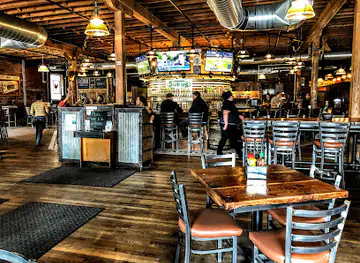
The Iowa Taproom
Discover a vibrant beer hall in Des Moines, offering over 100 local brews, delicious American dishes, and a lively atmosphere for all occasions.

El Bait Shop
Experience the vibrant ambiance and extensive menu at El Bait Shop, a premier grill and cocktail bar in Downtown Des Moines.

Bar Louie - Jordan Creek Town Center
Experience the vibrant atmosphere and diverse menu at Bar Louie, a top American grill and pub in Jordan Creek Town Center, West Des Moines.

Up-Down DSM
Discover Up-Down DSM, where delicious cocktails meet nostalgic arcade gaming in the heart of Des Moines' East Village.

Best nightclubs in Dutch Heritage Area
Top-rated picks
Best Nightclubs

The Garden Nightclub
Discover the vibrant nightlife of Des Moines at The Garden Nightclub, where live music and inclusive vibes create an unforgettable experience.

Miss Kitty’s Country Bar Dance Nightclub and Honky Tonk
Discover the lively atmosphere of Miss Kitty's Country Bar, where country music, dancing, and good times await in Clive, Iowa.

the LiFT
Discover the vibrant nightlife at the LiFT in Downtown Des Moines, where exceptional drinks and electrifying music create unforgettable experiences.

Fore Seasons Sports Bar & Grill
Experience the perfect mix of delicious grill cuisine and thrilling sports action at Fore Seasons Sports Bar & Grill in Newton, Iowa.

Best shops in Dutch Heritage Area
Top-rated picks
Best Shops

Dutchman's Store
Explore Dutchman's Store in Cantril, Iowa, where unique gifts, quality clothing, and local products await your discovery.

Nordstrom Rack
Explore Nordstrom Rack in West Des Moines for unbeatable deals on fashion and beauty essentials for the entire family.

High Amana General Store
Explore the High Amana General Store for unique gifts and local heritage in the heart of Amana, Iowa. Discover handcrafted treasures and delicious local foods.

Rendered Unique
Explore Rendered Unique in Decorah, IA for exceptional handcrafted home goods and gifts that celebrate local artistry and creativity.

Explore Dutch Heritage Area on the Map
A handpicked selection of must-see spots in Dutch Heritage Area, mapped for you.
Dutch Heritage Area Essentials
-
The Dutch Heritage Area in Iowa is most conveniently accessed via Des Moines International Airport (DSM), located about an hour's drive from the heart of the Dutch Heritage Area. From the airport, you can rent a car, or use shuttle services and public transport options to reach your destination. Major highways such as I-80 and I-35 connect Des Moines with Pella and Orange City, the main hubs of Dutch heritage in Iowa.
-
Once in the Dutch Heritage Area, you can get around using a combination of walking, biking, and driving. Pella and Orange City are both walkable towns with well-maintained bike paths. Car rentals are available for those who wish to explore the countryside or visit multiple sites. Taxis and rideshare services like Uber and Lyft are also available but may be limited in smaller towns.
-
The official currency in the United States is the US Dollar (USD). Credit and debit cards are widely accepted throughout the Dutch Heritage Area, including in most hotels, restaurants, and shops. ATMs are readily available for cash withdrawals. It's advisable to carry some cash for use in smaller establishments or for tipping.
-
The Dutch Heritage Area in Iowa is generally a safe destination for tourists. However, it is wise to exercise standard precautions such as avoiding poorly lit areas at night and keeping an eye on your belongings in crowded places. Both Pella and Orange City have low crime rates, but it's always best to stay vigilant. There are no specific high-crime areas targeting tourists.
-
In case of an emergency, dial 911 for immediate assistance. Both Pella and Orange City have local police stations and medical facilities. It is also recommended to have travel insurance that covers medical emergencies. Pharmacies are available in both towns for over-the-counter medications.
-
Fashion: Do dress comfortably but modestly; casual attire is generally acceptable but avoid overly revealing clothing. Religion: Do respect local religious customs, particularly if visiting churches. Public Transport: Do use polite manners and offer seats to elderly passengers; avoid eating and drinking on public transport. Greetings: Do greet people with a friendly 'hello' or handshake. Eating & Drinking: Do try local specialties and accept food offerings graciously; don't refuse hospitality as it may be considered impolite.
-
To experience the Dutch Heritage Area like a local, visit the Pella Historical Village and Orange City's Windmill Park. Participate in local events like the Tulip Time Festival in Pella and the Orange City Tulip Festival, both of which offer a deep dive into Dutch culture. Engage with locals; they are friendly and often willing to share stories and recommendations. Don't miss out on trying Dutch pastries like Dutch letters and poffertjes at local bakeries.
When is the best time to visit Dutch Heritage Area?
Useful Local Phrases for Dutch Heritage Area
You don't need to speak the language perfectly. Even learning a few simple words can make conversations warmer—and locals usually appreciate the effort.
— Eve

Here are the phrases I use most often in Dutch Heritage Area. Try a few—you'll be surprised how far they go! 😊
❤️
-
- HelloHallo
[HAH-loh] - GoodbyeTot ziens
[Tot zeens] - YesJa
[Yah] - NoNee
[Nay] - Please/You're welcomeAlstublieft
[AHL-stu-bleeft] - Thank youDank u
[Dahnk oo] - Excuse me/SorrySorry
[SOR-ee] - How are you?Hoe gaat het?
[Hoo gaat het] - Fine. And you?Goed. En jij?
[Hood. En yay?] - Do you speak English?Spreekt u Engels?
[Spraykt oo ENG-els] - I don't understandIk begrijp het niet
[Ik beh-GRIPE het neet]
- HelloHallo
-
- I'd like to see the menu, pleaseIk zou graag de menukaart zien, alstublieft
[Ik zow grahk de MAY-noo-kart zeen, AHL-stu-bleeft] - I don't eat meatIk eet geen vlees
[Ik ayt khane VLAIS] - Cheers!Proost!
[Prohst] - I would like to pay, pleaseIk zou graag willen betalen, alstublieft
[Ik zow grahk VIL-len beh-TAH-len, AHL-stu-bleeft]
- I'd like to see the menu, pleaseIk zou graag de menukaart zien, alstublieft
-
- Help!Hulp!
[Hulp] - Go away!Ga weg!
[Gah vehg] - Call the Police!Bel de politie!
[Bel de po-LEE-tsie] - Call a doctor!Bel een dokter!
[Bel ayn DOK-ter] - I'm lostIk ben verdwaald
[Ik ben ver-DWAHLD] - I'm illIk ben ziek
[Ik ben ZEEK]
- Help!Hulp!
-
- I'd like to buy...Ik zou graag ... kopen
[Ik zow grahk ... KOH-pen] - I'm just lookingIk kijk alleen maar
[Ik kike ah-LAYN mar] - How much is it?Hoeveel kost het?
[Hoo-vayl kost het] - That's too expensiveDat is te duur
[Dat is te DUR] - Can you lower the price?Kunt u de prijs verlagen?
[Kunt oo de PRY-s ver-LAH-ghen]
- I'd like to buy...Ik zou graag ... kopen
-
- What time is it?Hoe laat is het?
[Hoo laat is het] - It's one o'clockHet is één uur
[Het is ayn OOR] - Half past (10)Half tien
[Half teen] - MorningOchtend
[OCH-tend] - AfternoonMiddag
[MID-dahg] - EveningAvond
[AH-vond] - YesterdayGisteren
[GHIS-ter-en] - TodayVandaag
[Van-DAHGH] - TomorrowMorgen
[MOR-ghen] - 11
[EEN] - 22
[TWEI] - 33
[DRIE] - 44
[VIER] - 55
[VIJF] - 66
[ZES] - 77
[ZEVEN] - 88
[ACHT] - 99
[NEGEN] - 1010
[TIEN]
- What time is it?Hoe laat is het?
-
- Where's a/the...?Waar is een/de...?
[Waar is ayn/de...?] - What's the address?Wat is het adres?
[Wat is het ah-DRES] - Can you show me (on the map)?Kunt u me laten zien (op de kaart)?
[Kunt oo me LAH-ten zeen (op de kart)?] - When's the next (bus)?Wanneer komt de volgende (bus)?
[Van-NAYR komt de VOL-gen-de (bus)?] - A ticket (to ....)Een ticket (naar ....)
[Ayn TIK-ket (naar ....)]
- Where's a/the...?Waar is een/de...?
History of Dutch Heritage Area
-
In the mid-19th century, a wave of Dutch immigrants began to settle in the area now known as the Dutch Heritage Area in Iowa. Seeking religious freedom and economic opportunities, many of these settlers came from the province of Gelderland and established communities that would later become known for their distinctly Dutch cultural traits.
-
In 1847, a group led by Dominie Hendrik Peter Scholte founded the town of Pella. Named after the ancient city of refuge in Jordan, Pella became a haven for Dutch immigrants and quickly grew into a vibrant community. Scholte, a minister and visionary leader, played a pivotal role in shaping the town's development, including the establishment of schools, churches, and businesses.
-
First held in 1935, the Tulip Time Festival in Pella celebrates the town's Dutch heritage with a burst of color and activity every May. The festival features parades, traditional Dutch dances, and displays of tulips that draw thousands of visitors. It is a testament to the enduring cultural pride of the Dutch-American community in Iowa.
-
Dutch architectural styles are prominently featured in the Dutch Heritage Area, with many buildings reflecting traditional Dutch designs. One of the most notable landmarks is the Vermeer Mill in Pella, a fully functional windmill built in the Dutch style. The mill is a symbol of the area's heritage and serves as a museum and educational center.
-
The Dutch Heritage Area is rich with traditions that have been preserved through generations. Visitors can experience authentic Dutch cuisine, including delicacies like Dutch letters (a pastry filled with almond paste), poffertjes (miniature pancakes), and stroopwafels (syrup waffles). Cultural practices such as wooden shoe carving and Dutch folk dances are also celebrated and demonstrated in the community.
-
Religion has played a significant role in the development of the Dutch Heritage Area. Many of the early settlers were members of the Reformed Church, and their faith influenced the community's values and institutions. Historic churches, such as the First Reformed Church in Pella, stand as monuments to the spiritual heritage of the area's inhabitants.
-
Dutch immigrants not only brought their culture but also their industrious spirit, which contributed to the economic growth of the region. Agriculture, particularly the cultivation of tulips and other flowers, became a cornerstone of the local economy. Additionally, Dutch-owned businesses, such as the Vermeer Corporation, have had a lasting impact on the industrial landscape of Iowa.
Neighbouring Regions of Dutch Heritage Area
The closest regions to Dutch Heritage Area, if you have time for more than one.



Your all‑in‑one travel companion app
Explore expert travel guides, compare and book tours, experiences, hotels, and more—all from the palm of your hand. Download now for seamless trip planning wherever your wanderlust takes you.


Explore More of Iowa

Looking beyond Dutch Heritage Area? Discover Iowa for broader travel guides, local hot-spots, and regional highlights.
Explore IowaDutch Heritage Area in Photos
Browse through our photo collection highlighting the charm and character of the destination.


Discover the Dutch Heritage Area in Iowa
Nestled in the heartland of America, the Dutch Heritage Area in Iowa offers a unique glimpse into Dutch culture and traditions. This charming destination is a blend of rich history, vibrant festivals, and picturesque landscapes, making it a must-visit for tourists. The area, particularly known for the towns of Pella and Orange City, is a testament to the enduring legacy of Dutch immigrants who settled here in the 19th century. Visitors can explore beautifully preserved windmills, traditional Dutch architecture, and delightful tulip gardens. The annual Tulip Time Festival in Pella is a major highlight, attracting thousands of visitors who come to witness the stunning floral displays, traditional Dutch dances, and parades. In Orange City, the Dutch Heritage Museum offers a deep dive into the local history and heritage, showcasing artifacts and stories from the past. Beyond the festivals, tourists can enjoy a leisurely stroll through quaint streets lined with boutique shops, bakeries, and restaurants serving authentic Dutch treats like stroopwafels and poffertjes. The friendly local community, dressed in traditional Dutch attire during festival times, adds to the immersive experience. Whether you are a history buff, a culture enthusiast, or simply looking for a scenic getaway, the Dutch Heritage Area in Iowa promises a memorable and enriching visit.