

Free Central Iowa Travel Guide & Mobile App
Explore Central Iowa with free travel guides. Discover regional history, expert tips, proposed trips, and audio guides on web or mobile app.


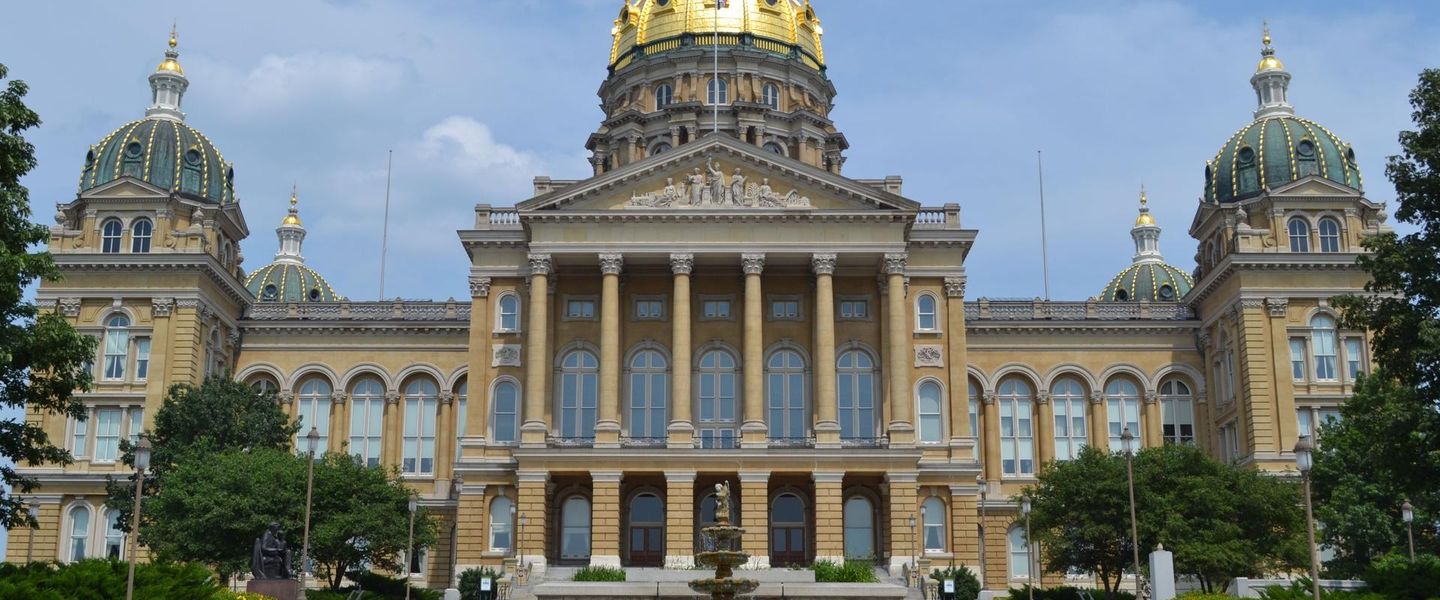


Central Iowa combines Des Moines culture, prairie landscapes, university life, historic towns, river trails and accessible outdoor adventures across the state’s interior.
Read more about Central Iowa
When is the best time to visit Central Iowa?
Best: May–June, September · 23–28°C| Month | High (°C) | Rainfall (mm) |
|---|---|---|
| January | 0 | 28 |
| February | 2 | 25 |
| March | 10 | 38 |
| April | 17 | 56 |
| May (best) | 23 | 77 |
| June (best) | 28 | 95 |
| July | 30 | 94 |
| August | 29 | 89 |
| September (best) | 25 | 68 |
| October | 17 | 50 |
| November | 10 | 38 |
| December | 3 | 30 |
Getting to and around Central Iowa
How to get there
Transportation
Top city travel guides in Central Iowa
The cities of Central Iowa, and the easiest places to base yourself.
-

-

-

-

-

-


Swipe for more cities
Destinations in Central Iowa
Resorts, valleys and scenic spots worth a trip of their own.
-

-

-

-

-

-


Swipe for more destinations
Best attractions in Central Iowa
Central Iowa's attractions range from capital-city institutions to outdoor sites shaped by rivers and former railway lines. In Des Moines, the Iowa State Capitol, State Historical Building, Des Moines Art Center, Pappajohn Sculpture Park and Principal Riverwalk provide a concentrated programme of architecture, history, art and public space. Living History Farms in Urbandale interprets several periods of Iowa agriculture through historic buildings, landscapes and demonstrations. Blank Park Zoo offers a family-oriented attraction on the city's south side. Beyond the capital, Ledges State Park near Boone combines sandstone formations, wooded ravines and trails above the Des Moines River, while the High Trestle Trail offers a long-distance cycling and walking route through several communities. Ames brings Reiman Gardens, university collections and cultural programming, and the Brenton Arboretum near Dallas Center provides cultivated landscapes and quiet woodland paths. Wildlife watching, fishing, paddling, golf and seasonal festivals add variety, but rural attractions are dispersed and are best planned geographically rather than visited as a single compact circuit.
-
Tourist attraction
Breakout Games - Des Moines
Experience thrill and teamwork at Breakout Games - Des Moines, where escape room adventures await for families, friends, and corporate groups.
-
Tourist attraction
Blank Park Zoo
Explore Blank Park Zoo in Des Moines, Iowa - a family-friendly destination with diverse wildlife, interactive exhibits, and beautiful gardens.
-
 Sculpture museum
Pappajohn Sculpture Park
Explore Pappajohn Sculpture Park, a stunning outdoor gallery in Downtown Des Moines showcasing contemporary art amidst beautiful landscapes.
-
Tourist attraction
Greater Des Moines Botanical Garden
Discover the Greater Des Moines Botanical Garden, a lush haven of diverse flora, serene landscapes, and delightful dining in Iowa's capital.


Best landmarks in Central Iowa
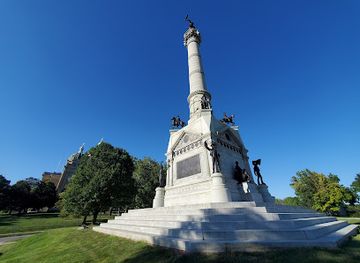
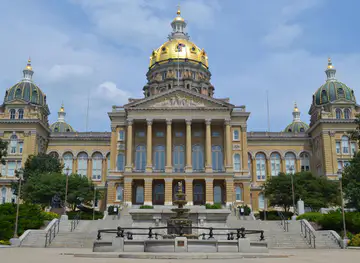
The Iowa State Capitol is central Iowa's defining architectural landmark, rising above Des Moines with a gilded central dome, rich interior decoration and views across the city. The historic East Village retains commercial buildings that reflect the capital's nineteenth- and early twentieth-century growth, while the Robert D. Ray Asian Gardens and bridges along the Des Moines River add more recent civic markers. The former Fort Des Moines site south of the city is significant for its association with African American military training during the Second World War. Outside Des Moines, the High Trestle Trail bridge has become a recognisable contemporary structure in the central Iowa landscape, crossing the Des Moines River valley with illuminated steel arches after dark. Ledges State Park provides a natural landmark rather than an architectural one: its sandstone ledges, narrow ravines and elevated river views reveal the geological character of a region more varied than its agricultural plain might suggest. Ames's Iowa State University campus and Reiman Gardens also provide important local reference points, combining education, landscape design and public life.
-
State park
Maquoketa Caves State Park
Discover the captivating beauty of Maquoketa Caves State Park, where adventure awaits in Iowa's stunning limestone landscapes and scenic hiking trails.
-
Visitor center
Amana Colonies
Discover the rich history and vibrant culture of Amana Colonies in Iowa, a charming destination filled with artisanal shops and scenic beauty.
-
State park
Backbone State Park
Explore Backbone State Park, Iowa's first state park, featuring stunning landscapes, diverse wildlife, and endless outdoor activities for every adventurer.
-
Historical landmark
Iowa State Capitol
Explore the Iowa State Capitol, a stunning historical landmark in Des Moines showcasing the state's rich heritage and architectural beauty.


Explore Central Iowa on the map
Plan your trip on one map. See where the top cities, national parks and sights are, and book hotels and experiences in a few clicks.
Best hotels in Central Iowa
Best restaurants in Central Iowa
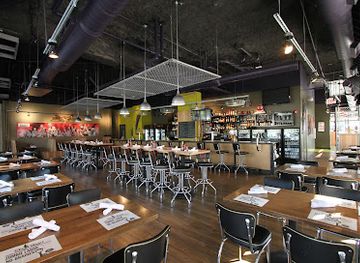
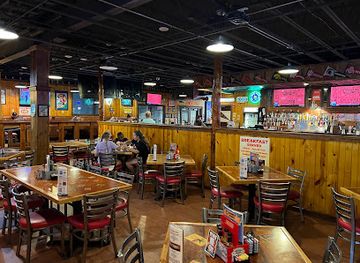
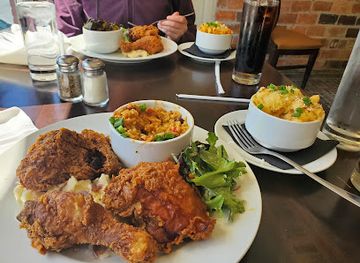
Des Moines has the region's broadest dining scene, with restaurants ranging from modern American cooking and internationally influenced food to long-established diners, cafés and neighbourhood pubs. The East Village, Court Avenue and surrounding districts provide the greatest concentration of evening dining, while West Des Moines and other suburbs offer further choices. Central Iowa's food identity is closely tied to its agricultural setting: sweet corn, pork, beef, seasonal vegetables, apples, berries and locally produced baked goods appear in farmers' markets, farm stands and restaurant menus. Small-town cafés and supper clubs remain useful stops outside the capital, and Ames adds a diverse student and university audience to the regional scene. Iowa's breaded pork tenderloin is associated with the wider state rather than exclusively with central Iowa, but it is a familiar menu item. Craft beer, cider and locally sourced ingredients are increasingly visible, although availability differs by town and season.
-
Hamburger
Zombie Burger + Drink Lab
Discover the fun and flavor at Zombie Burger + Drink Lab in Des Moines—where gourmet burgers meet an exciting zombie theme!
-
Restaurant
Buzzard Billy’s
Discover the flavors of America at Buzzard Billy's in Downtown Des Moines – where great food meets lively entertainment.
-
Breakfast
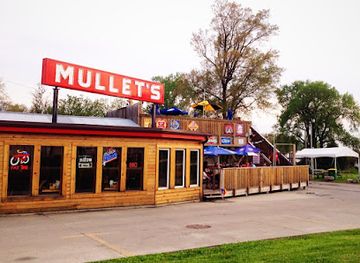
Mullets Restaurant
Experience delightful breakfasts at Mullets Restaurant in Des Moines - where local charm meets flavorful cuisine!
-
Southern
Bubba
Discover Bubba in Downtown Des Moines: Your go-to spot for authentic Southern cuisine with a local twist.
Best bars in Central Iowa
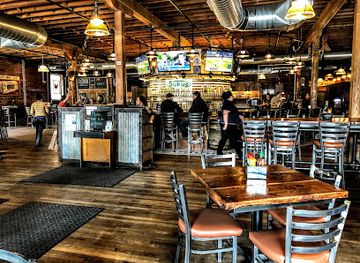
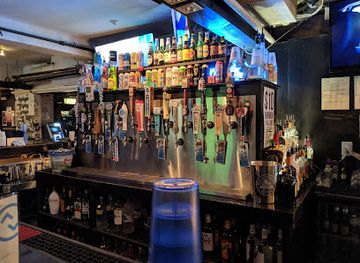
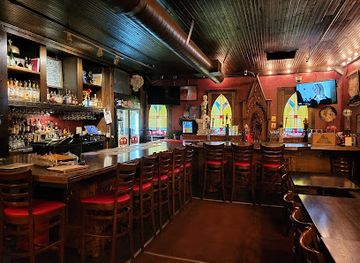
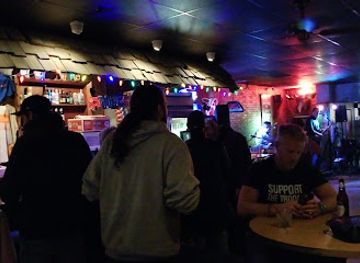
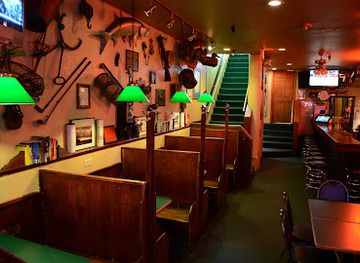
Central Iowa's evening life is concentrated in Des Moines, particularly around the East Village, Court Avenue and adjoining downtown streets, where visitors find pubs, cocktail bars, breweries, restaurants with late service and venues for live music. The city also has theatres and performance spaces that broaden nightlife beyond drinking. Ames has a youthful, university-influenced scene with bars, casual restaurants and live entertainment, while West Des Moines and other suburbs tend towards restaurants, breweries and neighbourhood venues. Outside these centres, evenings are generally quieter and often revolve around traditional pubs, community events, supper clubs or seasonal performances rather than nightclubs. Opening arrangements and individual venues change, so checking current listings is sensible. Rural breweries, wineries and cider producers can be destinations in their own right, but they are usually easier to reach by car and should be approached with a responsible transport plan.
-
Bar
The Iowa Taproom
Experience the best of Iowa's craft beer at The Iowa Taproom, a vibrant bar that combines local brews with delicious American cuisine.
-
Grill
Bar Louie - Jordan Creek Town Center
Experience the vibrant atmosphere and diverse menu at Bar Louie, the ultimate American grill and cocktail bar in Jordan Creek Town Center.
-
Bar
Up-Down DSM
Explore Up-Down DSM, where classic arcade games meet innovative cocktails in the heart of Des Moines for a nostalgic night out.
-
Bar
The Royal Mile
Experience the best of British cuisine and vibrant nightlife at The Royal Mile in Downtown Des Moines, a must-visit bar and restaurant.

Best nightclubs in Central Iowa
Central Iowa's evening life is concentrated in Des Moines, particularly around the East Village, Court Avenue and adjoining downtown streets, where visitors find pubs, cocktail bars, breweries, restaurants with late service and venues for live music. The city also has theatres and performance spaces that broaden nightlife beyond drinking. Ames has a youthful, university-influenced scene with bars, casual restaurants and live entertainment, while West Des Moines and other suburbs tend towards restaurants, breweries and neighbourhood venues. Outside these centres, evenings are generally quieter and often revolve around traditional pubs, community events, supper clubs or seasonal performances rather than nightclubs. Opening arrangements and individual venues change, so checking current listings is sensible. Rural breweries, wineries and cider producers can be destinations in their own right, but they are usually easier to reach by car and should be approached with a responsible transport plan.
-
Bar
Miss Kitty’s Country Bar Dance Nightclub and Honky Tonk
Discover the vibrant nightlife at Miss Kitty's Country Bar, where live music, dancing, and great drinks create unforgettable moments in Clive, IA.
-
Lounge
Blue Room
Discover the vibrant ambiance of The Blue Room, Cedar Falls’ favorite lounge for craft cocktails and good company.
-
Bar
Dublin Underground
Discover the lively charm of Dublin Underground, a top bar in Iowa City featuring darts, pool, and an inviting atmosphere for all.
-
Night club
La Rumba Night Club
La Rumba Night Club in Iowa City: A vibrant nightlife destination for dancing, music, and unforgettable memories.


Best shops in Central Iowa
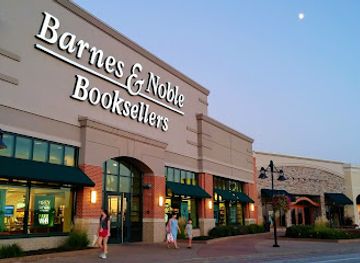
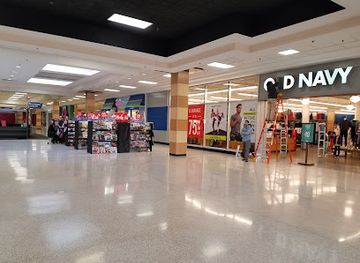
Des Moines offers central Iowa's widest retail choice, from independent shops and galleries in the East Village to larger suburban shopping areas in West Des Moines and Clive. Downtown and neighbourhood districts are useful for locally made gifts, books, homewares, clothing and art, while the Des Moines Farmers' Market is a major seasonal meeting point for produce, baked goods, flowers and prepared food. Around the wider region, farmers' markets, roadside stands and small-town main streets provide a more agricultural shopping experience, particularly during the growing season. Visitors may find Iowa-made preserves, honey, cider, beer, coffee, textiles, ceramics and artwork, although availability varies between communities. Ames combines campus-oriented shops with independent businesses and practical retail, while historic towns such as Boone and Indianola have modest main-street selections rather than large shopping districts. Check market calendars and seasonal opening arrangements before making a special journey.
-
Shopping mall
Coral Ridge Mall
Discover Coral Ridge Mall: Iowa's premier shopping destination with diverse stores, dining, and entertainment options for an unforgettable experience.
-
Shopping mall
Merle Hay Mall
Explore Merle Hay Mall in Des Moines, Iowa – your ultimate shopping destination with diverse stores and delicious dining options.
-
Outlet mall
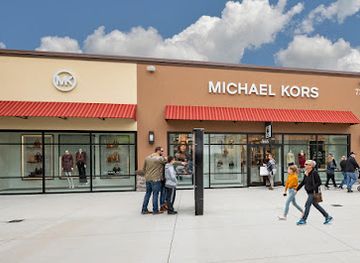
Outlets of Des Moines
Discover unbeatable deals on fashion and accessories at the Outlets of Des Moines, Iowa's leading shopping destination.
-
Gift shop
Brass Armadillo Antique Mall - Des Moines
Explore Brass Armadillo Antique Mall in Des Moines for a unique shopping experience filled with vintage treasures, collectibles, and memorable finds.

Get your free copy of our complete guide to Central Iowa, delivered straight to you.
Everything on this page, from attractions and restaurants to essentials and local phrases, in one PDF you can read offline, print or share.
Already have an account? Sign in
Your Central Iowa guide is ready.
We'll send it to · Not you? Sign out

Getting your guide ready…
We are putting together a fresh copy of the Central Iowa guide. This can take up to a minute.
This can take a few moments. If your browser asks, choose Allow so the download can start. You'll find the guide in your Downloads folder.
Nothing happened? Download it again
Sorry, the guide is taking longer than usual. Please try again in a minute, or get it by email instead.
Central Iowa essentials
Currency and Payment
Safety
Emergency Situations
Do's and Don'ts
Local Tips
From Eve
Local phrases worth knowing
You don't need to get them perfect. A few words go a long way, and locals appreciate the effort.
Basics
| English | Local | Say it |
|---|---|---|
| Hello | Howdy | [haʊdi] |
| Goodbye | See ya | [si jə] |
| Yes | Yep | [jɛp] |
| No | Nope | [noʊp] |
| Please/You’re welcome | Sure thing | [ʃʊr θɪŋ] |
| Thank you | Thanks | [θæŋks] |
| Excuse me/Sorry | Pardon me | [ˈpɑrdən mi] |
| How are you? | How's it going? | [haʊz ɪt ˈɡoʊɪŋ] |
| Fine. And you? | Good. And you? | [ɡʊd. ənd ju] |
| Do you speak English? | Do ya speak English? | [du jə spiːk ˈɪŋɡlɪʃ] |
| I don’t understand | I ain't got it | [aɪ eɪnt ɡɑt ɪt] |
Eating & Drinking
| English | Local | Say it |
|---|---|---|
| I’d like to see the menu, please | Can I see the menu, please? | [kæn aɪ si ðə ˈmɛnjuː pliːz] |
| I don’t eat meat | I'm not a meat eater | [aɪm nɑt ə miːt ˈiːtər] |
| Cheers! | Cheers! | [ʧɪrz] |
| I would like to pay, please | Can I get the check, please? | [kæn aɪ ɡɛt ðə ʧɛk pliːz] |
Emergencies
| English | Local | Say it |
|---|---|---|
| Help! | Help! | [hɛlp] |
| Go away! | Leave me alone! | [liv mi əˈloʊn] |
| Call the Police! | Call the cops! | [kɔl ðə kɑps] |
| Call a doctor! | Get a doctor! | [ɡɛt ə ˈdɑktər] |
| I’m lost | I'm turned around | [aɪm tɜrnd əˈraʊnd] |
| I’m ill | I'm not feeling well | [aɪm nɑt ˈfiːlɪŋ wɛl] |
Shopping
| English | Local | Say it |
|---|---|---|
| I’d like to buy... | I want to buy... | [aɪ wɑnt tə baɪ] |
| I’m just looking | Just browsing | [dʒʌst ˈbraʊzɪŋ] |
| How much is it? | What’s the price? | [wʌts ðə praɪs] |
| That’s too expensive | That costs too much | [ðæt kɔsts tu mʌʧ] |
| Can you lower the price? | Can you make it cheaper? | [kæn jə meɪk ɪt ˈʧipər] |
Time & Numbers
| English | Local | Say it |
|---|---|---|
| What time is it? | What time is it? | [wʌt taɪm ɪz ɪt] |
| It’s one o’clock | It's one o'clock | [ɪts wʌn əˈklɑk] |
| Half past (10) | Half past ten | [hæf pæst tɛn] |
| Morning | Morning | [ˈmɔrnɪŋ] |
| Afternoon | Afternoon | [ˌæftərˈnun] |
| Evening | Evening | [ˈivnɪŋ] |
| Yesterday | Yesterday | [ˈjɛstərdeɪ] |
| Today | Today | [təˈdeɪ] |
| Tomorrow | Tomorrow | [təˈmɔroʊ] |
| 1 | One | [wʌn] |
| 2 | Two | [tu] |
| 3 | Three | [θri] |
| 4 | Four | [fɔr] |
| 5 | Five | [faɪv] |
| 6 | Six | [sɪks] |
| 7 | Seven | [ˈsɛvən] |
| 8 | Eight | [eɪt] |
| 9 | Nine | [naɪn] |
| 10 | Ten | [tɛn] |
Transport & Directions
| English | Local | Say it |
|---|---|---|
| Where's a/the...? | Where's the...? | [wɛrz ðə] |
| What's the address? | What's the address? | [wʌts ði ˈædrɛs] |
| Can you show me (on the map)? | Can you point it out? | [kæn jə pɔɪnt ɪt aʊt] |
| When's the next (bus)? | When's the next bus? | [wɛn z ðə nɛkst bʌs] |
| A ticket (to ....) | A ticket to... | [ə ˈtɪkɪt tə] |
History of Central Iowa
Indigenous Homelands and River Landscapes
Central Iowa has long been shaped by the Des Moines and Raccoon river systems, which supported Indigenous travel, hunting, trade and settlement. Peoples including the Ioway, Meskwaki and Sauk were among those connected with the wider region before and during the period of United States expansion. The Meskwaki Settlement, in Tama County east of the central region, remains an important living community, though it is distinct from the region's principal urban centres. Indigenous history is also part of the wider story of land cessions, treaty-making and the displacement that accompanied nineteenth-century settlement.
Frontier Settlement and the Founding of Des Moines
The United States established Fort Des Moines in 1843 near the junction of the Des Moines and Raccoon rivers, helping to consolidate American control during a period of rapid territorial expansion. The fort was later abandoned, but the settlement that developed around it became the city of Des Moines. Iowa entered the Union in 1846, and the capital was moved to Des Moines in the mid-nineteenth century. Government, river commerce and land speculation then encouraged the city's growth as central Iowa's principal administrative and commercial centre.
Railways, Coal and Agricultural Growth
During the nineteenth and early twentieth centuries, railways connected central Iowa's farm towns with regional markets and enabled large-scale movement of grain, livestock and manufactured goods. Coal mining also became important in parts of the Des Moines River valley and in communities south and east of the capital, although many mines later closed as energy use and transport changed. The resulting network of depots, main streets, grain facilities and farmsteads still helps explain the pattern of central Iowa's towns. Agriculture remained the region's dominant land use even as Des Moines diversified into government, insurance, commerce and services.
The Iowa State Capitol and Civic Ambition
Des Moines's present Iowa State Capitol was built in the late nineteenth century after the capital had outgrown earlier premises. Completed in the 1880s, its central dome and four smaller corner domes reflect the civic confidence of a growing state. The building and surrounding grounds became a physical expression of Iowa's political identity, while nearby institutions developed around state government, law and public administration. The Capitol remains both a working seat of government and a major architectural landmark, linking central Iowa's present-day public life with its nineteenth-century development.
Fort Des Moines and African American Military History
The later Fort Des Moines, established during the First World War era south of the city, became especially significant during the Second World War. It hosted the United States Army's first officer candidate school for African American men and later trained African American women for military service, including members of the Women's Army Auxiliary Corps. The site therefore forms an important part of the history of African American military participation and the gradual challenge to segregation in the United States armed forces. Memorials and interpretation in the Des Moines area preserve this national story within a local setting.
Post-war Urban Change and Regional Modernisation
After the Second World War, central Iowa experienced suburban expansion, highway construction and the continued transformation of agriculture. Des Moines grew beyond its historic core into a metropolitan area encompassing communities such as West Des Moines, Ankeny and Urbandale. Insurance, finance, education, healthcare and state government became increasingly important alongside farming and manufacturing. Downtown renewal, riverfront development and public investment in trails and cultural institutions have reshaped the capital since the late twentieth century, while Ames has expanded around Iowa State University and central Iowa's research and agricultural economy.
Central Iowa in Photos
Browse through our photo collection highlighting the charm and character of the destination.
Neighbouring regions of Central Iowa
The closest regions to Central Iowa, if you have time for more than one.
-
-

-

-
-


Swipe for more regions
Explore more

Explore more of Iowa
Explore Iowa: The American Heartland with its blend of rural charm, vibrant cities, rich cultural experiences, and natural beauty, perfect for nature lovers and cultural enthusiasts.
Explore Iowa