

Free Historic Hills Scenic Byway Travel Guide & Mobile App
Explore Historic Hills Scenic Byway with free travel guides. Discover regional history, expert tips, proposed trips, and audio guides on web or mobile app.


Historic Hills Scenic Byway crosses southeast Iowa through river towns, wooded hills, historic villages, farmland and distinctive cultural landscapes.
Read more about Historic Hills Scenic Byway
Getting to and around Historic Hills Scenic Byway
How to get there
Transportation
Top city travel guides in Historic Hills Scenic Byway
The cities of Historic Hills Scenic Byway, and the easiest places to base yourself.

Swipe for more cities
Best attractions in Historic Hills Scenic Byway
Historic Hills Scenic Byway offers a varied collection of small-scale attractions rather than one dominant visitor complex. Its strongest experiences are historic river settlements, compact main streets, local museums, heritage collections and the agricultural landscapes between them. Bentonsport and Bonaparte are especially important for understanding the Des Moines River’s nineteenth-century commercial and industrial role, while Keosauqua provides a larger civic centre with historic architecture and access to the river corridor. Eldon attracts visitors to the American Gothic House, linking a specific rural building with one of the most familiar images in American art. Mount Pleasant’s Midwest Old Threshers heritage provides a substantial lens on farm machinery, rural technology and agricultural memory. Fairfield adds cultural and educational interest through Maharishi International University and its associated community. Outdoor opportunities include canoeing, fishing, walking, cycling and wildlife observation along rivers, wooded valleys and public recreation areas. The route is best enjoyed through a mixture of planned heritage stops and unhurried scenic driving, with the surrounding farmland and changing topography treated as attractions in their own right.
-
Sculpture museum
Pappajohn Sculpture Park
Explore Pappajohn Sculpture Park, an outdoor museum in Downtown Des Moines that features stunning sculptures, vibrant greenery, and cultural events.
-
Tourist attraction
Shrine of the Grotto of the Redemption
Explore the Shrine of the Grotto of the Redemption, a serene blend of faith and artistry in West Bend, Iowa, renowned for its stunning stonework and spiritual ambiance.
-
State park
Ledges State Park
Explore the breathtaking beauty of Ledges State Park in Iowa, featuring stunning landscapes, diverse wildlife, and exciting outdoor adventures.
-
State park
Pikes Peak State Park
Discover breathtaking views and abundant wildlife at Pikes Peak State Park in McGregor, Iowa – a perfect outdoor escape for nature lovers.


Best landmarks in Historic Hills Scenic Byway
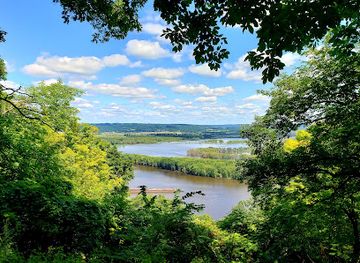
The American Gothic House in Eldon is the byway’s most internationally recognisable landmark: the modest farmhouse supplied the architectural backdrop for Grant Wood’s 1930 painting, although the celebrated image is an interpretation rather than a complete portrait of rural Iowa. Along the Des Moines River, Bentonsport’s surviving nineteenth-century buildings and river-related works mark the ambitions of the early navigation and commercial era. Bonaparte’s historic village fabric, including substantial brick commercial architecture, similarly records the period when milling, trade and river transport shaped local prosperity. Keosauqua’s courthouse-town character and historic buildings reflect its continuing civic importance within Van Buren County. Mount Pleasant’s heritage of agricultural machinery is expressed through the Midwest Old Threshers grounds and collections, while Fairfield’s civic and educational architecture reflects a more contemporary cultural identity. Beyond built landmarks, the Des Moines River, wooded ravines and open uplands are essential geographical markers of the route. Their changing relationship with roads, farms and settlements explains why the byway feels like a connected historical landscape rather than a string of isolated monuments.
-
Lake
Rathbun Lake
Discover the serene beauty of Rathbun Lake, Iowa's largest lake, offering fishing, boating, hiking, and stunning natural scenery for a perfect getaway.
-
Lake
Lake Belva Deer
Experience the natural beauty and recreational opportunities at Lake Belva Deer, a serene destination in Iowa for fishing, boating, and relaxation.
-
Lake
Lake Wapello
Discover the beauty of Lake Wapello in Iowa, where nature meets adventure and serenity awaits every visitor.


Explore Historic Hills Scenic Byway on the map
Plan your trip on one map. See where the top cities, national parks and sights are, and book hotels and experiences in a few clicks.
Best hotels in Historic Hills Scenic Byway
Best restaurants in Historic Hills Scenic Byway
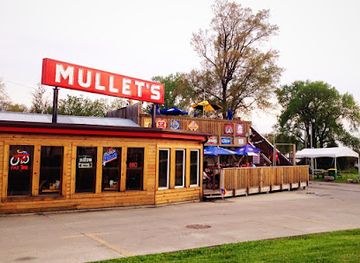
Dining along Historic Hills Scenic Byway reflects southeast Iowa’s dispersed small-town pattern. Traditional diners, cafés, bakeries, family restaurants and pubs provide practical meals in the principal communities, while locally operated restaurants in Fairfield and other larger towns offer a broader range of contemporary cooking. Menus commonly draw on Midwestern staples, including beef, pork, chicken, seasonal vegetables, sandwiches, soups, pies and other baked goods, alongside familiar American breakfast and café dishes. Farmers’ markets and farm stands are useful places to look for local produce, preserves and baked items when operating seasonally. River towns may offer a relaxed setting for lunch or an early evening meal, but dining choices can become limited between settlements, so planning matters on a full-day drive. Iowa-produced beer, cider and wine may appear on regional menus, although the byway is not defined by a single beverage tradition. Visitors should distinguish between locally sourced food and dishes that are simply part of wider American restaurant culture; the region’s culinary identity is grounded more in agricultural supply, hospitality and community eating places than in a narrowly defined regional cuisine.
-
Breakfast
Mullets Restaurant
Discover the vibrant flavors of breakfast at Mullets Restaurant in Des Moines' Little Italy - where delicious food meets a welcoming atmosphere.
-
Family-friendly
Ox Yoke Inn
Discover the flavors of America and Germany at Ox Yoke Inn in Amana – where family-friendly dining meets historic charm.
-
Cafe
Waveland Cafe
Experience the charm of Waveland Cafe in Des Moines – where nostalgia meets delicious American breakfast classics in a warm atmosphere.
-
American
Burger Shed Restaurant Altoona
Experience mouth-watering American burgers at Burger Shed Restaurant in Altoona - where flavor meets fun!


Best bars in Historic Hills Scenic Byway
-
Barbecue
Bubba-Q's
Experience the mouthwatering flavors of authentic barbecue at Bubba-Q's in Ottumwa, Iowa, where every bite tells a delicious story.
-
Restaurant
Applebee's Grill + Bar
Experience the heart of American cuisine at Applebee's Grill + Bar in Ottumwa, where delicious dishes and a warm atmosphere await.
-
Mexican
Tequila Grill Ottumwa
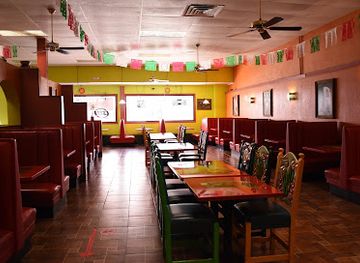
Discover the essence of Mexican dining at Tequila Grill Ottumwa with authentic flavors and a vibrant atmosphere perfect for all occasions.
-
Restaurant
Rancho Grande
Experience authentic Mexican cuisine at Rancho Grande in Ottumwa, where vibrant flavors and a welcoming atmosphere await every visitor.

Best nightclubs in Historic Hills Scenic Byway
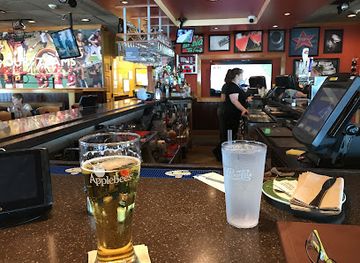
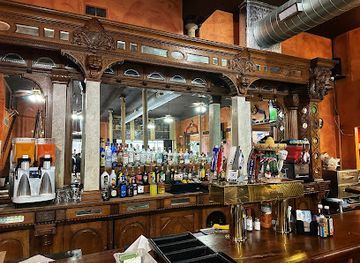
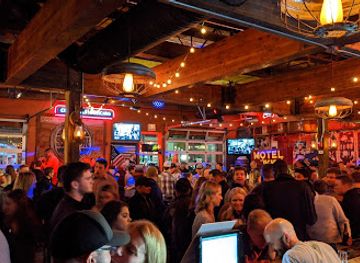
Evening life on Historic Hills Scenic Byway is centred on traditional pubs, taverns, restaurants, cafés and community venues rather than a concentrated nightclub circuit. Fairfield has the broadest late-evening choice because of its larger population, educational community and cultural activity, while Mount Pleasant and the county-seat towns provide local bars, live entertainment and social venues. In smaller river communities, evenings are generally quieter and may revolve around a pub, restaurant, seasonal event or performance rather than late-night dancing. Breweries and other craft-drink venues may feature in the wider southeast Iowa scene, but opening arrangements and programming vary. Visitors should not expect a continuous nightlife district between towns, and should plan transport carefully if drinking. Local music, theatre, heritage events and community gatherings can provide a more representative evening experience than seeking a large club scene. Check current arrangements locally, particularly outside the main towns and during winter or midweek periods.
-
Gay bar
The Garden Nightclub
Discover the lively atmosphere, live music, and inclusive community at The Garden Nightclub in Des Moines, a premier gay bar and nightlife destination.
-
Lounge
Doc's Lounge
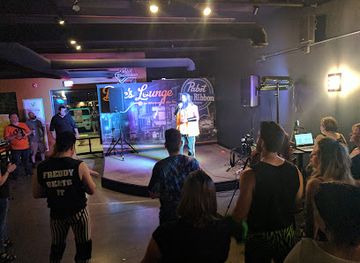
Experience the charm of Doc's Lounge in Johnston, Iowa – your cozy escape for drinks and bites in a vibrant local setting.
-
Bar
Miss Kitty’s Country Bar Dance Nightclub and Honky Tonk
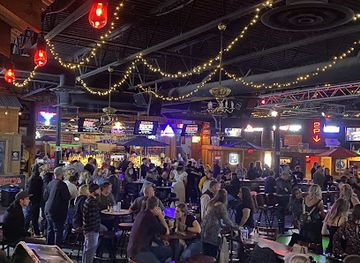
Discover the heart of Clive's nightlife at Miss Kitty’s Country Bar, a lively dance nightclub featuring live music, cocktails, and a welcoming atmosphere.
-
Bar
Shotgun Betty's
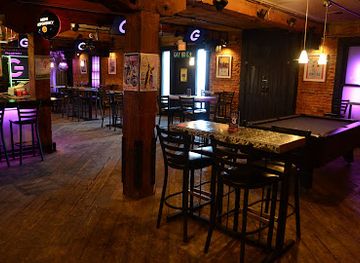
Discover the vibrant nightlife of Shotgun Betty's, a lively bar in West Des Moines offering diverse drinks and exciting entertainment.
Best shops in Historic Hills Scenic Byway
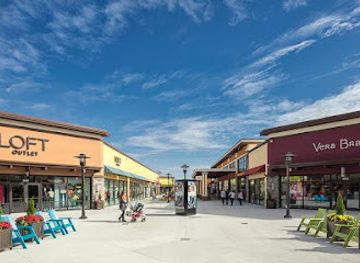
Shopping on Historic Hills Scenic Byway is concentrated in independent main-street businesses, practical local services, antiques shops, galleries, craft outlets, bookshops and seasonal markets rather than large retail complexes. Fairfield has the broadest selection of independent and specialist shopping, with a cultural dimension influenced by its educational community, while Mount Pleasant combines everyday retail with heritage-related visiting. Keosauqua, Bentonsport, Bonaparte and Eldon are suited to browsing smaller shops, historic buildings and locally made goods when businesses are open. Farmers’ markets and roadside stands can provide seasonal fruit and vegetables, baked products, preserves and other Iowa-produced food, but schedules vary by community and time of year. Useful souvenirs include regional food products, books on Grant Wood or Iowa history, locally produced art, handmade crafts and items connected with agricultural heritage. Visitors should not expect extensive luxury shopping or a single regional marketplace; the pleasure lies in moving between small commercial centres and finding the contrast between restored historic premises, working high streets and rural producers.
-
Outlet mall
Outlets of Des Moines
Discover unbeatable deals at the Outlets of Des Moines, Iowa's premier shopping destination for all your fashion needs.
-
Gift shop
Dutchman's Store
Explore Dutchman's Store in Cantril, Iowa, for unique gifts, clothing, and local flavors in a charming shopping atmosphere.
-
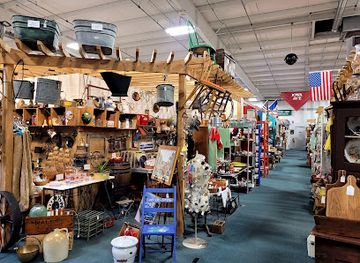
Antique store
Brass Armadillo Antique Mall - Des Moines
Explore the enchanting Brass Armadillo Antique Mall in Des Moines, where history, collectibles, and unique finds await every visitor.
-
Clothing store
Nordstrom Rack
Explore Nordstrom Rack in West Des Moines for incredible deals on designer clothing, shoes, and cosmetics for the whole family.


Get your free copy of our complete guide to Historic Hills Scenic Byway, delivered straight to you.
Everything on this page, from attractions and restaurants to essentials and local phrases, in one PDF you can read offline, print or share.
Already have an account? Sign in
Your Historic Hills Scenic Byway guide is ready.
We'll send it to · Not you? Sign out

Getting your guide ready…
We are putting together a fresh copy of the Historic Hills Scenic Byway guide. This can take up to a minute.
This can take a few moments. If your browser asks, choose Allow so the download can start. You'll find the guide in your Downloads folder.
Nothing happened? Download it again
Sorry, the guide is taking longer than usual. Please try again in a minute, or get it by email instead.
Historic Hills Scenic Byway essentials
Currency and Payment
Safety
Emergency Situations
Do's and Don'ts
Local Tips
From Eve
Local phrases worth knowing
You don't need to get them perfect. A few words go a long way, and locals appreciate the effort.
Basics
| English | Local | Say it |
|---|---|---|
| Hello | Howdy | [Ha-dee] |
| Goodbye | See ya later | [See ya lay-ter] |
| Yes | Yep | [Yep] |
| No | Nope | [Nope] |
| Please/You're welcome | Please/You bet | [Please/You bet] |
| Thank you | Thanks a bunch | [Thanks a bunch] |
| Excuse me/Sorry | Pardon me/Sorry | [Pardon me/Sorry] |
| How are you? | How ya doin'? | [How ya doin'?] |
| Fine. And you? | Good. And you? | [Good. And you?] |
| Do you speak English? | Do ya speak English? | [Do ya speak English?] |
| I don't understand | I don't get it | [I don't get it] |
Eating & Drinking
| English | Local | Say it |
|---|---|---|
| I'd like to see the menu, please | Can I see the menu, please? | [Can I see the menu, please?] |
| I don't eat meat | I ain't eatin' meat | [I ain't eatin' meat] |
| Cheers! | Cheers! | [Cheers!] |
| I would like to pay, please | Can I get the check, please? | [Can I get the check, please?] |
Emergencies
| English | Local | Say it |
|---|---|---|
| Help! | Help! | [Help!] |
| Go away! | Leave me be! | [Leave me be!] |
| Call the Police! | Call the cops! | [Call the cops!] |
| Call a doctor! | Get a doctor! | [Get a doctor!] |
| I'm lost | I’m turned around | [I’m turned around] |
| I'm ill | I ain't feelin' good | [I ain't feelin' good] |
Shopping
| English | Local | Say it |
|---|---|---|
| I'd like to buy... | I wanna buy... | [I wanna buy...] |
| I'm just looking | Just browsing | [Just browsing] |
| How much is it? | What’s the price? | [What’s the price?] |
| That's too expensive | That costs too much | [That costs too much] |
| Can you lower the price? | Can ya give me a better deal? | [Can ya give me a better deal?] |
Time & Numbers
| English | Local | Say it |
|---|---|---|
| What time is it? | What time ya got? | [What time ya got?] |
| It's one o'clock | It's one o'clock | [It's one o'clock] |
| Half past (10) | Half past ten | [Half past ten] |
| Morning | Mornin' | [Mornin'] |
| Afternoon | Afternoon | [Afternoon] |
| Evening | Evenin' | [Evenin'] |
| Yesterday | Yesterday | [Yesterday] |
| Today | Today | [Today] |
| Tomorrow | Tomorrow | [Tomorrow] |
| 1 | One | [One] |
| 2 | Two | [Two] |
| 3 | Three | [Three] |
| 4 | Four | [Four] |
| 5 | Five | [Five] |
| 6 | Six | [Six] |
| 7 | Seven | [Seven] |
| 8 | Eight | [Eight] |
| 9 | Nine | [Nine] |
| 10 | Ten | [Ten] |
Transport & Directions
| English | Local | Say it |
|---|---|---|
| Where's a/the...? | Where's the...? | [Where's the...?] |
| What's the address? | What’s the address? | [What’s the address?] |
| Can you show me (on the map)? | Can ya point it out on the map? | [Can ya point it out on the map?] |
| When's the next (bus)? | When's the next bus? | [When's the next bus?] |
| A ticket (to ....) | One ticket (to ...) | [One ticket (to ...)] |
History of Historic Hills Scenic Byway
Indigenous Homelands and River Corridors
Long before the present towns developed, southeast Iowa was occupied and used by Indigenous peoples including the Ioway, Sauk and Meskwaki, among others. The Des Moines River, its tributaries and the Mississippi valley provided routes for movement, hunting, fishing and exchange. European-American settlement followed major changes in land ownership and federal policy, including treaties and the forced removal of Indigenous communities from much of Iowa during the nineteenth century. The byway’s rivers, wooded valleys and open uplands therefore form part of a much longer human history than the surviving nineteenth-century buildings suggest.
Settlement and the Des Moines River Improvement Era
American settlement expanded rapidly in southeast Iowa during the 1830s and 1840s, when the territory’s rivers and fertile land encouraged new communities. The Des Moines River Improvement project, authorised in the nineteenth century to make the river more navigable, led to the construction of locks and dams, including works associated with Bentonsport. The project did not fulfil its grand ambitions, but it shaped local development and left important industrial traces. River towns such as Bentonsport and Bonaparte grew around transport, milling, storage and trade, linking inland farms with larger regional markets.
River Towns, Mills and Commercial Growth
During the mid-nineteenth century, communities along the Des Moines River developed as practical centres of commerce. Mills processed agricultural products, workshops served river and farm economies, and general stores supplied settlements scattered across the surrounding countryside. Bentonsport and Bonaparte retain particularly valuable evidence of this era in their compact streetscapes, brick buildings and industrial remnants. Keosauqua, the county seat of Van Buren County, became an important civic and commercial centre. Their later decline as major transport points helped preserve buildings that elsewhere might have been replaced by larger urban development.
Railways, Agriculture and the Changing Transport Network
Railway construction and the improvement of roads gradually altered the balance that had once favoured river transport. Farmers gained more direct access to regional markets, while towns competed for railway connections, warehouses and commercial services. Agriculture remained central to the economy, with livestock, grain and farm machinery shaping both work and local identity. The older river settlements became less dominant as transport patterns shifted, but the resulting continuity of small-scale town planning and agricultural landscapes is now one of the Historic Hills area’s defining historical qualities.
Eldon, American Gothic and Iowa’s Visual Identity
In Eldon stands the small white farmhouse that became the setting for Grant Wood’s American Gothic, painted in 1930. The image’s cultural importance far exceeds the size of the building, which has become one of the most recognisable references to rural American life. The painting should not be read as a literal portrait of every Iowan community, but the house connects the byway with broader debates about regional identity, representation and the visual language of the American Midwest. Eldon’s setting allows visitors to see the architectural source within the working rural landscape that helped shape the painting’s associations.
Modern Cultural and Heritage Revitalisation
Twentieth- and twenty-first-century southeast Iowa have combined continuing agricultural life with educational, cultural and heritage initiatives. Fairfield’s Maharishi International University has brought an international dimension to a small Iowa city, while communities along the Des Moines River have worked to conserve historic buildings and interpret local industry. Museums, heritage festivals and preserved main streets now support tourism without erasing the region’s ordinary civic and working life. The Historic Hills Scenic Byway itself reflects this modern effort to connect separate communities through shared landscape, history and visitor infrastructure.
Historic Hills Scenic Byway in Photos
Browse through our photo collection highlighting the charm and character of the destination.
Neighbouring regions of Historic Hills Scenic Byway
The closest regions to Historic Hills Scenic Byway, if you have time for more than one.
-

-

-
-

-


Swipe for more regions
Explore more

Explore more of Iowa
Explore Iowa: The American Heartland with its blend of rural charm, vibrant cities, rich cultural experiences, and natural beauty, perfect for nature lovers and cultural enthusiasts.
Explore Iowa