DeSoto National Wildlife Refuge: A Missouri River Valley Haven
Discover wildlife and history along the Missouri River at DeSoto National Wildlife Refuge in Iowa and Nebraska.
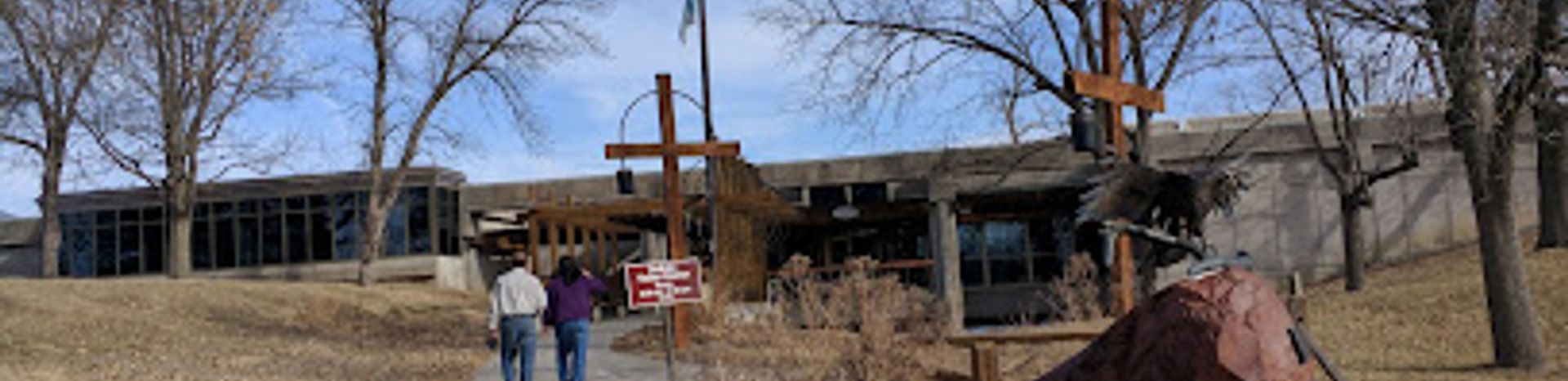
DeSoto National Wildlife Refuge, straddling Iowa and Nebraska along the Missouri River, is an 8,362-acre sanctuary for migratory birds and a testament to the region's rich history. Established in 1958, the refuge boasts diverse habitats, including DeSoto Lake, an oxbow lake formed by a channelization project. Visitors can explore the Bertrand Steamboat Museum, hike scenic trails, and witness spectacular bird migrations.
A brief summary to DeSoto National Wildlife Refuge
- 1434 316th Ln, Missouri Valley, Iowa, 51555, US
- +1712-388-4800
- Visit website
- Tuesday 8:30 am-4:30 pm
- Wednesday 8:30 am-4:30 pm
- Thursday 8:30 am-4:30 pm
- Friday 8:30 am-4:30 pm
- Saturday 8:30 am-4:30 pm
Local tips
- Visit during the spring or fall migration to witness the spectacular flights of snow geese and other waterfowl.
- Explore the Bertrand Steamboat Museum in the visitor center to see artifacts from the 1865 steamboat wreck.
- Bring binoculars for optimal wildlife viewing along the trails and at the Bob Starr Wildlife Overlook.
- Check the refuge's website or call ahead for seasonal road closures and hunting season information.

Getting There
-
Driving
DeSoto National Wildlife Refuge is located 25 miles north of Omaha, Nebraska. From Omaha, take Interstate 29 north to U.S. Highway 30, Exit 75 at Missouri Valley. Continue west on US Hwy 30 for five miles to the refuge entrance. Alternatively, take US Hwy 75 north to Hwy 30, going east five miles to the refuge entrance on DeSoto Avenue. Note that the south gate entrance near Wilson Island is closed from October 15 to April 14; use the Highway 30 entrance. A daily entrance fee of $3 per vehicle is required.
Discover more about DeSoto National Wildlife Refuge
Iconic landmarks you can’t miss

John Pierre Cabanne's Pioneer Fur-Trading Post
19.7 km
Explore the rich heritage of the fur trade at John Pierre Cabanne's Pioneer Fur-Trading Post in Omaha, Nebraska, a remarkable historical landmark.
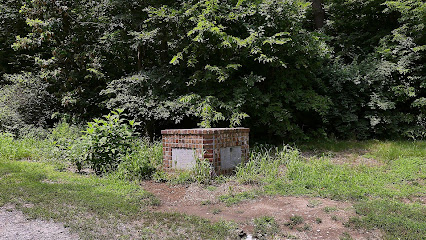
Winter Quarters Cemetery
23.5 km
Explore the serene and historical Winter Quarters Cemetery in Omaha, Nebraska, a sacred site honoring the legacy of early Mormon pioneers.
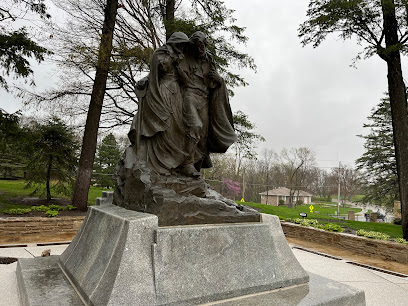
Mormon Trail Center at Winter Quarters
23.5 km
Explore the inspiring history and legacy of the Mormon pioneers at the Mormon Trail Center at Winter Quarters, a significant historical landmark in Omaha, Nebraska.
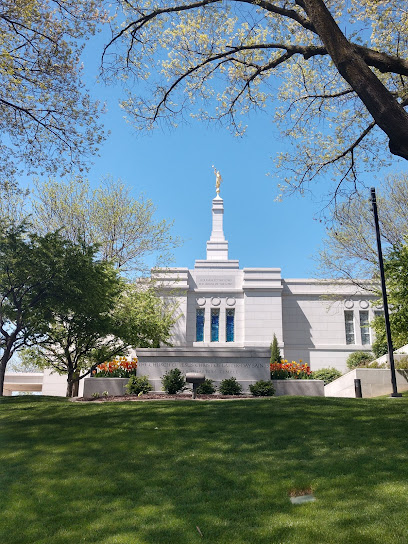
Winter Quarters Historical Marker
23.6 km
Explore the Winter Quarters Historical Marker in Omaha, a significant landmark that tells the inspiring story of Mormon pioneers and their journey westward.
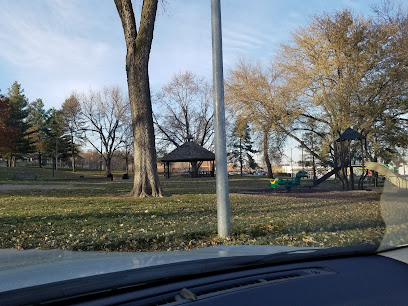
Oregon Trail Marker
25.6 km
Explore Omaha's Oregon Trail Marker, a historic landmark honoring the courageous pioneers who journeyed westward in search of a new life.
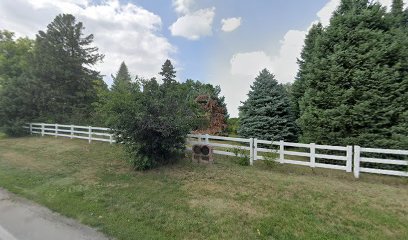
History Walks LLC
28.0 km
Explore Nebraska's rich history and uncover your family's roots with personalized tours and genealogical research at History Walks LLC.
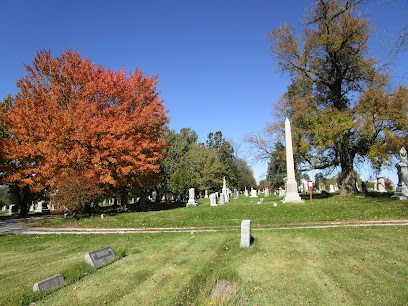
Malcolm X Historical Marker
28.3 km
Explore the Malcolm X Historical Marker in Omaha, Nebraska, and honor the legacy of a civil rights icon in an inspiring historical setting.
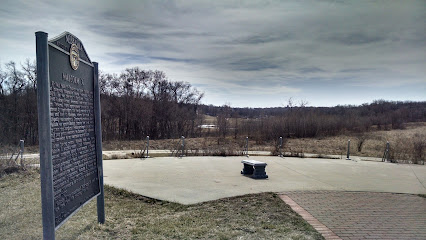
Kountze Park
28.7 km
Explore Kountze Park in East Omaha, a beautiful park offering walking trails, picnic spots, and serene natural beauty perfect for relaxation.
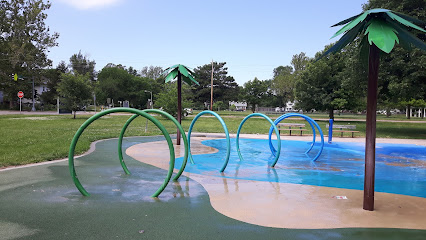
Jewell Building
29.9 km
Explore the Jewell Building: A Historic Gem in Omaha, Blending Business and Architectural Heritage.
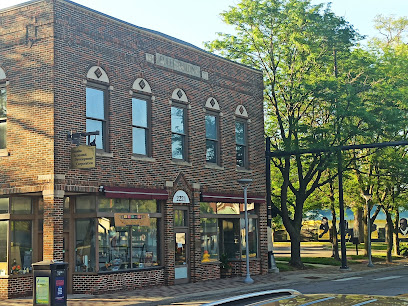
Edgar Zabriskie Residence
30.6 km
Explore the Edgar Zabriskie Residence, a historical gem in Omaha, Nebraska, showcasing early 20th-century architecture and rich local heritage.
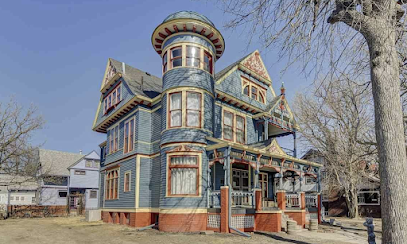
Dr. Samuel D. Mercer House
30.7 km
Discover the architectural elegance and rich history of the Dr. Samuel D. Mercer House, a stunning landmark in Omaha, Nebraska.
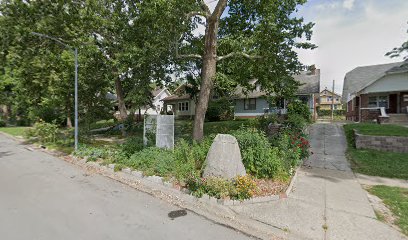
Oregon Trail Memorial Rock
30.9 km
Explore the Oregon Trail Memorial Rock in Omaha, a historic landmark honoring the brave pioneers of the westward expansion.
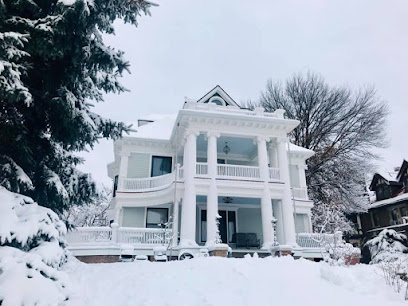
The Smyth House
31.0 km
Discover the charm and historical significance of The Smyth House in Omaha, a captivating landmark that tells the stories of the past.
Loess Hills State Forest
31.2 km
Explore the breathtaking landscapes and diverse wildlife of Loess Hills State Forest in Jackson Township, Iowa, a perfect getaway for nature lovers.

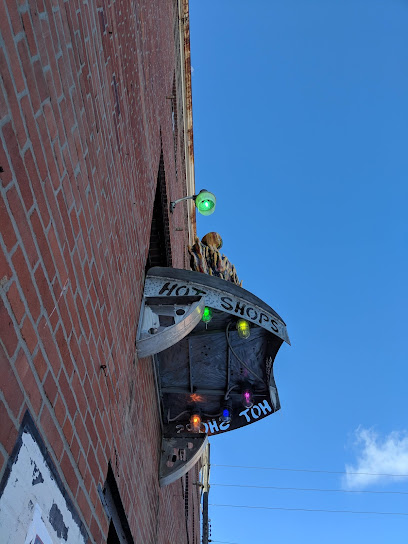
Hot Shops Art Center
31.2 km
Explore Omaha's artistic heartbeat at Hot Shops Art Center, where creativity flourishes through vibrant art and engaging community experiences.
Unmissable attractions to see

Steamboat Bertrand Collection
0.1 km
Explore Iowa's rich maritime history at the Steamboat Bertrand Collection, where fascinating artifacts from the 19th century await your discovery.
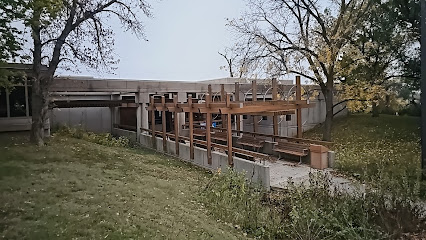
Steamboat Bertrand
2.1 km
Explore the Steamboat Bertrand, a historical treasure in Missouri Valley, Iowa, and uncover the rich maritime heritage of the riverboat era.
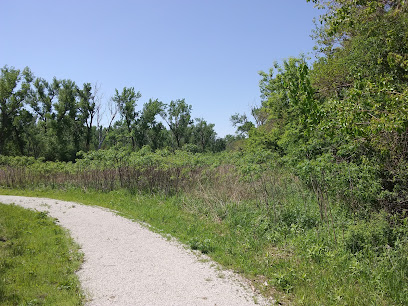
Rand Bar
3.2 km
Rand Bar in Missouri Valley, Iowa, is a serene park and nature preserve, perfect for nature lovers and outdoor enthusiasts seeking tranquility.
Nobles Lake
5.3 km
Explore the tranquil beauty of Nobles Lake in Missouri Valley, Iowa, a perfect destination for nature lovers and outdoor enthusiasts alike.
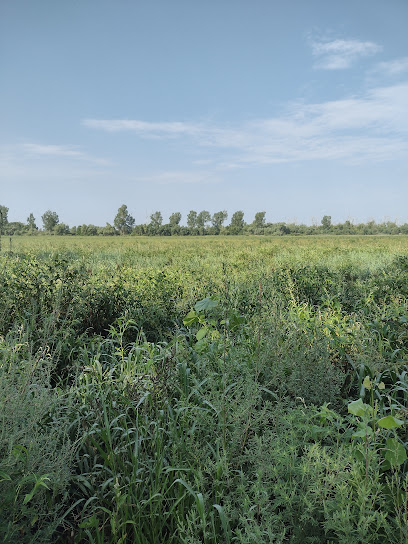
Wilson Island State Recreation Area
6.7 km
Experience nature's tranquility at Wilson Island State Recreation Area, a serene escape with camping, hiking, and fishing along the Missouri River.
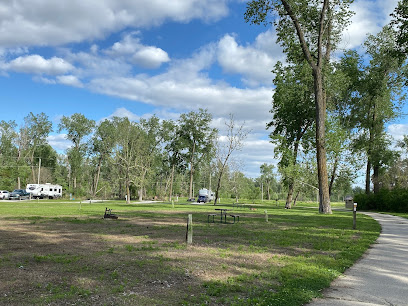
Modale City Park
8.7 km
Experience the tranquility and beauty of Modale City Park, a serene escape in Iowa perfect for picnics, walks, and family fun.
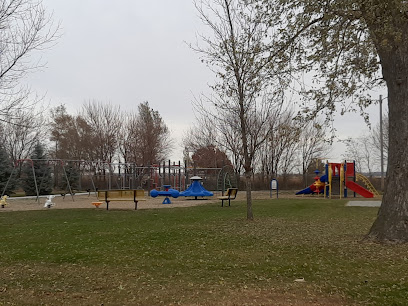
Modale City Ballfield
8.7 km
Discover the charm of Modale City Ballfield, a serene park perfect for relaxation and outdoor activities in Iowa's scenic landscape.
Fish Lake Wildlife Area
9.1 km
Experience the tranquility of Fish Lake Wildlife Area, a natural haven in Missouri Valley, Iowa, perfect for wildlife enthusiasts and nature lovers.
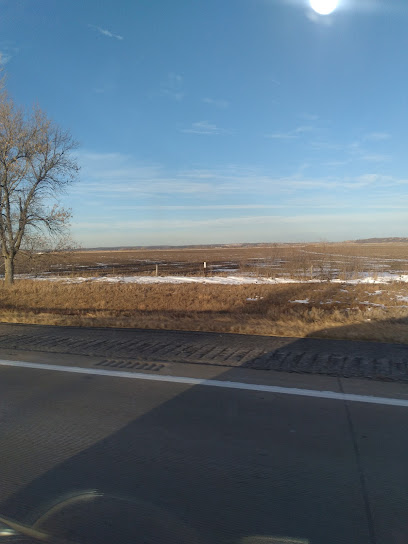
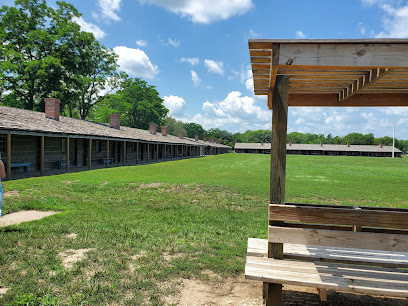
Fort Atkinson State Historical Park
9.8 km
Explore Fort Atkinson State Historical Park, a living museum showcasing Nebraska's historical frontier with interactive exhibits, scenic trails, and rich cultural heritage.
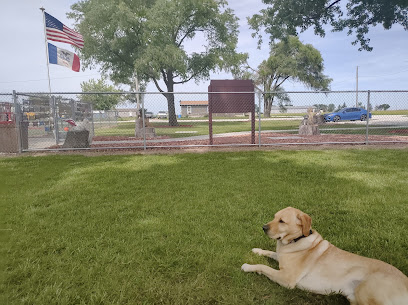
Missouri Valley Dog Park
10.3 km
Discover the serene Missouri Valley Dog Park, where pets play freely and communities connect in beautiful Iowa scenery.
Missouri Valley Fair Grounds
10.4 km
Discover the lively Missouri Valley Fair Grounds, where local culture and exciting events come together for an unforgettable Iowa experience.
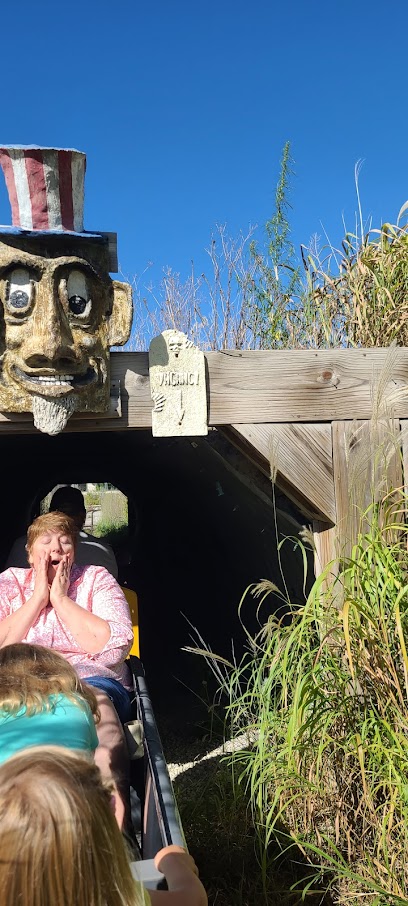
Little Willow Park
10.4 km
Explore the beauty of Little Willow Park in Missouri Valley, Iowa—a serene escape perfect for picnics, nature walks, and wildlife watching.
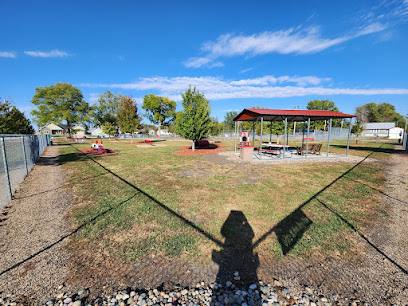
Missouri Dale Wildlife Area
10.4 km
Explore the tranquil Missouri Dale Wildlife Area in Iowa for a peaceful retreat into nature, featuring diverse wildlife and scenic trails.
Missouri Valley City Park
10.5 km
Experience the natural beauty and tranquility of Missouri Valley City Park, a perfect getaway for families and nature enthusiasts in Iowa.
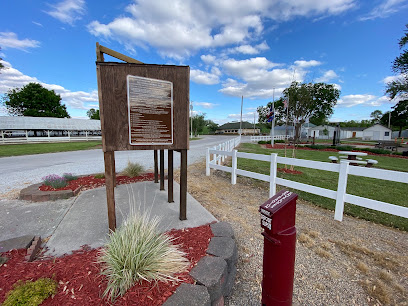
Horseshoe Lake Wetland Area
10.6 km
Explore the serene beauty of Horseshoe Lake Wetland Area in Modale, Iowa, a hidden nature preserve perfect for relaxation and wildlife observation.
Essential places to dine

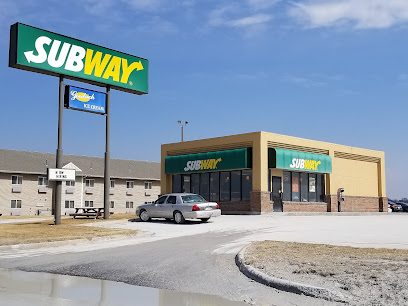
Subway
10.0 km
Experience fresh and customizable sandwiches at Subway in Missouri Valley - perfect for quick meals or catering your next event!
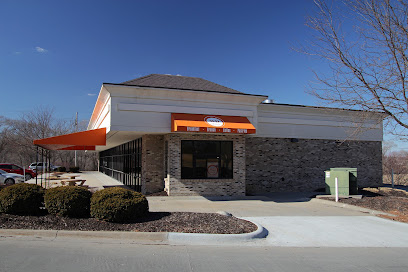
WD Cravings restaurant
24.5 km
Experience the best of breakfast, lunch, and desserts at WD Cravings—a must-visit culinary hotspot in Omaha's vibrant dining scene.
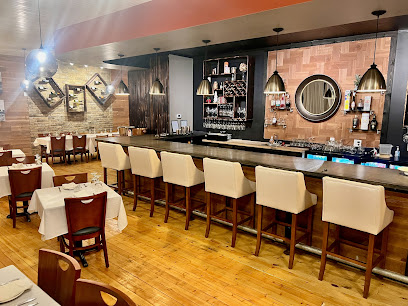
A Foreign Taste
27.4 km
Experience the elegance of fine dining at A Foreign Taste in Omaha, where culinary artistry meets exceptional service for an unforgettable meal.
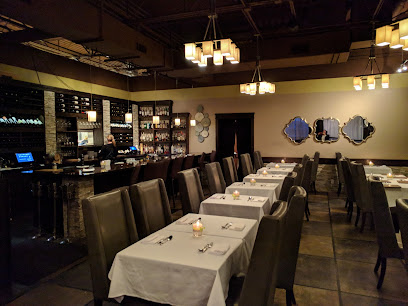
Dolce
28.4 km
Experience culinary excellence at Dolce in Omaha - where New American cuisine meets fine dining elegance.
Au Courant Regional Kitchen
28.5 km
Discover the essence of Midwestern cuisine at Au Courant Regional Kitchen in Omaha—where local ingredients meet innovative cooking.
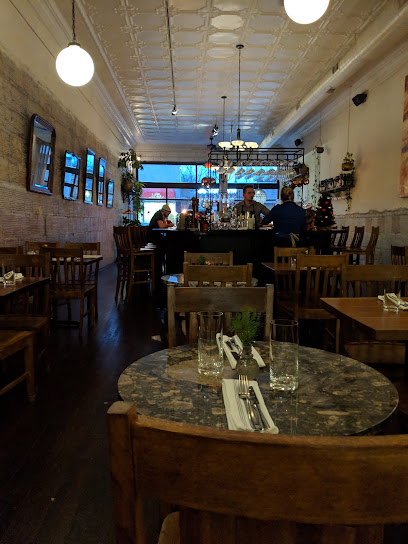
Wave Bistro
28.9 km
Experience the best of Asian fusion cuisine at Wave Bistro in Omaha - where culinary creativity meets warm hospitality.
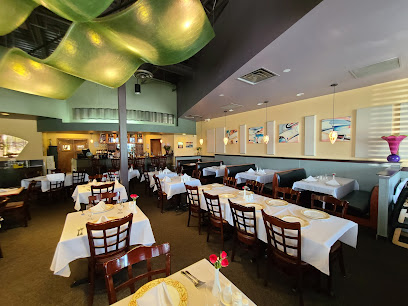
Stokin Goat
29.8 km
Experience Omaha's culinary scene at Stokin Goat - where unique flavors meet an inviting atmosphere.
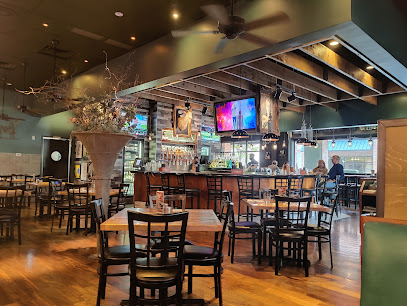
Goose120
29.9 km
Discover the flavors of Omaha at Goose120 – where local ingredients meet global cuisine in a welcoming setting.
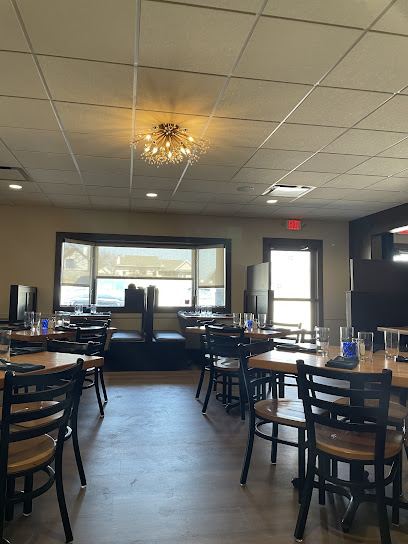
Railcar Modern American Kitchen
30.8 km
Discover the vibrant flavors of modern American cuisine at Railcar Modern American Kitchen in Omaha - where every dish tells a story.
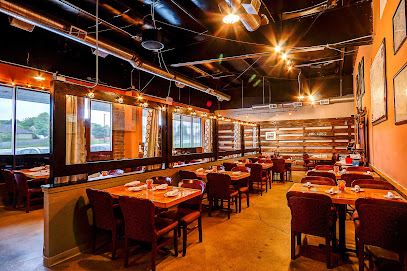
Avoli Osteria
30.9 km
Experience authentic Northern Italian cuisine at Avoli Osteria in Omaha's historic Dundee-Happy Hollow district.
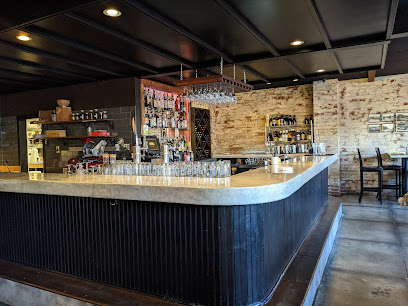
Lalibela Restaurant
31.1 km
Experience authentic Ethiopian cuisine at Lalibela Restaurant in Omaha - savor unique flavors in a welcoming atmosphere.
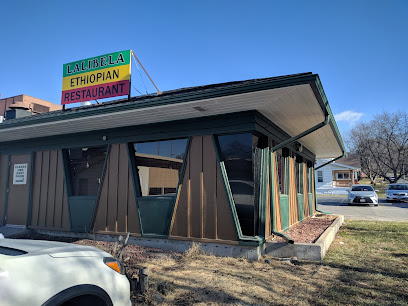
Brushi Bistro & Bar
31.4 km
Discover the fusion of modern European and New American cuisine at Brushi Bistro & Bar in West Omaha.
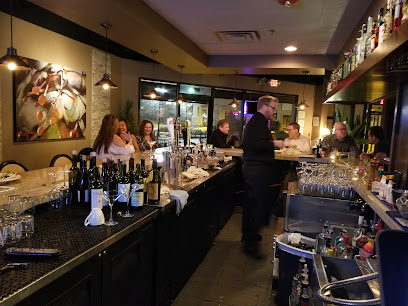
The Round Bar & Kitchen
31.5 km
Discover The Round Bar & Kitchen: A culinary gem in Omaha offering delectable American cuisine and vibrant nightlife.
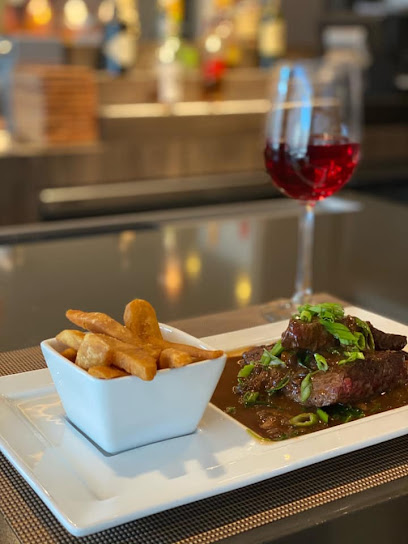
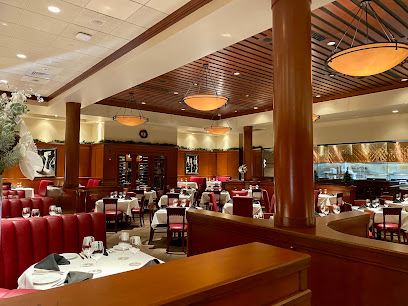
Fleming’s Prime Steakhouse & Wine Bar
31.6 km
Experience culinary excellence at Fleming's Prime Steakhouse & Wine Bar in Omaha - where exquisite steaks meet exceptional service.
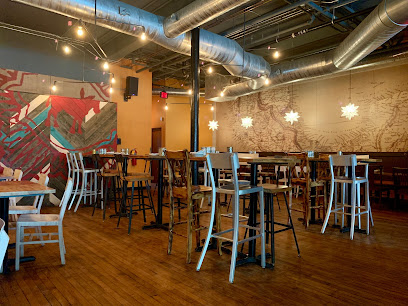
Mula
31.8 km
Experience the vibrant flavors of authentic Mexican cuisine at Mula in Omaha, where every dish tells a story.
Markets, malls and hidden boutiques

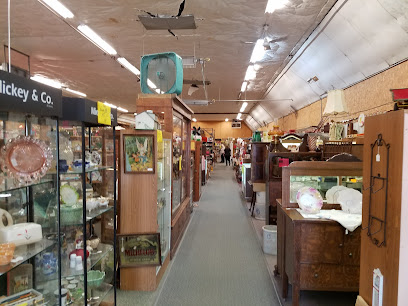
Missouri Valley Antiques & Classic Cars
8.5 km
Explore the charm of Missouri Valley Antiques & Classic Cars - a treasure trove of vintage collectibles and classic vehicles in Iowa.
Phillips 66
9.0 km
Explore Missouri Valley with ease at Phillips 66, your go-to convenience store for fuel, snacks, and local insights.
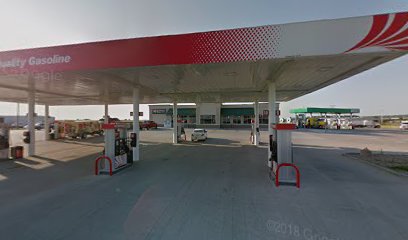
Missouri Travel Plaza
9.1 km
Missouri Travel Plaza: Your essential stop for snacks, convenience items, and travel essentials in Iowa.
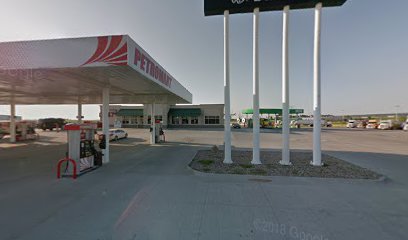
M J's Flowers & Balloons
11.1 km
Discover the enchanting world of floral arrangements and balloon decorations at M J's Flowers & Balloons in Missouri Valley, Iowa.
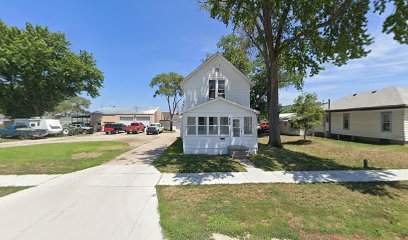
Foodland Express Spirits & More
11.1 km
Explore an extensive selection of local and international spirits at Foodland Express Spirits & More in Missouri Valley, Iowa, your go-to liquor store.
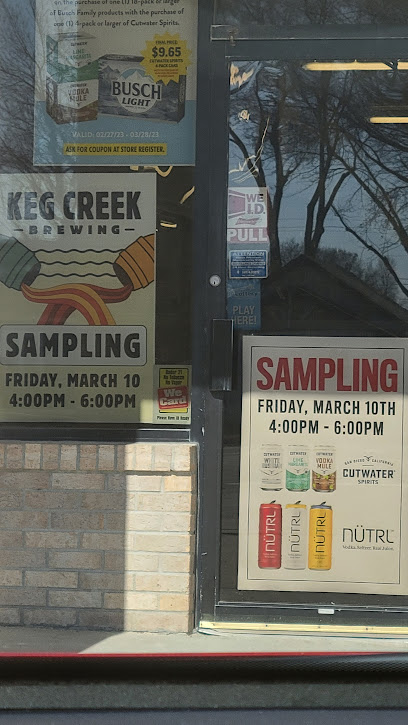
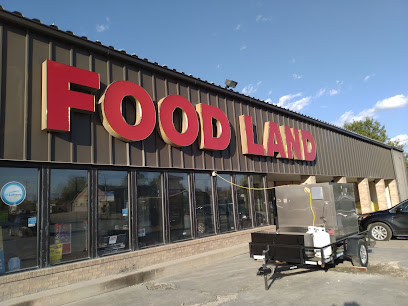
Food Land
11.1 km
Discover the flavors of Iowa at Food Land, your go-to supermarket in Missouri Valley for fresh produce and local delights.
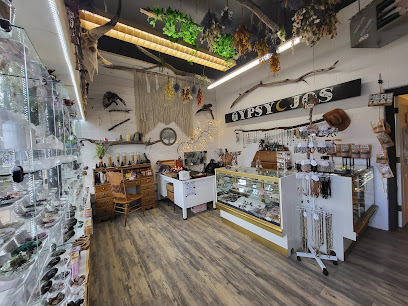
Gypsy Jos Crystals & Jewelry
11.5 km
Explore the enchanting world of handcrafted jewelry and crystals at Gypsy Jos, a hidden gem in Missouri Valley, Iowa, perfect for unique souvenirs.
Little Threads
11.8 km
Explore the vibrant clothing selection at Little Threads in Missouri Valley, where local style meets unique fashion finds.
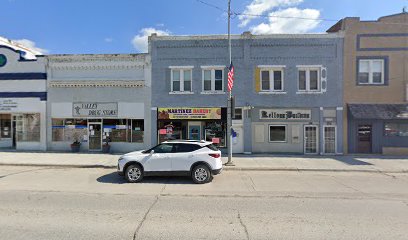
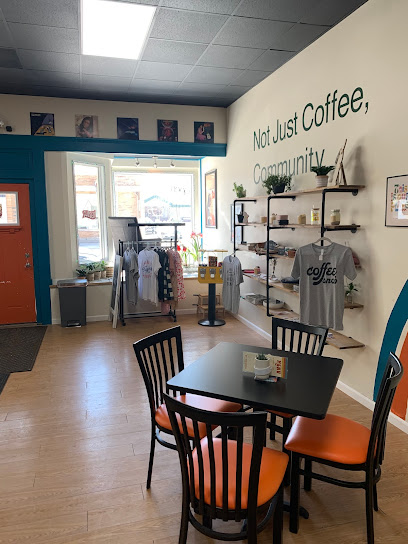
Rise & Grind Coffee Co.
11.8 km
Discover the cozy haven of Rise & Grind Coffee Co. in Missouri Valley, where exceptional coffee and pastries create the perfect travel pause.
Tennessee Hollow
11.8 km
Discover unique treasures and local artistry at Tennessee Hollow, a charming boutique in Missouri Valley, Iowa, perfect for every traveler.
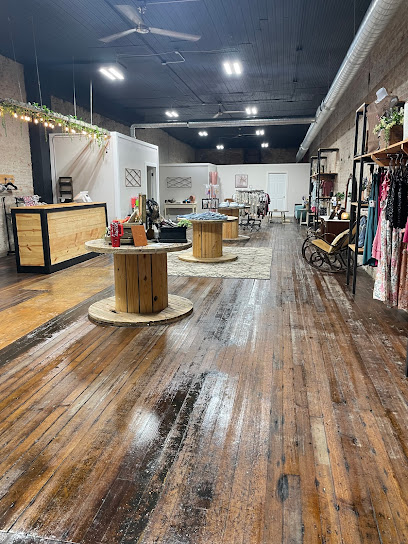
Zaiser Embroidery & Gifts
11.9 km
Explore Zaiser Embroidery & Gifts for unique handcrafted souvenirs that reflect Missouri Valley's rich culture and artistry.
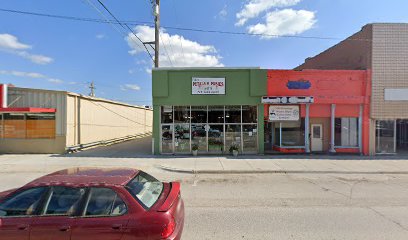
Fishers Petals and Posies
11.9 km
Explore Fishers Petals and Posies: A Unique Gift Shop and Florist in Missouri Valley, Iowa, Offering Local Treasures and Stunning Floral Designs.
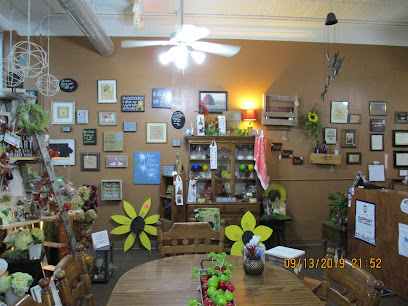
From Earth Wellness CBD Vape
11.9 km
Discover relaxation at From Earth Wellness CBD Vape, Missouri Valley's premier smoke shop offering a wide range of high-quality CBD products.
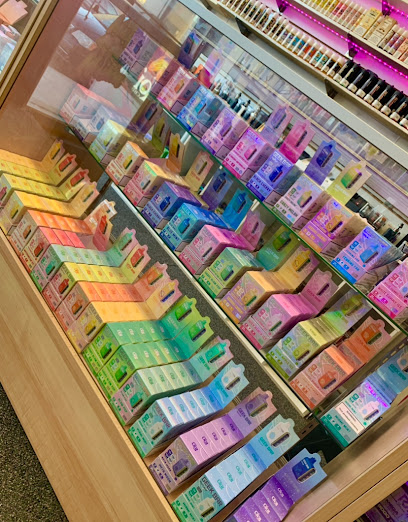
D & R Treasures
11.9 km
Explore D & R Treasures in Missouri Valley, IA – your destination for unique antiques, collectibles, and charming gifts that celebrate local craftsmanship.
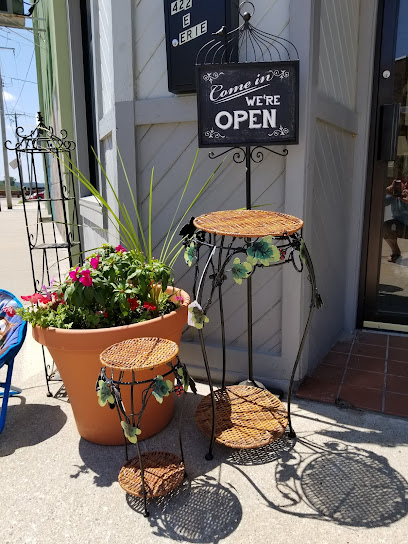
The Rustic Stitch Boutique
11.9 km
Explore The Rustic Stitch Boutique in Missouri Valley, where local fashion meets unique style in a cozy shopping experience.
Essential bars & hidden hideouts

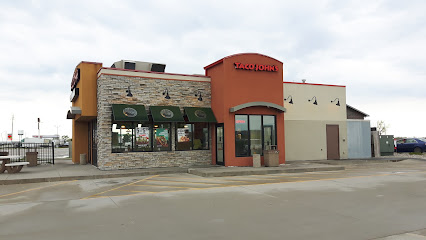
Taco John's
9.3 km
Discover Taco John's in Missouri Valley for a quick yet delicious Tex-Mex dining experience offering a variety of flavorful fast food options.
Too Far North
9.4 km
Experience the best of local wines and craft beers at Too Far North, a cozy brewpub in Fort Calhoun, Nebraska, perfect for relaxation and social gatherings.
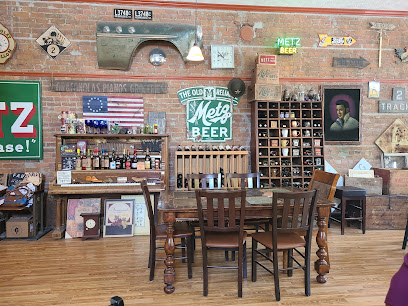
Longhorn Bar & Grill
9.5 km
Experience the essence of Nebraska dining at Longhorn Bar & Grill, where delicious grilled dishes meet a welcoming atmosphere.
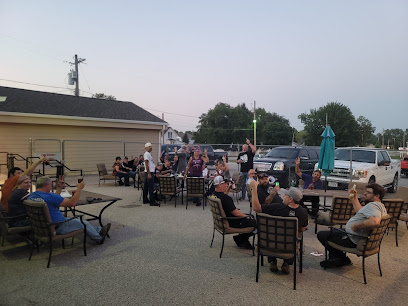
The Fort Bar
9.6 km
Discover the welcoming atmosphere and vibrant community spirit at The Fort Bar in Fort Calhoun, Nebraska, perfect for relaxation and socializing.
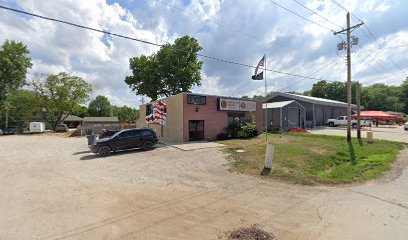
Hometown Pizza
9.9 km
Discover the taste of Missouri Valley at Hometown Pizza, where every slice is made with love and local ingredients.
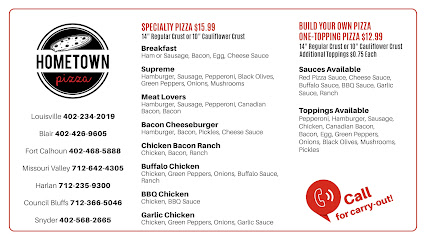
Taylor Quik Pik
9.9 km
Discover Taylor Quik Pik in Missouri Valley for essential supplies, delicious pizza, and a friendly local atmosphere.
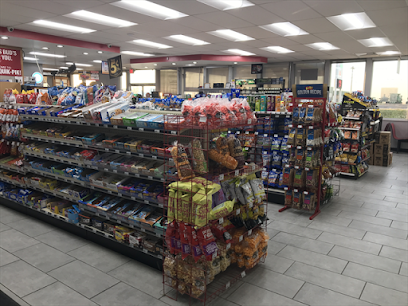
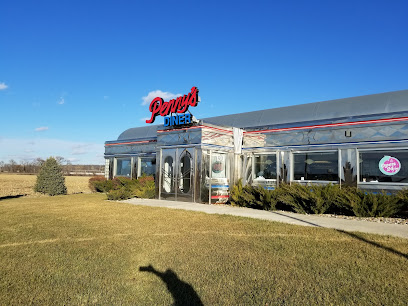
Penny's Diner
10.1 km
Discover the charm of Penny's Diner, a cozy breakfast spot in Missouri Valley offering delicious meals and a nostalgic atmosphere.
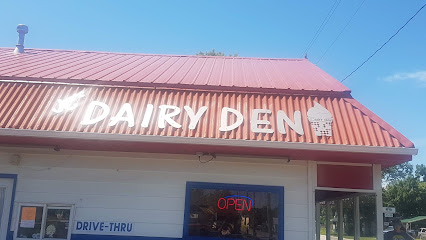
JC's Dairy Den (Formerly Dairy Den)
11.1 km
Experience the sweet side of Missouri Valley at JC's Dairy Den, where delicious ice cream and sandwiches are served with a smile.
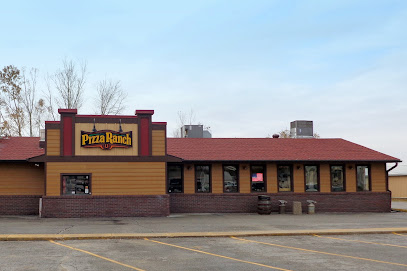
Pizza Ranch
11.4 km
Experience the ultimate buffet at Pizza Ranch in Missouri Valley, featuring delicious pizzas, fried chicken, and a fresh salad bar in a welcoming atmosphere.
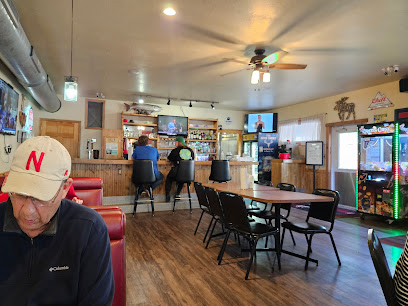
The Bucksnort
11.6 km
Experience the heart of Missouri Valley dining at The Bucksnort - a restaurant offering delightful dishes and a warm atmosphere for all.
Sila Beauty Bar
12.0 km
Discover hair transformation at Sila Beauty Bar in Missouri Valley, where expert stylists and a welcoming atmosphere await every visitor.
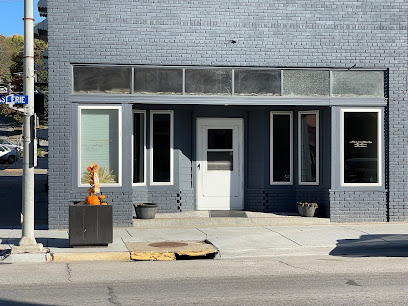
Bamboo Village Restaurant
12.0 km
Experience authentic Chinese cuisine at Bamboo Village Restaurant, where flavor meets affordability in Missouri Valley, IA.
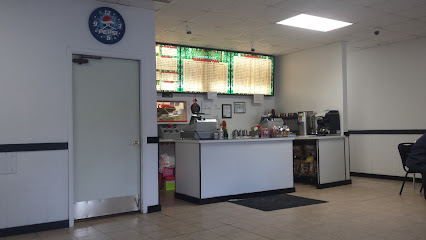
Papa Joe's
12.0 km
Discover the lively atmosphere and delicious drinks at Papa Joe's, the heart of Missouri Valley's nightlife.
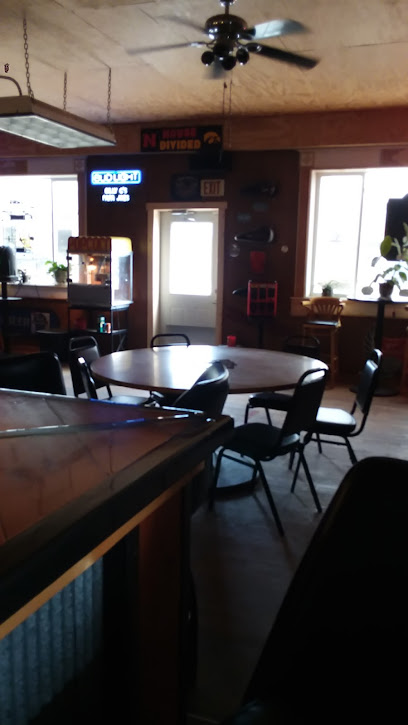
Campo Azul
12.7 km
Discover the authentic taste of Mexico at Campo Azul, where vibrant flavors and a welcoming atmosphere await you in Missouri Valley, Iowa.
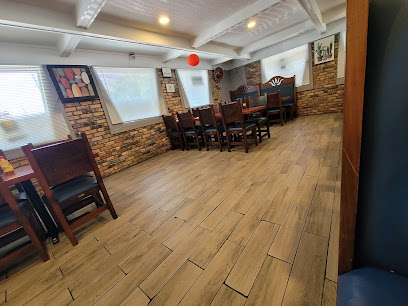
Wishing Hills Barn
15.9 km
Discover the enchanting Wishing Hills Barn, a charming wedding venue in Missouri Valley, Iowa, surrounded by breathtaking landscapes and rustic elegance.