
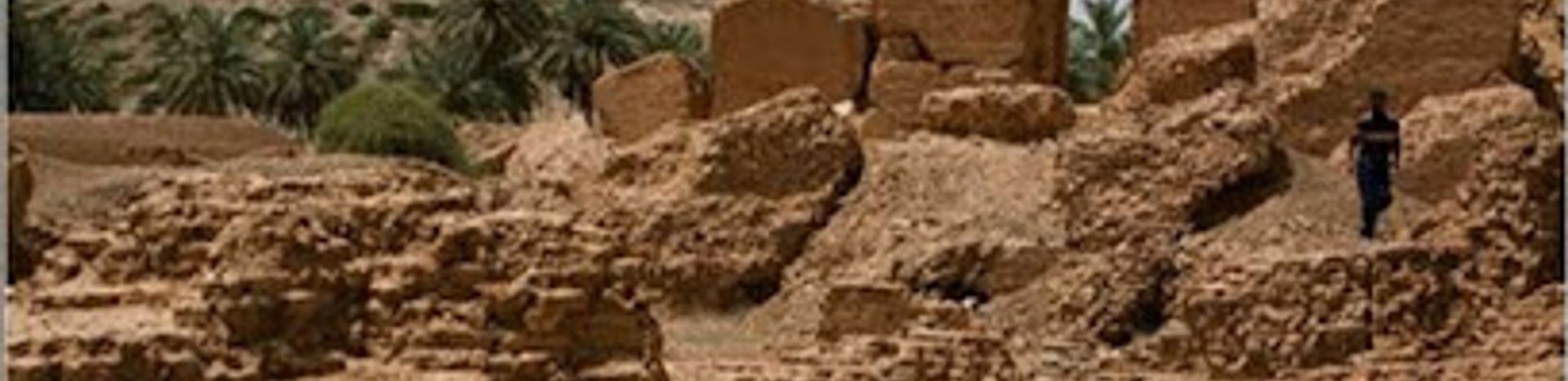
Ancient City of Babylon
Discover Babylon, the ancient Mesopotamian city and UNESCO World Heritage Site, offering a glimpse into one of history's most influential empires.
Explore the ruins of Babylon, one of the most famous cities of the ancient world, located near Hillah, Iraq. Once the center of the Babylonian Empire, this UNESCO World Heritage Site features remnants of grand palaces, the Ishtar Gate, and the site of the Tower of Babel, offering a glimpse into a rich history of culture, war, and architectural marvels.
A brief summary to The Ancient City of Babylon
- Unnamed Road Babylon بابل, Babylon Governorate, 51001, IQ
- Visit website
Local tips
- Wear comfortable shoes, a hat, and sunscreen, as the area can get hot and dry.
- Carry plenty of water to stay hydrated while exploring the ruins.
- Engage a local guide for a more enriching experience and to learn about the history and significance of the sites.
- Combine your visit with a trip to nearby Hillah, a vibrant town offering a glimpse into modern Iraqi life.

Getting There
-
Taxi
From Hillah, the main town near Babylon, a taxi to the historic site costs approximately 5,000 IQD ($3.50/€3) one way. Ensure the driver knows the destination as 'The Ancient City of Babylon.' The journey takes around 20 minutes.
-
Public Transport
To reach Hillah from Baghdad, take a shared taxi from the Allawi South garage for approximately 10,000 IQD ($7/€6). From Karbala or Najaf, shared taxis to Hillah are around 5,000 IQD. Once in Hillah, a taxi is needed to cover the final few kilometers to Babylon.
Discover more about The Ancient City of Babylon
Iconic landmarks you can’t miss

Nin-Makh Temple
0.1 km
Explore the ruins of the Nin-Makh Temple in Babylon, a tribute to the ancient Mesopotamian mother goddess and a window into a rich cultural past.
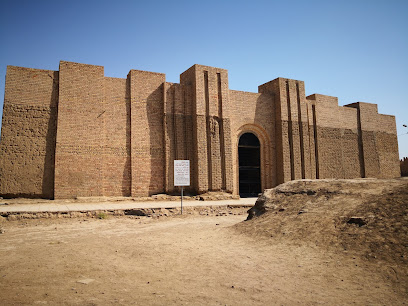
Ninmah Temple
0.1 km
Discover the Ninmah Temple in Babylon: a journey into ancient Mesopotamian culture, religion, and architectural marvels.
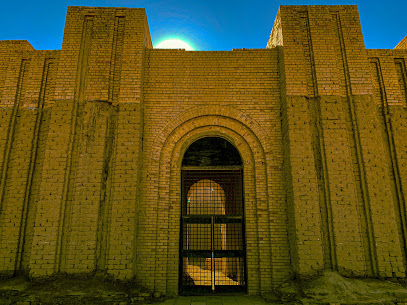
Marduk Gate
1.1 km
Explore the grandeur of the Marduk Gate in Babylon, a historical landmark showcasing ancient Mesopotamian civilization and its rich heritage.
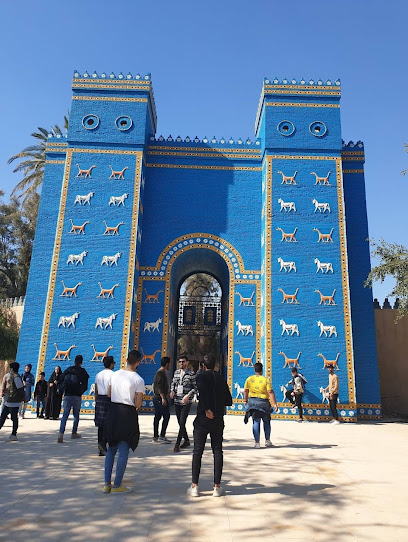
The tyrant mural
2.2 km
Discover the poignant artistry of The Tyrant Mural in Babylon Governorate, a memorial that captures the essence of Iraq's complex history.
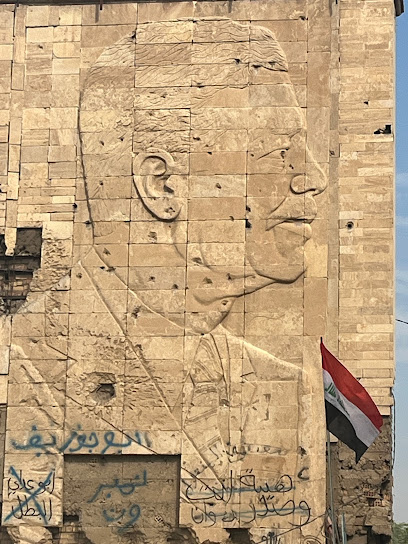
Babylon Archaeological Hills
2.6 km
Explore the ancient Babylon Archaeological Hills in Iraq, a cradle of civilization and a UNESCO World Heritage Site.
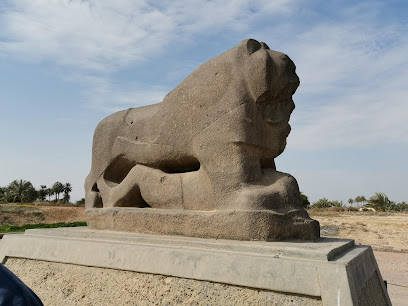
Euphrates River
12.2 km
Explore the Euphrates River, the cradle of civilization, where ancient history meets modern-day challenges in a timeless landscape.
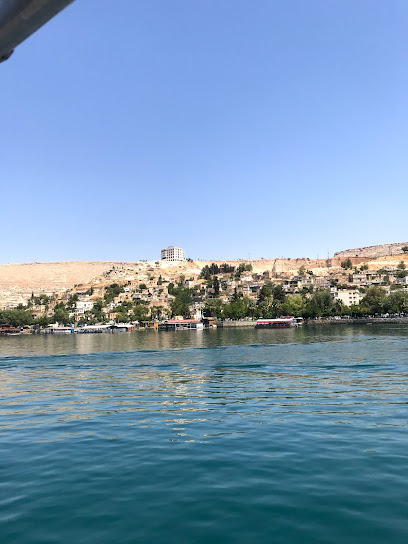
Shrine Alhashmyat (Fatima and Ruqaya)
14.4 km
A revered Shia Muslim shrine in Musayib, Iraq, dedicated to Fatima and Ruqaya, offering a place for prayer and pilgrimage.
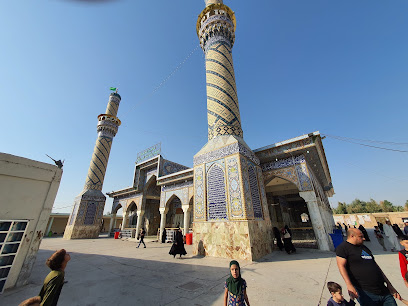
Babylon
14.5 km
Discover Babylon, the legendary Mesopotamian city, a cradle of civilization and a UNESCO World Heritage Site in Iraq.

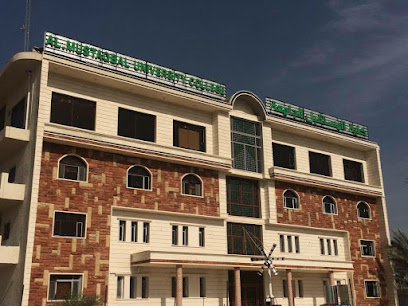
Al MUSTAQBAL UNIVERSITY
16.2 km
Explore Al MUSTAQBAL University in Hillah, a leading private institution that embodies the spirit of innovation and academic excellence in the heart of Babylon.
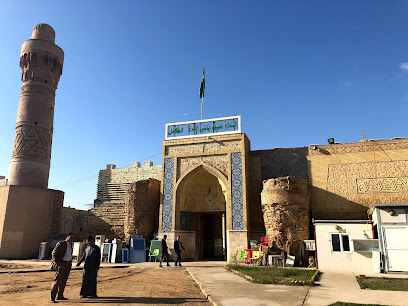
Nekhaila Mosque and Shrine
35.5 km
Discover the spiritual and architectural beauty of Nekhaila Mosque and Shrine in Babylon, a historical site with Jewish and Islamic significance.
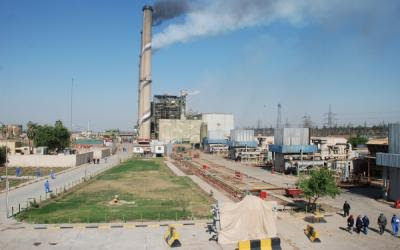
AL-Musayyib Thermal Power Plant
35.9 km
Explore the AL-Musayyib Thermal Power Plant, a key energy facility in Iraq, and witness the intersection of modern engineering and historical significance.
Mosque Imam Muhammad al-Jawad
36.8 km
Experience the spiritual heart of Karbala at the Mosque Imam Muhammad al-Jawad, a place of peace, reflection, and architectural beauty.
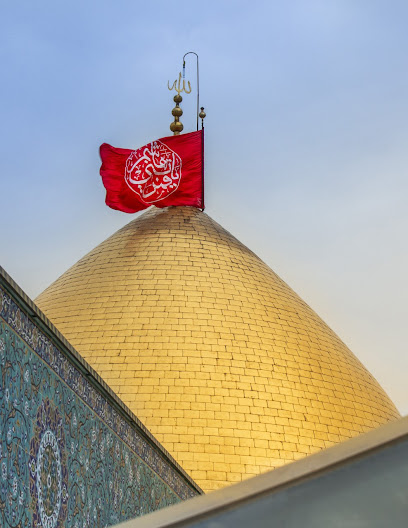
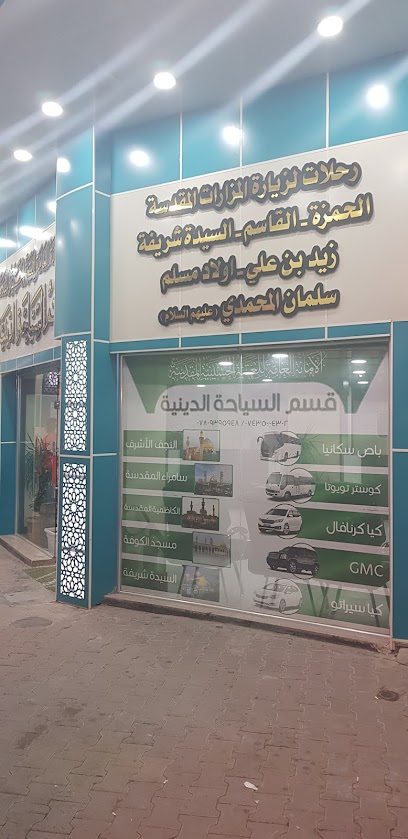
Tourist Office Of Holy Shrine of Imam Hussain A.S
36.9 km
Your gateway to understanding and experiencing the spiritual heart of Karbala and the Holy Shrine of Imam Hussain A.S.
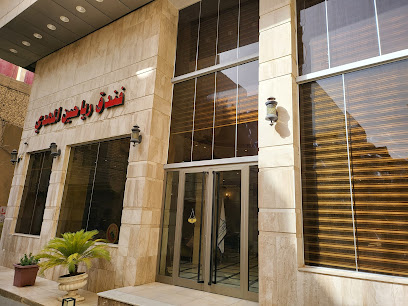
Rayaheen Al-Mahdi Hotel
36.9 km
A comfortable and conveniently located hotel in Karbala, ideal for pilgrims visiting the holy shrines.
Bab Baghdad Square
37.0 km
Discover the cultural richness of Karbala at Bab Baghdad Square, a vibrant hub where history, local traditions, and the spirit of the city come alive.
Unmissable attractions to see

Ancient Babylon
0.1 km
Discover Ancient Babylon: Explore the ruins of a Mesopotamian empire's capital, a cradle of civilization and UNESCO World Heritage Site.
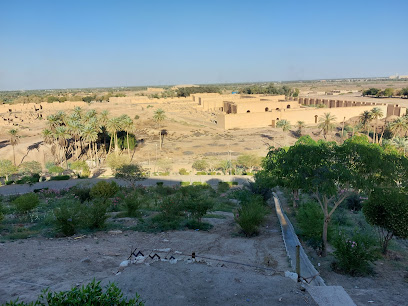
Ancient Ruins of Babylon
0.2 km
Discover the ancient wonders of Babylon, a UNESCO World Heritage Site and a testament to one of history's most influential empires.
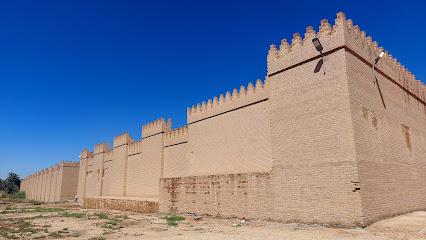
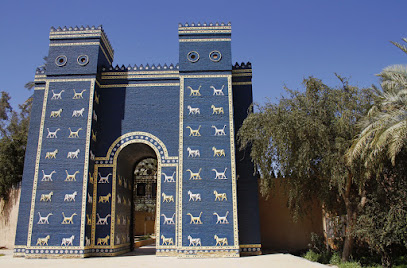
Ishtar Gate
0.2 km
Explore the Ishtar Gate in Babylon, a symbol of ancient Mesopotamian power and artistry, with its iconic blue glazed bricks and intricate animal reliefs.
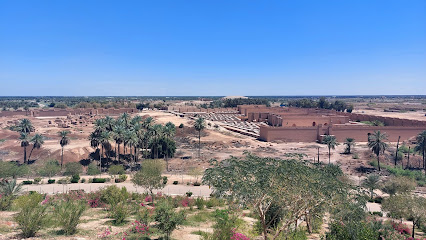
Remains of the Hanging Gardens of Babylon
0.3 km
Explore the speculated site of the Hanging Gardens of Babylon, one of the Seven Wonders of the Ancient World, and immerse yourself in Mesopotamian history.
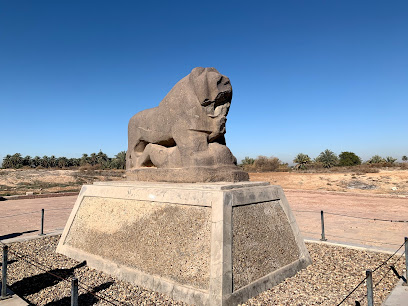
Babel Lion
0.3 km
Explore the Lion of Babylon, an iconic symbol of ancient Mesopotamian power and artistry, located in the historic city of Babylon, Iraq.
Babylon Palace
0.5 km
Explore Saddam Hussein's palace overlooking ancient Babylon, a controversial landmark offering a unique perspective on Iraq's layered history.
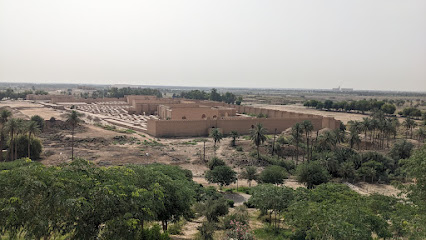
Ziggurat of Babel (Tower of Babel)
0.7 km
Explore the ruins of the Ziggurat of Babel in Iraq, the inspiration for the legendary Tower of Babel.
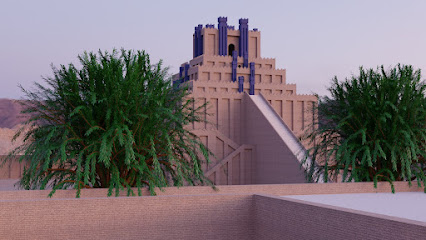
Babylonian Theater
0.7 km
Explore the ancient Babylonian Theater, a window into Mesopotamia's vibrant cultural past.
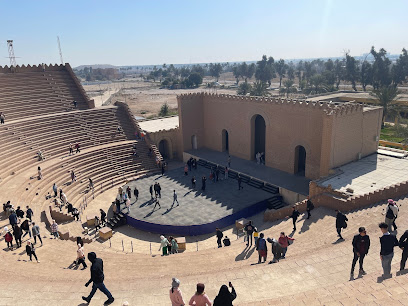
Wall of the city of Babylon
1.6 km
Explore the remnants of the Wall of Babylon, a symbol of ancient Mesopotamia's power, art, and engineering, offering a glimpse into a glorious past.
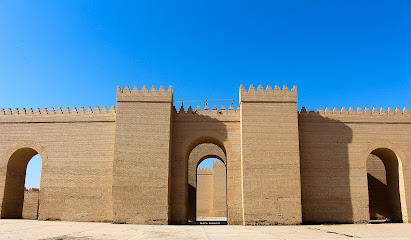
Tell-Babil, summer palace of Nebuchadnezzar
2.6 km
Discover Tell-Babil, Nebuchadnezzar's summer palace, and step back in time to experience the opulence of ancient Babylon in the Babylon Governorate.
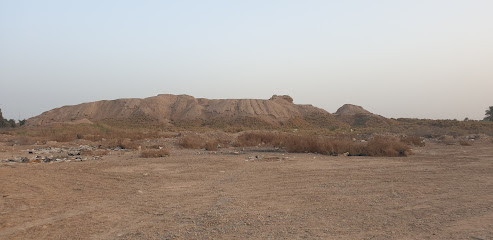
Karama Park
5.9 km
Experience the serene beauty and cultural essence of Karama Park in Hillah, Babylon Governorate, a perfect retreat for nature lovers and families alike.
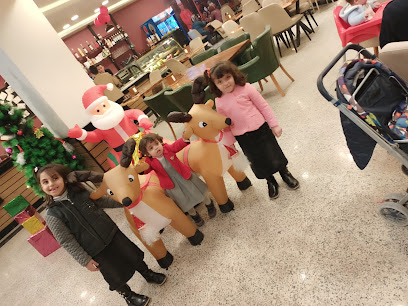
Hammurabi Tourist City
6.6 km
Experience the rich heritage of Babylon at Hammurabi Tourist City, where ancient history meets modern charm in the heart of Hillah.
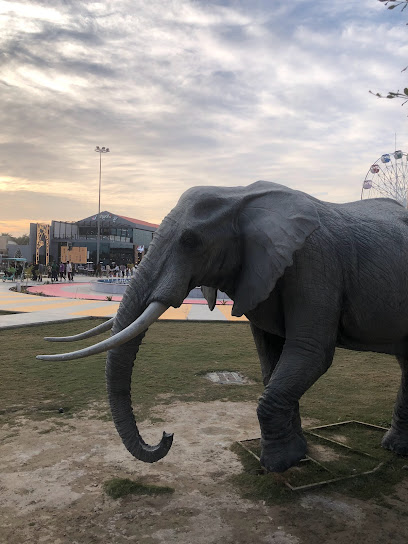
Safi El Din Square
7.8 km
Experience the vibrant culture and rich history at Safi El Din Square in Hillah, Babylon, a must-visit destination for every traveler.
Shatt al-Hilla Park
8.5 km
Escape to serenity at Shatt al-Hilla Park in Babylon—a green haven for relaxation, family fun, and a taste of local Hillah culture.
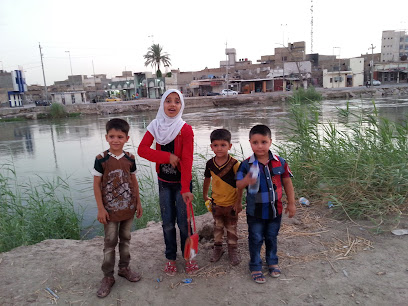
City of Imam Hassan Mujtaba visitors
27.3 km
A comprehensive pilgrimage complex on the Karbala-Najaf road, offering lodging, meals, and essential services to visitors of Karbala.
Essential places to dine

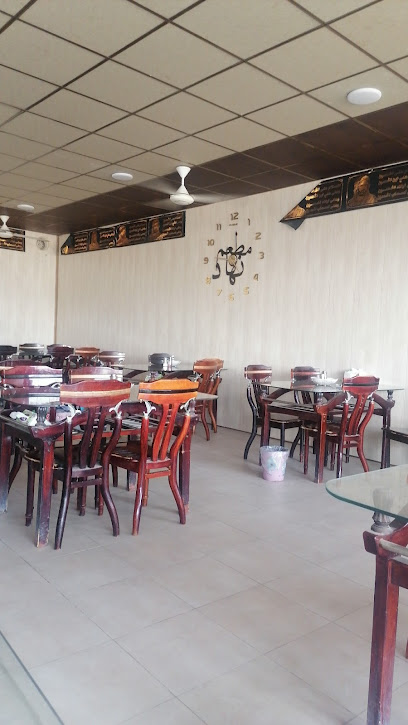
Black Rivers Restaurant
2.0 km
Discover authentic Iraqi cuisine at Black Rivers Restaurant in Babylon Governorate - where tradition meets flavor.
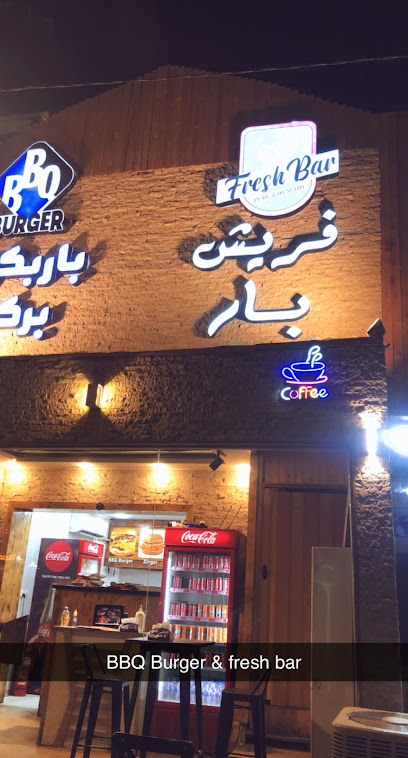
BBQ Burger , Fresh Bar
5.4 km
Experience the vibrant flavors of Hillah at BBQ Burger, Fresh Bar – where every bite tells a story.
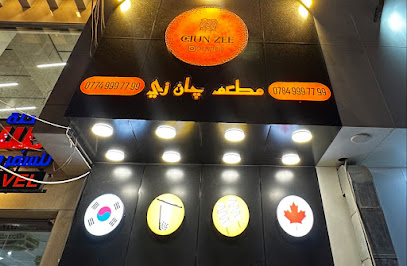
Restaurant Chun Zee مطعم جان زي
6.0 km
Discover the rich flavors of Iraqi cuisine at Restaurant Chun Zee مطعم جان زي in Hillah – a must-visit culinary experience for every traveler.
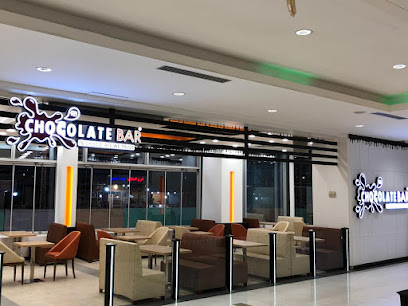
جوكلت بار بابل chocolate bar babel
6.0 km
Discover the sweet delights of Chocolate Bar Babel in Hillah - a must-visit destination for chocolate enthusiasts seeking delicious treats.
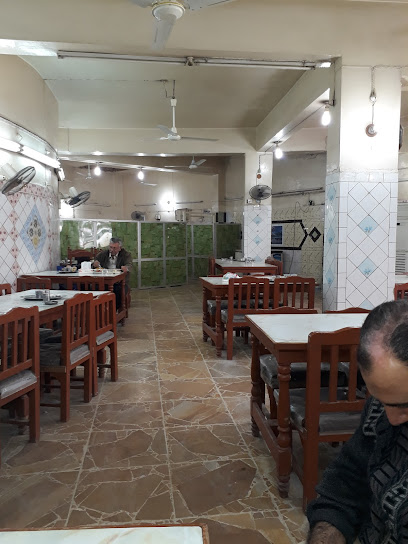
Erbil Restaurant
6.1 km
Discover authentic Iraqi cuisine at Erbil Restaurant in Hillah, where tradition meets taste in every delicious dish.
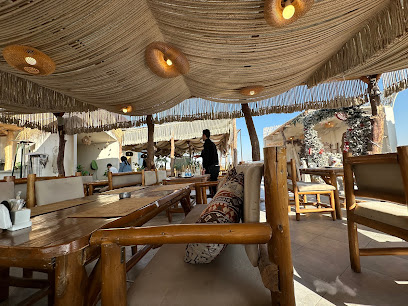
Balcony Rest & Cafe - مطعم بالكوني
6.5 km
Experience authentic Babylonian flavors at Balcony Rest & Cafe while enjoying breathtaking views of Hillah.
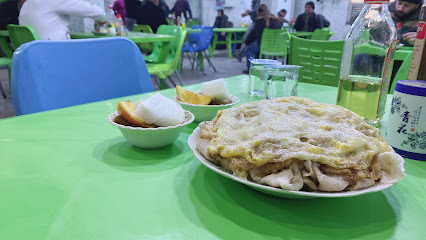
Qasim for Bakellah (Iraqi traditional fava bean)
7.1 km
Savor traditional Iraqi flavors at Qasim for Bakellah in Hillah - a must-visit destination for food enthusiasts.
Kabebchi Restaurant
7.9 km
Discover authentic Iraqi cuisine at Kabebchi Restaurant in Hillah—where flavor meets tradition in every bite.
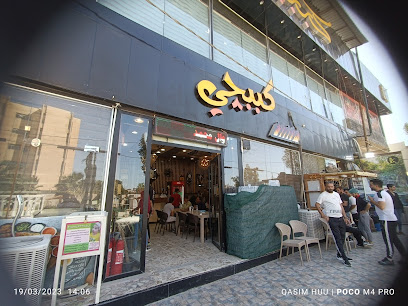
Babil Al-Taqafy Restaurant
10.3 km
Discover authentic Western cuisine at Babil Al-Taqafy Restaurant in Hillah, where delicious flavors meet inviting ambiance.
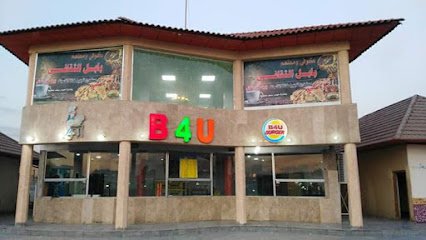
Good restaurant
11.5 km
Experience authentic Iraqi cuisine at this charming restaurant in Hillah, where traditional flavors meet warm hospitality.
Babylon Restaurant gardens
16.5 km
Experience authentic Iraqi cuisine in a serene garden setting at Babylon Restaurant Gardens in Mahawil.
Habash Restaurant
29.1 km
Experience authentic Iraqi cuisine at Habash Restaurant in Musayib – where tradition meets flavor at reasonable prices.
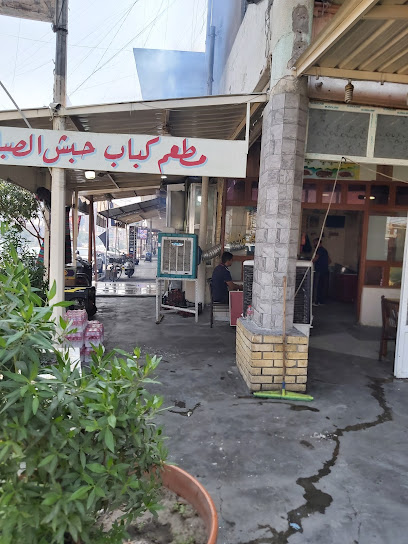
Samrah
36.2 km
Discover the vibrant flavors of Iraq at Samrah Restaurant in Karbala – where tradition meets taste!
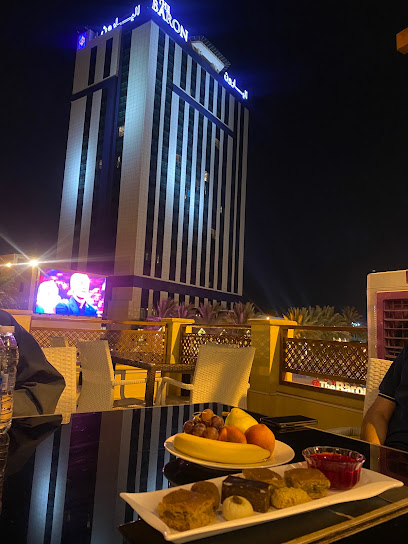
Damascene House Restaurant
36.5 km
Discover the authentic taste of Syria at Damascene House Restaurant in Karbala - a culinary gem serving traditional delights.
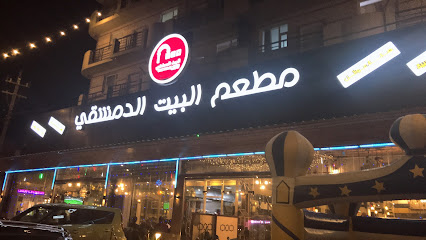
Al Fardous Restaurant
36.9 km
Experience authentic Iraqi cuisine at Al Fardous Restaurant in Karbala – where tradition meets taste.
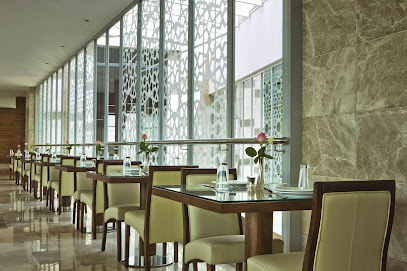
Markets, malls and hidden boutiques

الكورنيش shopping
3.9 km
Explore الكورنيش shopping in Hillah for a unique blend of local culture and delightful home goods, perfect for every tourist's journey.
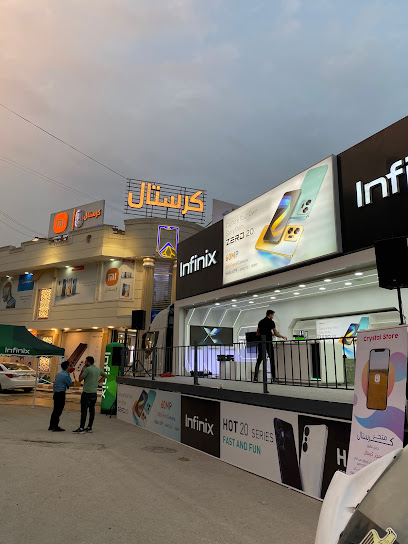
متجر كرستال - Crystal Store
6.0 km
Explore the vibrant Crystal Store in Hillah for the latest mobile technology and exceptional customer service that caters to every tech enthusiast.
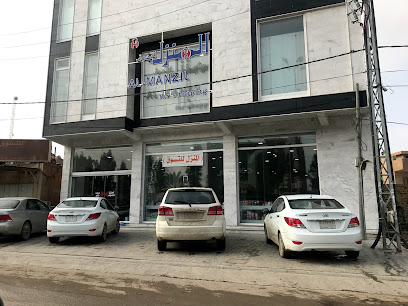
Al Manzel (Home for shopping) المنزل للتسوق
6.0 km
Discover an exciting shopping experience at Al Manzel in Hillah, offering diverse retail options, delicious dining, and vibrant entertainment.
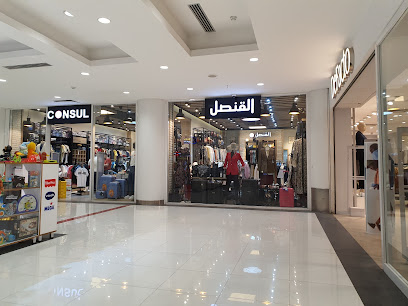
BDC Mall
6.1 km
Experience shopping, dining, and entertainment at BDC Mall, the premier destination in Hillah, blending modern retail with local culture.
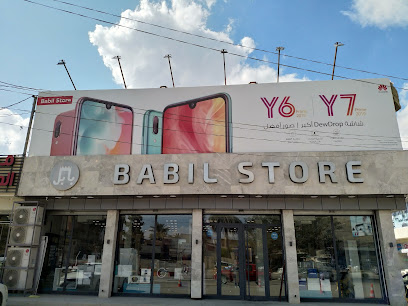
Babil Store
6.1 km
Explore the latest mobile devices and accessories at Babil Store in Hillah, where technology meets convenience for every traveler.
Uruk Office
6.3 km
Explore local fashion and unique clothing at Uruk Office in Hillah, a vibrant store showcasing the rich culture of Babylon.
Anwar compound
6.4 km
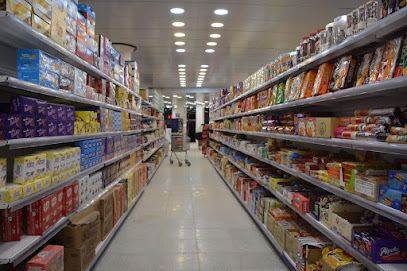
Discover Anwar Compound in Hillah, a vibrant supermarket offering fresh produce, local specialties, and an authentic shopping experience in Iraq.
Maxi Mall
6.7 km
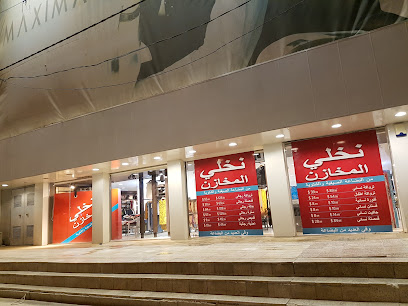
Discover the vibrant shopping scene at Maxi Mall in Hillah, Babylon, where fashion meets culture in a modern retail oasis.
عقيل فنتازياAqeel Fantasia
7.2 km
Explore Aqeel Fantasia in Hillah for a unique shopping experience featuring diverse styles and local fashion trends.
Guzel_.shop متجر كوزال
7.7 km
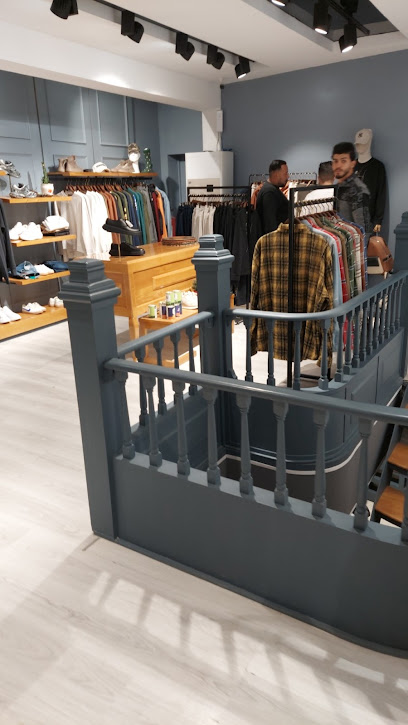
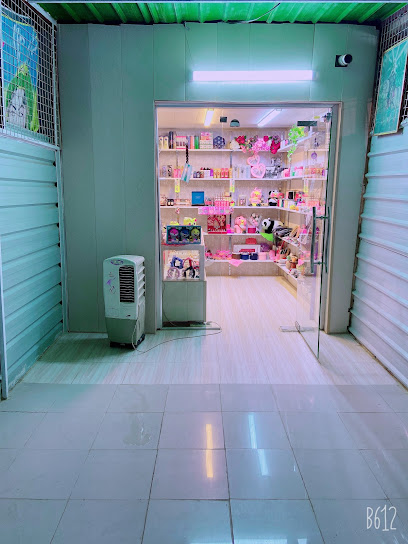
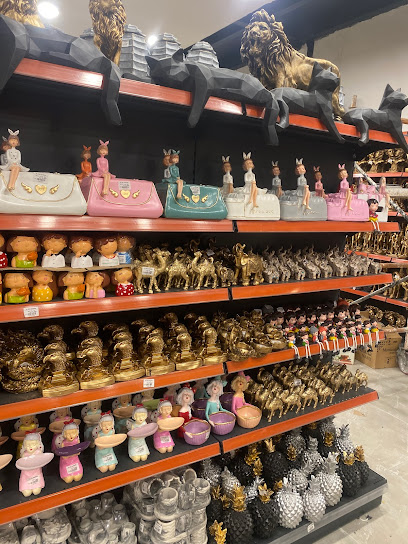
Explore Guzel_.shop in Hillah for unique gifts, handmade jewelry, vibrant beads, and festive decorations, capturing the essence of local craftsmanship.
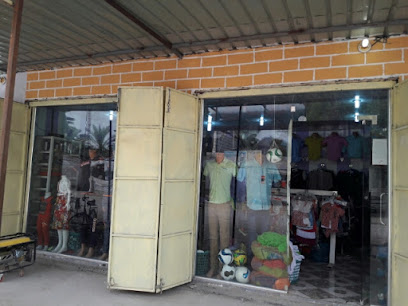
Costume crown for clothing Men
14.3 km
Experience the vibrant shopping at Costume Crown for Clothing Men in Musayib, where local culture meets contemporary fashion in a lively atmosphere.
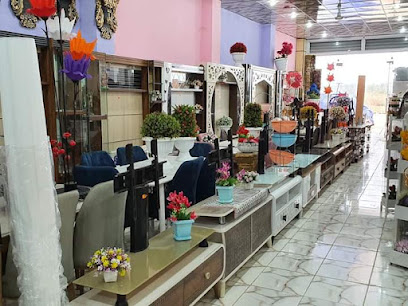
Babylon Commercial Complex
22.1 km
Discover the vibrant shopping scene and local culture at Babylon Commercial Complex, a must-visit destination in Babylon Governorate.
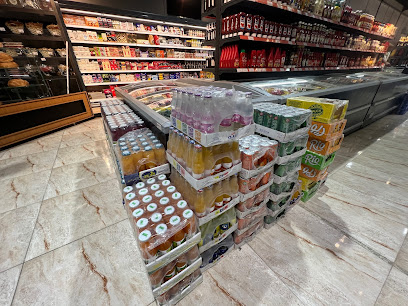
Brand hypermarket
35.3 km
Explore a diverse range of products at Brand Hypermarket, Karbala's vibrant shopping destination for tourists and locals alike.
Incity karbala
36.3 km
Discover a blend of traditional and modern shopping at Incity Karbala, a vibrant mall in the heart of Iraq's holy city.
Zaytounah Supermarket
36.5 km
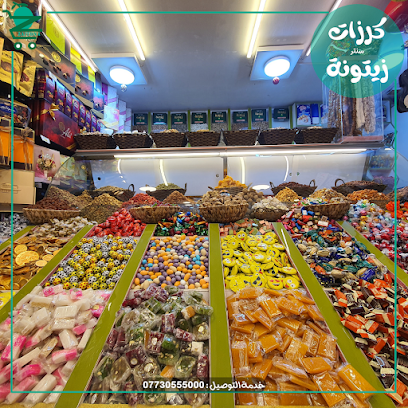
Experience the vibrant flavors and rich cultural heritage at Zaytounah Supermarket in Karbala, a shopping haven for authentic Middle Eastern products.
Essential bars & hidden hideouts

Oscar Rest & Cafe - مطعم و كافيه اوسكار
5.4 km
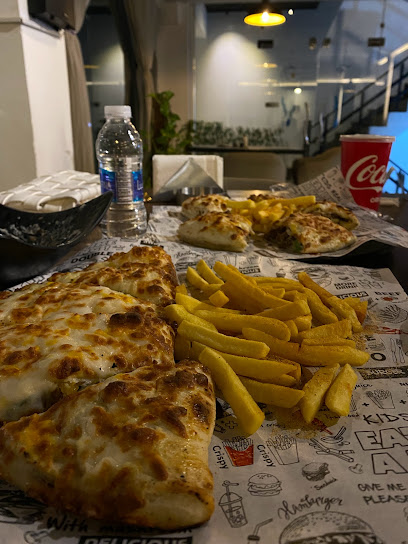
Discover Oscar Rest & Cafe in Hillah for a unique blend of traditional Iraqi cuisine and expertly crafted coffee in a welcoming atmosphere.
City lounge
6.0 km
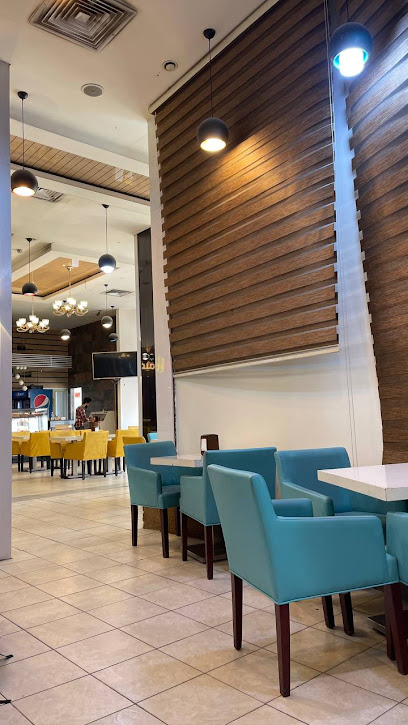
Discover the cozy ambiance and rich flavors at City Lounge, Hillah's favorite coffee shop, perfect for relaxation and local experience.
معرض جلال و جمال للسيراميك
35.2 km
Discover the artistry of handcrafted ceramics at Jalal & Jamal Ceramic Gallery in Karbala, where culture and craftsmanship meet.
ساحة جسر المشاة لوقوف السيارات
36.5 km
Experience the vibrant culture of Karbala at ساحة جسر المشاة لوقوف السيارات, a lively stand bar perfect for relaxation and socializing.
كراج السياره
37.4 km
Discover the vibrant nightlife at كراج السياره, a lively bar in Karbala offering a diverse drink selection and a welcoming atmosphere for all visitors.
Hh
37.9 km
Experience the vibrant nightlife at Hh in Kafel, Babylon Governorate, where refreshing drinks and a lively atmosphere await you.
موکب مهدیه گلشهر
38.0 km
Discover the lively ambiance of موکب مهدیه گلشهر in Karbala, where local culture meets a vibrant nightlife experience.
جامع السلام
38.3 km
Experience the vibrant nightlife at جامع السلام in Karbala, a unique bar blending local culture and welcoming ambiance.
ابو سيف الخبير
38.4 km
Discover the vibrant nightlife of Karbala at Abu Saif Al-Khabir, where local culture and hospitality meet in a lively bar atmosphere.
Chocolate Bar
38.4 km
Experience the sweet side of Karbala at the Chocolate Bar, a haven for chocolate lovers with irresistible treats and a cozy atmosphere.
ون مليون | مول الحارث ONE MILLION
38.6 km
Discover shopping, dining, and entertainment at One Million Mall in Karbala – a vibrant destination that showcases local culture and modern conveniences.
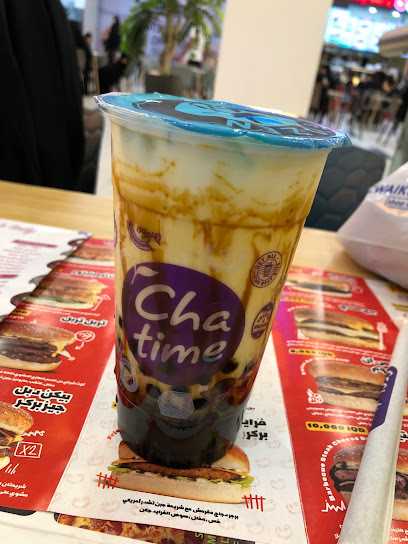
Chatime
38.6 km
Discover the vibrant flavors of Chatime in Karbala, where refreshing bubble teas and a cozy atmosphere await every traveler.
الكواد محمد
39.6 km
Experience the vibrant local culture at الكواد محمد in Karbala, where traditional flavors meet warm hospitality in a lively atmosphere.
رضاوي الخال
39.9 km
Experience the essence of Karbala at رضاوي الخال, where tradition meets flavor in a vibrant bar setting.
الفكر
40.0 km
Experience the lively atmosphere of الفِكْر in Karbala, where local culture meets modern bar vibes, perfect for unwinding after a day of exploration.
Nightclubs & after hour spots

عبودي الحلو
31.6 km
Experience the vibrant nightlife of Karbala at عبودي الحلو, where music, dance, and excitement come together in a unique atmosphere.
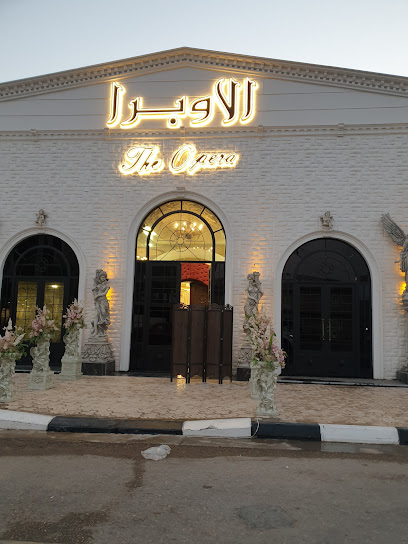
صالة أعراس الأوبرا
35.8 km
Discover the electrifying nightlife at صالة أعراس الأوبرا, Karbala's top destination for dance and entertainment, blending local culture with modern beats.
تجمع البرابيك
38.3 km
Immerse yourself in the vibrant nightlife of Karbala at تجمع البرابيك, where music, dance, and culture come alive in an unforgettable experience.
مصطفى ابو العمبه
43.6 km
Discover the vibrant nightlife at Mustafa Abu Al-Amba, where culture meets entertainment in the heart of Karbala.
اذكرو اللة
51.7 km
Experience the vibrant nightlife of Najaf at 'اذكرو اللة', where music, dance, and culture create unforgettable memories.
ام ملاك
54.6 km
Experience the vibrant nightlife at ام ملاك, Najaf's top nightclub, where music and culture come alive in a spectacular setting.
شبأأؤؤي ألباشأأ
55.5 km
Experience the welcoming ambiance of شبأأؤؤي ألباشأأ, a lounge in Najaf offering local flavors and a cozy retreat for travelers.
شيخ الفروخ الكحبجي ابو العكاريك
55.7 km
Discover the vibrant nightlife at Sheikh Al-Furukh Al-Kahbi Abu Al-Akarik in Kufa, where music, dance, and culture come alive.
مدينة السندويج پنل
57.5 km
Experience the vibrant culture and flavors at the Sandwiched Lounge in Kufa, where relaxation meets culinary delight.
ولد شايب
59.8 km
Experience the charm of Najaf at ولد شايب, a cozy lounge offering a perfect blend of relaxation and local flavors.
مقهى الاحبه
60.1 km
Discover the vibrant nightlife of Najaf at مقهى الاحبه, a lively night club where music, dance, and fun come together.
الوجيه الديني أمير الجبوري
60.4 km
Discover the lively nightlife at Al-Wajih Al-Dini Amr Al-Jabouri in Kufa, where music, dance, and local culture come together for an unforgettable evening.
حنون مصدر للطاقة الشمسية
62.5 km
Experience the vibrant nightlife at حنون مصدر للطاقة الشمسية in Najaf, where energetic music and an electrifying atmosphere await.
المنصور
62.6 km
Experience the vibrant nightlife of Najaf at المنصور, a lively night club offering music, dance, and local flavors.
بيت ام الول
78.6 km
Dive into Baghdad's nightlife at بيت ام الول, a lively nightclub offering a perfect blend of music, dance, and local culture.


