

Free Babel Travel Guide & Mobile App
Explore Babel with free travel guides. Discover regional history, expert tips, proposed trips, and audio guides on web or mobile app.


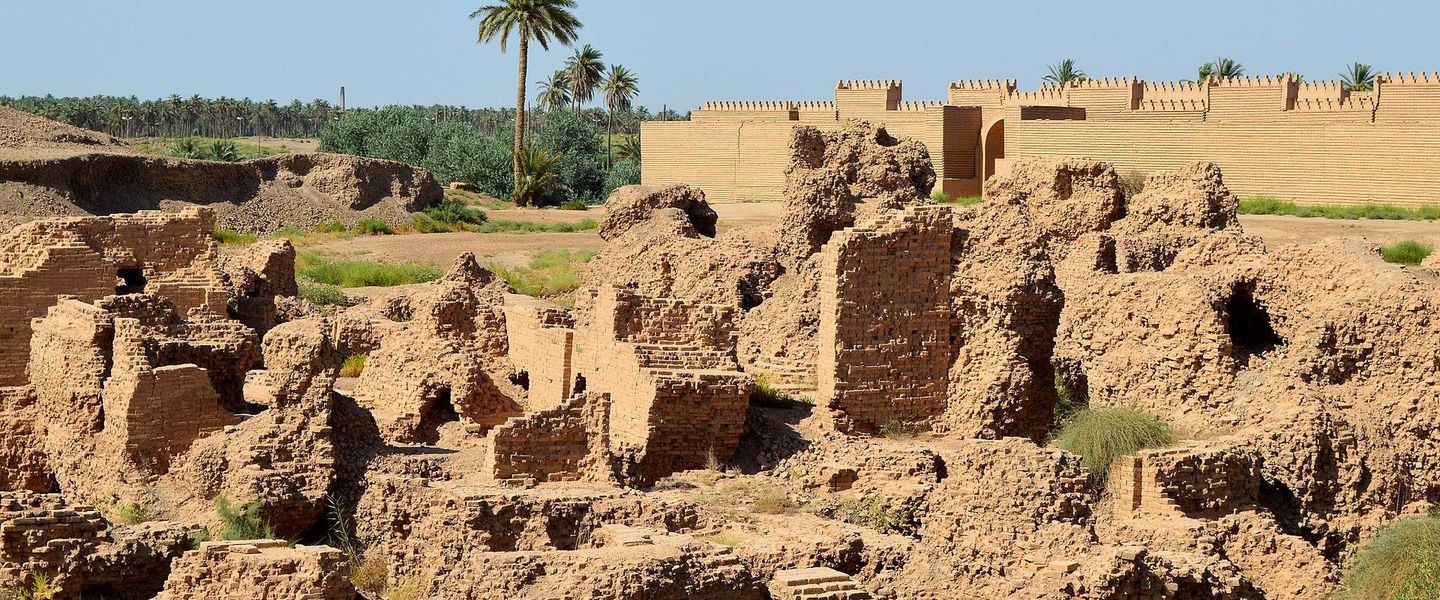


Explore Babel in Iraq for ancient Babylon, Euphrates landscapes, early Mesopotamian history, Al Hillah and enduring river-valley culture.
Read more about Babel
When is the best time to visit Babel?
Best: March–April, November · 22–27°C| Month | High (°C) | Rainfall (mm) |
|---|---|---|
| January | 15 | 30 |
| February | 17 | 25 |
| March (best) | 22 | 20 |
| April (best) | 27 | 15 |
| May | 33 | 10 |
| June | 38 | 1 |
| July | 41 | 1 |
| August | 41 | 1 |
| September | 36 | 1 |
| October | 30 | 10 |
| November (best) | 22 | 15 |
| December | 16 | 25 |
Getting to and around Babel
How to get there
Transportation
Top city travel guides in Babel
The cities of Babel, and the easiest places to base yourself.
-

-


Swipe for more cities
Best attractions in Babel
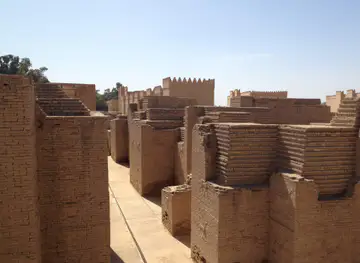
Babel's attractions are concentrated around the ancient cities and river landscapes of the central Euphrates. The archaeological site of Babylon is the principal draw, with its monumental Processional Way, reconstructed Ishtar Gate, palace remains, temples, defensive features and the Lion of Babylon providing a broad introduction to Mesopotamian urban history. The site is large, so visitors should allow time to understand its layout rather than treating it as a single monument. South-west of Babylon, Borsippa offers a more rugged archaeological experience centred on the great ziggurat known as Birs Nimrud. Kish, near Al-Uhaymir, reveals another major ancient settlement, although access and visitor facilities may be more limited. Al Hillah supplies the region's modern cultural context through its mosques, riverfront, shops, tea houses and everyday urban life. Visits to Al Kifl can add a religious and historical dimension through its association with the traditional tomb of Ezekiel. Outside the ruins, irrigation channels, date gardens and cultivated plains show how agriculture continues to shape the region. This is not primarily a resort landscape: its attractions are archaeological, historical, religious and agricultural, and responsible travel depends on respecting site restrictions and local guidance.
-
Castle
Kirkuk Citadel
Explore the ancient Kirkuk Citadel, a historic fortress in Iraq with millennia of stories etched in its walls and a tentative UNESCO World Heritage Site.
-
Tourist attraction
Saving Iraqi Culture Monument
A striking monument in Baghdad symbolizing Iraq's rich heritage and the collective effort to preserve its cultural identity amidst turmoil.
-
Historical landmark
Babel Lion
Explore the Lion of Babylon, an iconic symbol of ancient Mesopotamian power and artistry, located in the historic city of Babylon, Iraq.
-
Historical landmark
Remains of the Hanging Gardens of Babylon
Explore the speculated site of the Hanging Gardens of Babylon, one of the Seven Wonders of the Ancient World, and immerse yourself in Mesopotamian history.


Best landmarks in Babel
The Babylon archaeological site is Babel's most internationally recognisable landmark, particularly the reconstructed Ishtar Gate and the long Processional Way associated with the ceremonial heart of the Neo-Babylonian capital. The Lion of Babylon, carved from dark stone, has become a widely recognised symbol of the region, while the remains of city walls, temples and palaces convey the scale of the ancient metropolis. At Borsippa, the vast earthen mass of Birs Nimrud rises above the flat plain and marks the remains of a religious centre devoted to Nabu; its weathered form is visually distinctive even from a distance. Kish's low archaeological mounds are less monumental in appearance but represent the remains of a city of major importance in early Mesopotamian history. In Al Hillah, the Euphrates and its bridges, riverbanks and dense urban fabric form a living landmark shaped by medieval foundations and modern growth. Al Kifl's religious complex, traditionally associated with the tomb of Ezekiel, adds another layer of sacred history. Together these places show Babel through imperial architecture, ancient religious geography, river settlement and continuing urban life.
-
Castle
Erbil Citadel
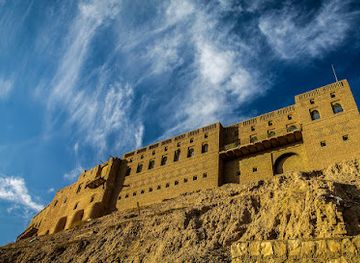
Explore the ancient Erbil Citadel, a UNESCO World Heritage Site and one of the world's oldest continuously inhabited cities.
-
 Hotel
Babylon Rotana
Experience luxury and history at Baghdad's iconic Babylon Rotana, offering modern comfort on the Tigris River.
-
Castle
Kirkuk Citadel
Explore the ancient Kirkuk Citadel, a historic fortress with a rich cultural heritage and stunning panoramic views of Kirkuk, Iraq.
-
Historical landmark
Ancient Babylon
Explore Ancient Babylon, where history and mythology intertwine in the ruins of one of the world's greatest civilizations.


Explore Babel on the map
Plan your trip on one map. See where the top cities, national parks and sights are, and book hotels and experiences in a few clicks.
Best hotels in Babel
Best restaurants in Babel
Dining in Babel reflects the food culture of central Iraq rather than a narrowly defined local cuisine. In Al Hillah, restaurants and family-run eateries commonly serve rice with stews, grilled meats, kebabs, dolma, kubba, soups, flatbreads and fresh salads, while tea is an important part of social hospitality. The Euphrates supports a continuing tradition of freshwater fish, including masgouf-style grilled fish where it is available, although preparation and availability vary between establishments. Dates from Iraq's historic palm-growing belt are found in markets and shops, alongside sweets, pastries and sesame-based treats. Roadside and neighbourhood cafés tend to be informal, while larger restaurants may offer more substantial meals for groups. Visitors should choose busy, well-regarded premises, take local advice about drinking water and retain flexibility about menus, as supplies and opening arrangements can change. The most distinctive dining experience is often the combination of river-valley produce, rice, bread, dates and shared dishes rather than a single signature food associated exclusively with Babel.
-
Restaurant
Royal Galaxy Restaurant
Discover authentic Iraqi flavors at Royal Galaxy Restaurant in Baghdad - where every dish tells a story of tradition and taste.
-
Restaurant
Jadiriyah Floating Restaurant
Discover exquisite Iraqi cuisine aboard Baghdad's premier floating restaurant on the Tigris River.
-
Restaurant
Sobat Restaurant
Experience authentic Iraqi cuisine at Sobat Restaurant in Najaf—where tradition meets taste in a warm and inviting setting.
-
Restaurant
Kabebchi Restaurant
Discover authentic Iraqi cuisine at Kabebchi Restaurant in Hillah—where flavor meets tradition in every bite.


Best bars in Babel
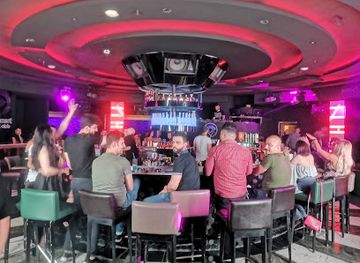
Babel does not have a major international-style club scene, and evening life is more commonly centred on tea houses, cafés, family restaurants and social visits. Al Hillah provides the widest choice of places to eat and sit out after dark, with conversation, tea and simple refreshments forming a more typical evening than nightclub entertainment. Some larger restaurants may offer private or family-oriented dining areas, while alcohol availability is limited and should never be assumed. In smaller towns and rural districts, evenings are quieter and organised around local cafés, homes and community life. Visitors should dress respectfully, observe local expectations around photography and public behaviour, and ask accommodation staff or trusted local contacts about appropriate places to go. Night-time travel between dispersed archaeological sites is not advisable without reliable local transport and up-to-date security guidance.
-
Restaurant
German Bar
Experience the flavors of Germany at the German Bar in Erbil, a must-visit destination for food lovers and cultural explorers.
-
Restaurant
Babylon Village
Experience the enchanting flavors of Babylon Village, a premier dining destination in Baghdad featuring authentic Middle Eastern cuisine and a vibrant atmosphere.
-
Restaurant
Babylon Resturant
Discover the rich flavors of Iraqi cuisine at Babylon Restaurant, a culinary delight in the heart of Baghdad's bustling Mall of Babylon.
-
Restaurant
WOOD LOUNGE BAR & RESTAURANT
Discover the vibrant atmosphere and delightful cuisine at Wood Lounge Bar & Restaurant in Erbil's Dream City - a must-visit for all travelers.


Best nightclubs in Babel
Babel does not have a major international-style club scene, and evening life is more commonly centred on tea houses, cafés, family restaurants and social visits. Al Hillah provides the widest choice of places to eat and sit out after dark, with conversation, tea and simple refreshments forming a more typical evening than nightclub entertainment. Some larger restaurants may offer private or family-oriented dining areas, while alcohol availability is limited and should never be assumed. In smaller towns and rural districts, evenings are quieter and organised around local cafés, homes and community life. Visitors should dress respectfully, observe local expectations around photography and public behaviour, and ask accommodation staff or trusted local contacts about appropriate places to go. Night-time travel between dispersed archaeological sites is not advisable without reliable local transport and up-to-date security guidance.
-
Disco club
HERA Club
Experience the vibrant nightlife of Erbil at HERA Club, where music and energy combine for an unforgettable disco experience.
-
Night club
Love time club
Dive into the vibrant nightlife of Erbil at Love Time Club, where music and dance create unforgettable memories.
-
Night club
Inferno Erbil
Experience the electrifying nightlife of Erbil at Inferno Erbil, where vibrant music and an energetic crowd create unforgettable memories.
-
Night club
LOTUS NIGHT CLUB
Discover Erbil's Nightlife at Lotus Night Club – a hub of music, dancing, and unforgettable experiences.


Best shops in Babel
Shopping in Babel is strongest in Al Hillah, where ordinary high-street businesses, neighbourhood shops, food sellers and small bazaars serve local residents rather than international tourism. Visitors can look for Iraqi dates, dried foods, sweets, tea, spices and packaged regional produce, with quality and presentation varying by season and seller. Traditional bread and pastries make practical purchases for immediate consumption, while modest handicrafts and religious items may be available near historic or shrine areas. Markets connected with farming communities can provide a glimpse of the region's agricultural economy, particularly its links with dates, grains and river-valley produce, but market days and stock should be confirmed locally. Antiquities, ancient coins and objects presented as archaeological finds should not be bought: exporting cultural property can be illegal and contributes to site damage. Larger retail zones in Al Hillah offer clothing, household goods and modern consumer products, while rural settlements have a more limited, utilitarian range.
-
Shopping mall
Mansour Mall
Discover Mansour Mall in Baghdad, a vibrant shopping haven with diverse stores, dining, and entertainment options reflecting the city's rich culture.
-
Shopping mall
Baghdad Mall
Explore Baghdad Mall: A vibrant shopping and entertainment destination in the heart of Iraq's capital city, perfect for all travelers.
-
Shopping mall
Babylon Mall
Discover Babylon Mall, Baghdad's ultimate shopping destination with diverse shops, dining, and entertainment for an unforgettable experience.
-
Shopping mall
Shanshal Mall
Experience modern shopping and local culture at Shanshal Mall, Basrah's premier shopping destination with diverse stores and dining options.


Get your free copy of our complete guide to Babel, delivered straight to you.
Everything on this page, from attractions and restaurants to essentials and local phrases, in one PDF you can read offline, print or share.
Already have an account? Sign in
Your Babel guide is ready.
We'll send it to · Not you? Sign out

Getting your guide ready…
We are putting together a fresh copy of the Babel guide. This can take up to a minute.
This can take a few moments. If your browser asks, choose Allow so the download can start. You'll find the guide in your Downloads folder.
Nothing happened? Download it again
Sorry, the guide is taking longer than usual. Please try again in a minute, or get it by email instead.
Babel essentials
Currency and Payment
Safety
Emergency Situations
Do's and Don'ts
Local Tips
From Eve
Local phrases worth knowing
You don't need to get them perfect. A few words go a long way, and locals appreciate the effort.
Basics
| English | Local | Say it |
|---|---|---|
| Hello | مرحبا | [Marhaban] |
| Goodbye | وداعا | [Wada'an] |
| Yes | نعم | [Na'am] |
| No | لا | [La] |
| Please/You're welcome | من فضلك | [Min fadlik] |
| Thank you | شكرا | [Shukran] |
| Excuse me/Sorry | عفوا | [Afwan] |
| How are you? | كيف حالك؟ | [Kayfa halak?] |
| Fine. And you? | بخير. وأنت؟ | [Bikhayr. Wa anta?] |
| Do you speak English? | هل تتحدث الإنجليزية؟ | [Hal tatahadath al-ingliziyya?] |
| I don't understand | لا أفهم | [La afham] |
Eating & Drinking
| English | Local | Say it |
|---|---|---|
| I'd like to see the menu, please | أود رؤية القائمة، من فضلك | [Awad ru'yat al-qa'ima, min fadlik] |
| I don't eat meat | لا أأكل اللحم | [La akul al-lahm] |
| Cheers! | في صحتك! | [Fi sihhatak!] |
| I would like to pay, please | أود الدفع، من فضلك | [Awad al-daf', min fadlik] |
Emergencies
| English | Local | Say it |
|---|---|---|
| Help! | نجدة! | [Najda!] |
| Go away! | أبعد! | [Ab'id!] |
| Call the Police! | اتصل بالشرطة! | [Ittasil bil-shurta!] |
| Call a doctor! | اتصل بطبيب! | [Ittasil bi-tabeeb!] |
| I'm lost | أنا ضائع | [Ana da'i'] |
| I'm ill | أنا مريض | [Ana marid] |
Shopping
| English | Local | Say it |
|---|---|---|
| I'd like to buy... | أود شراء... | [Awad shira'] |
| I'm just looking | أنا فقط أنظر | [Ana faqat anzur] |
| How much is it? | كم ثمنه؟ | [Kam thamanu?] |
| That's too expensive | هذا مكلف جدا | [Hatha mukallaf jiddan] |
| Can you lower the price? | هل يمكنك تخفيض السعر؟ | [Hal yumkinuka takhfid al-si'r?] |
Time & Numbers
| English | Local | Say it |
|---|---|---|
| What time is it? | كم الساعة؟ | [Kam al-saa'a?] |
| It's one o'clock | الساعة الواحدة | [Al-saa'a al-wahidi] |
| Half past (10) | نصف (10) | [Nisf (10)] |
| Morning | صباحا | [Sabahan] |
| Afternoon | بعد الظهر | [Ba'ad al-zuhur] |
| Evening | مساء | [Masa'a] |
| Yesterday | الأمس | [Al-amss] |
| Today | اليوم | [Al-yawm] |
| Tomorrow | غدا | [Ghadan] |
| 1 | واحد | [Wahid] |
| 2 | اثنان | [Ithnan] |
| 3 | ثلاثة | [Thalatha] |
| 4 | أربعة | [Arba'a] |
| 5 | خمسة | [Khamsa] |
| 6 | ستة | [Sitta] |
| 7 | سبعة | [Sab'a] |
| 8 | ثمانية | [Thamaniya] |
| 9 | تسعة | [Tis'a] |
| 10 | عشرة | [Ashara] |
Transport & Directions
| English | Local | Say it |
|---|---|---|
| Where's a/the...? | أين ال...؟ | [Ayn al...?] |
| What's the address? | ما هو العنوان؟ | [Ma huwa al-unwan?] |
| Can you show me (on the map)? | هل يمكنك أن تريني (على الخريطة)؟ | [Hal yumkinuka an turini (ala al-kharita)?] |
| When's the next (bus)? | متى سيكون (الباص) التالي؟ | [Mata sayakoon (al-bas) al-tali?] |
| A ticket (to ....) | تذكرة (إلى ....) | [Tadhkarah (ila ....)] |
History of Babel
The first cities of southern Mesopotamia
The plain of central and southern Iraq supported some of the world's earliest urban societies because the Euphrates and its irrigation channels made intensive agriculture possible. Kish, within modern Babel Governorate, became an important early city and appears prominently in Sumerian royal traditions. Its archaeological remains demonstrate the long development of temples, palaces, administration and craft production in the region. The landscape was never static: rivers shifted, canals silted up and settlements rose or declined as political power and water management changed.
Babylon under Hammurabi
Babylon became a major political power during the reign of Hammurabi, who ruled in the eighteenth century BCE and expanded Babylonian authority across much of Mesopotamia. His name is especially associated with a surviving law collection, although Babylonian society was governed by a much broader body of custom and administration. Hammurabi's period helped establish Babylon as a centre of kingship, scholarship, religion and record keeping. The city's later fame rested partly on this earlier transformation from a regional settlement into an imperial capital.
Nebuchadnezzar II and imperial Babylon
Babylon reached one of its most influential phases under the Neo-Babylonian king Nebuchadnezzar II, who reigned from 604 to 562 BCE. The city was expanded and adorned with monumental walls, temples, palaces and ceremonial routes, including the Ishtar Gate and Processional Way. Many surviving features at the archaeological site relate to this period, though the ruins also incorporate evidence from earlier and later centuries. Babylon's reputation as a centre of astronomy, mathematics, literature and royal ceremony continued far beyond the Neo-Babylonian kingdom itself.
Persian, Hellenistic and later ancient Babylon
Babylon remained an important city after the Persian conquest in 539 BCE, when it became part of the Achaemenid Empire. It retained religious and scholarly significance under subsequent Hellenistic rulers, and Alexander the Great died there in 323 BCE after choosing the city as a base for his plans in Asia. The rise of Seleucid centres and changing political priorities gradually weakened Babylon's urban prominence. Even as its population declined, its written traditions and intellectual legacy continued to influence historical accounts of Mesopotamia.
Borsippa and the religious cities of the Euphrates plain
Borsippa, south-west of Babylon, was an important ancient religious centre dedicated particularly to Nabu, the god associated with writing and scholarship. Its enormous ruined ziggurat, known today as Birs Nimrud, remains one of the most recognisable silhouettes in Babel's archaeological landscape. The relationship between Borsippa and Babylon illustrates how Mesopotamian cities operated within networks of temples, processions, administration and irrigation rather than as isolated settlements. Kish, too, retained religious and political importance across several ancient periods.
The medieval foundation of Al Hillah
Al Hillah was founded in the early twelfth century by the Mazyadid dynasty on the Euphrates, near the ancient Babylonian landscape. Its position beside the river helped it develop as a centre of agriculture, commerce and religious learning. Medieval Al Hillah became associated with Shi'a scholarship and literary culture, while its surrounding settlements remained connected to irrigation and river transport. The modern city therefore represents a later layer of regional history rather than a direct continuation of Babylonian imperial rule.
Ottoman rule, modern Iraq and the preservation of Babylon
For centuries the region formed part of wider Ottoman administrative and commercial networks before becoming part of the modern Iraqi state after the First World War. Agriculture, irrigation and the Euphrates remained central to local life, while Al Hillah grew as an administrative and trading centre. During the twentieth century, extensive reconstruction at Babylon created striking but controversial replicas and interventions alongside the ancient remains. International archaeological work and the site's 2019 UNESCO World Heritage inscription have since reinforced the importance of conserving Babylon's original fabric and wider setting.
Babel in Photos
Browse through our photo collection highlighting the charm and character of the destination.
Neighbouring regions of Babel
The closest regions to Babel, if you have time for more than one.
-

-
-
-
-


Swipe for more regions
Explore more

Explore more of Iraq
Explore the cradle of civilization in Iraq, where ancient history, rich culture, and diverse landscapes create an unforgettable travel experience.
Explore Iraq