

Nin-Makh Temple, Wasit Travel Guide
Explore the ruins of the Nin-Makh Temple in Babylon, a tribute to the ancient Mesopotamian mother goddess and a window into a rich cultural past.
The Nin-Makh Temple in Babylon, Iraq, is an ancient sanctuary dedicated to Ninmakh, a Sumerian mother goddess of fertility and creation. Rebuilt over centuries by rulers like Nebuchadnezzar II, its ruins offer a glimpse into the religious and cultural life of ancient Mesopotamia, with remnants of a holy well and spaces for women's rituals.
A brief summary to Nin-Makh Temple
- Ninmah Temple, Babylon Governorate, IQ

Know before you go
Hi, I'm Eve. Here are a few practical things to know before exploring Nin-Makh Temple.
- Visit early in the morning or late afternoon to avoid the midday heat and enjoy a more comfortable experience.
- Bring plenty of water and snacks, as facilities may be limited nearby.
- Wear comfortable footwear, as exploring the site may require walking over uneven terrain.
- Respect the site's historical significance by refraining from touching or climbing on the ruins.
Do you manage this location?
Take control to get all the benefits, like improved information, better appearance, and stronger visibility across AI-powered discovery. Learn more about listing your business on Evendo
Activate your presenceOther nearby places you may find interesting
The closest places of the same kind, if this one is not quite what you had in mind.
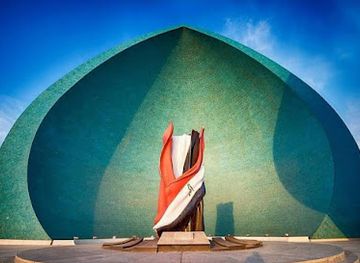
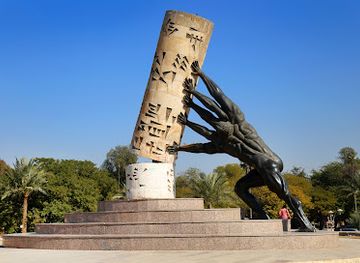
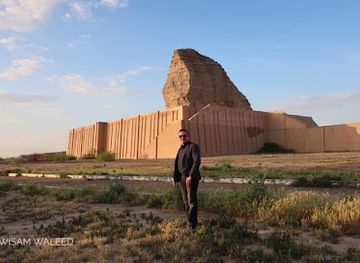
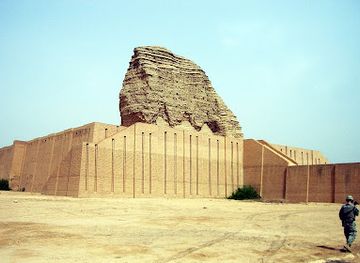

Explore Nin-Makh Temple on the Map
A handpicked selection of must-see spots near Nin-Makh Temple, mapped for you.
Getting There
-
Public Transport
From Wasit city center, take a shared taxi or minibus heading towards Babylon. Ask the driver to drop you off at Nin-Makh Temple. The fare is typically around 1,000 to 2,000 IQD. The journey should take about 30-45 minutes depending on traffic.
-
Car
To reach Nin-Makh Temple from the center of Wasit by car, start by heading west on Al-Quds Street. Continue straight until you reach the intersection with Al-Mahdi Street. Turn left onto Al-Mahdi Street. Follow this road for about 10 kilometers. You will pass through several small towns and farms. After approximately 10 kilometers, you will see signs for the Nin-Makh Temple on your right. There is a small parking area available at the temple.
Discover more about Nin-Makh Temple













Your all‑in‑one travel companion app
Explore expert travel guides, compare and book tours, experiences, hotels, and more—all from the palm of your hand. Download now for seamless trip planning wherever your wanderlust takes you.


Explore More of Wasit
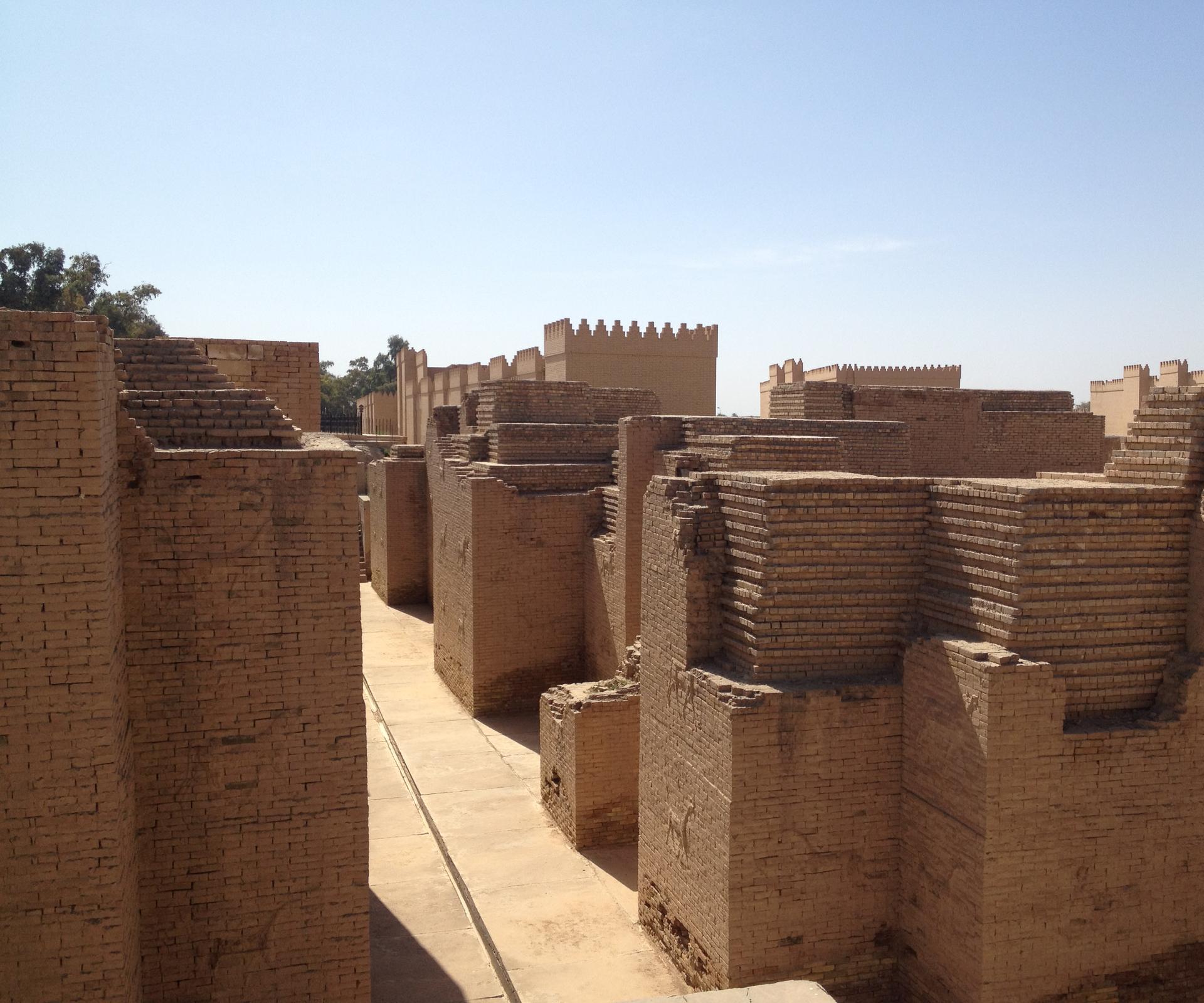
Looking beyond Nin-Makh Temple? Discover Wasit for broader travel guides, local hot-spots, and regional highlights.
Explore Wasit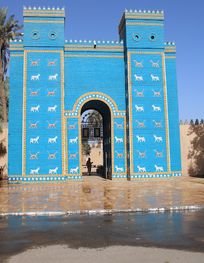
Explore the enigmatic ruins of one of the Seven Wonders of the Ancient World, the legendary Hanging Gardens of Babylon, in Babylon Governorate.
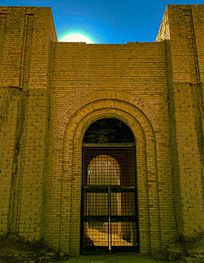
Discover the Ninmah Temple in Babylon: a journey into ancient Mesopotamian culture, religion, and architectural marvels.
