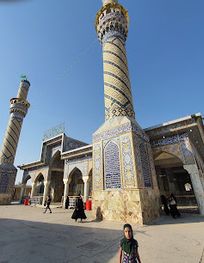
Euphrates River, Muthanna Travel Guide
Explore the Euphrates River, the cradle of civilization, where ancient history meets modern-day challenges in a timeless landscape.
The Euphrates River, one of the longest rivers in Southwest Asia, flows through Turkey, Syria, and Iraq. It's historically significant as part of Mesopotamia, the "cradle of civilization," supporting ancient cities like Babylon and serving as a vital source of water for agriculture and communities for millennia.
A brief summary to Euphrates River
- Babylon Governorate, IQ

Know before you go
Hi, I'm Eve. Here are a few practical things to know before exploring Euphrates River.
- Visit during the early morning or late afternoon for the best light for photography along the riverbanks.
- Engage with local guides to gain insights into the historical significance of the river and surrounding archaeological sites.
- Pack a picnic to enjoy along the riverbanks, taking in the serene atmosphere and scenic views.
- Consider a boat tour for a unique perspective of the river and the surrounding landscapes.
- Respect local customs and traditions when visiting religious sites or interacting with local communities.
Do you manage this location?
Take control to get all the benefits, like improved information, better appearance, and stronger visibility across AI-powered discovery. Learn more about listing your business on Evendo
Activate your presenceOther nearby places you may find interesting
The closest places of the same kind, if this one is not quite what you had in mind.
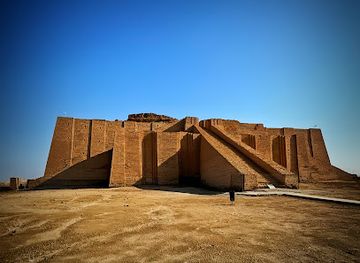
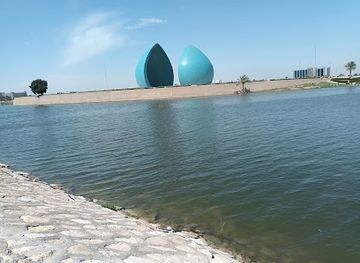
Explore Euphrates River on the Map
A handpicked selection of must-see spots near Euphrates River, mapped for you.
Getting There
-
Driving
From Baghdad, the most direct route to Babylon is by car, approximately a 97 km (60 mile) drive that typically takes around 1 hour and 22 minutes. The drive costs between $4-$7. Once in the Babylon Governorate, follow local signs to reach the Euphrates River. Be aware of local security conditions and travel advisories.
-
Taxi/Ride-Share
Taxis and ride-sharing services are available in major cities like Baghdad and Hilla. A ride from Baghdad to Babylon could cost significantly more than driving, potentially ranging from $50 to $100 or more, depending on the service and negotiation. Confirm the fare before starting your journey. From Hilla, a shorter taxi ride to the Euphrates River would be less expensive, but prices should still be negotiated in advance.
Discover more about Euphrates River













Your all‑in‑one travel companion app
Explore expert travel guides, compare and book tours, experiences, hotels, and more—all from the palm of your hand. Download now for seamless trip planning wherever your wanderlust takes you.


Explore More of Muthanna
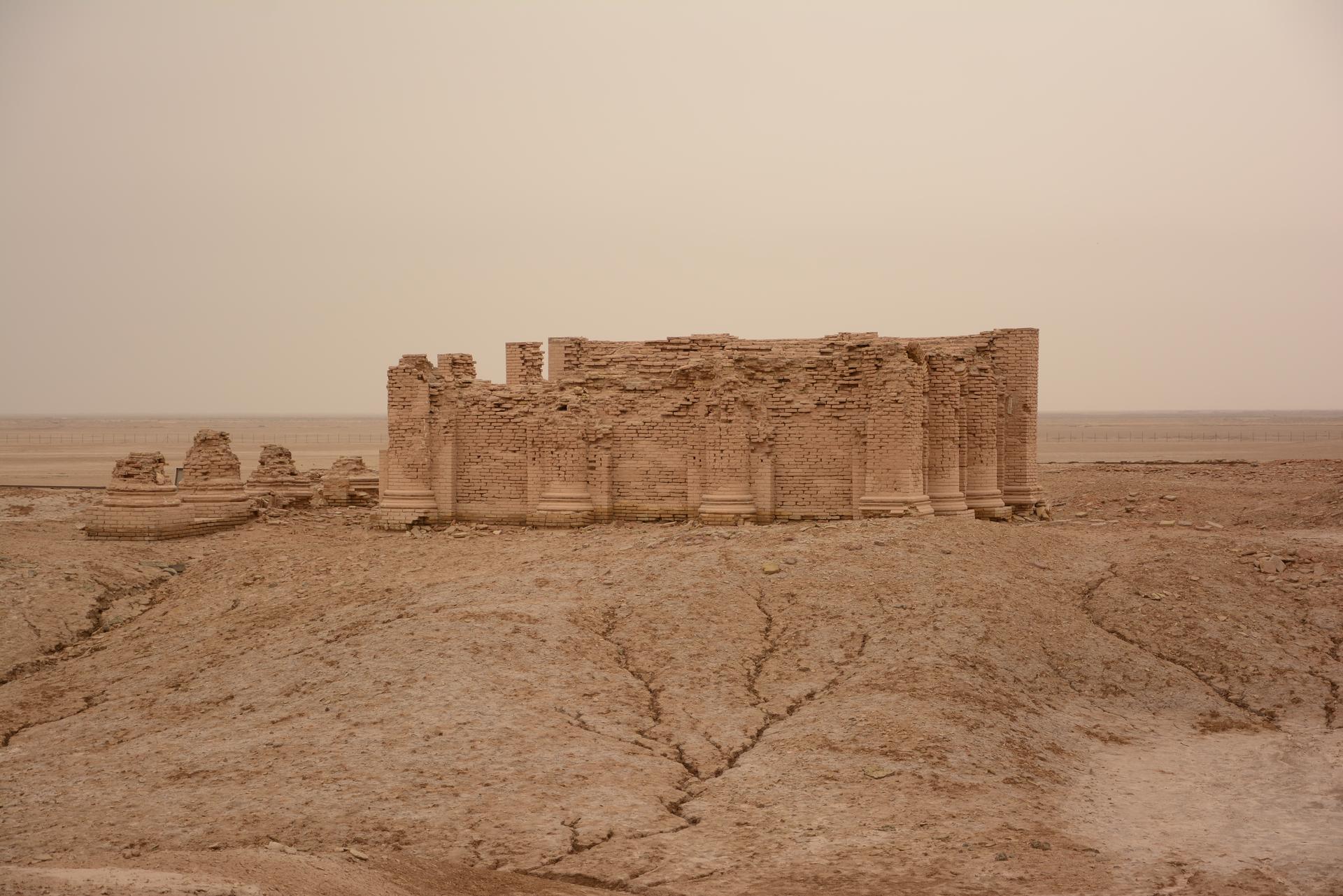
Looking beyond Euphrates River? Discover Muthanna for broader travel guides, local hot-spots, and regional highlights.
Explore Muthanna