

Southern Iraq, Iraq Travel Guide
Explore Southern Iraq: A Journey Through Ancient Civilizations, Natural Wonders, and Rich Cultural Heritage.
Southern Iraq is a region teeming with historical significance and natural beauty. It is often referred to as the cradle of civilization, as it is home to ancient Mesopotamia, where some of the earliest known human settlements were established. The area is rich in archaeological sites, including the ruins of Ur, a city that dates back to 3800 BC and is believed to be the birthplace of the prophet Abraham. Another must-see site is the Ziggurat of Ur, an ancient temple complex that offers a glimpse into the grandeur of early urban life. In addition to its historical treasures, Southern Iraq boasts stunning landscapes. The Mesopotamian Marshes, a UNESCO World Heritage site, are a unique ecosystem that supports a wide variety of wildlife and offers breathtaking scenery. Visitors can take boat tours to explore the marshes and experience the traditional way of life of the Marsh Arabs, who have lived in the region for thousands of years. The area also includes the Shatt al-Arab river, formed by the confluence of the Tigris and Euphrates rivers, providing picturesque views and opportunities for leisurely boat rides. Southern Iraq also offers a blend of cultural experiences. The city of Basra, known as the Venice of the East, features a vibrant waterfront, bustling markets, and an array of historic buildings. The region's cuisine is another highlight, with delicious dishes that reflect its diverse cultural influences. From sumptuous kebabs to rich stews, the food in Southern Iraq is sure to delight your taste buds.

Know before you go
Hi, I'm Eve. Here are a few practical things to know before exploring Southern Iraq.
- Visit during the cooler months (November to March) to avoid the extreme heat.
- Hire a local guide to get the most out of the historical sites and understand their significance.
- Respect local customs and dress modestly, especially when visiting religious sites.
- Try traditional dishes like masgouf (grilled fish) and samoon (local bread) for an authentic culinary experience.
- Stay hydrated and carry bottled water, especially if you are exploring the marshes and archaeological sites.
Top City Travel Guides in Southern Iraq
The cities of Southern Iraq, and the easiest places to base yourself.
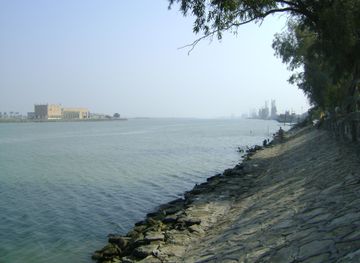

Explore Southern Iraq: Things to Do, Places to Eat, Hotels & More
Handpicked recommendations for top attractions, local dining, accommodations, and more

Top Attractions & Sightseeing in Southern Iraq
Top-rated picks
Best Attractions

Dukan Lake
Discover the beauty of Dukan Lake in Iraqi Kurdistan: a scenic reservoir offering recreation, history, and stunning mountain views.

Amna Suraka, Red Museum
Explore the haunting history of Saddam Hussein's Red Museum in Sulaymaniyah, a memorial to the Kurdish people's resilience and struggle for freedom.

Tomb of Sheikh ʿAdī
Discover the spiritual heart of Yazidism at the Tomb of Sheikh ʿAdī in Lalish, a sacred valley of pilgrimage and ancient traditions.

Halgurd Mountain
Discover Iraq's majestic Halgurd Mountain: A haven for hikers, nature lovers, and cultural explorers in the heart of the Kurdistan Region.

Best landmarks in Southern Iraq
Top-rated picks
Best Landmarks

Erbil Citadel
Explore the ancient Erbil Citadel, a UNESCO World Heritage Site with millennia of history and stunning views in the heart of Iraqi Kurdistan.

Al-Zawraa Park
Escape to Baghdad's largest park: Al-Zawraa, a green haven with gardens, a zoo, and amusement rides for family fun and relaxation.

Samî Abdulrahman Park
Erbil's largest park, a green escape offering leisure, recreation, and a tribute to Kurdish leader Sami Abdulrahman.

Baghdad Island Park
Escape to Baghdad Island Park: A green oasis offering recreation, relaxation, and a taste of Iraqi culture on the Tigris River.

Best restaurants in Southern Iraq
Top-rated picks
Best Restaurants

Saj Alreef Restaurant - Karada
Experience authentic Iraqi cuisine at Saj Alreef Restaurant - where every dish tells a story of tradition and flavor.

Royal Galaxy Restaurant
Discover the flavors of Iraq at Royal Galaxy Restaurant - where tradition meets modernity in every dish.

Restaurant Beeston Samad
Explore authentic Iraqi flavors at Restaurant Beeston Samad - where tradition meets modern dining in Baghdad's vibrant culinary scene.

Jadiriyah Floating Restaurant
Discover culinary delights and breathtaking views at Jadiriyah Floating Restaurant on the Tigris River in Baghdad.

Best bars in Southern Iraq
Top-rated picks
Best Bars

German Bar
Discover the vibrant atmosphere and authentic German cuisine at the German Bar in Erbil, where tradition meets taste in every dish.

The Vinery Wine Bar
Experience the elegance of The Vinery Wine Bar in Erbil, where exquisite wines and delightful cuisine meet in a stylish setting.

Mars Rooftop
Experience breathtaking views and a vibrant atmosphere at Mars Rooftop, Erbil's premier bar for unforgettable nights.

D lounge & Restaurant
Experience the vibrant nightlife at D Lounge & Restaurant in Baghdad, where exceptional cuisine meets a lively bar atmosphere.

Best nightclubs in Southern Iraq
Top-rated picks
Best Nightclubs

HERA Club
Discover the electrifying vibes of HERA Club in Erbil, where unforgettable nights and vibrant rhythms await every visitor.

Inferno Erbil
Experience the vibrant nightlife of Erbil at Inferno Erbil, where electrifying music and an unforgettable atmosphere await.

LOTUS NIGHT CLUB
Discover the vibrant Lotus Night Club in Erbil, where unforgettable nights filled with music, dance, and great company await you.

ديسكو ابو نؤاس
Discover the electrifying nightlife at ديسكو ابو نؤاس, Baghdad’s premier night club with an unforgettable mix of music and dance.

Best shops in Southern Iraq
Top-rated picks
Best Shops

Mansour Mall
Explore Mansour Mall: Baghdad’s vibrant shopping haven with diverse shops, dining, and entertainment for an unforgettable experience.

Babylon Mall
Explore Babylon Mall in Baghdad, a vibrant shopping center with diverse stores, dining, and entertainment options for the entire family.

Family Mall Duhok
Explore Family Mall Duhok: A vibrant shopping, dining, and entertainment hub in the heart of Duhok, perfect for families and tourists alike.

Shanshal Mall
Discover Shanshal Mall in Basrah for an unforgettable shopping experience with diverse stores, delicious food options, and vibrant local culture.

Explore Southern Iraq on the Map
A handpicked selection of must-see spots in Southern Iraq, mapped for you.
Southern Iraq Essentials
-
Southern Iraq is accessible through multiple entry points. The nearest international airports are Basra International Airport (BSR) and Najaf International Airport (NJF). From these airports, you can take domestic flights or ground transportation to reach your specific destination within Southern Iraq. There are also bus services and private taxis available from Baghdad for those who prefer overland travel.
-
Southern Iraq offers various transportation options. Taxis are plentiful and relatively affordable. For those preferring public transportation, buses and minibuses (known locally as 'coasters') operate within cities and between towns. Car rentals are available for those who wish to explore at their own pace, but driving conditions can be challenging due to varying road quality. For travel within cities, walking can be a practical option in safe and well-populated areas.
-
The official currency in Iraq is the Iraqi Dinar (IQD). Credit and debit cards are accepted in major hotels, restaurants, and shopping centers, but it is advisable to carry cash, especially when traveling to smaller towns and rural areas. ATMs are available in major cities, but their availability can be limited in remote areas. It is recommended to exchange currency at official exchange offices or banks.
-
While Southern Iraq has areas that are safe for tourists, it is important to stay informed about current conditions. Basra and Najaf are generally safe, but it is advisable to avoid areas with known security issues such as certain parts of Nasiriyah and Amara. Crime rates targeting tourists are relatively low, but petty theft can occur. Always stay vigilant, avoid walking alone at night, and keep your belongings secure.
-
In case of an emergency, dial 104 to reach the local police. For medical emergencies, dial 122. Major cities have hospitals and clinics that can provide medical assistance, but it is advisable to have travel insurance that covers medical emergencies. Pharmacies are available in urban areas for minor health issues. Keep a list of emergency contacts, including your embassy, and know the location of the nearest hospital.
-
Fashion: Do dress modestly; women should cover their shoulders and knees, while men should avoid wearing shorts. Religion: Do respect local religious customs, especially in holy cities like Najaf and Karbala. Remove your shoes before entering mosques and dress conservatively. Public Transport: Do be respectful and give up your seat to elderly passengers. Don't eat or drink on public transport. Greetings: Do greet people with a handshake. A slight bow of the head is also a sign of respect. Eating & Drinking: Do try local delicacies and accept food offerings graciously. Don't refuse hospitality, as it is considered impolite.
-
To experience Southern Iraq like a local, visit traditional markets (souks) where you can buy fresh produce, spices, and handcrafted goods. Engage with locals, as they are often hospitable and willing to share stories about their culture and history. Don't miss visiting historical sites such as the ancient city of Ur and the Marshlands of Southern Iraq, which are UNESCO World Heritage Sites. For a unique experience, take a boat trip through the Mesopotamian Marshes and enjoy the natural beauty and traditional way of life.
When is the best time to visit Southern Iraq?
Useful Local Phrases for Southern Iraq
You don't need to speak the language perfectly. Even learning a few simple words can make conversations warmer—and locals usually appreciate the effort.
— Eve

Here are the phrases I use most often in Southern Iraq. Try a few—you'll be surprised how far they go! 😊
❤️
-
- Helloأهلاً
[Ahlan] - Goodbyeمع السلامة
[Ma'a as-salama] - Yesنعم
[Na'am] - Noلا
[La] - Please/You're welcomeتفضل/على الرحب والسعة
[Tafaddal/‘Ala ar-rahab wa as-si'ah] - Thank youشكراً
[Shukran] - Excuse me/Sorryعفواً/آسف
[‘Afwan/‘Asif] - How are you?كيف حالك؟
[Kayfa halak?] - Fine. And you?بخير. وأنت؟
[Bikhayr. Wa anta?] - Do you speak English?هل تتحدث الإنجليزية؟
[Hal tatahaddath al-ingliziyya?] - I don't understandلا أفهم
[La afham]
- Helloأهلاً
-
- I'd like to see the menu, pleaseأود أن أرى القائمة، من فضلك
[Awad an ara al-qa'ima, min fadlik] - I don't eat meatلا أأكل اللحم
[La akul al-lahm] - Cheers!في صحتك!
[Fi sihatak!] - I would like to pay, pleaseأود أن أدفع، من فضلك
[Awad an adfa', min fadlik]
- I'd like to see the menu, pleaseأود أن أرى القائمة، من فضلك
-
- Help!نجدة!
[Najda!] - Go away!اخرج!
[Ukhruj!] - Call the Police!اتصل بالشرطة!
[Ittasil bil-shurta!] - Call a doctor!اتصل بالطبيب!
[Ittasil bil-tabeeb!] - I'm lostأنا ضائع
[Ana da'i'] - I'm illأنا مريض
[Ana marid]
- Help!نجدة!
-
- I'd like to buy...أود أن أشتري...
[Awad an ashtari...] - I'm just lookingأنا فقط أتفرج
[Ana faqat atfarraj] - How much is it?كم ثمنه؟
[Kam thamanuh?] - That's too expensiveهذا غالي جداً
[Hatha ghali jiddan] - Can you lower the price?هل يمكنك خفض السعر؟
[Hal yumkinuka khafd as-si'r?]
- I'd like to buy...أود أن أشتري...
-
- What time is it?كم الساعة؟
[Kam as-saa'ah?] - It's one o'clockالساعة واحدة
[As-saa'ah wahida] - Half past (10)العاشرة ونصف
[Al-'ashirah wa nisf] - Morningصباحاً
[Sabahan] - Afternoonظهراً
[Zuhraan] - Eveningمساءً
[Masa'an] - Yesterdayأمس
[Ams] - Todayاليوم
[Al-yawm] - Tomorrowغداً
[Ghadan] - 1واحد
[Wahid] - 2اثنان
[Ithnan] - 3ثلاثة
[Thalatha] - 4أربعة
[Arba'a] - 5خمسة
[Khamsa] - 6ستة
[Sitta] - 7سبعة
[Sab'a] - 8ثمانية
[Thamaniya] - 9تسعة
[Tis'a] - 10عشرة
[Ashara]
- What time is it?كم الساعة؟
-
- Where's a/the...?أين...؟
[Ayn...?] - What's the address?ما هو العنوان؟
[Ma huwa al-'unwan?] - Can you show me (on the map)?هل يمكنك أن توضح لي (على الخريطة)؟
[Hal yumkinuka an tawdih li (ala al-kharita)?] - When's the next (bus)?متى تكون الحافلة القادمة؟
[Mata takun al-hafila al-qadima?] - A ticket (to ....)تذكرة (إلى ....)
[Tadhkira (ila ....)]
- Where's a/the...?أين...؟
History of Southern Iraq
-
Southern Iraq is home to one of the world's earliest civilizations, the Sumerians, who settled in the region around 4500 BCE. The Sumerians are credited with the invention of writing (cuneiform), the wheel, and the establishment of the first cities, such as Uruk, Ur, and Eridu. These ancient cities were centers of trade, religion, and governance, making Southern Iraq a hub of early human development.
-
In the 24th century BCE, the Akkadian Empire emerged under the leadership of Sargon the Great, uniting the Sumerian city-states and extending its influence across Mesopotamia. The Akkadian Empire is notable for its advancements in art, literature, and governance. However, it eventually declined due to internal strife and external pressures, paving the way for the rise of other powers in the region.
-
The ancient city of Ur, located in modern-day Dhi Qar Governorate, was a major Sumerian urban center and the birthplace of Abraham, a key figure in Judeo-Christian and Islamic traditions. The most prominent feature of Ur is the Ziggurat of Ur, a massive terraced structure dedicated to the moon god Nanna. This architectural marvel exemplifies the religious and cultural significance of Southern Iraq in ancient times.
-
Southern Iraq also witnessed the rise of the Babylonian Empire, particularly under the rule of King Hammurabi in the 18th century BCE. Hammurabi is best known for his codification of laws, known as the Code of Hammurabi. The Babylonians contributed significantly to mathematics, astronomy, and literature, further cementing the region's importance in ancient history.
-
In the 8th century CE, Southern Iraq became a key region within the Abbasid Caliphate, with Baghdad as its capital. This period, known as the Islamic Golden Age, saw tremendous advancements in science, philosophy, medicine, and the arts. Scholars from across the Islamic world gathered in Southern Iraq, making it a center of learning and culture.
-
The Mesopotamian Marshes, located in Southern Iraq, have been inhabited for centuries by the Marsh Arabs (Ma'dan). This unique culture has adapted to the wetland environment, developing distinctive ways of life, including building reed houses and fishing. The marshes themselves are a vital ecosystem, rich in biodiversity and cultural heritage.
-
In the late 20th century, Southern Iraq was significantly impacted by the Iran-Iraq War (1980-1988). The conflict led to widespread destruction and displacement in the region. Cities like Basra became battlegrounds, and the war had long-lasting effects on the socio-economic fabric of Southern Iraq.
-
Following the 2003 invasion of Iraq, Southern Iraq has been undergoing a process of reconstruction and cultural revival. Efforts have been made to restore historical sites, revitalize local traditions, and promote tourism. The resilience and rich heritage of the region continue to attract visitors and scholars alike.
Neighbouring Regions of Southern Iraq
The closest regions to Southern Iraq, if you have time for more than one.




Your all‑in‑one travel companion app
Explore expert travel guides, compare and book tours, experiences, hotels, and more—all from the palm of your hand. Download now for seamless trip planning wherever your wanderlust takes you.


Explore More of Iraq

Looking beyond Southern Iraq? Discover Iraq for broader travel guides, local hot-spots, and regional highlights.
Explore IraqSouthern Iraq in Photos
Browse through our photo collection highlighting the charm and character of the destination.


Discover the Rich Heritage and Natural Beauty of Southern Iraq
Southern Iraq is a region teeming with historical significance and natural beauty. It is often referred to as the cradle of civilization, as it is home to ancient Mesopotamia, where some of the earliest known human settlements were established. The area is rich in archaeological sites, including the ruins of Ur, a city that dates back to 3800 BC and is believed to be the birthplace of the prophet Abraham. Another must-see site is the Ziggurat of Ur, an ancient temple complex that offers a glimpse into the grandeur of early urban life. In addition to its historical treasures, Southern Iraq boasts stunning landscapes. The Mesopotamian Marshes, a UNESCO World Heritage site, are a unique ecosystem that supports a wide variety of wildlife and offers breathtaking scenery. Visitors can take boat tours to explore the marshes and experience the traditional way of life of the Marsh Arabs, who have lived in the region for thousands of years. The area also includes the Shatt al-Arab river, formed by the confluence of the Tigris and Euphrates rivers, providing picturesque views and opportunities for leisurely boat rides. Southern Iraq also offers a blend of cultural experiences. The city of Basra, known as the Venice of the East, features a vibrant waterfront, bustling markets, and an array of historic buildings. The region's cuisine is another highlight, with delicious dishes that reflect its diverse cultural influences. From sumptuous kebabs to rich stews, the food in Southern Iraq is sure to delight your taste buds.