

Free Samawah Travel Guide & Mobile App
Explore Samawah with free travel guides. Discover regional history, expert tips, proposed trips, and audio guides on web or mobile app.


Discover Samawah in southern Iraq, a Euphrates city offering access to ancient Uruk, desert landscapes, palm groves and Mesopotamian heritage.
Read more about Samawah
When is the best time to visit Samawah?
Best: February–March, November · 21–24°C| Month | High (°C) | Rainfall (mm) |
|---|---|---|
| January | 17 | 15 |
| February (best) | 21 | 15 |
| March (best) | 24 | 15 |
| April | 31 | 10 |
| May | 38 | 5 |
| June | 42 | 1 |
| July | 45 | 1 |
| August | 44 | 1 |
| September | 40 | 5 |
| October | 34 | 10 |
| November (best) | 24 | 15 |
| December | 17 | 15 |
Getting to and around Samawah
How to get there
Transportation
Best landmarks in Samawah
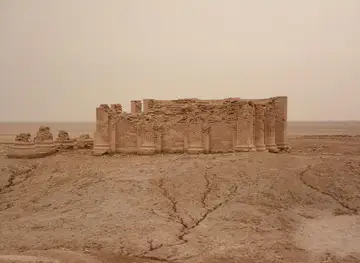
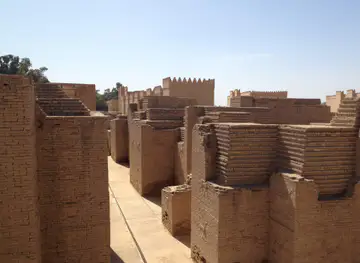
The Euphrates is Samawah’s defining natural and civic landmark, giving the city its physical orientation and explaining its historical importance as a settlement on a major southern Iraqi river corridor. Bridges, embankments and riverside streets provide views of the relationship between the built city, water and cultivated land. The most significant historic landmark near Samawah is Warka, ancient Uruk, whose expansive archaeological remains include the traces of monumental religious and administrative precincts associated with the earliest development of urban civilisation and writing. The site is outside the modern city and should be treated as a carefully arranged excursion rather than an urban walk. Lake Sawa is a distinctive natural landmark in the surrounding Muthanna landscape, traditionally noted for its inland waters set amid dry terrain, although its appearance and accessibility have been affected by changing water levels and environmental pressures. Within Samawah, mosques, market streets and government-era buildings are more representative of living urban heritage than of monumental tourism, and visitors should approach religious and official structures respectfully and photograph them only when permitted.
-

Alssiyagh Square
Discover Alssiyagh Square, a historical landmark in Samawah, offering a glimpse into the city's past and present.
Explore Samawah on the map
Plan your trip on one map. See where the top cities, national parks and sights are, and book hotels and experiences in a few clicks.
Best hotels in Samawah
Best restaurants in Samawah
Dining in Samawah is generally informal and local, with restaurants, food stalls, bakeries and tea houses providing the main choices rather than an international fine-dining scene. Rice served with chicken, meat or vegetable accompaniments is common across Iraq, while grilled meats, kebabs, soups, flatbreads and freshwater fish may appear according to season and supply. Dates are an important product of the wider southern region and may be served with tea or used in sweet dishes. Strong black tea is central to social hospitality, and cafés often function as places for conversation as much as refreshment. Visitors can look for simple local restaurants in the city centre and ask trusted residents about daily specialities, since menus and opening arrangements can change. Food hygiene standards vary, so choose busy establishments with good turnover, drink sealed or reliably treated water and take care with raw foods in hot weather. Regional dining is best understood through everyday cooking and market produce rather than through a fixed list of signature restaurants.
-
Saj Alreef Restaurant - Karada
Experience authentic Iraqi cuisine at Saj Alreef Restaurant in Karada, where every dish tells a story of rich flavors and culinary traditions.
-
Al Badia Restaurant
Experience the rich flavors of Iraqi cuisine at Al Badia Restaurant in Al-Fallujah - where every meal tells a story.
-
Royal Galaxy Restaurant
Experience authentic Iraqi flavors at Royal Galaxy Restaurant in Baghdad – where tradition meets modern dining.
-
Oyoon Baghdad Restaurants
Experience the authentic taste of Iraq at Oyoon Baghdad Restaurants, where tradition meets modern dining in a vibrant atmosphere.


Best bars in Samawah
Samawah does not have a conventional bar-and-nightclub culture aimed at international tourists. Evening social life is more likely to centre on tea houses, cafés, family restaurants, sweet shops and informal gatherings, with activity concentrated in the city rather than in remote desert or archaeological areas. Alcohol is generally not the focus of public hospitality, and visitors should respect local religious and social expectations. After sunset, markets and commercial streets can become more active during the cooler months, while summer evenings may bring people outdoors after the heat eases. Live entertainment and organised nightlife are limited and can change with local circumstances, so accommodation staff or trusted residents are the best source of current information. For many visitors, the evening experience lies in observing riverside movement, drinking tea, eating grilled food and discovering the city’s ordinary social rhythms rather than seeking clubs.
-
Bar
مطعم وكافيه شاطئ الفرات
Discover authentic Iraqi flavors at مطعم وكافيه شاطئ الفرات, where culinary excellence meets a cozy atmosphere in Samawah.
-
Cafeteria Al Shaib
Experience authentic Iraqi flavors at Cafeteria Al Shaib in Samawah, where fresh ingredients meet a cozy atmosphere.
-
Bar
مطعم شاليه السماوة
Explore authentic flavors and a warm atmosphere at مطعم شاليه السماوة, the culinary delight in Samawah's scenic Corniche.
-
Bar
مطعم صاج الخردل
Explore the rich flavors of Iraqi cuisine at مطعم صاج الخردل in Samawah, where tradition and taste meet in a vibrant dining experience.


Best nightclubs in Samawah
Samawah does not have a conventional bar-and-nightclub culture aimed at international tourists. Evening social life is more likely to centre on tea houses, cafés, family restaurants, sweet shops and informal gatherings, with activity concentrated in the city rather than in remote desert or archaeological areas. Alcohol is generally not the focus of public hospitality, and visitors should respect local religious and social expectations. After sunset, markets and commercial streets can become more active during the cooler months, while summer evenings may bring people outdoors after the heat eases. Live entertainment and organised nightlife are limited and can change with local circumstances, so accommodation staff or trusted residents are the best source of current information. For many visitors, the evening experience lies in observing riverside movement, drinking tea, eating grilled food and discovering the city’s ordinary social rhythms rather than seeking clubs.
-
Night club
محل ومقهى وليد ومجيد
Immerse yourself in the vibrant nightlife of Rumaythah at محل ومقهى وليد ومجيد, where music, dance, and culture blend seamlessly.
-
ماما روتي العراق - Mama Roti Iraq
Experience the vibrant nightlife at Mama Roti Iraq, a lively bar in Samawah offering a unique blend of local culture and refreshing drinks.
-
Night club
زيد شراب العرك
Discover the vibrant nightlife at زيد شراب العرك, the ultimate night club in Samawah, where music and excitement come alive.

Best shops in Samawah
Shopping in Samawah is concentrated in ordinary high-street shops, neighbourhood groceries, market stalls, bakeries and small specialist businesses rather than large tourism-oriented retail complexes. Central markets are useful for observing the trade in clothing, household goods, spices, sweets and fresh produce, while date products and regional foodstuffs make more practical souvenirs than generic imported merchandise. Traditional Iraqi sweets, tea, packaged dates and locally available dried foods should be bought from clean, established sellers and checked for transport requirements. Small craft and household goods may appear in local markets, but the range is variable and should not be overstated. Bargaining may be accepted in some informal settings, although it is not appropriate everywhere; asking the price politely and paying in Iraqi dinars is the simplest approach. Visitors should not purchase antiquities, unprovenanced archaeological objects or fragments offered as souvenirs, since removing cultural material is illegal and contributes to the damage of Mesopotamia’s heritage.
-
Hypermarket
Covered Market LIMITED
Explore the Covered Market in Samawah, a vibrant hub of local culture, delicious food, and unique shopping experiences in Al Muthanna Governorate.
-
Shopping mall
Samawa Host
Explore the vibrant Samawa Host Shopping Mall in Samawah, where modern shopping meets rich Iraqi culture in a lively atmosphere.
-
Shopping mall
شارع الغدير - مقابل متوسطة الكرامة
Discover the heart of Samawah at شارع الغدير shopping mall - a lively destination for shopping, dining, and family entertainment.
-
Vintage clothing store
دبي مول السماوة Dubai Mall
Uncover unique vintage clothing treasures at Dubai Mall in Samawah, where every piece tells a story from the past.


Get your free copy of our complete guide to Samawah, delivered straight to you.
Everything on this page, from attractions and restaurants to essentials and local phrases, in one PDF you can read offline, print or share.
Already have an account? Sign in
Your Samawah guide is ready.
We'll send it to · Not you? Sign out

Getting your guide ready…
We are putting together a fresh copy of the Samawah guide. This can take up to a minute.
This can take a few moments. If your browser asks, choose Allow so the download can start. You'll find the guide in your Downloads folder.
Nothing happened? Download it again
Sorry, the guide is taking longer than usual. Please try again in a minute, or get it by email instead.
Samawah essentials
Currency and Payment
Safety
Emergency Situations
Do's and Don'ts
Local Tips
From Eve
Local phrases worth knowing
You don't need to get them perfect. A few words go a long way, and locals appreciate the effort.
Basics
| English | Local | Say it |
|---|---|---|
| Hello | مرحبا | [Marhaban] |
| Goodbye | وداعا | [Wadā'an] |
| Yes | نعم | [Na'am] |
| No | لا | [Lā] |
| Please/You're welcome | من فضلك | [Min faḍlik] |
| Thank you | شكرا | [Shukran] |
| Excuse me/Sorry | عفوا | [ʿAfwan] |
| How are you? | كيف حالك؟ | [Kayfa ḥālak?] |
| Fine. And you? | بخير. وأنت؟ | [Bikhayr. Wa anta?] |
| Do you speak English? | هل تتحدث الإنجليزية؟ | [Hal tataḥaddath al-inglīziyyah?] |
| I don't understand | لا أفهم | [Lā afham] |
Eating & Drinking
| English | Local | Say it |
|---|---|---|
| I'd like to see the menu, please | أود رؤية القائمة، من فضلك | [Awad rū'yat al-qā'imah, min faḍlik] |
| I don't eat meat | لا آكل اللحم | [Lā ākul al-laḥm] |
| Cheers! | في صحتك! | [Fī ṣiḥṭak!] |
| I would like to pay, please | أود الدفع، من فضلك | [Awad al-da'f, min faḍlik] |
Emergencies
| English | Local | Say it |
|---|---|---|
| Help! | مساعدة! | [Musāʿadah!] |
| Go away! | اذهب بعيدا! | [Idhhab baʿīdan!] |
| Call the Police! | اتصل بالشرطة! | [Iṭṣil bil-ṣuṭrah!] |
| Call a doctor! | اتصل بطبيب! | [Iṭṣil bi-ṭabīb!] |
| I'm lost | أنا ضائع | [Ana ḍā'iʿ] |
| I'm ill | أنا مريض | [Ana marīḍ] |
Shopping
| English | Local | Say it |
|---|---|---|
| I'd like to buy... | أود شراء... | [Awad shira'...] |
| I'm just looking | أنا فقط أنظر | [Ana faqaṭ anẓur] |
| How much is it? | كم ثمنه؟ | [Kam thamanu?] |
| That's too expensive | هذا مكلف جدا | [Hādhā mukallif jiddan] |
| Can you lower the price? | هل يمكنك تخفيض السعر؟ | [Hal yumkinuka taḵfīḍ al-siʿr?] |
Time & Numbers
| English | Local | Say it |
|---|---|---|
| What time is it? | كم الساعة؟ | [Kam al-sā'ah?] |
| It's one o'clock | الساعة الواحدة | [Al-sā'ah al-wāḥidah] |
| Half past (10) | نصف (10) | [Niṣf (10)] |
| Morning | صباحا | [Ṣabāḥan] |
| Afternoon | ظهرا | [Ẓuhrān] |
| Evening | مساء | [Masā'] |
| Yesterday | أمس | [Ams] |
| Today | اليوم | [Al-yawm] |
| Tomorrow | غدا | [Ghadā] |
| 1 | واحد | [Wāḥid] |
| 2 | اثنان | [Ithnān] |
| 3 | ثلاثة | [Thalāthah] |
| 4 | أربعة | [Arbaʿah] |
| 5 | خمسة | [Khamsah] |
| 6 | ستة | [Sittah] |
| 7 | سبعة | [Sabʿah] |
| 8 | ثمانية | [Thamāniyah] |
| 9 | تسعة | [Tisʿah] |
| 10 | عشرة | [ʿAsharah] |
Transport & Directions
| English | Local | Say it |
|---|---|---|
| Where's a/the...? | أين...؟ | [Ayn...?] |
| What's the address? | ما هو العنوان؟ | [Mā huwa al-ʿunwān?] |
| Can you show me (on the map)? | هل يمكنك أن تريني (على الخريطة)؟ | [Hal yumkinuka an turīnī (ʿalā al-kharīṭah)?] |
| When's the next (bus)? | متى تأتي (الحافلة) التالية؟ | [Matā ta'tī (al-ḥāfilah) al-tāliyah?] |
| A ticket (to ....) | تذكرة (إلى ....) | [Tadhkarah (ilā ....)] |
History of Samawah
The Euphrates and Early Southern Mesopotamia
Samawah’s setting belongs to the alluvial world created by the Euphrates, where irrigation, date cultivation and river transport supported successive communities in southern Mesopotamia. The modern city is not itself the ancient urban centre for which the surrounding region is famous, but its location reflects the enduring importance of the river corridor. Water management, seasonal flooding, canal systems and access to agricultural land shaped settlement patterns for thousands of years and continue to influence life in Muthanna Governorate.
Uruk and the Origins of Urban Civilisation
The archaeological site of Warka, ancient Uruk, lies east of Samawah and is one of the most important early cities in Mesopotamia. From the late fourth millennium BC, Uruk grew into a large urban centre with monumental temple precincts, organised administration and extensive craft production. Archaeologists associate the site with some of the earliest known systems of writing and accounting, developments that transformed how societies recorded goods, labour and authority. Its remains give the Samawah area an exceptional connection with the formative stages of city life.
Empires of Mesopotamia
The wider southern Iraqi plain was successively incorporated into the political worlds of Sumerian, Akkadian, Babylonian, Assyrian, Achaemenid Persian, Seleucid and later Iranian and Mesopotamian powers. Although the visible remains around Samawah belong to different periods and sites, the region’s history reflects the strategic value of the Euphrates basin. Imperial administrations repeatedly sought to control its agricultural output, canals and routes linking central Mesopotamia with the Gulf and the lands to the west.
Islamic and Medieval River Networks
After the Islamic conquests, southern Iraq became part of successive caliphates and regional dynasties whose prosperity depended heavily on irrigation and river communications. Urban centres elsewhere in the Euphrates basin grew and declined as canals shifted, water management weakened or trade routes changed. The broad cultural legacy of this period remains visible in the Arabic language, Islamic architecture, religious institutions and agricultural traditions that shape Samawah and the surrounding governorate today.
Ottoman Rule and the Modern Town
For several centuries southern Iraq was administered within the Ottoman imperial system, although effective control varied across the river plains and tribal hinterlands. Samawah developed as a local centre associated with movement along the Euphrates, agricultural exchange and administration. Its position between larger cities helped it acquire regional importance even though it did not become a major imperial capital. Ottoman-era patterns of landholding, taxation, commerce and local authority influenced the social geography inherited by the modern state.
Railways, Mandate Administration and the Iraqi State
In the twentieth century, modern transport and state administration altered the relationship between Samawah and the rest of Iraq. The railway linking Baghdad with the southern cities strengthened the city’s role as a transport and commercial point, while roads and government institutions expanded its urban footprint. Under the British Mandate and the Iraqi monarchy, and later under republican governments, Samawah became increasingly integrated into national administrative, military and economic structures.
War, Sanctions and Post-2003 Transformation
Muthanna and Samawah were affected by the Iran–Iraq War, the 1991 Gulf War, the sanctions era and the 2003 invasion and its aftermath. These periods brought military disruption, economic hardship, damaged infrastructure and significant social change. Samawah was occupied by coalition forces after 2003 and later experienced the political and security pressures that affected much of southern Iraq. Contemporary travel therefore requires awareness that the city’s archaeological importance exists alongside infrastructure constraints and a security environment that can change quickly.
Samawah in Photos
Browse through our photo collection highlighting the charm and character of the destination.
Neighbouring regions of Samawah
The closest regions to Samawah, if you have time for more than one.
-

-
-

-

-


Swipe for more regions
Explore more

Explore more of Iraq
Explore the cradle of civilization in Iraq, where ancient history, rich culture, and diverse landscapes create an unforgettable travel experience.
Explore Iraq