

Free Basra Region Travel Guide & Mobile App
Explore Basra Region with free travel guides. Discover regional history, expert tips, proposed trips, and audio guides on web or mobile app.


Explore Basra Region for river landscapes, palm groves, Gulf history, historic waterways and southern Iraqi culture centred on the Shatt al-Arab.
Read more about Basra Region
When is the best time to visit Basra Region?
Best: February–March, November · 20–26°C| Month | High (°C) | Rainfall (mm) |
|---|---|---|
| January | 18 | 30 |
| February (best) | 20 | 20 |
| March (best) | 25 | 20 |
| April | 31 | 10 |
| May | 37 | 5 |
| June | 41 | 0 |
| July | 43 | 0 |
| August | 42 | 0 |
| September | 38 | 0 |
| October | 33 | 5 |
| November (best) | 26 | 10 |
| December | 20 | 20 |
Getting to and around Basra Region
How to get there
Transportation
Top city travel guides in Basra Region
The cities of Basra Region, and the easiest places to base yourself.

Swipe for more cities
Best attractions in Basra Region
Basra Region’s attractions centre on waterways, urban history and the landscapes of southern Iraq rather than on a dense concentration of conventional tourist sites. In Basra city, the Basra Museum occupies a former palace complex beside the Shatt al-Arab and offers an accessible introduction to the area’s archaeological and historical setting. The old Ashar quarter, historic commercial streets and surviving riverfront buildings reveal the city’s long connection with trade, although the condition and accessibility of individual structures vary. Away from the centre, Abu Al-Khasib is known for its date palms, canals and agricultural settlements, while Al-Qurnah marks the meeting of the Tigris and Euphrates and provides a broader perspective on the region’s river geography. The Al-Faw Peninsula combines coastal and strategic importance, but access may be restricted and should never be assumed. Visitors interested in nature can observe palm groves, reed-filled waterways and birdlife with local guidance, while boat excursions depend on permissions, water conditions and current security arrangements. Many of Iraq’s most celebrated ancient ruins are outside Basra Governorate, so the region is best appreciated for its river culture, maritime setting, modern history and living agricultural landscapes.
-
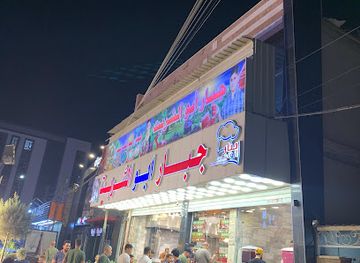
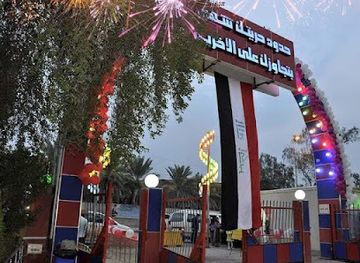
Julphar Park
Experience fun and relaxation at Julphar Park in Basrah, a perfect destination for families and thrill-seekers alike!
-
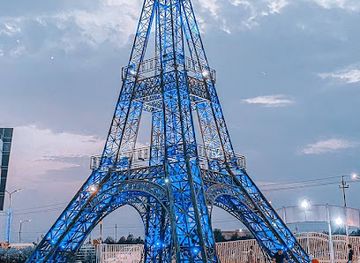
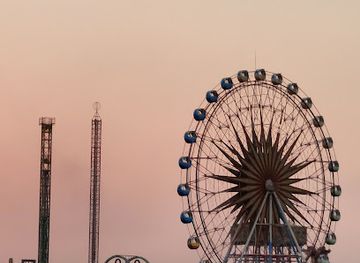
Cornish amusements park
Experience thrilling rides and family-friendly fun at Cornish Amusements Park in Basrah, a perfect destination for an exciting day out.
-
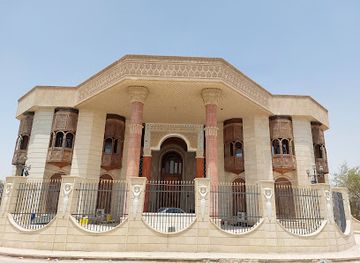
Basra Cultural Museum
Discover 440 artifacts from 300 BC onward at the Basra Cultural Museum, a landmark showcasing Mesopotamia's heritage and Basra's history.
-
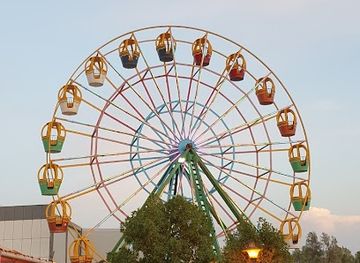
Al-Andalus Family Park
Escape to Basrah's green oasis: Al-Andalus Family Park offers relaxation, recreation, and natural beauty for families and individuals alike.
Best landmarks in Basra Region
The Shatt al-Arab is Basra Region’s defining natural and historical landmark, carrying the waters of the Tigris and Euphrates towards the Gulf and shaping settlement, agriculture, trade and conflict for centuries. In Basra city, the old Ashar area represents the urban face of that relationship, with historic waterways and commercial quarters that recall the city’s former role as a port and mercantile centre. The Basra Museum, installed in a former palace overlooking the water, is an important architectural and cultural marker of the region’s modern heritage as well as a place for understanding Iraq’s deeper past. The palm groves and canals of Abu Al-Khasib form a distinctive agricultural landscape rather than a single monument, illustrating the date economy that once made southern Iraq internationally important. At Al-Qurnah, the confluence of the Tigris and Euphrates provides a geographical landmark of national significance. Farther south, the Al-Faw Peninsula marks the governorate’s approach to the Gulf, but its strategic location means that access and photography may be restricted. These places are significant because they show how Basra’s identity has been built around water, movement and the Gulf.
-
Shopping mall
Basra Times Square Mall
Experience modern Iraqi culture at Basra Times Square Mall: premier shopping, dining, and entertainment in the heart of Basra.
-
Shopping mall
Shanshal Mall
Discover a modern shopping experience at Shanshal Mall in Basrah, offering a wide selection of retail, dining, and entertainment options for everyone.
-
Park
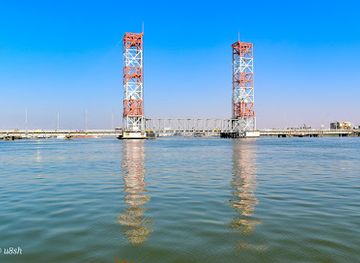
Shatt Al-Arab Corniche
Experience the beauty and culture of Basrah at the Shatt Al-Arab Corniche, a vibrant waterfront promenade with stunning river views.
-
Park
Basra Family Park
Enjoy family fun and relaxation at Basra's modern recreational haven, featuring amusement rides and waterfront activities.

Explore Basra Region on the map
Plan your trip on one map. See where the top cities, national parks and sights are, and book hotels and experiences in a few clicks.
Best hotels in Basra Region
Best restaurants in Basra Region
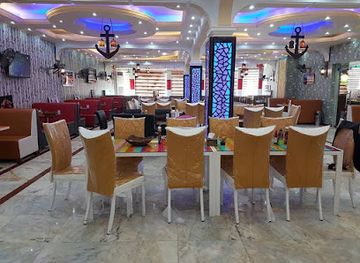
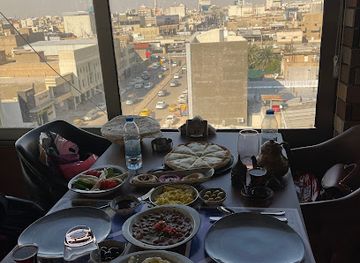
Basra’s food culture reflects southern Iraqi cooking, riverine agriculture and the city’s long commercial relationship with the Gulf. Restaurants and family-run eateries commonly serve rice dishes, grilled meats, kebabs, stews, flatbreads, soups and freshwater fish, with masgouf-style grilled fish associated with Iraq’s river regions. Dates are central to local identity and appear as fresh produce, preserves and sweet accompaniments, particularly in areas around the palm groves. Basra’s markets may also offer seasonal vegetables, herbs, pickles and simple snacks shaped by the agricultural environment. Dining ranges from modest cafés and neighbourhood grills to hotel restaurants with broader menus, while traditional tea remains an important part of hospitality. Seafood can be found in a port city, but availability and provenance vary, so it should not automatically be treated as the defining local speciality. Visitors should expect generous portions, late meals and a preference for eating in company; alcohol is not central to ordinary public dining and availability is limited and sensitive.
-
Restaurant
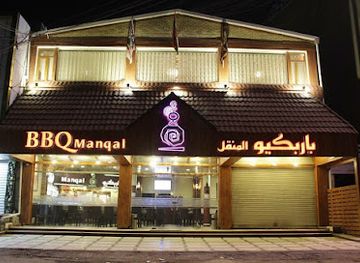
BBQ Manqal
Discover authentic Iraqi barbecue at BBQ Manqal in Basrah – where every bite is a celebration of flavor and culture.
-
Restaurant
Al Azaim Restaurant
Experience authentic Iraqi cuisine at Al Azaim Restaurant in Basrah - where family-friendly dining meets flavorful dishes.
-
Middle Eastern
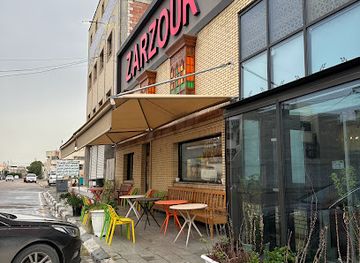
Zarzour Restaurant
Experience authentic Middle Eastern cuisine at Zarzour Restaurant in Basrah – where flavor meets tradition.
-
Restaurant
Shanashil Al-Basra Restaurant
Discover authentic Iraqi cuisine at Shanashil Al-Basra Restaurant in Basrah - where tradition meets flavor.
Best bars in Basra Region
Basra does not have a widely established international-style nightlife district, and evening activity is shaped more by cafés, restaurants, tea houses and family or social gatherings than by nightclubs. Central Basra has cafés where people meet for conversation, tea and sometimes shisha, while hotel venues may provide the most predictable setting for visitors seeking a quieter evening. Some restaurants remain active later in the day, particularly in warmer months, but opening arrangements and security conditions can change. Live cultural activity, when available, is more likely to be connected with literary, artistic or community spaces than with a formal club circuit. Alcohol is not a dependable part of the public scene, and visitors should respect local expectations rather than searching for nightlife modelled on European or Gulf entertainment districts. Ask accommodation staff for current, locally appropriate recommendations and avoid walking unfamiliar streets late at night.
-
Restaurant
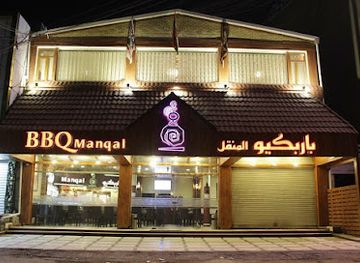
BBQ Manqal
Discover the authentic flavors of Iraqi BBQ at BBQ Manqal in Basrah, where every meal is a celebration of culinary tradition.
-
Zarzour Restaurant
Explore the rich taste of Middle Eastern cuisine at Zarzour Restaurant, the culinary heart of Basrah, Iraq.
-
Turkish
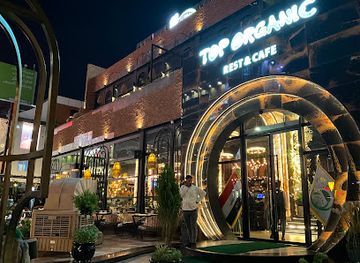
Top Organic Basra
Experience the best of Turkish cuisine at Top Organic Basra, where organic ingredients meet traditional flavors in a stunning atmosphere.
-
Restaurant
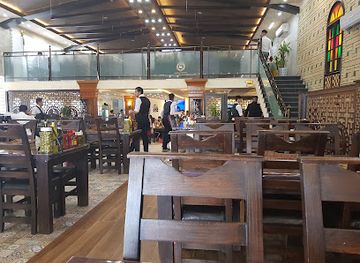
360 Restaurants
Savor the flavors of Basrah at 360 Restaurants, where culinary excellence meets stunning panoramic views.
Best nightclubs in Basra Region
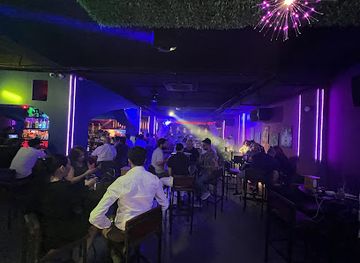
Basra does not have a widely established international-style nightlife district, and evening activity is shaped more by cafés, restaurants, tea houses and family or social gatherings than by nightclubs. Central Basra has cafés where people meet for conversation, tea and sometimes shisha, while hotel venues may provide the most predictable setting for visitors seeking a quieter evening. Some restaurants remain active later in the day, particularly in warmer months, but opening arrangements and security conditions can change. Live cultural activity, when available, is more likely to be connected with literary, artistic or community spaces than with a formal club circuit. Alcohol is not a dependable part of the public scene, and visitors should respect local expectations rather than searching for nightlife modelled on European or Gulf entertainment districts. Ask accommodation staff for current, locally appropriate recommendations and avoid walking unfamiliar streets late at night.
-
Disco club
HERA Club
Experience the vibrant nightlife of Erbil at HERA Club, where music, dance, and unforgettable memories await.
-
Night club
البورت كلوب
Experience the electrifying nightlife at البورت كلوب in Basrah, where music, dance, and vibrant social interactions come alive.
-
 Night club
البصره
Experience the lively nightlife and rich culture of Basrah, where traditional hospitality meets a vibrant bar scene.
-
Night club
نادي رانسا
Experience the vibrant nightlife at نادي رانسا in Basrah, where music and energy come together for an unforgettable night out.
Best shops in Basra Region
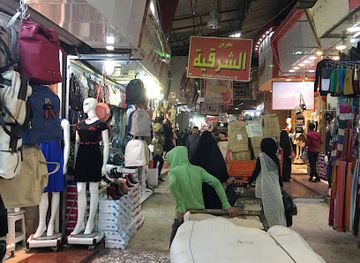
Shopping in Basra is oriented towards markets, practical goods and regional produce rather than large-scale luxury retail. The older commercial areas of Basra city offer clothing, household items, spices, sweets, jewellery and everyday merchandise, while gold shops are a visible feature of many Iraqi urban markets. Dates are the most characteristic regional purchase, available in different varieties and as packed or processed products; visitors travelling internationally should check import restrictions before carrying fresh produce. Palm-related crafts and traditional textiles may be found through local contacts, although quality and availability vary. Modern shopping areas and supermarkets serve residents with imported goods, but their selection and payment arrangements can change. For a more local experience, browse markets with a host who can explain prices and dialect, carry small Iraqi-dinar notes and ask before photographing stalls. Basra is better suited to buying food products, fabrics, modest souvenirs and everyday goods than to seeking a concentrated designer-shopping district.
-
Shopping mall
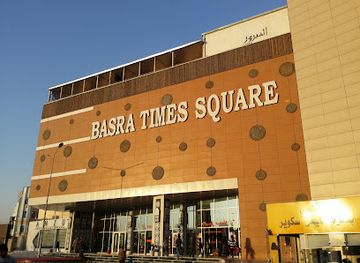
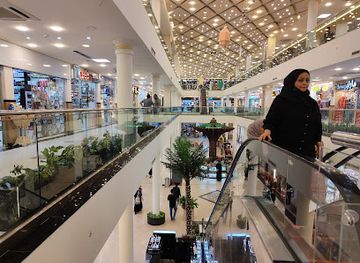
Basra Times Square Mall
Experience the ultimate shopping and dining destination in Basrah at the vibrant Basra Times Square Mall, where culture and modernity meet.
-
Shopping mall
Shanshal Mall
Explore Shanshal Mall in Basrah for a unique shopping experience that blends modern retail with local culture and vibrant community engagements.
-
Shopping mall
Al-Maghaiz Market
Experience the bustling Al-Maghaiz Market in Basrah - a vibrant hub for shopping, local culture, and delicious cuisine.
-
Shopping mall
Basra Center 3
Discover Basra Center 3, a lively shopping mall in Basrah featuring diverse shops, exquisite dining, and entertainment for all ages.
Get your free copy of our complete guide to Basra Region, delivered straight to you.
Everything on this page, from attractions and restaurants to essentials and local phrases, in one PDF you can read offline, print or share.
Already have an account? Sign in
Your Basra Region guide is ready.
We'll send it to · Not you? Sign out

Getting your guide ready…
We are putting together a fresh copy of the Basra Region guide. This can take up to a minute.
This can take a few moments. If your browser asks, choose Allow so the download can start. You'll find the guide in your Downloads folder.
Nothing happened? Download it again
Sorry, the guide is taking longer than usual. Please try again in a minute, or get it by email instead.
Basra Region essentials
Currency and Payment
Safety
Emergency Situations
Do's and Don'ts
Local Tips
From Eve
Local phrases worth knowing
You don't need to get them perfect. A few words go a long way, and locals appreciate the effort.
Basics
| English | Local | Say it |
|---|---|---|
| Hello | مرحبا | [Marhaban] |
| Goodbye | إلى اللقاء | [Ila al-liqaa] |
| Yes | نعم | [Na'am] |
| No | لا | [La] |
| Please/You're welcome | من فضلك | [Min fadlik] |
| Thank you | شكرا | [Shukran] |
| Excuse me/Sorry | عذرًا | [Udhuran] |
| How are you? | كيف حالك؟ | [Kayfa halak?] |
| Fine. And you? | بخير. وأنت؟ | [Bikhair. Wa anta?] |
| Do you speak English? | هل تتحدث الإنجليزية؟ | [Hal tatahadath al-ingliziyya?] |
| I don't understand | لا أفهم | [La afham] |
Eating & Drinking
| English | Local | Say it |
|---|---|---|
| I'd like to see the menu, please | أود أن أرى القائمة، من فضلك | [Awad an ara al-qa'ima, min fadlik] |
| I don't eat meat | لا آكل اللحم | [La akul al-lahm] |
| Cheers! | في صحتك! | [Fi sihatak!] |
| I would like to pay, please | أود أن أدفع، من فضلك | [Awad an adfa', min fadlik] |
Emergencies
| English | Local | Say it |
|---|---|---|
| Help! | مساعدة! | [Musa'ada!] |
| Go away! | اذهب بعيدًا! | [Izhab ba'id!] |
| Call the Police! | اتصل بالشرطة! | [Ittasil bil-shurta!] |
| Call a doctor! | اتصل بالطبيب! | [Ittasil bil-tabeeb!] |
| I'm lost | أنا ضائع | [Ana da'i'] |
| I'm ill | أنا مريض | [Ana marid] |
Shopping
| English | Local | Say it |
|---|---|---|
| I'd like to buy... | أود أن أشتري... | [Awad an ashtari...] |
| I'm just looking | أنا فقط أتصفح | [Ana faqat atafassah] |
| How much is it? | كم ثمنه؟ | [Kam thamanuh?] |
| That's too expensive | هذا غالي جداً | [Hatha ghali jiddan] |
| Can you lower the price? | هل يمكنك تخفيض السعر؟ | [Hal yumkinuka takhfid as-si'r?] |
Time & Numbers
| English | Local | Say it |
|---|---|---|
| What time is it? | كم الساعة؟ | [Kam as-saa'a?] |
| It's one o'clock | الساعة واحدة | [As-saa'a wahida] |
| Half past (10) | نصف الساعة (10) | [Nisf as-saa'a (10)] |
| Morning | صباح | [Sabah] |
| Afternoon | بعد الظهر | [Ba'd az-zuhur] |
| Evening | مساء | [Masa'] |
| Yesterday | أمس | [Ams] |
| Today | اليوم | [Al-yawm] |
| Tomorrow | غدًا | [Ghadan] |
| 1 | واحد | [Wahid] |
| 2 | اثنان | [Ithnain] |
| 3 | ثلاثة | [Thalatha] |
| 4 | أربعة | [Arba'a] |
| 5 | خمسة | [Khamsa] |
| 6 | ستة | [Sitta] |
| 7 | سبعة | [Sab'a] |
| 8 | ثمانية | [Thamaniya] |
| 9 | تسعة | [Tis'a] |
| 10 | عشرة | [Ashara] |
Transport & Directions
| English | Local | Say it |
|---|---|---|
| Where's a/the...? | أين هو...؟ | [Ayna huwa...?] |
| What's the address? | ما هو العنوان؟ | [Ma huwa al-unwan?] |
| Can you show me (on the map)? | هل يمكنك أن تريني (على الخريطة)؟ | [Hal yumkinuka an turini (ala al-kharita)?] |
| When's the next (bus)? | متى يأتي (الباص) التالي؟ | [Mata ya'ti (al-bas) at-tali?] |
| A ticket (to ....) | تذكرة (إلى ....) | [Tadhkira (ila ....)] |
History of Basra Region
Mesopotamian waterways and early settlement
The Basra Governorate lies within the ancient Mesopotamian river system, where shifting channels of the Tigris and Euphrates created fertile alluvial land, reed environments and routes towards the Gulf. The exact courses of rivers and shorelines have changed repeatedly, but the region’s relationship with water has remained constant. Settlements, agriculture, fishing and trade depended on canals and seasonal flows. Although the best-known early Mesopotamian cities, including Ur, are outside Basra Governorate, the southern waterways formed part of the wider economic and cultural world that connected Sumerian, Babylonian and later civilisations with the Gulf.
Basra’s foundation in the early Islamic period
Basra was founded in the 630s CE during the early Islamic expansion, initially as a military and administrative settlement near the waterways of southern Iraq. It soon developed into a major centre of commerce, administration, theology, language and literature. The city’s position gave it access to inland Iraq as well as maritime routes through the Gulf. Its intellectual history includes the Basran school of Arabic grammar, whose scholars helped formalise the study of Arabic and influenced literary and religious learning far beyond the region.
A centre of scholarship and Gulf commerce
During the medieval Islamic centuries, Basra was both an intellectual centre and a trading city. Merchants used its connections with the Gulf and the Indian Ocean, while scholars, poets and theologians contributed to the cultural life of the wider Islamic world. The city’s commercial world brought together products and influences from inland Iraq, Arabia, Persia, India and East Africa. Political upheavals, changes in river channels and competing regional powers periodically weakened Basra, but its location continued to give it strategic importance.
Ottoman-era port and palm economy
Under Ottoman rule, Basra functioned as an important southern province and port, linking Baghdad and the Iraqi interior with Gulf shipping. The waterways around the Shatt al-Arab supported river traffic and an extensive date-palm economy, particularly in districts south of the city such as Abu Al-Khasib. Trade in dates and other agricultural products helped shape the region’s prosperity and built environment. Ottoman administrative remains and later commercial quarters contributed to the layered urban character encountered in historic parts of Basra.
The British occupation and the modern port
British forces captured Basra in 1914 during the First World War, opening the Mesopotamian campaign from the Gulf. The city and its port became important to British military logistics and to the political reorganisation that followed the war. In the twentieth century, Basra developed as Iraq’s principal maritime gateway, with modern port facilities, river transport and expanding links to the country’s oil industry. This period transformed the city beyond its older mercantile and agricultural role.
War, environmental pressure and reconstruction
Basra and its surrounding waterways were deeply affected by the Iran–Iraq War, the 1991 Gulf War, the 2003 invasion and subsequent instability. Conflict damaged infrastructure and disrupted trade, while reduced river flows, salinity, pollution and the decline of palm groves placed pressure on agriculture and wetlands. Since 2003, reconstruction has proceeded unevenly alongside the expansion of the oil economy and port development. The region’s current identity therefore reflects both its ancient water-based heritage and the difficult environmental and political realities of modern southern Iraq.
Basra Region in Photos
Browse through our photo collection highlighting the charm and character of the destination.
Neighbouring regions of Basra Region
The closest regions to Basra Region, if you have time for more than one.
-

-

-

-

-


Swipe for more regions
Explore more

Explore more of Iraq
Explore the cradle of civilization in Iraq, where ancient history, rich culture, and diverse landscapes create an unforgettable travel experience.
Explore Iraq