

Free Maysan Travel Guide & Mobile App
Explore Maysan with free travel guides. Discover regional history, expert tips, proposed trips, and audio guides on web or mobile app.


Explore Maysan in southern Iraq for Tigris river life, Hawizeh Marshes, marsh culture and layered history beyond the country's major cities.
Read more about Maysan
When is the best time to visit Maysan?
Best: March–April, November · 22–28°C| Month | High (°C) | Rainfall (mm) |
|---|---|---|
| January | 17 | 25 |
| February | 18 | 20 |
| March (best) | 23 | 15 |
| April (best) | 28 | 10 |
| May | 34 | 5 |
| June | 39 | 1 |
| July | 42 | 1 |
| August | 41 | 1 |
| September | 36 | 1 |
| October | 30 | 8 |
| November (best) | 22 | 15 |
| December | 17 | 20 |
Getting to and around Maysan
How to get there
Transportation
Top city travel guides in Maysan
The cities of Maysan, and the easiest places to base yourself.

Swipe for more cities
Best attractions in Maysan
Maysan's attractions are principally environmental, cultural and historical rather than purpose-built visitor sites. Al-Amarah offers a useful introduction through its Tigris riverfront, bridges, markets and everyday urban life, while the surrounding countryside reveals the irrigation channels and agricultural patterns that define the lower river basin. The most distinctive experience is an organised journey into the Hawizeh Marshes, where reed beds, open water, buffalo husbandry, fishing and narrow waterways illustrate a wetland culture with ancient roots. Access is dependent on local conditions and permissions, and the marshes should be approached as inhabited ecosystems rather than wilderness scenery. Across the province, small towns and rural settlements provide glimpses of southern Iraqi architecture, shrines, river commerce and agricultural routines, although facilities for independent tourism are limited. Visitors interested in archaeology can use Maysan as a base for understanding the broader Mesopotamian landscape, but many major named archaeological sites lie outside the province and should not be casually presented as local attractions. The region is best suited to slow travel, landscape observation, cultural interpretation and carefully guided exploration.
-
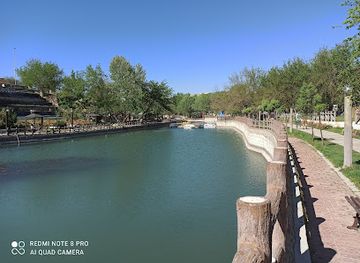
Sarchnar Park
Escape to Sarchnar Park in Sulaymaniyah: A historic green space with lush gardens, tranquil paths, and a vibrant cultural scene.
-
Zawa Park
Escape to Zawa Park in Duhok: Nature, recreation, and cultural experiences await in this scenic state park.
-
Religious destination
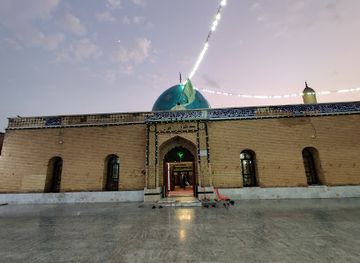
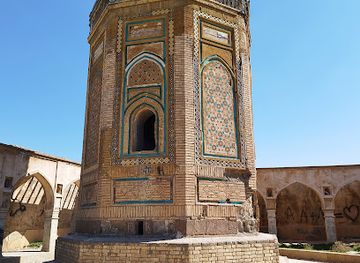
Hazrat Saiyedna Ahmed Kabir (Radi) Rifai
Discover tranquility and spiritual heritage at this revered shrine in Maysan Governorate, a must-visit religious destination in Iraq.
-
Tourist attraction
Halamata cave
Discover 3,000-year-old Assyrian carvings at Halamata Cave near Duhok, a glimpse into the art and history of the Neo-Assyrian Empire.
Best landmarks in Maysan
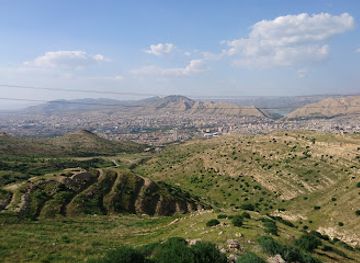
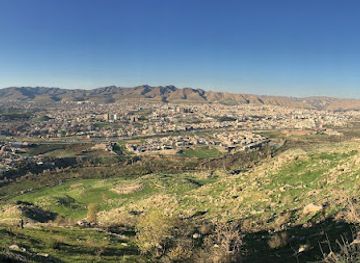
The Tigris at Al-Amarah is Maysan's defining urban landmark, shaping the city's layout, commerce and visual identity while linking the provincial capital to the wider river system. The bridges and embankments around the city are less monumental than historically important: they reveal how movement, trade and settlement depend on crossing and controlling the river. Farther east, the Hawizeh Marshes form the province's most significant natural landmark, a broad wetland of reed beds, water channels and seasonally changing horizons shared with Iran. Their importance is ecological and cultural as well as geographical, and they are included within the UNESCO World Heritage property known as the Ahwar of Southern Iraq. Reed-built structures, boats and working waterways provide a human dimension to this landscape, but they are part of living communities rather than static monuments. Rural shrines, waterways and traditional settlements may be locally significant, although access and identification should be arranged with local residents or guides rather than assumed from an ordinary road journey.
-
Castle
Erbil Citadel
Explore the ancient Erbil Citadel, a UNESCO World Heritage Site and one of the world's oldest continuously inhabited settlements, in the heart of Erbil.
-
Castle
Kirkuk Citadel
Explore the ancient Kirkuk Citadel: a historic fortress with millennia of stories, religious significance, and stunning panoramic views.
-
City park
Shanadar Park
Erbil's central park offers a green escape with walking paths, a lake, cable car, and family-friendly activities in a vibrant, urban setting.
-
Park
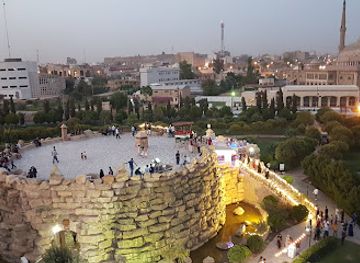
Basra Family Park
Escape to Basra Family Park: A modern recreational haven offering fun, relaxation, and family-friendly activities in the heart of Basra.

Explore Maysan on the map
Plan your trip on one map. See where the top cities, national parks and sights are, and book hotels and experiences in a few clicks.
Best hotels in Maysan
Best restaurants in Maysan
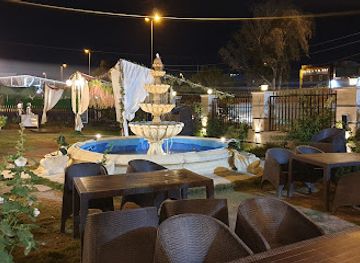
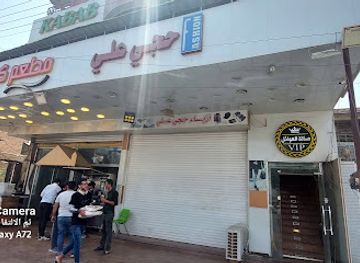
Dining in Maysan is centred on Iraqi home cooking, market produce, tea and informal restaurants rather than an established international restaurant scene. In Al-Amarah, visitors can expect rice-based meals, grilled meats, stews, flatbreads, salads and sweet tea, with recipes reflecting the wider culinary traditions of southern Iraq. Fish from the rivers and marshes may appear in local cooking, although availability, preparation and provenance vary by season and location. Dates, dairy products, fresh herbs and vegetables are important parts of the regional food environment, while buffalo milk and related products are associated with marsh livelihoods. Tea houses and simple eateries are useful places to observe daily social life, but menus may be Arabic-only and service can be informal. In rural wetland areas, meals are more likely to be arranged through a host or guide than purchased from a choice of visitor-oriented restaurants. Carrying water and a few personal provisions is sensible when travelling beyond Al-Amarah, where food outlets become sparse.
-
Restaurant
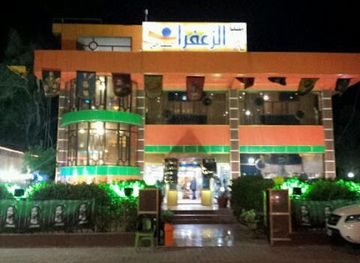
Alzaafran Restaurant
Discover the rich flavors of Iraqi cuisine at Alzaafran Restaurant in Amarah—an unforgettable dining experience awaits.
-
Restaurant
FM restaurant
Experience authentic Iraqi cuisine at FM Restaurant in Amarah - where tradition meets taste in a vibrant dining atmosphere.
-
Restaurant
Jalal Restaurant
Experience authentic Iraqi flavors at Jalal Restaurant in Amarah - a culinary delight in the heart of Maysan Governorate.
-
Restaurant
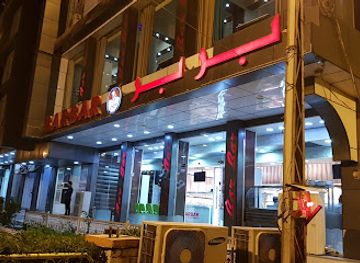
Bar-Bar Restaurant
Experience authentic Iraqi cuisine at Bar-Bar Restaurant in Amarah - where tradition meets taste in a welcoming atmosphere.
Best bars in Maysan
Maysan does not have a conventional nightlife scene aimed at international visitors, and public evening culture is more likely to centre on family gatherings, tea houses, cafés, restaurants and social visits than on nightclubs. Al-Amarah has the province's broadest choice of cafés and casual evening meeting places, while smaller towns and marsh settlements become quiet earlier. Alcohol is not central to public life and may be socially or legally sensitive in particular settings, so visitors should follow local expectations and never assume that a bar service is available. Evening walks should be limited to familiar, well-populated areas with local guidance, especially for visitors unfamiliar with the city. In rural districts, the most meaningful evening experience may be a hosted meal, conversation or observation of river life rather than organised entertainment. Opening arrangements and the availability of venues can change with security conditions, religious occasions and local regulations.
-
Restaurant
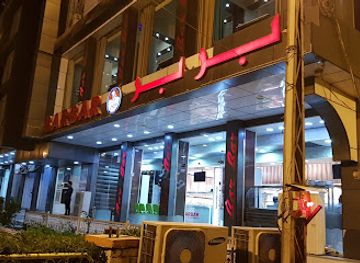
Bar-Bar Restaurant
Discover the culinary delights of Bar-Bar Restaurant in Amarah, where traditional Iraqi flavors come alive in a warm and inviting setting.
-
Restaurant
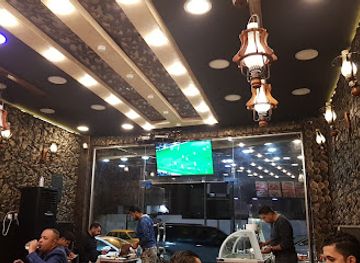
Al-Mathaq fast food restaurant
Experience authentic Iraqi fast food at Al-Mathaq in Amarah, where local flavors meet casual dining in an inviting atmosphere.
-
Restaurant
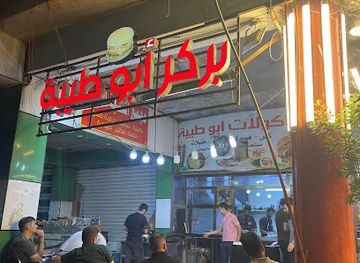
Hot Dish Fast Food - الطبق الساخن للأكلات السريعة
Experience the best of local and fast food flavors at Hot Dish Fast Food in Amarah, perfect for a quick and satisfying meal.
-
Restaurant
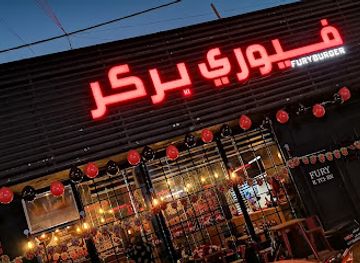
Fury Burger
Discover the flavors of Amarah at Fury Burger, where delicious meals and warm hospitality await every traveler.
Best nightclubs in Maysan
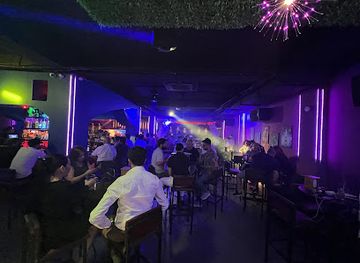
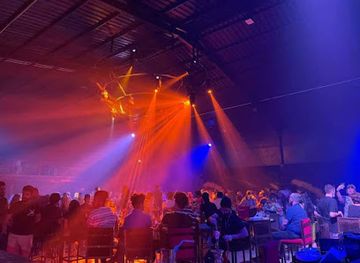
Maysan does not have a conventional nightlife scene aimed at international visitors, and public evening culture is more likely to centre on family gatherings, tea houses, cafés, restaurants and social visits than on nightclubs. Al-Amarah has the province's broadest choice of cafés and casual evening meeting places, while smaller towns and marsh settlements become quiet earlier. Alcohol is not central to public life and may be socially or legally sensitive in particular settings, so visitors should follow local expectations and never assume that a bar service is available. Evening walks should be limited to familiar, well-populated areas with local guidance, especially for visitors unfamiliar with the city. In rural districts, the most meaningful evening experience may be a hosted meal, conversation or observation of river life rather than organised entertainment. Opening arrangements and the availability of venues can change with security conditions, religious occasions and local regulations.
-
Disco club
HERA Club
Dive into the vibrant nightlife at HERA Club in Erbil, where electrifying music and a dynamic atmosphere await every night!
-
Night club
Love time club
Dance the Night Away at Love Time Club in Erbil - A Vibrant Nightlife Experience Awaits!
-
Night club
Inferno Erbil
Experience the vibrant nightlife of Erbil at Inferno, the ultimate night club featuring electrifying music, themed parties, and a stylish atmosphere.
-
Night club
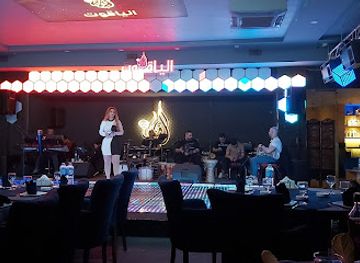
صالة ومطعم الياقوت الملكية
Discover the ultimate nightlife experience at صالة ومطعم الياقوت الملكية, where music, dance, and exquisite cuisine unite in Erbil's vibrant atmosphere.

Best shops in Maysan
Shopping in Maysan is most accessible in Al-Amarah, where traditional markets, food shops, clothing businesses and small household retailers serve local residents rather than a dedicated tourist trade. Visitors may find dates, spices, tea, sweets, embroidered textiles and other Iraqi food or household products, but packaging and availability vary. Local markets are useful for observing the province's commercial life and buying provisions before travelling into rural districts. Marshland products such as reeds and reed crafts may be encountered, although visitors should buy only from legitimate sellers and avoid anything presented as an archaeological object or taken from protected wetland areas. Contemporary manufactured goods are sold alongside locally produced items, and haggling may be possible in informal markets but is not appropriate everywhere. Carry sufficient Iraqi dinars, as small retailers and rural sellers may not accept cards. The most responsible purchases are practical local foods and clearly contemporary crafts that support makers without encouraging the removal of cultural or natural material.
-
Shopping mall
MAXIMALL
Explore MAXIMALL in Amarah for a unique shopping experience, diverse dining, and family-friendly entertainment in a vibrant atmosphere.
-
Supermarket
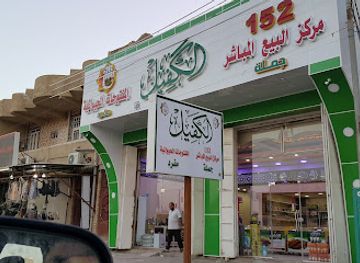
مركز الكفيل 152 حي المعلمين
Discover a diverse shopping experience at Al-Kafeel Supermarket in Baghdad, offering local and international products in a vibrant atmosphere.
-
 General store
نمبر ون ستور N.1 store
Explore N.1 Store in Amarah for a delightful shopping experience filled with local culture, unique items, and warm hospitality.
-
Clothing store
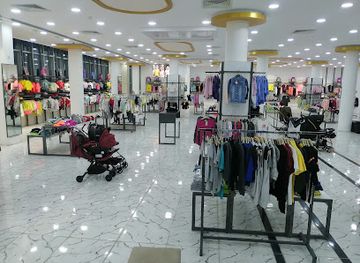
Mr. Abu Nour Mall
Discover the heart of Amarah's fashion scene at Mr. Abu Nour Mall, a vibrant shopping destination with diverse clothing options.
Get your free copy of our complete guide to Maysan, delivered straight to you.
Everything on this page, from attractions and restaurants to essentials and local phrases, in one PDF you can read offline, print or share.
Already have an account? Sign in
Your Maysan guide is ready.
We'll send it to · Not you? Sign out

Getting your guide ready…
We are putting together a fresh copy of the Maysan guide. This can take up to a minute.
This can take a few moments. If your browser asks, choose Allow so the download can start. You'll find the guide in your Downloads folder.
Nothing happened? Download it again
Sorry, the guide is taking longer than usual. Please try again in a minute, or get it by email instead.
Maysan essentials
Currency and Payment
Safety
Emergency Situations
Do's and Don'ts
Local Tips
From Eve
Local phrases worth knowing
You don't need to get them perfect. A few words go a long way, and locals appreciate the effort.
Basics
| English | Local | Say it |
|---|---|---|
| Hello | أهلا | [Ahlan] |
| Goodbye | مع السلامة | [Ma'a as-salama] |
| Yes | نعم | [Na'am] |
| No | لا | [La] |
| Please/You're welcome | من فضلك | [Min fadlik] |
| Thank you | شكرا | [Shukran] |
| Excuse me/Sorry | عفوا | [Afwan] |
| How are you? | كيف حالك؟ | [Kayfa halak?] |
| Fine. And you? | بخير. وأنت؟ | [Bikhayr. Wa anta?] |
| Do you speak English? | هل تتحدث الإنجليزية؟ | [Hal tatahaddath al-ingliziyya?] |
| I don't understand | لا أفهم | [La afham] |
Eating & Drinking
| English | Local | Say it |
|---|---|---|
| I'd like to see the menu, please | أود رؤية القائمة، من فضلك | [Awad ru'yat al-qaimah, min fadlik] |
| I don't eat meat | لا أتناول اللحم | [La atanaawal al-lahm] |
| Cheers! | صحتين | [Sahtein] |
| I would like to pay, please | أود الدفع، من فضلك | [Awad ad-daf', min fadlik] |
Emergencies
| English | Local | Say it |
|---|---|---|
| Help! | نجدة! | [Najda!] |
| Go away! | ابتعد! | [Ibt'id!] |
| Call the Police! | اتصل بالشرطة! | [Ittasil bil-shurtah!] |
| Call a doctor! | اتصل بطبيب! | [Ittasil bi-tabeeb!] |
| I'm lost | أنا ضائع | [Ana da'i'] |
| I'm ill | أنا مريض | [Ana marid] |
Shopping
| English | Local | Say it |
|---|---|---|
| I'd like to buy... | أود شراء... | [Awad shira'] |
| I'm just looking | أنا فقط أنظر | [Ana faqat anzur] |
| How much is it? | كم ثمنه؟ | [Kam thamanu?] |
| That's too expensive | هذا مكلف جدا | [Hatha mukallaf jidan] |
| Can you lower the price? | هل يمكنك خفض السعر؟ | [Hal yumkinuka khafd as-si'r?] |
Time & Numbers
| English | Local | Say it |
|---|---|---|
| What time is it? | كم الساعة؟ | [Kam as-saa'ah?] |
| It's one o'clock | الساعة الواحدة | [As-saa'ah al-wahidah] |
| Half past (10) | نصف الساعة (10) | [Nisf as-saa'ah (10)] |
| Morning | صباح | [Sabaah] |
| Afternoon | بعد الظهر | [Ba'ad az-zuhur] |
| Evening | مساء | [Masa'] |
| Yesterday | أمس | [Ams] |
| Today | اليوم | [Al-yawm] |
| Tomorrow | غدا | [Ghadan] |
| 1 | واحد | [Wahid] |
| 2 | اثنان | [Ithnain] |
| 3 | ثلاثة | [Thalatha] |
| 4 | أربعة | [Arba'a] |
| 5 | خمسة | [Khamsa] |
| 6 | ستة | [Sitta] |
| 7 | سبعة | [Sab'a] |
| 8 | ثمانية | [Thamaniya] |
| 9 | تسعة | [Tis'a] |
| 10 | عشرة | [Ashara] |
Transport & Directions
| English | Local | Say it |
|---|---|---|
| Where's a/the...? | أين هو/هي...؟ | [Ayn huwa/hiya...?] |
| What's the address? | ما هو العنوان؟ | [Ma huwa al-'unwan?] |
| Can you show me (on the map)? | هل يمكنك إظهاري (على الخريطة)؟ | [Hal yumkinuka izharri (ala al-kharita)?] |
| When's the next (bus)? | متى يأتي (الحافلة) القادمة؟ | [Mata yati (al-hafila) al-qadimah?] |
| A ticket (to ....) | تذكرة (إلى....) | [Tadhkirah (ila....)] |
History of Maysan
Early Wetland Civilisations
Maysan forms part of the lower Mesopotamian environment in which communities developed sophisticated ways of managing rivers, canals and marshes. Although many of the best-known Sumerian cities lie outside the modern province, the waterways of the lower Tigris connected this area to the wider ancient urban world. Settlement patterns were repeatedly shaped by changes in river courses, salinity, flooding and irrigation. The marshes were therefore not an empty margin of Mesopotamia but a productive ecological zone that supported fishing, reed harvesting, animal husbandry and travel by boat.
Mesene and the Lower Tigris
In the Hellenistic and Parthian periods, the lower Tigris and adjoining waterways formed part of the political and commercial sphere often associated with Mesene, also known as Characene. The kingdom's principal centres were farther south and east than much of modern Maysan, so its history should not be assigned exclusively to the province. Nevertheless, the region occupied a strategic corridor between Mesopotamian river settlements, the Iranian plateau and the Gulf-connected trade routes. This long history helps explain the importance of water transport and frontier geography in southern Iraq.
Islamic and Regional Riverine History
After the Arab-Muslim conquest, the lower Iraqi waterways remained connected to the larger cultural and commercial networks of Basra, Wasit and Baghdad. Marshes and river channels provided both resources and refuge, while tribal, agricultural and religious communities developed distinctive local relationships with land and water. Political authority changed repeatedly over the medieval and early modern centuries, but the basic importance of the Tigris, irrigation and wetland access endured. Much of this history survives through settlement patterns, oral traditions and the continuing prominence of river transport in rural areas.
Ottoman Administration and the Rise of Al-Amarah
Maysan's modern administrative identity developed under Ottoman rule, when the lower Tigris was increasingly organised through provincial government, taxation and attempts to regulate tribal and agricultural society. Al-Amarah grew as an administrative and commercial centre on the river, benefiting from its position among marshes, cultivated lands and routes towards the Iranian frontier. Ottoman authority was often negotiated through local leaders rather than imposed uniformly, and the relationship between central government, tribal structures and wetland communities remained a defining feature of the region.
The British Occupation and the 1920 Revolt
British forces occupied southern Iraq during the First World War, and the post-war political settlement placed the area within the new Iraqi state under British influence. Maysan and neighbouring parts of southern Iraq became important settings during the 1920 Iraqi revolt, when tribal groups and religious leaders opposed foreign control and the proposed mandate system. The uprising was suppressed, but it helped pressure Britain towards establishing the Iraqi monarchy. The period left a durable political memory in the south and influenced the development of the Iraqi state.
Marsh Life, Drainage and Wetland Recovery
For centuries, marsh communities built homes from reeds, travelled by narrow boats and combined fishing, buffalo husbandry, reed cutting and small-scale agriculture. From the 1950s onward, large engineering schemes altered water flows, while extensive drainage in the 1980s and 1990s drastically reduced the marshes and displaced many inhabitants. Following the political changes of 2003, breaches in drainage embankments allowed water to return to parts of the wetlands. Recovery has remained uneven and vulnerable to upstream water management, salinity and drought, but the marshes' ecological and cultural importance is now internationally recognised.
Maysan in Photos
Browse through our photo collection highlighting the charm and character of the destination.
Neighbouring regions of Maysan
The closest regions to Maysan, if you have time for more than one.
-

-

-
-

-


Swipe for more regions
Explore more

Explore more of Iraq
Explore the cradle of civilization in Iraq, where ancient history, rich culture, and diverse landscapes create an unforgettable travel experience.
Explore Iraq