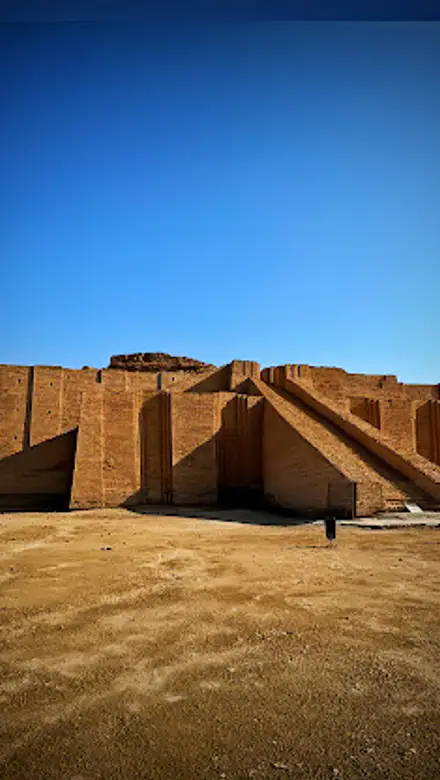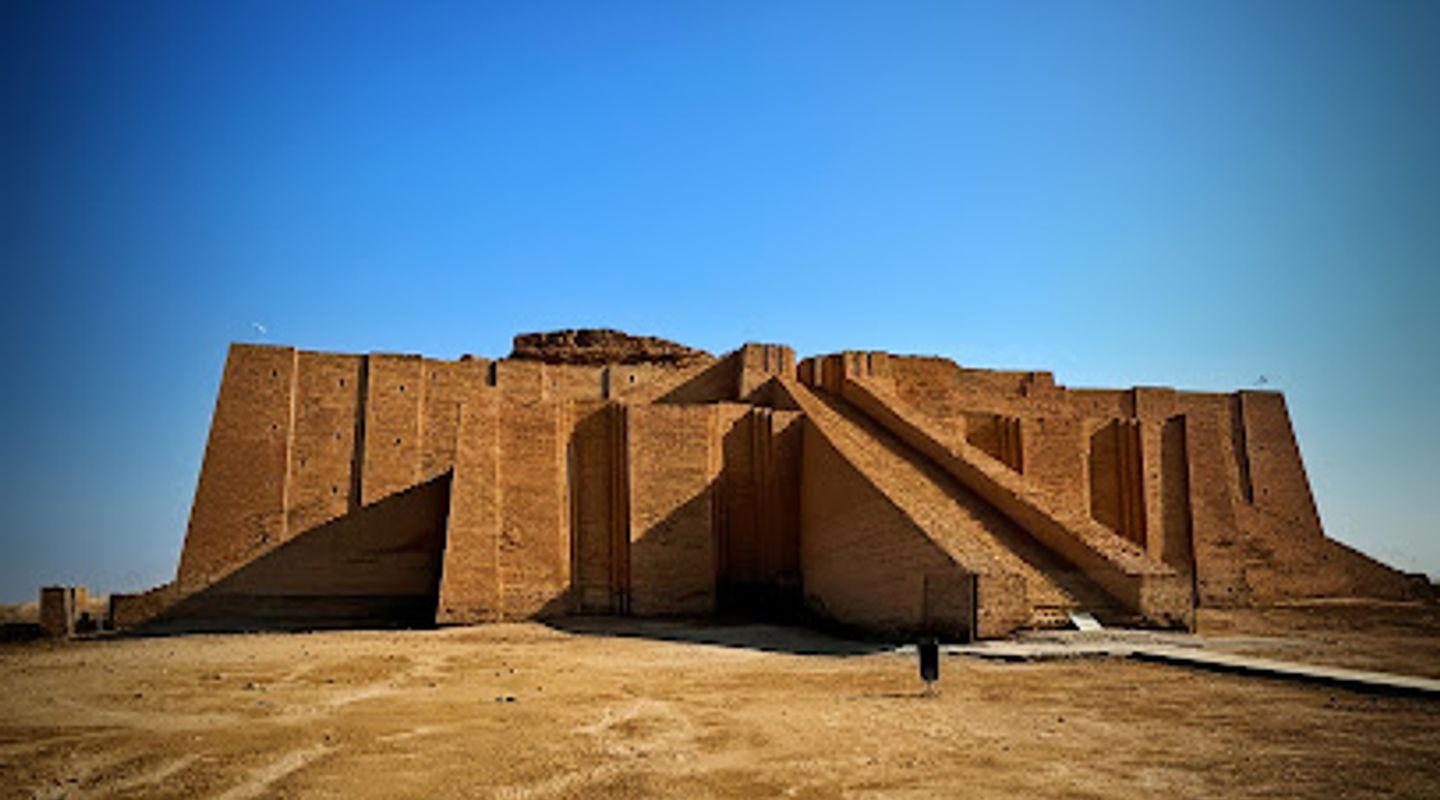
Dub lal makh temple معبد دي لال ماخ, Dhi Qar Travel Guide
Discover Dub Lal Makh Temple in Dhi Qar: Unearth Sumerian history at this ancient site near the famed Ziggurat of Ur.
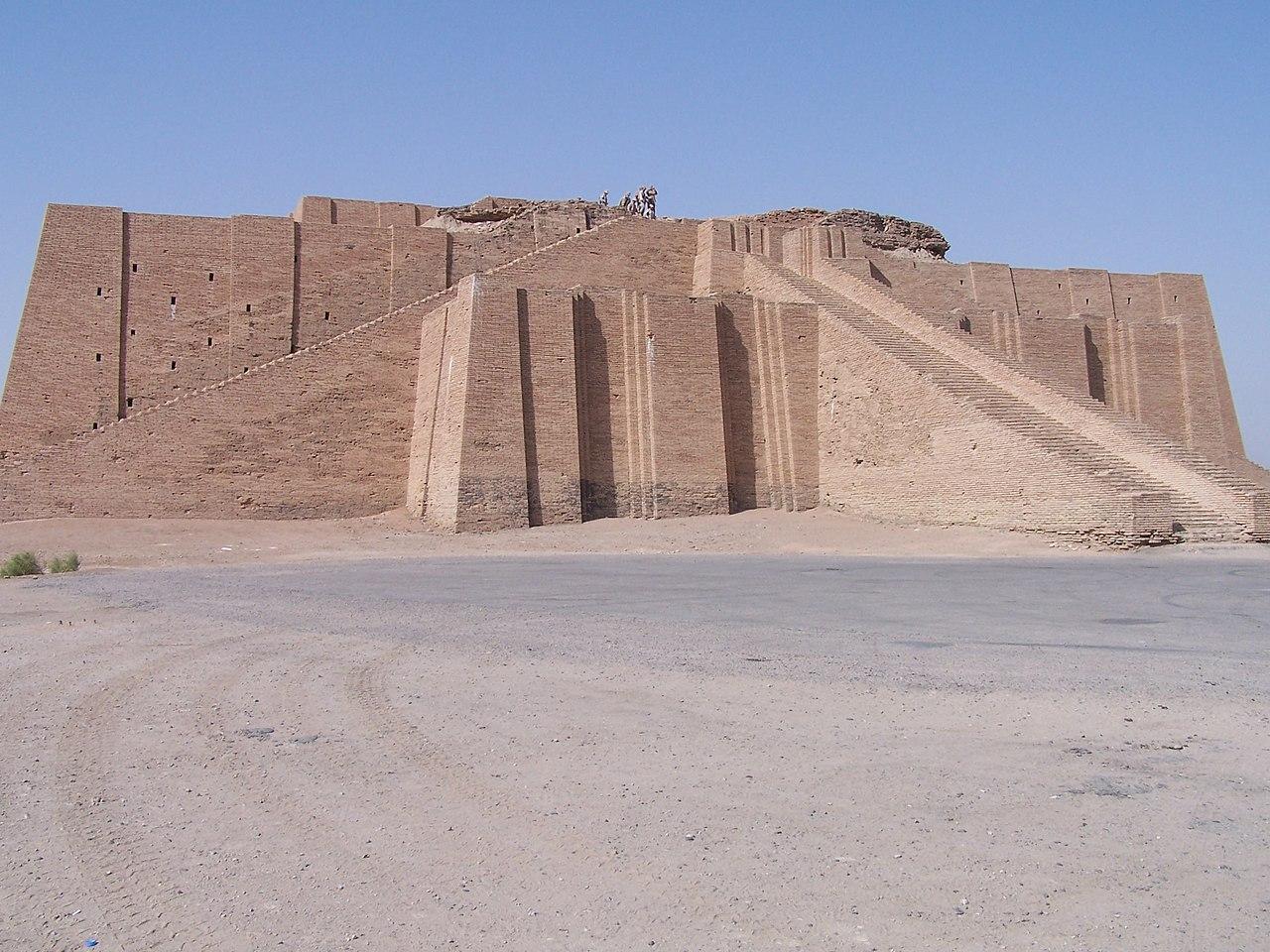
Explore the ruins of Dub Lal Makh, or 'House of the Tablets,' an ancient Sumerian structure near the Ziggurat of Ur. Once a gateway, tablet storehouse, and court of law, it offers a glimpse into Mesopotamia's rich history in Dhi Qar Governorate.
A brief summary to Dub lal makh temple معبد دي لال ماخ
- X463+XJ, Mahatt Ur, Dhi Qar Governorate, IQ

Know before you go
Hi, I'm Eve. Here are a few practical things to know before exploring Dub lal makh temple معبد دي لال ماخ.
- Wear comfortable shoes suitable for walking on uneven terrain, as the site involves exploring ancient ruins.
- Bring water and sun protection, especially during the hot summer months, as shade is limited.
- Hire a local guide to gain deeper insights into the history and significance of Dub Lal Makh and the Ziggurat of Ur.
Do you manage this location?
Take control to get all the benefits, like improved information, better appearance, and stronger visibility across AI-powered discovery. Learn more about listing your business on Evendo
Activate your presenceOther nearby places you may find interesting
The closest places of the same kind, if this one is not quite what you had in mind.


Explore Dub lal makh temple معبد دي لال ماخ on the Map
A handpicked selection of must-see spots near Dub lal makh temple معبد دي لال ماخ, mapped for you.
Getting There
-
Walking
From the Ziggurat of Ur, Dub Lal Makh Temple is a short walk southeast. Follow the well-trodden path, keeping the Ziggurat to your northwest. The temple ruins are easily visible and accessible within the immediate vicinity of the Ziggurat.
-
Taxi
From Nasiriyah, a taxi to the Ziggurat of Ur (the closest landmark to the temple) is the most convenient option. Taxis are readily available in the city center. Expect to pay around IQD 5,000 - 8,000 for the trip. From the Ziggurat's entrance, the temple is a short walk away.
Discover more about Dub lal makh temple معبد دي لال ماخ
More to explore near Dub lal makh temple معبد دي لال ماخ
-

Best experiences near Dub lal makh temple معبد دي لال ماخ
-

Best hotels near Dub lal makh temple معبد دي لال ماخ
-

Best landmarks near Dub lal makh temple معبد دي لال ماخ
-

Best shops near Dub lal makh temple معبد دي لال ماخ
-

Best restaurants near Dub lal makh temple معبد دي لال ماخ
-

Best bars near Dub lal makh temple معبد دي لال ماخ







Your all‑in‑one travel companion app
Explore expert travel guides, compare and book tours, experiences, hotels, and more—all from the palm of your hand. Download now for seamless trip planning wherever your wanderlust takes you.


Explore More of Dhi Qar
Looking beyond Dub lal makh temple معبد دي لال ماخ? Discover Dhi Qar for broader travel guides, local hot-spots, and regional highlights.
Explore Dhi Qar
Discover tranquility and spiritual heritage at this revered shrine in Maysan Governorate, a must-visit religious destination in Iraq.

Explore the layers of history at Tell al'arab, an ancient settlement mound in the heart of Dhi Qar Governorate, Iraq.