Ennigaldi-Nanna's Museum, Muthanna Travel Guide
Explore the ruins of the world's first museum, curated by a Babylonian princess in ancient Ur, dating back to 530 BCE.
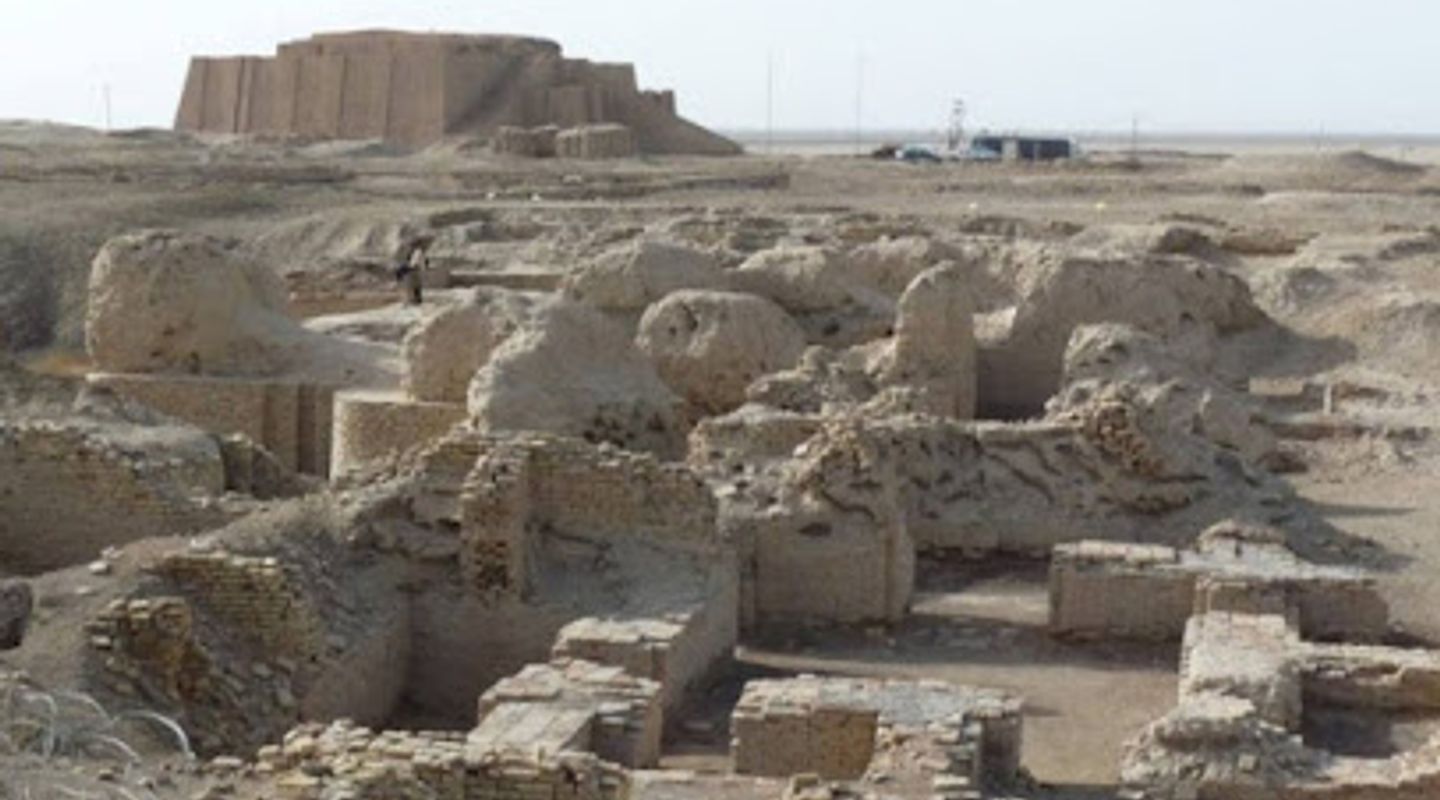
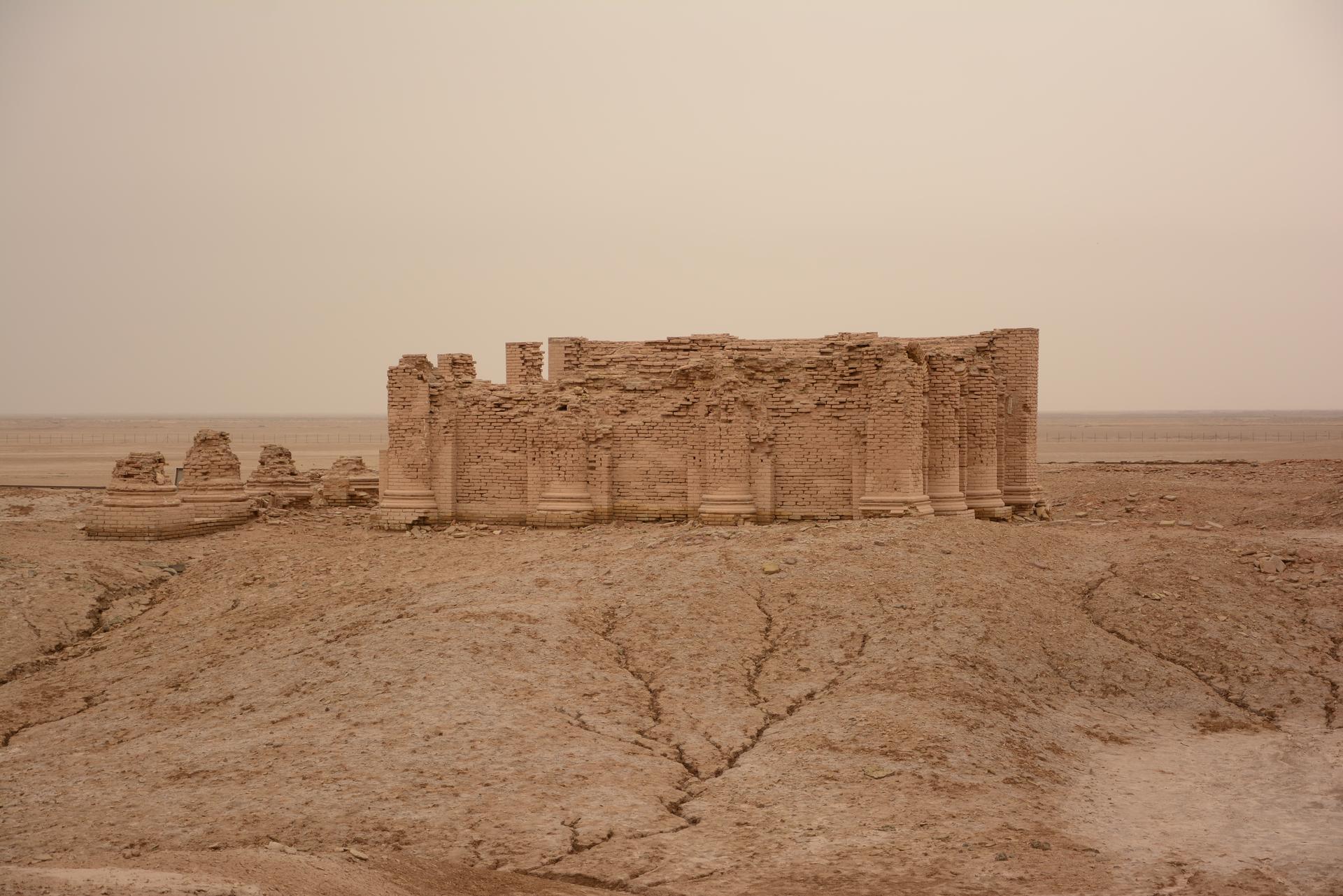
Step back in time at Ennigaldi-Nanna's Museum, considered the world's first public museum, dating back to circa 530 BCE. Located in Ur, in present-day Dhi Qar Governorate, Iraq, this historical landmark offers a unique glimpse into the ancient world of Mesopotamia.
A brief summary to Ennigaldi-Nanna's Museum
- X464+M3R, Mahatt Ur, Dhi Qar Governorate, IQ

Know before you go
Hi, I'm Eve. Here are a few practical things to know before exploring Ennigaldi-Nanna's Museum.
- The site is located in a desert environment; bring water and sun protection.
- Photography is generally allowed, but check with tour guides for any restrictions.
- Wear comfortable shoes suitable for walking on uneven terrain.
Do you manage this location?
Take control to get all the benefits, like improved information, better appearance, and stronger visibility across AI-powered discovery. Learn more about listing your business on Evendo
Activate your presenceOther nearby places you may find interesting
The closest places of the same kind, if this one is not quite what you had in mind.
Explore Ennigaldi-Nanna's Museum on the Map
A handpicked selection of must-see spots near Ennigaldi-Nanna's Museum, mapped for you.
Getting There
-
Road
Ennigaldi Nanna's Museum is located in Mahatt Ur, Dhi Qar Governorate. Due to limited public transportation options in the area, the most practical way to reach the museum is by private vehicle, organized tour, or local taxi. From Nasiriyah, the capital city of the Dhi Qar Governorate, the museum is a short drive away. **Cost Estimates:** * **Taxi:** A one-way taxi from Nasiriyah to Ur may cost approximately 10,000 to 15,000 IQD. * **Organized Tour:** Prices vary depending on the tour operator and inclusions. Check with local travel agencies for current pricing. It's advisable to negotiate the fare with the taxi driver before starting the journey. Note that road conditions can vary, so allow for extra travel time.
Discover more about Ennigaldi-Nanna's Museum
More to explore near Ennigaldi-Nanna's Museum













Your all‑in‑one travel companion app
Explore expert travel guides, compare and book tours, experiences, hotels, and more—all from the palm of your hand. Download now for seamless trip planning wherever your wanderlust takes you.


Explore More of Muthanna
Looking beyond Ennigaldi-Nanna's Museum? Discover Muthanna for broader travel guides, local hot-spots, and regional highlights.
Explore Muthanna