Tell Eridu Archaeological Site: Cradle of Civilization
Explore Tell Eridu, a UNESCO World Heritage Site in Iraq, and discover the ancient roots of Sumerian civilization and Mesopotamian history.
Explore Tell Eridu, a UNESCO World Heritage Site in Dhi Qar Governorate, Iraq, and one of the oldest cities in the world. Discover the remnants of Sumerian civilization, including the Ziggurat of Enki, and immerse yourself in the history of Mesopotamia.
A brief summary to Tell Eridu Archaeological Site UNESCO
- Dhi Qar Governorate, IQ
Local tips
- Wear comfortable shoes suitable for walking on uneven terrain, as the site involves exploring ancient ruins.
- Bring plenty of water and sun protection, as the site offers limited shade.
- Consider hiring a local guide to gain deeper insights into the site's history and significance.
- Check local travel advisories and accessibility options before planning your visit.

Getting There
-
Car
If you are driving from Nasiriyah, head southwest on Al-Quds Street towards the Dhi Qar Governorate. Continue on this road for approximately 25 kilometers. Look for signs indicating Tell Eridu, and follow the directions as they lead to the site, which is located just east of the Euphrates River. Be aware that local roads may not be well-marked, so keep a map or GPS handy. Ensure your vehicle is in good condition as some roads may be rough. There is a small parking area near the site. Fuel costs for the trip are minimal, but budget approximately 5,000 IQD for potential parking fees.
-
Public Transport
For those using public transportation, take a bus or shared taxi from Nasiriyah to Al-Shatra. Buses and taxis frequently run from the central bus station in Nasiriyah. The journey will take around 30-45 minutes. Once you arrive in Al-Shatra, hire a local taxi to take you to the Tell Eridu Archaeological Site. Confirm the fare before starting your journey; it should not exceed 10,000 IQD. Make sure to return to Al-Shatra for transportation back to Nasiriyah after your visit. The bus fare from Nasiriyah to Al-Shatra is approximately 3,000 IQD.
-
Taxi
For a more direct route, consider taking a taxi from Nasiriyah to Tell Eridu. This option is more convenient and will take around 20 to 30 minutes, costing approximately 15,000 to 20,000 IQD depending on negotiation and traffic conditions. Make sure to confirm the fare before starting your journey.
Discover more about Tell Eridu Archaeological Site UNESCO
Iconic landmarks you can’t miss

Tell Al Ubaid
17.6 km
Explore Tell Al Ubaid, the namesake of the Ubaid period, and discover the roots of Mesopotamian civilization in southern Iraq.
A tour guide translator
19.1 km
Explore Nasiriyah: A blend of ancient history and modern culture in the heart of Mesopotamia, near the famed city of Ur.
Nasiriyah Central Prison
25.9 km
Discover the profound history of Nasiriyah Central Prison, a site reflecting Iraq's complex journey through justice and resilience.

Tell Khaiber
27.6 km
Explore Tell Khaiber, an ancient Mesopotamian settlement revealing the secrets of the Sealand Dynasty in southern Iraq.
Al Habobi Square
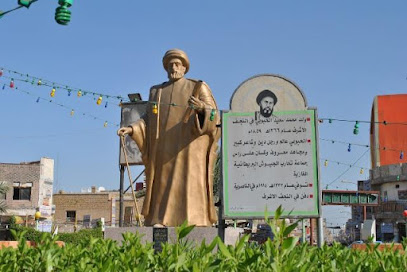
35.4 km
Experience the vibrant culture of Nasiriyah at Al Habobi Square, a lively hub where tradition meets modernity in the heart of the city.
Shatt Akbar
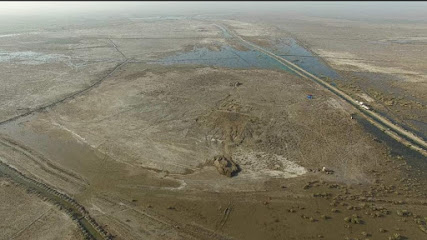
42.5 km
Explore the ancient irrigation wonders of Shatt Akbar in Dhi Qar Governorate and uncover the secrets of water management that shaped civilizations.
Showachi Marsh
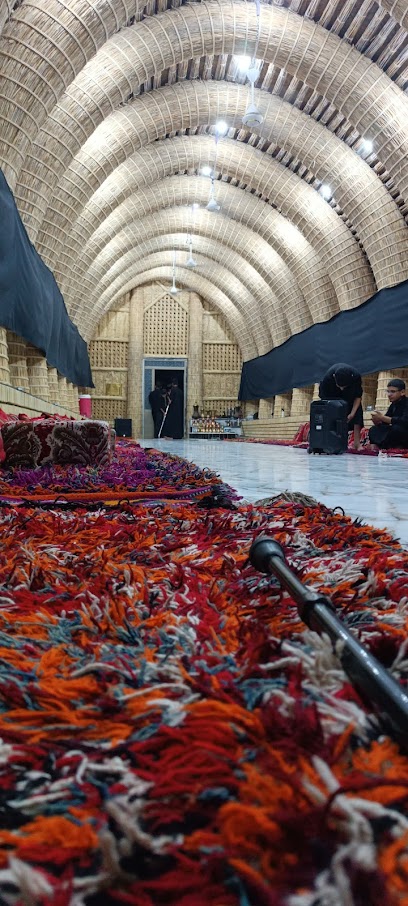
56.2 km
Escape to Showachi Marsh in Dhi Qar: A serene wetland paradise teeming with birdlife and offering a tranquil retreat in southern Iraq.
Tell Al-Mzaerir
64.6 km
Explore Tell Al-Mzaerir, an ancient Mesopotamian site in Dhi Qar, and step back in time to discover Sumerian civilization.
Great Prophet mosque (r)
83.7 km
Explore the Great Prophet Mosque in Dhi Qar for a serene spiritual experience and a glimpse into the rich cultural heritage of Iraq.
Alssiyagh Square
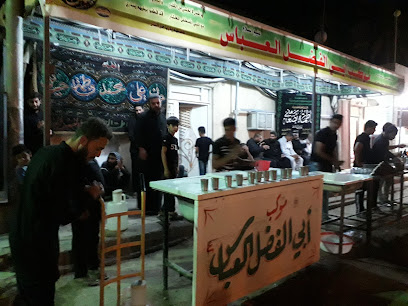
87.5 km
Discover Alssiyagh Square, a historical landmark in Samawah, where cultural heritage, local crafts, and authentic cuisine come together in a vibrant atmosphere.
Unmissable attractions to see

Eridu, Sumeria
0.1 km
Explore Eridu, the cradle of civilization, and discover the roots of urban life, religion, and governance in ancient Sumeria.
Ur
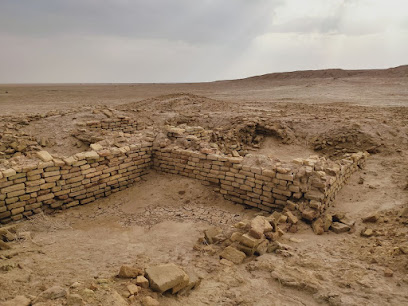
19.1 km
Explore Ur, the ancient Sumerian city in Iraq, featuring the Ziggurat and Royal Tombs, offering a glimpse into Mesopotamia's rich history.
Great Ziggurat of Ur
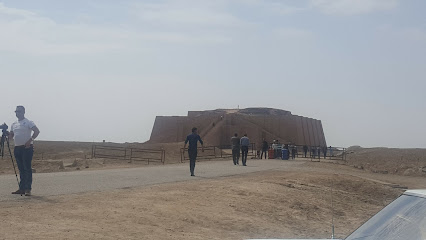
19.2 km
Explore the ancient marvel of the Great Ziggurat of Ur, a testament to Sumerian civilization in Mesopotamia, near Nasiriyah, Iraq.
Ennigaldi-Nanna's Museum
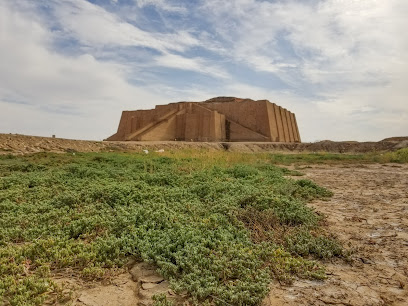
19.2 km
Explore the ruins of the world's first museum, curated by a Babylonian princess in ancient Ur, dating back to 530 BCE.
Dub lal makh temple معبد دي لال ماخ
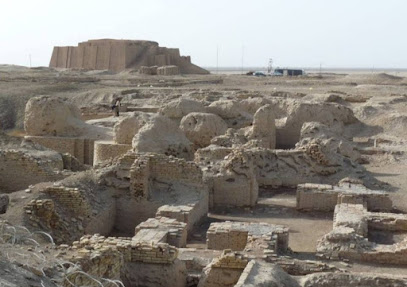
19.2 km
Discover Dub Lal Makh Temple in Dhi Qar: Unearth Sumerian history at this ancient site near the famed Ziggurat of Ur.
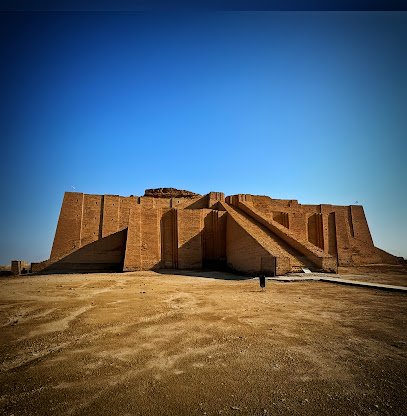
Muq's house
32.5 km
Discover the rich cultural heritage and warm hospitality of Muq's House in Nasiriyah, a tourist attraction that showcases the essence of Iraqi tradition.
Nasiriyah Museum
34.4 km
Explore millennia of Mesopotamian history at the Nasiriyah Museum, home to a vast collection of Sumerian, Babylonian, and Assyrian artifacts.
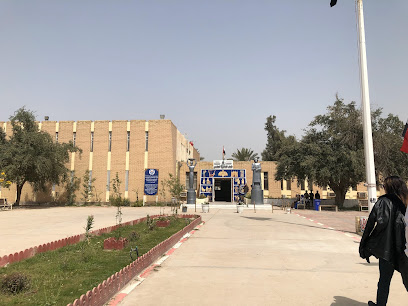
Al-Haboubi Square
35.4 km
Discover Al-Haboubi Square in Nasiriyah: A serene garden oasis and cultural hub in the heart of the city.
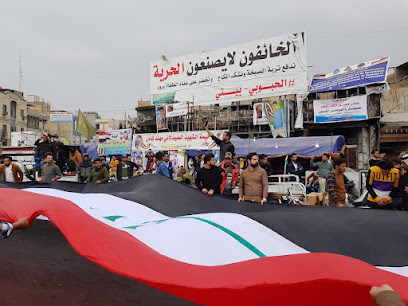
Uruk
65.8 km
Discover Uruk, the ancient Mesopotamian city and cradle of civilization, where writing and monumental architecture were born.
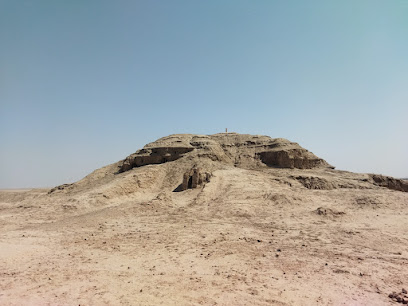
Tell al'arab
69.2 km
Explore the archaeological wonders of Tell al'arab, a key historical landmark in Dhi Qar Governorate, and uncover the secrets of ancient Mesopotamia.
Aluti Park
87.6 km
Experience fun and relaxation at Aluti Park in Samawah, a modern amusement park perfect for families and individuals.
Essential places to dine

Laimoona Restaurant and Grills
33.3 km
Discover flavorful barbecue at Laimoona Restaurant & Grills in Nasiriyah - where tradition meets taste.
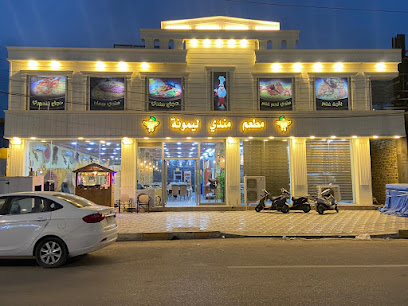
Mandi Palace Restaurant
33.5 km
Experience authentic Iraqi cuisine at Mandi Palace Restaurant in Shamiyah - where tradition meets flavor in every dish.
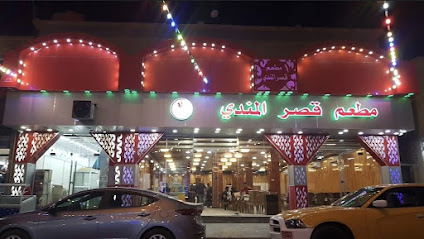
Aghati Restaurant
33.6 km
Experience authentic Iraqi cuisine at Aghati Restaurant in Samawah – where tradition meets taste.
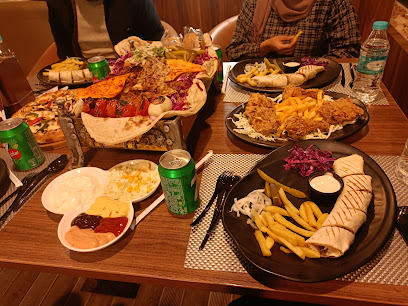
مطعم الشيف مالك chef malik restaurant
33.6 km
Discover authentic Italian flavors at Chef Malik Restaurant in Nasiriyah - where every dish tells a story.
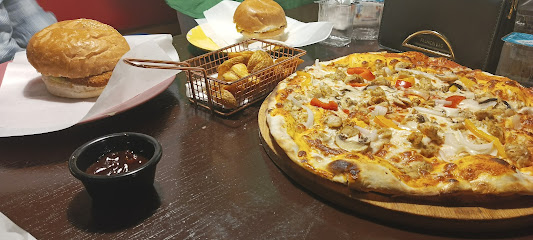
Pizza firewood
33.9 km
Discover delicious wood-fired pizzas in Nasiriyah at Pizza Firewood – where tradition meets flavor in every bite.
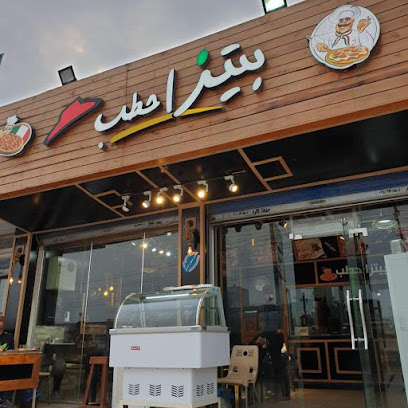
Kahramana Restaurant
34.0 km
Discover authentic Iraqi cuisine at Kahramana Restaurant in Nasiriyah – where tradition meets taste in every dish.
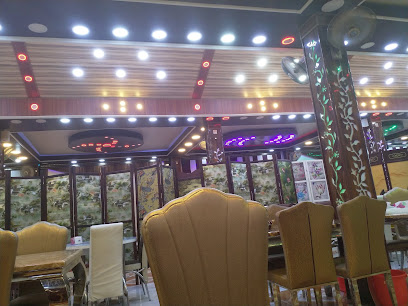
مطعم كويستان2
36.1 km
Experience authentic Iraqi flavors at مطعم كويستان2 in Nasiriyah – where tradition meets taste in every dish.
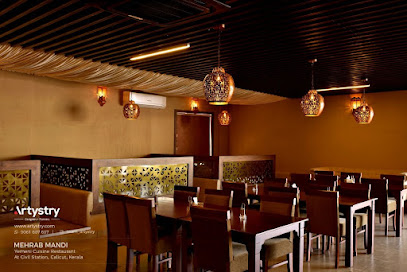
Arz lebanon International Restaurant
36.7 km
Experience authentic Lebanese cuisine at Arz Lebanon International Restaurant in Batha – where tradition meets flavor.
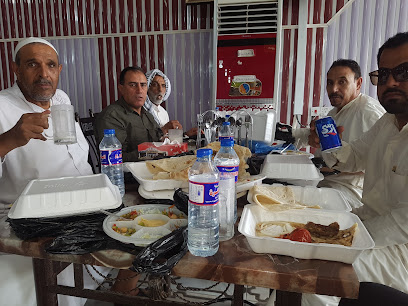
Musaffer Sir
86.8 km
Discover authentic Iraqi flavors at Musaffer Sir in Samawah - where delicious cuisine meets warm hospitality.
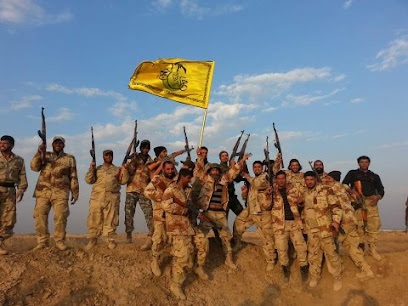
Baghdad Resturant
87.2 km
Discover authentic Iraqi cuisine at Baghdad Restaurant in Samawah—where tradition meets taste in every delightful bite.
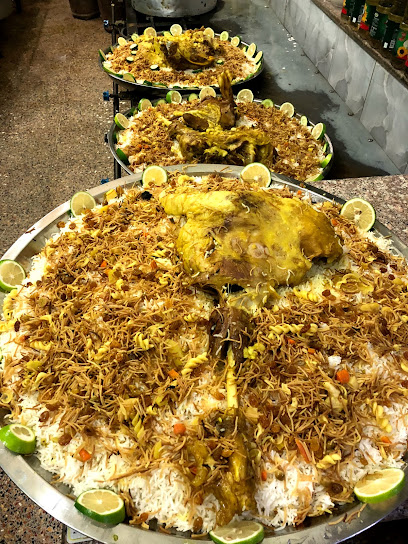
Haidari Restaurant
87.5 km
Experience authentic Iraqi flavors at Haidari Restaurant in Samawah - your gateway to traditional cuisine and warm hospitality.
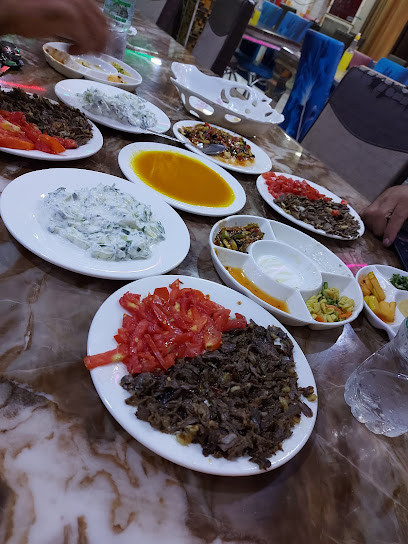
Food land
87.5 km
Discover authentic flavors at Food Land in Al Muthanna Governorate - a culinary experience not to be missed.
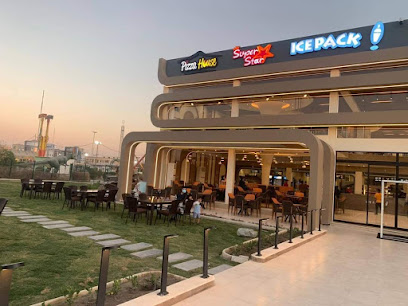
Subway pizza
87.8 km
Savor the best pizza experience in Samawah at Subway Pizza – where fresh ingredients meet local flavor!
Al Hassanian Restaurant 2
88.0 km
Experience authentic Middle Eastern flavors at Al Hassanian Restaurant 2 in Samawah – a delightful stop for every traveler.
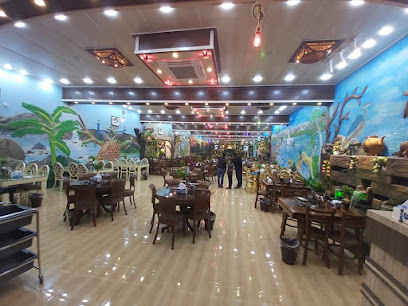
De Baron Restaurant
88.4 km
Experience authentic Iraqi cuisine at De Baron Restaurant in Samawah - where every dish tells a story.
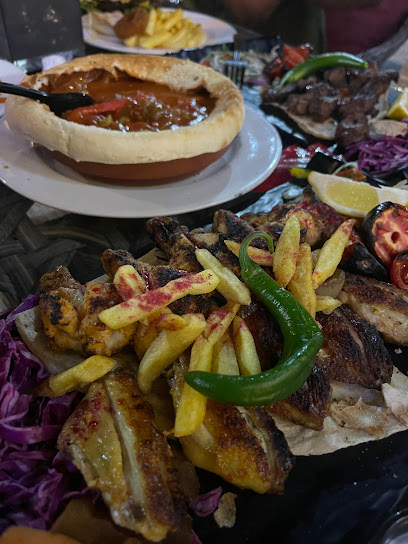
Markets, malls and hidden boutiques

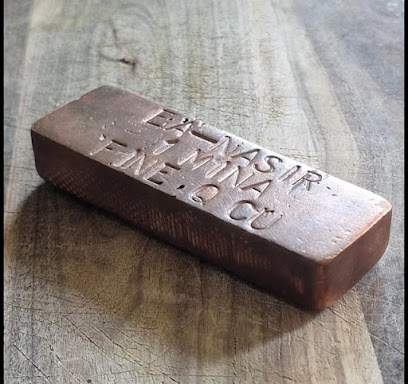
Ea Nasir's Copper Shop
19.1 km
Explore the rich tradition of copper craftsmanship at Ea Nasir's Copper Shop in Nasiriyah, where art meets culture in every handcrafted piece.
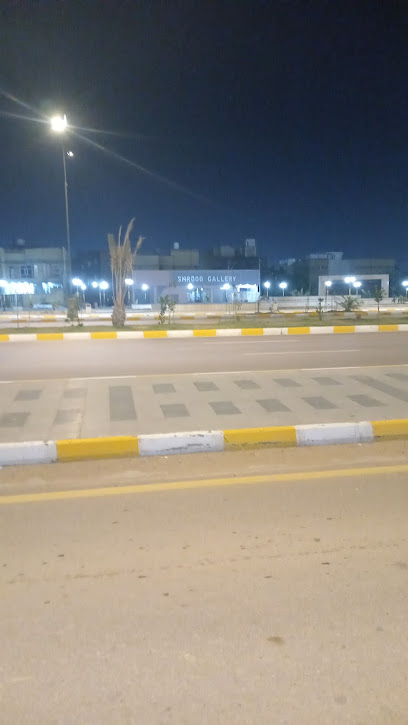
Shrooq gallery
33.2 km
Experience the vibrant local fashion at Shrooq Gallery in Nasiriyah, where culture meets contemporary style.
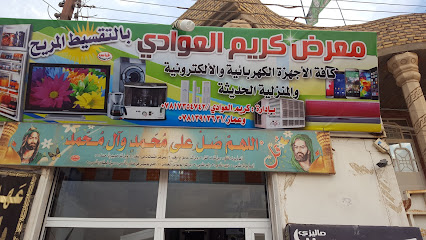
Karim Al-Awadi Exhibition for the sale of electric household
37.7 km
Discover quality electric household goods at Karim Al-Awadi Exhibition in Nasiriyah, a vibrant shopping destination for tourists and locals alike.
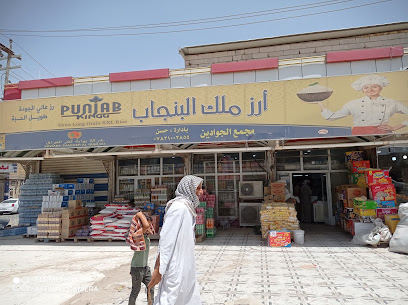
Jawadain compound
39.1 km
Discover the vibrant Jawadain Compound, a bustling produce market in Nasiriyah, where fresh local flavors and culture come together.
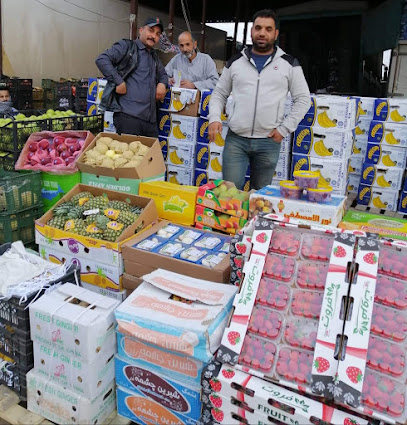
Fruit and vegetable store
44.0 km
Explore the colorful world of fresh produce at Jbayesh's beloved fruit and vegetable store, where local flavors and culture come together.
Old Market valuable Syed intruder
54.9 km
Experience the vibrant culture of Syed Kheel at the Old Market, a unique shopping destination filled with local crafts and authentic Iraqi delicacies.
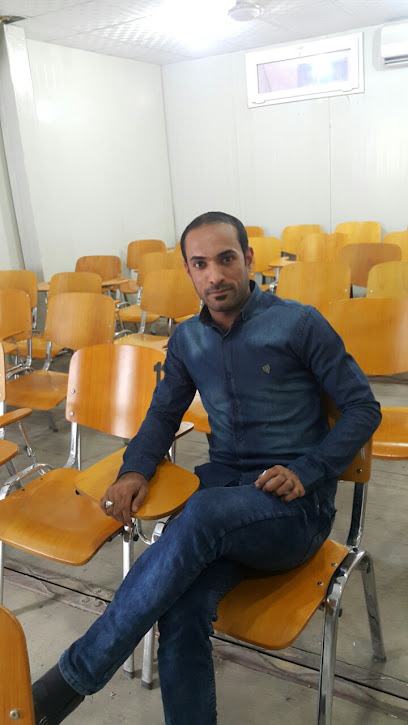
دبي مول السماوة Dubai Mall
87.0 km
Uncover unique vintage clothing treasures at Dubai Mall in Samawah, where every piece tells a story from the past.
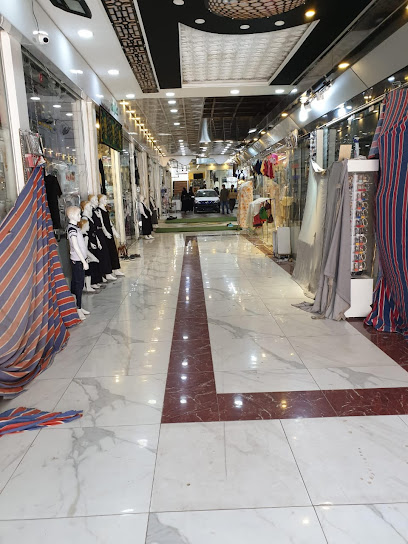
ماكسي مول Maximall Samawah
87.1 km
Explore Maximall Samawah, a vibrant shopping mall offering diverse retail and dining experiences in the heart of Iraq's Al Muthanna Governorate.
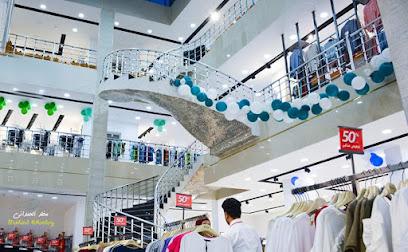
Covered Market LIMITED
87.1 km
Explore the Covered Market in Samawah, a vibrant hub of local culture, delicious food, and unique shopping experiences in Al Muthanna Governorate.
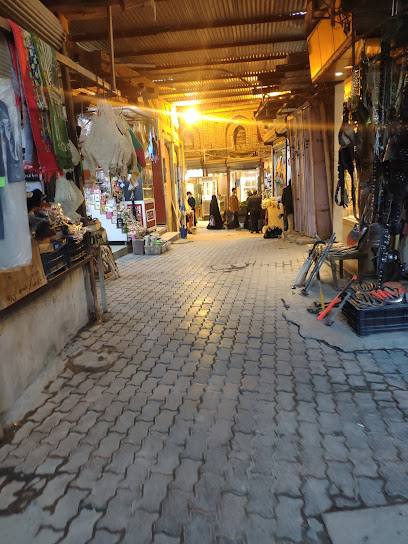
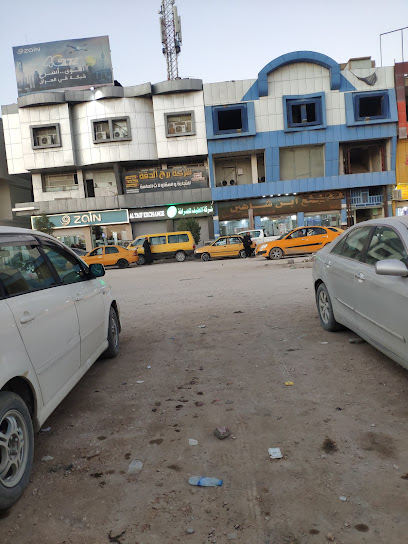
شارع الغدير - مقابل متوسطة الكرامة
87.1 km
Discover the heart of Samawah at شارع الغدير shopping mall - a lively destination for shopping, dining, and family entertainment.
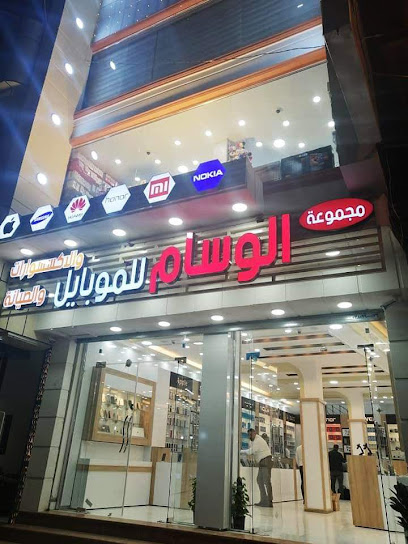
مجموعة الوسام التجارية 1 للأجهزة المنزلية الكهربائية و الألكترونية
87.4 km
Discover the best in electronics and home appliances at مجموعة الوسام التجارية 1, your go-to shopping destination in Samawah.
Samawa Host
87.4 km
Explore the vibrant Samawa Host Shopping Mall in Samawah, where modern shopping meets rich Iraqi culture in a lively atmosphere.
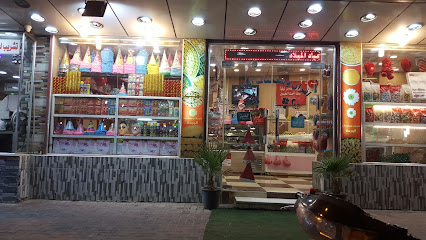
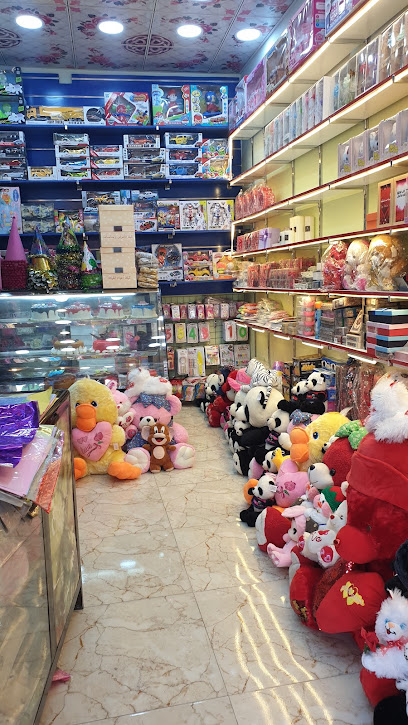
ALMASA الماسة للكيك والهدايا والقرطاسية والألعاب
87.8 km
Explore ALMASA in Samawah for a unique selection of gifts, toys, and stationery that capture the essence of local culture and creativity.
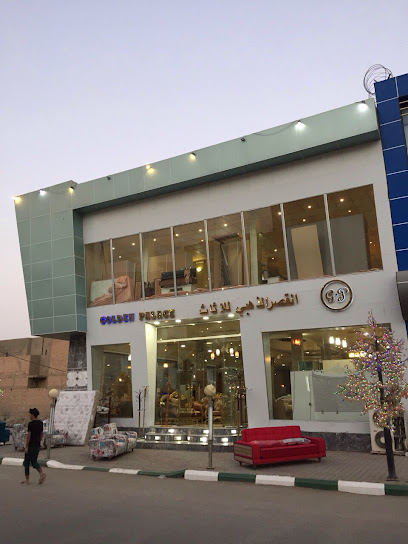
Golden Palace
88.0 km
Explore the Golden Palace in Samawah for exquisite furniture that embodies the rich culture and craftsmanship of Al Muthanna Governorate.
Alma boutique
88.0 km
Explore the vibrant fashion scene at Alma Boutique in Samawah, where local culture meets contemporary style for a unique shopping experience.
Essential bars & hidden hideouts

Point
14.9 km
Experience the vibrant energy and local flavors at Point Bar in Mahatt Ur for an unforgettable night out in Dhi Qar Governorate.
6 Pazzi
17.6 km
Experience the vibrant nightlife at 6 Pazzi, the premier bar in Nasiriyah, offering a perfect blend of local charm and modern vibes.
The Big Tea Bar
34.0 km
Discover a tranquil escape at The Big Tea Bar in Nasiriyah, where local flavors and a cozy atmosphere await every visitor.
Kofi Dargham
70.0 km
Discover the vibrant atmosphere and local flavors at Kofi Dargham, the perfect bar for tourists in Al-Fuhud, Dhi Qar Governorate.
Mutanabi Restaurant
87.0 km
Experience authentic local cuisine at Mutanabi Restaurant in Samawah, where every dish tells a story of tradition and flavor.
Qishla nights
87.3 km
Experience the serene ambiance and delightful refreshments at Qishla Nights, a must-visit cafe in Samawah, Al Muthanna Governorate.
Cafeteria Al Shaib
87.4 km
Experience authentic Iraqi flavors at Cafeteria Al Shaib in Samawah, where fresh ingredients meet a cozy atmosphere.
The Rose Restaurant
87.5 km
Experience the authentic taste of Iraq at The Rose Restaurant in Samawah, where tradition meets flavor in a charming setting.
Nbb
87.6 km
Discover Nbb, a charming bar in Samawah, offering a relaxed atmosphere and diverse drink options, perfect for unwinding after exploring Al Muthanna.
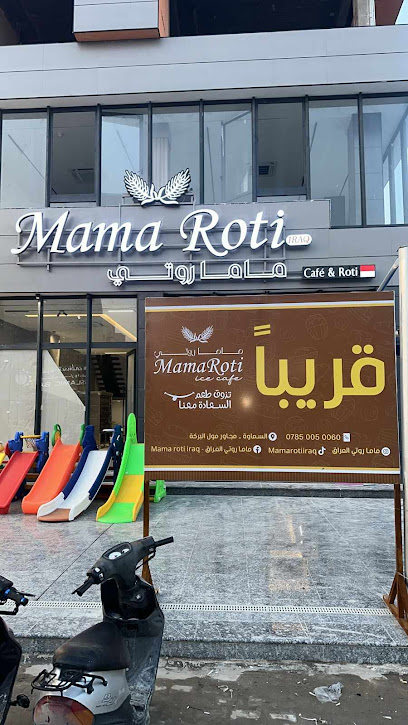
ماما روتي العراق - Mama Roti Iraq
87.6 km
Experience the vibrant atmosphere and local hospitality at Mama Roti Iraq, a lively bar in Samawah perfect for a memorable night out.
Ghost burger
88.4 km
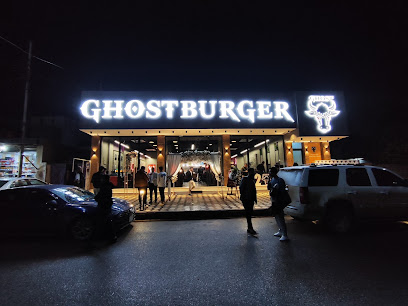
Experience the best of American flavors at Ghost Burger in Samawah, where every bite is a taste of culinary delight.