

Free Euphrates Region Travel Guide & Mobile App
Explore Euphrates Region with free travel guides. Discover regional history, expert tips, proposed trips, and audio guides on web or mobile app.


Explore Iraq’s Euphrates Region for Babylonian archaeology, sacred cities, river landscapes, date palms and the enduring cultures of Mesopotamia.
Read more about Euphrates Region
When is the best time to visit Euphrates Region?
Best: April, October–November · 21–28°C| Month | High (°C) | Rainfall (mm) |
|---|---|---|
| January | 15 | 50 |
| February | 16 | 40 |
| March | 20 | 30 |
| April (best) | 26 | 20 |
| May | 32 | 10 |
| June | 36 | 0 |
| July | 39 | 0 |
| August | 39 | 0 |
| September | 36 | 5 |
| October (best) | 28 | 10 |
| November (best) | 21 | 30 |
| December | 16 | 40 |
Getting to and around Euphrates Region
How to get there
Transportation
Top city travel guides in Euphrates Region
The cities of Euphrates Region, and the easiest places to base yourself.
-

-

-

-

-


Swipe for more cities
Best attractions in Euphrates Region
The Euphrates Region’s attractions range from world-changing archaeology to active religious centres and river landscapes. The archaeological remains of Babylon near Hilla are the principal ancient site, with excavated gateways, processional streets and monumental traces that convey the scale of the former imperial capital. Around Hilla, visitors can also explore the relationship between archaeological mounds, canals, farms and date groves. Karbala and Najaf offer major pilgrimage architecture, while Kufa provides an important early Islamic setting connected with scholarship and the history of Imam Ali. These are living places of worship, so access and behaviour are governed by religious practice. In Anbar, the Euphrates passes historic settlements such as Hit and reaches landscapes around Lake Habbaniyah, although western travel requires especially careful security planning. Rural river scenery, palm gardens and traditional agriculture provide a counterpoint to the cities, while seasonal conditions influence outdoor activity. The region is not organised around a dense network of visitor facilities: archaeological sites may have limited interpretation, transport can be irregular and some areas may be inaccessible. Its appeal lies in combining ancient urban history, sacred geography and the continuing life of a managed river plain.
-
 Landmark
Mouth of Euphrates River
Discover the serene beauty and historical significance of the Mouth of the Euphrates River, where ancient civilizations meet the Persian Gulf.
Best landmarks in Euphrates Region
Babylon’s monumental archaeological remains near Hilla are the region’s most recognisable ancient landmark, representing the capital of a major Mesopotamian empire and preserving the memory of its ceremonial avenues, temples and defensive architecture. In Karbala, the gold-domed shrines of Imam Hussein and Abbas dominate the city’s skyline and express its central place in Shia religious geography; their importance is spiritual as well as architectural. Najaf is defined by the shrine of Imam Ali and the extensive Wadi al-Salam cemetery, one of the most significant funerary landscapes in the Islamic world. The Great Mosque of Kufa, with its associations with early Islamic history and Imam Ali, is another major sacred landmark. Hit’s historic position on the Euphrates and its bitumen springs illustrate the long relationship between settlement, river crossing and natural resources. Across the region, palm-lined waterways, canal embankments and archaeological mounds are less monumental but equally revealing landmarks of a landscape repeatedly reshaped by irrigation, shifting rivers and urban settlement.
-
Castle
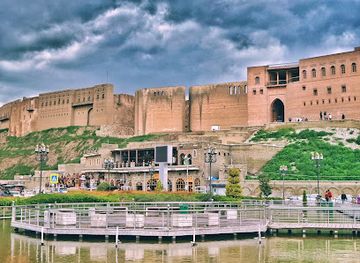
Erbil Citadel
Explore the ancient Erbil Citadel, a UNESCO World Heritage Site and one of the world's oldest continuously inhabited settlements, in the heart of Erbil.
-
State park
Al-Zawraa Park
Escape to Baghdad's largest park: Al-Zawraa, where green spaces, a zoo, and amusement rides offer fun for everyone!
-
Park
Samî Abdulrahman Park
Escape to Erbil's largest park: a green sanctuary with gardens, lakes, and activities for everyone, honoring Kurdish heritage.
-
Park
Baghdad Island Park
Discover Baghdad Island Park: A green escape in the heart of Baghdad, offering natural beauty, recreation, and cultural experiences.


Explore Euphrates Region on the map
Plan your trip on one map. See where the top cities, national parks and sights are, and book hotels and experiences in a few clicks.
Best hotels in Euphrates Region
Best restaurants in Euphrates Region
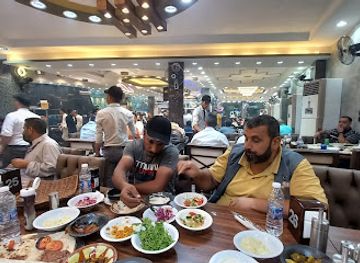
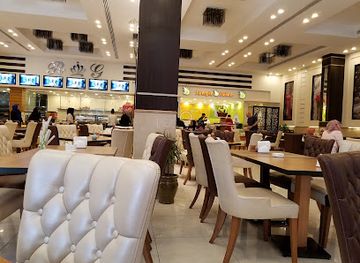
Food in the Euphrates Region reflects the wider culinary traditions of Iraq while taking local character from river agriculture, date cultivation and pilgrimage-town commerce. Rice-based dishes, stews, grilled meats, kebabs, flatbreads, stuffed vegetables, lentil soups and sweet tea are common across the region, with recipes varying between households and towns. River fish, particularly masgouf in places where it is available, is an important Iraqi speciality, while dates and date products are closely associated with the irrigated landscape. Karbala and Najaf have many simple restaurants and food stalls serving pilgrims, alongside cafés, bakeries and family-run dining rooms. Hilla offers access to the produce of the surrounding agricultural plain, while roadside establishments and market vendors provide a more informal experience along intercity routes. Hygiene standards and facilities vary, so established restaurants, busy local eateries and recommendations from a trusted guide are sensible choices. Alcohol is not appropriate around religious centres, and visitors should respect local expectations during Ramadan and other periods of religious observance.
-
Restaurant
ABC Restaurant Erbil
Experience the diverse flavors of American, Asian, and Middle Eastern cuisines at ABC Restaurant Erbil - where culinary traditions unite.
-
Restaurant
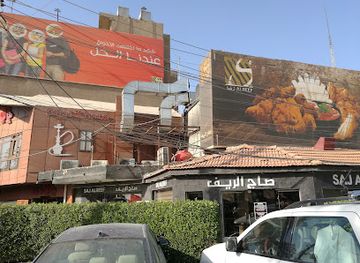
Saj Alreef Restaurant - Karada
Experience the essence of Iraqi cuisine at Saj Alreef Restaurant in Baghdad - where tradition meets flavor.
-
Restaurant
Al Badia Restaurant
Experience authentic Iraqi cuisine at Al Badia Restaurant in Al-Fallujah – where every dish tells a story.
-
Restaurant
Royal Galaxy Restaurant
Experience the rich flavors of Iraqi cuisine at Royal Galaxy Restaurant in Baghdad - a culinary gem waiting to be discovered.
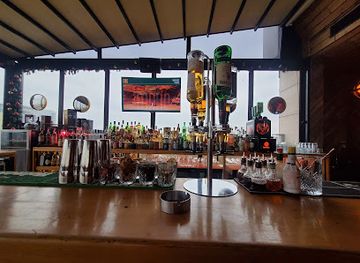
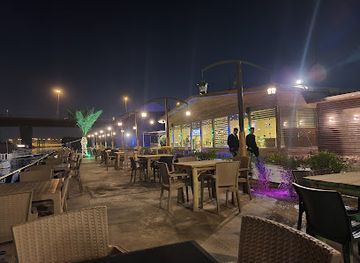
Best bars in Euphrates Region
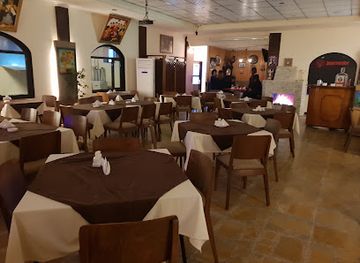
The Euphrates Region does not have a conventional bar-and-nightclub culture, particularly in the religious cities of Karbala, Najaf and Kufa. Evening life centres on family restaurants, tea houses, cafés, sweet shops, market streets and the social activity surrounding pilgrimage districts. Hilla and some larger urban areas offer a broader range of cafés and late-opening eateries, while smaller river settlements tend to become quiet after the evening meal. Alcohol is restricted culturally and legally in many settings and should not be assumed to be available, especially near shrines or during religious observances. During major pilgrimage periods, the streets of Karbala and Najaf may remain busy late into the night, but this is devotional and communal activity rather than nightlife in a European sense. Visitors should dress appropriately after dark, follow crowd and security instructions, and avoid treating religious gatherings as entertainment. Hotels serving international travellers may provide limited evening refreshments, subject to their current policies.
-
River
Euphrates
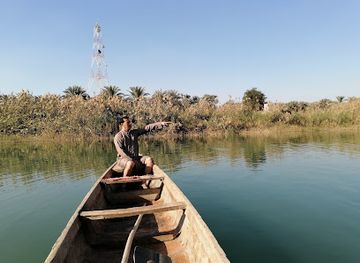
Discover the captivating allure of the Euphrates River, where history meets breathtaking natural beauty in the heart of the Middle East.
-
Restaurant
German Bar
Discover the flavors of Germany at the German Bar in Erbil, where authentic cuisine meets a vibrant nightlife experience.
-
Bar
Mars Rooftop
Enjoy breathtaking views and an electric atmosphere at Mars Rooftop, Erbil's premier bar for relaxation and nightlife.
-
Bar
D lounge & Restaurant
Discover the vibrant nightlife of Baghdad at D Lounge & Restaurant, where local flavors meet international drinks in an inviting atmosphere.
Best nightclubs in Euphrates Region
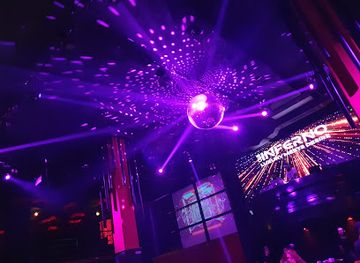
The Euphrates Region does not have a conventional bar-and-nightclub culture, particularly in the religious cities of Karbala, Najaf and Kufa. Evening life centres on family restaurants, tea houses, cafés, sweet shops, market streets and the social activity surrounding pilgrimage districts. Hilla and some larger urban areas offer a broader range of cafés and late-opening eateries, while smaller river settlements tend to become quiet after the evening meal. Alcohol is restricted culturally and legally in many settings and should not be assumed to be available, especially near shrines or during religious observances. During major pilgrimage periods, the streets of Karbala and Najaf may remain busy late into the night, but this is devotional and communal activity rather than nightlife in a European sense. Visitors should dress appropriately after dark, follow crowd and security instructions, and avoid treating religious gatherings as entertainment. Hotels serving international travellers may provide limited evening refreshments, subject to their current policies.
-
Disco club
HERA Club
HERA Club in Erbil offers an unforgettable nightlife experience with vibrant music, dancing, and a lively atmosphere that unites locals and tourists.
-
Night club
Inferno Erbil
Discover the electrifying nightlife at Inferno Erbil, the ultimate night club experience in the heart of Erbil, Iraq.
-
Night club
LOTUS NIGHT CLUB
Dive into Erbil's nightlife at Lotus Night Club, where great music and unforgettable experiences await until dawn.
-
Night club
Vegas Nights club
Dive into the vibrant nightlife of Baghdad at Vegas Nights Club, a premier destination for unforgettable music, dance, and cultural experiences.



Best shops in Euphrates Region
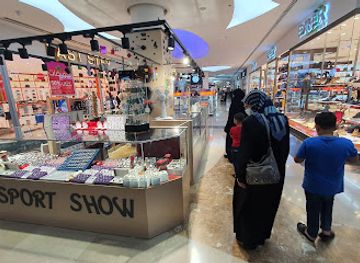
Shopping in the Euphrates Region is concentrated in traditional markets, shrine districts, high streets and food bazaars rather than large-scale international retail. Karbala and Najaf have extensive commercial areas serving pilgrims, with prayer items, religious books, textiles, perfumes, sweets and locally produced foods among the common purchases. Hilla’s markets provide everyday goods and seasonal produce from the surrounding agricultural plain, while smaller towns offer dates, treacle, spices, flatbreads and household crafts. Gold and jewellery are sold in established urban markets, but visitors should compare workmanship and prices and use reputable shops. Date products make practical regional gifts, although packaging and transport rules should be considered when taking food abroad. Independent bookshops and religious publishing are particularly visible in Najaf, reflecting its scholarly role. Shopping etiquette is generally informal bargaining in markets, whereas fixed prices are more common in established shops. Rural areas have limited dedicated souvenir retail, so purchases are best made in larger towns rather than improvised roadside stalls.
-
Shopping mall
Family Mall Erbil
Experience the buzz of shopping and entertainment at Family Mall Erbil, a premier destination for tourists and locals alike.
-
Shopping mall
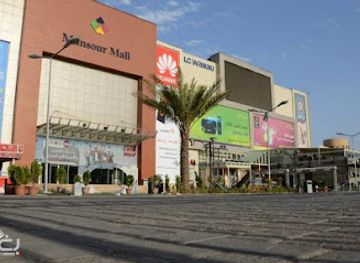
Mansour Mall
Discover Mansour Mall: Baghdad's premier shopping destination for fashion, dining, and entertainment, offering a vibrant cultural experience for all visitors.
-
Shopping mall
Babylon Mall
Discover the vibrant shopping and entertainment experience at Babylon Mall in Baghdad, where retail therapy meets family fun.
-
Shopping mall
Family Mall Duhok
Discover a shopping haven at Family Mall Duhok, where retail therapy meets local culture in a vibrant atmosphere.


Get your free copy of our complete guide to Euphrates Region, delivered straight to you.
Everything on this page, from attractions and restaurants to essentials and local phrases, in one PDF you can read offline, print or share.
Already have an account? Sign in
Your Euphrates Region guide is ready.
We'll send it to · Not you? Sign out

Getting your guide ready…
We are putting together a fresh copy of the Euphrates Region guide. This can take up to a minute.
This can take a few moments. If your browser asks, choose Allow so the download can start. You'll find the guide in your Downloads folder.
Nothing happened? Download it again
Sorry, the guide is taking longer than usual. Please try again in a minute, or get it by email instead.
Euphrates Region essentials
Currency and Payment
Safety
Emergency Situations
Do's and Don'ts
Local Tips
From Eve
Local phrases worth knowing
You don't need to get them perfect. A few words go a long way, and locals appreciate the effort.
Basics
| English | Local | Say it |
|---|---|---|
| Hello | مرحبا | [Marhaban] |
| Goodbye | وداعا | [Wada'an] |
| Yes | نعم | [Na'am] |
| No | لا | [La] |
| Please/You're welcome | من فضلك | [Min fadlik] |
| Thank you | شكرا | [Shukran] |
| Excuse me/Sorry | عفوا | [Afwan] |
| How are you? | كيف حالك؟ | [Kayfa halak?] |
| Fine. And you? | بخير. وأنت؟ | [Bikhayr. Wa anta?] |
| Do you speak English? | هل تتحدث الإنجليزية؟ | [Hal tatahaddath al-ingliziyya?] |
| I don't understand | لا أفهم | [La afham] |
Eating & Drinking
| English | Local | Say it |
|---|---|---|
| I'd like to see the menu, please | أود رؤية القائمة، من فضلك | [Awad ru'yat al-qa'ima, min fadlik] |
| I don't eat meat | لا آكل اللحم | [La akul al-lahm] |
| Cheers! | في صحتك! | [Fi sihatak!] |
| I would like to pay, please | أود الدفع، من فضلك | [Awad al-daf', min fadlik] |
Emergencies
| English | Local | Say it |
|---|---|---|
| Help! | ساعدني! | [Sa'idni!] |
| Go away! | ابتعد! | [Ibt'id!] |
| Call the Police! | اتصل بالشرطة! | [Ittasil bil-shurta!] |
| Call a doctor! | اتصل بطبيب! | [Ittasil bi-tabeeb!] |
| I'm lost | أنا ضائع | [Ana da'i'] |
| I'm ill | أنا مريض | [Ana marid] |
Shopping
| English | Local | Say it |
|---|---|---|
| I'd like to buy... | أود شراء... | [Awad shira'...] |
| I'm just looking | أنا فقط أنظر | [Ana faqat anzur] |
| How much is it? | كم ثمنه؟ | [Kam thamanuh?] |
| That's too expensive | هذا مكلف جدا | [Hatha mukalif jidan] |
| Can you lower the price? | هل يمكنك تخفيض السعر؟ | [Hal yumkinuka takhfid al-si'r?] |
Time & Numbers
| English | Local | Say it |
|---|---|---|
| What time is it? | كم الساعة؟ | [Kam al-saa'a?] |
| It's one o'clock | الساعة واحدة | [Al-saa'a wahida] |
| Half past (10) | نصف الساعة (10) | [Nisf al-saa'a (10)] |
| Morning | الصباح | [Al-sabah] |
| Afternoon | بعد الظهر | [Ba'd al-zuhur] |
| Evening | المساء | [Al-masa'] |
| Yesterday | أمس | [Ams] |
| Today | اليوم | [Al-yawm] |
| Tomorrow | غدا | [Ghadan] |
| 1 | واحد | [Wahid] |
| 2 | اثنان | [Ithnan] |
| 3 | ثلاثة | [Thalatha] |
| 4 | أربعة | [Arba'a] |
| 5 | خمسة | [Khamsa] |
| 6 | ستة | [Sitta] |
| 7 | سبعة | [Sab'a] |
| 8 | ثمانية | [Thamaniya] |
| 9 | تسعة | [Tis'a] |
| 10 | عشرة | [Ashara] |
Transport & Directions
| English | Local | Say it |
|---|---|---|
| Where's a/the...? | أين هو...؟ | [Ayn huwa...?] |
| What's the address? | ما هو العنوان؟ | [Ma huwa al-'unwan?] |
| Can you show me (on the map)? | هل يمكنك أن تريني (على الخريطة)؟ | [Hal yumkinuka an turini (ala al-kharita)?] |
| When's the next (bus)? | متى ستكون الحافلة التالية؟ | [Mata satakunu al-hafila al-taliya?] |
| A ticket (to ....) | تذكرة (إلى ....) | [Tadhkira (ila ...)] |
History of Euphrates Region
Early Irrigation and the Mesopotamian River Plain
The Euphrates helped create one of the world’s earliest urban landscapes. From prehistoric periods onwards, communities built canals, embankments and storage systems to control an unpredictable river and extend cultivation across the alluvial plain. Cities and settlements in the wider Euphrates basin developed systems of administration, writing, religious institutions and long-distance exchange. Although later river courses and modern agriculture have altered the landscape, the relationship between managed water, date palms, cereal fields and clustered settlements remains a defining historical feature of central and southern Iraq.
Babylon and the Age of Imperial Mesopotamia
Babylon, near modern Hilla, became one of the ancient world’s great political and religious capitals. Under rulers including Hammurabi in the eighteenth century BC, it was the centre of a powerful kingdom whose legal and administrative traditions influenced Mesopotamian history. Later Babylonian kings expanded the city’s ceremonial architecture, temples and defensive works, most famously during the reign of Nebuchadnezzar II in the sixth century BC. The surviving archaeological complex preserves fragments of this imperial landscape, though much of the ancient city remains an archaeological site rather than an intact urban monument.
Karbala and the Formation of Sacred Geography
Karbala’s importance derives from the Battle of Karbala in 680 CE, when Imam Hussein, the grandson of the Prophet Muhammad, was killed with his supporters. The event became foundational to Shia religious memory, and the site developed into one of the world’s most important pilgrimage centres. Its shrines, rituals and commemorative processions have shaped the city’s urban form and economy for centuries. The history of Karbala is therefore not confined to the past: religious observance continues to define the city’s public spaces, calendar and relationship with visitors.
Kufa, Najaf and Early Islamic Iraq
Kufa, on the Euphrates near present-day Najaf, was founded as a garrison town during the early Islamic conquests and soon became a centre of politics, scholarship and Arabic literary culture. It was associated with Imam Ali, the fourth caliph and first Imam in Shia Islam, whose shrine in neighbouring Najaf became a major focus of pilgrimage. Najaf also developed renowned centres of religious learning. Together, Kufa and Najaf preserve the memory of formative debates in Islamic history and demonstrate how river settlements became influential intellectual and spiritual cities.
Medieval Waterways, Trade and Changing River Courses
The prosperity of Euphrates settlements depended on maintaining canals and protecting cultivated land from shifts in the river’s course. Under medieval Islamic governments, irrigation networks supported agriculture, taxation and movement between cities, while river crossings and caravan routes connected Iraq with Syria, Arabia and the Persian Gulf. Periods of political fragmentation, war, neglect and environmental change damaged parts of this system. The resulting movement of channels and decline of some settlements helps explain why major ancient and medieval sites now stand beside smaller modern communities or archaeological mounds.
Ottoman Rule and the Modern Provincial Landscape
For several centuries the Euphrates corridor formed part of the Ottoman domains, though effective control varied across the river plain and desert margins. Towns, tribal territories, pilgrimage routes and agricultural estates operated within changing administrative arrangements. In the twentieth century, the creation of modern Iraq, new provincial boundaries, expanded roads and state irrigation projects reshaped the region. River regulation, dams and agricultural development improved control over water in some areas but also altered wetlands, seasonal flows and traditional local relationships with the Euphrates.
War, Reconstruction and Contemporary Memory
The Euphrates Region has been deeply affected by the Iran-Iraq War, the 1991 uprising and its aftermath, the 2003 invasion, sectarian violence and the conflict with Islamic State. Cities and communities in Anbar, Babil, Karbala and Najaf experienced different forms of displacement, destruction, political change and reconstruction. The effects remain visible in damaged infrastructure, security procedures, memorial culture and uneven tourism access. Contemporary travel therefore requires sensitivity to recent loss and an understanding that historical sites exist within living communities shaped by recent conflict.
Euphrates Region in Photos
Browse through our photo collection highlighting the charm and character of the destination.
Neighbouring regions of Euphrates Region
The closest regions to Euphrates Region, if you have time for more than one.
-

-

-

-

-


Swipe for more regions
Explore more

Explore more of Iraq
Explore the cradle of civilization in Iraq, where ancient history, rich culture, and diverse landscapes create an unforgettable travel experience.
Explore Iraq