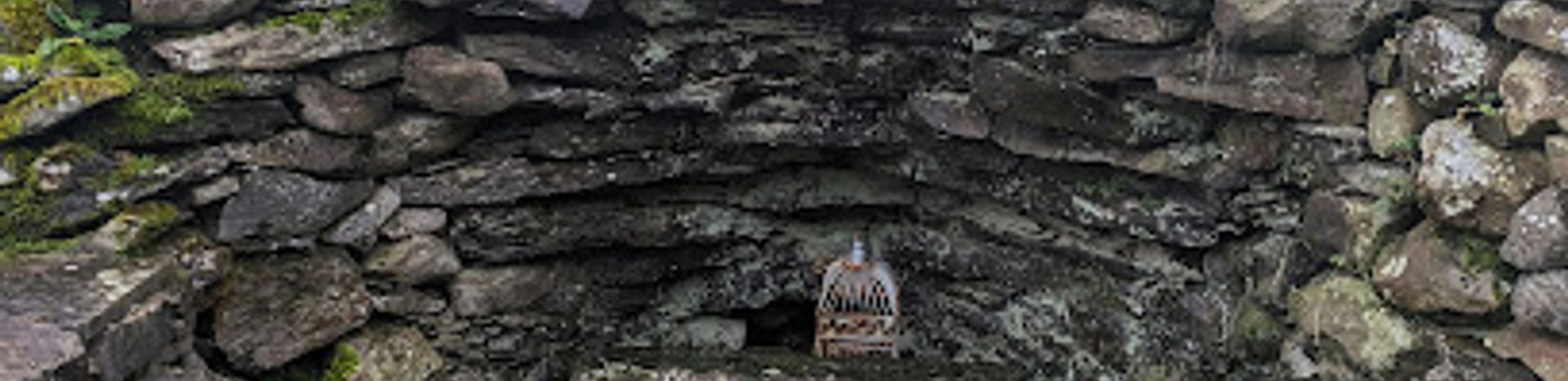
Lime Kiln Historical Ruins: A Glimpse into Ireland's Past
Step back in time at the Lime Kiln Historical Ruins in County Clare, exploring Ireland's industrial heritage and the vital role of lime production.
Explore the remnants of a 19th-century lime kiln in Carnaun, Co. Clare, a testament to Ireland's industrial heritage. These historical ruins offer a unique insight into traditional lime production methods that were crucial to local construction and agriculture.
A brief summary to Lime kiln historical ruins
- Carnaun, Co. Clare, IE
Local tips
- Wear comfortable walking shoes as the terrain around the ruins can be uneven.
- Bring a camera to capture the scenic views and historical features of the lime kiln.
- Visit during the early morning or late afternoon for the best natural lighting for photography.
- Check the local weather forecast to dress appropriately for outdoor exploration.

Getting There
-
Walking
If you are already in Carnaun, the Lime Kiln Historical Ruins are accessible by foot. From the center of Carnaun village, head towards the local roads that lead out of the village. Follow the signs for the Lime Kiln ruins; it's approximately a 15-20 minute walk. Ensure you have a map or GPS on your phone for guidance.
-
Public Transport
From Ennis, take a bus to Lahinch. Bus services like Bus Éireann operate on this route. Once in Lahinch, you will need to hire a taxi to take you the remaining distance to Carnaun, which is approximately 8 kilometers away. Make sure to check the bus schedule ahead of time for timings and routes. The taxi ride may cost around €15-€20.
Discover more about Lime kiln historical ruins
Iconic landmarks you can’t miss

Lime kiln historical ruins
0.0 km
Step back in time at the Lime Kiln Historical Ruins in County Clare, exploring Ireland's industrial heritage and the vital role of lime production.
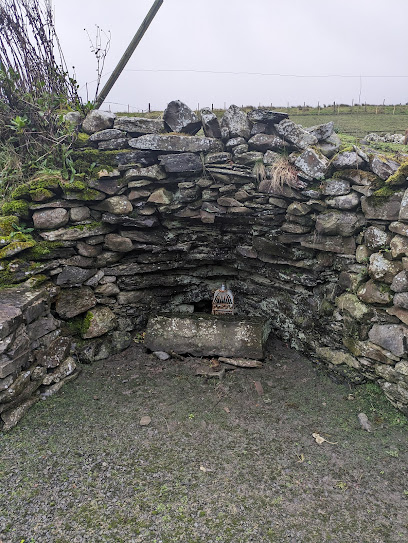
Burren Castle Hotel Lisdoonvarna
2.1 km
Discover the perfect blend of comfort and local charm at Burren Castle Hotel, your gateway to the stunning Burren region in County Clare, Ireland.
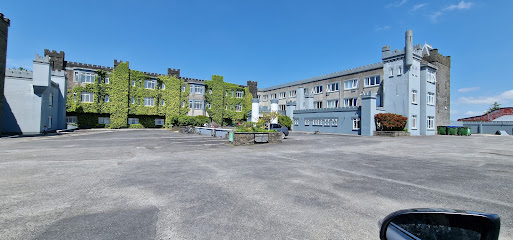
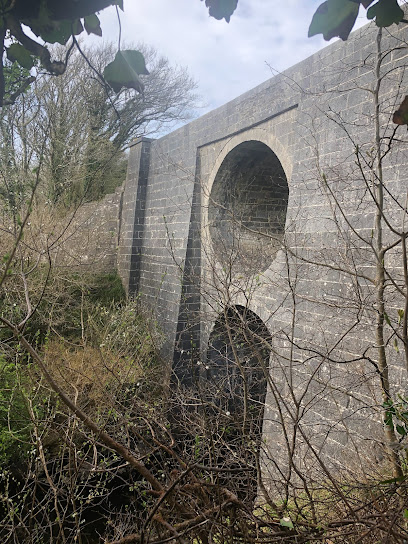
Spectacle Bridge
3.0 km
Discover the historic Spectacle Bridge in County Clare: a unique architectural marvel offering stunning views and a peaceful escape into Ireland's past.
Doolin Ferry
4.7 km
Discover the Aran Islands and Cliffs of Moher with Doolin Ferry, offering scenic cruises and island adventures from the heart of Doolin, County Clare.
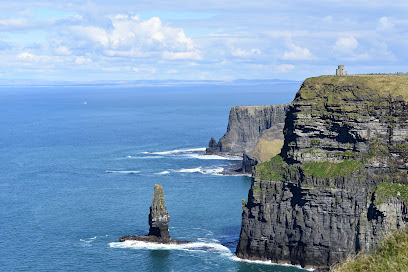
Viewing point Cliffs of Moher
6.6 km
Witness the majestic Cliffs of Moher from a stunning viewing point along Ireland's Wild Atlantic Way, offering breathtaking coastal scenery.
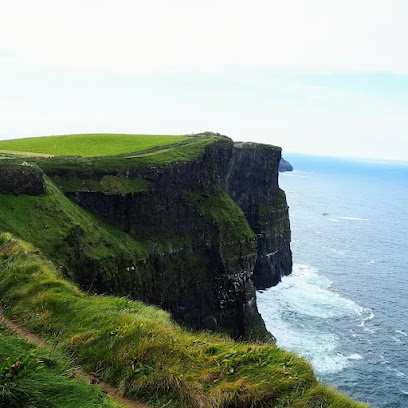
Burren and Cliffs of Moher UNESCO Global Geopark
7.0 km
Discover the breathtaking landscapes and rich biodiversity of the Burren and Cliffs of Moher UNESCO Global Geopark in County Clare, Ireland.
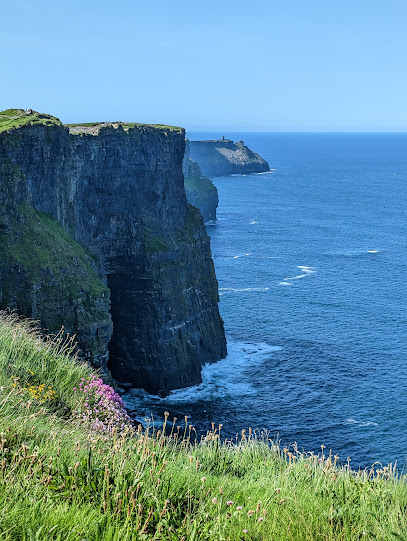
Viewpoint South, Cliffs Of Moher
8.1 km
Experience breathtaking panoramic views from the Cliffs of Moher's Viewpoint South, a natural wonder on Ireland's Wild Atlantic Way.
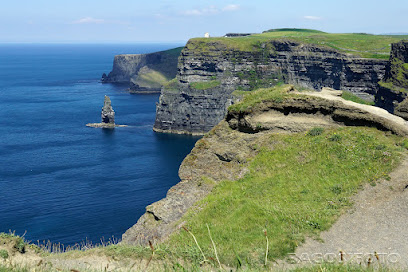
Kilfenora Cathedral, Church of Ireland
8.1 km
Discover Kilfenora Cathedral: a medieval masterpiece in County Clare, rich in history and architectural beauty, perfect for culture and history enthusiasts.
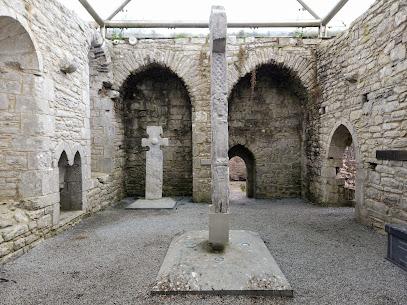
St Brigid's Well
9.0 km
Explore the serene St Brigid's Well in Derreen, Co. Clare, a tranquil spot rich in spiritual heritage and natural beauty.
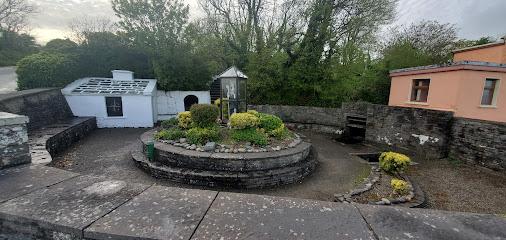
Clochán Monuments of Clare
11.3 km
Explore the ancient Clochán Monuments of Clare, remarkable dry-stone structures offering a glimpse into Ireland's Celtic past and early Christian heritage.
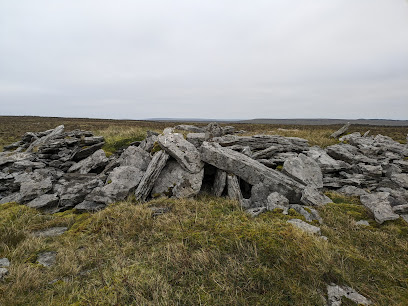
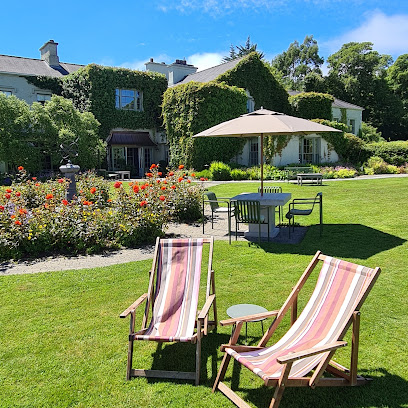
Gregans Castle Hotel in the Burren
13.0 km
Discover the charm of Gregans Castle Hotel, where luxury meets the breathtaking beauty of the Burren in County Clare.
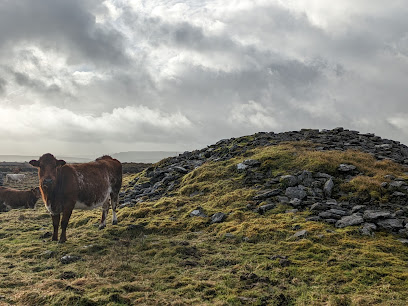
Poulawack Cairn
13.2 km
Discover the ancient mysteries of Poulawack Cairn, a historic landmark in County Clare, Ireland, where history and nature intertwine beautifully.
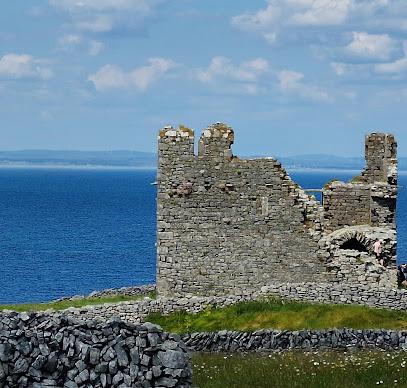
O'Brien's Castle
13.9 km
Explore the majestic O'Brien's Castle on Inisheer, a historic fortress offering stunning views and a glimpse into Ireland's rich heritage.
Trá Inis Oirr (Inisheer Blue Flag Beach)
14.1 km
Discover the beauty of Trá Inis Oirr, a pristine Blue Flag beach on the charming island of Inis Oirr, off the coast of Galway.
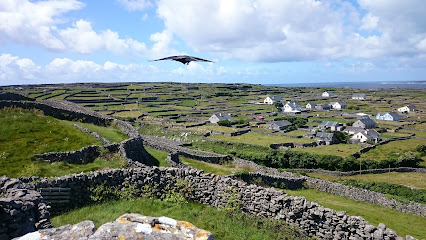
Tigh Ruairi (Rory's Pub) Bed & Breakfast, Inis Oirr, Aran Islands
14.4 km
Experience Irish hospitality at this charming Inis Oirr B&B, offering cozy rooms, traditional music, and a taste of island life. Céad míle fáilte!

Unmissable attractions to see

The Twin Wells
3.5 km
Discover the serene beauty of The Twin Wells in Lisdoonvarna, where twin springs offer a tranquil escape in the heart of County Clare.
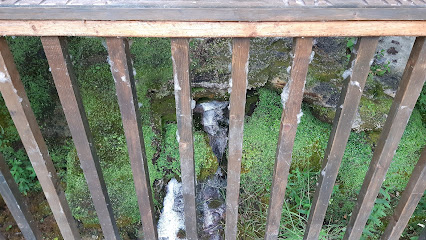
Doolin Cliff Walks
3.5 km
Explore the stunning Doolin Cliff Walks for breathtaking views of the Cliffs of Moher and the Atlantic, a must-visit for nature lovers and hiking enthusiasts.
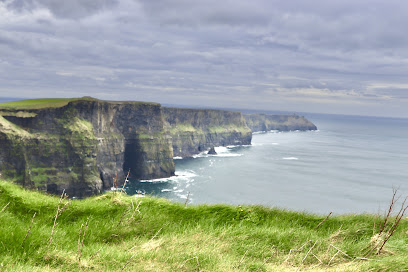
Cliffs of Moher Walking Trail
3.7 km
Hike the stunning Cliffs of Moher Walking Trail in County Clare, Ireland, for breathtaking coastal views and an unforgettable Irish experience.
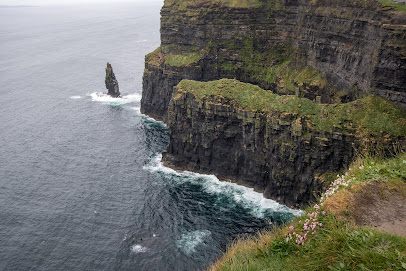
The Spa Wells Lisdoonvarna Heritage Centre
3.9 km
Experience the serene beauty and rich history of The Spa Wells Lisdoonvarna Heritage Centre, a unique tourist attraction in County Clare.
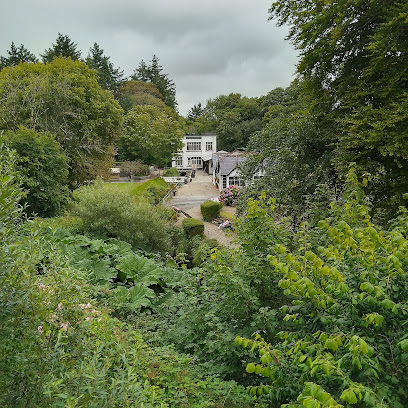
Taste the Atlantic - Salmon Experience
4.0 km
Explore the rich culinary heritage of Ireland at the Taste the Atlantic - Salmon Experience in Lisdoonvarna, a unique tour for seafood lovers.
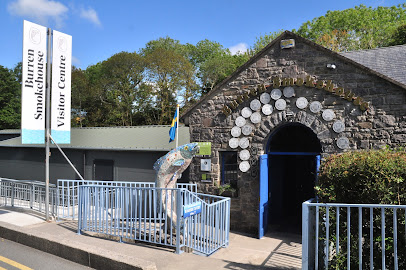
Doolin Cave
4.2 km
Discover Europe's longest stalactite at Doolin Cave, a unique subterranean adventure on Ireland's Wild Atlantic Way. Guided tours & scenic eco-trail await!
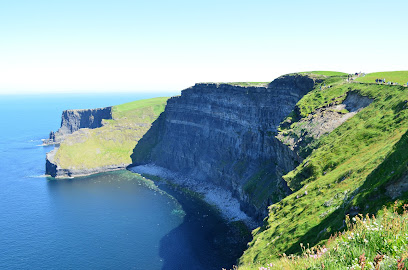
Lisdoonvarna Matchmaking Statue
4.2 km
Visit the Lisdoonvarna Matchmaking Statue and discover the heart of Ireland's romantic heritage. A charming tribute to love and tradition in County Clare.
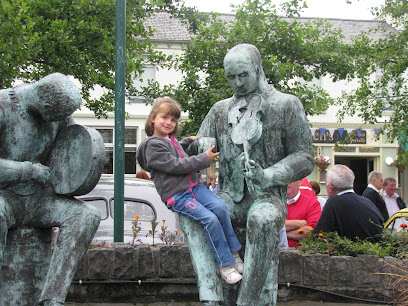
Cliffs of Moher Cruises
4.8 km
Experience the Cliffs of Moher like never before with a scenic cruise from Doolin Pier, unveiling breathtaking coastal views and abundant wildlife.
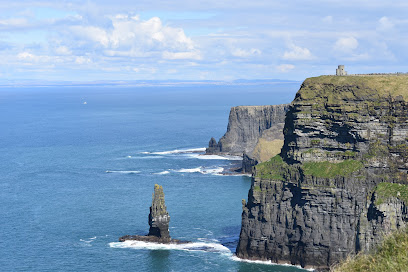
Wild Atlantic Way Discovery Point @Doolin Pier
4.8 km
Discover the Aran Islands and majestic Cliffs of Moher from Doolin Pier, a charming gateway on Ireland's Wild Atlantic Way.
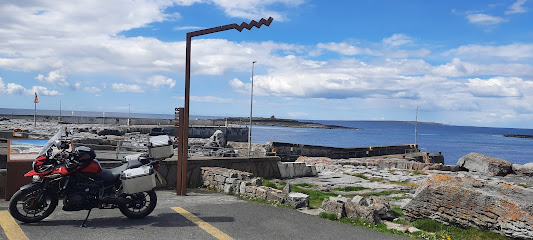
Doolin pier
4.8 km
Experience the breathtaking beauty and culture of Doolin Pier, your gateway to the majestic Cliffs of Moher in County Clare, Ireland.
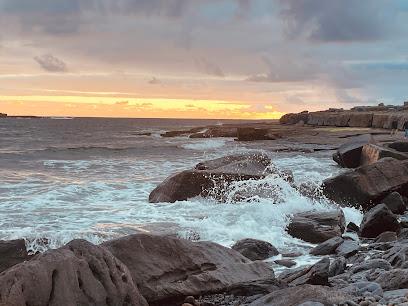
Doolin Pier Point
4.8 km
Explore the stunning coastal views and vibrant marine life at Doolin Pier Point, a scenic gem in Co. Clare, Ireland.
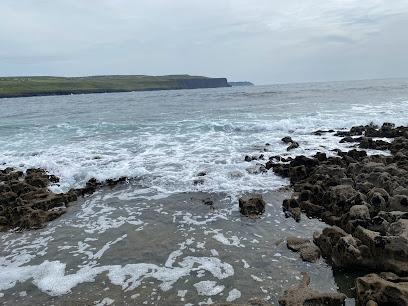
Dough Castle
6.4 km
Explore the historic ruins of Dough Castle in Lahinch, County Clare, offering stunning coastal views and a glimpse into Ireland's medieval past.
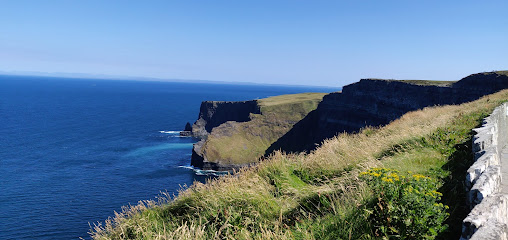
Cliff walk
6.7 km
Discover the breathtaking beauty of the Cliff Walk in Co. Clare, where dramatic cliffs meet the Atlantic Ocean in a serene natural setting.
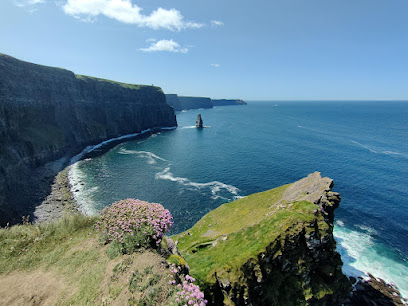
Pollboy Lookout
6.7 km
Discover breathtaking panoramic views of the Cliffs of Moher from this tranquil and scenic lookout point in County Clare, Ireland.
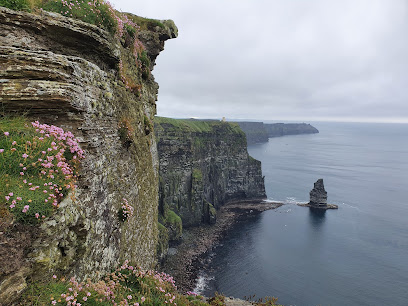
Wild Atlantic Way Signature Discovery Point @Cliffs Of Moher
6.9 km
Experience the majestic Cliffs of Moher, a Signature Discovery Point on Ireland's Wild Atlantic Way, offering unparalleled coastal views and natural beauty.
Essential places to dine

Riverside Bistro Doolin
2.9 km
Savor authentic Irish cuisine at Riverside Bistro Doolin amidst stunning coastal views and warm hospitality.
Russells Seafood Bar
3.0 km
Experience authentic Irish seafood at Russells Seafood Bar in Doolin - where fresh ingredients meet exquisite flavors.
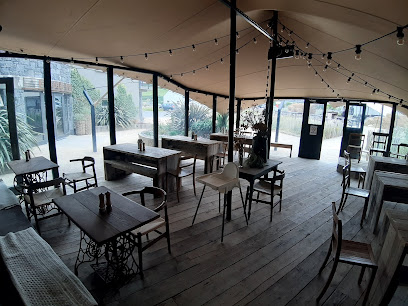
Russell's Fishshop
3.0 km
Discover the best fish and chips in Doolin at Russell's Fishshop - where fresh seafood meets traditional Irish hospitality.
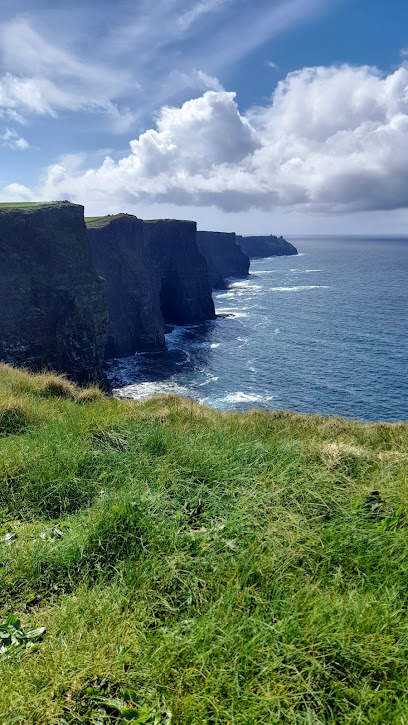
STONEWALL WOOD-FIRED PIZZERIA, ORGANIC WINE BAR & COFFEE HOUSE
3.1 km
Experience authentic wood-fired pizzas paired with organic wines at Stonewall in Doolin - a culinary gem amidst Ireland's stunning landscapes.
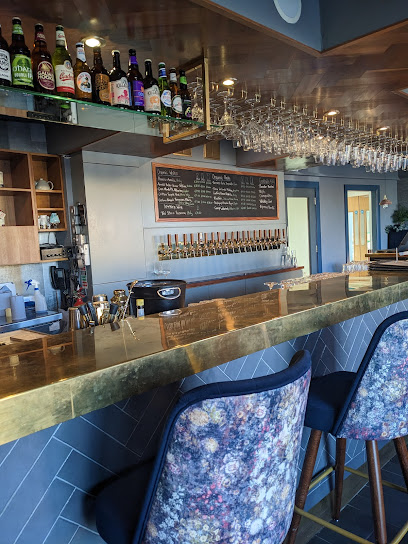
Oar Restaurant & Rooms
3.1 km
Discover culinary excellence at Oar Restaurant & Rooms in County Clare, where local Irish ingredients come alive in every dish.
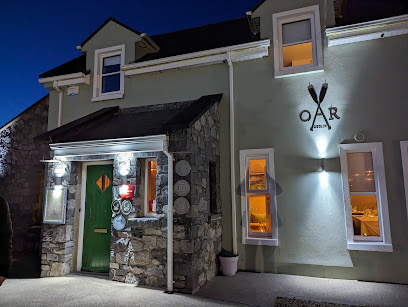
Glas Restaurant
3.1 km
Experience fine dining at Glas Restaurant in Doolin - where local ingredients meet culinary artistry in a charming atmosphere.
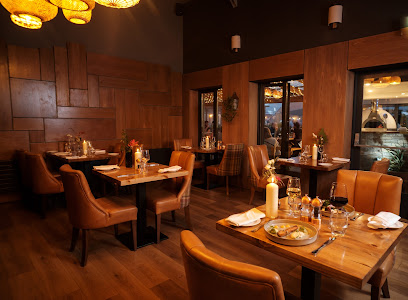
Anthony's at Doolin Inn
3.3 km
Experience authentic Irish cuisine at Anthony's at Doolin Inn, where local flavors meet warm hospitality in beautiful County Clare.
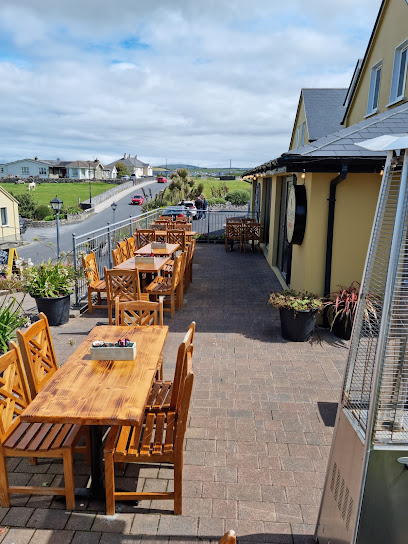
The Ivy Cottage
3.4 km
Experience authentic Irish cuisine at The Ivy Cottage in Doolin - where every meal tells a story.
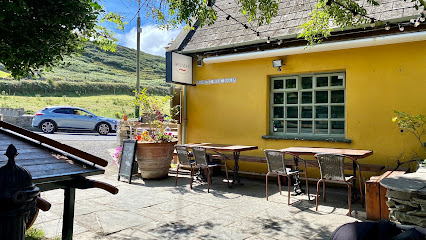
Gus O'Connor's Pub
3.5 km
Experience authentic Irish culture at Gus O'Connor's Pub in Doolin - where great food meets lively music in a charming setting.
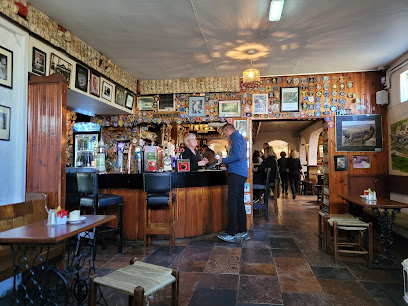
Kilshanny House
3.5 km
Discover authentic Irish culture at Kilshanny House in County Clare - enjoy delicious food, local drinks, and vibrant live music.
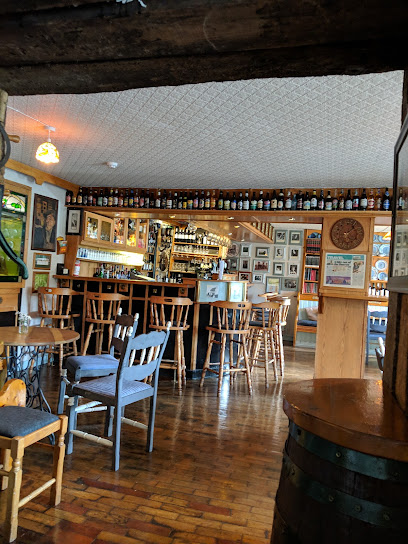
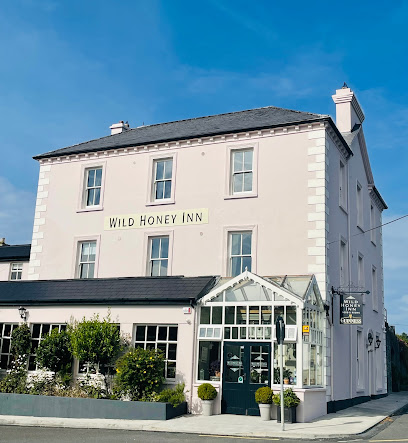
Wild Honey Inn
3.8 km
Discover comfort and hospitality at Wild Honey Inn, your ideal base for exploring Co. Clare's stunning landscapes.
Burren Storehouse
4.1 km
Discover authentic Irish cuisine at Burren Storehouse, where great food meets live music in Co. Clare's scenic landscape.
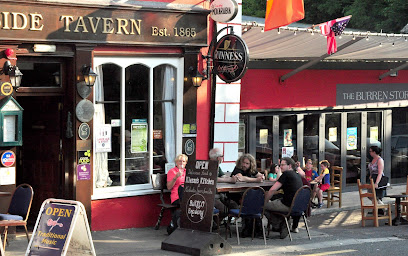
Sheedy's Boutique Hotel & Restaurant
4.1 km
Discover Sheedy's Boutique Hotel & Restaurant - your perfect base for exploring County Clare's breathtaking landscapes and rich Irish culture.
Roadside Tavern Lisdoonvarna
4.1 km
Experience authentic Irish cuisine and vibrant local culture at Roadside Tavern Lisdoonvarna – your ideal gastropub destination.
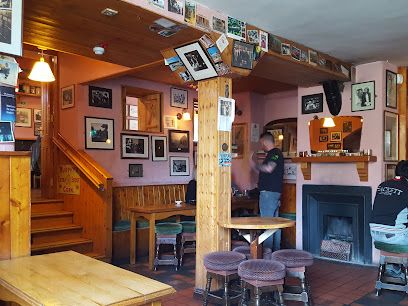
The Burren Takeaway
4.1 km
Experience delightful fast food with local flair at The Burren Takeaway in Lisdoonvarna - perfect for tourists seeking quick bites!
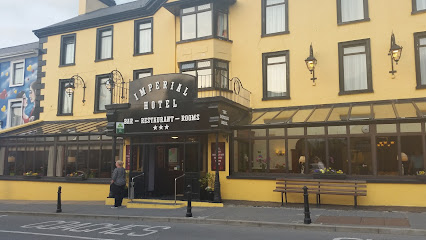
Markets, malls and hidden boutiques

Clare Woollen Mills
1.2 km
Explore the heart of Irish craftsmanship at Clare Woollen Mills, offering exquisite woollen garments and a glimpse into traditional weaving techniques.
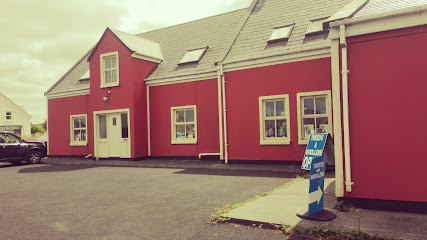
Aran View Filling Station
1.3 km
Discover the charm of Doolin at Aran View Filling Station, your local grocery haven with a touch of Irish hospitality.
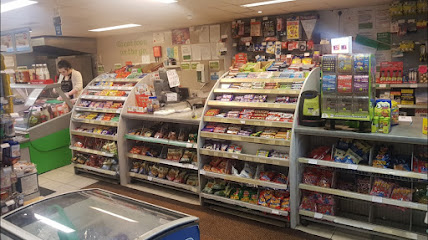
Russells Coffee Shop
3.0 km
Experience the warm hospitality and delightful flavors of Russells Coffee Shop, a must-visit in the heart of Doolin, County Clare.
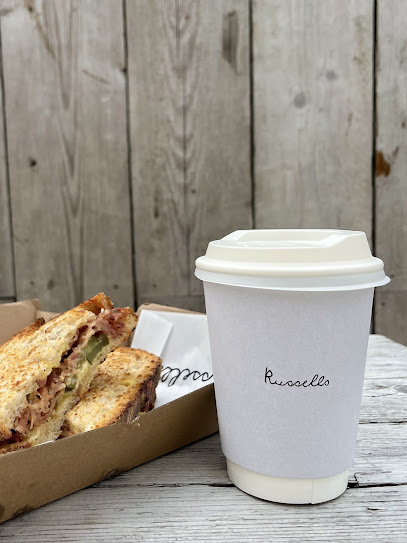
GoldLeafPastry
3.1 km
Discover the rich flavors of Ireland at GoldLeaf Pastry, where every bite tells a story of tradition and craftsmanship.
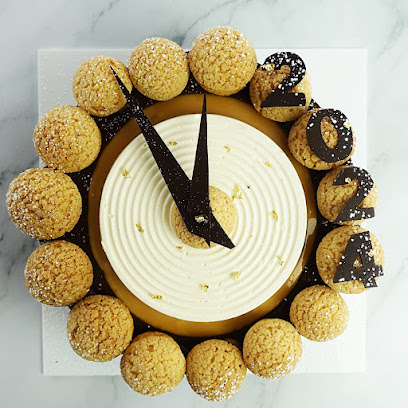
Liscannor Stone Company
3.1 km
Experience the artistry and heritage of Liscannor stone in Doolin, Co. Clare, where craftsmanship meets the stunning beauty of the Irish landscape.
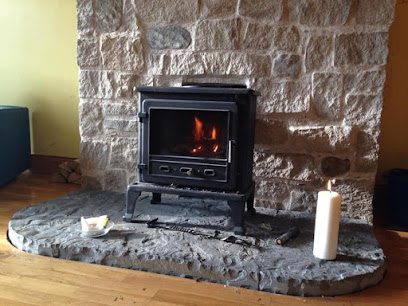
Irish Crafts - Doolin
3.2 km
Explore Irish Crafts in Doolin: A treasure trove of handmade gifts, unique jewelry, and cozy knitwear reflecting the heart of Irish craftsmanship.
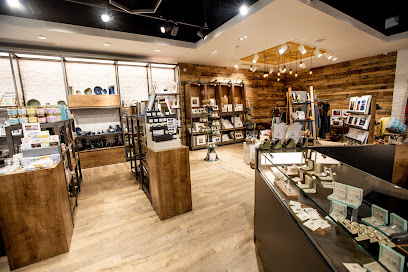
The Sweater Shop
3.4 km
Explore the charm of Doolin at The Sweater Shop, where authentic Irish woolen goods and unique gifts await every visitor.
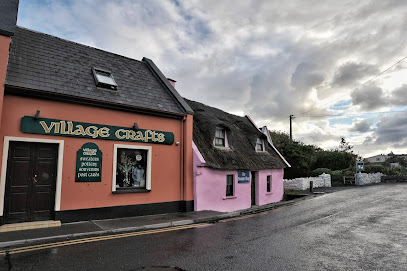
Doolin Dinghy Books
3.5 km
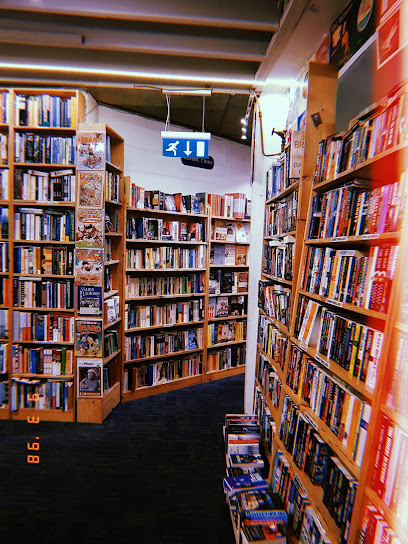
Discover unique literary treasures and handmade crafts at Doolin Dinghy Books, a rare book store in the heart of Doolin, Co. Clare.
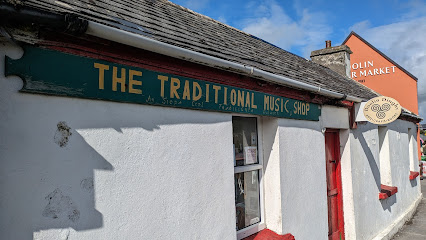
Traditional Music Shop
3.5 km
Explore the vibrant world of Irish music at Doolin's Traditional Music Shop, your gateway to the heart of Ireland's cultural heritage.
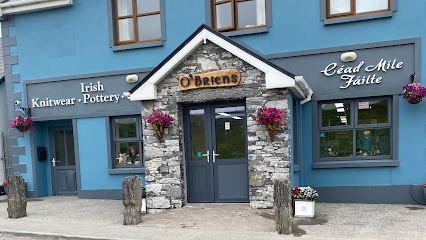
O'Briens Crafts & Knitwear
3.5 km
Explore O'Briens Crafts & Knitwear in Doolin for authentic Irish knitwear and unique handmade crafts, perfect for souvenirs and gifts.
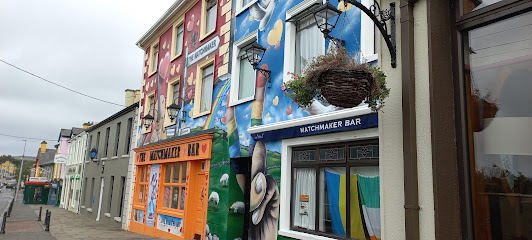
The Burren Smokehouse
4.0 km
Experience the exquisite flavors of Ireland at The Burren Smokehouse, a culinary haven offering smoked delicacies and local specialties in Lisdoonvarna.
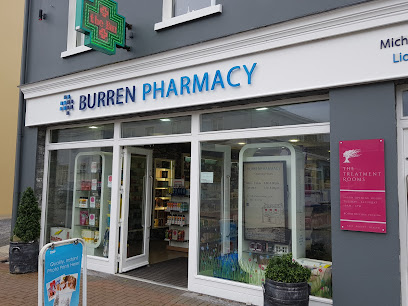
The Burren Pharmacy & Treatment Rooms
4.2 km
Discover rejuvenation at The Burren Pharmacy & Treatment Rooms, where health meets beauty in the heart of Lisdoonvarna.
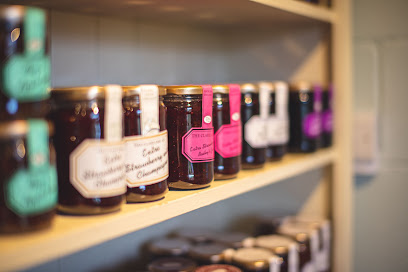
Clare Jam Shop
4.9 km
Experience the authentic flavors of Ireland at Clare Jam Shop in Doolin, where artisanal jams and local produce await you.
The Burren Butcher- Neil Hawes
5.1 km
Discover the rich flavors of Co. Clare at The Burren Butcher, where quality meats and local traditions come together in a delightful culinary experience.
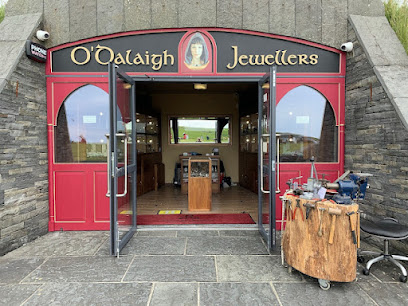
O'Dalaigh Jewellers
6.9 km
Explore exquisite handcrafted jewelry at O'Dalaigh Jewellers, capturing the essence of Irish heritage near the stunning Cliffs of Moher.
Essential bars & hidden hideouts

McDermott's Pub
2.9 km
Discover the vibrant atmosphere of McDermott's Pub in Doolin, where live music, local cuisine, and warm hospitality create unforgettable memories.
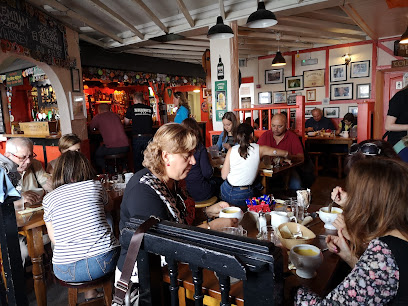
McGann's Pub
2.9 km
Discover the heart of Irish culture at McGann's Pub in Doolin, where live music, hearty food, and warm hospitality await.
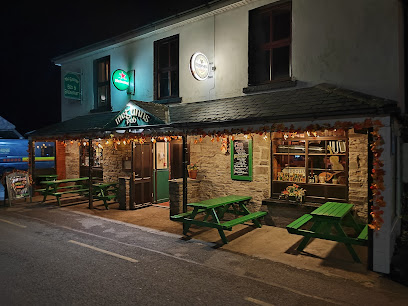
Fitz's Pub
3.1 km
Experience the warmth of Irish hospitality at Fitz's Pub in Doolin, where great drinks and traditional cuisine meet vibrant local culture.
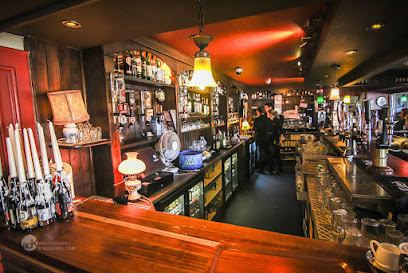
Cullinans Bar
7.5 km
Discover the charm of Cullinans Bar in Ennistimon, where local beers and Irish hospitality come together in a cozy atmosphere.
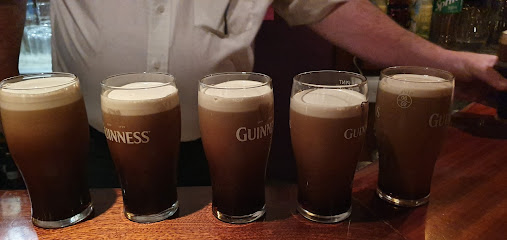
P Frawley's Bar
7.9 km
Experience the heart of Irish hospitality at P Frawley's Bar in Lahinch, where great drinks and local culture come together.
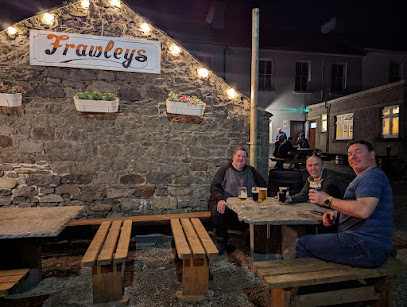
The Edge
7.9 km
Discover The Edge in Lahinch, a vibrant bar offering stunning ocean views, craft drinks, and a lively atmosphere for tourists and locals alike.
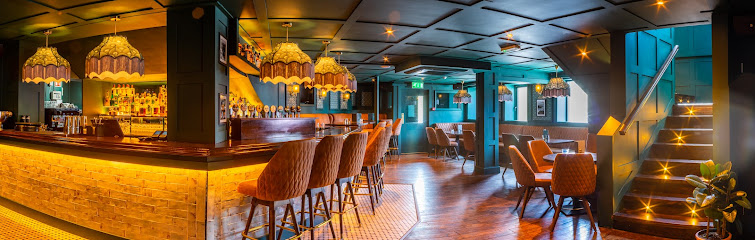
Vaughan's Pub
7.9 km
Experience the heart of Irish culture at Vaughan's Pub, a historic venue offering authentic cuisine and lively entertainment in Kilfenora, Co. Clare.
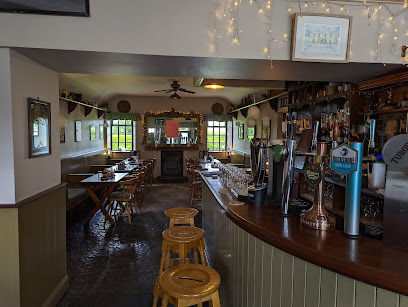
Flanagans Bar
7.9 km
Experience the warmth of Irish hospitality at Flanagan's Bar in Lahinch, where great food, drinks, and live music await.
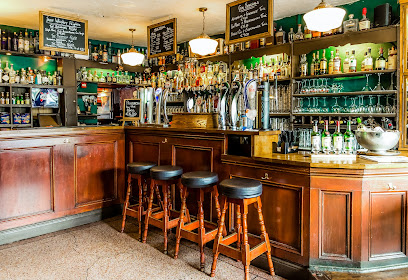
The Nineteenth Bar
8.0 km
Experience the vibrant atmosphere of The Nineteenth Bar in Lahinch, where live music and sports converge in a friendly Irish pub setting.
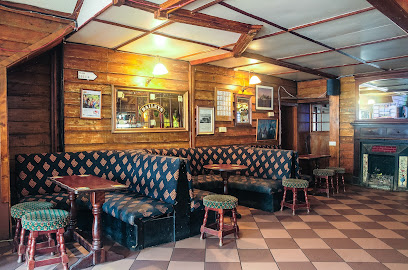
Kenny's Bar
8.1 km
Discover the charm of Kenny's Bar in Lahinch, where cozy ambiance meets delightful drinks and delicious local cuisine.
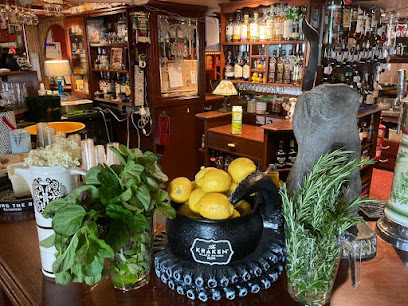
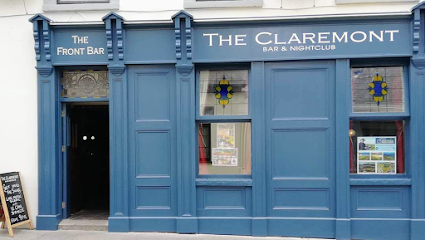
The Claremont Bar & Nightclub
8.1 km
Discover the vibrant nightlife at The Claremont Bar & Nightclub in Lahinch, Co. Clare, where fun meets local culture in a lively atmosphere.
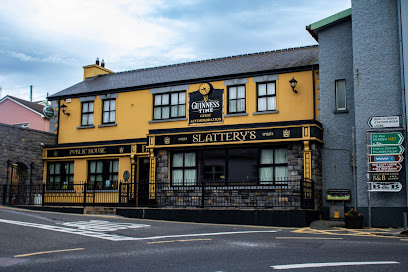
Slatterys bar
8.1 km
Discover the lively atmosphere and authentic flavors at Slattery's Bar in Lahinch, a perfect blend of local culture and coastal charm.
Egans Pub
8.2 km
Discover the heart of Liscannor at Egans Pub, where authentic Irish culture meets a vibrant atmosphere and delightful beverages.
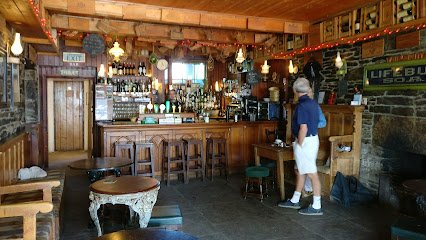
Linnanes Pub
8.2 km
Discover the charm of Kilfenora at Linnanes Pub, an authentic Irish pub offering delicious fare and a warm, welcoming atmosphere.
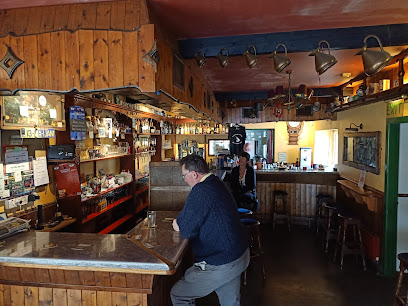
Cogans Bar & Restaurant
17.2 km
Discover the heart of Irish cuisine at Cogans Bar & Restaurant in Miltown Malbay, where traditional flavors meet a vibrant atmosphere.
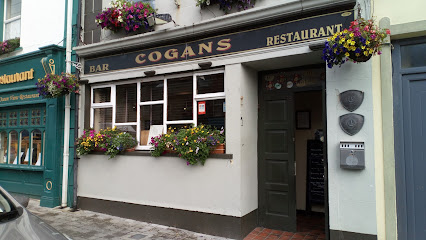
Nightclubs & after hour spots

Eugene's Bar
7.6 km
Experience the charm of Irish hospitality at Eugene's Bar in Ennistimon, Co. Clare, where local culture meets delightful beverages.
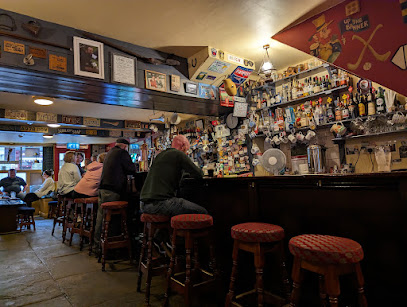
The Forge @ The Players Club Miltown Malbay
17.1 km
Discover the heart of Miltown Malbay at The Forge @ The Players Club, a bar and live music venue where local culture thrives.
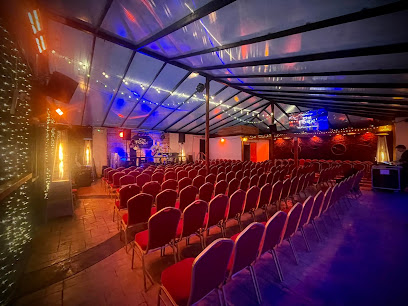
Club Red | Ennis' Newest Nightclub
29.4 km
Discover the electrifying nightlife of Ennis at Club Red, where music, dancing, and fun come together for an unforgettable experience.
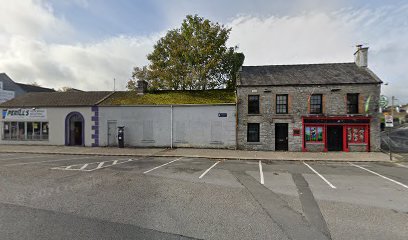
Queens Teenage
29.6 km
Experience the lively nightlife at Queens Teenage, a popular night club in Ennis, Co. Clare, where vibrant music and great company await.
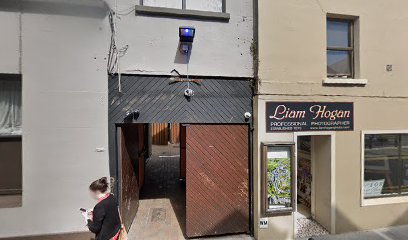
Ecstatic Ireland
32.1 km
Discover the energetic nightlife of Galway at Ecstatic Ireland, where traditional pub charm meets vibrant dance hall fun.
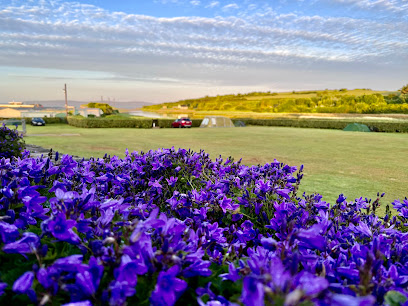
Lonergan's Atlantic Bar
33.2 km
Discover the lively spirit of Galway at Lonergan's Atlantic Bar, your go-to spot for great drinks, sports, and local ambiance.
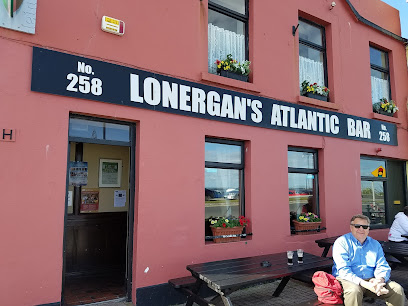
O'Reillys Bar and Kitchen
33.3 km
Discover the charm of O'Reillys Bar and Kitchen in Galway, where traditional Irish hospitality meets delicious cuisine and vibrant entertainment.
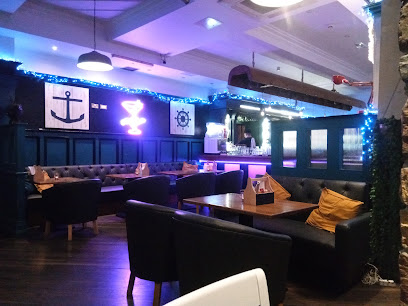
The Oslo Bar
33.3 km
Experience the lively spirit of Galway at The Oslo Bar, a local favorite for craft beers, sports, and authentic Irish hospitality.
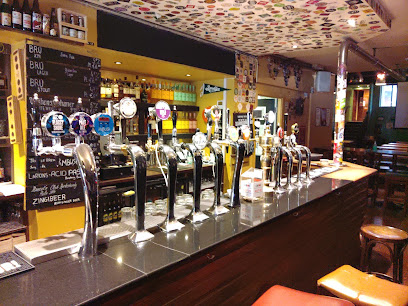
O'Connor's Famous Pub
33.5 km
Discover the vibrant atmosphere of O'Connor's Famous Pub in Galway, where live music and traditional Irish hospitality create unforgettable experiences.
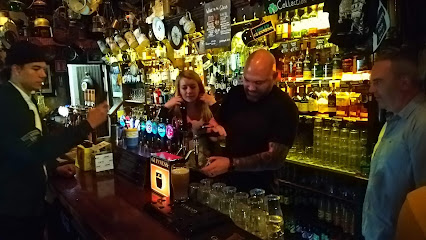
Tigh Josie
33.7 km
Tigh Josie in Co. Galway offers an unforgettable nightlife experience filled with music, dance, and local flavor.
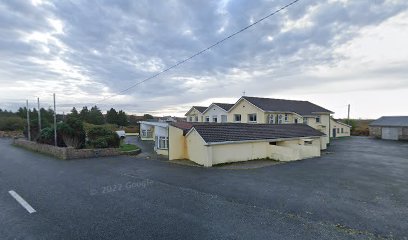
The Crane Bar
34.8 km
Discover the warmth of Irish culture and live music at The Crane Bar, a beloved Galway establishment steeped in tradition and hospitality.
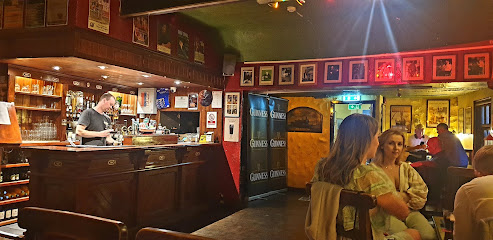
Massimo Bar Galway
34.8 km
Discover the essence of Galway's nightlife at Massimo Bar, where exceptional cocktails and a lively atmosphere await every visitor.
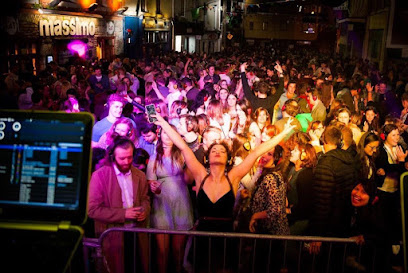
Róisín Dubh
34.9 km
Experience the vibrant nightlife at Róisín Dubh, Galway's premier live music venue and pub, showcasing the best in music and comedy.
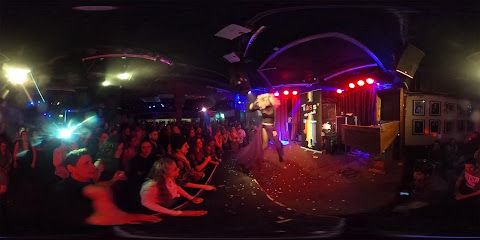
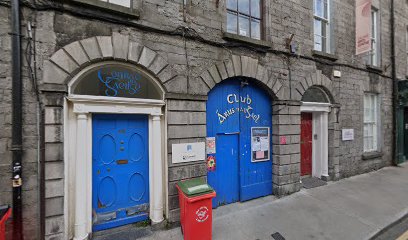
Club Arus na nGael
35.0 km
Discover the heart of Galway nightlife at Club Arus na nGael, where lively music and a warm atmosphere await every visitor.
The Quays Bar and Restaurant
35.2 km
Experience the vibrant atmosphere and delicious cuisine at The Quays Bar and Restaurant, a cultural staple in the heart of Galway.