

Free County Clare Travel Guide & Mobile App
Explore County Clare with free travel guides. Discover regional history, expert tips, proposed trips, and audio guides on web or mobile app.


County Clare combines the Cliffs of Moher, Burren landscapes, Atlantic villages, traditional music and outdoor adventures on Ireland’s west coast.
Read more about County Clare
When is the best time to visit County Clare?
Best: June–August · 18–20°C| Month | High (°C) | Rainfall (mm) |
|---|---|---|
| January | 8 | 100 |
| February | 8 | 80 |
| March | 11 | 90 |
| April | 13 | 70 |
| May | 16 | 60 |
| June (best) | 18 | 60 |
| July (best) | 20 | 60 |
| August (best) | 19 | 70 |
| September | 17 | 80 |
| October | 14 | 90 |
| November | 10 | 100 |
| December | 8 | 110 |
Getting to and around County Clare
How to get there
Transportation
Top city travel guides in County Clare
The cities of County Clare, and the easiest places to base yourself.
-

-

-

-


Swipe for more cities
Destinations in County Clare
Resorts, valleys and scenic spots worth a trip of their own.
-

-

-


Swipe for more destinations
Best attractions in County Clare
County Clare’s attractions range from prehistoric monuments to Atlantic landscapes and living cultural venues. In the Burren, visitors can combine the Poulnabrone Dolmen with limestone scenery, the medieval remains at Kilfenora and walks through an environment known for its unusual plants and exposed geology. The Cliffs of Moher provide the county’s most famous coastal viewpoint, while nearby Doolin links scenery with traditional music, walking and maritime excursions. Lahinch is associated with surfing and beach recreation, and Kilkee offers coastal bathing and cliff scenery around its sheltered bay. Loop Head rewards a slower circuit of cliffs, beaches, villages and estuary views. Inland, Bunratty Castle and Folk Park presents medieval and later rural life through a concentrated heritage site, while Ennis offers museums, historic streets and cultural events. River-based activities and heritage sites around Killaloe add a different perspective in eastern Clare. Walking, cycling, kayaking, wildlife watching and photography are important parts of the county’s visitor offer, but the landscape is exposed and many sites are dispersed, making weather, footwear and journey planning as important as the attractions themselves.
-
Scenic spot
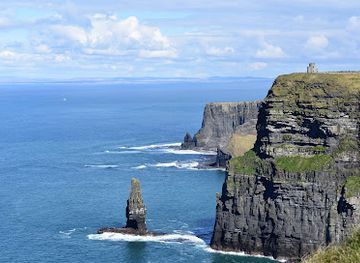
Cliffs of Moher
Experience the breathtaking beauty of Ireland's iconic Cliffs of Moher, a natural wonder offering stunning coastal views and rich history.
-
Visitor center
Cliffs of Moher Experience
Experience the majestic Cliffs of Moher: breathtaking views, rich history, and natural beauty on Ireland's Wild Atlantic Way.
-
Castle
Bunratty Castle & Folk Park
Uncover the magic of Ireland's heritage at Bunratty Castle & Folk Park, where history, culture, and stunning scenery await every visitor.
-
Tourist attraction
Aillwee Burren Experience
Explore ancient caves, witness birds of prey in flight, and savor local flavors in the heart of Ireland's Burren region.

Best landmarks in County Clare
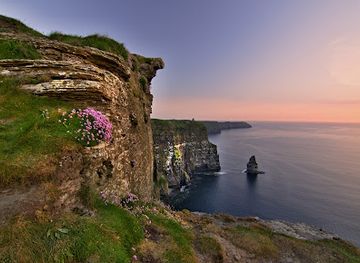
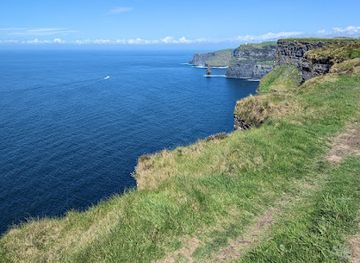
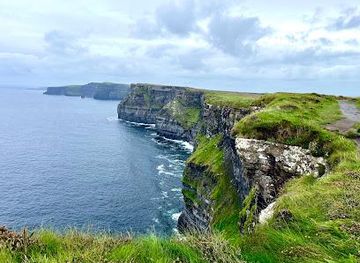
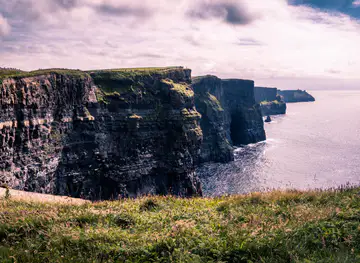
The Cliffs of Moher are County Clare’s defining natural landmark, forming a high, weather-exposed Atlantic escarpment near Liscannor and Doolin whose scale changes dramatically with sea conditions and light. In the Burren, Poulnabrone Dolmen is a powerful archaeological symbol: its carefully placed capstone and upright stones belong to a prehistoric funerary monument set within a much larger limestone landscape. Kilfenora Cathedral and its surviving high crosses mark the medieval importance of the Burren’s ecclesiastical centre. Bunratty Castle, a substantial medieval tower house rebuilt in the fifteenth century, represents Clare’s history of lordship and strategic control near the Shannon corridor. Further south, Loop Head Lighthouse and the surrounding headland express the county’s maritime geography, while the Cliffs of Kilkee provide a separate coastal landmark shaped by wave-cut rock and sheltered shoreline. In eastern Clare, Killaloe Cathedral and the bridge over the River Shannon reflect the town’s religious, political and transport significance. Together these landmarks reveal a county defined by limestone, ocean, river routes, faith and fortified power.
-
Cliff
Cliffs of Moher
Discover the breathtaking Cliffs of Moher, Ireland's iconic natural wonder, where dramatic landscapes meet the mighty Atlantic Ocean in stunning fashion.
-
Ferry service
Doolin Ferry
Discover the Aran Islands and Cliffs of Moher with Doolin Ferry, offering scenic cruises and island adventures from the heart of Doolin, County Clare.
-
Historical landmark
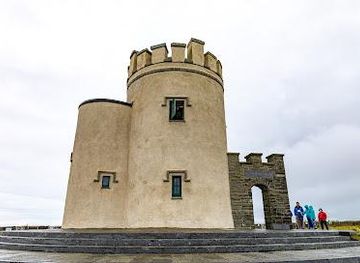
O'Brien's Tower
Ascend to panoramic views at O'Brien's Tower, an iconic 19th-century landmark perched atop the dramatic Cliffs of Moher in County Clare, Ireland.
-
Park
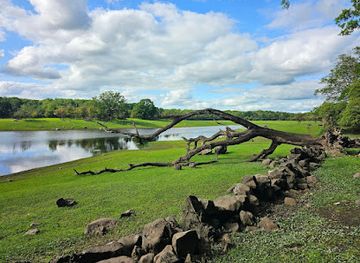
Coole Park
Explore the enchanting Coole Park in Galway: where nature intertwines with the legacy of Irish literary giants and the spirit of Lady Gregory.
Explore County Clare on the map
Plan your trip on one map. See where the top cities, national parks and sights are, and book hotels and experiences in a few clicks.
Best hotels in County Clare
Best restaurants in County Clare
Clare’s food culture reflects Atlantic waters, dairy farming, grazing land and a strong pub-and-café tradition. Seafood is prominent along the coast, with fish, shellfish and smoked products appearing in restaurants around coastal towns and villages. The county is also associated with farmhouse cheeses, quality dairy produce, breads, cakes and other small-scale artisan foods, while the Burren’s agricultural landscape supports distinctive local products. Ennis provides the broadest concentration of restaurants, cafés, delis and food-focused shops, whereas Doolin, Lahinch, Kilkee and other coastal communities combine casual dining with seasonal demand. Rural pubs and inns often provide substantial traditional meals, while newer restaurants make greater use of local ingredients without abandoning familiar Irish cooking. Farmers’ markets and food stalls can be useful places to encounter regional produce, but opening days and seasonal arrangements vary. Clare is not defined by a single signature dish; its culinary identity lies in the relationship between pasture, coast, small producers and informal hospitality.
-
Hotel
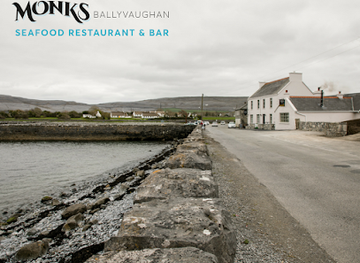
Monks Ballyvaughan
Experience exceptional seafood dining and cozy accommodations at Monks Ballyvaughan in Co. Clare's stunning landscape.
-
Irish
Brogan's
Experience authentic Irish cuisine at Brogan's in Ennis – where tradition meets taste in a vibrant atmosphere.
-
Seafood
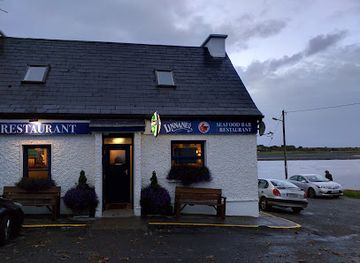
Linnane's Lobster Bar
Experience the best of Irish seafood at Linnane's Lobster Bar in New Quay – where fresh flavors meet stunning coastal views.
-
Restaurant
The Ivy Cottage
Experience authentic Irish cuisine at The Ivy Cottage in Doolin - where every meal tells a story.
Best bars in County Clare
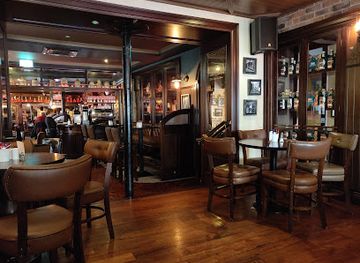
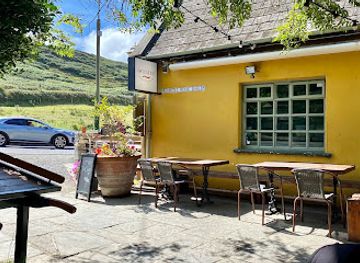
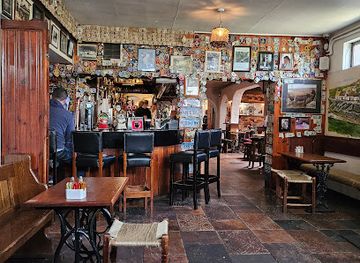
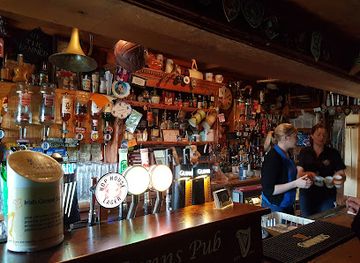
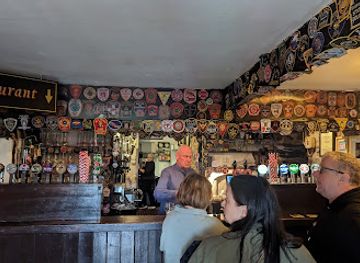
Evening life in County Clare is centred more on pubs, restaurants and live traditional music than on a large nightclub circuit. Ennis has the county’s broadest choice of pubs, music venues and late-evening social spaces, with a more urban atmosphere than the smaller towns. Doolin is internationally associated with traditional sessions, although music schedules vary and should be checked locally rather than assumed. Lahinch and Kilkee develop a livelier seasonal atmosphere around their seaside accommodation, restaurants and pubs, particularly during warmer months. Across rural Clare, an evening may consist of food, conversation and music in a village pub rather than a formal club night. Some venues also showcase contemporary bands, acoustic performances or local cultural events. Visitors should respect that sessions are working performances as well as social occasions: listen attentively, avoid obstructing musicians and ask before making close-up recordings. Alcohol is not necessary to participate in the county’s evening culture, and designated drivers or taxis should be arranged carefully outside the main towns.
-
Irish pub
Gus O'Connor's Pub
Discover the heart of Irish culture at Gus O'Connor's Pub in Doolin, where traditional music and hearty meals come together in a cozy setting.
-
Pub
McGann's Pub
Discover the vibrant spirit of Ireland at McGann's Pub in Doolin, where live music, hearty meals, and local brews come together in a welcoming atmosphere.
-
Pub
Durty Nelly's
Discover Irish culture at Durty Nelly's, a historic pub in Bunratty, Co. Clare, offering traditional meals and lively music in a charming atmosphere.
-
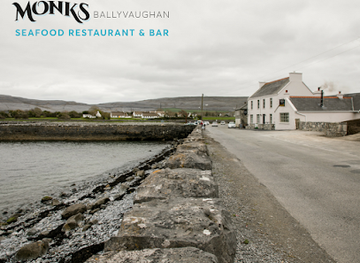
Bar
Monks Ballyvaughan
Experience the best of Irish hospitality at Monks Ballyvaughan, where seafood delights meet breathtaking coastal views.
Best nightclubs in County Clare
Evening life in County Clare is centred more on pubs, restaurants and live traditional music than on a large nightclub circuit. Ennis has the county’s broadest choice of pubs, music venues and late-evening social spaces, with a more urban atmosphere than the smaller towns. Doolin is internationally associated with traditional sessions, although music schedules vary and should be checked locally rather than assumed. Lahinch and Kilkee develop a livelier seasonal atmosphere around their seaside accommodation, restaurants and pubs, particularly during warmer months. Across rural Clare, an evening may consist of food, conversation and music in a village pub rather than a formal club night. Some venues also showcase contemporary bands, acoustic performances or local cultural events. Visitors should respect that sessions are working performances as well as social occasions: listen attentively, avoid obstructing musicians and ask before making close-up recordings. Alcohol is not necessary to participate in the county’s evening culture, and designated drivers or taxis should be arranged carefully outside the main towns.
-
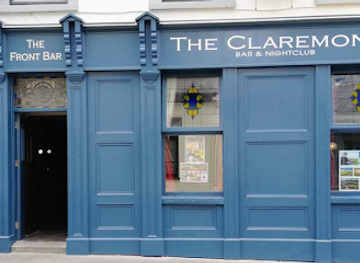
Night club
The Claremont Bar & Nightclub
Experience the vibrant nightlife of Lahinch at The Claremont Bar & Nightclub, blending music, dance, and delightful drinks in a cozy atmosphere.
-
Night club
Queens Teenage
Experience the lively nightlife at Queens Teenage, a popular night club in Ennis, Co. Clare, where vibrant music and great company await.
-
Night club
Club Red | Ennis' Newest Nightclub
Discover the electrifying nightlife of Ennis at Club Red, where music, dancing, and fun come together for an unforgettable experience.
-
Disco club
Loop Nightclub
Dive into Kilkee's vibrant nightlife at Loop Nightclub, where music, dance, and unforgettable memories await every Saturday night.

Best shops in County Clare
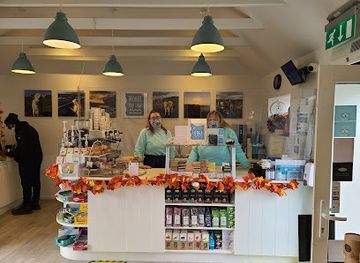
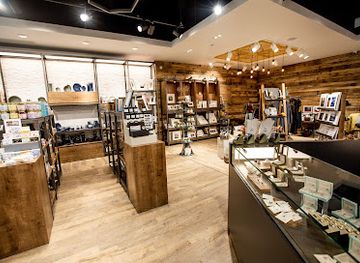
Shopping in County Clare is concentrated in Ennis, the larger towns and the principal coastal settlements rather than in extensive retail districts. Ennis combines an established town centre with independent shops, cafés, bookshops, galleries and practical services, making it a useful place to buy supplies before exploring rural Clare. Lahinch, Doolin, Kilkee and Burren villages offer smaller selections of gifts, clothing, crafts, books and locally produced food, with some businesses operating more seasonally. Farm shops, food producers and farmers’ markets can provide farmhouse cheese, preserves, baked goods, smoked products and other regional specialities, although market dates and locations should be checked locally. Burren-related crafts, artwork, photography, pottery and woollen goods are common themes, while traditional music recordings and books about local history make more meaningful souvenirs than generic merchandise. Visitors should distinguish genuinely local products from items simply labelled with Irish imagery, and should ask about provenance when buying archaeological-looking stones, plants or natural materials, which should never be removed from the landscape.
-
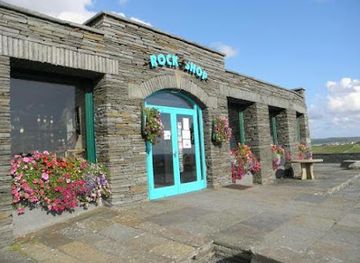
Gift shop
The Rock Shop
Explore the enchanting gift shop and café in Liscannor, where crystals, fossils, and local crafts await every visitor.
-
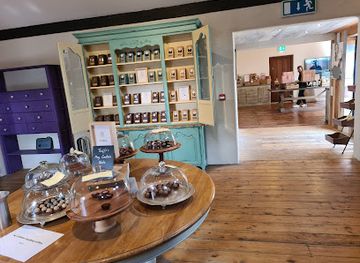
Chocolate shop
Hazel Mountain Chocolate
Experience the rich flavors of handmade chocolates at Hazel Mountain Chocolate, nestled in the heart of Co. Clare's stunning landscapes.
-
Coffee shop
Moher Cottage
Experience the perfect blend of delicious coffee and local crafts at Moher Cottage, a scenic stop near the iconic Cliffs of Moher.
-
Gift shop
Irish Crafts - Doolin
Explore Irish Crafts in Doolin: A treasure trove of handmade gifts, unique jewelry, and cozy knitwear reflecting the heart of Irish craftsmanship.
Get your free copy of our complete guide to County Clare, delivered straight to you.
Everything on this page, from attractions and restaurants to essentials and local phrases, in one PDF you can read offline, print or share.
Already have an account? Sign in
Your County Clare guide is ready.
We'll send it to · Not you? Sign out

Getting your guide ready…
We are putting together a fresh copy of the County Clare guide. This can take up to a minute.
This can take a few moments. If your browser asks, choose Allow so the download can start. You'll find the guide in your Downloads folder.
Nothing happened? Download it again
Sorry, the guide is taking longer than usual. Please try again in a minute, or get it by email instead.
County Clare essentials
Currency and Payment
Safety
Emergency Situations
Do's and Don'ts
Local Tips
From Eve
Local phrases worth knowing
You don't need to get them perfect. A few words go a long way, and locals appreciate the effort.
Basics
| English | Local | Say it |
|---|---|---|
| Hello | Dia dhuit | [dee-ah gwit] |
| Goodbye | Slán | [slawn] |
| Yes | Tá | [taw] |
| No | Níl | [neel] |
| Please/You're welcome | Le do thoil | [leh duh hull] |
| Thank you | Go raibh maith agat | [guh rev mah agat] |
| Excuse me/Sorry | Gabh mo leithscéal | [gaw mo lesh-kayl] |
| How are you? | Conas atá tú? | [kun-us ah-taw too] |
| Fine. And you? | Go maith. Agus tú féin? | [guh mah. ah-gus too fayn] |
| Do you speak English? | An labhraíonn tú Béarla? | [on law-ree-in too bayr-la] |
| I don't understand | Ní thuigim | [nee hig-im] |
Eating & Drinking
| English | Local | Say it |
|---|---|---|
| I'd like to see the menu, please | Ba mhaith liom an miontas a fheiceáil, le do thoil | [bah wah lum on min-tas a heh-kil, leh duh hull] |
| I don't eat meat | Ní ithim feoil | [nee ih-im fayl] |
| Cheers! | Sláinte! | [slawn-che] |
| I would like to pay, please | Ba mhaith liom íoc, le do thoil | [bah wah lum eek, leh duh hull] |
Emergencies
| English | Local | Say it |
|---|---|---|
| Help! | Cabhair! | [kaw-ir] |
| Go away! | Imigh uait! | [ee-mee go-it] |
| Call the Police! | Glaoigh ar na póilíní! | [glaw-ee ar nah poh-lee-nee] |
| Call a doctor! | Glaoigh ar dochtúir! | [glaw-ee ar dock-teer] |
| I'm lost | Táim caillte | [taw-im kylt-eh] |
| I'm ill | Táim tinn | [taw-im tin] |
Shopping
| English | Local | Say it |
|---|---|---|
| I'd like to buy... | Ba mhaith liom ceannach... | [bah wah lum kyun-ukh] |
| I'm just looking | Táim ag breathnú | [taw-im egg brath-noo] |
| How much is it? | Ce combien atá sé? | [kay comb-yeen ah-taw shay] |
| That's too expensive | Tá sé ró-chostasach | [taw shay row-hoss-tahk] |
| Can you lower the price? | An féidir leat an praghas a laghdú? | [on fay-dur lat on prah-gas a la-oo] |
Time & Numbers
| English | Local | Say it |
|---|---|---|
| What time is it? | Cén t-am é? | [kayn tom ay] |
| It's one o'clock | Is a haon a chlog | [iss a heyn a clogg] |
| Half past (10) | Leath i ndiaidh (10) | [lah ih ny-eh (10)] |
| Morning | Maidin | [mod-in] |
| Afternoon | Tráthnóna | [trawn-oh-na] |
| Evening | Tráthnóna | [trawn-oh-na] |
| Yesterday | Inniu | [in-nu] |
| Today | Inniu | [in-nu] |
| Tomorrow | Amárach | [a-maw-rah] |
| 1 | A haon | [a heyn] |
| 2 | A dó | [a do] |
| 3 | A trí | [a tree] |
| 4 | A ceathair | [a kyah-hir] |
| 5 | A cúig | [a coo-ig] |
| 6 | A sé | [a shay] |
| 7 | A seacht | [a shockt] |
| 8 | A hocht | [a hockt] |
| 9 | A naoi | [a nee] |
| 10 | A deich | [a deh] |
Transport & Directions
| English | Local | Say it |
|---|---|---|
| Where's a/the...? | Cá bhfuil ...? | [kaw wil ...?] |
| What's the address? | Cad é an seoladh? | [cad ay on shol-adh] |
| Can you show me (on the map)? | An féidir leat a thaispeáint dom (ar an mapa)? | [on fay-dur lat a hash-paynt dum (air on mah-pah)?] |
| When's the next (bus)? | Cathain a bheidh an (bus) eile? | [kah-hin a veh an (bus) el-eh?] |
| A ticket (to ....) | Ticéad (go ....) | [tik-ayd (guh ....)] |
History of County Clare
Neolithic and Bronze Age Clare
County Clare contains substantial evidence of prehistoric settlement, especially in the Burren, where megalithic tombs, wedge tombs, stone walls and field systems reveal long-term farming and ritual activity. Poulnabrone Dolmen, erected during the Neolithic period, is the best-known monument, but it belongs to a much wider archaeological landscape. The distribution of tombs and enclosures shows that the Burren was not an empty wilderness: communities adapted to its thin soils, exposed limestone and limited water while maintaining connections across the western seaboard.
Early Christian Sites and Monastic Clare
From the early medieval period, religious foundations helped shape Clare’s settlements and political geography. Kilfenora became an important ecclesiastical centre in the Burren, and its cathedral precinct retains carved high crosses and medieval remains. Sites such as Dysert O’Dea also reflect the spread of Christianity and local lordship through church buildings, crosses and monastic communities. These foundations connected Clare to wider networks of learning, pilgrimage and power while preserving distinctive regional art and stone craftsmanship.
The Kingdom of Thomond and Brian Boru
Much of medieval Clare formed part of Thomond, the territory ruled by the Dál gCais and later the O’Brien dynasty. Killaloe, on the River Shannon, was closely associated with this political world and with Brian Boru, the eleventh-century ruler traditionally regarded as Ireland’s most prominent high king. Although later traditions can simplify his career, the region’s association with Brian Boru reflects Killaloe’s importance as a religious and political centre. O’Brien power continued to influence Clare after the Norman advance elsewhere in Ireland.
Norman Expansion and Medieval Castles
Norman influence reached Clare unevenly, producing a landscape of castles, fortified settlements and changing alliances. Bunratty Castle occupies a strategically important position near the Shannon crossing and developed through successive phases of construction, becoming a stronghold of the de Clares and later the MacNamaras and O’Briens. Ennis grew under the patronage of the Franciscan friary founded by the O’Brien dynasty in the thirteenth century. These developments tied local lordship to trade routes, religious institutions and military competition.
The Tudor and Cromwellian Transformations
The sixteenth and seventeenth centuries brought major changes to landholding and political authority in Clare. The county’s traditional Gaelic lords negotiated, resisted and adapted as the English Crown extended control, while the Confederacy and Cromwellian campaigns altered ownership and administration. Bunratty and other strongholds became part of wider military struggles. The settlement that followed reinforced the power of landowning families and reshaped rural society, leaving a legacy visible in estate landscapes, ruined fortifications and the county’s later patterns of land tenure.
Famine, Emigration and Rural Change
The Great Famine of the 1840s brought hunger, disease, eviction and population loss to County Clare, as it did across Ireland. Dependence on the potato was compounded by poverty, insecure tenancy and limited employment, while workhouses, emigration and estate clearances transformed many communities. Population decline continued through the nineteenth century, although improvements in roads, markets and agricultural practice also altered the countryside. The stone walls, abandoned settlements and family histories encountered across Clare often reflect these difficult decades as much as older rural traditions.
Modern Clare: Transport, Tourism and Cultural Renewal
Twentieth-century Clare was shaped by electrification, improved roads, Shannon Airport and the development of industrial and service employment around Shannon and Ennis. Tourism grew around the Cliffs of Moher, the Burren, coastal resorts and heritage sites, while traditional music gained a strong public profile through performers and sessions in places such as Ennis and Doolin. Contemporary Clare therefore combines older agricultural and maritime identities with aviation, manufacturing, hospitality, outdoor recreation and cultural tourism, without losing the local importance of townlands and community life.
County Clare in Photos
Browse through our photo collection highlighting the charm and character of the destination.
Neighbouring regions of County Clare
The closest regions to County Clare, if you have time for more than one.
-

-
-

-

-


Swipe for more regions
Explore more
Explore more of Ireland
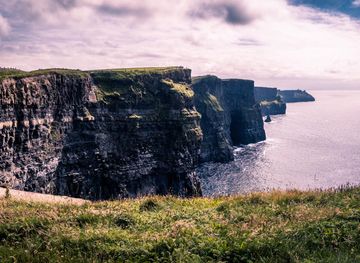
Discover Ireland: A land of enchanting landscapes, rich history, and vibrant culture, where every corner tells a story and every visit feels like coming home.
Explore Ireland