

County Louth, Ireland Travel Guide
Discover County Louth, Ireland's smallest county, rich in history, culture, and natural beauty. From ancient ruins to scenic landscapes, Louth offers a unique Irish experience.
County Louth, often referred to as the 'Wee County,' is the smallest county in Ireland, but it is packed with history, culture, and natural beauty. Located on the east coast of Ireland, Louth is an ideal destination for tourists seeking a mix of ancient heritage and modern charm. The county boasts an impressive array of historical sites, including the ancient monastic site of Monasterboice with its high crosses and round tower, and the medieval town of Carlingford, which offers a glimpse into Ireland's past with its well-preserved castle and narrow streets. For those interested in early Christian history, the ruins of Mellifont Abbey, Ireland’s first Cistercian monastery, are a must-visit. Nature enthusiasts will find Louth equally appealing, with its scenic landscapes and coastal views. The Cooley Mountains provide excellent hiking opportunities, while the beaches at Blackrock and Clogherhead are perfect for a relaxing day by the sea. The Boyne Valley, just a short drive away, offers additional attractions such as the prehistoric passage tomb at Newgrange, a UNESCO World Heritage Site. Louth is also known for its vibrant local culture, with numerous festivals and events held throughout the year. The area's pubs and restaurants serve up delicious local cuisine, and you can often find live traditional Irish music to complete your experience. Whether you're exploring its historical sites, enjoying its natural beauty, or immersing yourself in its local culture, County Louth has something for everyone.

Know before you go
Hi, I'm Eve. Here are a few practical things to know before exploring County Louth.
- Visit Monasterboice early in the morning to avoid crowds and enjoy a peaceful experience.
- Wear comfortable walking shoes, especially if you plan to hike the Cooley Mountains.
- Try the local seafood in the coastal villages; it’s fresh and delicious.
- Check out local festivals and events; they offer an authentic taste of Louth's culture.
- Bring a rain jacket; weather in Ireland can be unpredictable.
Top City Travel Guides in County Louth
The cities of County Louth, and the easiest places to base yourself.

Explore County Louth: Things to Do, Places to Eat, Hotels & More
Handpicked recommendations for top attractions, local dining, accommodations, and more

Top Attractions & Sightseeing in County Louth
Top-rated picks
Best Attractions

Tollymore Forest Park
Explore Tollymore Forest Park, a stunning natural gem at the foothills of the Mourne Mountains, perfect for hiking, picnicking, and wildlife spotting.

Battle of the Boyne Visitor Centre
Explore the Battle of the Boyne Visitor Centre in County Meath, where history comes alive through engaging exhibits and beautiful scenery.

Old Mellifont Abbey
Experience the rich history and serene beauty of Old Mellifont Abbey, a must-visit historical landmark in County Louth, Ireland.

Stephenstown Pond
Experience the tranquility of nature at Stephenstown Pond, a scenic park in Dundalk, Co. Louth, offering fishing, walking trails, and a cozy coffee shop.

Best landmarks in County Louth
Top-rated picks
Best Landmarks

Carlingford Castle
Explore the majestic Carlingford Castle, a medieval fortress steeped in history, offering stunning views and a glimpse into Ireland's rich past.
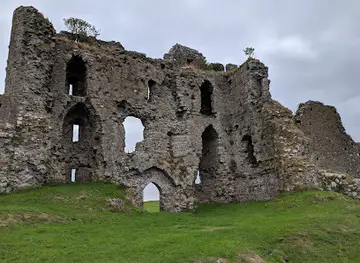
Castle Roche
Discover the enchanting Castle Roche in Co. Louth, a medieval fortress rich in history and surrounded by breathtaking landscapes.

Maiden Tower
Discover the enchanting Maiden Tower in Co. Meath, a captivating historical landmark that weaves together tales of Ireland's rich past and stunning natural beauty.

Proleek Dolmen
Explore the mystical Proleek Dolmen, a remarkable Neolithic burial site in Dundalk, Ireland, steeped in history and ancient traditions.

Best restaurants in County Louth
Top-rated picks
Best Restaurants

Fitzpatrick's Bar & Restaurant
Experience mouthwatering grill dishes and warm hospitality at Fitzpatrick's Bar & Restaurant in Jenkinstown.

The Lisdoo Bar & Restaurant
Experience the perfect blend of tradition and modernity at The Lisdoo Bar & Restaurant in Dundalk – where culinary excellence meets warm Irish hospitality.

The Spotted Dog
Discover authentic Irish flavors at The Spotted Dog in Dundalk - where local ingredients meet culinary excellence.

Nonna Nenne'
Experience authentic Italian cuisine at Nonna Nenne', where every dish is crafted with love and tradition in Dundalk.

Best bars in County Louth
Top-rated picks
Best Bars

Fitzpatrick's Bar & Restaurant
Experience the finest grill specialties in a warm and inviting atmosphere at Fitzpatrick's Bar & Restaurant in Co. Louth.

PJ O Hare's Carlingford
Discover the heart of Irish culture at PJ O'Hare's Carlingford, where delicious food and live music create unforgettable memories.

The Valley Inn
Experience the charm of The Valley Inn in Mullary – a cozy pub and breakfast restaurant offering local flavors and warm hospitality.

The Lisdoo Bar & Restaurant
Experience the vibrant atmosphere and delicious grilled dishes at The Lisdoo Bar & Restaurant in Dundalk, perfect for dining and events.

Best nightclubs in County Louth
Top-rated picks
Best Nightclubs

Castle Bar
Experience the vibrant atmosphere of Castle Bar, Dundalk’s favorite sports bar with live music and delicious pub food.

Punters Bar
Discover the lively atmosphere of Punters Bar in Dundalk, where sports and entertainment come together for an unforgettable night out.

Eoin’s Bar
Experience the warmth of Irish hospitality at Eoin's Bar in Dundalk, where local brews and hearty meals create unforgettable moments.

Fusion Venue
Discover the electrifying atmosphere of Fusion Venue, Drogheda's premier night club offering vibrant music and unforgettable nightlife experiences.

Best shops in County Louth
Top-rated picks
Best Shops

Marshes Shopping Centre
Discover a shopping paradise at the Marshes Shopping Centre, featuring diverse shops, delicious dining options, and a vibrant atmosphere in Dundalk.

Dundalk Retail Park
Discover the ultimate shopping experience at Dundalk Retail Park, featuring a wide variety of stores and delightful dining options in Co. Louth.

Laurence Shopping Centre
Discover the Laurence Shopping Centre, a hub of shopping, dining, and community events in Drogheda, Co. Louth.

Home Store + More
Explore Home Store + More in Dundalk for a diverse selection of affordable home goods, perfect for enhancing your living space or finding the ideal gift.

Explore County Louth on the Map
A handpicked selection of must-see spots in County Louth, mapped for you.
County Louth Essentials
-
County Louth is conveniently located in the northeast of Ireland. The nearest international airport is Dublin Airport, approximately 50 kilometers away. From Dublin, you can take a bus or train to Drogheda, Dundalk, or other towns in County Louth. Buses operated by companies like Bus Éireann and Aircoach provide frequent services, while Irish Rail offers a reliable train service connecting Dublin to Drogheda and Dundalk.
-
Within County Louth, public transportation options include buses and trains. Bus Éireann operates extensive routes within the county, and Irish Rail services connect the main towns. For more flexibility, consider renting a car, especially if you wish to explore rural areas and historical sites at your own pace. Taxis are also available but may be more expensive for long distances.
-
The official currency in Ireland is the Euro (EUR). Credit and debit cards are widely accepted in hotels, restaurants, and shops. However, it's advisable to carry some cash for smaller establishments and rural areas. ATMs are readily available in towns like Drogheda and Dundalk.
-
County Louth is generally a safe destination for tourists. Standard precautions such as avoiding poorly lit areas at night and keeping an eye on your belongings should be observed. There are no specific high-crime areas targeting tourists, but always stay vigilant and aware of your surroundings.
-
In case of an emergency, dial 999 or 112 for immediate assistance from police, fire, or medical services. Major towns like Drogheda and Dundalk have hospitals and medical facilities. It's recommended to have travel insurance that covers medical emergencies. Pharmacies are available for minor health issues and over-the-counter medications.
-
Fashion: Do dress in layers as the weather can be unpredictable. Avoid overly casual attire in upscale restaurants. Religion: Do respect local customs, especially in religious sites. Public Transport: Do be polite and offer your seat to elderly passengers. Don't eat or drink on public transport. Greetings: Do greet locals with a friendly 'hello' or 'hi.' A handshake is also common. Eating & Drinking: Do try local dishes like seafood and traditional Irish stews. Don't forget to tip around 10-15% in restaurants if service is good.
-
To experience County Louth like a local, visit the Drogheda and Dundalk markets where you can find fresh produce and local crafts. Engage with locals in pubs and cafes; they're often willing to share stories and recommendations. Don't miss the Cooley Peninsula for stunning landscapes and hiking opportunities. Be sure to explore historic sites like the ancient tomb of Newgrange and the medieval fortress of Carlingford Castle.
When is the best time to visit County Louth?
Useful Local Phrases for County Louth
You don't need to speak the language perfectly. Even learning a few simple words can make conversations warmer—and locals usually appreciate the effort.
— Eve

Here are the phrases I use most often in County Louth. Try a few—you'll be surprised how far they go! 😊
❤️
-
- HelloDia dhuit
[dee-ah gwitch] - GoodbyeSlán
[slawn] - YesTá
[taw] - NoNíl
[neel] - Please/You're welcomeLe do thoil
[leh duh hull] - Thank youGo raibh maith agat
[guh rev mah agat] - Excuse me/SorryGabh mo leithscéal
[gav muh leesh-kayl] - How are you?Conas atá tú?
[kun-us ah-taw too] - Fine. And you?Go breá. Agus tusa?
[guh brah. ah-gus too-sah] - Do you speak English?An labhraíonn tú Béarla?
[on law-ree-in too bayr-lah] - I don't understandNí thuigim
[nee hig-im]
- HelloDia dhuit
-
- I'd like to see the menu, pleaseBa mhaith liom an mhoisín a fheiceáil, le do thoil
[bah wah lum on wo-sheen a yeh-hil, leh duh hull] - I don't eat meatNí itheann mé feoil
[nee ih-han may fail] - Cheers!Sláinte!
[slawn-teh] - I would like to pay, pleaseBa mhaith liom íoc, le do thoil
[bah wah lum eek, leh duh hull]
- I'd like to see the menu, pleaseBa mhaith liom an mhoisín a fheiceáil, le do thoil
-
- Help!Cabhair!
[kaw-er] - Go away!Imigh uait!
[ee-mee oo-it] - Call the Police!Glaoigh ar na Póilíní!
[glwee ar nah poh-lee-nee] - Call a doctor!Glaoigh ar dochtúir!
[glwee ar dock-toor] - I'm lostTáim caillte
[taw-im kayl-ta] - I'm illTáim tinn
[taw-im tin]
- Help!Cabhair!
-
- I'd like to buy...Ba mhaith liom a cheannach...
[bah wah lum a khan-akh] - I'm just lookingTáim ag breathnú
[taw-im egg brath-noo] - How much is it?Cé mhéad atá sé?
[kay mayd ah-taw shay] - That's too expensiveTá sé ró-chostasach
[taw shay roh-kos-tah-h] - Can you lower the price?An féidir leat an praghas a laghdú?
[on fay-dheer lat on praw-gas a lag-due]
- I'd like to buy...Ba mhaith liom a cheannach...
-
- What time is it?Cén t-am é?
[kayn tahm eh] - It's one o'clockIs a haon a chlog
[iss a hain a khlog] - Half past (10)Leath tar éis (10)
[lah tar ash (10)] - MorningMaidin
[mahd-in] - AfternoonTráthnóna
[traw-noh-nah] - EveningTráthnóna
[traw-noh-nah] - YesterdayInné
[in-yeh] - TodayInniu
[in-nyoo] - TomorrowAmárach
[ah-mah-rah] - 11
[1] - 22
[2] - 33
[3] - 44
[4] - 55
[5] - 66
[6] - 77
[7] - 88
[8] - 99
[9] - 1010
[10]
- What time is it?Cén t-am é?
-
- Where's a/the...?Cá bhfuil an...?
[kaw will an...?] - What's the address?Cad é an seoladh?
[kad eh an sho-lah] - Can you show me (on the map)?An féidir leat dom a thaispeáint (ar an mapa)?
[on fay-dheer lat dum a hash-paynt (ar an ma-pah)] - When's the next (bus)?Cathain a bheidh an (bus) eile?
[ka-hin a vay an (bus) el-eh] - A ticket (to ....)Ticéad (go....)
[ti-kayd (guh....)]
- Where's a/the...?Cá bhfuil an...?
History of County Louth
-
County Louth, known in Irish as 'Contae Lú', was part of the ancient Kingdom of Oriel. This kingdom, also known as Airgíalla, was a federation of nine minor tribes. It played a significant role in early medieval Ireland, serving as a buffer zone between the larger kingdoms of Ulster and Leinster.
-
The Battle of Faughart in 1318 was a decisive event in Irish history. It saw the defeat of Edward Bruce, brother of Robert the Bruce of Scotland, by the forces of the Anglo-Norman Lordship of Ireland. Edward's death at Faughart ended his attempt to become King of Ireland, a pivotal moment that influenced the future of Irish and Scottish relations.
-
The Normans arrived in County Louth in the 12th century, leaving a lasting impact on the region's architecture and society. They constructed several castles and fortified settlements, including the town of Carlingford, which retains much of its medieval character today.
-
Drogheda, a key town in County Louth, was the site of a notorious event during the Cromwellian Conquest of Ireland. In 1649, Oliver Cromwell's forces besieged the town, resulting in a massacre that remains one of the most brutal episodes in Irish history.
-
County Louth, like much of Ireland, was severely affected by the Great Famine. The potato blight led to widespread starvation and emigration. The famine left an indelible mark on the county, shaping its demographic and social fabric for generations.
-
County Louth played a role in the struggle for Irish independence. The Easter Rising of 1916 and the subsequent War of Independence saw several local figures participate in the fight against British rule. The area witnessed various skirmishes and activities that contributed to the eventual establishment of the Irish Free State.
-
Carlingford is one of the best-preserved medieval towns in Ireland. With its narrow streets, ancient walls, and historic buildings like King John's Castle and the Tholsel, the town offers a glimpse into medieval life in County Louth.
-
The Cooley Peninsula, located in County Louth, is famously associated with the Táin Bó Cúailnge, or 'The Cattle Raid of Cooley'. This epic tale from Irish mythology narrates the exploits of the hero Cú Chulainn as he defends Ulster from the invading forces of Queen Medb of Connacht.
Neighbouring Regions of County Louth
The closest regions to County Louth, if you have time for more than one.

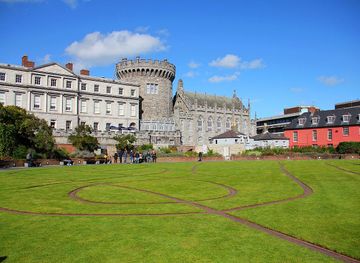


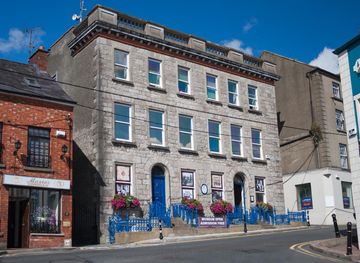

Your all‑in‑one travel companion app
Explore expert travel guides, compare and book tours, experiences, hotels, and more—all from the palm of your hand. Download now for seamless trip planning wherever your wanderlust takes you.


Explore More of Ireland
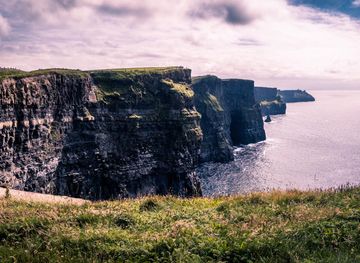
Looking beyond County Louth? Discover Ireland for broader travel guides, local hot-spots, and regional highlights.
Explore IrelandCounty Louth in Photos
Browse through our photo collection highlighting the charm and character of the destination.


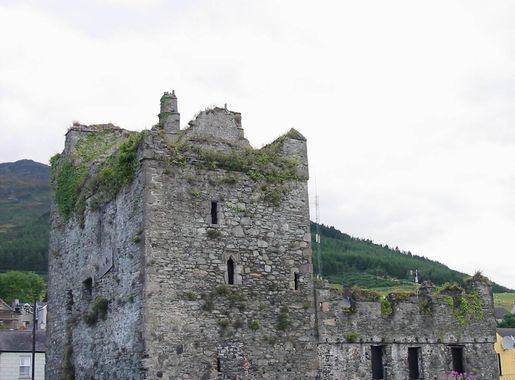


County Louth: Ireland's Hidden Gem
County Louth, often referred to as the 'Wee County,' is the smallest county in Ireland, but it is packed with history, culture, and natural beauty. Located on the east coast of Ireland, Louth is an ideal destination for tourists seeking a mix of ancient heritage and modern charm. The county boasts an impressive array of historical sites, including the ancient monastic site of Monasterboice with its high crosses and round tower, and the medieval town of Carlingford, which offers a glimpse into Ireland's past with its well-preserved castle and narrow streets. For those interested in early Christian history, the ruins of Mellifont Abbey, Ireland’s first Cistercian monastery, are a must-visit. Nature enthusiasts will find Louth equally appealing, with its scenic landscapes and coastal views. The Cooley Mountains provide excellent hiking opportunities, while the beaches at Blackrock and Clogherhead are perfect for a relaxing day by the sea. The Boyne Valley, just a short drive away, offers additional attractions such as the prehistoric passage tomb at Newgrange, a UNESCO World Heritage Site. Louth is also known for its vibrant local culture, with numerous festivals and events held throughout the year. The area's pubs and restaurants serve up delicious local cuisine, and you can often find live traditional Irish music to complete your experience. Whether you're exploring its historical sites, enjoying its natural beauty, or immersing yourself in its local culture, County Louth has something for everyone.