

Free County Wicklow Travel Guide & Mobile App
Explore County Wicklow with free travel guides. Discover regional history, expert tips, proposed trips, and audio guides on web or mobile app.


Explore County Wicklow for Glendalough, mountain walks, coastal towns, historic estates, gardens and distinctive Irish countryside south of Dublin.
Read more about County Wicklow
When is the best time to visit County Wicklow?
Best: June–August · 19–20°C| Month | High (°C) | Rainfall (mm) |
|---|---|---|
| January | 8 | 90 |
| February | 9 | 70 |
| March | 11 | 70 |
| April | 14 | 60 |
| May | 16 | 60 |
| June (best) | 19 | 60 |
| July (best) | 20 | 70 |
| August (best) | 20 | 80 |
| September | 18 | 70 |
| October | 14 | 80 |
| November | 10 | 90 |
| December | 8 | 90 |
Getting to and around County Wicklow
How to get there
Transportation
Top city travel guides in County Wicklow
The cities of County Wicklow, and the easiest places to base yourself.
-

-


Swipe for more cities
Destinations in County Wicklow
Resorts, valleys and scenic spots worth a trip of their own.
-

-


Swipe for more destinations
Best attractions in County Wicklow
County Wicklow's attractions range from early Christian ruins and grand estates to mountain trails, reservoirs and coastal promenades. Glendalough is the central heritage experience, combining a monastic settlement with lakeside and upland walks in Wicklow Mountains National Park. Powerscourt Estate near Enniskerry is known for its formal gardens, landscaped grounds and views towards the Great Sugar Loaf, while nearby Powerscourt Waterfall provides a separate woodland setting. Russborough House near Blessington explores the history of an eighteenth-century estate beside the Poulaphouca Reservoir. Along the coast, Bray Head, the promenade at Bray, Greystones and Wicklow town offer accessible walking and maritime character. The Avoca valley adds industrial heritage through its long association with copper mining and weaving. Outdoor visitors can choose from short forest trails, longer mountain routes and cycling roads, although the exposed uplands demand planning. The county's attraction landscape is defined by the contrast between landscaped estates and open mountain country, with secluded valleys and lakes providing a strong sense of distance despite Wicklow's proximity to Dublin.
-
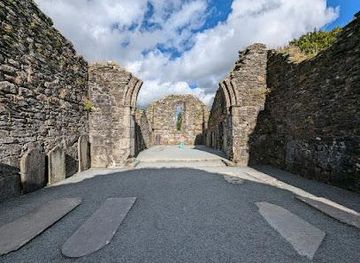
Historical landmark
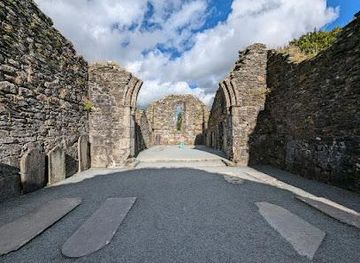
Glendalough Cathedral
Explore the ruins of Glendalough Cathedral, a testament to Ireland's rich monastic heritage in a stunning glacial valley.
-
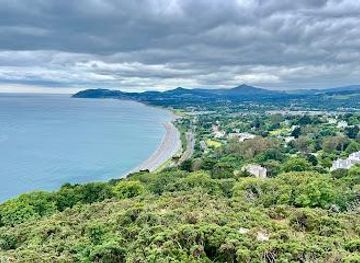
Park
Killiney Hill Park
Explore the lush landscapes and breathtaking views at Killiney Hill Park, Dublin's serene getaway for nature lovers and tranquility seekers.
-
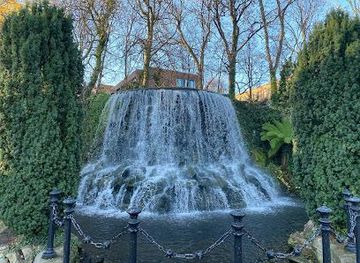
Garden
Iveagh Gardens
Discover the tranquility of Iveagh Gardens, Dublin's hidden gem, featuring stunning landscapes, serene ponds, and a perfect spot for relaxation.
-
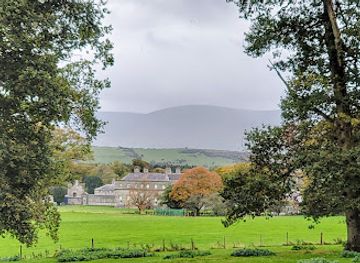
Tourist attraction
Russborough House & Park
Explore the elegance of Russborough House & Park, a historic masterpiece nestled in the scenic landscapes of County Wicklow, Ireland.
Best landmarks in County Wicklow
Glendalough's round tower is County Wicklow's most recognisable historic landmark, rising above the monastic settlement as a surviving symbol of early Christian Ireland. The nearby churches, graveyards and valley lakes create a wider historic landscape rather than a single isolated monument. Powerscourt House and its formal gardens represent the county's eighteenth-century estate culture, while Russborough House near Blessington is a major example of grand country-house architecture in the inland part of Wicklow. The remains of Wicklow town's medieval Black Castle occupy a coastal headland above the harbour, and the ruins of the Franciscan friary add another layer to the town's history. Bray Head and the Great Sugar Loaf are prominent natural landmarks, visible from much of the east and associated with walking and landscape views. Across the mountains, the Military Road is itself a historic landscape feature, linking rugged scenery with the political and military history that followed the 1798 rebellion.
-
Historical landmark
Glendalough Cathedral
Discover the historical allure and natural beauty of Glendalough Cathedral, a must-see destination in Co. Wicklow, Ireland.
-
Tourist attraction
Wicklow Historic Gaol
Discover the rich and sometimes dark history of Ireland at Wicklow Historic Gaol, a captivating tourist attraction in Wicklow.
-
Historical landmark
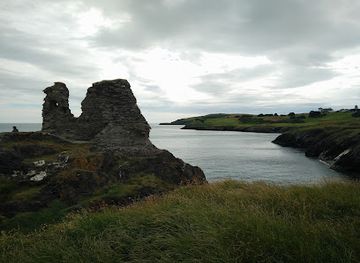
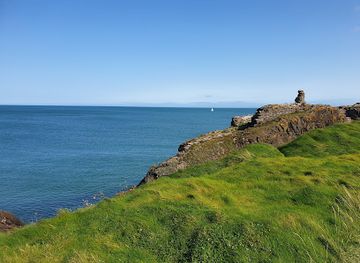
Black Castle
Explore the captivating history and breathtaking views at the iconic Black Castle in County Wicklow, Ireland's hidden treasure.
-
Tourist attraction
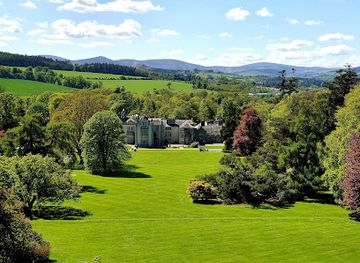
Killruddery House & Gardens
Experience the enchanting beauty and rich history of Killruddery House & Gardens, a must-visit destination in County Wicklow, Ireland.
Explore County Wicklow on the map
Plan your trip on one map. See where the top cities, national parks and sights are, and book hotels and experiences in a few clicks.
Best hotels in County Wicklow
Best restaurants in County Wicklow
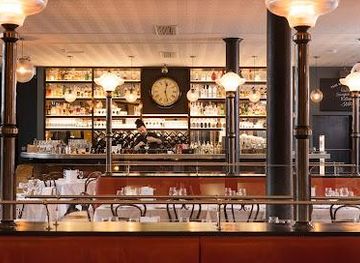
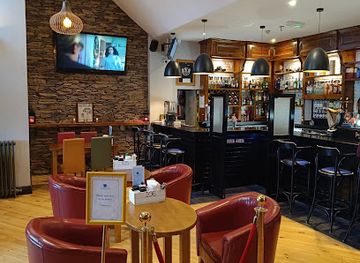
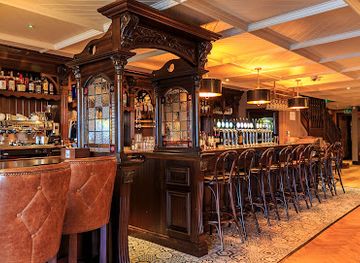
Wicklow's dining reflects its geography, combining coastal produce with the farming traditions of the inland valleys. Seafood features naturally in towns such as Bray, Greystones, Wicklow and Arklow, while farm shops, cafés and rural pubs make use of Irish beef, lamb, vegetables, farmhouse cheeses and freshly baked bread. Around Enniskerry, Roundwood, Laragh and Avoca, visitors will find cafés, gastropubs and country restaurants suited to walkers and estate visitors, though opening patterns can be seasonal outside the larger towns. Blessington and the communities around the reservoir provide another focus for casual dining and local produce. Traditional Irish cooking is widely available, but contemporary menus increasingly emphasise seasonal ingredients and lighter dishes. Breakfasts, soups, soda bread, seafood chowder and apple-based baking are useful regional staples to look for, while the county's proximity to Dublin means that dining ranges from simple pub meals to more ambitious restaurants without a single defining cuisine unique to Wicklow.
-
Restaurant
Wicklow Heather Restaurant | Glendalough
Experience traditional Irish dining at Wicklow Heather Restaurant in Glendalough - where local flavors meet breathtaking mountain views.
-
Restaurant
The Dining Room at Fallon & Byrne
Dublin's premier spot for refined contemporary Irish cuisine, blending seasonal flavors, elegant ambiance, and exceptional wines in a historic Exchequer Street setting.
-
Restaurant
Jack White's Inn
Experience authentic Irish cuisine at Jack White's Inn in Co. Wicklow - where tradition meets taste amid stunning landscapes.
-
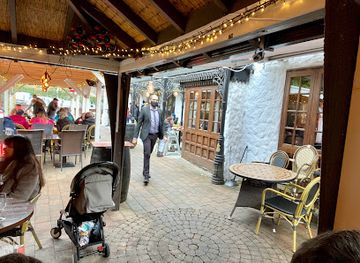
Gastropub
The Bridge Tavern
Discover The Bridge Tavern: A charming gastropub in Wicklow offering exquisite dining experiences with stunning riverside views.
Best bars in County Wicklow
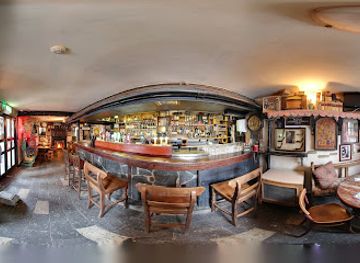
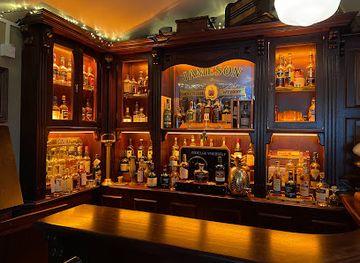
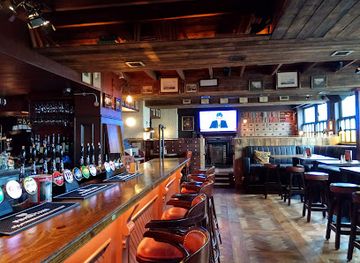
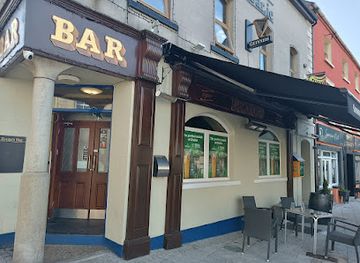
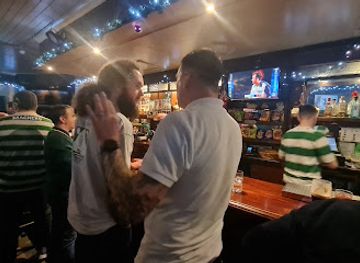
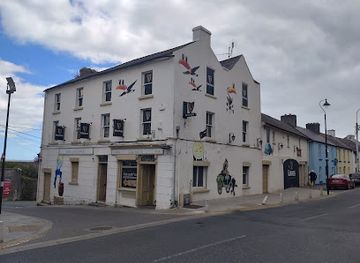
Evening life in County Wicklow is centred on traditional pubs, restaurants and community venues rather than a large nightclub circuit. Bray and Greystones provide the broadest choice of bars, cafés, live music and late dining, with Wicklow town and Arklow offering established local pub scenes of their own. Inland villages such as Enniskerry, Roundwood, Laragh and Avoca are more suited to a quiet drink, a meal or conversation in a pub, and options may be limited on slower evenings. Some pubs host traditional music or other live performances, but schedules change and should be checked locally. Seasonal activity increases in coastal towns and around festivals, while visitors staying in the mountains should plan transport in advance rather than rely on late rural services. The region's evening culture is best approached as a social extension of village and town life, not as a destination built around clubs.
-
Irish pub
Johnnie Fox's Pub
Discover the authentic Irish experience at Johnnie Fox's Pub in Glencullen, where tradition meets stunning scenery.
-
Restaurant
Wicklow Heather Restaurant | Glendalough
Discover Wicklow Heather Restaurant: A Culinary Delight in Glendalough, Serving Authentic Irish Cuisine Surrounded by Breathtaking Scenery.
-
 Hotel
HotelThe Glenmalure Lodge
Discover the perfect blend of comfort, traditional Irish cuisine, and stunning nature at Glenmalure Lodge in County Wicklow.
-
Grill
The Martello Bar
Discover the perfect blend of coastal views, delicious grill cuisine, and a vibrant atmosphere at The Martello Bar in Bray.
Best nightclubs in County Wicklow
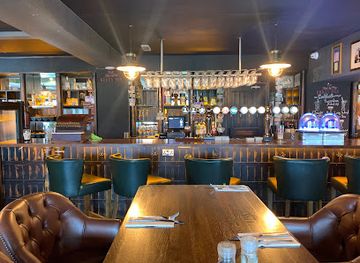
Evening life in County Wicklow is centred on traditional pubs, restaurants and community venues rather than a large nightclub circuit. Bray and Greystones provide the broadest choice of bars, cafés, live music and late dining, with Wicklow town and Arklow offering established local pub scenes of their own. Inland villages such as Enniskerry, Roundwood, Laragh and Avoca are more suited to a quiet drink, a meal or conversation in a pub, and options may be limited on slower evenings. Some pubs host traditional music or other live performances, but schedules change and should be checked locally. Seasonal activity increases in coastal towns and around festivals, while visitors staying in the mountains should plan transport in advance rather than rely on late rural services. The region's evening culture is best approached as a social extension of village and town life, not as a destination built around clubs.
-
Restaurant
The Brass Fox Wicklow
Savor the culinary delights and vibrant atmosphere at The Brass Fox, Wicklow's premier gastropub and cocktail bar.
-
Bar
Ernie's Bar
Discover the heart of Irish culture at Ernie's Bar in Wicklow, featuring live music, local brews, and a warm atmosphere perfect for any traveler.
-
Bar
Fitzpatricks Bar
Discover the lively ambiance of Fitzpatricks Bar in Wicklow, where local culture and welcoming spirits unite for an unforgettable experience.
-
Bar
Tá Sé's
Enjoy a delightful experience at Tá Sé's Bar in Wicklow, where local brews, friendly faces, and live music come together for unforgettable moments.
Best shops in County Wicklow
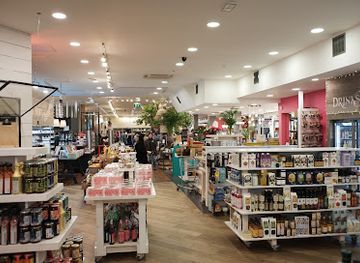
Shopping in County Wicklow is strongest in its market towns, coastal centres and independent village streets rather than in large luxury retail districts. Bray and Greystones offer the widest selection of everyday shops, cafés, galleries and small food businesses, while Wicklow town and Arklow combine practical high-street shopping with local services and independent retailers. Enniskerry, Avoca and other visitor villages are useful places to look for crafts, books, homewares, art and locally produced food, although individual businesses vary by season. Farm shops and producers' outlets may offer cheeses, preserves, baking, chocolates and other Irish specialities suitable for gifts or picnics. The county's association with gardens and rural estates is reflected in plant sales, garden-related goods and craft products around major estates. Visitors should distinguish durable local products from generic souvenirs, and check market days locally because smaller farmers' and craft markets do not operate every day.
-
Gift shop
Avoca Kilmacanoge
Explore Avoca Kilmacanoge: A unique blend of gourmet food, handcrafted gifts, and a cozy café experience in the heart of County Wicklow.
-
Gift shop
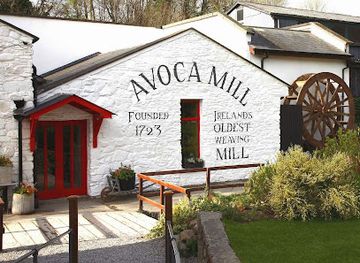
Avoca Handweavers
Explore the art of Irish craftsmanship at Avoca Handweavers, where shopping meets delightful dining in the heart of County Wicklow.
-
Gift shop
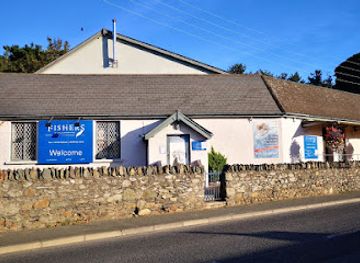
Fishers of Newtownmountkennedy Department Store
Explore Fishers of Newtownmountkennedy, your one-stop destination for unique gifts, fashion, and delightful café experiences in Co. Wicklow.
-
Cafe
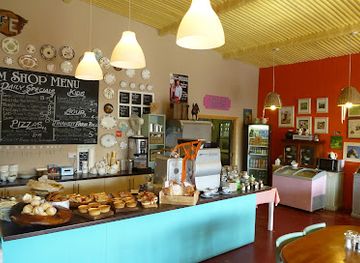
Tinahely Farm Shop
Experience the warmth of Tinahely Farm Shop, where local flavors meet unique crafts amidst the stunning beauty of County Wicklow.
Get your free copy of our complete guide to County Wicklow, delivered straight to you.
Everything on this page, from attractions and restaurants to essentials and local phrases, in one PDF you can read offline, print or share.
Already have an account? Sign in
Your County Wicklow guide is ready.
We'll send it to · Not you? Sign out

Getting your guide ready…
We are putting together a fresh copy of the County Wicklow guide. This can take up to a minute.
This can take a few moments. If your browser asks, choose Allow so the download can start. You'll find the guide in your Downloads folder.
Nothing happened? Download it again
Sorry, the guide is taking longer than usual. Please try again in a minute, or get it by email instead.
County Wicklow essentials
Currency and Payment
Safety
Emergency Situations
Do's and Don'ts
Local Tips
From Eve
Local phrases worth knowing
You don't need to get them perfect. A few words go a long way, and locals appreciate the effort.
Basics
| English | Local | Say it |
|---|---|---|
| Hello | Dia dhuit | [dee-ah gwitch] |
| Goodbye | Slán | [slawn] |
| Yes | Tá | [taw] |
| No | Níl | [neel] |
| Please/You're welcome | Le do thoil | [leh duh hull] |
| Thank you | Go raibh maith agat | [guh rev mah agat] |
| Excuse me/Sorry | Gabh mo leithscéal | [guh mo lehs-kayl] |
| How are you? | Conas atá tú? | [kun-as uh-taw too] |
| Fine. And you? | Go maith. Agus tusa? | [guh mah. ah-gus toosa] |
| Do you speak English? | An labhraíonn tú Béarla? | [an law-ree-on too bay-arlah] |
| I don't understand | Ní thuigim | [nee hig-im] |
Eating & Drinking
| English | Local | Say it |
|---|---|---|
| I'd like to see the menu, please | Ba mhaith liom an mhuirín a fheiceáil, le do thoil | [ba wah lum on wir-een a eh-hawkil, leh duh hull] |
| I don't eat meat | Ní ithim feoil | [nee ih-im fayl] |
| Cheers! | Sláinte! | [slawn-che] |
| I would like to pay, please | Ba mhaith liom íoc, le do thoil | [ba wah lum eek, leh duh hull] |
Emergencies
| English | Local | Say it |
|---|---|---|
| Help! | Cabhraigh! | [cow-ree] |
| Go away! | Imigh uait! | [im-ee oo-it] |
| Call the Police! | Glaoigh ar na Póilíní! | [glaw-ee ar na pole-een-ee] |
| Call a doctor! | Glaoigh ar dochtúir! | [glaw-ee ar dok-tur] |
| I'm lost | Táim caillte | [taw-im ky-lta] |
| I'm ill | Táim tinn | [taw-im tin] |
Shopping
| English | Local | Say it |
|---|---|---|
| I'd like to buy... | Ba mhaith liom a cheannach... | [ba wah lum a khan-ukh] |
| I'm just looking | Táim ag faire | [taw-im egg far-e] |
| How much is it? | Cá mhéad atá sé? | [caw vade uh-taw shay] |
| That's too expensive | Tá sé ró-chostasach | [taw shay row-kos-tahkh] |
| Can you lower the price? | An féidir leat an praghas a ísliú? | [an fay-dur lat on pra-ghas a eesh-lee] |
Time & Numbers
| English | Local | Say it |
|---|---|---|
| What time is it? | Cén t-am é? | [kane tawm ay] |
| It's one o'clock | Tá sé a haon a chlog | [taw shay a hayn a khlog] |
| Half past (10) | Leath-uair tar éis (10) | [lah-oo-ir tar aysh (10)] |
| Morning | Maidin | [maiden] |
| Afternoon | Tráthnóna | [traw-no-na] |
| Evening | Tráthnóna | [traw-no-na] |
| Yesterday | Inné | [in-yeh] |
| Today | Inniu | [in-nyoo] |
| Tomorrow | Amárach | [a-mah-rah] |
| 1 | Aon | [ayn] |
| 2 | Dó | [doh] |
| 3 | Trí | [tree] |
| 4 | Ceathair | [kah-hir] |
| 5 | Cuig | [kig] |
| 6 | Sé | [shay] |
| 7 | Seacht | [shacht] |
| 8 | Ocht | [oct] |
| 9 | Naoi | [nee] |
| 10 | Deich | [deh] |
Transport & Directions
| English | Local | Say it |
|---|---|---|
| Where's a/the...? | Cá bhfuil an...? | [caw wil on...?] |
| What's the address? | Cad é an seoladh? | [cad ay on shol-adh?] |
| Can you show me (on the map)? | An féidir leat a thaispeáint dom (ar an mapa)? | [an fay-dur lat a hash-paynt dum (ar on map-ah)?] |
| When's the next (bus)? | Cathain a mbeidh an (bus) eile? | [kah-in a myay on (bus) el-eh?] |
| A ticket (to ....) | Ticéad (go ....) | [ti-kayd (guh ....)] |
History of County Wicklow
Prehistoric Landscapes and Early Settlement
Wicklow's mountains and lowlands contain evidence of settlement extending back thousands of years, including megalithic monuments, burial sites and early agricultural landscapes. The upland environment was not an empty wilderness: valleys, river corridors and fertile coastal areas supported successive communities. Bronze Age and Iron Age remains, together with hillforts and standing stones, demonstrate the long relationship between people and the county's distinctive granite terrain. Much of this archaeological heritage is subtle in the landscape, surviving as earthworks, stones or field patterns rather than monumental ruins.
Glendalough and Early Christian Ireland
Glendalough was established by St Kevin in the sixth century and developed into one of medieval Ireland's important ecclesiastical centres. Its settlement included churches, domestic buildings, burial grounds and a prominent round tower, while its remote valley helped sustain a tradition of religious retreat and pilgrimage. The monastery endured through centuries of political change before its formal suppression in the late medieval period. The surviving ruins and surrounding lakes remain among the clearest physical expressions of Ireland's early Christian heritage.
Norman Expansion and Medieval Wicklow
Following the Anglo-Norman invasion of Ireland in the late twelfth century, coastal and lowland parts of Wicklow were drawn into new networks of lordship, landholding and fortified settlement. Wicklow town became an important port, while castles, churches and monastic houses reflected the contested nature of the region. The mountains also provided refuge for Gaelic lordships and later made effective control difficult. This frontier character shaped Wicklow's history for centuries, leaving a mixture of Norman, Gaelic and later English influences in its settlement patterns.
The 1798 Rebellion and the Military Road
Wicklow was deeply affected by the 1798 rebellion against British rule. Fighting took place in and around the county, including the Battle of Arklow, while the Wicklow Mountains became a base for insurgent activity and pursuit. In the aftermath, the British authorities constructed the Military Road across the mountains between 1799 and 1809 to improve movement through terrain that had been difficult to control. Today the route is a scenic mountain road, but its origins lie in the security concerns of a turbulent period.
Mining and Industrial Wicklow
The Avoca valley became one of Ireland's most significant mining areas, particularly for copper. Mining activity developed over a long period and expanded during the industrial age, shaping the village, river valley and local employment. The workings, spoil landscapes and processing remains form an important industrial legacy, even though large-scale extraction has ceased. Other parts of Wicklow also saw quarrying, forestry and small industries, demonstrating that the county's modern history was not solely agricultural or associated with country estates.
Estates, Gardens and the Development of Tourism
From the eighteenth century onwards, wealthy landowners developed estates such as Powerscourt and Russborough, creating formal gardens, parkland and grand houses that still influence Wicklow's visitor identity. Improved roads and the railway along the coast later made the county more accessible from Dublin. Seaside resorts including Bray grew through the nineteenth century, while mountain scenery attracted walkers, artists and excursionists. This combination of estate landscapes, coastal recreation and accessible countryside helped establish Wicklow as one of eastern Ireland's principal leisure regions.
Conservation and Contemporary Wicklow
The twentieth and twenty-first centuries brought changing land use, suburban growth along the coast and increasing recognition of the county's natural heritage. Wicklow Mountains National Park, established in 1991, protects a large area of upland landscape, heath, woodland, lakes and river valleys. Conservation now sits alongside farming, forestry, recreation and settlement. The county remains closely connected to Dublin while retaining extensive rural areas, and its contemporary identity is shaped by the continuing balance between access to nature, heritage protection and pressure on popular destinations.
County Wicklow in Photos
Browse through our photo collection highlighting the charm and character of the destination.
Neighbouring regions of County Wicklow
The closest regions to County Wicklow, if you have time for more than one.
-

-

-

-

-


Swipe for more regions
Explore more
Explore more of Ireland
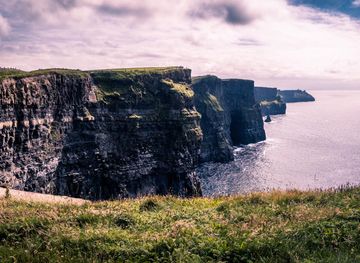
Discover Ireland: A land of enchanting landscapes, rich history, and vibrant culture, where every corner tells a story and every visit feels like coming home.
Explore Ireland