

Free County Cavan Travel Guide & Mobile App
Explore County Cavan with free travel guides. Discover regional history, expert tips, proposed trips, and audio guides on web or mobile app.


Explore County Cavan’s island-studded lakes, forest trails, megalithic landscapes, waterways and borderland heritage in rural Ireland.
Read more about County Cavan
When is the best time to visit County Cavan?
Best: June–August · 18–20°C| Month | High (°C) | Rainfall (mm) |
|---|---|---|
| January | 7 | 80 |
| February | 7 | 70 |
| March | 10 | 75 |
| April | 12 | 65 |
| May | 15 | 70 |
| June (best) | 18 | 80 |
| July (best) | 20 | 85 |
| August (best) | 20 | 90 |
| September | 17 | 75 |
| October | 14 | 90 |
| November | 10 | 85 |
| December | 7 | 90 |
Getting to and around County Cavan
How to get there
Transportation
Best attractions in County Cavan
County Cavan’s attractions are shaped by water, woodland, geology and a long rural history. Cavan Burren Park near Blacklion is the county’s most distinctive outdoor heritage landscape, combining limestone formations, glacial features, megalithic monuments and walking trails. Around Lough Oughter, a maze of islands and inlets provides opportunities for boating, angling, birdwatching and quiet lakeside exploration, while the Shannon–Erne Waterway is suited to cruising, paddling and waterside walks. Killykeen Forest Park adds mature woodland, trails and access to the lake district, and Dun a Ri Forest Park near Kingscourt offers marked walks through a historic estate landscape. County Cavan Museum in Ballyjamesduff provides archaeological, social and military context, with displays that explain how ordinary life changed over time. Historic sites including Drumlane Abbey, Kilmore Cathedral and Castle Saunderson broaden the cultural offering, while Cavan Town, Belturbet, Virginia and Killeshandra provide local cafés, pubs and practical bases. Golf, coarse fishing, cycling and walking are important outdoor pursuits, although many experiences require advance planning and independent transport. The nearby Marble Arch Caves are outside County Cavan, in County Fermanagh, and should be treated as a neighbouring excursion rather than a Cavan attraction.
-
Historical landmark
Loughcrew Cairns
Discover the ancient mysteries and breathtaking landscapes at Loughcrew Cairns, a premier historical landmark in County Meath, Ireland.
-
National forest
Dún a Rí Forest Park
Discover a blend of history and nature at Dún a Rí Forest Park in County Cavan, with scenic trails, diverse wildlife, and ancient ruins.
-
Park
Erica's Fairy Forest
Discover a magical world at Erica's Fairy Forest in County Cavan, a place of wonder, imagination, and natural beauty dedicated to a special little girl.
-
National forest
Deerpark Forest
Discover tranquil trails, historical landmarks, and natural beauty in Deerpark Forest, a serene escape in County Cavan, Ireland.


Best landmarks in County Cavan
Cavan Burren Park is County Cavan’s most recognisable natural and archaeological landmark, where limestone outcrops, glacial deposits and prehistoric monuments create a layered landscape near Blacklion. The ruins of Drumlane Abbey, close to Milltown, represent the county’s early ecclesiastical heritage and remain an evocative presence beside later settlement. Kilmore Cathedral near Cavan Town is notable for its architectural history and for the eighteenth-century building that incorporates an earlier structure; its surroundings also reflect the county’s Anglican and estate past. Clough Oughter Castle, a ruined circular stone stronghold on an island in Lough Oughter, is one of the county’s most distinctive medieval remains, although it is viewed primarily from the water or shoreline. Castle Saunderson near Belturbet adds a later layer of landed-estate history within a wooded setting. The Shannon–Erne Waterway is itself a significant landscape landmark, linking waterways through the county and recalling the importance of inland navigation. Lough Ramor, Lough Oughter and the drumlin country provide the geographical landmarks that give Cavan its visual identity.
-
Island
Ireland
Experience the rich heritage, breathtaking landscapes, and vibrant culture of Ireland, the enchanting Emerald Isle waiting to be explored.
-
Museum
Cavan County Museum
Explore 6,000 years of history at Cavan County Museum in Ballyjamesduff, from ancient artifacts to the WWI Trench Experience. A cultural gem in County Cavan.
-
Historical landmark
Castle Saunderson
Discover the ruins of Castle Saunderson in County Cavan, a historic landmark offering walking trails and a glimpse into Ireland's past.
-
Catholic church
Drumlane Abbey and Round Tower
Discover ancient monastic history at Drumlane Abbey and Round Tower, a peaceful lakeside retreat in County Cavan's historic heartland.


Explore County Cavan on the map
Plan your trip on one map. See where the top cities, national parks and sights are, and book hotels and experiences in a few clicks.
Best hotels in County Cavan
Best restaurants in County Cavan
Dining in County Cavan reflects the county’s farming landscape and freshwater setting, with menus commonly built around Irish meat, vegetables, breads, dairy produce and seasonal ingredients. Farmhouse cheese is an important local speciality, and visitors may find Cavan-made or regionally produced cheeses in independent food shops, markets and restaurant cooking. Pubs and cafés in Cavan Town, Virginia, Belturbet and other market towns provide accessible meals, while rural inns and guesthouses often offer traditional Irish dishes alongside contemporary plates. Lake and river settings support fishing culture, although menus should not be assumed to feature locally caught fish at all times. Baking, cakes and hearty breakfasts are useful staples for walkers and drivers travelling between dispersed attractions. Farmers’ markets and small food producers are the best places to look for local produce when operating, but market days vary. Formal dining is available in the larger towns and at selected country-house properties, yet the county’s culinary character is more closely associated with quality ingredients, relaxed hospitality and everyday Irish food than with a concentrated restaurant scene.
-
Island
Ireland
Explore Ireland's stunning landscapes, rich history, and vibrant culture on this enchanting island filled with adventures.
-
Restaurant
MacNean House & Restaurant
Discover culinary brilliance at MacNean House & Restaurant in Blacklion – where traditional Irish flavors meet modern gastronomy.
-
Gastropub
Murph's Gastro Pub, Derragarra Inn, Cavan
Discover Murph's Gastro Pub in County Cavan – where traditional Irish flavors meet modern culinary delights in a cozy atmosphere.
-
Restaurant
Chapter Food & Living Cavan
Experience delightful dining at Chapter Food & Living in Cavan; enjoy fresh local cuisine and unique gifts all under one roof.


Best bars in County Cavan
Evenings in County Cavan are centred chiefly on traditional pubs, restaurants, hotel bars and occasional live-music sessions rather than a large nightclub circuit. Cavan Town has the broadest choice of pubs and late-evening venues, while Virginia, Belturbet, Ballyconnell, Cootehill and other market towns provide more intimate local scenes. In rural districts, entertainment may depend on the night of the week, seasonal events or a particular music session, so checking locally is sensible. Pubs can be places for conversation, food and sport as much as drinking, and visitors should not assume that alcohol is required to participate in social life. Some accommodation venues and breweries may offer tastings or informal events, but commercial arrangements change. The Shannon–Erne area is generally quiet after evening dining, making it more suitable for relaxed walks and lakeside stays than late-night entertainment.
-
Gastropub
Murph's Gastro Pub, Derragarra Inn, Cavan
Experience the heart of Irish cuisine at Murph's Gastro Pub in Cavan, where traditional flavors meet modern dining in a warm, welcoming atmosphere.
-
Gastropub
The Anglers Rest
Experience the heart of Irish hospitality at The Anglers Rest, a cozy gastropub offering delicious cuisine, comfortable accommodation, and a warm ambiance in Co. Cavan.
-
Grill
Shades Bar & Grill
Discover the culinary charm of Cavan at Shades Bar & Grill, where delicious grilled dishes and a welcoming atmosphere await every visitor.
-
Grill
The Lavey Inn
Discover the essence of Irish hospitality at The Lavey Inn, where delicious grilled dishes and refreshing drinks await in charming Co. Cavan.


Best nightclubs in County Cavan
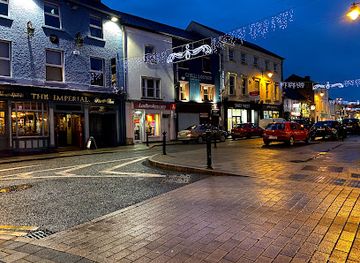
Evenings in County Cavan are centred chiefly on traditional pubs, restaurants, hotel bars and occasional live-music sessions rather than a large nightclub circuit. Cavan Town has the broadest choice of pubs and late-evening venues, while Virginia, Belturbet, Ballyconnell, Cootehill and other market towns provide more intimate local scenes. In rural districts, entertainment may depend on the night of the week, seasonal events or a particular music session, so checking locally is sensible. Pubs can be places for conversation, food and sport as much as drinking, and visitors should not assume that alcohol is required to participate in social life. Some accommodation venues and breweries may offer tastings or informal events, but commercial arrangements change. The Shannon–Erne area is generally quiet after evening dining, making it more suitable for relaxed walks and lakeside stays than late-night entertainment.
-
Cocktail bar
The Imperial Bar & Nightclub
Discover vibrant nightlife at The Imperial Bar & Nightclub in Cavan, where delicious cocktails, live music, and a lively atmosphere await you.
-
Bar
The Orchard Bar
Discover the charm of Co. Cavan at The Orchard Bar, where local flavors meet a warm atmosphere for an unforgettable experience.
-
Bar
The Kesh Bar
Discover the local charm and vibrant atmosphere of The Kesh Bar in Gortnakesh, a perfect pub for relaxation and socializing.
-
Bar
The Tank Bar
Experience authentic Irish hospitality at The Tank Bar in Co. Cavan, where traditional music and friendly locals create unforgettable memories.


Best shops in County Cavan
Shopping in County Cavan is concentrated in market towns rather than large urban retail districts. Cavan Town offers the widest range of everyday shops, cafés, food retailers and independent businesses, while Virginia, Belturbet, Ballyconnell, Cootehill and Ballyjamesduff have smaller high streets with a practical local character. Visitors looking for regional goods should seek out farmhouse cheeses, preserves, baking, honey and other Irish food products in independent shops, farm outlets and markets when available. Craft galleries and gift shops may stock ceramics, textiles, artwork and locally themed souvenirs, although selection varies by town and season. County Cavan Museum in Ballyjamesduff provides a cultural setting for learning about local history, but it is not primarily a shopping destination. Rural antique and craft businesses are often dispersed, so checking current opening arrangements before making a special journey is advisable. For a more traditional experience, browse town-centre food markets and seek recommendations from accommodation providers rather than expecting a single permanent regional market.
-
Island
Ireland
Explore the breathtaking beauty, rich history, and vibrant culture of Ireland, the enchanting Emerald Isle perfect for all travelers.
-
Store
MrPRICE Cavan
Explore unbeatable deals and a diverse range of products at MrPRICE Cavan, the ultimate discount shopping destination for tourists.
-
Home goods store
Choice Cavan
Discover a diverse range of home goods, garden furniture, stationery, and seasonal items at Choice Cavan, your ultimate shopping hub.
-
Outlet store
BrandMax
Discover unbeatable deals and a wide selection of quality brands at BrandMax, the premier outlet store in Pollamore Near, Cavan.


Get your free copy of our complete guide to County Cavan, delivered straight to you.
Everything on this page, from attractions and restaurants to essentials and local phrases, in one PDF you can read offline, print or share.
Already have an account? Sign in
Your County Cavan guide is ready.
We'll send it to · Not you? Sign out

Getting your guide ready…
We are putting together a fresh copy of the County Cavan guide. This can take up to a minute.
This can take a few moments. If your browser asks, choose Allow so the download can start. You'll find the guide in your Downloads folder.
Nothing happened? Download it again
Sorry, the guide is taking longer than usual. Please try again in a minute, or get it by email instead.
County Cavan essentials
Currency and Payment
Safety
Emergency Situations
Do's and Don'ts
Local Tips
From Eve
Local phrases worth knowing
You don't need to get them perfect. A few words go a long way, and locals appreciate the effort.
Basics
| English | Local | Say it |
|---|---|---|
| Hello | Dia dhuit | [dee-uh gwitch] |
| Goodbye | Slán | [slawn] |
| Yes | Tá | [taw] |
| No | Níl | [neel] |
| Please/You're welcome | Le do thoil | [leh duh hull] |
| Thank you | Go raibh maith agat | [guh rev mah agut] |
| Excuse me/Sorry | Gabh mo leithsceál | [gav muh lesh-kayl] |
| How are you? | Conas atá tú? | [kun-as uh-taw too] |
| Fine. And you? | Go maith. Agus tú? | [guh mah. ah-gus too] |
| Do you speak English? | An labhraíonn tú Béarla? | [on law-ree-awn too bay-ar-la] |
| I don't understand | Ní thuigim | [nee hig-im] |
Eating & Drinking
| English | Local | Say it |
|---|---|---|
| I'd like to see the menu, please | Ba mhaith liom an mhinic a fheiceáil, le do thoil | [ba wah lum an min-ick ah yeh-hul, leh duh hull] |
| I don't eat meat | Ní itheann mé feoil | [nee ee-han may fail] |
| Cheers! | Sláinte! | [slawn-teh] |
| I would like to pay, please | Ba mhaith liom íoc, le do thoil | [ba wah lum eek, leh duh hull] |
Emergencies
| English | Local | Say it |
|---|---|---|
| Help! | Cabhair! | [cah-er] |
| Go away! | Imigh uaim! | [ih-meh oim] |
| Call the Police! | Glaoigh ar na Póilíní! | [glay-ig air nah poh-leen-ee] |
| Call a doctor! | Glaoigh ar dhochtúir! | [glay-ig air hok-too-ir] |
| I'm lost | Táim caillte | [taw-im kayl-teh] |
| I'm ill | Táim tinn | [taw-im tin] |
Shopping
| English | Local | Say it |
|---|---|---|
| I'd like to buy... | Ba mhaith liom a cheannach... | [ba wah lum a khyan-ukh] |
| I'm just looking | Táim ag breathnú | [taw-im egg brat-noo] |
| How much is it? | Cé mhéad atá sé? | [kay vayd uh-taw shay] |
| That's too expensive | Tá sé ró-chostasach | [taw shay roh-koss-tahkh] |
| Can you lower the price? | An féidir leat an praghas a laghdú? | [on fay-door lat an pra-ghas ah lah-gh-doo] |
Time & Numbers
| English | Local | Say it |
|---|---|---|
| What time is it? | Cén t-am é? | [kayn tahm eh] |
| It's one o'clock | Is a haon a chlog | [iss a hayn a khlog] |
| Half past (10) | Leath uair (10) | [lah uir (10)] |
| Morning | Maidin | [maw-din] |
| Afternoon | Tráthnóna | [trawn-oh-na] |
| Evening | Tráthnóna | [trawn-oh-na] |
| Yesterday | Inné | [in-yay] |
| Today | Inniu | [in-yoo] |
| Tomorrow | Amárach | [ah-maw-rahkh] |
| 1 | 1 | [1] |
| 2 | 2 | [2] |
| 3 | 3 | [3] |
| 4 | 4 | [4] |
| 5 | 5 | [5] |
| 6 | 6 | [6] |
| 7 | 7 | [7] |
| 8 | 8 | [8] |
| 9 | 9 | [9] |
| 10 | 10 | [10] |
Transport & Directions
| English | Local | Say it |
|---|---|---|
| Where's a/the...? | Cá bhfuil ...? | [kaw wil ...?] |
| What's the address? | Cad é an seoladh? | [kad eh an shol-adh?] |
| Can you show me (on the map)? | An féidir leat a thaispeáint dom (ar an mapa)? | [on fay-door lat ah hash-paynt dum (ar an maw-pah)?] |
| When's the next (bus)? | Cathain a bheidh an chéad (bus)? | [kah-hin ah vey an khayd (bus)?] |
| A ticket (to ....) | Ticéad (go....) | [ti-kayd (go....)] |
History of County Cavan
Prehistoric Monuments and the Cavan Burren Landscape
County Cavan contains evidence of settlement and ritual activity stretching back thousands of years. The limestone landscape around Cavan Burren, near Blacklion, includes megalithic tombs, prehistoric field features and glacially shaped rocks that together show how early communities used and understood the land. These monuments belong to a wider tradition found across Ireland, but their setting among karst pavement, drumlins and upland pasture makes the Cavan examples particularly legible. The landscape also records later agricultural activity, demonstrating that the county’s human story is not confined to a single prehistoric period.
The Gaelic Kingdom of East Breifne
Before the Tudor conquest, much of present-day Cavan formed part of the Gaelic kingdom of Breifne, whose territories were associated with powerful local dynasties including the O’Reillys. The region’s difficult terrain of lakes, bogs and drumlin hills helped sustain semi-independent Gaelic lordships and influenced the location of roads, settlements and defensive sites. Cavan Town and surrounding areas retain associations with this medieval political landscape, while ecclesiastical remains such as Drumlane Abbey reflect the importance of religious foundations. Gaelic control was gradually challenged by English expansion during the late medieval and early modern periods.
Plantation and the Formation of County Cavan
In the early seventeenth century, the Ulster Plantation transformed landownership and settlement patterns in Cavan. Following the Flight of the Earls and the redistribution of territory, land was granted to English and Scottish undertakers and other settlers, although Gaelic families and communities remained. New estates, market settlements and administrative arrangements developed alongside older places. Towns such as Virginia and Belturbet acquired importance within this changing order, while the county’s position on the route between the Irish midlands and Ulster gave it strategic significance. The period established social and religious divisions whose effects remained visible for centuries.
Estate Landscapes, Industry and the Waterways
From the eighteenth century, landed estates influenced agriculture, housing and woodland management across Cavan. Estate villages, demesnes and country houses were set within a landscape increasingly organised for commercial farming. Water transport also mattered: the Erne and Shannon systems, later connected through the Shannon–Erne Waterway, supported movement of goods and helped towns such as Belturbet and Ballyconnell develop as local centres. Small industries, mills and craft activities existed alongside farming, although Cavan remained predominantly rural. Surviving woodland parks, canalside features and estate buildings offer material reminders of this period.
Famine, Emigration and Rural Change
The Great Famine of the 1840s brought hunger, disease, eviction and demographic shock to County Cavan, as it did across Ireland. Reliance on small plots and the potato made many households vulnerable, while workhouses and charitable relief struggled to meet demand. The famine accelerated emigration and contributed to long-term population decline. Later changes included farm consolidation, improved roads and new forms of local administration. The social consequences remained embedded in family histories, abandoned settlements, graveyards and oral traditions, helping explain the comparatively dispersed settlement pattern found in parts of the county today.
Railways, Independence and the Border
Nineteenth-century railway building connected Cavan with a wider Irish transport network, linking its market towns to routes towards Dublin, the midlands and Ulster. Most passenger railways in the county later closed, leaving roads and buses as the principal public transport connections. The early twentieth century brought the War of Independence and the establishment of the Irish Free State, after which Cavan became part of the new state while retaining its northern border. The border has shaped trade, administration and everyday movement, and remains an important context for understanding the county’s modern identity.
County Cavan in Photos
Browse through our photo collection highlighting the charm and character of the destination.
Neighbouring regions of County Cavan
The closest regions to County Cavan, if you have time for more than one.
-
-
-

-

-


Swipe for more regions
Explore more
Explore more of Ireland
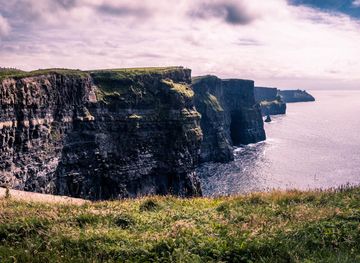
Discover Ireland: A land of enchanting landscapes, rich history, and vibrant culture, where every corner tells a story and every visit feels like coming home.
Explore Ireland