

Free County Monaghan Travel Guide & Mobile App
Explore County Monaghan with free travel guides. Discover regional history, expert tips, proposed trips, and audio guides on web or mobile app.


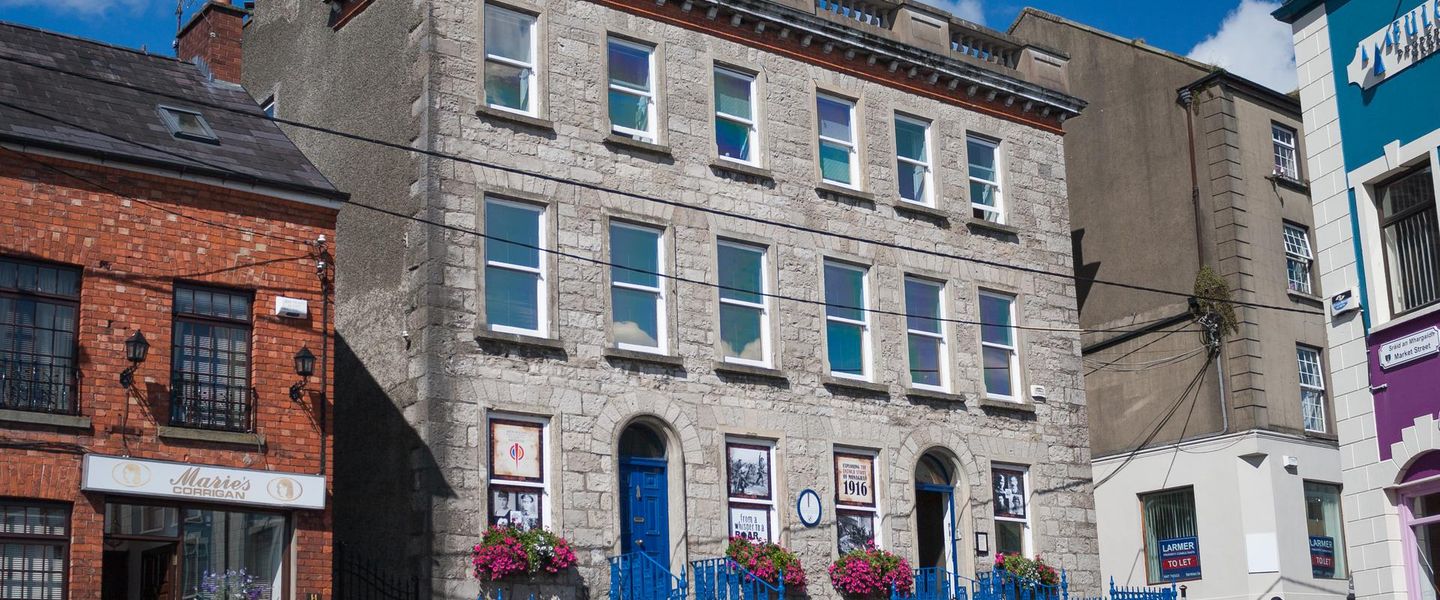


Explore County Monaghan’s drumlin landscapes, lakes, lace heritage, historic towns and literary connections in Ireland’s north-east.
Read more about County Monaghan
When is the best time to visit County Monaghan?
Best: June–August · 17–19°C| Month | High (°C) | Rainfall (mm) |
|---|---|---|
| January | 7 | 72 |
| February | 7 | 63 |
| March | 10 | 69 |
| April | 13 | 55 |
| May | 15 | 61 |
| June (best) | 17 | 68 |
| July (best) | 19 | 72 |
| August (best) | 18 | 75 |
| September | 17 | 70 |
| October | 13 | 78 |
| November | 10 | 79 |
| December | 7 | 79 |
Getting to and around County Monaghan
How to get there
Transportation
Best attractions in County Monaghan
County Monaghan’s attractions are dispersed through a landscape of drumlin hills, lakes and farmland rather than concentrated in one resort or city. Monaghan County Museum provides a useful introduction to local archaeology, social history and political change, while the Patrick Kavanagh Centre at Iniskeen explores the life and writing of one of Ireland’s most important twentieth-century poets. Carrickmacross offers a different cultural focus through its celebrated lace tradition and related craft interpretation. Clones is important for early Christian and medieval remains, including its round tower and high crosses. For outdoor recreation, Lough Muckno and the wooded grounds around Castleblayney provide opportunities for walking, fishing and water-based activities, subject to local conditions. Rossmore Forest Park near Monaghan town combines woodland paths with traces of the former estate landscape. Country houses and demesnes, including Castle Leslie at Glaslough, contribute architectural and historical interest, although access varies because some properties are privately managed or operate commercially. Smaller archaeological monuments, churches, graveyards and village streets reward slower exploration, while the county’s lakes and quiet lanes appeal to walkers, cyclists and anglers. A car-based itinerary is generally the most practical way to connect these varied experiences.
-
Museum
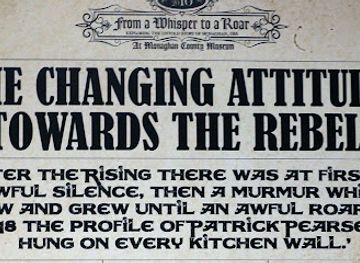
Monaghan County Museum
Explore the fascinating history and cultural heritage of County Monaghan at the Monaghan County Museum, a must-visit attraction for all tourists.
-
National forest
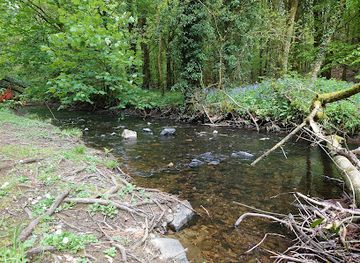
Rossmore Forest Park (Main Entrance)
Immerse yourself in the natural beauty of Rossmore Forest Park, a serene national forest in Co. Monaghan, perfect for exploration and relaxation.
-
Nature preserve
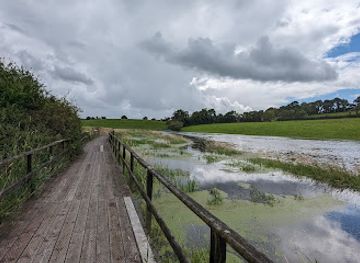
Ballybay Wetlands Centre
Experience the beauty of Ireland's nature at Ballybay Wetlands Centre, a tranquil preserve perfect for wildlife enthusiasts and families.
-
Tourist attraction
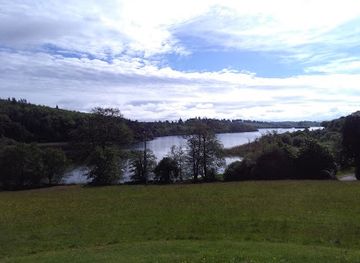
Hope Castle Lough Muckno
Experience the natural beauty and historical charm of Hope Castle Lough Muckno in Castleblayney, Co. Monaghan, an ideal destination for nature lovers and history buffs.
Best landmarks in County Monaghan
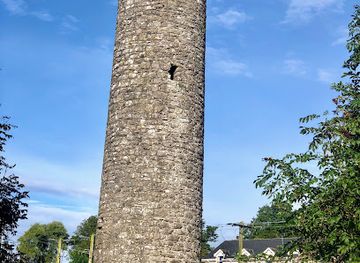
The round tower and high crosses at Clones form County Monaghan’s most recognisable early Christian landmark group, marking the importance of the former monastic settlement and giving the town a strong historical identity. Monaghan town is defined by civic buildings, churches and the surviving urban fabric of a county centre shaped by later political and commercial development. Carrickmacross Lace Gallery represents a different kind of landmark: its significance lies in the craft tradition associated with the town and the generations of women who produced lace for local and wider markets. Castle Leslie at Glaslough is an important estate landmark, combining a nineteenth-century country house with designed grounds and the planned village setting. Castleblayney’s relationship with Lough Muckno provides a prominent landscape landmark, where water, woodland and the historic estate setting create a recognisable eastern Monaghan scene. Across the county, ruined castles, old graveyards, churches, demesne walls and prehistoric monuments are often modest but meaningful markers of changing power, belief and settlement. Their value lies in the way they remain embedded in the working rural landscape rather than isolated as museum pieces.
-
Museum
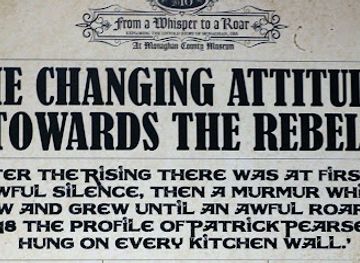
Monaghan County Museum
Explore Monaghan County Museum, a rich cultural hub showcasing the heritage and history of Ireland through captivating exhibits and archaeological treasures.
-
Historical landmark
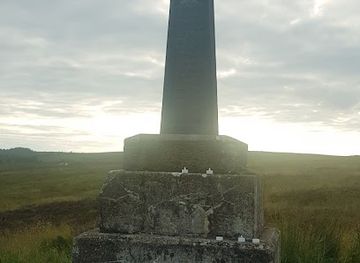
Bragan Penal Cross
Explore the Bragan Penal Cross, a historical landmark in Co. Monaghan, and immerse yourself in Ireland's rich cultural heritage and breathtaking landscapes.
-
Historical landmark
Clones Round Tower
Discover the historical marvel of Clones Round Tower, a captivating monument that embodies Ireland's rich heritage and architectural beauty.
-
Historical landmark
Rossmore Castle Ruins
Explore Rossmore Castle Ruins in Co. Monaghan, a serene historical landmark set in stunning natural beauty, perfect for history lovers and nature enthusiasts alike.
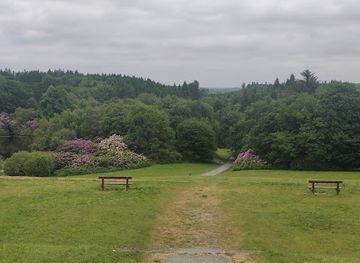
Explore County Monaghan on the map
Plan your trip on one map. See where the top cities, national parks and sights are, and book hotels and experiences in a few clicks.
Best hotels in County Monaghan
Best restaurants in County Monaghan
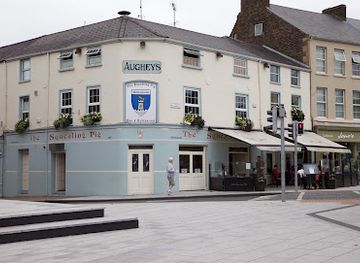
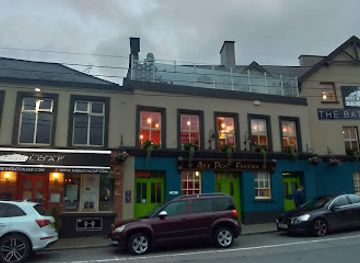
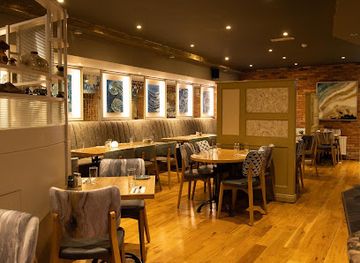
Dining in County Monaghan reflects the food culture of rural Ireland, with town-centre restaurants, cafés, bakeries, hotel dining rooms, traditional pubs and country establishments providing the main range of choices. Menus commonly draw on Irish beef, lamb, pork, poultry, potatoes, seasonal vegetables and locally produced dairy, while fish and seafood are available but are not the defining feature of this inland county. Carrickmacross, Monaghan town, Castleblayney and Clones offer the broadest selection, whereas rural dining tends to be more limited and should be planned in advance. Pubs may serve substantial home-style meals alongside soups, sandwiches and evening dishes, while cafés are useful for breakfast, baking and light lunches. Farmers’ markets and specialist food shops, where operating, can provide regional cheeses, breads, preserves and other provisions for picnics. Tea, coffee and traditional baked goods remain central to everyday refreshment, and contemporary restaurants increasingly combine Irish ingredients with European techniques without abandoning local produce.
-
Grill
The Squealing Pig Bar & Restaurant
Experience delightful grill specialties and local charm at The Squealing Pig Bar & Restaurant in Monaghan's scenic Roosky.
-
Modern European
The Batch Loaf
Experience the best of modern European dining at The Batch Loaf in Roosky, Monaghan – where flavor meets comfort.
-
Family-friendly
Neighbourhood
Experience family-friendly dining at Neighbourhood Monaghan - where delicious food meets warm Irish hospitality in Roosky.
-
Gastropub
Andy's Bar & Restaurant
Discover the flavors of Ireland at Andy's Bar & Restaurant in Mullaghmonaghan—where traditional meets modern in a cozy gastropub setting.
Best bars in County Monaghan
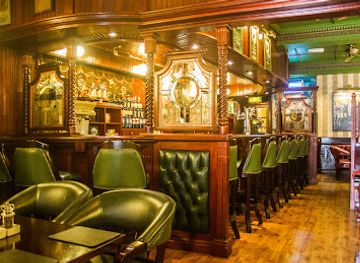
County Monaghan’s evening life is centred on traditional pubs, hotel bars, restaurants and occasional live-music venues rather than a large nightclub circuit. Monaghan town provides the widest choice, with Castleblayney, Carrickmacross and Clones offering smaller but established evening scenes. Pubs remain important social spaces for conversation, sport and music, although visitors should not assume that every venue hosts live entertainment on a particular night. Some bars serve locally brewed or nationally familiar beers, spirits and non-alcoholic drinks, while restaurants and cafés provide quieter alternatives. Rural nightlife depends greatly on distance and transport, so arranging a taxi or choosing accommodation within walking distance is sensible. Events, music sessions and opening arrangements can be seasonal or changeable, making local checking worthwhile. The county’s evening character is best understood as town-based and community-oriented, with a slower pace outside the principal settlements rather than as a destination for late-night clubbing.
-
Grill
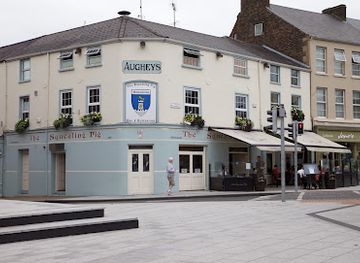
The Squealing Pig Bar & Restaurant
Discover the vibrant flavors of Ireland at The Squealing Pig Bar & Restaurant in Roosky, Monaghan, where every meal is a celebration.
-
Modern European
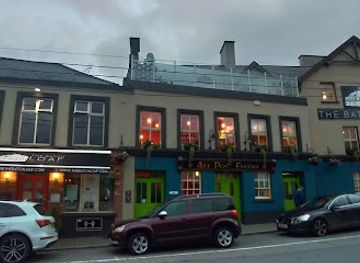
The Batch Loaf
Experience the essence of modern European cuisine at The Batch Loaf in Roosky, where local flavors and warm hospitality come together.
-
Family-friendly
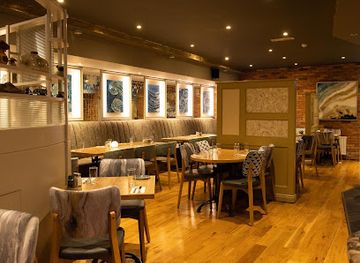
Neighbourhood
Experience the warmth and flavors of Neighbourhood Monaghan, a family-friendly restaurant where every meal is a celebration of local cuisine.
-
Gastropub
Andy's Bar & Restaurant
Experience the heart of Irish cuisine at Andy's Bar & Restaurant in Mullaghmonaghan, where local flavors meet modern dining.
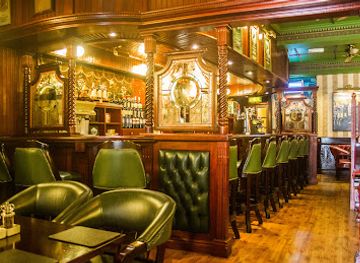
Best nightclubs in County Monaghan
County Monaghan’s evening life is centred on traditional pubs, hotel bars, restaurants and occasional live-music venues rather than a large nightclub circuit. Monaghan town provides the widest choice, with Castleblayney, Carrickmacross and Clones offering smaller but established evening scenes. Pubs remain important social spaces for conversation, sport and music, although visitors should not assume that every venue hosts live entertainment on a particular night. Some bars serve locally brewed or nationally familiar beers, spirits and non-alcoholic drinks, while restaurants and cafés provide quieter alternatives. Rural nightlife depends greatly on distance and transport, so arranging a taxi or choosing accommodation within walking distance is sensible. Events, music sessions and opening arrangements can be seasonal or changeable, making local checking worthwhile. The county’s evening character is best understood as town-based and community-oriented, with a slower pace outside the principal settlements rather than as a destination for late-night clubbing.
-
Night club
Mexx Nitelife
Dive into the vibrant nightlife of Mexx Nitelife in Coolshannagh, where great music, delicious drinks, and an energetic crowd await every weekend.
-
Night club
Spy
Experience the vibrant nightlife at Spy, Roosky's premier night club, where music, dancing, and unforgettable moments await.
-
 Night club
Switch Nightclub
Discover the vibrant nightlife of Castleblayney at Switch Nightclub, where unforgettable dance experiences meet local charm.
Best shops in County Monaghan
Shopping in County Monaghan is concentrated in the high streets and town centres of Monaghan, Carrickmacross, Castleblayney, Clones and Ballybay. Independent retailers, cafés, pharmacies, clothing shops, bookshops and practical local services form the everyday commercial landscape, with larger towns offering the broadest choice. Carrickmacross is the county’s clearest destination for lace heritage and associated craft products, although visitors should distinguish authentic contemporary work from generic souvenirs. Local food shops, bakeries, farm-produced goods and occasional markets are useful places to find breads, preserves, confectionery and other Irish provisions. Art galleries, craft outlets and gift shops may carry ceramics, textiles, jewellery or work by regional makers, but stock and opening arrangements vary. In the smaller towns, shopping is more functional and community-led than fashion-oriented, while the main appeal for visitors is the chance to combine retail browsing with historic streets, cafés and local cultural venues. Plan specialist purchases before travelling into remote areas, where retail choices are limited.
-
Shopping mall
Monaghan Shopping Centre
Explore Monaghan Shopping Centre, your ultimate shopping destination in Monaghan with diverse stores and delightful dining options.
-
Gift shop
Grahams of Monaghan
Explore Grahams of Monaghan for unique gifts, local crafts, and a cozy coffee experience in the heart of Monaghan.
-
Discount store
MrPRICE Monaghan
Explore MrPRICE Monaghan for unbeatable deals on a wide variety of products in a historic railway station setting.
-
Store
Raduga East Eauropean Food Market
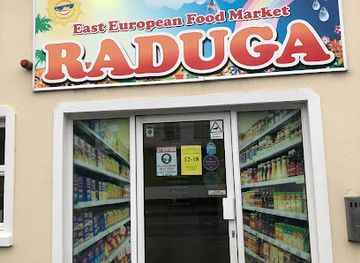
Explore the vibrant tastes of Eastern Europe at Raduga East European Food Market in Monaghan, a must-visit for culinary enthusiasts.
Get your free copy of our complete guide to County Monaghan, delivered straight to you.
Everything on this page, from attractions and restaurants to essentials and local phrases, in one PDF you can read offline, print or share.
Already have an account? Sign in
Your County Monaghan guide is ready.
We'll send it to · Not you? Sign out

Getting your guide ready…
We are putting together a fresh copy of the County Monaghan guide. This can take up to a minute.
This can take a few moments. If your browser asks, choose Allow so the download can start. You'll find the guide in your Downloads folder.
Nothing happened? Download it again
Sorry, the guide is taking longer than usual. Please try again in a minute, or get it by email instead.
County Monaghan essentials
Currency and Payment
Safety
Emergency Situations
Do's and Don'ts
Local Tips
From Eve
Local phrases worth knowing
You don't need to get them perfect. A few words go a long way, and locals appreciate the effort.
Basics
| English | Local | Say it |
|---|---|---|
| Hello | Dia dhuit | [Dee-a gwitch] |
| Goodbye | Slán | [Slawn] |
| Yes | Tá | [Taw] |
| No | Níl | [Neel] |
| Please/You're welcome | Le do thoil | [Leh duh hull] |
| Thank you | Go raibh maith agat | [Guh rev mah agat] |
| Excuse me/Sorry | Gabh mo leithscéal | [Gow mo leesh-kayl] |
| How are you? | Conas atá tú? | [Kuh-nas ah-taw too] |
| Fine. And you? | Go maith. Agus tú? | [Guh mah. Agus too?] |
| Do you speak English? | An labhraíonn tú Béarla? | [An law-ree-awn too Bayr-la?] |
| I don't understand | Ní thuigim | [Nee hig-im] |
Eating & Drinking
| English | Local | Say it |
|---|---|---|
| I'd like to see the menu, please | Ba bhreá liom an mhuirín a fheiceáil, le do thoil | [Bah vraw lum an wir-een a hyuh-kil, leh duh hull] |
| I don't eat meat | Ní itheann mé feoil | [Nee ee-han may fail] |
| Cheers! | Sláinte! | [Slawn-che] |
| I would like to pay, please | Ba mhaith liom íoc, le do thoil | [Bah wah lum eek, leh duh hull] |
Emergencies
| English | Local | Say it |
|---|---|---|
| Help! | Cabhair! | [Kow-ur] |
| Go away! | Imigh uaim! | [Im-ee oo-im] |
| Call the Police! | Glaoigh ar na póilíní! | [Glee ar nah pole-een-ee] |
| Call a doctor! | Glaoigh ar dhochtúir! | [Glee ar dock-toor] |
| I'm lost | Táim caillte | [Taw-im kyl-tuh] |
| I'm ill | Táim tinn | [Taw-im tin] |
Shopping
| English | Local | Say it |
|---|---|---|
| I'd like to buy... | Ba bhreá liom a cheannach... | [Bah vraw lum a kyawn-akh] |
| I'm just looking | Táim ag breathnú | [Taw-im egg brat-nu] |
| How much is it? | Cé mhéid atá sé? | [Kay mayd ah-taw shay?] |
| That's too expensive | Tá sé ró-dhaor | [Taw shay roh-hair] |
| Can you lower the price? | An féidir leat an praghas a laghdú? | [An fay-dur lat an prah-gas a log-doo?] |
Time & Numbers
| English | Local | Say it |
|---|---|---|
| What time is it? | Cén t-am é? | [Kayn tahm ay?] |
| It's one o'clock | Tá sé a haon a chlog | [Taw shay a hayn a klug] |
| Half past (10) | Leath tar éis (10) | [Lah tar ay-sh (10)] |
| Morning | Maidin | [Mah-din] |
| Afternoon | Déardaoin | [Dayr-deen] |
| Evening | Tráthnóna | [Trah-no-na] |
| Yesterday | Inné | [In-yay] |
| Today | Inniu | [In-yoo] |
| Tomorrow | Amárach | [Ah-mah-rah] |
| 1 | 1 | [1] |
| 2 | 2 | [2] |
| 3 | 3 | [3] |
| 4 | 4 | [4] |
| 5 | 5 | [5] |
| 6 | 6 | [6] |
| 7 | 7 | [7] |
| 8 | 8 | [8] |
| 9 | 9 | [9] |
| 10 | 10 | [10] |
Transport & Directions
| English | Local | Say it |
|---|---|---|
| Where's a/the...? | Cá bhfuil a/the...? | [Caw will a/the...?] |
| What's the address? | Cad é an seoladh? | [Cad ay an shol-adh?] |
| Can you show me (on the map)? | An féidir leat dom a thaispeáint (ar an mapa)? | [An fay-dur lat dum a hash-paynt (ar an mah-pah)?] |
| When's the next (bus)? | Cathain atá an (bus) eile? | [Kah-hin ah-taw an (bus) il-eh?] |
| A ticket (to ....) | Ticéad (go ....) | [Tick-ay-d (guh ....)] |
History of County Monaghan
Prehistoric Monuments and Early Settlement
County Monaghan’s early settlement is visible in megalithic tombs, standing stones, ringforts and other archaeological remains scattered across its drumlin landscape. These sites reflect communities that farmed, exchanged goods and organised territory long before the county acquired its modern boundaries. The clustering of monuments on elevated ground also illustrates how prehistoric people used ridges and hilltops within an otherwise undulating landscape. Many remains are modest in appearance today, but together they establish a deep human presence and provide the earliest surviving layer of Monaghan’s cultural history.
Early Christianity and Clones
Clones became an important ecclesiastical settlement associated with Saint Tighearnach, traditionally linked with the foundation of a monastery there in the early medieval period. Its round tower and high crosses are among the county’s most significant early Christian remains. The site’s importance arose from religious activity, pilgrimage and its position within the regional network of settlements. Later medieval buildings and monuments around Clones show how the ecclesiastical complex continued to shape the town’s identity, even after the original monastic community had disappeared.
The MacMahon Lordship
From the later medieval period until the early seventeenth century, much of Monaghan was controlled by branches of the MacMahon dynasty, a Gaelic lordly family that maintained authority across a territory divided into local lordships. Their power was challenged by expanding English administration and competing political forces in Ulster. The county’s later division into baronies and the survival of castle sites and fortified residences reflect this period of negotiation and conflict. MacMahon history remains a central part of Monaghan’s regional identity, particularly around Monaghan town and the western parts of the county.
Plantation, Estates and Border Transformation
The seventeenth century brought major political and social change as Gaelic structures were weakened and landholding was reorganised following the Tudor and Stuart conquest of Ulster. Monaghan was not treated exactly like the plantation counties farther north, but Protestant landlords, new estates and changing systems of land tenure altered the countryside. Estate villages, demesne walls, planned streets and country houses developed over subsequent centuries. The county’s position beside several other jurisdictions also gave it a pronounced border character, with administration and trade repeatedly shaped by its location.
Carrickmacross Lace and Rural Industry
Carrickmacross lace emerged in the nineteenth century from a needle-lace technique adapted for local production and associated with the convent and community in Carrickmacross. Women produced lace at home or in small local settings, making it an important source of income in a rural economy affected by poverty and limited employment. The craft became known beyond Ireland and was used for ecclesiastical and domestic purposes. Although production patterns changed over time, the tradition remains one of Monaghan’s clearest examples of how local skill, religious networks and international trade shaped the county’s social history.
The Great Famine and Emigration
The Great Famine of the 1840s had profound consequences across County Monaghan, where much of the rural population depended heavily on the potato and small holdings. Hunger, disease, evictions and emigration altered families and communities, while workhouses and relief efforts formed part of the county’s institutional response. The demographic effects continued long after the crisis, contributing to population decline and the dispersal of families to Britain, North America and elsewhere. Surviving estate records, graveyards and local memorials help preserve this difficult period in Monaghan’s collective memory.
Patrick Kavanagh and Modern Monaghan
The poet and novelist Patrick Kavanagh was born at Iniskeen in 1904 and drew extensively on the landscapes and social life of south Monaghan. Works including The Green Fool and the poem Inniskeen Road: July Evening transformed apparently ordinary fields, lanes and village scenes into subjects of lasting literary significance. Kavanagh’s relationship with the county was complex: he wrote both affectionately and critically about rural society, religion, land and ambition. His legacy has made the Monaghan landscape an important destination for readers interested in modern Irish literature.
The Border and Contemporary County Monaghan
The creation of the Irish border in 1921 gave Monaghan a new political edge, dividing communities and disrupting established routes across neighbouring counties. During the Troubles, the border region experienced insecurity, economic strain and violence, although the county was also sustained by ordinary cross-border social and commercial connections. The peace process and the opening of the border through European integration changed everyday movement considerably. Contemporary Monaghan continues to reflect this history, with border identity remaining important in local memory, politics, trade and cultural life.
County Monaghan in Photos
Browse through our photo collection highlighting the charm and character of the destination.
Neighbouring regions of County Monaghan
The closest regions to County Monaghan, if you have time for more than one.
-

-
-

-

-


Swipe for more regions
Explore more
Explore more of Ireland
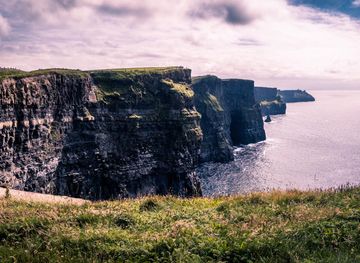
Discover Ireland: A land of enchanting landscapes, rich history, and vibrant culture, where every corner tells a story and every visit feels like coming home.
Explore Ireland