
Ulster (part within current Ireland), Ireland Travel Guide
Explore Ulster in Ireland - A land of ancient history, stunning landscapes, and vibrant culture. Discover the magic of Northern Ireland's hidden gem.
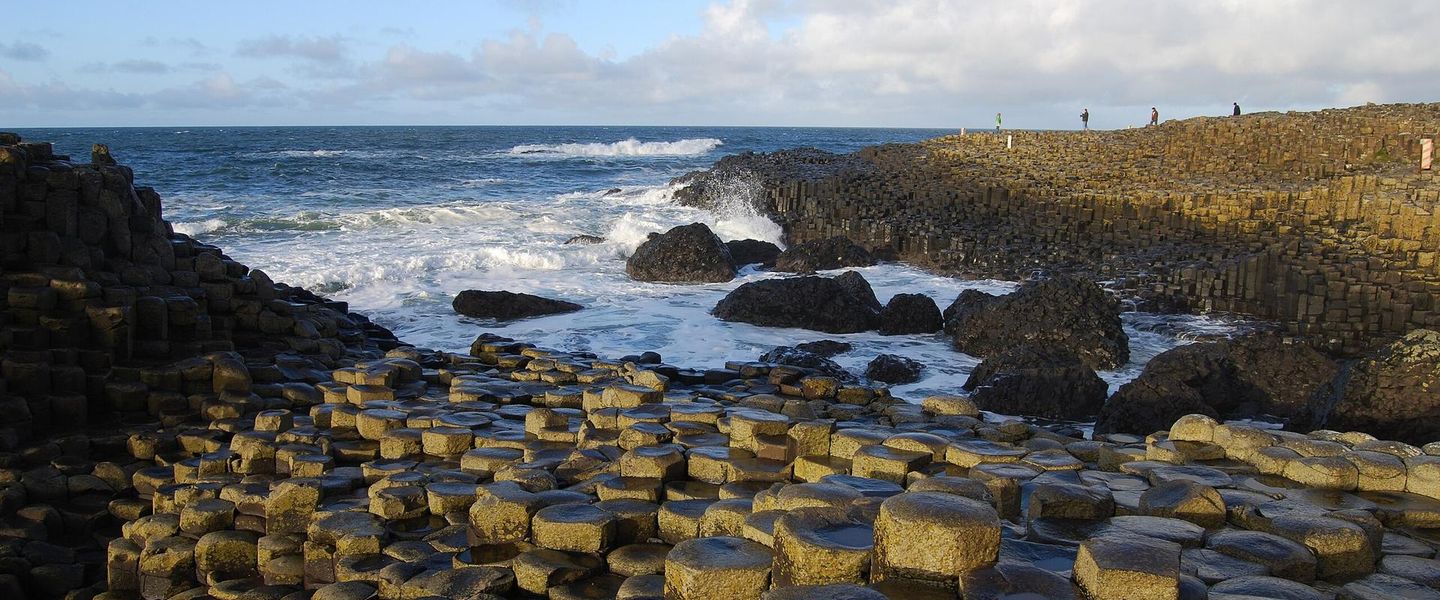
Ulster, the northern province of Ireland, is a region steeped in history, culture, and natural beauty. Known for its rolling hills, rugged coastlines, and charming towns, Ulster offers a unique blend of experiences for any traveler. From ancient archaeological sites to vibrant modern cities, this part of Ireland has something for everyone. One of the highlights of Ulster is its rich historical significance. The province is home to numerous ancient monuments and castles, such as the Navan Fort and Dunluce Castle. These sites offer a glimpse into Ireland's storied past and are a must-visit for history enthusiasts. Additionally, the region's folklore and legends add a mystical charm to the landscape, making every visit a journey through time. Nature lovers will find Ulster to be a paradise. The Giant's Causeway, a UNESCO World Heritage site, is one of the most iconic natural wonders in the area. With its unique basalt columns and stunning coastal views, it is a breathtaking sight to behold. For those who enjoy hiking, the Sperrin Mountains and the Mourne Mountains provide excellent trails with panoramic vistas. Ulster's diverse landscapes ensure that outdoor activities are plentiful and varied. The cultural heritage of Ulster is also a major draw. The province boasts a rich tradition of music, dance, and storytelling, which can be experienced at local festivals and events. Cities like Derry and Belfast offer a vibrant arts scene, with galleries, theaters, and live music venues. Visitors can immerse themselves in the local culture by exploring these urban centers and interacting with the friendly locals. Foodies will delight in Ulster's culinary offerings. The region is known for its hearty and delicious cuisine, featuring fresh, local ingredients. From traditional Irish stews to modern gourmet dishes, there is something to satisfy every palate. Be sure to try some local specialties, such as soda bread and Ulster fry, for a true taste of the region.

Know before you go
Hi, I'm Eve. Here are a few practical things to know before exploring Ulster (part within current Ireland).
- Dress in layers, as the weather can be unpredictable.
- Visit the Giant's Causeway early in the morning to avoid crowds.
- Rent a car to explore the scenic countryside at your own pace.
- Try to catch a traditional music session at a local pub.
- Check local festival dates for an enriched cultural experience.
Destinations in Ulster (part within current Ireland)
Resorts, valleys and scenic spots worth a trip of their own.



Explore Ulster (part within current Ireland): Things to Do, Places to Eat, Hotels & More
Handpicked recommendations for top attractions, local dining, accommodations, and more

Top Attractions & Sightseeing in Ulster (part within current Ireland)
Top-rated picks
Best Attractions

Titanic Belfast
Explore the Titanic Belfast Museum: Dive into the history of the RMS Titanic and experience its remarkable legacy in an iconic setting.

Giant's Causeway
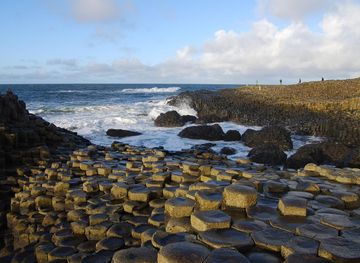
Explore the breathtaking beauty and folklore of Giant's Causeway, a UNESCO World Heritage site famed for its unique basalt columns and stunning coastal views.

The Dark Hedges
Explore the enchanting Dark Hedges in Northern Ireland, a stunning avenue of ancient trees perfect for photography and experiencing nature's beauty.

National Trust - Carrick-a-Rede
Experience the thrill of crossing Carrick-a-Rede, a stunning rope bridge with breathtaking views along Northern Ireland's scenic coastline.

Best landmarks in Ulster (part within current Ireland)
Top-rated picks
Best Landmarks

Titanic Belfast
Explore the iconic Titanic Belfast, where history comes alive through interactive exhibits and stunning architecture, celebrating the legacy of the RMS Titanic.

Giant's Causeway
Explore the stunning Giant's Causeway, a UNESCO World Heritage Site showcasing unique basalt columns and breathtaking coastal scenery in Northern Ireland.
Ireland
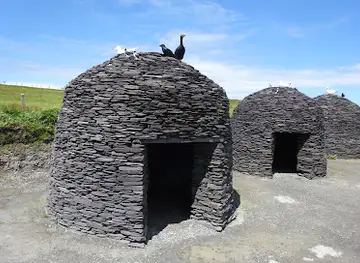
Explore the breathtaking landscapes, rich history, and vibrant culture of Ireland, the enchanting Emerald Isle of adventure and charm.

National Trust - Carrick-a-Rede
Explore the stunning Carrick-a-Rede rope bridge, where breathtaking views and rich history meet in the heart of Northern Ireland's coastal beauty.

Best restaurants in Ulster (part within current Ireland)
Top-rated picks
Best Restaurants

The Tides Restaurant
Experience modern European cuisine at The Tides Restaurant in Portrush with stunning coastal views and exceptional service.

55 Degrees North | Restaurant | Bistro | Cafe
Discover culinary excellence at 55 Degrees North Bistro in Portrush – where local flavors meet stunning coastal views.

Amici Ristorante
Discover authentic Italian cuisine at Amici Ristorante in Portstewart - where every meal is a celebration of flavor and hospitality.

The Rusty Saddle
Experience the best grilled dishes at The Rusty Saddle in Belfast - where flavor meets atmosphere in a delightful dining experience.

Best bars in Ulster (part within current Ireland)
Top-rated picks
Best Bars
Johnnie Fox's Pub
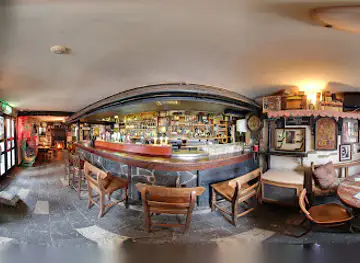
Experience the authentic Irish pub atmosphere at Johnnie Fox's Pub in Glencullen, Co. Dublin, where tradition meets hospitality.

Sean's Bar
Discover the charm of Sean's Bar in Athlone, one of Ireland's oldest pubs, serving delicious food and drinks in a vibrant atmosphere.

Kelly's Cellars
Immerse yourself in the authentic Irish experience at Kelly's Cellars, Belfast's historic pub offering traditional food, local brews, and live music.

The Dirty Onion and Yardbird
Experience the heart of Belfast at The Dirty Onion and Yardbird, where Irish hospitality meets delightful cuisine and live music.

Best nightclubs in Ulster (part within current Ireland)
Top-rated picks
Best Nightclubs

Voodoo
Experience the electric atmosphere of Voodoo, Belfast's top night club, featuring live music, great drinks, and an unforgettable nightlife experience.

The Anchor Bar Complex
Experience the vibrant nightlife and culinary delights at The Anchor Bar Complex in Portstewart, where fun meets flavor by the sea.

Ulster Sports Club
Discover Belfast's nightlife at Ulster Sports Club, where live music, sports, and tasty bites create the ultimate entertainment experience.

The Imperial Bar & Nightclub
Discover The Imperial Bar & Nightclub in Cavan, where gastropub delights meet electrifying live music and vibrant nightlife.

Best shops in Ulster (part within current Ireland)
Top-rated picks
Best Shops

Abbey Centre Shopping
Discover Abbey Centre Shopping, a lively retail and entertainment hub in Newtownabbey, featuring diverse shops and dining options for all tastes.

Connswater Shopping Centre
Discover Connswater Shopping Centre: Belfast's vibrant retail hub with diverse shops, dining options, and a welcoming atmosphere for all visitors.

Forestside Shopping Centre
Experience the best of Belfast shopping at Forestside Shopping Centre - a vibrant hub for fashion, dining, and family-friendly fun.

Foyleside Shopping Centre
Experience the ultimate shopping and dining escape at Foyleside Shopping Centre, Londonderry's premier shopping destination with something for everyone.

Explore Ulster (part within current Ireland) on the Map
A handpicked selection of must-see spots in Ulster (part within current Ireland), mapped for you.
Ulster (part within current Ireland) Essentials
-
Ulster (part within current Ireland) is easily accessible by various means of transportation. The nearest international airport is Belfast International Airport, located about 30 kilometers from the city center. From the airport, you can take a bus or taxi to reach your destination. Dublin Airport is also an option, being approximately 160 kilometers away from Ulster. Regular trains and buses operate between Dublin and Ulster, making it convenient to travel by public transport.
-
Within Ulster, you can navigate using a mix of public transport, taxis, and rental cars. Bus Éireann and Ulsterbus provide comprehensive bus services connecting towns and cities. The rail network, operated by Northern Ireland Railways, is another efficient way to travel between major destinations. Taxis are readily available in urban areas, and renting a car allows for greater flexibility, especially when exploring rural areas.
-
The official currency in Ulster (part within current Ireland) is the Euro (EUR). Credit and debit cards are widely accepted in hotels, restaurants, and shops. ATMs are plentiful, and you can withdraw cash using international cards. It is advisable to carry some cash for use in smaller towns and rural areas where card payments might not be accepted.
-
Ulster (part within current Ireland) is generally a safe destination for tourists. Nevertheless, it is wise to take standard precautions. Avoid carrying large amounts of cash and keep your personal belongings secure, especially in crowded places. Some areas in larger cities may have higher crime rates; it is advised to stay vigilant in unfamiliar neighborhoods and avoid walking alone at night.
-
In case of emergency, dial 112 or 999 for immediate assistance. These numbers can connect you to police, fire services, or medical emergencies. Major towns and cities in Ulster have hospitals and clinics that provide medical care. It is recommended to have travel insurance that covers medical emergencies. Pharmacies are available in most towns for minor health issues and over-the-counter medications.
-
Fashion: Do dress in layers as the weather can be unpredictable. Avoid overly casual clothing when visiting religious sites. Religion: Do respect local customs and traditions. Refrain from loud conversations in places of worship. Public Transport: Do be courteous and give up your seat for elderly passengers. Don’t eat or drink on public transport. Greetings: Do greet people with a friendly hello. Handshakes are common, especially during formal introductions. Eating & Drinking: Do try local Irish dishes and beverages. Don’t refuse hospitality, as it is considered impolite.
-
To experience Ulster like a local, visit the traditional pubs where you can enjoy live Irish music sessions. Engage with locals; they are often friendly and willing to share stories about the region's history and culture. Don't miss visiting the Giant's Causeway, a natural wonder and UNESCO World Heritage Site. Explore the scenic Causeway Coastal Route for breathtaking views. Visiting local markets provides an opportunity to buy fresh produce and artisanal goods.
When is the best time to visit Ulster (part within current Ireland)?
Useful Local Phrases for Ulster (part within current Ireland)
You don't need to speak the language perfectly. Even learning a few simple words can make conversations warmer—and locals usually appreciate the effort.
— Eve

Here are the phrases I use most often in Ulster (part within current Ireland). Try a few—you'll be surprised how far they go! 😊
❤️
-
- HelloHello
[həˈloʊ] - GoodbyeGoodbye
[ɡʊdˈbaɪ] - YesAye
[aɪ] - NoNo
[noʊ] - Please/You're welcomePlease/You're welcome
[pliːz/jʊr ˈwɛlkəm] - Thank youThank you
[θæŋk ju] - Excuse me/SorryExcuse me/Sorry
[ɪkˈskjus mi/ˈsɑri] - How are you?How are ye?
[haʊ ɑr ji] - Fine. And you?Grand. And ye?
[ɡrænd. ənd ji] - Do you speak English?Do ye speak English?
[du ji spiːk ˈɪŋɡlɪʃ] - I don't understandI dinna understand
[aɪ ˈdɪnə ˌʌndərˈstænd]
- HelloHello
-
- I'd like to see the menu, pleaseI’d like to see the menu, please
[aɪd laɪk tə si ðə ˈmɛnju, pliːz] - I don't eat meatI don’t eat meat
[aɪ doʊnt it miːt] - Cheers!Sláinte!
[slɑːntʃə] - I would like to pay, pleaseI’d like to pay, please
[aɪd laɪk tə peɪ, pliːz]
- I'd like to see the menu, pleaseI’d like to see the menu, please
-
- Help!Help!
[hɛlp] - Go away!Clear off!
[klɪər ɔf] - Call the Police!Call the Police!
[kɔl ðə pəˈliːs] - Call a doctor!Call a doctor!
[kɔl ə ˈdɑktər] - I'm lostI’m lost
[aɪm lɔst] - I'm illI’m unwell
[aɪm ʌnˈwɛl]
- Help!Help!
-
- I'd like to buy...I’d like to buy...
[aɪd laɪk tə baɪ...] - I'm just lookingI’m just looking
[aɪm dʒʌst ˈlʊkɪŋ] - How much is it?How much is it?
[haʊ mʌtʃ ɪz ɪt] - That's too expensiveThat’s far too dear
[ðæts fɑr tu dɪr] - Can you lower the price?Can ye lower the price?
[kæn ji ˈloʊər ðə praɪs]
- I'd like to buy...I’d like to buy...
-
- What time is it?What time is it?
[wʌt taɪm ɪz ɪt] - It's one o'clockIt’s one o’clock
[ɪts wʌn əˈklɑk] - Half past (10)Half past (10)
[hæf pæst (10)] - MorningMorning
[ˈmɔrnɪŋ] - AfternoonAfternoon
[ˌæftərˈnun] - EveningEvening
[ˈiːv.nɪŋ] - YesterdayYesterday
[ˈjɛstərdeɪ] - TodayToday
[təˈdeɪ] - TomorrowTomorrow
[təˈmɔroʊ] - 11
[wʌn] - 22
[tuː] - 33
[θriː] - 44
[fɔːr] - 55
[faɪv] - 66
[sɪks] - 77
[sɛvən] - 88
[eɪt] - 99
[naɪn] - 1010
[tɛn]
- What time is it?What time is it?
-
- Where's a/the...?Where’s a/the...?
[wɛrz ə/ðə...?] - What's the address?What’s the address?
[wʌts ði əˈdrɛs?] - Can you show me (on the map)?Can ye show me (on the map)?
[kæn ji ʃoʊ mi (ɒn ðə mæp)?] - When's the next (bus)?When’s the next (bus)?
[wɛn z ðə nɛkst (bʌs)?] - A ticket (to ....)A ticket (to ....)
[ə ˈtɪkɪt (tə ....)]
- Where's a/the...?Where’s a/the...?
History of Ulster (part within current Ireland)
-
Ulster boasts some of Ireland's oldest settlements, dating back to the Neolithic period. The region is home to ancient monuments such as the Grianán of Aileach, a stone fort thought to have been a royal site in early medieval times. The landscape is dotted with megalithic tombs, standing stones, and ringforts, testifying to the rich early human activity in the area.
-
The Celts arrived in Ulster around 500 BC, bringing with them their distinct language, culture, and social structures. They established powerful kingdoms, such as the Ulaid and the Airgíalla, which played pivotal roles in the region's history. The great epic 'Táin Bó Cúailnge' (The Cattle Raid of Cooley) originates from this era, recounting the exploits of the hero Cú Chulainn in Ulster.
-
Christianity began to spread in Ulster around the 5th century AD, spearheaded by figures such as St. Patrick. The region saw the establishment of numerous monasteries, including those at Armagh, Devenish Island, and Movilla Abbey. These became centers for learning, culture, and religious devotion, producing illuminated manuscripts and attracting scholars from across Europe.
-
Beginning in the late 8th century, Ulster experienced repeated Viking invasions. These Norsemen raided monastic settlements and coastal communities, but also established trading ports and intermarried with the local population. The influence of the Vikings is still evident in place names and archaeological sites throughout the region.
-
In the 12th century, the Normans launched invasions into Ulster, leading to significant changes in the region's political landscape. The Normans built impressive castles, such as those at Carrickfergus and Dundrum, and established new towns. Their presence introduced new architectural styles, agricultural practices, and administrative systems.
-
The late 16th century saw Ulster embroiled in the Nine Years' War, a conflict between Irish chieftains and English forces. The war ended in 1603 with the defeat of the Irish. In 1607, the Flight of the Earls occurred, when several Gaelic lords fled to continental Europe, marking the end of Gaelic Ulster and paving the way for the Plantation of Ulster by English and Scottish settlers.
-
The early 17th century saw the English Crown initiate the Plantation of Ulster, encouraging Protestant settlers from Scotland and England to colonize the region. This led to significant demographic and cultural changes, establishing a Protestant majority and contributing to longstanding sectarian divisions. The new settlers built towns, such as Derry (Londonderry), and introduced new agricultural techniques.
-
The late 17th century was marked by the Williamite War in Ireland, a conflict between the Catholic King James II and the Protestant William of Orange. One of the pivotal events was the Siege of Derry in 1689, where Protestant defenders held out against James's forces. The city's walls and the story of the siege remain key historical landmarks.
-
The 19th century Industrial Revolution brought significant economic and social changes to Ulster. The region became a hub for linen production, shipbuilding, and other industries. Towns like Belfast grew rapidly, transforming into major industrial and commercial centers. This period also saw significant emigration due to economic hardship and political unrest.
-
The early 20th century was a tumultuous period for Ulster. The Irish War of Independence (1919-1921) led to the creation of the Irish Free State, but Ulster's predominantly Protestant counties opted to remain part of the United Kingdom. This resulted in the partition of Ireland in 1921, establishing Northern Ireland as a separate entity, which continues to impact the region's political and social landscape.
-
From the late 1960s to the 1998 Good Friday Agreement, Ulster experienced a period of intense sectarian conflict known as 'The Troubles.' This conflict involved violent clashes between nationalist/republican and unionist/loyalist communities, resulting in significant loss of life and social upheaval. The legacy of The Troubles continues to influence contemporary Ulster, though the peace process has brought relative stability.
Neighbouring Regions of Ulster (part within current Ireland)
The closest regions to Ulster (part within current Ireland), if you have time for more than one.
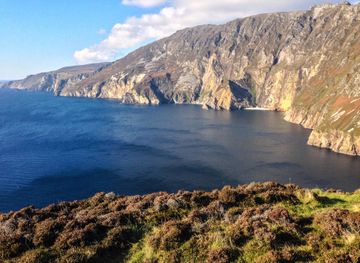
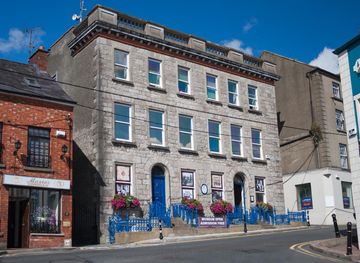


Your all‑in‑one travel companion app
Explore expert travel guides, compare and book tours, experiences, hotels, and more—all from the palm of your hand. Download now for seamless trip planning wherever your wanderlust takes you.


Explore More of Ireland
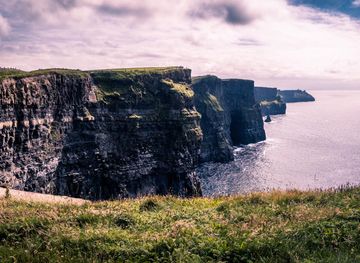
Looking beyond Ulster (part within current Ireland)? Discover Ireland for broader travel guides, local hot-spots, and regional highlights.
Explore IrelandUlster (part within current Ireland) in Photos
Browse through our photo collection highlighting the charm and character of the destination.
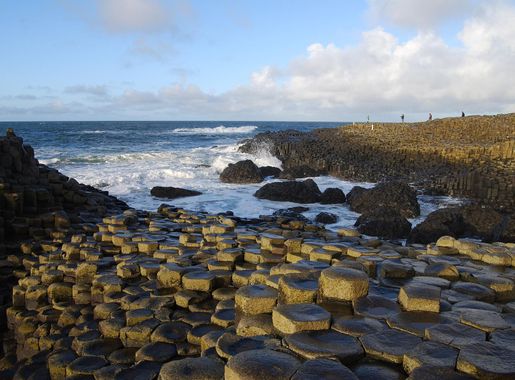


Ulster: Ireland's Northern Gem
Ulster, the northern province of Ireland, is a region steeped in history, culture, and natural beauty. Known for its rolling hills, rugged coastlines, and charming towns, Ulster offers a unique blend of experiences for any traveler. From ancient archaeological sites to vibrant modern cities, this part of Ireland has something for everyone. One of the highlights of Ulster is its rich historical significance. The province is home to numerous ancient monuments and castles, such as the Navan Fort and Dunluce Castle. These sites offer a glimpse into Ireland's storied past and are a must-visit for history enthusiasts. Additionally, the region's folklore and legends add a mystical charm to the landscape, making every visit a journey through time. Nature lovers will find Ulster to be a paradise. The Giant's Causeway, a UNESCO World Heritage site, is one of the most iconic natural wonders in the area. With its unique basalt columns and stunning coastal views, it is a breathtaking sight to behold. For those who enjoy hiking, the Sperrin Mountains and the Mourne Mountains provide excellent trails with panoramic vistas. Ulster's diverse landscapes ensure that outdoor activities are plentiful and varied. The cultural heritage of Ulster is also a major draw. The province boasts a rich tradition of music, dance, and storytelling, which can be experienced at local festivals and events. Cities like Derry and Belfast offer a vibrant arts scene, with galleries, theaters, and live music venues. Visitors can immerse themselves in the local culture by exploring these urban centers and interacting with the friendly locals. Foodies will delight in Ulster's culinary offerings. The region is known for its hearty and delicious cuisine, featuring fresh, local ingredients. From traditional Irish stews to modern gourmet dishes, there is something to satisfy every palate. Be sure to try some local specialties, such as soda bread and Ulster fry, for a true taste of the region.