

County Sligo, Ireland Travel Guide
Discover County Sligo, Ireland's hidden gem, where natural beauty, ancient history, and cultural heritage come together to create an unforgettable experience.
County Sligo, located on the stunning west coast of Ireland, is a treasure trove of natural beauty, rich history, and cultural heritage. Known as 'Yeats Country,' it is where the famous poet W.B. Yeats found much of his inspiration. The county is dotted with ancient monuments, rolling hills, and pristine beaches that offer a serene escape from the hustle and bustle of everyday life. Visitors to County Sligo can explore the impressive Benbulben Mountain, often called Ireland's Table Mountain. This unique rock formation offers scenic hiking trails and breathtaking views of the surrounding countryside. The nearby Glencar Waterfall, immortalized in Yeats' poetry, is a must-see, especially after a rainfall when it is at its most dramatic. The coastal town of Strandhill is perfect for those who love the sea. It's renowned for its surfing spots and vibrant local community. Don't miss a visit to the Voya Seaweed Baths for a traditional Irish seaweed bath experience. History buffs will revel in exploring Carrowmore Megalithic Cemetery, one of the largest and oldest Stone Age cemeteries in Ireland. Each grave tells a story of the ancient people who once roamed this land. County Sligo is also home to Lough Gill, a picturesque lake surrounded by lush forests. Take a boat trip to the Isle of Innisfree or enjoy a peaceful walk along the shore. The charming town of Sligo itself offers a range of attractions including the Sligo Abbey, a 13th-century Dominican Friary, and a number of art galleries, shops, and traditional Irish pubs where you can enjoy live music and local cuisine.

Know before you go
Hi, I'm Eve. Here are a few practical things to know before exploring County Sligo.
- Pack sturdy walking shoes for exploring the rugged landscapes and hiking trails.
- Visit in the spring or early autumn to avoid the summer crowds and enjoy milder weather.
- Try the local seafood; Strandhill and Sligo town have excellent restaurants.
- Carry some cash as not all rural pubs and shops accept credit cards.
- Check the tide times if you plan to visit the beaches, especially for activities like surfing.
Top City Travel Guides in County Sligo
The cities of County Sligo, and the easiest places to base yourself.

Explore County Sligo: Things to Do, Places to Eat, Hotels & More
Handpicked recommendations for top attractions, local dining, accommodations, and more

Top Attractions & Sightseeing in County Sligo
Top-rated picks
Best Attractions

Strandhill Beach
Experience the breathtaking beauty and vibrant atmosphere of Strandhill Beach, a must-visit coastal gem in Co. Sligo, Ireland.

Rosses Point Beach
Experience the serene beauty of Rosses Point Beach, a stunning public beach in County Sligo, perfect for relaxation and adventure along the Wild Atlantic Way.

Carrowmore Megalithic Cemetery
Explore the ancient wonders of Carrowmore Megalithic Cemetery, a cornerstone of Ireland's prehistoric heritage, set against the stunning backdrop of County Sligo.

Sligo Abbey
Discover the timeless allure of Sligo Abbey, a historical landmark that offers a glimpse into Ireland's medieval past amidst stunning architecture.

Best landmarks in County Sligo
Top-rated picks
Best Landmarks

Glencar Waterfall
Experience the breathtaking beauty of Glencar Waterfall, a serene escape in County Leitrim surrounded by lush landscapes and tranquil waters.

Rosses Point Beach
Experience the tranquility and natural beauty of Rosses Point Beach in Co. Sligo, a perfect getaway on Ireland's Wild Atlantic Way.

Carrowmore Megalithic Cemetery
Immerse yourself in Ireland's ancient past at Carrowmore Megalithic Cemetery, a captivating historical site filled with rich archaeological wonders.

Sligo Abbey
Explore the enchanting Sligo Abbey, a 13th-century Franciscan monastery rich in history and stunning architecture, located in the heart of Sligo, Ireland.

Best restaurants in County Sligo
Top-rated picks
Best Restaurants
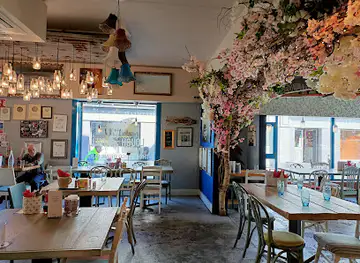
Hooked
Discover the flavors of Ireland at Hooked in Sligo - where fresh seafood meets warm hospitality in an inviting setting.

Molly Fulton's Bar
Experience authentic Irish cuisine and hospitality at Molly Fulton's Bar in Carrickhenry, Co. Sligo.

The Venue Bar and Restaurant
Discover authentic Irish hospitality at The Venue Bar and Restaurant in Co. Sligo - where great food meets lively entertainment.

Hargadon Bros
Experience authentic Irish hospitality at Hargadon Bros - Sligo's beloved gastropub offering delicious food and live music.

Best bars in County Sligo
Top-rated picks
Best Bars

The Strand Bar
Discover The Strand Bar in Strandhill, Co. Sligo: where stunning views meet a delightful fusion of grilled, Chinese, and tapas cuisine.

Swagman Bar
Experience authentic Irish hospitality at Swagman Bar, a cozy pub in Sligo serving delicious food and an extensive drink selection.

Molly Fulton's Bar
Discover Molly Fulton's Bar in Co. Sligo, where traditional Irish flavors meet contemporary dining in a cozy setting.

Thomas Connolly Bar
Discover the charm of Thomas Connolly Bar, a heritage Irish pub in Sligo, where tradition meets friendly hospitality and local flavors.

Best nightclubs in County Sligo
Top-rated picks
Best Nightclubs

The Garavogue Bar
Experience Sligo's nightlife at The Garavogue Bar, a lively cocktail bar and live music venue offering crafted drinks and unforgettable entertainment.

Lola Montez
Discover the lively nightlife at Lola Montez, Sligo's intimate night club known for great music, friendly atmosphere, and unforgettable evenings.

Toffs Niteclub
Discover the vibrant nightlife of Sligo at Toffs Niteclub, where music, dance, and friendly faces create an unforgettable experience.

Best shops in County Sligo
Top-rated picks
Best Shops

Penneys
Discover affordable fashion and unique homeware at Penneys in Sligo, where style meets budget-friendly shopping.

MrPRICE Sligo
Explore unbeatable deals at MrPRICE Sligo, the ultimate discount store for budget-friendly shopping in Cleveragh, Co. Sligo.

Quayside Shopping Centre
Uncover a delightful array of shops and dining experiences at Quayside Shopping Centre, Sligo's premier shopping destination.

Dealz
Explore Sligo's Dealz: Your one-stop shop for affordable essentials, trendy clothing, and unique gifts in the heart of Ireland.

Explore County Sligo on the Map
A handpicked selection of must-see spots in County Sligo, mapped for you.
County Sligo Essentials
-
County Sligo is accessible via several modes of transportation. The nearest international airports are Ireland West Airport Knock (approximately 54 km away) and Dublin Airport (approximately 215 km away). From these airports, you can take a bus, rent a car, or hire a taxi to Sligo. Irish Rail provides train services from Dublin to Sligo, and Bus Éireann offers bus services from major cities to Sligo town.
-
Once in County Sligo, getting around is relatively easy. Sligo town has a local bus service operated by Bus Éireann that connects key points within the town and nearby areas. Taxis are readily available and can be hailed on the street or booked in advance. For exploring the scenic countryside, renting a car is recommended. Cycling is also a popular option for shorter distances.
-
The official currency in Ireland is the Euro (EUR). Credit and debit cards are widely accepted in hotels, restaurants, and shops. ATMs are available throughout Sligo town and in larger villages. For smaller establishments and rural areas, it is advisable to carry some cash. Contactless payment methods are also commonly used.
-
County Sligo is generally a safe destination for tourists. However, as with any travel destination, it is important to take standard precautions. Avoid walking alone at night in unfamiliar areas and keep an eye on your belongings in crowded places. There are no specific high-crime areas targeting tourists, but it is always best to stay vigilant and aware of your surroundings.
-
In case of emergency, dial 999 or 112 for immediate assistance. Sligo has a general hospital, Sligo University Hospital, which provides emergency medical services. For minor health issues, there are several pharmacies in Sligo town where you can purchase over-the-counter medications. It is recommended to have travel insurance that covers medical emergencies.
-
Fashion: Do dress in layers as the weather can be unpredictable. Casual and comfortable clothing is suitable for most activities. Religion: Do respect local customs and traditions. When visiting religious sites, dress modestly and remove hats. Public Transport: Do be respectful and give up your seat to elderly or disabled passengers. Don't eat or drink on public transport. Greetings: Do greet people with a friendly hello or a handshake. A smile goes a long way. Eating & Drinking: Do try local delicacies such as seafood and traditional Irish dishes. Don't refuse hospitality as it is considered impolite.
-
To experience County Sligo like a local, visit the farmers' markets where you can buy fresh produce and handmade crafts. Engage with locals, who are known for their friendliness and willingness to share stories about the area's history and culture. Don't miss exploring the natural beauty of places like Benbulben Mountain and the beaches of Strandhill and Rosses Point. For a unique experience, attend a traditional Irish music session in one of the local pubs.
When is the best time to visit County Sligo?
Useful Local Phrases for County Sligo
You don't need to speak the language perfectly. Even learning a few simple words can make conversations warmer—and locals usually appreciate the effort.
— Eve

Here are the phrases I use most often in County Sligo. Try a few—you'll be surprised how far they go! 😊
❤️
-
- HelloDia dhuit
[Dee-ah gwit] - GoodbyeSlán
[Slawn] - YesTá
[Taw] - NoNíl
[Neel] - Please/You're welcomeLe do thoil
[Leh do hull] - Thank youGo raibh maith agat
[Guh rev mah agat] - Excuse me/SorryGabh mo leithscéal
[Gav muh lesh-kayl] - How are you?Conas atá tú?
[Cunnus ah-taw too] - Fine. And you?Go maith. Agus tú?
[Guh mah. Agus too?] - Do you speak English?An labhraíonn tú Béarla?
[An lav-ree-un too Bayr-la?] - I don't understandNí thuigim
[Nee hwig-im]
- HelloDia dhuit
-
- I'd like to see the menu, pleaseBa bhreá liom an gclár a fheiceáil, le do thoil
[Bah vraw lyum an glawr a heh-kayl, leh do hull] - I don't eat meatNí ithim feoil
[Nee ee-him fail] - Cheers!Sláinte!
[Slawn-che] - I would like to pay, pleaseBa bhreá liom íoc, le do thoil
[Bah vraw lyum eek, leh do hull]
- I'd like to see the menu, pleaseBa bhreá liom an gclár a fheiceáil, le do thoil
-
- Help!Cabhair!
[Cow-er] - Go away!Imigh as
[Im-ee ash] - Call the Police!Glaoigh ar na Póilíní!
[Glee-ar na Poo-leen-ee] - Call a doctor!Glaoigh ar dochtúir!
[Glee-ar dor-htoor] - I'm lostTáim caillte
[Taw-im kylt-eh] - I'm illTáim tinn
[Taw-im tin]
- Help!Cabhair!
-
- I'd like to buy...Ba bhreá liom a cheannach...
[Bah vraw lyum a khan-ukh...] - I'm just lookingTáim ag féachaint
[Taw-im egg fay-hint] - How much is it?Cad é an praghas?
[Cad ay an prah-us?] - That's too expensiveTá sé róchostasach
[Taw shay roh-kos-tahk] - Can you lower the price?An féidir leat an praghas a laghdú?
[An fay-dheer lat an prah-us a lough-doo?]
- I'd like to buy...Ba bhreá liom a cheannach...
-
- What time is it?Cén t-am é?
[Kayn tahm ay?] - It's one o'clockIs a haon a chlog
[Is a hawn a clug] - Half past (10)Leath a chlog (10)
[Leh a clug (10)] - MorningMaidin
[Maw-din] - AfternoonTráthnóna
[Tra-hnoh-na] - EveningTráthnóna
[Tra-hnoh-na] - YesterdayInné
[In-yay] - TodayInniu
[In-yoo] - TomorrowAmárach
[Ah-mah-rahk] - 11
[1] - 22
[2] - 33
[3] - 44
[4] - 55
[5] - 66
[6] - 77
[7] - 88
[8] - 99
[9] - 1010
[10]
- What time is it?Cén t-am é?
-
- Where's a/the...?Cá bhfuil an...?
[Caw will an...?] - What's the address?Cad é an seoladh?
[Cad ay an shol-adh?] - Can you show me (on the map)?An féidir leat dom a thaispeáint (ar an mapa)?
[An fay-dheer lat dum a hash-paynt (ar an mah-pah)?] - When's the next (bus)?Cathain a bheidh an (bus) eile?
[Ka-hawn a vay an (bus) ell-eh?] - A ticket (to ....)Ticéad (go ....)
[Tick-ay-d (guh ....)]
- Where's a/the...?Cá bhfuil an...?
History of County Sligo
-
County Sligo is steeped in ancient history, with evidence of human settlements dating back to around 4000 BC. The region is dotted with megalithic sites, including the Carrowmore Megalithic Cemetery, one of the largest collections of megalithic tombs in Ireland. These ancient structures are believed to predate the pyramids of Egypt. According to local mythology, the area was also home to the legendary Queen Maeve, who is said to be buried in a cairn atop Knocknarea Mountain, overlooking Sligo Bay.
-
The arrival of the Normans in the 12th century brought significant changes to County Sligo. In 1235, Maurice Fitzgerald, a Norman lord, established Sligo Abbey, also known as the Dominican Friary. This abbey became a center for religious and cultural life in the region. The town of Sligo itself began to grow around this time, benefiting from the trade and commerce that the Normans introduced. The remnants of Sligo Abbey still stand today, offering a glimpse into the medieval past of the county.
-
The Great Famine of the mid-19th century had a devastating impact on County Sligo, as it did on much of Ireland. The failure of the potato crop led to widespread starvation and disease. Thousands of people from Sligo emigrated in search of a better life, many of them departing from Sligo Quay. The famine left an indelible mark on the county, and its effects are remembered through various memorials, including the Famine Memorial in Sligo town.
-
County Sligo is closely associated with the famed poet and Nobel laureate W.B. Yeats. Yeats spent much of his childhood in Sligo and drew immense inspiration from its landscapes and folklore. His works often reference locations in the county, such as Lough Gill and the Isle of Innisfree. The Yeats Society in Sligo town celebrates his legacy, and the annual Yeats Summer School attracts scholars and enthusiasts from around the world. Visitors can also explore the Yeats Trail, which guides them through the poet's favorite haunts and inspirations.
-
Today, County Sligo is a vibrant hub of cultural activity. The county hosts numerous festivals celebrating its rich heritage, including the Sligo Live music festival and the Tread Softly Festival, which honors the literary contributions of W.B. Yeats and his brother, the artist Jack B. Yeats. The Hawk's Well Theatre and The Model arts center are key venues that showcase local and international talent. Sligo's cultural scene is a testament to its ongoing tradition of artistic and creative expression.
Neighbouring Regions of County Sligo
The closest regions to County Sligo, if you have time for more than one.


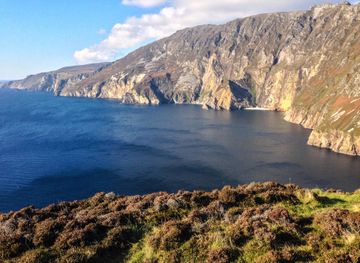

Your all‑in‑one travel companion app
Explore expert travel guides, compare and book tours, experiences, hotels, and more—all from the palm of your hand. Download now for seamless trip planning wherever your wanderlust takes you.


Explore More of Ireland
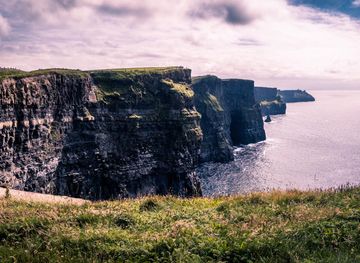
Looking beyond County Sligo? Discover Ireland for broader travel guides, local hot-spots, and regional highlights.
Explore IrelandCounty Sligo in Photos
Browse through our photo collection highlighting the charm and character of the destination.


The Enchanting County Sligo: Ireland's Hidden Gem
County Sligo, located on the stunning west coast of Ireland, is a treasure trove of natural beauty, rich history, and cultural heritage. Known as 'Yeats Country,' it is where the famous poet W.B. Yeats found much of his inspiration. The county is dotted with ancient monuments, rolling hills, and pristine beaches that offer a serene escape from the hustle and bustle of everyday life. Visitors to County Sligo can explore the impressive Benbulben Mountain, often called Ireland's Table Mountain. This unique rock formation offers scenic hiking trails and breathtaking views of the surrounding countryside. The nearby Glencar Waterfall, immortalized in Yeats' poetry, is a must-see, especially after a rainfall when it is at its most dramatic. The coastal town of Strandhill is perfect for those who love the sea. It's renowned for its surfing spots and vibrant local community. Don't miss a visit to the Voya Seaweed Baths for a traditional Irish seaweed bath experience. History buffs will revel in exploring Carrowmore Megalithic Cemetery, one of the largest and oldest Stone Age cemeteries in Ireland. Each grave tells a story of the ancient people who once roamed this land. County Sligo is also home to Lough Gill, a picturesque lake surrounded by lush forests. Take a boat trip to the Isle of Innisfree or enjoy a peaceful walk along the shore. The charming town of Sligo itself offers a range of attractions including the Sligo Abbey, a 13th-century Dominican Friary, and a number of art galleries, shops, and traditional Irish pubs where you can enjoy live music and local cuisine.