

County Leitrim, Ireland Travel Guide
Discover County Leitrim: Ireland's serene haven of natural beauty, cultural richness, and unspoiled landscapes, perfect for adventurers and tranquility seekers alike.
County Leitrim, nestled in the northwest of Ireland, is an enchanting destination known for its unspoiled landscapes and rich cultural heritage. This hidden gem offers visitors a glimpse into the heart of Irish countryside, away from the hustle and bustle of more frequented tourist spots. Here, you will find rolling hills, tranquil lakes, and charming villages that seem untouched by time. Leitrim is a paradise for outdoor enthusiasts. The county is home to the stunning Glencar Waterfall, immortalized by the poet W.B. Yeats. The waterfall, surrounded by lush greenery, is a perfect spot for a serene walk or a picnic. Additionally, the Shannon-Erne Waterway runs through the county, providing ample opportunities for boating, fishing, and picturesque riverside strolls. The cultural fabric of Leitrim is woven with traditional Irish music, folklore, and local festivals. The town of Carrick-on-Shannon, the county's largest, offers lively pubs where you can enjoy a pint while listening to traditional music. Don't miss the Leitrim Sculpture Centre in Manorhamilton, which showcases contemporary art and crafts from local artists. For history buffs, the county is dotted with ancient ruins and historical sites, such as the ruins of Fenagh Abbey. Whether you're seeking adventure, relaxation, or a cultural experience, County Leitrim provides a refreshing escape into nature and tradition. Its warm and welcoming locals will make your visit truly memorable.

Know before you go
Hi, I'm Eve. Here are a few practical things to know before exploring County Leitrim.
- Visit Glencar Waterfall early in the morning to avoid crowds and capture the best photos.
- Take a boat trip on the Shannon-Erne Waterway for a unique perspective of the county’s scenic beauty.
- Check local event calendars for traditional music sessions and festivals in Carrick-on-Shannon.
- Wear comfortable walking shoes as many attractions involve nature trails and uneven terrain.
- Stop by local markets for fresh produce and handmade crafts to experience the local culture.
Top City Travel Guides in County Leitrim
The cities of County Leitrim, and the easiest places to base yourself.

Explore County Leitrim: Things to Do, Places to Eat, Hotels & More
Handpicked recommendations for top attractions, local dining, accommodations, and more

Top Attractions & Sightseeing in County Leitrim
Top-rated picks
Best Attractions

Glencar Waterfall
Discover the enchanting Glencar Waterfall in County Leitrim, a breathtaking natural attraction surrounded by lush landscapes and rich Irish folklore.

Lough Key Forest & Activity Park
Explore the breathtaking Lough Key Forest & Activity Park, a perfect blend of nature, history, and adventure in County Roscommon.

Arigna Mining Experience
Uncover the legacy of coal mining in Ireland at the Arigna Mining Experience, where history meets breathtaking landscapes.

Parke's Castle
Explore Parke's Castle, a breathtaking historical site in Co. Leitrim, showcasing Ireland's rich heritage and stunning architectural beauty.

Best landmarks in County Leitrim
Top-rated picks
Best Landmarks

Ireland
Discover Ireland's breathtaking landscapes, rich history, and vibrant culture, making it a top travel destination for adventurers and culture seekers alike.

Glencar Waterfall
Discover the enchanting beauty of Glencar Waterfall in Co. Leitrim, a must-see natural wonder surrounded by lush landscapes and folklore.

Lough Key Forest & Activity Park
Explore the natural beauty and thrilling adventures at Lough Key Forest & Activity Park, where history meets outdoor fun in County Roscommon.

Arigna Mining Experience
Discover the rich history of Ireland's coal mining at the Arigna Mining Experience, a captivating journey into the underground world of miners in Roscommon.

Best restaurants in County Leitrim
Top-rated picks
Best Restaurants

Cox's Steakhouse
Experience the best steak in Ireland at Cox's Steakhouse in Co. Leitrim - where local flavors meet exceptional hospitality.

The Oarsman
Experience the charm of Irish cuisine at The Oarsman in Carrick-On-Shannon - where tradition meets modern gastronomy.

The Brandywell
Discover the heart of Ireland at The Brandywell, where exquisite dining meets cozy bed & breakfast charm in Dromod.
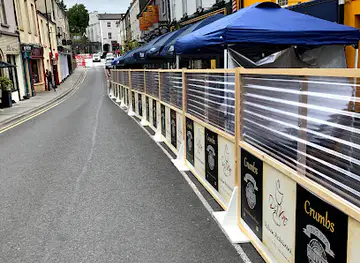
Di Vino Italian Restaurant
Experience authentic Italian cuisine at Di Vino Restaurant in Carrick-On-Shannon - where every dish tells a story.

Best bars in County Leitrim
Top-rated picks
Best Bars

The Oarsman
Experience the finest Irish cuisine at The Oarsman, a gastropub in Carrick-On-Shannon, where local flavors meet a vibrant atmosphere.

Smyth's Siopa Ól Pub
Experience the warmth of Irish culture at Smyth's Siopa Ól Pub in Ballinamore, where authentic brews and live music create a lively atmosphere.

Dunnes Bar
Discover the heart of Carrick-On-Shannon at Dunnes Bar – a lively pub with live music, great drinks, and an authentic Irish atmosphere.

Murtagh's Bar
Discover the charm of Murtagh's Bar in Carrick-On-Shannon, where great drinks and live music create unforgettable memories.

Best nightclubs in County Leitrim
Top-rated picks
Best Nightclubs

Murtagh's Bar
Experience the vibrant Irish spirit at Murtagh's Bar in Carrick-On-Shannon, where friendly staff and lively music create unforgettable nights.

McHugh's Pub
Discover the heart of Carrick-On-Shannon at McHugh's Pub, where tradition and camaraderie blend in a lively atmosphere.

Gings Bar
Discover the lively spirit of Gings Bar in Carrick-On-Shannon, where great drinks and a friendly atmosphere await every visitor.

Cryan's Teach Ceoil
Immerse yourself in Irish culture at Cryan's Teach Ceoil, where traditional music meets the perfect pint in the heart of Carrick-On-Shannon.

Best shops in County Leitrim
Top-rated picks
Best Shops

Mulveys House of Gifts
Explore Mulveys House of Gifts in Carrick-On-Shannon for unique treasures, handcrafted items, and delightful souvenirs to remember your trip.

Rosebank Retail Park
Explore Rosebank Retail Park: A Shopping Paradise in Carrick-On-Shannon with Diverse Shops and Eateries for Every Taste.

Scollan's Gala Drumshanbo
Experience local flavors and warm hospitality at Scollan's Gala Drumshanbo, the go-to grocery store for fresh produce and Irish delicacies.

Jinny's Tearooms at Acres
Discover the charm of Jinny's Tearooms at Acres, a bakery and café offering homemade treats in the scenic Co. Leitrim, perfect for relaxation and indulgence.

Explore County Leitrim on the Map
A handpicked selection of must-see spots in County Leitrim, mapped for you.
County Leitrim Essentials
-
County Leitrim is located in the northwest of Ireland. The nearest international airports are Dublin Airport and Shannon Airport. From Dublin, you can drive to Leitrim in approximately 2.5 hours via the M4 and N4 roads. From Shannon, the drive takes around 2.5 hours via the N18 and N17 roads. Public transport options include taking a train or bus from Dublin to Carrick-on-Shannon, Leitrim's largest town. Bus services are also available from other major Irish cities.
-
Within County Leitrim, local buses operate between towns and villages, but services may be infrequent, especially in rural areas. Renting a car is highly recommended for exploring the county's scenic routes and remote attractions at your own pace. Taxis are available in major towns like Carrick-on-Shannon and Manorhamilton. Bicycles can be rented for those who prefer a more active mode of transportation.
-
The official currency in Ireland is the Euro (€). Credit and debit cards are widely accepted in hotels, restaurants, and larger shops. However, it is advisable to carry some cash, especially when visiting smaller villages and rural areas where card payments may not be accepted. ATMs are available in towns such as Carrick-on-Shannon and Manorhamilton.
-
County Leitrim is generally a safe destination with low crime rates. However, tourists should take standard precautions such as not leaving valuables in plain sight in parked cars and being mindful of personal belongings in crowded areas. There are no specific high-crime areas targeting tourists, but it is always wise to remain vigilant and aware of your surroundings, particularly at night.
-
In case of an emergency, dial 112 or 999 for immediate assistance. Emergency services include police, fire, and ambulance. Carrick-on-Shannon has a hospital with an emergency department, and there are several medical clinics and pharmacies throughout the county. It is recommended to have travel insurance that covers medical emergencies. For minor health issues, local pharmacies can provide over-the-counter medications.
-
Fashion: Do dress in layers as the weather can be unpredictable. Waterproof clothing is advisable due to frequent rain. Avoid overly flashy clothing. Religion: Do respect local customs and traditions, especially when visiting churches. Public Transport: Do be courteous to fellow passengers and give up your seat to elderly or disabled individuals. Don’t eat or drink on public transport. Greetings: Do greet people with a friendly 'hello' or 'hi'. A handshake is common when meeting someone for the first time. Eating & Drinking: Do try local dishes like boxty and coddle. Don’t leave a large tip; rounding up the bill or leaving a small amount is customary.
-
To experience County Leitrim like a local, visit the farmers' markets where you can buy fresh produce and local crafts. Engage with locals in pubs and cafes, where you're likely to hear traditional Irish music and stories. Don't miss the opportunity to take a boat trip on the River Shannon or explore the stunning landscapes of the Glenade Valley and the Dartry Mountains. For a unique experience, attend one of the many local festivals or fairs that celebrate Leitrim’s rich cultural heritage.
When is the best time to visit County Leitrim?
Useful Local Phrases for County Leitrim
You don't need to speak the language perfectly. Even learning a few simple words can make conversations warmer—and locals usually appreciate the effort.
— Eve

Here are the phrases I use most often in County Leitrim. Try a few—you'll be surprised how far they go! 😊
❤️
-
- HelloDia dhuit
[dee-ah gwitch] - GoodbyeSlán
[slawn] - YesTá
[taw] - NoNíl
[neel] - Please/You're welcomeLe do thoil
[leh duh hull] - Thank youGo raibh maith agat
[guh rev mah agat] - Excuse me/SorryGabh mo leithscéal
[gawv muh lesh-kayl] - How are you?Conas atá tú?
[kun-us ah-taw too] - Fine. And you?Go maith. Agus tú?
[guh mah. ah-guhs too] - Do you speak English?An bhfuil Béarla agat?
[an will bayr-la agat] - I don't understandNí thuigim
[nee hwig-im]
- HelloDia dhuit
-
- I'd like to see the menu, pleaseBa bhreá liom an menu a fheiceáil, le do thoil
[bah vraw lum an men-oo a hyah-kil, leh duh hull] - I don't eat meatNí ithim feoil
[nee ih-im fail] - Cheers!Sláinte!
[slawn-che] - I would like to pay, pleaseBa mhaith liom íoc, le do thoil
[bah wah lum ee-ock, leh duh hull]
- I'd like to see the menu, pleaseBa bhreá liom an menu a fheiceáil, le do thoil
-
- Help!Cabhair!
[kaw-ir] - Go away!Imigh uait!
[ee-mee oo-it] - Call the Police!Glaoigh ar na Póilíní!
[glaw-ee ar na poh-lee-nee] - Call a doctor!Glaoigh ar dhochtúir!
[glaw-ee ar hock-tur] - I'm lostTáim caillte
[taw-im kylt-eh] - I'm illTáim tinn
[taw-im tin]
- Help!Cabhair!
-
- I'd like to buy...Ba bhreá liom a cheannach...
[bah vraw lum a khan-ukh] - I'm just lookingTáim ag féachaint
[taw-im ag fay-khint] - How much is it?Cén t-airgead atá air?
[kayn t-air-gad ah-taw air] - That's too expensiveTá sé ró-chostasach
[taw shay roh-kos-ta-hahk] - Can you lower the price?An féidir leat an praghas a ísliú?
[an fay-dur lat an prah-gus a ee-shloo]
- I'd like to buy...Ba bhreá liom a cheannach...
-
- What time is it?Cén t-am é?
[kayn t-am ay] - It's one o'clockIs a haon a chlog
[iss a hayn a klawg] - Half past (10)Leath past (10)
[lah past (10)] - MorningMaidin
[maw-din] - AfternoonTráthnóna
[traw-noh-na] - EveningTráthnóna
[traw-noh-na] - YesterdayInné
[in-neh] - TodayInniu
[in-nyu] - TomorrowAmárach
[ah-mah-rah] - 11
[1] - 22
[2] - 33
[3] - 44
[4] - 55
[5] - 66
[6] - 77
[7] - 88
[8] - 99
[9] - 1010
[10]
- What time is it?Cén t-am é?
-
- Where's a/the...?Cá bhfuil a/the...?
[kaw will a/the...?] - What's the address?Cad é an seoladh?
[kad ay an show-lah] - Can you show me (on the map)?An féidir leat dom a thaispeáint (ar an mapa)?
[an fay-dur lat dum a hash-paynt (ar an maw-pah)] - When's the next (bus)?Cathain a bheidh an chéad (bus)?
[kah-hin a vay an chay-d (bus)] - A ticket (to ....)Ticéad (go ....)
[ti-kayd (guh ....)]
- Where's a/the...?Cá bhfuil a/the...?
History of County Leitrim
-
County Leitrim's rich history can be traced back to the Neolithic period, as evidenced by the megalithic tombs scattered throughout the county. These ancient burial sites, such as the court cairn at Creevykeel, provide a glimpse into the lives of the early settlers who inhabited the region around 4000-2500 BCE. The tombs are significant archaeological sites and reflect the sophisticated burial practices and social structures of the time.
-
The arrival of the Celts around 500 BCE marked a significant cultural shift in County Leitrim. The Celts introduced new technologies, social structures, and artistic styles. The remnants of ring forts, such as those found at Lisnabrack, are a testament to their presence. These circular fortified settlements were used for both residential and defensive purposes, highlighting the strategic importance of the region during the Iron Age.
-
The spread of Christianity in the 5th century brought about the establishment of several monastic sites in County Leitrim. Notable among them is Fenagh Abbey, founded by St. Caillin in the 6th century. These monasteries became centers of learning and culture, contributing to the preservation and dissemination of knowledge during the early medieval period. The ruins of these sites continue to attract visitors and provide insight into the county's spiritual heritage.
-
The 12th century saw the arrival of the Normans in Ireland, which had a profound impact on County Leitrim. The construction of Norman castles, such as the one at Manorhamilton, symbolized the new feudal order imposed by the invaders. These castles served as administrative centers and fortifications, integrating the region into the broader Norman-controlled territories. The architectural legacy of this period remains evident in the county's landscape.
-
The early 17th century was a tumultuous time for County Leitrim, marked by the Plantation of Ulster. Under this policy, land was confiscated from the native Irish and redistributed to English and Scottish settlers loyal to the Crown. The plantation led to significant demographic and cultural changes, with the establishment of new towns and the introduction of Protestant communities. The legacy of this period is still visible in the county's architecture and cultural landscape.
-
The Great Famine had a devastating impact on County Leitrim, as it did on the rest of Ireland. The failure of the potato crop, a staple food, led to widespread starvation and emigration. The population of Leitrim plummeted, and many of its inhabitants were forced to leave their homes in search of better prospects abroad. The famine left an indelible mark on the county, and its memory is preserved in local folklore and memorials.
-
The late 19th century in County Leitrim was characterized by the Land War, a series of agrarian conflicts between tenant farmers and landlords. The struggle for fair rent, fixity of tenure, and free sale led to the establishment of the Irish National Land League in 1879. The movement was instrumental in achieving significant land reforms, culminating in the eventual transfer of land ownership from landlords to tenants. This period of activism had a lasting impact on the social and economic landscape of the county.
-
County Leitrim played a role in the fight for Irish independence during the early 20th century. The county saw various skirmishes and acts of resistance against British forces. Local leaders and volunteers from the Irish Republican Army (IRA) were actively involved in the struggle, contributing to the broader national movement. The efforts of these individuals were part of the larger campaign that ultimately led to the establishment of the Irish Free State in 1922.
-
In recent decades, County Leitrim has experienced a cultural revival, with renewed interest in its historical heritage and natural beauty. The county has become a popular destination for tourists seeking to explore its scenic landscapes, traditional music, and rich history. Efforts to preserve and promote local culture, such as the Leitrim Sculpture Centre and the annual Joe Mooney Summer School, have contributed to the county's vibrant cultural scene. Today, Leitrim continues to celebrate its unique identity while welcoming visitors from around the world.
Neighbouring Regions of County Leitrim
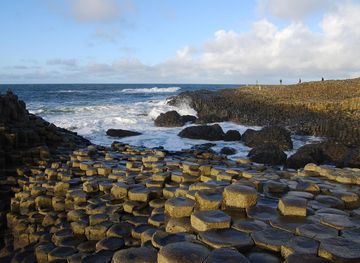
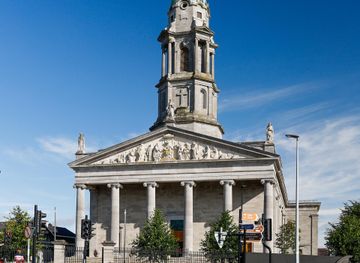
The closest regions to County Leitrim, if you have time for more than one.




Your all‑in‑one travel companion app
Explore expert travel guides, compare and book tours, experiences, hotels, and more—all from the palm of your hand. Download now for seamless trip planning wherever your wanderlust takes you.


Explore More of Ireland
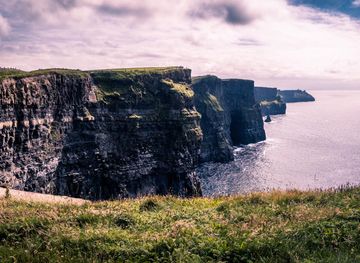
Looking beyond County Leitrim? Discover Ireland for broader travel guides, local hot-spots, and regional highlights.
Explore IrelandCounty Leitrim in Photos
Browse through our photo collection highlighting the charm and character of the destination.


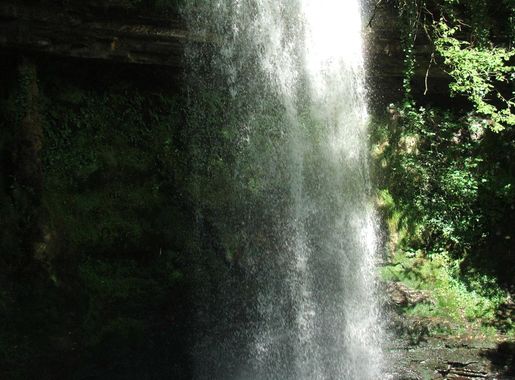


The Untouched Beauty of County Leitrim
County Leitrim, nestled in the northwest of Ireland, is an enchanting destination known for its unspoiled landscapes and rich cultural heritage. This hidden gem offers visitors a glimpse into the heart of Irish countryside, away from the hustle and bustle of more frequented tourist spots. Here, you will find rolling hills, tranquil lakes, and charming villages that seem untouched by time. Leitrim is a paradise for outdoor enthusiasts. The county is home to the stunning Glencar Waterfall, immortalized by the poet W.B. Yeats. The waterfall, surrounded by lush greenery, is a perfect spot for a serene walk or a picnic. Additionally, the Shannon-Erne Waterway runs through the county, providing ample opportunities for boating, fishing, and picturesque riverside strolls. The cultural fabric of Leitrim is woven with traditional Irish music, folklore, and local festivals. The town of Carrick-on-Shannon, the county's largest, offers lively pubs where you can enjoy a pint while listening to traditional music. Don't miss the Leitrim Sculpture Centre in Manorhamilton, which showcases contemporary art and crafts from local artists. For history buffs, the county is dotted with ancient ruins and historical sites, such as the ruins of Fenagh Abbey. Whether you're seeking adventure, relaxation, or a cultural experience, County Leitrim provides a refreshing escape into nature and tradition. Its warm and welcoming locals will make your visit truly memorable.