

Free Arava Travel Guide & Mobile App
Explore Arava with free travel guides. Discover regional history, expert tips, proposed trips, and audio guides on web or mobile app.


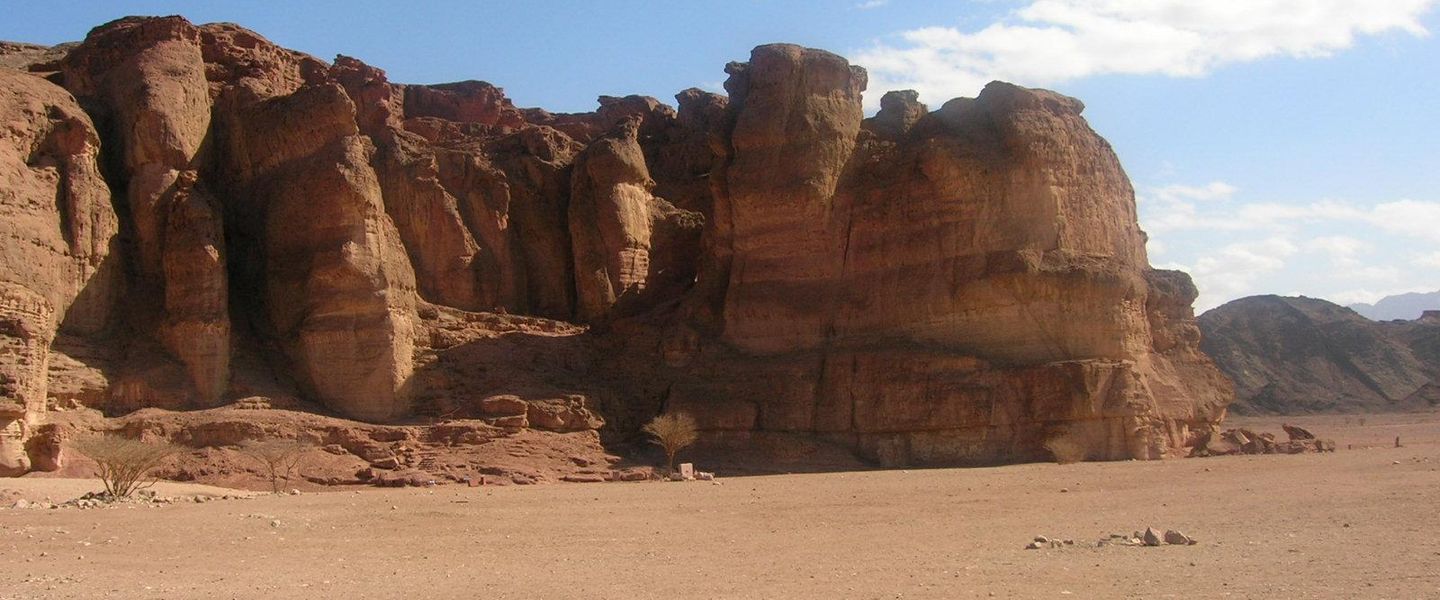


Explore Israel’s Arava for desert landscapes, ancient trade routes, Timna’s copper heritage, rural farms and clear-sky outdoor adventures.
Read more about Arava
When is the best time to visit Arava?
Best: March–April, November · 23–27°C| Month | High (°C) | Rainfall (mm) |
|---|---|---|
| January | 17 | 4 |
| February | 19 | 4 |
| March (best) | 23 | 3 |
| April (best) | 27 | 1 |
| May | 32 | 1 |
| June | 36 | 0 |
| July | 38 | 0 |
| August | 38 | 0 |
| September | 36 | 0 |
| October | 30 | 1 |
| November (best) | 24 | 2 |
| December | 18 | 3 |
Getting to and around Arava
How to get there
Transportation
Best attractions in Arava
The Arava’s attractions combine open desert scenery with evidence of human adaptation. Timna Park is the region’s major visitor site, presenting colourful sandstone formations, ancient copper mines, archaeological remains and walking routes in a broad basin north of Eilat. Around Hatzeva, archaeological sites and interpretive experiences illuminate ancient water management and caravan movement, while nearby communities provide a window onto modern desert agriculture. The central valley is suited to guided walks, cycling, stargazing and wildlife observation, with dry wadis and gravel plains changing colour throughout the day. Tzukim adds small-scale cultural and artistic activity to the rural landscape, and the cultivated fields around Ein Yahav and Paran show how irrigation has reshaped parts of the valley. At the northern end, Neot HaKikar and Ein Tamar sit near the southern Dead Sea, where salt-affected terrain, palms and desert cliffs create a different visual setting. Visitors should treat distances, heat and seasonal flood risk as part of the attraction landscape: many experiences are quiet, spacious and weather-dependent rather than built around dense clusters of facilities.
-
National park
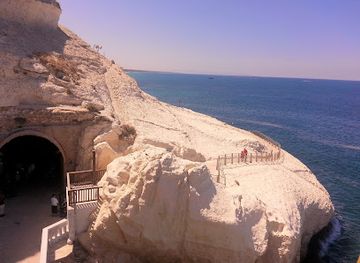
Achziv National Park
Explore Achziv National Park: a stunning coastal retreat in Israel, rich in biodiversity and history, perfect for outdoor adventures and relaxation.
-
Tourist attraction
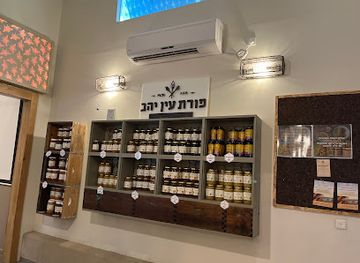
מכוורת פורת עין יהב - Пасека Порат
Experience the lively atmosphere and delicious dining at Porat Farm, a premier tourist attraction in Ein Yahav, Israel.
-
Historical place
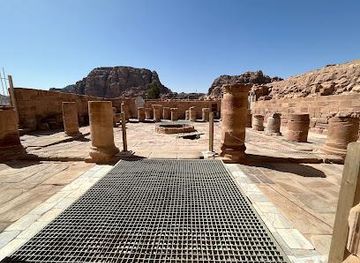
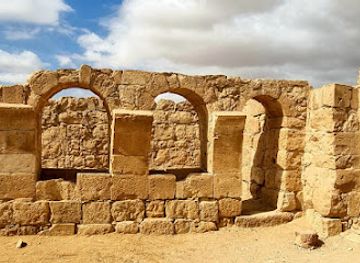
Byzantine Church Petra
Discover the Byzantine Church in Petra, a historical site rich in cultural heritage featuring exquisite mosaics and ancient architectural beauty.
-
Hiking area
Great fin
Discover the breathtaking trails and diverse landscapes of Great Fin, where nature meets adventure in a stunning hiking paradise.


Best landmarks in Arava
Timna’s sandstone formations are the Arava’s most recognisable natural landmarks, particularly the Pillars of Solomon, a line of tall weathered columns rising dramatically from the park’s desert floor. Their appearance results from erosion in layered rock, while the surrounding copper mines connect the scenery with several millennia of human industry. Around Hatzeva, the remains of ancient agricultural installations and desert fortifications mark a different kind of landmark: low walls, channels and foundations that reveal how communities captured water and supported travel through an arid corridor. The long green strips of farms and date palms around Ein Yahav, Hatzeva and Paran are modern landmarks in their own right, expressing the region’s transformation through irrigation and agricultural research. At the northern end, the salt flats and cultivated settlements near Neot HaKikar and Ein Tamar form a sharp visual contrast between saline desert, palms and barren escarpments. Route 90 itself is a defining linear feature, linking these scattered places beneath the valley’s wide mountain horizons.
-
National reserve
Ein Avdat National Park
Explore the breathtaking landscapes and rich history of Ein Avdat National Park, a top destination for hikers and nature lovers in Israel.
-
National park
Mamshit National Park
Explore the majestic landscapes and rich history of Mamshit National Park, a hidden gem for hiking and nature enthusiasts in Israel.
-
Park
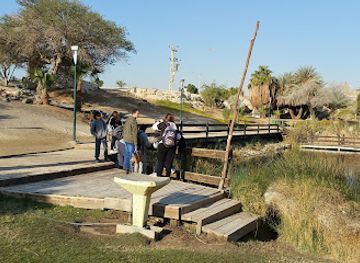
Sapir Park
Explore the natural beauty and tranquility of Sapir Park, a serene oasis in the Arava region perfect for relaxation and outdoor adventures.
-
Animal park
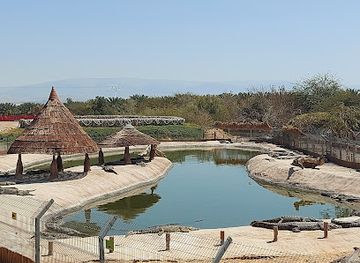
Crocoloco Crocodile Farm
Explore the intriguing world of crocodiles at Crocoloco Crocodile Farm in Ir Ovot, a unique animal park offering educational tours and close encounters with these fascinating reptiles.
Explore Arava on the map
Plan your trip on one map. See where the top cities, national parks and sights are, and book hotels and experiences in a few clicks.
Best hotels in Arava
Best restaurants in Arava
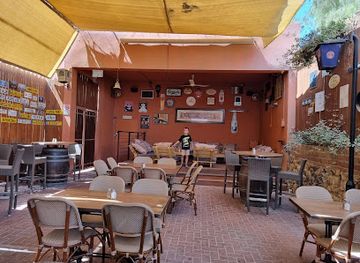
Dining in the Arava is closely connected with its small settlements, farms and accommodation rather than with a large restaurant scene. Rural guesthouses, kibbutz dining rooms, cafés and modest local eateries may use dates, vegetables, herbs and other produce grown in the valley, while menus also reflect wider Israeli cuisine such as salads, grilled foods, breads and dairy dishes. Date plantations are a notable part of the agricultural landscape, and locally produced dates and other farm goods can make useful food purchases when available. Tzukim has a more visitor-oriented selection of cafés and small kitchens, while the agricultural communities around Hatzeva and Ein Yahav offer a quieter, seasonal rhythm. Because opening arrangements can be limited outside the main centres, travellers should plan meals and carry provisions between long road journeys. Eilat and the Dead Sea resorts, outside or at the edges of the region, provide a much broader choice of restaurants, but they are not representative of the Arava’s predominantly rural dining character.
-
Seafood
Manta Ray
Experience exquisite seafood and breathtaking views at Manta Ray in Tel Aviv – a culinary journey through Mediterranean flavors.
-
Restaurant
Muza
Discover the vibrant flavors of Muza in Arad - where delicious food meets lively pub culture.
-
Seafood
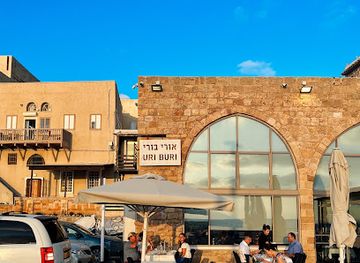
Uri Buri
Discover Uri Buri in Acre: A premier seafood destination offering fresh Mediterranean cuisine with breathtaking sea views.
-
Restaurant
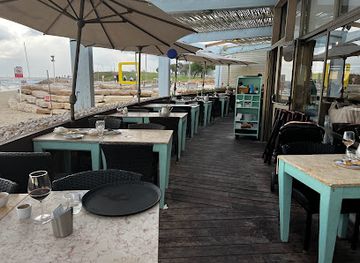
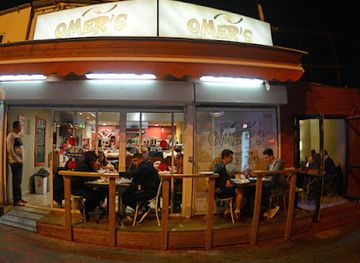
Omer's
Discover Omer's in Eilat: Enjoy delicious vegan and vegetarian cuisine alongside classic hamburgers in a vibrant setting.
Best bars in Arava
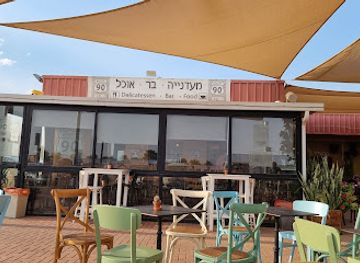
The Arava does not have a major nightclub circuit. Evening life is centred on guesthouse meals, small cafés, occasional community events, campfire settings and quiet conversation beneath unusually dark skies. Tzukim has the region’s strongest concentration of arts, hospitality and informal evening activity, while kibbutz and moshav communities generally offer a low-key atmosphere rather than a public entertainment district. Some accommodation providers serve wine or beer, but visitors should not assume that every rural property has a bar or late service. Stargazing, desert walks in cooler hours and outdoor cultural programmes are often more characteristic of an Arava evening than clubbing. Eilat, outside the central and northern valley, has Israel’s more substantial southern nightlife, including bars and entertainment venues, but requires a separate journey and should not be confused with the quieter social pattern of the Arava itself.
-
Restaurant
Prem Ursula Restaurant
Experience the unique blend of European cuisine and fresh market flavors at Prem Ursula Restaurant, a culinary oasis in Tzukim's desert landscape.
-
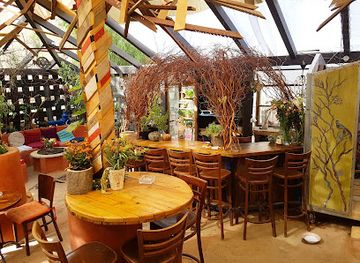
Pub
Habereh Pub
Discover the lively ambiance of Habereh Pub in Mitzpe Ramon, where culture, entertainment, and refreshing drinks unite for an unforgettable experience.
-
Restaurant
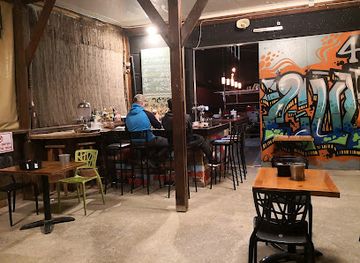
פאב 40 טללים
Discover Pub 40 Tlalim - a vibrant restaurant and live music venue in Tlalim, perfect for food lovers and nightlife enthusiasts alike.
-
Cocktail bar
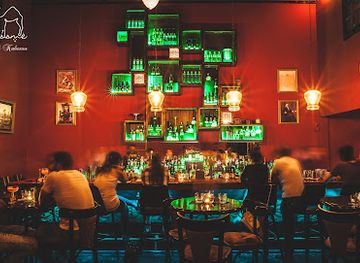
Zalame ACB
Discover Zalame ACB in Be'er Sheva - a cocktail bar that blends creative drinks with a vibrant atmosphere for an unforgettable nightlife experience.
Best nightclubs in Arava
The Arava does not have a major nightclub circuit. Evening life is centred on guesthouse meals, small cafés, occasional community events, campfire settings and quiet conversation beneath unusually dark skies. Tzukim has the region’s strongest concentration of arts, hospitality and informal evening activity, while kibbutz and moshav communities generally offer a low-key atmosphere rather than a public entertainment district. Some accommodation providers serve wine or beer, but visitors should not assume that every rural property has a bar or late service. Stargazing, desert walks in cooler hours and outdoor cultural programmes are often more characteristic of an Arava evening than clubbing. Eilat, outside the central and northern valley, has Israel’s more substantial southern nightlife, including bars and entertainment venues, but requires a separate journey and should not be confused with the quieter social pattern of the Arava itself.
-
Night club
Gagarin Club TLV
Experience the vibrant nightlife of Tel Aviv at Gagarin Club TLV, where live music and dancing meet in an electrifying atmosphere.
-
Bar
Bavel TLV
Experience the vibrant nightlife of Bavel TLV, a premier bar and disco club in Tel Aviv, where unforgettable memories are made every night.
-
Night club
Havana Music Club
Immerse yourself in the electrifying nightlife of Tel Aviv at Havana Music Club, where live music and energetic dancing come alive.
-
Night club
Forum club
Discover the thrilling nightlife at Forum Club, Be'er Sheva's premier night club, offering great music, a lively atmosphere, and unforgettable experiences.



Best shops in Arava
Shopping in the Arava is modest, local and closely tied to agriculture, crafts and rural hospitality. Visitors may find dates, vegetables, preserves and other farm products through accommodation providers, agricultural initiatives or small community outlets, although availability varies with season and harvest. Tzukim is the strongest centre for browsing locally made art, decorative objects and small-scale crafts, with a more creative character than the agricultural settlements. Kibbutz and moshav shops may stock practical supplies and regional produce rather than conventional souvenirs. Desert-themed art, handmade goods and food products make more meaningful purchases than generic items, provided they are obtained through legitimate businesses and not from archaeological sites. For extensive retail, supermarkets or branded shopping, Eilat is the nearest major southern centre, but it lies beyond the small-settlement shopping pattern that defines most of the Arava.
-
Shopping mall
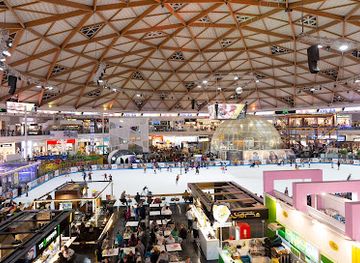
Ice Mall
Experience a unique shopping and entertainment adventure at Ice Mall Eilat, where fashion meets fun in a vibrant atmosphere.
-
Shopping mall
Dead Sea Mall
Discover the Dead Sea Mall: A shopping paradise offering luxury brands, local crafts, and breathtaking views of the Dead Sea.
-
Store
מכוורת פורת עין יהב - Пасека Порат
Experience the fusion of culinary delights and honey production at Pasika Porat, a must-visit spot in Ein Yahav for food lovers and curious travelers.
-
Resort hotel
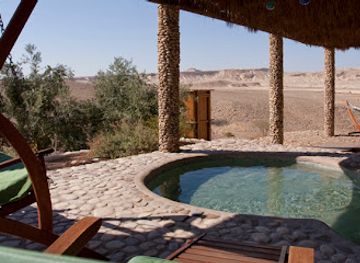
Eretz Arava
Discover Eretz Arava, a serene resort hotel in Tzukim, Israel, where relaxation meets adventure amidst breathtaking desert landscapes.
Get your free copy of our complete guide to Arava, delivered straight to you.
Everything on this page, from attractions and restaurants to essentials and local phrases, in one PDF you can read offline, print or share.
Already have an account? Sign in
Your Arava guide is ready.
We'll send it to · Not you? Sign out

Getting your guide ready…
We are putting together a fresh copy of the Arava guide. This can take up to a minute.
This can take a few moments. If your browser asks, choose Allow so the download can start. You'll find the guide in your Downloads folder.
Nothing happened? Download it again
Sorry, the guide is taking longer than usual. Please try again in a minute, or get it by email instead.
Arava essentials
Currency and Payment
Safety
Emergency Situations
Do's and Don'ts
Local Tips
From Eve
Local phrases worth knowing
You don't need to get them perfect. A few words go a long way, and locals appreciate the effort.
Basics
| English | Local | Say it |
|---|---|---|
| Hello | Shalom | [sha-LOM] |
| Goodbye | Lehitra'ot | [leh-ee-tra-OT] |
| Yes | Ken | [KEN] |
| No | Lo | [LO] |
| Please/You're welcome | Bevakasha | [be-va-KA-sha] |
| Thank you | Toda | [to-DA] |
| Excuse me/Sorry | Slicha | [slee-HA] |
| How are you? | Ma shlomech? (to a female) / Ma shlomecha? (to a male) | [ma sh-lo-MECH? / ma sh-lo-MECHA?] |
| Fine. And you? | Tov. Ve'ata? (to a male) / Ve'at? (to a female) | [TO-v. ve-A-ta? / ve-AT?] |
| Do you speak English? | Ata medaber anglit? (to a male) / At medaberet anglit? (to a female) | [A-ta meh-da-BER ANG-lit? / At meh-da-BE-ret ANG-lit?] |
| I don't understand | Ani lo mevin | [a-NEE lo meh-VEEN] |
Eating & Drinking
| English | Local | Say it |
|---|---|---|
| I'd like to see the menu, please | Ani rotzeh lir'ot et ha-menu, bevakasha | [a-NEE RO-tzeh lear-OT et ha-MENU, be-va-KA-sha] |
| I don't eat meat | Ani lo ochel basar | [a-NEE lo o-KHEL ba-SAR] |
| Cheers! | L'chaim! | [le-CHA-im] |
| I would like to pay, please | Ani rotzeh leshalem, bevakasha | [a-NEE RO-tzeh le-sha-LEM, be-va-KA-sha] |
Emergencies
| English | Local | Say it |
|---|---|---|
| Help! | Ezra! | [EZ-ra!] |
| Go away! | Lech le'chutz! | [LECH le-KHUTZ!] |
| Call the Police! | Tze'ra la-police! | [TZE-ra la-po-LEES!] |
| Call a doctor! | Tze'ra le-rufea! | [TZE-ra le-ru-FE-a!] |
| I'm lost | Ani tza'ir | [a-NEE tza-IR] |
| I'm ill | Ani choleh | [a-NEE kho-LEH] |
Shopping
| English | Local | Say it |
|---|---|---|
| I'd like to buy... | Ani rotzeh liknot... | [a-NEE RO-tzeh leek-NOT...] |
| I'm just looking | Ani baser rak mireh | [a-NEE ba-SER rak mee-REH] |
| How much is it? | Kamah ze ole? | [KA-mah zeh O-leh?] |
| That's too expensive | Zeh yoter midai | [zeh yo-TER mee-DAI] |
| Can you lower the price? | Ata yachol le'orer et haketzah? | [a-TA ya-KHOL le-OH-rer et ha-KET-zah?] |
Time & Numbers
| English | Local | Say it |
|---|---|---|
| What time is it? | Ma ha-sha'a? | [ma ha-SHA-a?] |
| It's one o'clock | Ze sh'a achat | [zeh sha-AH a-KHAT] |
| Half past (10) | Chatzot (10) | [kha-TZOT (10)] |
| Morning | Boker | [BO-kher] |
| Afternoon | Acharayim | [a-kha-RA-yim] |
| Evening | Erev | [EH-rev] |
| Yesterday | Atzmot | [at-ZMOT] |
| Today | Hayom | [ha-YOM] |
| Tomorrow | Machar | [ma-KHAR] |
| 1 | Echad | [e-KHAD] |
| 2 | Shtayim | [sh-TA-yim] |
| 3 | Shalosh | [sha-LOSH] |
| 4 | Arba | [AR-ba] |
| 5 | Chamishah | [kha-MI-sha] |
| 6 | Shesh | [SHESH] |
| 7 | Sheva | [SHE-va] |
| 8 | Shmoneh | [sh-MO-neh] |
| 9 | Tisha | [tee-SHA] |
| 10 | Asar | [a-SAR] |
Transport & Directions
| English | Local | Say it |
|---|---|---|
| Where's a/the...? | Eifo yesh ...? | [EY-fo yesh ...?] |
| What's the address? | Ma ha-address? | [ma ha-AD-dress?] |
| Can you show me (on the map)? | Ata yachol leharot li (al ha-map)? | [a-TA ya-KHOL le-ha-ROT lee (al ha-MAP)?] |
| When's the next (bus)? | Matai ha-bus haba? | [ma-TAI ha-BUS ha-BA?] |
| A ticket (to ....) | Kavua (le...) | [ka-VOO-ah (le...)] |
History of Arava
Early Desert Cultivation and Water Management
Long before modern irrigation, communities in the Arava developed ways to use brief but powerful desert floods. Around Hatzeva and other parts of the valley, archaeological remains include field systems, channels, dams and settlements associated with the collection and distribution of runoff. These works demonstrate that agriculture in the Arava was based on careful manipulation of seasonal water rather than permanent natural streams. The surviving traces are important because they show how desert societies combined local environmental knowledge with organised labour and adapted cultivation to a severely arid landscape.
The Nabataean Incense Routes
From the late centuries BCE into the early centuries CE, the Nabataeans controlled much of the trade linking southern Arabia with the Mediterranean. The Arava formed part of this wider network of caravan routes, connecting settlements and water sources across the Negev and beyond. Frankincense, myrrh and other valuable goods moved through the desert, while stations supported travellers and animals. Although the best-known Nabataean sites lie elsewhere in the Negev and Jordan, the Arava’s position between the Dead Sea, Edom and the southern Negev gave it lasting significance within this commercial and cultural system.
Copper Mining at Timna
Timna, at the southern end of the Arava, contains extensive evidence of ancient copper extraction. Mines, smelting areas, work camps and associated installations indicate organised activity over several periods, including the Bronze Age and later eras. Copper was a valuable material, and production required knowledge of ore, fuel, furnaces and transport. The site has sometimes been linked broadly with the biblical world, but its archaeological importance does not depend on a single interpretation. Today, Timna’s mine workings and monumental sandstone formations make the region’s geological and industrial past visible in the landscape.
Roman and Byzantine Desert Networks
Under Roman and Byzantine rule, roads, forts and agricultural settlements helped maintain movement across the southern desert. The authorities and local communities relied on wells, cisterns and floodwater systems to support travellers, soldiers and farmers. At Hatzeva and nearby locations, archaeological remains reflect the valley’s role as a corridor between the Dead Sea, the southern Negev and routes towards the Red Sea. Later Byzantine communities continued to cultivate parts of the Arava, leaving evidence of how trade, military administration and irrigated agriculture operated together in an environment with very little natural rainfall.
The Modern Israeli-Arava Borderland
Following the establishment of Israel in 1948 and later boundary agreements with Jordan, the Arava became a strategically important southern frontier. Roads, settlements and security infrastructure gradually connected a valley that had previously been reached mainly through desert tracks. The modern communities were established as agricultural settlements despite the extreme climate and geographical isolation. Their development changed the visual character of parts of the valley, introducing fields, greenhouses and palm plantations alongside older archaeological landscapes. The Arava remains a border region, and its location continues to influence travel, land use and environmental management.
Desert Agriculture and Water Research
During the later twentieth century, Israeli researchers and farmers refined methods for cultivating crops in saline soils and hot, dry conditions. Kibbutzim and moshavim in the Arava became associated with greenhouse farming, date cultivation, drip irrigation and experimentation with water-efficient agriculture. The region’s produce is shipped beyond the valley, while local research has contributed to broader discussions about farming in arid climates. This transformation is a defining modern chapter in the Arava’s history: it is not simply a desert occupied by agriculture, but a place where farming, technology and environmental limits are constantly negotiated.
Arava in Photos
Browse through our photo collection highlighting the charm and character of the destination.
Neighbouring regions of Arava
The closest regions to Arava, if you have time for more than one.
-

-

-

-

-


Swipe for more regions
Explore more

Explore more of Israel
Discover Israel, a country where ancient history and modern culture meet, offering a rich tapestry of religious significance, vibrant cities, and diverse landscapes.
Explore Israel