

Free Jerusalem District Travel Guide & Mobile App
Explore Jerusalem District with free travel guides. Discover regional history, expert tips, proposed trips, and audio guides on web or mobile app.


Explore Jerusalem District for sacred landmarks, layered history, hill-country landscapes, museums, markets and distinctive Middle Eastern food.
Read more about Jerusalem District
When is the best time to visit Jerusalem District?
Best: May, September–October · 26–30°C| Month | High (°C) | Rainfall (mm) |
|---|---|---|
| January | 14 | 133 |
| February | 14 | 110 |
| March | 17 | 85 |
| April | 22 | 25 |
| May (best) | 26 | 7 |
| June | 30 | 0 |
| July | 33 | 0 |
| August | 33 | 0 |
| September (best) | 30 | 1 |
| October (best) | 26 | 23 |
| November | 21 | 60 |
| December | 16 | 100 |
Getting to and around Jerusalem District
How to get there
Transportation
Top city travel guides in Jerusalem District
The cities of Jerusalem District, and the easiest places to base yourself.
-

-

-


Swipe for more cities
Best attractions in Jerusalem District
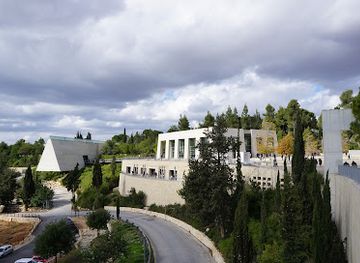
Jerusalem District’s attractions range from major religious monuments to archaeological remains, museums, forests and hill villages. In Jerusalem, the Old City brings together the Western Wall, the Church of the Holy Sepulchre, the Muslim Quarter, the Armenian Quarter and the sacred precinct known as the Temple Mount or Haram al-Sharif. The Israel Museum provides important archaeological and artistic context, while Yad Vashem examines the Holocaust through exhibitions, testimony and memorial architecture. The city’s neighbourhoods, markets and cultural institutions reward exploration beyond the principal monuments. Outside the capital, Ein Karem combines historic churches, village lanes and wooded hills, and Abu Ghosh is known for its religious heritage and restaurants. Beit Shemesh provides access to open landscapes and nearby archaeological sites, while the Jerusalem Hills offer hiking, picnic areas, springs and forest roads. Some eastern and rural sites require careful planning because public transport is limited and access arrangements can change.
-
Museum
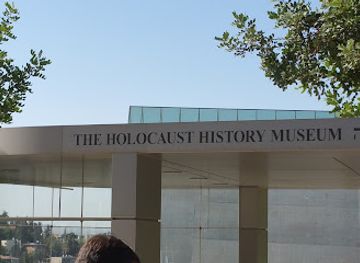
Yad Vashem
Explore Yad Vashem, Jerusalem's Holocaust memorial and museum, where history, remembrance, and education come together in a profound cultural experience.
-
Zoo
The Tisch Family Zoological Gardens in Jerusalem
Explore the wonders of wildlife at The Tisch Family Zoological Gardens in Jerusalem, a family-friendly zoo featuring diverse species and interactive exhibits.
-
Art museum
The Israel Museum, Jerusalem
Discover the rich cultural heritage of Israel at The Israel Museum, Jerusalem—home to extraordinary art and archaeological treasures.
-
Park
Sacher Park
Explore Sacher Park, a serene and lush urban oasis in Jerusalem perfect for relaxation, recreation, and cultural experiences amidst vibrant greenery.

Best landmarks in Jerusalem District
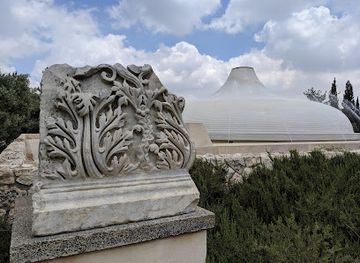
The Old City walls are Jerusalem District’s defining built landmark, rebuilt in the sixteenth century under Sultan Suleiman the Magnificent and still enclosing a dense historic urban landscape. Within them, the Western Wall forms part of the retaining structures of the ancient Temple platform, while the Dome of the Rock and Al-Aqsa Mosque define the skyline and spiritual importance of Haram al-Sharif. The Church of the Holy Sepulchre marks a site revered in Christian tradition and contains spaces associated with the crucifixion and burial of Jesus. Outside the walls, the limestone buildings of western Jerusalem express planning and architectural traditions developed during the British Mandate and after 1948. Yad Vashem’s monuments and museum form a major modern memorial complex, and the Israel Museum’s Shrine of the Book is a distinctive contemporary landmark. In the surrounding hills, the churches of Ein Karem, the Benedictine monastery at Abu Ghosh and ancient terraces provide a contrasting rural and religious geography.
-
Church
Church of the Holy Sepulchre
Experience the profound spiritual legacy of the Church of the Holy Sepulchre, a cornerstone of Christian faith in the heart of Jerusalem.
-
Museum
Yad Vashem
Explore Yad Vashem, Jerusalem's deeply moving memorial to the Holocaust, where history meets remembrance and education.
-
Zoo
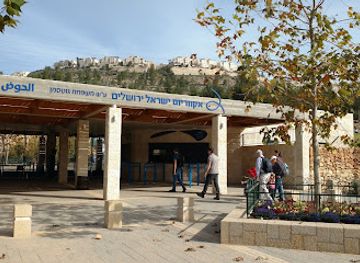
The Tisch Family Zoological Gardens in Jerusalem
Explore the enchanting Tisch Family Zoological Gardens in Jerusalem, where diverse wildlife meets immersive educational experiences and beautiful gardens.
-
Art museum
The Israel Museum, Jerusalem
Explore the rich cultural heritage and stunning art collections at The Israel Museum in Jerusalem, a must-visit for every traveler.

Explore Jerusalem District on the map
Plan your trip on one map. See where the top cities, national parks and sights are, and book hotels and experiences in a few clicks.
Best hotels in Jerusalem District
Best restaurants in Jerusalem District
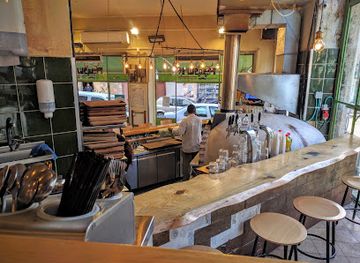
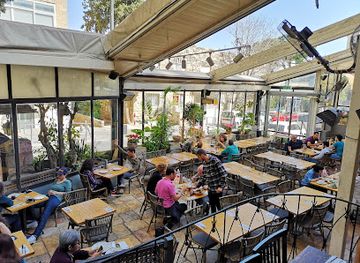
Dining in Jerusalem District reflects the meeting of Jewish, Palestinian Arab and broader Levantine traditions with cuisines brought by Jewish communities from Europe, North Africa, the Middle East and elsewhere. Hummus, falafel, tahini, shakshuka, grilled meats, stuffed vegetables, fresh salads and sesame-based sweets are widely available, while Jerusalem’s bakeries produce breads, pastries and desserts with varied regional influences. The Mahane Yehuda area is known for produce stalls, prepared food and cafés, although its atmosphere changes sharply between market hours and the Jewish Sabbath. Restaurants and family kitchens in Abu Ghosh are associated with hummus and other Levantine dishes, while Ein Karem and central Jerusalem offer cafés, contemporary dining rooms and international menus. Kosher establishments follow religious dietary rules, and many close or alter their service from Friday evening through Saturday. Seasonal fruit, olives, herbs, wine from the surrounding hills and locally produced dairy also appear in the district’s food culture.
-
Restaurant
Machneyuda
Experience vibrant Israeli cuisine at Machneyuda in Jerusalem – where tradition meets modern culinary artistry.
-
Kosher
Ishtabach
Discover Ishtabach: A vibrant Middle Eastern kosher restaurant in Jerusalem offering authentic flavors and an unforgettable dining experience.
-
Italian
Focaccia Bar
Discover authentic Italian flavors at Focaccia Bar in Jerusalem – where every meal is a celebration of taste and culture.
-
Italian
Piccolino
Experience authentic Italian flavors at Piccolino in Jerusalem; a culinary gem offering delicious dishes in a warm atmosphere.

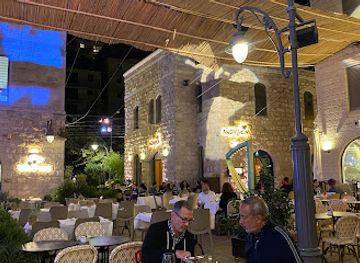
Best bars in Jerusalem District
Jerusalem’s evening life is concentrated in central neighbourhoods, especially around the city centre, the Mahane Yehuda area and streets near the main cultural institutions. It includes traditional pubs, wine bars, cocktail rooms, cafés, live music and small performance venues rather than the large club culture associated with some coastal cities. Mahane Yehuda’s restaurants and bars can become busy at night, while quieter establishments are found around historic neighbourhoods and hotel districts. Religious observance means that many venues close or change their patterns from Friday evening through Saturday, and Muslim and Christian holy days may also influence local activity. Beit Shemesh and the hill villages have a more local, low-key evening scene centred on restaurants, cafés and community venues. Visitors should check current opening arrangements and respect restrictions around religious areas; drinking is only one part of the district’s cultural life.
-
Brewpub
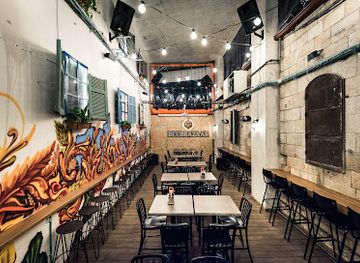
BeerBazaar Jerusalem
Discover Jerusalem's vibrant craft beer scene at BeerBazaar, where every sip tells a story of flavor and culture.
-
Cocktail bar
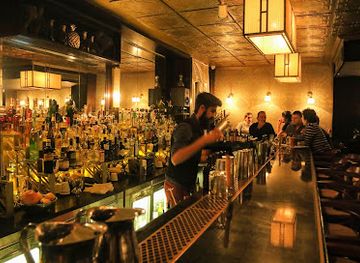
Gatsby Cocktail Room
Discover Gatsby Cocktail Room in Jerusalem for exceptional cocktails and an unforgettable nightlife experience in a stylish setting.
-
Sports bar
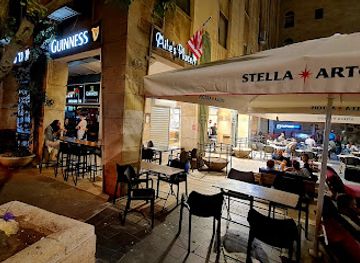
Mike's Place
Discover the energetic charm of Mike's Place, Jerusalem's premier sports bar, blending delicious food, drinks, and live sports in a vibrant setting.
-
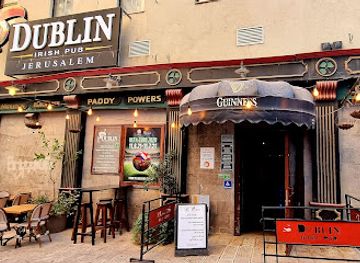
Irish pub
Dublin Irish Pub
Dublin Irish Pub in Jerusalem offers an authentic Irish experience with great drinks, live music, and a cozy atmosphere for an unforgettable night out.
Best nightclubs in Jerusalem District
Jerusalem’s evening life is concentrated in central neighbourhoods, especially around the city centre, the Mahane Yehuda area and streets near the main cultural institutions. It includes traditional pubs, wine bars, cocktail rooms, cafés, live music and small performance venues rather than the large club culture associated with some coastal cities. Mahane Yehuda’s restaurants and bars can become busy at night, while quieter establishments are found around historic neighbourhoods and hotel districts. Religious observance means that many venues close or change their patterns from Friday evening through Saturday, and Muslim and Christian holy days may also influence local activity. Beit Shemesh and the hill villages have a more local, low-key evening scene centred on restaurants, cafés and community venues. Visitors should check current opening arrangements and respect restrictions around religious areas; drinking is only one part of the district’s cultural life.
-
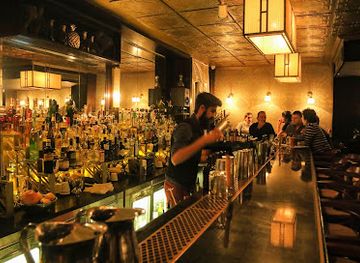
Cocktail bar
Gatsby Cocktail Room
Discover the vibrant atmosphere and exquisite cocktails at Gatsby Cocktail Room, Jerusalem's premier cocktail bar.
-
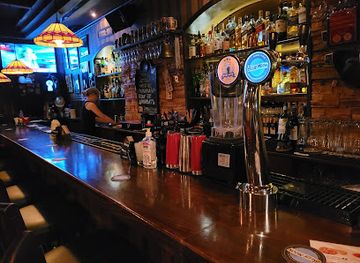
Pub
Hataklit Bar
Hataklit Bar: A lively gastropub and night club in Jerusalem offering delicious food, craft drinks, and an unforgettable nightlife experience.
-
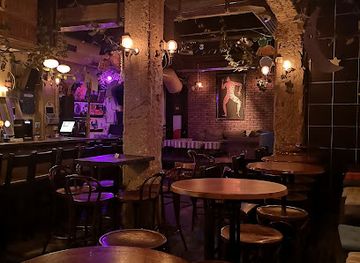
Pub
Generation Pub
Discover the vibrant nightlife of Jerusalem at Generation Pub, where locals and tourists unite for great drinks and unforgettable experiences.
-
Bar
Cactus9
Discover the heartbeat of Jerusalem's nightlife at Cactus9, where vibrant music and great company come together.

Best shops in Jerusalem District
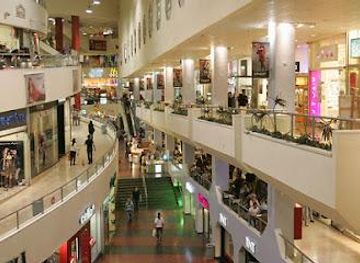
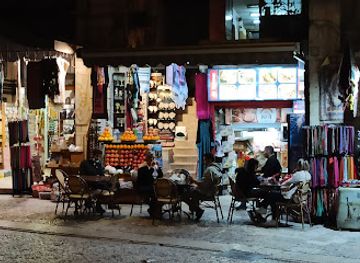
Shopping in Jerusalem District ranges from the produce-filled lanes of Mahane Yehuda Market to specialist streets, craft shops, bookshops, galleries and modern retail centres. Mahane Yehuda is useful for spices, dried fruit, halva, pastries, coffee, wine and packaged foods, though many traders close during the Jewish Sabbath. The Old City’s quarters contain shops selling religious objects, ceramics, textiles, embroidery, jewellery and souvenirs, but visitors should compare prices and check the quality and provenance of goods. Independent boutiques and design shops are concentrated in central Jerusalem neighbourhoods, while larger shopping centres provide mainstream fashion and everyday essentials. Around the district, village businesses and farm shops may offer olive oil, honey, wine, preserves and regional produce, although availability is seasonal. Crafts associated with Jerusalem and the wider Levant include ceramics, woodwork, woven textiles and metalwork; purchasing from established makers and asking about materials helps distinguish locally made goods from mass-produced merchandise.
-
Shopping mall
Dizengoff Center
Explore the vibrant Dizengoff Center in Tel Aviv, a premier shopping mall offering unique shops, delicious dining, and rich cultural experiences.
-
Shopping mall
Alrov Mamilla Avenue
Experience luxury shopping and local culture at Alrov Mamilla Avenue, Jerusalem's premier destination for upscale retail and dining.
-
Shopping mall
Malcha Shopping Mall
Explore Malcha Shopping Mall: A Shopping Haven in Jerusalem with Diverse Stores, Dining, and Entertainment.
-
Clothing store
Ha'metzi'on second-hand stores
Explore Ha'metzi'on Second-Hand Stores in Jerusalem for unique vintage finds, sustainable shopping, and a treasure trove of clothing and accessories.


Get your free copy of our complete guide to Jerusalem District, delivered straight to you.
Everything on this page, from attractions and restaurants to essentials and local phrases, in one PDF you can read offline, print or share.
Already have an account? Sign in
Your Jerusalem District guide is ready.
We'll send it to · Not you? Sign out

Getting your guide ready…
We are putting together a fresh copy of the Jerusalem District guide. This can take up to a minute.
This can take a few moments. If your browser asks, choose Allow so the download can start. You'll find the guide in your Downloads folder.
Nothing happened? Download it again
Sorry, the guide is taking longer than usual. Please try again in a minute, or get it by email instead.
Jerusalem District essentials
Currency and Payment
Safety
Emergency Situations
Do's and Don'ts
Local Tips
From Eve
Local phrases worth knowing
You don't need to get them perfect. A few words go a long way, and locals appreciate the effort.
Basics
| English | Local | Say it |
|---|---|---|
| Hello | שלום | [Shalom] |
| Goodbye | להתראות | [Lehitra'ot] |
| Yes | כן | [Ken] |
| No | לא | [Lo] |
| Please/You're welcome | בבקשה | [Bevakasha] |
| Thank you | תודה | [Toda] |
| Excuse me/Sorry | סליחה | [Slicha] |
| How are you? | מה שלומך? | [Ma shlomecha? (to a male) / Ma shlomech? (to a female)] |
| Fine. And you? | בסדר. ואתה? | [Beseder. Ve'ata? (to a male) / Ve'at? (to a female)] |
| Do you speak English? | האם אתה מדבר אנגלית? | [Ha'im ata medaber anglit? (to a male) / Ha'im at medaberet anglit? (to a female)] |
| I don't understand | אני לא מבין | [Ani lo mevin (to a male) / Ani lo mevina (to a female)] |
Eating & Drinking
| English | Local | Say it |
|---|---|---|
| I'd like to see the menu, please | אני רוצה לראות את התפריט, בבקשה | [Ani rotzeh lirot et ha'tafrit, bevakasha] |
| I don't eat meat | אני לא אוכל בשר | [Ani lo ochel basar (to a male) / Ani lo ochelet basar (to a female)] |
| Cheers! | לחיים! | [L'chaim!] |
| I would like to pay, please | אני רוצה לשלם, בבקשה | [Ani rotzeh leshalem, bevakasha] |
Emergencies
| English | Local | Say it |
|---|---|---|
| Help! | עזרה! | [Ezra!] |
| Go away! | לך מפה! | [Lech mipah!] |
| Call the Police! | תתקשר למשטרה! | [Titkasher le'mish'tarah!] |
| Call a doctor! | תתקשר לרופא! | [Titkasher le'rofe!] |
| I'm lost | אני אבוד | [Ani avud (to a male) / Ani avudah (to a female)] |
| I'm ill | אני חולה | [Ani choleh (to a male) / Ani cholah (to a female)] |
Shopping
| English | Local | Say it |
|---|---|---|
| I'd like to buy... | אני רוצה לקנות... | [Ani rotzeh liknot...] |
| I'm just looking | אני רק מסתכל | [Ani rak mistakel (to a male) / Ani rak mistakelet (to a female)] |
| How much is it? | כמה זה עולה? | [Kama ze oleh?] |
| That's too expensive | זה יקר מדי | [Ze yakar midai] |
| Can you lower the price? | אפשר להוריד את המחיר? | [Efshar lehorid et ha'mechir?] |
Time & Numbers
| English | Local | Say it |
|---|---|---|
| What time is it? | מה השעה? | [Ma hasha'ah?] |
| It's one o'clock | שעה אחת | [Sha'ah achat] |
| Half past (10) | עשר וחצי | [Eser ve'chetzi] |
| Morning | בוקר | [Boker] |
| Afternoon | אחר הצהריים | [Achar hatzohorayim] |
| Evening | ערב | [Erev] |
| Yesterday | אתמול | [Etmol] |
| Today | היום | [Hayom] |
| Tomorrow | מחר | [Machar] |
| 1 | אחד | [Echad] |
| 2 | שניים | [Shnaim] |
| 3 | שלושה | [Shlosha] |
| 4 | ארבעה | [Arba'a] |
| 5 | חמישה | [Chamisha] |
| 6 | שישה | [Shisha] |
| 7 | שבעה | [Sheva'a] |
| 8 | שמונה | [Shmoneh] |
| 9 | תשעה | [Tisha'a] |
| 10 | עשרה | [Asara] |
Transport & Directions
| English | Local | Say it |
|---|---|---|
| Where's a/the...? | איפה ה...? | [Eifo ha...?] |
| What's the address? | מה הכתובת? | [Ma ha'ktovet?] |
| Can you show me (on the map)? | אתה יכול להראות לי (על המפה)? | [Ata yachol leharot li (al ha'mapa)? (to a male) / At yacholah leharot li (al ha'mapa)? (to a female)] |
| When's the next (bus)? | מתי האוטובוס הבא? | [Matai ha'otobus haba?] |
| A ticket (to ....) | כרטיס (ל...) | [Kartis (le...)] |
History of Jerusalem District
Prehistoric Landscapes and Early Jerusalem
The Jerusalem Hills have been occupied since prehistoric times, encouraged by springs, defensible ridges and routes linking the Mediterranean coast with the interior. Archaeological work in and around Jerusalem has revealed evidence of early settlement, while sites in the wider district preserve remains from the Chalcolithic and Bronze ages. Jerusalem’s position on a hilltop ridge helped it develop as a small fortified settlement long before it became a major religious and political centre. The surrounding terraces, caves and ancient water systems also show how communities adapted to a dry, uneven environment.
The Kingdom of Judah and the First Temple Period
Jerusalem became the capital of the Kingdom of Judah during the Iron Age, traditionally associated with the reigns of David and Solomon and the construction of the First Temple. The city expanded around the southeastern ridge, where archaeological remains include fortifications, water installations and domestic structures. Assyrian pressure and the Babylonian conquest of Judah transformed the region, culminating in the destruction of Jerusalem and the Temple in 586 BCE and the exile of parts of its population. These events established historical themes that continue to shape the city’s religious and cultural identity.
Second Temple Jerusalem and Roman Rule
Jerusalem was rebuilt and enlarged during the Second Temple period, first under Persian authority and later under Hellenistic and Hasmonean rulers. Herod the Great undertook an immense remodelling programme in the late first century BCE, including the expansion of the Temple platform and the construction of monumental retaining walls. Roman rule and growing tensions led to the Jewish revolt of 66–70 CE, when Jerusalem and the Temple were destroyed. The surviving Western Wall and extensive archaeological remains around the Old City preserve evidence of this formative period.
Byzantine, Early Islamic and Crusader Jerusalem
After the Roman period, Jerusalem became a major Christian pilgrimage centre under Byzantine rule, with churches and monasteries reshaping the city. Muslim rule began in the seventh century, and the Haram al-Sharif, including the Dome of the Rock and Al-Aqsa Mosque, became central monuments of Islamic Jerusalem. The Crusaders captured the city in 1099 and established new churches, institutions and fortifications before Saladin retook it in 1187. Subsequent Ayyubid and Mamluk periods left architectural and scholarly legacies that remain visible in the Old City.
Ottoman Jerusalem and the Wider District
The Ottoman Empire ruled Jerusalem and its surrounding hills from 1517 until the First World War. Sultan Suleiman the Magnificent rebuilt the city’s walls in the sixteenth century, creating the circuit that still defines much of the Old City. Ottoman administration also shaped neighbourhoods, religious endowments, roads and rural villages. During the nineteenth century, Jerusalem expanded beyond its walls as consulates, hospitals, schools and new residential quarters appeared. Improved transport and growing pilgrimage broadened the city’s connections with the wider region.
The British Mandate and Modern Urban Development
British forces captured Jerusalem in 1917, and the city became the administrative centre of the British Mandate for Palestine. The period brought new planning regulations, roads, public buildings and educational institutions, while also intensifying political conflict between Arab and Jewish communities. Jerusalem’s modern western neighbourhoods and distinctive limestone architecture developed during these decades. The hills around the city likewise saw changes in agriculture, transport and settlement. The Mandate period established much of the urban framework through which Jerusalem is experienced today.
Division in 1948 and the City after 1967
The 1948 war divided Jerusalem, with Israel controlling the western part and Jordan controlling the Old City and eastern areas until 1967. Armistice lines cut through neighbourhoods and separated communities, while access to many religious sites was restricted. During the 1967 war, Israel took control of East Jerusalem and the Old City; the city was subsequently administered as a single municipality by Israel, a status not recognised by all states. The city and district remain central to the Israeli-Palestinian conflict, and visitors should approach political sites and public discussion with care.
Jerusalem District in Photos
Browse through our photo collection highlighting the charm and character of the destination.
Neighbouring regions of Jerusalem District
The closest regions to Jerusalem District, if you have time for more than one.
-

-

-

-

-


Swipe for more regions
Explore more

Explore more of Israel
Discover Israel, a country where ancient history and modern culture meet, offering a rich tapestry of religious significance, vibrant cities, and diverse landscapes.
Explore Israel