

Free Judea Travel Guide & Mobile App
Explore Judea with free travel guides. Discover regional history, expert tips, proposed trips, and audio guides on web or mobile app.


Explore Judea's ancient cities, limestone hills, desert reserves and Dead Sea landscapes with careful attention to history, access and local jurisdictions.
Read more about Judea
When is the best time to visit Judea?
Best: May–June, October · 25–29°C| Month | High (°C) | Rainfall (mm) |
|---|---|---|
| January | 14 | 100 |
| February | 16 | 90 |
| March | 18 | 70 |
| April | 22 | 40 |
| May (best) | 27 | 10 |
| June (best) | 29 | 0 |
| July | 31 | 0 |
| August | 31 | 0 |
| September | 29 | 5 |
| October (best) | 25 | 30 |
| November | 20 | 60 |
| December | 15 | 90 |
Getting to and around Judea
How to get there
Transportation
Top city travel guides in Judea
The cities of Judea, and the easiest places to base yourself.
-

-

-

-


Swipe for more cities
Destinations in Judea
Resorts, valleys and scenic spots worth a trip of their own.

Swipe for more destinations
Best attractions in Judea
Judea's attractions range from major archaeological parks to demanding desert landscapes and living religious centres. Jerusalem provides the region's densest concentration of museums, historic quarters, sacred buildings and archaeological remains, although its political status and boundaries require careful description. In the eastern hills and desert, Masada combines a Herodian fortress with wide views across the Dead Sea, while nearby Ein Gedi offers springs, cliffs and wildlife in a protected oasis. Qumran interprets the desert settlement and the discovery of the Dead Sea Scrolls, and the surrounding escarpment reveals caves, wadis and dramatic geological strata. Herodium, in the West Bank, preserves a monumental Herodian palace complex and should be visited with current access information. Bethlehem, Jericho and Hebron offer important religious, architectural and cultural experiences under different local jurisdictions. Hiking, birdwatching, canyon walks and Dead Sea bathing are possible, but the region's outdoor attractions demand water, sun protection, route planning and attention to flash-flood warnings.
-
Market
Mahaneh Yehudah Market
Discover the heart of Jerusalem at Mahaneh Yehudah Market, where vibrant stalls and delicious flavors come together in a cultural feast.
-
Church
Church of the Holy Sepulchre
Explore the Church of the Holy Sepulchre in Jerusalem, a sacred site rich in history and spirituality, attracting millions of pilgrims and tourists every year.
-
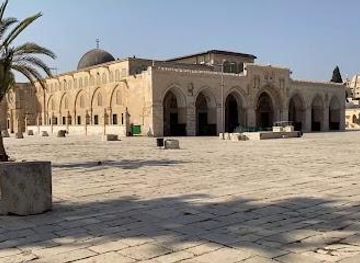
Mosque
Al-Aqsa Mosque
Discover the Al-Aqsa Mosque, a stunning Islamic sanctuary in Jerusalem, rich in history and spirituality, attracting visitors from around the world.
-
Museum
Yad Vashem
Explore Yad Vashem in Jerusalem, a profound Holocaust memorial and museum that honors the victims and educates visitors on this impactful history.



Best landmarks in Judea
The Old City of Jerusalem is Judea's most recognisable historic landmark, enclosed by Ottoman walls and containing sites sacred to Judaism, Christianity and Islam; access, terminology and political status require sensitivity. Masada's isolated plateau is both a striking natural landmark and a monumental Herodian fortress, rising above the Dead Sea basin. The Dead Sea itself marks the region's lowest landscape and is framed by salt flats, cliffs and desert escarpments, although its shoreline is changing and some access points are unstable. The Mount of Olives provides a historic ridge east of Jerusalem with major religious sites and views towards the Old City. Herodium, south of Jerusalem in the West Bank, is distinguished by its artificial-looking volcanic profile and royal palace remains. The Qumran cliffs, Ein Gedi's spring-fed ravines and the Judean Desert's limestone wadis complete a landmark landscape in which geology, archaeology and religious history are closely intertwined.
-
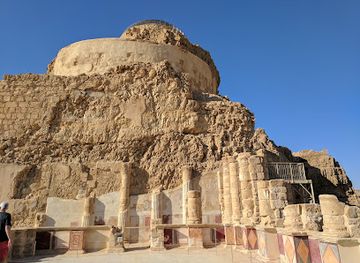
Historical landmark
Masada National Park
Experience the historic grandeur of Masada National Park, where ancient ruins meet stunning desert landscapes and breathtaking views of the Dead Sea.
-
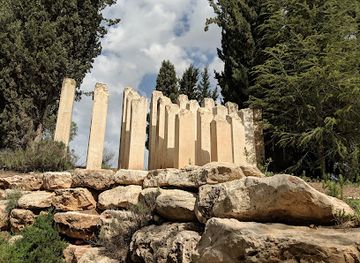
Museum
Yad Vashem
Explore Yad Vashem, a profound Holocaust memorial and museum in Jerusalem dedicated to preserving the memory of its victims through powerful exhibits and education.
-
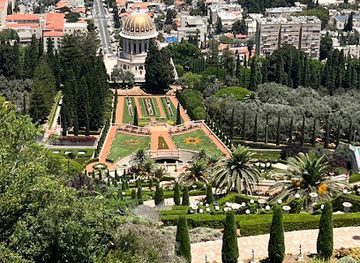
Pilgrimage place
Baháʼí Garden Haifa
Experience the breathtaking beauty of the Bahá'í Gardens in Haifa, a UNESCO World Heritage Site blending nature and spirituality in a serene setting.
-
Christian church
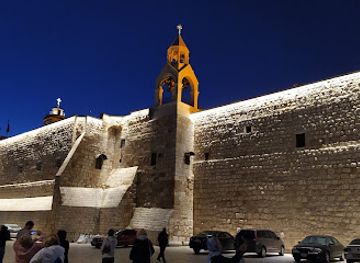
Church of the Nativity
Experience the profound spirituality and rich history of the Church of the Nativity, a UNESCO World Heritage site in the heart of Bethlehem.
Explore Judea on the map
Plan your trip on one map. See where the top cities, national parks and sights are, and book hotels and experiences in a few clicks.
Best hotels in Judea
Best restaurants in Judea
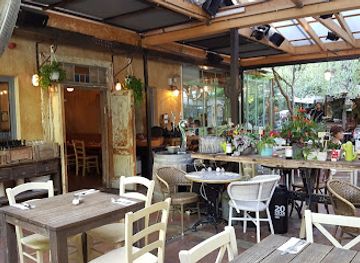
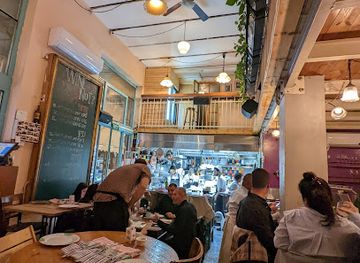
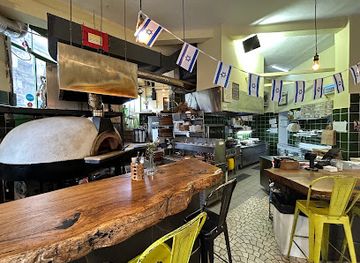
Dining across Judea reflects the intersection of Israeli, Palestinian, Middle Eastern and Mediterranean traditions rather than one uniform regional cuisine. Jerusalem offers market food, bakeries, hummus restaurants, contemporary Israeli cooking and Palestinian dishes, while towns and villages in the Judean Hills are known for simple grills, salads, breads, olive oil and seasonal produce. Around Bethlehem, Hebron and Jericho, visitors may encounter maqluba, musakhan, falafel, kanafeh and other Palestinian specialities, though recipes vary between families and localities. Dead Sea hotels and visitor centres cater to international travellers, while roadside stops and small cafés provide more informal meals. Dates, figs, olives, tahini, labneh and fresh vegetables are common regional ingredients, and wine from the Judean Hills appears alongside non-alcoholic drinks and strong coffee. Markets are useful for tasting produce, but opening patterns and payment methods vary, particularly outside major tourist centres.
-
Italian
Derech HaGefen
Experience authentic Italian cuisine in Beit Zayit at Derech HaGefen—where every meal is a journey through Italy's rich culinary landscape.
-
Restaurant
Machneyuda
Experience innovative Mediterranean cuisine in a vibrant setting at Machneyuda, Jerusalem's premier dining destination.
-
Kosher
Ishtabach
Experience authentic Middle Eastern cuisine at Ishtabach, Jerusalem's premier kosher restaurant known for its delicious shawarma and warm atmosphere.
-
French
Talbiye
Indulge in exquisite French cuisine at Talbiye in Jerusalem—where every dish tells a story of culinary artistry.
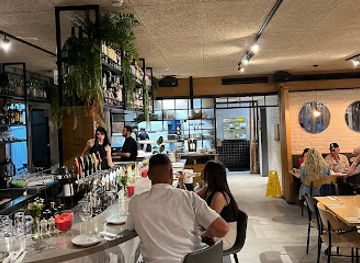
Best bars in Judea
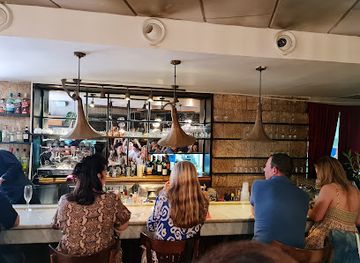
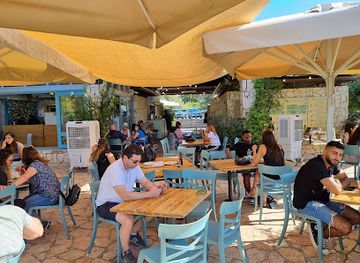
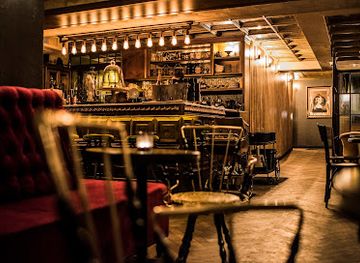
Nightlife in Judea is concentrated in Jerusalem, where bars, cafés, live-music spaces and late-opening restaurants serve a varied urban population. Evening activity differs sharply by neighbourhood, religious observance and the weekly calendar; many businesses close or reduce service for Shabbat, while others operate in secular areas. In the Judean Hills, rural evenings are more likely to centre on wineries, restaurants, guesthouses and community events than nightclubs. Dead Sea hotels provide bars and organised evening entertainment, but the atmosphere is generally resort-based rather than club-oriented. Bethlehem, Jericho and other West Bank towns have cafés, restaurants and selected bars, though availability, licensing and opening arrangements vary. Visitors should dress and behave appropriately around religious communities, confirm transport back to their accommodation and avoid assuming that alcohol is served everywhere.
-
Cafe
Bar Bahar
Discover Bar Bahar, a tranquil café in Bar Giora offering delicious food, stunning views, and a perfect escape into nature.
-
Brewpub
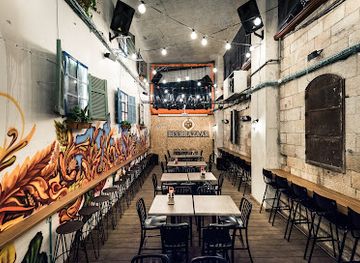
BeerBazaar Jerusalem
Discover the best of craft beer at BeerBazaar Jerusalem, where local flavors meet a vibrant atmosphere in the heart of the city.
-
Cocktail bar
Bellboy
Experience the vibrant nightlife of Tel Aviv at Bellboy, where innovative cocktails and a chic atmosphere await every visitor.
-
Bar
Deja Bu - דז'ה בו
Discover the vibrant nightlife and exquisite dining at Deja Bu, a must-visit bar and restaurant in Jerusalem.
Best nightclubs in Judea
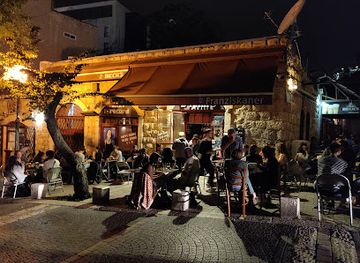
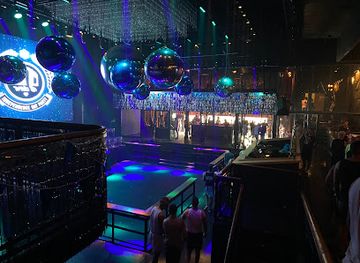
Nightlife in Judea is concentrated in Jerusalem, where bars, cafés, live-music spaces and late-opening restaurants serve a varied urban population. Evening activity differs sharply by neighbourhood, religious observance and the weekly calendar; many businesses close or reduce service for Shabbat, while others operate in secular areas. In the Judean Hills, rural evenings are more likely to centre on wineries, restaurants, guesthouses and community events than nightclubs. Dead Sea hotels provide bars and organised evening entertainment, but the atmosphere is generally resort-based rather than club-oriented. Bethlehem, Jericho and other West Bank towns have cafés, restaurants and selected bars, though availability, licensing and opening arrangements vary. Visitors should dress and behave appropriately around religious communities, confirm transport back to their accommodation and avoid assuming that alcohol is served everywhere.
-
Night club
Hataklit Bar
Discover the essence of Jerusalem's nightlife at Hataklit Bar, a lively gastropub offering great food, drinks, and music.
-
Night club
Haoman 17
Experience the vibrant nightlife at Haoman 17, Tel Aviv's premier night club, known for its electrifying atmosphere and inclusive vibe.
-
Night club
Cactus9
Discover the vibrant nightlife of Jerusalem at Cactus9, where music, dance, and socializing come together for an unforgettable experience.
-
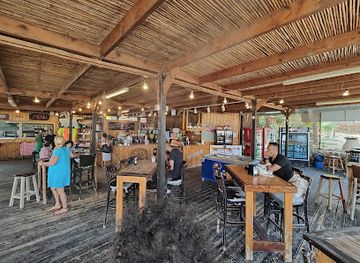
Bar
Lowest Bar in the World
Experience the unique charm of the Lowest Bar in the World at Kalia Beach, where stunning views and great drinks await every visitor.

Best shops in Judea
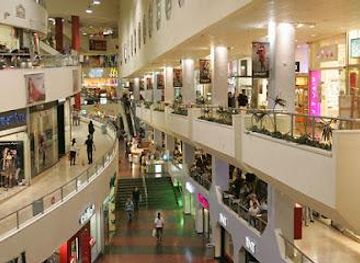
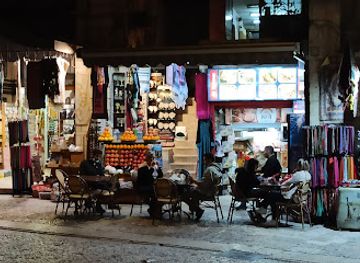
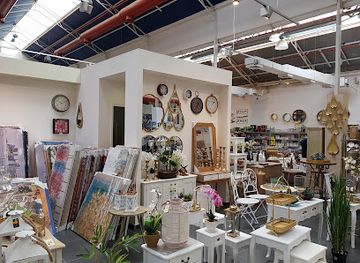
Shopping in Judea is shaped by Jerusalem's historic markets, modern commercial streets and the distinct retail cultures of Jewish and Palestinian neighbourhoods. The Old City's quarters sell religious articles, ceramics, textiles, spices, olive-wood work and food products, while the Mahane Yehuda area is known for fresh produce, bakeries, spices and prepared foods. In Palestinian towns such as Bethlehem, Hebron and Jericho, visitors may find embroidered textiles, olive-wood carving, ceramics, leather goods, dates, olive oil and traditional sweets; quality and provenance vary, so buy from established craftspeople and ask about materials. The Judean Hills also produce wine, honey, olive oil and other farm goods, although availability is seasonal. Shopping centres and chain stores are concentrated in larger Israeli urban areas rather than the desert. Markets may close or change hours for religious holidays, and cash remains useful for small purchases and bargaining where bargaining is customary.
-
Shopping mall
Dizengoff Center
Experience the essence of Tel Aviv at Dizengoff Center, a vibrant shopping mall offering diverse stores, dining, and cultural events.
-
Shopping mall
Alrov Mamilla Avenue
Explore Alrov Mamilla Avenue: Jerusalem's premier shopping destination blending luxury, culture, and stunning architecture.
-
Aquarium
Israel Aquarium
Explore the vibrant marine life and conservation efforts at the Israel Aquarium in Jerusalem, a top tourist attraction for families and nature lovers.
-
Department store
3 המשאלות
Explore 3 המשאלות, a vibrant department store offering an array of local products and unique treasures for every traveler.

Get your free copy of our complete guide to Judea, delivered straight to you.
Everything on this page, from attractions and restaurants to essentials and local phrases, in one PDF you can read offline, print or share.
Already have an account? Sign in
Your Judea guide is ready.
We'll send it to · Not you? Sign out

Getting your guide ready…
We are putting together a fresh copy of the Judea guide. This can take up to a minute.
This can take a few moments. If your browser asks, choose Allow so the download can start. You'll find the guide in your Downloads folder.
Nothing happened? Download it again
Sorry, the guide is taking longer than usual. Please try again in a minute, or get it by email instead.
Judea essentials
Currency and Payment
Safety
Emergency Situations
Do's and Don'ts
Local Tips
From Eve
Local phrases worth knowing
You don't need to get them perfect. A few words go a long way, and locals appreciate the effort.
Basics
| English | Local | Say it |
|---|---|---|
| Hello | שלום | [Shalom] |
| Goodbye | להתראות | [Lehitraot] |
| Yes | כן | [Ken] |
| No | לא | [Lo] |
| Please/You're welcome | בבקשה | [Bevakasha] |
| Thank you | תודה | [Toda] |
| Excuse me/Sorry | סליחה | [Slicha] |
| How are you? | מה שלומך? | [Ma shlomcha?] |
| Fine. And you? | בסדר. ואתה? | [Beseder. Ve'ata?] |
| Do you speak English? | אתה מדבר אנגלית? | [Ata medaber anglit?] |
| I don't understand | אני לא מבין | [Ani lo mevin] |
Eating & Drinking
| English | Local | Say it |
|---|---|---|
| I'd like to see the menu, please | אני רוצה לראות את התפריט, בבקשה | [Ani rotze lirot et hatafrit, bevakasha] |
| I don't eat meat | אני לא אוכל בשר | [Ani lo ochel basar] |
| Cheers! | לחיים! | [L'chaim!] |
| I would like to pay, please | אני רוצה לשלם, בבקשה | [Ani rotze leshalem, bevakasha] |
Emergencies
| English | Local | Say it |
|---|---|---|
| Help! | עזרה! | [Ezra!] |
| Go away! | תלך מכאן! | [Telech mikhan!] |
| Call the Police! | תתקשר למשטרה! | [Titkasher lemishtra!] |
| Call a doctor! | תתקשר לרופא! | [Titkasher lerofe!] |
| I'm lost | אני אבוד | [Ani avud] |
| I'm ill | אני חולה | [Ani choleh] |
Shopping
| English | Local | Say it |
|---|---|---|
| I'd like to buy... | אני רוצה לקנות... | [Ani rotze liknot...] |
| I'm just looking | אני רק מסתכל | [Ani rak mistakel] |
| How much is it? | כמה זה עולה? | [Kama ze ole?] |
| That's too expensive | זה יקר מדי | [Ze yakar midai] |
| Can you lower the price? | אתה יכול להוריד את המחיר? | [Ata yachol lehorid et hamchir?] |
Time & Numbers
| English | Local | Say it |
|---|---|---|
| What time is it? | מה השעה? | [Ma hasha'a?] |
| It's one o'clock | השעה אחת | [Hasha'a achat] |
| Half past (10) | חצי אחרי (10) | [Chetzi acharay (10)] |
| Morning | בוקר | [Boker] |
| Afternoon | אחר הצהריים | [Achar hatzohorayim] |
| Evening | ערב | [Erev] |
| Yesterday | אתמול | [Etmol] |
| Today | היום | [Hayom] |
| Tomorrow | מחר | [Machar] |
| 1 | אחד | [Echad] |
| 2 | שניים | [Shnaim] |
| 3 | שלושה | [Shlosha] |
| 4 | ארבעה | [Arba'a] |
| 5 | חמישה | [Chamisha] |
| 6 | שישה | [Shisha] |
| 7 | שבעה | [Sheva'a] |
| 8 | שמונה | [Shmona] |
| 9 | תשעה | [Tisha'a] |
| 10 | עשרה | [Asara] |
Transport & Directions
| English | Local | Say it |
|---|---|---|
| Where's a/the...? | איפה ה...? | [Eifo ha...?] |
| What's the address? | מה הכתובת? | [Ma haketovet?] |
| Can you show me (on the map)? | אתה יכול להראות לי (על המפה)? | [Ata yachol leharot li (al hamapa)?] |
| When's the next (bus)? | מתי האוטובוס הבא? | [Matai ha'otobus haba?] |
| A ticket (to ....) | כרטיס (ל....) | [Kartis (le....)] |
History of Judea
Early Settlement and the Kingdoms of Judah
The Judean hills contain evidence of prehistoric settlement, agricultural terraces and ancient villages. During the Iron Age, Jerusalem became the centre of the Kingdom of Judah, whose territory broadly occupied the southern highlands. Biblical traditions, archaeological remains and later historical sources describe a society organised around hill settlements, fortified towns and cultivation of olives, grapes and grain. Jerusalem's religious and political importance grew during this period, although the surviving evidence is interpreted differently by scholars and communities. Terraces, ancient water systems and archaeological layers across the hills still reveal how people adapted to a dry, rugged environment.
Persian, Hellenistic and Hasmonean Judea
After the Babylonian destruction of Jerusalem in the sixth century BCE, the region passed through Persian administration before becoming part of the Hellenistic world created by Alexander the Great's successors. The Maccabean revolt in the second century BCE led to the Hasmonean dynasty, which expanded Jewish rule over much of the southern Levant. Fortifications, ritual baths, coins and settlement remains reflect this period of political independence and religious change. Hasmonean control also helped establish the territorial and cultural framework later associated with Judea under Roman rule.
Herodian Rule and Roman Judea
Herod the Great, ruling as Rome's client king from 37 BCE, transformed the region through ambitious building projects. He enlarged Jerusalem's Temple complex, developed palaces and fortresses, and created the dramatic mountain stronghold of Masada. Herodium, south of Jerusalem, combined a palace, theatre, monumental architecture and a royal burial complex. After Herod's death, direct Roman administration increased, and Judea became a centre of political and religious tension. The Roman destruction of Jerusalem and the Second Temple in 70 CE fundamentally altered Jewish history and the physical landscape of the region.
Byzantine Christianity and the Desert Monastic Tradition
From the fourth century, under Byzantine Christian rule, Jerusalem and its surrounding landscapes became major destinations for pilgrims. Churches, monasteries and pilgrimage roads developed across the Judean hills and desert. Monastic communities established themselves in caves and remote valleys, taking advantage of the desert's isolation. The remains of monasteries around the Jordan Valley and the eastern escarpment illustrate the region's importance to early Christian spirituality. Byzantine administration also supported towns, agriculture and water infrastructure, much of which later periods reused or adapted.
Islamic Dynasties, Crusaders and Ottoman Administration
Following the seventh-century Muslim conquest, Judea became part of successive Islamic states, including the Umayyad, Abbasid, Ayyubid and Mamluk realms. Jerusalem remained a major religious centre, while rural settlements and caravan routes connected the highlands with the Jordan Valley. Crusader rule introduced new fortifications and religious institutions before Ayyubid and Mamluk governments re-established Muslim control. Under the Ottoman Empire, which governed the area from the sixteenth century until the First World War, towns, villages, agricultural terraces and pilgrimage routes continued to develop within a wider provincial system.
The British Mandate and the Partition of the Land
After the First World War, the area became part of the British Mandate for Palestine. Modern roads, administration, archaeology and tourism expanded, while political conflict between Jewish and Arab communities intensified. The 1947 United Nations partition proposal and the 1948 war produced new borders and divided control. West Jerusalem became part of Israel, while East Jerusalem and the West Bank came under Jordanian administration. These developments remain central to understanding the region's present geography and the differing political narratives attached to its historic name.
Israeli Control, Palestinian Life and Contemporary Tourism
Israel captured the West Bank, including East Jerusalem, in the 1967 war; the territories have since had a complex system of Israeli military control, Palestinian administration and differing legal arrangements. Israel administers East Jerusalem under its own law, a status not recognised by most of the international community, while the West Bank is divided into areas with different forms of Israeli and Palestinian control. Israeli settlements, Palestinian cities and villages, archaeological parks, religious destinations and nature reserves now coexist within this contested landscape. Visitors encounter both extraordinary heritage and practical political realities, including permits, checkpoints and changing security conditions.
Judea in Photos
Browse through our photo collection highlighting the charm and character of the destination.
Neighbouring regions of Judea
The closest regions to Judea, if you have time for more than one.
-

-

-

-

-


Swipe for more regions
Explore more

Explore more of Israel
Discover Israel, a country where ancient history and modern culture meet, offering a rich tapestry of religious significance, vibrant cities, and diverse landscapes.
Explore Israel