

Free Negev Travel Guide & Mobile App
Explore Negev with free travel guides. Discover regional history, expert tips, proposed trips, and audio guides on web or mobile app.


Explore Israel’s Negev for volcanic craters, Nabataean ruins, desert hikes, Bedouin culture, Eilat’s reefs and wide-open southern landscapes.
Read more about Negev
When is the best time to visit Negev?
Best: March–April, November · 22–26°C| Month | High (°C) | Rainfall (mm) |
|---|---|---|
| January | 17 | 15 |
| February | 19 | 12 |
| March (best) | 22 | 10 |
| April (best) | 26 | 5 |
| May | 31 | 2 |
| June | 34 | 1 |
| July | 36 | 0 |
| August | 36 | 1 |
| September | 34 | 2 |
| October | 30 | 5 |
| November (best) | 24 | 8 |
| December | 18 | 12 |
Getting to and around Negev
How to get there
Transportation
Top city travel guides in Negev
The cities of Negev, and the easiest places to base yourself.

Swipe for more cities
Destinations in Negev
Resorts, valleys and scenic spots worth a trip of their own.
-

-


Swipe for more destinations
Best attractions in Negev
The Negev’s attractions are built around geological scale, ancient settlement and outdoor exploration rather than a concentrated chain of urban sights. Makhtesh Ramon provides the region’s best-known landscape, with crater viewpoints, geological trails and access to the visitor facilities around Mitzpe Ramon. Ein Avdat combines a narrow canyon, cliffs and seasonal water with a striking desert walk, while the nearby ruins of Avdat explain how Nabataean and Byzantine communities used the trade routes and limited water of the highlands. Mamshit and Shivta offer further archaeological perspectives, each with a different setting and degree of preservation. Around Timna, copper-mining remains, sandstone formations and desert trails create a distinctive southern landscape. The Arava is associated with farms, birdlife and open horizons, while Eilat offers coral reefs, marine activities and access to the Eilat Mountains. Beersheba contributes museums, cultural institutions and an urban base for exploring the northern Negev. Hiking, cycling, four-wheel-drive excursions, astronomy and guided cultural experiences are possible, but all require attention to heat, seasonal flooding, road conditions and conservation rules.
-
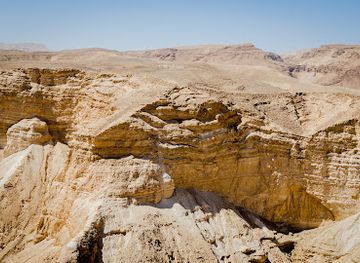
Masada National Park
Explore the stunning landscapes and rich history of Masada National Park, a UNESCO World Heritage site in Israel, ideal for nature lovers and history buffs alike.
-
Nature preserve
Wadi Rum Protected Area
Experience the breathtaking beauty and rich culture of Wadi Rum, a UNESCO World Heritage site in Jordan, renowned for its majestic landscapes and adventure opportunities.
-
Tourist attraction
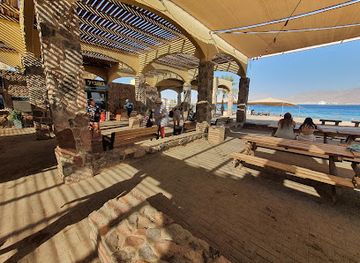
Eilat Coral Beach Nature Reserve
Discover the vibrant marine life and stunning coral reefs at Eilat Coral Beach Nature Reserve, a top destination for snorkeling and beach relaxation.
-
Tourist attraction
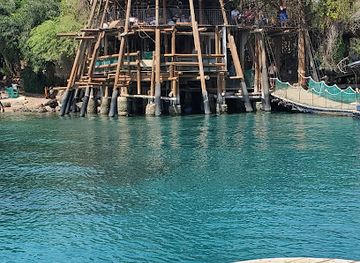
Dolphin Reef
Experience the thrill of swimming with dolphins at Dolphin Reef, Eilat's premier marine attraction, surrounded by stunning beaches and vibrant marine life.

Best landmarks in Negev
The Negev’s most recognisable landmarks are often geological rather than monumental. Makhtesh Ramon is the defining example: its immense erosion basin, layered cliffs and coloured formations form the visual centre of the central highlands. The smaller Makhtesh Gadol and Makhtesh Katan present more austere versions of the same geological process. The Nabataean ruins of Avdat stand on a desert ridge above the ancient caravan route, while the remains of Mamshit and Shivta preserve the urban scale of communities that once depended on trade and water engineering. At Sde Boker, David Ben-Gurion’s former home and burial site carry political and symbolic significance in the history of modern Israeli settlement. Timna’s sandstone pillars and mining landscape create another memorable natural and industrial landmark. In the far south, the red granite ridges of the Eilat Mountains frame the city and contrast with the blue waters of the Gulf of Aqaba. These places are protected or managed landscapes, so viewpoints and access routes should be used as designated.
-
Historical landmark
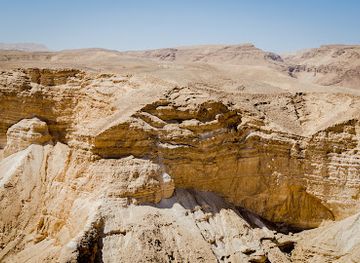
Masada National Park
Discover Masada National Park: A captivating blend of history and stunning landscapes in Israel's Judean Desert.
-
Beach pavillion
Eilat Coral Beach Nature Reserve
Explore the vibrant coral reefs and diverse marine life at Eilat Coral Beach Nature Reserve, a stunning treasure of the Red Sea.
-
Tourist attraction
Dolphin Reef
Experience the magic of swimming with dolphins and exploring vibrant coral reefs at Dolphin Reef in Eilat, a unique marine sanctuary.
-
National park
Timna Park
Explore Timna Park: A breathtaking national park in the Negev Desert, rich in natural wonders and ancient history, perfect for adventure seekers.


Explore Negev on the map
Plan your trip on one map. See where the top cities, national parks and sights are, and book hotels and experiences in a few clicks.
Best hotels in Negev
Best restaurants in Negev
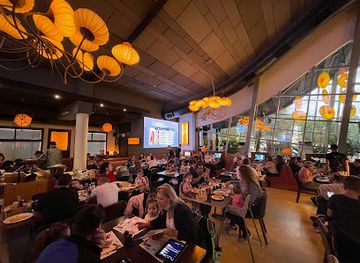
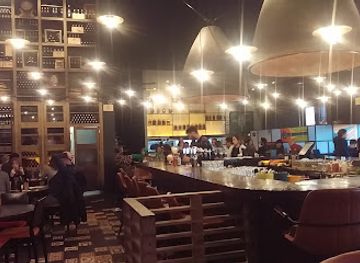
Negev dining ranges from Beersheba’s urban restaurants and cafés to kibbutz dining rooms, roadside stops, desert lodges and Eilat’s extensive hotel and seafront restaurant scene. Menus reflect wider Israeli cuisine as well as local conditions: salads, hummus, grilled meats, fish, breads, dairy products and seasonal vegetables are common, while produce from Arava farms gives some restaurants a direct connection with desert agriculture. Bedouin-style hospitality and meals may be available through organised cultural experiences, but visitors should choose respectful, community-connected operators rather than treating traditions as a performance. Eilat is the strongest base for seafood and international dining, although menus and businesses change frequently. In the highlands, meal choices can be widely spaced, so carry provisions for long excursions and check whether remote accommodation serves dinner. Markets and farm shops are useful places to look for dates, olives, honey, spices, wine and other products from southern Israel.
-
Mosh Beach
Discover Mosh Beach: Eilat's vibrant public beach offering delectable dining with stunning Red Sea views.
-
Restaurant
Nafis
Discover authentic Israeli flavors at Nafis, Be'er Sheva's beloved restaurant known for its delicious breakfasts and welcoming atmosphere.
-
Restaurant
Omer's
Discover Omer's in Eilat: A culinary gem offering delicious hamburgers alongside exceptional vegan and vegetarian delights.
-
Mediterranean
Kepasa
Experience authentic Mediterranean flavors at Kepasa in Be'er Sheva - A culinary journey awaits you!


Best bars in Negev
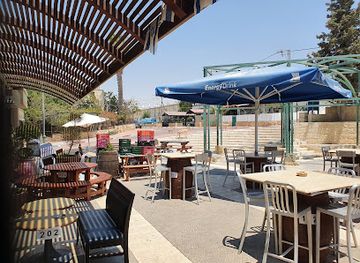
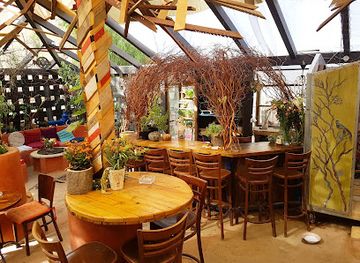
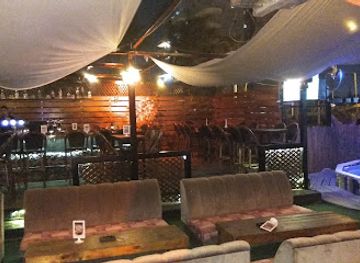
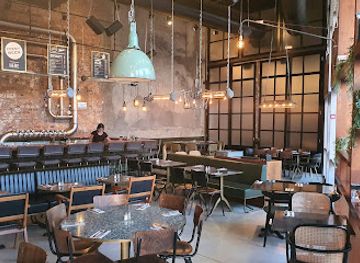
Nightlife in the Negev is uneven and closely tied to its settlement pattern. Beersheba has the broadest evening choice, including university-area cafés, pubs, bars, live music and restaurants, with activity concentrated in the city rather than spread across the desert. Mitzpe Ramon and the smaller highland communities favour low-key evenings in guesthouses, desert lodges, cafés and occasional cultural or music events rather than a large club scene. Eilat has the region’s most developed nightlife, with hotel bars, seafront venues and late-opening entertainment whose availability changes seasonally. Elsewhere, traditional pubs, kibbutz social spaces and outdoor stargazing are more characteristic than nightclubs. Desert evenings can be cold even after a hot day, and visitors should never drive after drinking on long, poorly lit roads. Alcohol is not necessary for enjoying the region’s evening culture, which also includes astronomy, live performance and quiet landscape viewing.
-
Gastropub
HaHavit
Experience the best of Mitzpe Ramon at HaHavit, a gastropub offering innovative cuisine and a vibrant atmosphere amidst stunning desert landscapes.
-
Pub
Habereh Pub
Experience the vibrant culture and unique ambiance of Habereh Pub, Mitzpe Ramon's go-to spot for drinks, food, and live entertainment.
-
Pub
Munchilla
Discover Munchilla, Be'er Sheva's lively pub offering delicious food, refreshing drinks, and a vibrant atmosphere for unforgettable nights.
-
Bar
ג'מס באר שבע JEM'S BEER FACTORY
Explore JEM'S Beer Factory in Be'er Sheva for an unforgettable blend of craft beer, delicious food, and live music in a vibrant atmosphere.
Best nightclubs in Negev
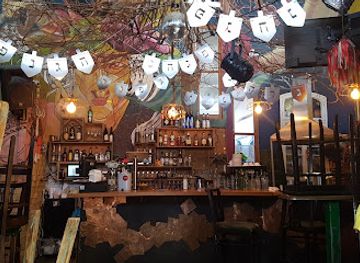
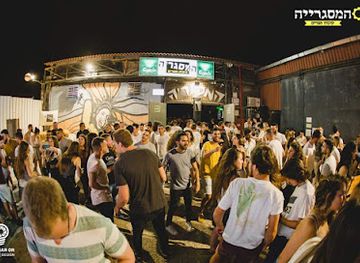
Nightlife in the Negev is uneven and closely tied to its settlement pattern. Beersheba has the broadest evening choice, including university-area cafés, pubs, bars, live music and restaurants, with activity concentrated in the city rather than spread across the desert. Mitzpe Ramon and the smaller highland communities favour low-key evenings in guesthouses, desert lodges, cafés and occasional cultural or music events rather than a large club scene. Eilat has the region’s most developed nightlife, with hotel bars, seafront venues and late-opening entertainment whose availability changes seasonally. Elsewhere, traditional pubs, kibbutz social spaces and outdoor stargazing are more characteristic than nightclubs. Desert evenings can be cold even after a hot day, and visitors should never drive after drinking on long, poorly lit roads. Alcohol is not necessary for enjoying the region’s evening culture, which also includes astronomy, live performance and quiet landscape viewing.
-
Pub
Habereh Pub
Discover the vibrant nightlife of Mitzpe Ramon at Habereh Pub, where local culture meets lively entertainment in a captivating atmosphere.
-
Night club
Gagarin Club TLV
Discover the dynamic nightlife at Gagarin Club TLV, where live music and vibrant dance beats create an unforgettable experience in Tel Aviv.
-
Night club
Forum club
Discover the vibrant nightlife of Be'er Sheva at Forum Club, where affordable drinks and electrifying music create unforgettable nights.
-
Night club
نادي
Discover the vibrant nightlife at Hatzerim's Dance Club, where every night is a celebration of music, dance, and unforgettable experiences.


Best shops in Negev
Shopping in the Negev is concentrated in Beersheba and Eilat, with smaller selections in Mitzpe Ramon, Arad, kibbutzim and roadside commercial areas. Beersheba combines ordinary high-street retail, contemporary shopping centres, cafés and local markets, making it the most practical place to buy provisions before travelling into remote country. Eilat has a larger tourist-oriented retail scene, including malls, resort shops, jewellery and duty-free shopping arrangements that are subject to national rules and current conditions. In the desert communities, look for locally produced food, dates, honey, olive oil, wine, spices, ceramics and craftwork rather than extensive fashion retail. Farm shops and visitor centres in the Arava may sell regional produce, while galleries and small businesses around Mitzpe Ramon offer art and desert-inspired crafts. When buying items presented as Bedouin or traditional handicrafts, ask about their origin and support reputable makers; souvenirs should never include archaeological material, protected plants or stones collected from nature reserves.
-
Shopping mall
Ice Mall
Experience the thrill of shopping and entertainment at Ice Mall Eilat, featuring unique shops, dining, and an exhilarating ice rink.
-
Beach pavillion
Eilat Coral Beach Nature Reserve
Explore the vibrant underwater world of Eilat Coral Beach Nature Reserve, a stunning destination for snorkeling and relaxation along the Red Sea.
-
Shopping mall
Azrieli Negev Mall
Experience the best of shopping, dining, and entertainment at Azrieli Negev Mall in Be'er Sheva, where modern retail meets local culture.
-
Furniture store
קואלה | Lifestyle Obsession | KUALA
Discover Kuala, a premier furniture store offering a unique blend of modern elegance and classic charm for all your home decor needs.


Get your free copy of our complete guide to Negev, delivered straight to you.
Everything on this page, from attractions and restaurants to essentials and local phrases, in one PDF you can read offline, print or share.
Already have an account? Sign in
Your Negev guide is ready.
We'll send it to · Not you? Sign out

Getting your guide ready…
We are putting together a fresh copy of the Negev guide. This can take up to a minute.
This can take a few moments. If your browser asks, choose Allow so the download can start. You'll find the guide in your Downloads folder.
Nothing happened? Download it again
Sorry, the guide is taking longer than usual. Please try again in a minute, or get it by email instead.
Negev essentials
Currency and Payment
Safety
Emergency Situations
Do's and Don'ts
Local Tips
From Eve
Local phrases worth knowing
You don't need to get them perfect. A few words go a long way, and locals appreciate the effort.
Basics
| English | Local | Say it |
|---|---|---|
| Hello | Shalom | [Sha-lom] |
| Goodbye | Shalom | [Sha-lom] |
| Yes | Ken | [Ken] |
| No | Lo | [Lo] |
| Please/You're welcome | Bevakasha | [Be-va-ka-sha] |
| Thank you | Toda | [To-da] |
| Excuse me/Sorry | Slicha | [Sli-cha] |
| How are you? | Ma shlomcha? (for male) / Ma shlomech? (for female) | [Ma sh-lo-mcha / Ma sh-lo-mech] |
| Fine. And you? | Tov. Veata? (for male) / Veat? (for female) | [Tov. Ve-a-ta / Ve-at] |
| Do you speak English? | Atah medaber anglit? (for male) / At medaberet anglit? (for female) | [A-ta me-da-ber ang-lit / At me-da-be-ret ang-lit] |
| I don't understand | Ani lo mevin | [A-ni lo me-vin] |
Eating & Drinking
| English | Local | Say it |
|---|---|---|
| I'd like to see the menu, please | Ani rotzeh lirot et ha-menu, bevakasha | [A-ni ro-tze li-rot et ha-me-nu, be-va-ka-sha] |
| I don't eat meat | Ani lo ochel basar | [A-ni lo o-chel ba-sar] |
| Cheers! | L’chayim! | [Le-chai-yim] |
| I would like to pay, please | Ani rotzeh leshalem, bevakasha | [A-ni ro-tze le-sha-lem, be-va-ka-sha] |
Emergencies
| English | Local | Say it |
|---|---|---|
| Help! | Ezra! | [Ez-ra] |
| Go away! | Leich! (to one person) | [Leich] |
| Call the Police! | Tze'ru le-police! | [Tze-ru le-po-lees] |
| Call a doctor! | Tze'ru larofe! | [Tze-ru la-ro-fe] |
| I'm lost | Ani to'eh | [A-ni to-eh] |
| I'm ill | Ani choleh | [A-ni cho-leh] |
Shopping
| English | Local | Say it |
|---|---|---|
| I'd like to buy... | Ani rotzeh liknot... | [A-ni ro-tze lik-not] |
| I'm just looking | Ani rak m'vakesh | [A-ni rak m-va-kesh] |
| How much is it? | Kama ze ole? | [Ka-ma ze o-le] |
| That's too expensive | Ze yoter midai | [Ze yo-ter mi-dai] |
| Can you lower the price? | Yachol lehatzil et hakitz? | [Ya-chol le-ha-tzil et ha-kitz] |
Time & Numbers
| English | Local | Say it |
|---|---|---|
| What time is it? | Ma ha-sha'a? | [Ma ha-sha-a] |
| It's one o'clock | Ze sha'ah achat | [Ze sha-ah a-chat] |
| Half past (10) | Chatzot l'sha'at (10) | [Cha-tzot le-sha-at] |
| Morning | Boker | [Bo-ker] |
| Afternoon | Acharon | [A-cha-ron] |
| Evening | Erev | [E-rev] |
| Yesterday | Etmol | [Et-mol] |
| Today | Hayom | [Ha-yom] |
| Tomorrow | Machar | [Ma-char] |
| 1 | Echad | [E-chad] |
| 2 | Shtayim | [Shta-yim] |
| 3 | Shlosha | [Shlo-sha] |
| 4 | Arba'a | [Ar-ba-a] |
| 5 | Chamesh | [Cha-mesh] |
| 6 | Shesh | [Shesh] |
| 7 | Sheva | [She-va] |
| 8 | Shmoneh | [Shmo-neh] |
| 9 | Tesha | [Te-sha] |
| 10 | Asar | [A-sar] |
Transport & Directions
| English | Local | Say it |
|---|---|---|
| Where's a/the...? | Eifo yesh...? | [Ei-fo yesh] |
| What's the address? | Ma ha-adress? | [Ma ha-adress] |
| Can you show me (on the map)? | Yachol leharot li (al ha-map)? | [Ya-chol le-ha-rot li al ha-map] |
| When's the next (bus)? | Matai ha-bus haba? | [Ma-tai ha-bus ha-ba] |
| A ticket (to ....) | Kavala (le....) | [Ka-va-la le] |
History of Negev
Prehistoric Desert Settlement
The Negev preserves evidence of human occupation stretching back tens of thousands of years, including stone tools, rock shelters and ancient pathways. Communities adapted to an exceptionally dry environment by following seasonal water sources, exploiting wildlife and moving across broad territories. Later prehistoric groups began to use more settled forms of subsistence where rainfall and local conditions allowed. Archaeological sites across the highlands and the Arava show that the desert was not an empty barrier but a changing environment crossed, inhabited and understood by successive societies.
Nabataean Caravan Routes
From the Hellenistic and Roman periods, the Nabataeans developed a commercial network linking southern Arabia with Mediterranean markets. Their settlements at Avdat, Mamshit, Shivta and nearby sites functioned as caravan stations and agricultural centres along routes carrying frankincense, spices and other valuable goods. Cisterns, terraces, wine presses and monumental remains reveal sophisticated water management. The towns later came under Roman and Byzantine rule, but their survival depended on the same desert knowledge and trade connections established by the Nabataeans.
Byzantine Farming and the Desert Cities
During the Byzantine period, several Negev settlements supported agriculture despite limited rainfall. Farmers used terraces, channels and carefully managed cisterns to grow grapes, olives and other crops, while Christian institutions added churches and public buildings to the towns. Shivta, Avdat and Mamshit preserve elements of this period, although their prosperity eventually declined as political and economic networks changed. Their remains are important evidence that intensive settlement in the desert depended on complex systems rather than abundant natural water.
The Ottoman and Mandate-Era Desert
Under Ottoman rule and later the British Mandate, the Negev remained sparsely settled compared with northern Palestine, with Bedouin communities maintaining pastoral and trading livelihoods across much of the region. The British established administrative and transport links, while Beersheba developed as a significant southern centre. The 1917 Battle of Beersheba, part of the First World War campaign, marked an important moment in the Ottoman defeat in the area. These decades also brought greater mapping, state administration and competition over land and mobility.
The 1948 War and the Southern Frontier
The Negev was a strategically important theatre during the 1948 Arab-Israeli War, when control of roads, settlements and access to the southern frontier was contested. The conflict helped determine the territory administered by the new State of Israel and accelerated the establishment and expansion of Jewish settlements in the region. It also had lasting consequences for Palestinian Arab and Bedouin communities, including displacement and changes in land access. The political and social legacies of this period remain relevant to understanding the Negev today.
Settlement, Research and Desert Development
After Israel’s establishment, the Negev became central to national plans for population growth, agriculture, infrastructure and scientific research. Beersheba expanded as the region’s principal urban centre, while kibbutzim, moshavim and development towns were established across the south. Sde Boker became associated with David Ben-Gurion’s vision of making the desert flourish, and research institutions developed expertise in irrigation, arid agriculture and environmental science. These projects produced important innovations but also generated continuing debates about land, planning, Bedouin recognition and unequal access to services.
Tourism and Conservation in the Modern Negev
In recent decades, geological landscapes, archaeological ruins, astronomy and desert ecology have become major foundations of Negev tourism. National parks and nature reserves protect places such as Avdat, Ein Avdat, Makhtesh Ramon and Timna, while the Arava supports research and agricultural tourism. Eilat has developed as Israel’s principal Red Sea resort, with marine conservation increasingly important around its coral reefs. Tourism now forms part of a wider regional economy that also includes education, renewable energy, agriculture, logistics and military activity.
Negev in Photos
Browse through our photo collection highlighting the charm and character of the destination.
Neighbouring regions of Negev
The closest regions to Negev, if you have time for more than one.
-

-

-

-

-


Swipe for more regions
Explore more

Explore more of Israel
Discover Israel, a country where ancient history and modern culture meet, offering a rich tapestry of religious significance, vibrant cities, and diverse landscapes.
Explore Israel