

Free Southern District Travel Guide & Mobile App
Explore Southern District with free travel guides. Discover regional history, expert tips, proposed trips, and audio guides on web or mobile app.


Explore Israel's Southern District for Negev desert scenery, Dead Sea landscapes, ancient cities, Red Sea reefs and distinctive regional culture.
Read more about Southern District
When is the best time to visit Southern District?
Best: April–May, October · 25–28°C| Month | High (°C) | Rainfall (mm) |
|---|---|---|
| January | 17 | 60 |
| February | 18 | 50 |
| March | 21 | 40 |
| April (best) | 25 | 20 |
| May (best) | 28 | 10 |
| June | 31 | 1 |
| July | 33 | 1 |
| August | 33 | 1 |
| September | 31 | 5 |
| October (best) | 28 | 20 |
| November | 22 | 30 |
| December | 18 | 50 |
Getting to and around Southern District
How to get there
Transportation
Top city travel guides in Southern District
The cities of Southern District, and the easiest places to base yourself.
-

-

-

-

-

-


Swipe for more cities
Destinations in Southern District
Resorts, valleys and scenic spots worth a trip of their own.
-

-

-


Swipe for more destinations
Best attractions in Southern District
The Southern District's attractions range from Mediterranean beaches and archaeological tells to vast desert scenery. Ashkelon National Park combines coastal views with remains of ancient settlement, while the beaches and marina areas of Ashdod offer a more modern seaside setting. Around Beersheba, visitors can explore the city's museums and the open landscapes of the northern Negev, with Tel Arad providing one of the district's clearest views of ancient fortified life. The UNESCO-listed desert cities of Avdat, Shivta and Mamshit explain how Nabataean and Byzantine communities managed trade, farming and water in an arid environment. In the central Negev, Makhtesh Ramon offers marked walks, geological viewpoints and desert wildlife, while Timna Park combines copper-mining archaeology with striking sandstone formations. The Dead Sea area brings together Masada, Ein Gedi Nature Reserve and salt-encrusted shores, although access conditions can change. Eilat provides coral-reef observation, snorkelling, diving and boat excursions, with marine conservation rules especially important. Outdoor activities are highly seasonal: winter and the cooler parts of the day are generally preferable for long desert walks, while summer visitors should plan around heat and official warnings.
-
Historical landmark
Masada National Park
Discover the historic Masada National Park in Israel, a UNESCO World Heritage Site offering stunning views, rich history, and unforgettable hiking experiences.
-
Beach
Ein Bokek beach
Experience the healing powers of Ein Bokek Beach, where the unique Dead Sea waters and stunning desert landscapes create a perfect getaway.
-
National reserve
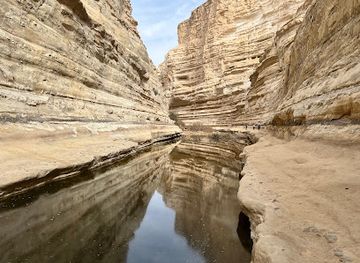
Ein Avdat National Park
Explore the breathtaking landscapes and rich history of Ein Avdat National Park, a stunning natural reserve in the heart of the Negev Desert.
-
Historical landmark
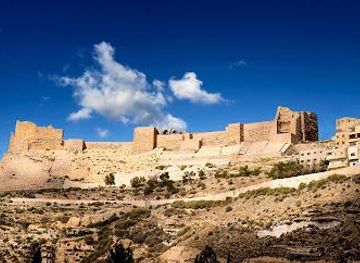
Kerak Castle
Discover the captivating history and stunning architecture of Kerak Castle, a remarkable Crusader fortress in the heart of Jordan.


Best landmarks in Southern District
Masada is the Southern District's most recognisable historic landmark: its isolated plateau, Herodian remains and Roman siege works make the fortress inseparable from the wider story of the Judean Desert. The Ramon Crater is the region's defining natural landmark, a vast erosion formation whose layered walls and high viewpoints reveal the geological history of the Negev. At Avdat, monumental ruins, churches and water installations mark a major Nabataean and Byzantine desert settlement, while Tel Arad preserves a sequence of fortified occupation and an Israelite-period sanctuary. Timna Park is distinguished by the Pillars of Solomon, sandstone formations and evidence of ancient copper extraction. The Dead Sea itself is both a geographical landmark and a sensitive environment, with its changing shoreline and mineral crusts framed by desert escarpments. In Eilat, the coral reef and Red Sea shoreline form a living natural landmark rather than a built monument. On the coast, the ancient walls and gate remains of Ashkelon National Park provide a visible link between the modern city and its long history as a Mediterranean port.
-
Historical landmark
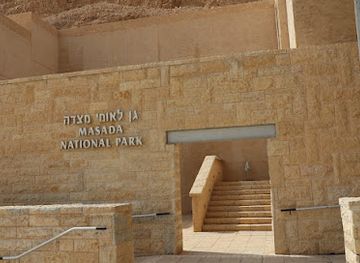
Masada National Park
Discover the ancient fortress of Masada National Park, where history and breathtaking landscapes unite in a captivating experience.
-
National park
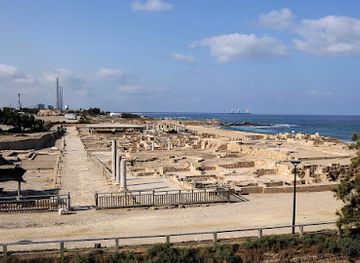
Caesarea National Park
Discover the rich history and stunning landscapes of Caesarea National Park, where ancient ruins meet the beauty of the Mediterranean coast.
-
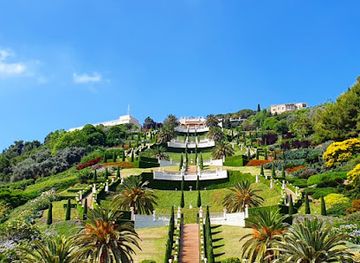
Pilgrimage place
Baháʼí Garden Haifa
Discover the breathtaking Bahá'í Gardens in Haifa, a UNESCO World Heritage Site blending spirituality with stunning landscapes and panoramic views.
-
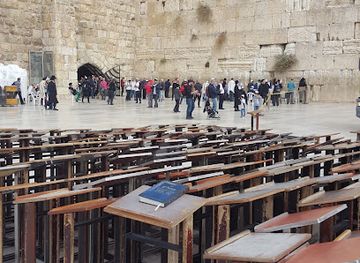
Shrine
Western Wall
Experience the spiritual essence of Jerusalem at the Western Wall, a historic shrine and a focal point of faith and reflection.
Explore Southern District on the map
Plan your trip on one map. See where the top cities, national parks and sights are, and book hotels and experiences in a few clicks.
Best hotels in Southern District
Best restaurants in Southern District
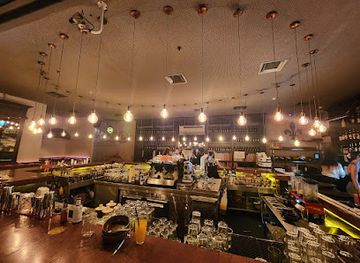
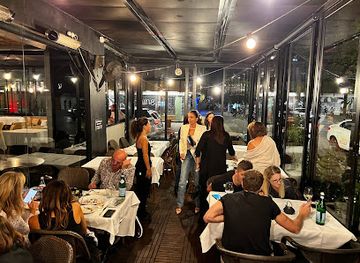
Dining in the Southern District reflects its coastal, desert and agricultural geography. Ashkelon and Ashdod offer Mediterranean and Levantine cooking, including fish, grilled foods, salads, hummus and baked dishes, alongside the broad range of Israeli cuisine found nationwide. Beersheba has the district's widest choice of cafés, casual restaurants and contemporary dining, with food influenced by Jewish communities from different parts of the world and by Arab and Bedouin traditions. Around the Dead Sea, Eilat and desert routes, restaurants are concentrated in hotels, resort areas, kibbutzim and roadside stops, so planning ahead is sensible outside larger towns. The northern and central Negev produce vegetables, herbs and other crops despite the arid climate, while the Arava is known for intensive desert agriculture. Bedouin-hosted meals may include flatbreads, rice, grilled meats, salads and sweet tea; choose established hosts and approach such visits respectfully. Markets and bakeries are useful places to sample seasonal produce, pastries and regional snacks without requiring a formal meal.
-
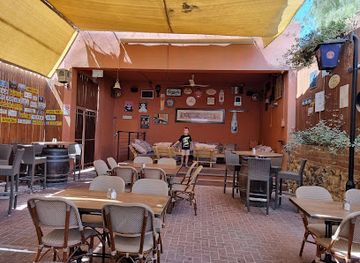
Restaurant
Muza
Discover Muza: A vibrant restaurant and pub in Arad offering delicious local cuisine and lively atmosphere for unforgettable dining experiences.
-
Mediterranean
Kepasa
Experience the vibrant flavors of Mediterranean cuisine at Kepasa in Be'er Sheva - where every dish tells a story.
-
Restaurant
Sifriya
Discover Sifriya in Be'er Sheva – where modern dining meets traditional flavors in an inviting atmosphere.
-
Seafood
Shila
Discover Shila in Tel Aviv: A seafood haven offering exquisite dishes and vibrant ambiance for unforgettable dining experiences.
Best bars in Southern District
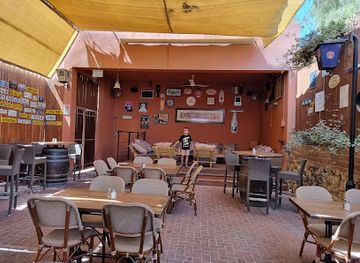
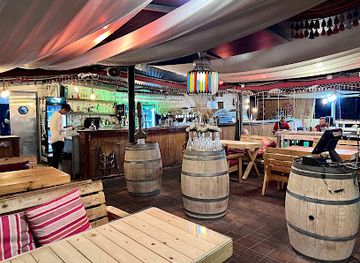
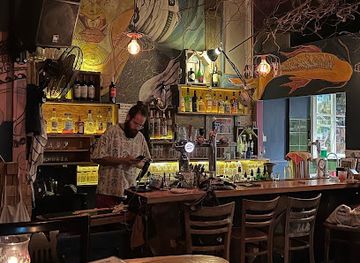
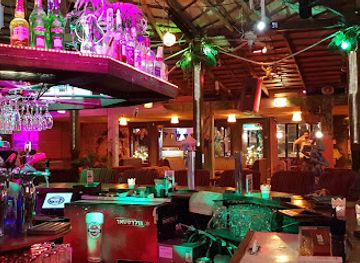
Nightlife is concentrated in Eilat, Beersheba and the larger coastal cities rather than spread across the desert. Eilat has the district's most resort-oriented evening scene, with hotel bars, restaurants, live entertainment and occasional late-night venues around the seafront and central hotel areas; its character can vary with the season and current operating arrangements. Beersheba offers a more local urban mix of cafés, pubs, student-oriented venues and live cultural events, while Ashkelon and Ashdod provide restaurants, seaside bars and occasional music venues. In smaller Negev communities, evenings usually centre on restaurants, kibbutz hospitality, guesthouses or small pubs rather than nightclubs. Alcohol is not necessary to experience the region's evening culture, and Friday evening through Saturday evenings can be affected by Shabbat observance, although Eilat is generally more commercially active than many other Israeli towns. Check current opening arrangements and security notices before going out.
-
Restaurant
Muza
Discover Muza in Arad: A vibrant restaurant and pub offering a delightful mix of local flavors and a cozy atmosphere for every taste.
-
Middle Eastern
Taj Mahal
Discover authentic Middle Eastern flavors at Taj Mahal, where every meal is a celebration of culture and taste.
-
Pub
Habereh Pub
Discover the vibrant culture and lively atmosphere at Habereh Pub in Mitzpe Ramon, a must-visit spot for every traveler.
-
Pub
Munchilla
Discover Munchilla, Be'er Sheva's lively pub offering a delightful mix of delicious food, refreshing drinks, and vibrant nightlife for every traveler.
Best nightclubs in Southern District
Nightlife is concentrated in Eilat, Beersheba and the larger coastal cities rather than spread across the desert. Eilat has the district's most resort-oriented evening scene, with hotel bars, restaurants, live entertainment and occasional late-night venues around the seafront and central hotel areas; its character can vary with the season and current operating arrangements. Beersheba offers a more local urban mix of cafés, pubs, student-oriented venues and live cultural events, while Ashkelon and Ashdod provide restaurants, seaside bars and occasional music venues. In smaller Negev communities, evenings usually centre on restaurants, kibbutz hospitality, guesthouses or small pubs rather than nightclubs. Alcohol is not necessary to experience the region's evening culture, and Friday evening through Saturday evenings can be affected by Shabbat observance, although Eilat is generally more commercially active than many other Israeli towns. Check current opening arrangements and security notices before going out.
-
Night club
Haoman 17
Experience the vibrant nightlife of Tel Aviv at Haoman 17, a premier nightclub offering electrifying shows and an inclusive atmosphere.
-
Night club
Gagarin Club TLV
Dive into the vibrant nightlife at Gagarin Club TLV, where live music, dancing, and an electric atmosphere await in Tel Aviv.
-
Night club
Cactus9
Discover the vibrant nightlife of Jerusalem at Cactus9, where music, dancing, and good vibes await you every night.
-
Night club
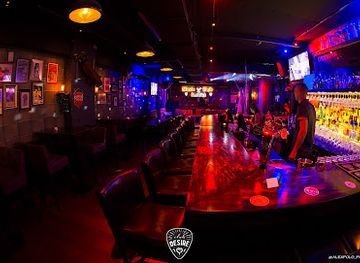
Desire Club
Discover the ultimate nightlife experience at Desire Club in Tel Aviv, where electrifying music meets exquisite dining and vibrant entertainment.


Best shops in Southern District
Shopping in the Southern District is shaped more by markets, food and local production than by extensive luxury retail. Beersheba is the principal inland shopping centre, with modern retail areas, a traditional market atmosphere and independent businesses serving the Negev's diverse population. Ashkelon and Ashdod combine ordinary Israeli high-street shopping with malls, food stores and seaside retail, while Eilat has a substantial resort-shopping scene and is widely associated with tax-free retail policies; conditions and eligible goods should be checked before purchase. Desert towns and visitor sites offer dates, honey, spices, olive products, ceramics, jewellery, textiles and art, though quality and provenance vary. Around the Dead Sea, mineral-based skincare products are common, but buy sealed products from reputable retailers and check ingredients. Farm shops and seasonal sellers in the Negev and Arava may offer local vegetables and fruit. Handicrafts from Bedouin makers should be purchased through fair, transparent channels rather than treated as anonymous souvenirs.
-
Shopping mall
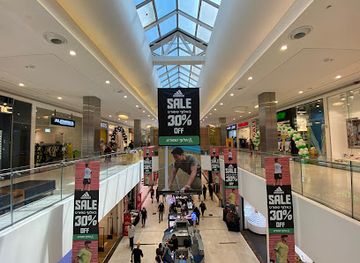
Azrieli Negev Mall
Discover the Azrieli Negev Mall: Be'er Sheva's Shopping Haven with Diverse Shops, Dining, and Entertainment Options for Every Visitor.
-
Antique store
Zak’s Jerusalem Gifts
Discover unique antiques and authentic souvenirs at Zak's Jerusalem Gifts, where history and culture blend seamlessly in every item.
-
Furniture store
קואלה | Lifestyle Obsession | KUALA
Discover stylish furniture and unique decor at KUALA, where contemporary design meets local culture in an unforgettable shopping experience.
-
Baby store
Mamydo Baby gifts - Israel
Discover unique and chic baby gifts at Mamydo Baby Gifts in Israel, a must-visit for new parents and thoughtful gift-givers.


Get your free copy of our complete guide to Southern District, delivered straight to you.
Everything on this page, from attractions and restaurants to essentials and local phrases, in one PDF you can read offline, print or share.
Already have an account? Sign in
Your Southern District guide is ready.
We'll send it to · Not you? Sign out

Getting your guide ready…
We are putting together a fresh copy of the Southern District guide. This can take up to a minute.
This can take a few moments. If your browser asks, choose Allow so the download can start. You'll find the guide in your Downloads folder.
Nothing happened? Download it again
Sorry, the guide is taking longer than usual. Please try again in a minute, or get it by email instead.
Southern District essentials
Currency and Payment
Safety
Emergency Situations
Do's and Don'ts
Local Tips
From Eve
Local phrases worth knowing
You don't need to get them perfect. A few words go a long way, and locals appreciate the effort.
Basics
| English | Local | Say it |
|---|---|---|
| Hello | Howdy | [haʊdi] |
| Goodbye | See ya | [si jə] |
| Yes | Yup | [jʌp] |
| No | Nah | [nɑ] |
| Please/You're welcome | No problem | [noʊ ˈprɑbləm] |
| Thank you | Thanks | [θæŋks] |
| Excuse me/Sorry | Pardon me | [ˈpɑrdən mi] |
| How are you? | How's it going? | [haʊz ɪt ˈgoʊɪŋ] |
| Fine. And you? | Good. And you? | [gʊd. ənd ju] |
| Do you speak English? | Do ya speak English? | [du jə spiːk ˈɪŋɡlɪʃ] |
| I don't understand | I don't get it | [aɪ doʊnt ɡɛt ɪt] |
Eating & Drinking
| English | Local | Say it |
|---|---|---|
| I'd like to see the menu, please | Can I see the menu, please? | [kæn aɪ si ðə ˈmɛnjuː pliːz] |
| I don't eat meat | I'm vegetarian | [aɪm ˌvɛdʒəˈtɛriən] |
| Cheers! | Cheers! | [tʃɪrz] |
| I would like to pay, please | Can I get the check, please? | [kæn aɪ ɡɛt ðə tʃɛk pliːz] |
Emergencies
| English | Local | Say it |
|---|---|---|
| Help! | Help! | [hɛlp] |
| Go away! | Leave me alone! | [liːv mi əˈloʊn] |
| Call the Police! | Call the cops! | [kɔl ðə kɑps] |
| Call a doctor! | Get a doctor! | [ɡɛt ə ˈdɑktər] |
| I'm lost | I'm lost | [aɪm lɔst] |
| I'm ill | I'm not feeling well | [aɪm nɑt ˈfiːlɪŋ wɛl] |
Shopping
| English | Local | Say it |
|---|---|---|
| I'd like to buy... | I want to buy... | [aɪ wɑnt tu baɪ] |
| I'm just looking | Just browsing | [dʒʌst ˈbraʊzɪŋ] |
| How much is it? | What's the price? | [wɑts ðə praɪs] |
| That's too expensive | That's a bit pricey | [ðæts ə bɪt ˈpraɪsi] |
| Can you lower the price? | Can you give me a better price? | [kæn jə ɡɪv mi ə ˈbɛtər praɪs] |
Time & Numbers
| English | Local | Say it |
|---|---|---|
| What time is it? | What time is it? | [wɑt taɪm ɪt] |
| It's one o'clock | It's one o'clock | [ɪts wʌn əˈklɑk] |
| Half past (10) | Half past ten | [hæf pæst tɛn] |
| Morning | Morning | [ˈmɔrnɪŋ] |
| Afternoon | Afternoon | [ˌæftərˈnun] |
| Evening | Evening | [ˈivnɪŋ] |
| Yesterday | Yesterday | [ˈjɛstərdeɪ] |
| Today | Today | [təˈdeɪ] |
| Tomorrow | Tomorrow | [təˈmɔroʊ] |
| 1 | One | [wʌn] |
| 2 | Two | [tu] |
| 3 | Three | [θri] |
| 4 | Four | [fɔr] |
| 5 | Five | [faɪv] |
| 6 | Six | [sɪks] |
| 7 | Seven | [ˈsɛvən] |
| 8 | Eight | [eɪt] |
| 9 | Nine | [naɪn] |
| 10 | Ten | [tɛn] |
Transport & Directions
| English | Local | Say it |
|---|---|---|
| Where's a/the...? | Where's the...? | [wɛrz ðə] |
| What's the address? | What's the address? | [wɑts ði ˈædrɛs] |
| Can you show me (on the map)? | Can you point it out on the map? | [kæn jə pɔɪnt ɪt aʊt ɒn ðə mæp] |
| When's the next (bus)? | When's the next bus? | [wɛnʒ ðə nɛkst bʌs] |
| A ticket (to ....) | One ticket to... | [wʌn ˈtɪkɪt tu] |
History of Southern District
Prehistoric Communities and Desert Adaptation
The Negev and southern coastal plain contain evidence of human occupation extending back to prehistoric periods. Communities adapted to arid conditions through seasonal movement, hunting, herding and later cultivation around dependable water sources. Archaeological finds around the Dead Sea, the Negev highlands and the southern coastal plain show that the desert was never simply empty space. Caves, campsites, rock art and early agricultural traces illustrate changing relationships between people, animals and scarce water, providing a long prelude to the more organised settlement and trade networks that later crossed the region.
Canaanite, Philistine and Early Israelite Frontiers
The southern coastal plain formed a zone of contact between the cultures of the eastern Mediterranean and the inland highlands. Ashkelon was an important maritime settlement in the Bronze Age and later a major Philistine city, while inland sites such as Tel Arad reveal fortified settlement and administrative activity during the Israelite period. These communities depended on agriculture, regional exchange and access to routes leading towards the desert. Their remains demonstrate that the district's coastal cities and interior strongholds were connected to wider political systems rather than isolated local settlements.
Roman and Byzantine Desert Networks
Roman and Byzantine rule brought roads, forts, farms and more systematic administration to the southern region. The Nabataeans, whose capital was Petra beyond the modern border, developed desert trade routes and sophisticated methods of collecting and storing water. After Roman annexation of the Nabataean kingdom, settlements such as Avdat grew along the caravan routes linking Arabia with Mediterranean markets. Byzantine communities expanded agriculture and wine production in parts of the Negev, leaving churches, presses, cisterns and public buildings at sites including Shivta and Mamshit.
Masada, Jewish Revolt and Roman Control
Masada became a royal fortress under Herod the Great and later served as a stronghold during the First Jewish–Roman War in the first century CE. Its elevated position, palaces, water installations and defensive walls reveal both the ambitions of Herodian rule and the logistical demands of occupying the Judean Desert. The site's final siege by Roman forces became a powerful episode in the history of the region. Roman control was reinforced through roads, forts and garrisons, tying the Dead Sea and southern approaches more firmly to the imperial system.
Medieval Trade, Pilgrimage and Changing Rule
Following the Byzantine period, the southern district passed through successive Islamic, Crusader and later regional political systems. The Dead Sea, Hebron route and desert tracks continued to have strategic and commercial significance, although settlement patterns changed as water supplies, security and trade routes shifted. Coastal ports and inland caravan paths connected the area to Egypt, the Levant and Arabia. Many surviving structures are fragmentary, but the region's layered place names, ruins, roads and agricultural traces reflect centuries of movement across a frontier between Mediterranean and desert worlds.
Ottoman Administration and the Modern Desert Frontier
Under Ottoman rule, much of the Negev remained lightly settled, with Bedouin tribal communities, agricultural pockets and routes linking larger towns. Beersheba was established as an Ottoman administrative centre in the early twentieth century, and its grid, railway remains and government buildings mark a period of increased state presence. The railway connected the southern interior with wider networks, although wartime disruption and later political changes altered its importance. The district's modern boundaries and many of its settlements emerged from the competing strategic, agricultural and administrative projects of the twentieth century.
Statehood, Desert Development and Regional Transformation
After Israel's establishment in 1948, the southern district became a major focus of immigration, town building, agriculture, military infrastructure and efforts to make arid land productive. Beersheba expanded as the Negev's principal urban centre, while development reached the Arava Valley, the Dead Sea shore and Eilat. Kibbutzim, moshavim and planned towns introduced new farming systems, though this transformation also affected Bedouin communities and generated continuing debates over land, recognition and public services. Tourism, nature conservation, mineral extraction and high-tech research now sit alongside older agricultural and pastoral landscapes.
Southern District in Photos
Browse through our photo collection highlighting the charm and character of the destination.
Neighbouring regions of Southern District
The closest regions to Southern District, if you have time for more than one.
-

-

-

-

-


Swipe for more regions
Explore more

Explore more of Israel
Discover Israel, a country where ancient history and modern culture meet, offering a rich tapestry of religious significance, vibrant cities, and diverse landscapes.
Explore Israel