

Free Shephelah Travel Guide & Mobile App
Explore Shephelah with free travel guides. Discover regional history, expert tips, proposed trips, and audio guides on web or mobile app.


Explore Israel’s Shephelah for biblical valleys, ancient tells, carved caves, vineyards and open landscapes between the coast and Judean Hills.
Read more about Shephelah
When is the best time to visit Shephelah?
Best: April–May, October · 24–28°C| Month | High (°C) | Rainfall (mm) |
|---|---|---|
| January | 15 | 70 |
| February | 16 | 60 |
| March | 20 | 50 |
| April (best) | 24 | 20 |
| May (best) | 28 | 10 |
| June | 31 | 5 |
| July | 34 | 1 |
| August | 34 | 1 |
| September | 32 | 3 |
| October (best) | 28 | 20 |
| November | 22 | 40 |
| December | 17 | 60 |
Getting to and around Shephelah
How to get there
Transportation
Top city travel guides in Shephelah
The cities of Shephelah, and the easiest places to base yourself.
-

-

-

-

-


Swipe for more cities
Destinations in Shephelah
Resorts, valleys and scenic spots worth a trip of their own.

Swipe for more destinations
Best attractions in Shephelah
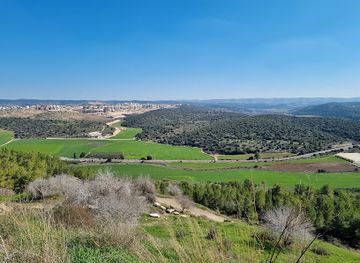
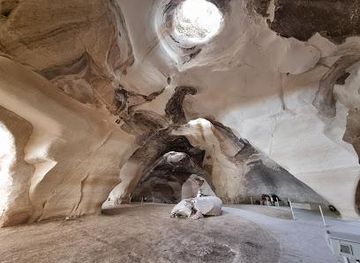
The Shephelah’s attractions are shaped by the meeting of archaeology, open countryside and agricultural landscapes. Bet Guvrin-Maresha National Park is the regional centrepiece, with ancient streets, burial complexes, olive presses and extensive man-made caves cut into the soft rock. Its UNESCO World Heritage status reflects the exceptional evidence preserved beneath and around Maresha. Tel Lachish presents the remains of a major fortified city, while Tel Gezer and Tel Azekah offer elevated perspectives on the routes and valleys that made the lowland strategically important. The Elah Valley and Adulam region add walking, cycling, woodland and seasonal wildflowers to the itinerary, while vineyards and working farms provide a contemporary view of the land. Visitors interested in ancient engineering can examine cisterns, quarries and agricultural installations; those seeking quieter outdoor time can follow marked paths through rolling terrain. Distances between sites are considerable, so the region is best explored through carefully grouped day trips rather than as a compact museum circuit.
-
National park
Britannia Park
Explore Britannia Park, a breathtaking national park in Israel, perfect for hiking, picnicking, and immersing yourself in nature's tranquility.
-
National park
Beit Guvrin-Maresha National Park
Explore the ancient wonders and stunning landscapes of Beit Guvrin-Maresha National Park, a must-visit natural and historical gem in Israel.
-
Beach
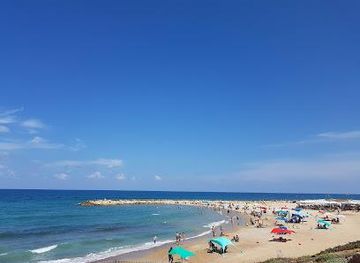
Tel Baruch Beach
Experience the beauty of Tel Baruch Beach, a perfect blend of relaxation and vibrant beach culture on the Mediterranean coast.
-
National park
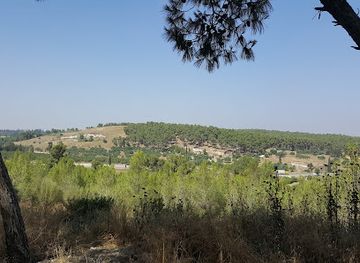
Ha-Mal'akhim-Shkharya Forest
Explore Ha-Mal'akhim-Shkharya Forest, a stunning national park in Israel perfect for hiking, family picnics, and reconnecting with nature's beauty.
Best landmarks in Shephelah
The most recognisable landmarks of the Shephelah are its archaeological hilltops and the valleys they command. Tel Lachish rises above the southern lowland as the remains of a major Judahite fortress-city, its earthworks and gates conveying the defensive importance of the site. Tel Azekah overlooks the Elah Valley, where the visual relationship between hill, road and cultivated plain explains why the area has long carried strategic significance. Tel Gezer, on the northern edge of the region, is notable for its monumental gates, fortifications and views towards the coastal plain. At Bet Guvrin-Maresha, the landmark is partly subterranean: the Bell Caves, burial complexes and other excavated chambers reveal the extent to which ancient communities reshaped the soft rock. The broad Elah Valley itself is a geographical landmark, framed by low ridges rather than high mountains. Together these places create a distinctive lowland profile in which ancient tells, agricultural fields and pale limestone slopes remain closely connected.
-
National park
Beit Guvrin-Maresha National Park
Experience the charm of Beit Guvrin-Maresha National Park, where ancient history meets stunning natural beauty in Israel's diverse landscapes.
-
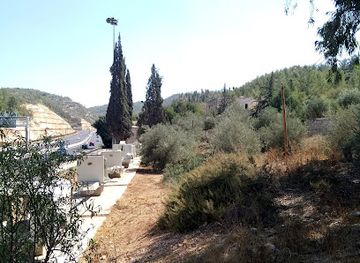
Historical landmark
Khan Sha’ar HaGai (Bab el-Wad)
Explore the historical significance and natural beauty of Khan Sha'ar HaGai, a must-visit landmark in Israel that bridges the past with serene landscapes.
-
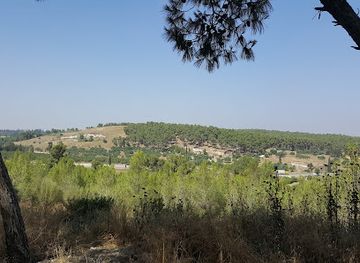
National park
Ha-Mal'akhim-Shkharya Forest
Discover Ha-Mal'akhim-Shkharya Forest, a stunning national park in Israel perfect for hiking and immersing in nature's beauty.
-
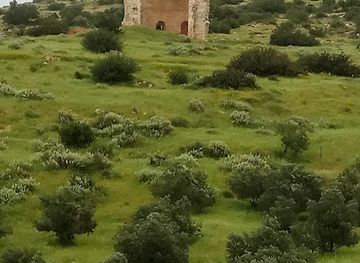
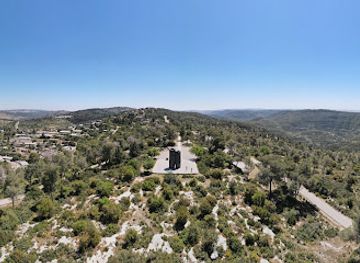
Monument
Scroll of Fire
Discover the stunning Scroll of Fire in Israel, a natural monument offering breathtaking views, incredible hiking trails, and a glimpse into the region's geological history.
Explore Shephelah on the map
Plan your trip on one map. See where the top cities, national parks and sights are, and book hotels and experiences in a few clicks.
Best hotels in Shephelah
Best restaurants in Shephelah
Dining in the Shephelah is generally centred on nearby towns, rural communities, roadside cafés, wineries and farm-based producers rather than on a single regional culinary style. Menus reflect the broader food culture of Israel, with salads, grilled meats, breads, hummus, tahini and seasonal vegetables commonly appearing alongside locally grown produce. The agricultural landscape supports vineyards, olives, fruit and field crops, and some visitor-oriented farms and wineries offer tastings or simple meals; arrangements vary and should be checked before travelling. Around Beit Shemesh, Kiryat Gat and other larger settlements, visitors will find a wider choice of cafés, bakeries and casual restaurants, while rural areas may have fewer options and limited evening service. Markets and farm shops can be useful for picnic supplies, particularly when visiting archaeological sites with little shade or refreshment infrastructure. Kosher establishments are common, and opening patterns may change around Jewish holidays and Shabbat.
-
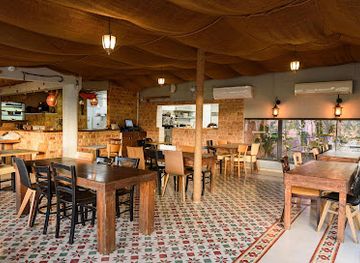
Restaurant
Reshta Restaurant - מסעדת רשטא
Experience authentic Israeli cuisine at Reshta Restaurant in Ein Rafa - a must-visit culinary destination for food lovers.
-
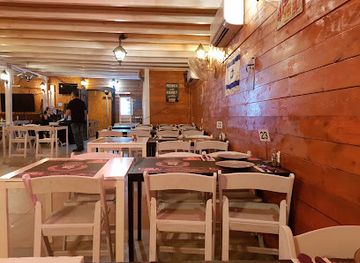
American
בישיק המבשלה - מסעדת בשרים
Experience the rich flavors of American cuisine at Bishiq Brewery – where every bite is a celebration of quality meats and craft brews.
-
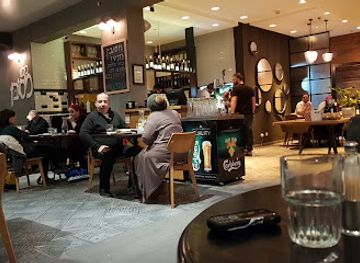
Restaurant
Mesubin
Experience the best of local cuisine at Mesubin in Bet Shemesh – where flavor meets tradition in every dish.
-
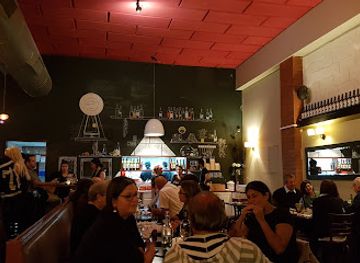
Bistro
Castel link
Experience exquisite flavors at Castel Link Bistro in Shoresh - where culinary tradition meets modern taste.
Best bars in Shephelah
The Shephelah is primarily a rural and archaeological destination, so evening life is quieter than in Tel Aviv or Jerusalem, both of which lie outside the region. In towns such as Beit Shemesh and Kiryat Gat, nightlife is more likely to involve cafés, restaurants, pubs and occasional live entertainment than a concentrated club scene. Wineries and agricultural visitor sites may offer tastings or evening programmes at particular times, but these are commercial arrangements that require advance checking rather than permanent assumptions. After dark, the countryside becomes notably quiet, with limited lighting and few services between settlements. Visitors staying in rural accommodation often spend the evening dining, walking short marked routes before sunset or observing the night sky. Alcohol is not necessary to experience the region, and visitors should plan a sober driver or reliable taxi arrangement if travelling between wineries and accommodation.
-
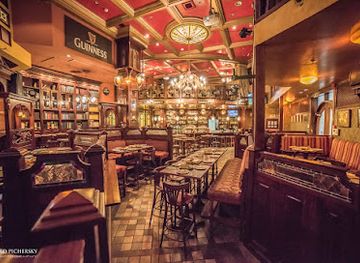
Irish pub
O'Sullivan
Discover the vibrant spirit of Ireland at O'Sullivan, an Irish pub offering live music, delicious cuisine, and a warm, welcoming atmosphere.
-
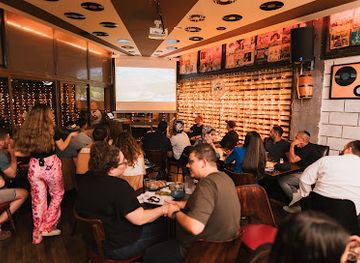
Pub
בר טוב - Bar Tuv Meat Chef Bar
Discover Bar Tuv Meat Chef Bar - a culinary haven offering delicious barbecue dishes, gourmet burgers, and a lively atmosphere for unforgettable nights.
-
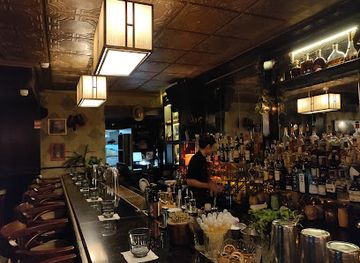
Cocktail bar
Gatsby Cocktail Room
Discover the enchanting Gatsby Cocktail Room, where innovative cocktails and vibrant nightlife come together in the heart of Jerusalem.
-
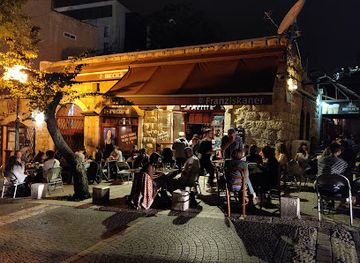
Pub
Hataklit Bar
Discover Hataklit Bar: A lively gastropub in Jerusalem with unique cocktails, delicious food, and an unforgettable nightlife experience.
Best nightclubs in Shephelah
The Shephelah is primarily a rural and archaeological destination, so evening life is quieter than in Tel Aviv or Jerusalem, both of which lie outside the region. In towns such as Beit Shemesh and Kiryat Gat, nightlife is more likely to involve cafés, restaurants, pubs and occasional live entertainment than a concentrated club scene. Wineries and agricultural visitor sites may offer tastings or evening programmes at particular times, but these are commercial arrangements that require advance checking rather than permanent assumptions. After dark, the countryside becomes notably quiet, with limited lighting and few services between settlements. Visitors staying in rural accommodation often spend the evening dining, walking short marked routes before sunset or observing the night sky. Alcohol is not necessary to experience the region, and visitors should plan a sober driver or reliable taxi arrangement if travelling between wineries and accommodation.
-
Night club
Dell Club
Discover the electrifying nightlife at Dell Club in Ashdod, where vibrant music and a lively atmosphere create unforgettable memories.
-
 Night club
قاعه القمر
Dive into the vibrant nightlife of Rahat at قاعه القمر, where music, dance, and unforgettable moments await you.
Best shops in Shephelah
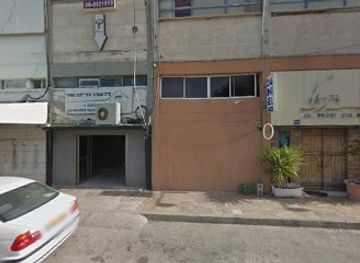
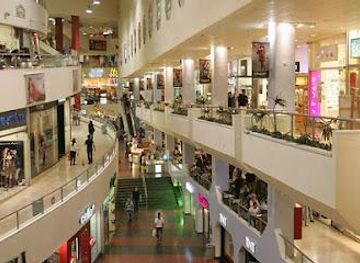
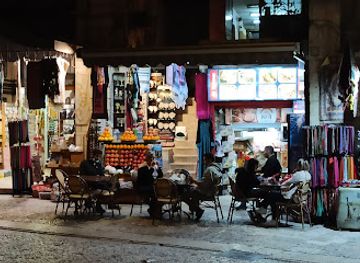
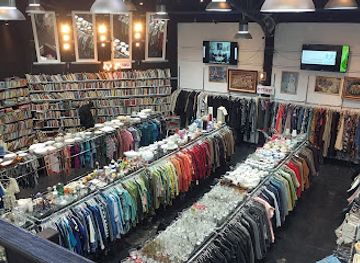
Shopping in the Shephelah is dispersed and locally focused rather than concentrated in a single retail district. Beit Shemesh and Kiryat Gat provide the broadest selection of supermarkets, high-street shops, cafés and everyday services, while smaller settlements offer more limited provisions. Around the countryside, farm shops, wineries and agricultural visitor sites may sell wine, olive oil, honey, seasonal fruit, preserves and other locally produced goods, although opening arrangements vary. Markets and independent food shops are useful for assembling a picnic before visiting archaeological sites, where refreshments may be scarce. Visitors interested in crafts and heritage products should look for small galleries, studio outlets and museum-shop selections rather than expecting a large artisan quarter. As with the wider country, Hebrew and Arabic are common in local commerce, with English widely used in visitor-oriented businesses. Check holiday and Shabbat arrangements before planning a shopping excursion.
-
Shopping mall
Dizengoff Center
Explore Dizengoff Center in Tel Aviv: the ultimate shopping, dining, and entertainment destination in the heart of the city.
-
Shopping mall
Alrov Mamilla Avenue
Discover Alrov Mamilla Avenue, Jerusalem’s premier shopping mall, where luxury retail meets local artistry and vibrant culinary experiences.
-
Clothing store
Ha'metzi'on second-hand stores
Explore Ha'metzi'on, Jerusalem's top second-hand store for unique clothing, vintage jewelry, and rare finds that celebrate sustainable shopping.
-
Antique store
Zak’s Jerusalem Gifts
Explore Zak’s Jerusalem Gifts for unique antiques and souvenirs that capture the essence of Jerusalem’s rich heritage and culture.
Get your free copy of our complete guide to Shephelah, delivered straight to you.
Everything on this page, from attractions and restaurants to essentials and local phrases, in one PDF you can read offline, print or share.
Already have an account? Sign in
Your Shephelah guide is ready.
We'll send it to · Not you? Sign out

Getting your guide ready…
We are putting together a fresh copy of the Shephelah guide. This can take up to a minute.
This can take a few moments. If your browser asks, choose Allow so the download can start. You'll find the guide in your Downloads folder.
Nothing happened? Download it again
Sorry, the guide is taking longer than usual. Please try again in a minute, or get it by email instead.
Shephelah essentials
Currency and Payment
Safety
Emergency Situations
Do's and Don'ts
Local Tips
From Eve
Local phrases worth knowing
You don't need to get them perfect. A few words go a long way, and locals appreciate the effort.
Basics
| English | Local | Say it |
|---|---|---|
| Hello | Hi | [hai] |
| Goodbye | See ya | [si ya] |
| Yes | Yep | [yep] |
| No | Nope | [nohp] |
| Please/You're welcome | Sure thing | [shur thing] |
| Thank you | Thanks | [thangs] |
| Excuse me/Sorry | Pardon me | [pardn me] |
| How are you? | How ya doing? | [how ya doin'] |
| Fine. And you? | Good. You? | [gud. you?] |
| Do you speak English? | Do you speak English? | [do you speak ing-glish?] |
| I don't understand | I don't get it | [i don't get it] |
Eating & Drinking
| English | Local | Say it |
|---|---|---|
| I'd like to see the menu, please | Can I see the menu? | [can i see the men-yoo?] |
| I don't eat meat | I'm vegetarian | [i'm veg-e-tair-ee-an] |
| Cheers! | Cheers! | [cheers] |
| I would like to pay, please | Can I get the check? | [can i get the chek?] |
Emergencies
| English | Local | Say it |
|---|---|---|
| Help! | Help! | [help] |
| Go away! | Leave me alone! | [leave me alone] |
| Call the Police! | Call the cops! | [call the cops] |
| Call a doctor! | Get a doctor! | [get a doctor] |
| I'm lost | I'm lost | [i'm lost] |
| I'm ill | I'm not feeling well | [i'm not feelin well] |
Shopping
| English | Local | Say it |
|---|---|---|
| I'd like to buy... | I want to buy... | [i want to buy...] |
| I'm just looking | Just browsing | [just brow-sing] |
| How much is it? | What's the price? | [wats the price?] |
| That's too expensive | That's pricey | [thats pry-see] |
| Can you lower the price? | Can you drop the price? | [can you drop the price?] |
Time & Numbers
| English | Local | Say it |
|---|---|---|
| What time is it? | What time is it? | [wot time is it?] |
| It's one o'clock | It's one o'clock | [its won o'clock] |
| Half past (10) | Half past ten | [haf past ten] |
| Morning | Morning | [morning] |
| Afternoon | Afternoon | [afternoon] |
| Evening | Evening | [evening] |
| Yesterday | Yesterday | [yes-ter-day] |
| Today | Today | [to-day] |
| Tomorrow | Tomorrow | [to-mor-row] |
| 1 | 1 | [one] |
| 2 | 2 | [two] |
| 3 | 3 | [three] |
| 4 | 4 | [four] |
| 5 | 5 | [five] |
| 6 | 6 | [six] |
| 7 | 7 | [seven] |
| 8 | 8 | [eight] |
| 9 | 9 | [nine] |
| 10 | 10 | [ten] |
Transport & Directions
| English | Local | Say it |
|---|---|---|
| Where's a/the...? | Where's the...? | [wheres the...?] |
| What's the address? | What's the address? | [wats the ad-dress?] |
| Can you show me (on the map)? | Can you point it out? | [can you point it out?] |
| When's the next (bus)? | When's the next bus? | [wens the next bus?] |
| A ticket (to ....) | A ticket to ... | [a tik-it to ...] |
History of Shephelah
Early Settlement and the Bronze Age Cities
The Shephelah has been occupied since prehistoric times, but its major historical importance developed as settled communities established towns on the low hills and along the valleys. During the Bronze Age, sites including Gezer and Lachish formed part of the urban network of the southern Levant. Their position between the Mediterranean coast and the interior gave them access to trade routes while also exposing them to competition among regional powers. Archaeological remains of fortifications, temples, domestic areas and administrative buildings show that the lowland was not a marginal zone but a centre of organised settlement.
The Shephelah in the Kingdoms of Israel and Judah
During the Iron Age, the Shephelah became a contested frontier between the highland kingdom of Judah and neighbouring powers to the west. Fortified settlements controlled valleys and approaches through the hills, while agricultural communities supplied food and materials. Lachish, Azekah, Gezer and other sites belonged to a strategic landscape repeatedly shaped by warfare and political change. Biblical texts preserve memories of conflict in the area, but the archaeological record also reveals the everyday realities of storage, farming, craft production and administration.
Assyrian Campaigns and the Fall of Lachish
The Assyrian campaign against Judah in 701 BCE brought the Shephelah into the records of one of the ancient Near East’s major imperial powers. Lachish was captured after a siege, and reliefs depicting its conquest were later installed at the Assyrian royal palace at Nineveh. The event mattered because Lachish was a principal fortified city of Judah and a key defence of the route towards Jerusalem. The destruction layers and subsequent changes at several sites illustrate the severe impact of imperial warfare on the region.
Babylonian Rule and the Persian Period
After the decline of Assyrian power, Judah became subject to Babylon, and the Babylonian conquest in the early sixth century BCE disrupted settlement across the Shephelah. Some towns were destroyed or reduced, while political authority and landholding patterns changed. Under Persian rule, communities gradually recovered within the wider province of Yehud. The region remained agriculturally productive and strategically placed, although its political role differed from that of earlier centuries. Archaeological evidence from rural settlements and urban sites helps trace this transition beyond the better-known biblical narrative.
Hellenistic Maresha and a Multi-Cultural Lowland
Maresha became a prominent settlement during the Hellenistic period, particularly from the third century BCE, when the southern Levant was governed by competing successor kingdoms formed after Alexander the Great’s conquests. Its population included communities with different cultural backgrounds, reflected in inscriptions, burial practices, architecture and imported objects. The city’s extensive underground chambers served as quarries, workshops, storage spaces and burial complexes. The surviving remains at Bet Guvrin-Maresha offer unusually direct evidence of urban life and cultural interaction in the Hellenistic Shephelah.
Roman, Byzantine and Early Islamic Transformations
The settlements of the Shephelah continued to change under Roman, Byzantine and early Islamic rule. Bet Guvrin developed as a significant town, benefiting from roads, agriculture and regional trade, while Christian institutions appeared during the Byzantine period. Later political and economic changes altered settlement patterns, but the area retained its agricultural importance. Buildings, roads, cisterns and mosaics found across the lowland demonstrate that the region’s history was not confined to the biblical and Hellenistic periods.
Modern Agriculture, Forests and Heritage Conservation
In the modern era, the Shephelah became a landscape of agricultural development, new communities and planted woodland as part of the transformation of central and southern Israel. Archaeological excavation and conservation have made places such as Tel Lachish, Tel Gezer and Bet Guvrin-Maresha accessible to visitors, while national parks protect important ruins and natural habitats. The region now combines working farmland with heritage tourism, hiking and ecological management, although its archaeology remains an active field of research rather than a closed historical story.
Shephelah in Photos
Browse through our photo collection highlighting the charm and character of the destination.
Neighbouring regions of Shephelah
The closest regions to Shephelah, if you have time for more than one.
-

-

-

-

-


Swipe for more regions
Explore more

Explore more of Israel
Discover Israel, a country where ancient history and modern culture meet, offering a rich tapestry of religious significance, vibrant cities, and diverse landscapes.
Explore Israel