
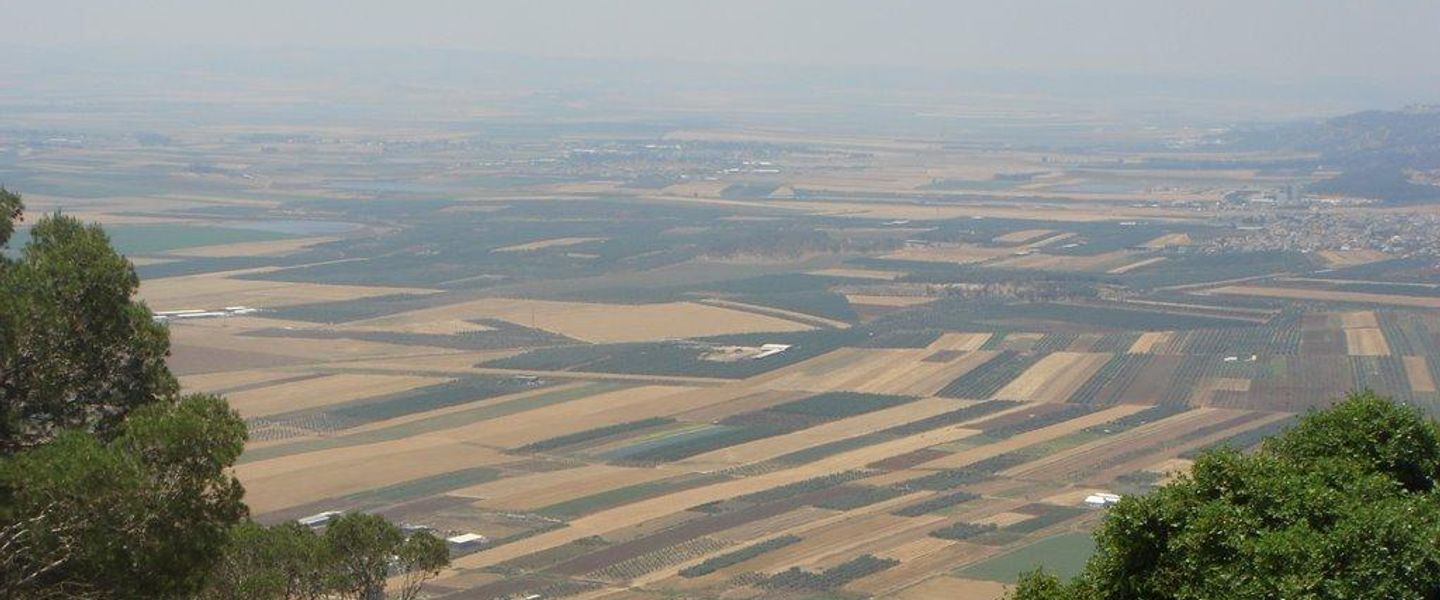
Jezreel Valley, Israel Travel Guide
Discover the lush landscapes, rich history, and vibrant culture of the Jezreel Valley in Israel—a perfect blend of nature, heritage, and adventure.
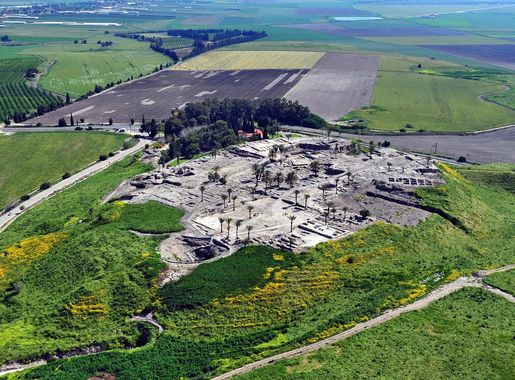
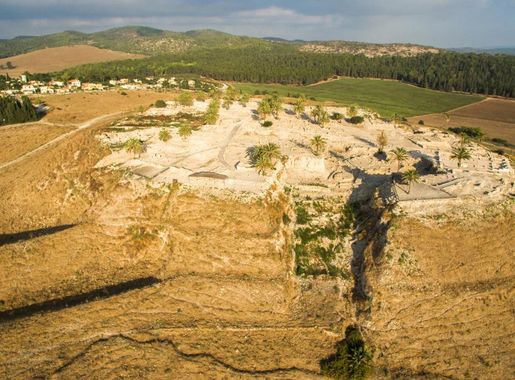
Nestled in the heart of Israel, the Jezreel Valley is a picturesque expanse of lush fields, rolling hills, and historic towns. Known as the 'breadbasket of Israel,' this fertile valley has been a vital agricultural region for centuries. The landscape is dotted with vineyards, orchards, and farms that offer a glimpse into the country’s rich farming traditions. The Jezreel Valley is also a treasure trove of historical and archaeological sites. Megiddo, one of the most famous ancient cities, is situated here and is recognized as a UNESCO World Heritage Site. Visitors can explore the impressive ruins and learn about the valley's role in numerous biblical battles. Nearby, the town of Nazareth offers a spiritual journey with its sacred Christian sites, including the Basilica of the Annunciation. Outdoor enthusiasts will find plenty to do in the Jezreel Valley. The area is ideal for hiking, cycling, and birdwatching, with numerous trails and nature reserves. The valley’s mild climate makes it an attractive destination year-round. Don't miss the stunning views from Mount Gilboa, where you can see the entire valley stretching out in a patchwork of green and gold.

Know before you go
Hi, I'm Eve. Here are a few practical things to know before exploring Jezreel Valley.
- Visit in spring to see the valley in full bloom with wildflowers.
- Don't forget to bring a hat and sunscreen, especially during the summer months.
- Sample local produce at the many farmers' markets scattered throughout the valley.
- Consider renting a bike to explore the scenic trails at your own pace.
- Check local calendars for cultural festivals and events, which often include traditional music and dance.
Top City Travel Guides in Jezreel Valley
The cities of Jezreel Valley, and the easiest places to base yourself.

Explore Jezreel Valley: Things to Do, Places to Eat, Hotels & More
Handpicked recommendations for top attractions, local dining, accommodations, and more

Top Attractions & Sightseeing in Jezreel Valley
Top-rated picks
Best Attractions

Gan HaShlosha National Park
Discover the serene beauty of Gan HaShlosha National Park, a natural oasis in Israel with warm springs, lush landscapes, and rich history.

Church of the Annunciation
Discover the awe-inspiring Church of the Annunciation in Nazareth, a pivotal site of Christian heritage and stunning architectural beauty.

Mount Carmel National Park
Discover the stunning landscapes and rich biodiversity of Mount Carmel National Park, a perfect destination for hiking and nature exploration in Haifa.

Bet She'arim National Park
Discover the captivating blend of nature and history at Bet She'arim National Park, a must-visit destination near Kiryat Tiv'on.

Best landmarks in Jezreel Valley
Top-rated picks
Best Landmarks

Gan HaShlosha National Park
Discover Gan HaShlosha National Park, a stunning oasis of natural springs and rich history in Israel, perfect for outdoor adventures and relaxation.

Church of the Annunciation
Discover the Church of the Annunciation, a sacred site in Nazareth where history, faith, and architecture converge in a serene atmosphere.

Mount Carmel National Park
Explore Mount Carmel National Park's breathtaking landscapes, diverse wildlife, and rich history in the heart of Haifa, Israel.

Ma'ayan Harod National Park- Gideon's Spring
Explore the majestic landscapes and rich history of Ma'ayan Harod National Park, a hidden gem in Israel perfect for nature lovers and adventurers alike.

Best restaurants in Jezreel Valley
Top-rated picks
Best Restaurants

Derech HaGefen
Experience authentic Italian cuisine at Derech HaGefen in Beit Zayit—perfect for breakfast lovers and culinary adventurers alike.
Kimmel BaGilboa
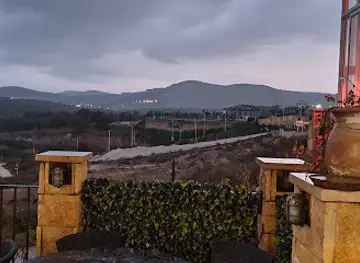
Experience exquisite dining at Kimmel BaGilboa, where gourmet cuisine meets breathtaking views of Jezreel Valley in Israel's Gilboa region.
Tzel Tamar
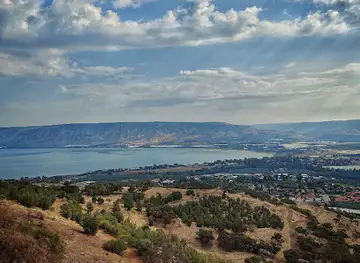
Discover Tzel Tamar: Where exquisite cuisine meets breathtaking waterfront views in northern Israel.

Magdalena restaurant
Experience exquisite dining at Magdalena Restaurant by the Sea of Galilee - where culinary excellence meets breathtaking views.

Best bars in Jezreel Valley
Top-rated picks
Best Bars

בית המרזח
Discover the vibrant nightlife of Ramat Yishai at בית המרזח, your go-to bar for drinks, live music, and a lively atmosphere.

Plugin
Discover the vibrant nightlife of Ramat Yishai at Plugin, the karaoke bar where every night is a celebration of music and fun.

דרך הבירה - חוות דרך התבלינים
Experience the flavors of Bethlehem of Galilee at דרך הבירה - חוות דרך התבלינים, a charming beer hall celebrating local brews and culinary traditions.

Yula Bar
Experience the vibrant nightlife at Yula Bar in Afula, where creative cocktails and a lively atmosphere await.

Best nightclubs in Jezreel Valley
Top-rated picks
Best Nightclubs

Kuli Alma
Discover Kuli Alma, Tel Aviv's vibrant cultural hub for art, live music, and nightlife, where creativity meets entertainment in a unique setting.

Gagarin Club TLV
Experience the electrifying nightlife of Tel Aviv at Gagarin Club TLV, where live music and dance unite for an unforgettable evening.

Wunderbar
Discover the vibrant nightlife at Wunderbar in Haifa, where live music, great drinks, and unforgettable experiences await every visitor.

Cactus9
Experience the vibrant nightlife of Jerusalem at Cactus9, where eclectic music and a lively atmosphere create unforgettable nights.

Best shops in Jezreel Valley
Top-rated picks
Best Shops

Ice Mall
Experience the ultimate shopping and entertainment destination at Ice Mall in Eilat, where unique retail and dining options await every visitor.

Azrieli Mall
Discover the vibrant shopping, dining, and entertainment scene at Azrieli Mall, Tel Aviv's premier destination for a unique retail experience.

Alrov Mamilla Avenue
Discover Alrov Mamilla Avenue: a shopping haven in Jerusalem blending luxury retail, exquisite dining, and rich cultural experiences.

Ayalon Mall
Explore Ayalon Mall for a diverse shopping experience, delightful dining, and family-friendly entertainment all in one vibrant location.

Explore Jezreel Valley on the Map
A handpicked selection of must-see spots in Jezreel Valley, mapped for you.
Jezreel Valley Essentials
-
Jezreel Valley is located in northern Israel, and the nearest international airport is Ben Gurion Airport (TLV) near Tel Aviv, approximately 90 kilometers away. From Tel Aviv, you can take a train to Afula or other nearby stations. Alternatively, renting a car or taking a bus from Tel Aviv or Haifa are convenient options.
-
Public transportation in Jezreel Valley includes buses and trains. Egged and other bus companies operate services throughout the area. Israel Railways offers train services to Afula, which can be a central point for exploring the valley. Taxis and car rentals are also available for more flexible travel. Cycling is another popular way to explore the area, given its picturesque landscapes.
-
The official currency in Israel is the New Israeli Shekel (NIS). Credit cards are widely accepted, but it's advisable to carry some cash for smaller establishments and markets. ATMs are easily accessible in towns like Afula and Megiddo. Currency exchange services are available at the airport and in major towns.
-
Jezreel Valley is generally safe for tourists. However, standard precautions should be taken, such as avoiding walking alone at night in unfamiliar areas and keeping an eye on belongings in crowded places. There are no specific high-crime areas targeting tourists, but it is always best to stay vigilant.
-
In case of emergency, dial 100 for police, 101 for medical emergencies, and 102 for fire services. Hospitals and medical facilities are available in major towns like Afula. It is recommended to have travel insurance that covers medical emergencies. Pharmacies are available for minor health issues.
-
Fashion: Do dress modestly, especially when visiting religious sites. Avoid wearing revealing clothing. Religion: Do respect local customs and traditions. Always cover your head when entering synagogues and other religious sites. Public Transport: Do be respectful and give up your seat to elderly passengers. Don't eat or drink on public transport. Greetings: Do greet people with a handshake or a friendly nod. Eating & Drinking: Do try local delicacies and accept food offerings graciously. Don't refuse hospitality, as it is considered impolite.
-
To experience Jezreel Valley like a local, visit the local markets to buy fresh produce and traditional Israeli goods. Engage with locals, as they are often friendly and willing to share stories about the area's history and culture. Don't miss visiting the archaeological sites at Megiddo and Beit She'arim, and take a leisurely bike ride through the valley's scenic routes.
When is the best time to visit Jezreel Valley?
Useful Local Phrases for Jezreel Valley
You don't need to speak the language perfectly. Even learning a few simple words can make conversations warmer—and locals usually appreciate the effort.
— Eve

Here are the phrases I use most often in Jezreel Valley. Try a few—you'll be surprised how far they go! 😊
❤️
-
- HelloShalom
[sha-lohm] - GoodbyeLehitraot
[leh-ee-trah-ot] - YesKen
[ken] - NoLo
[loh] - Please/You're welcomeBevakasha
[beh-vah-kah-shah] - Thank youToda
[toh-dah] - Excuse me/SorrySlicha
[slee-khah] - How are you?Ma shlomcha? (to male) / Ma shlomech? (to female)
[mah sh-lohm-khah / mah sh-loh-mehch] - Fine. And you?Tov. Ve'atah? (to male) / Ve'at? (to female)
[tohv / veh-ah-tah / veh-aht] - Do you speak English?Ata medaber anglit? (to male) / At medaberet anglit? (to female)
[ah-tah meh-dah-behr ahn-gleet / aht meh-dah-beh-ret ahn-gleet] - I don't understandAni lo mevin (to male) / Ani lo mevina (to female)
[ah-nee lo meh-veen / ah-nee lo meh-vee-nah]
- HelloShalom
-
- I'd like to see the menu, pleaseAni rotzeh lir'ot et hatavlin, bevakasha (to male) / Ani rotzah lir'ot et hatavlin, bevakasha (to female)
[ah-nee roh-tzeh leer-oht eht hah-tahv-leen / ah-nee roh-tzah leer-oht eht hah-tahv-leen] - I don't eat meatAni lo ochel basar (to male) / Ani lo ochelet basar (to female)
[ah-nee lo oh-khel bah-sar / ah-nee lo oh-kheh-let bah-sar] - Cheers!Lechayim!
[leh-chah-yeem] - I would like to pay, pleaseAni rotzeh leshalem, bevakasha (to male) / Ani rotzah leshalem, bevakasha (to female)
[ah-nee roh-tzeh leh-shah-lem / ah-nee roh-tzah leh-shah-lem]
- I'd like to see the menu, pleaseAni rotzeh lir'ot et hatavlin, bevakasha (to male) / Ani rotzah lir'ot et hatavlin, bevakasha (to female)
-
- Help!Ezra!
[ehz-rah] - Go away!Lech! (to male) / Lechi! (to female)
[lekh / leh-khee] - Call the Police!Tze'ek le'mishmeret!
[tzeh-ek leh-meesh-meh-ret] - Call a doctor!Tze'ek le'rofe!
[tzeh-ek leh-roh-feh] - I'm lostAni tzalul (to male) / Ani tzalulah (to female)
[ah-nee tza-lool / ah-nee tza-loo-lah] - I'm illAni choleh (to male) / Ani cholah (to female)
[ah-nee kho-leh / ah-nee kho-lah]
- Help!Ezra!
-
- I'd like to buy...Ani rotzeh liknot... (to male) / Ani rotzah liknot... (to female)
[ah-nee roh-tzeh leek-not / ah-nee roh-tzah leek-not] - I'm just lookingAni rak mitchakeh (to male) / Ani rak mitchaket (to female)
[ah-nee rahk meet-hah-keh / ah-nee rahk meet-hah-ket] - How much is it?Kama ze ole?
[kah-mah zeh oh-leh] - That's too expensiveZe yoter miduy
[zeh yo-tehr mee-doo-ee] - Can you lower the price?Ata yachol le'orer et hakitzvah? (to male) / At yacholah le'orer et hakitzvah? (to female)
[ah-tah yah-khol leh-oh-rehr eht hah-keet-zvah / aht yah-kho-lah leh-oh-rehr eht hah-keet-zvah]
- I'd like to buy...Ani rotzeh liknot... (to male) / Ani rotzah liknot... (to female)
-
- What time is it?Ma ha'sha'a?
[mah hah-shah-ah] - It's one o'clockZe sha'aat achat
[zeh shah-aht ah-khat] - Half past (10)Chatzot le'aser
[kha-tzoht leh-ah-ser] - MorningBoker
[boh-ker] - AfternoonAchar tzohorayim
[ah-khar tsoh-hoh-ra-yeem] - EveningErev
[eh-rev] - YesterdayAtzum
[ah-tzoom] - TodayHayom
[ha-yom] - TomorrowMachar
[ma-khar] - 1Echad
[eh-chahd] - 2Shtayim
[sh-tah-yeem] - 3Shalosh
[shah-lohsh] - 4Arba
[ahr-bah] - 5Chamesh
[khah-mehsh] - 6Shesh
[shehsh] - 7Sheva
[sheh-vah] - 8Shmoneh
[shmoh-neh] - 9Tesha
[teh-shah] - 10Asara
[ah-sah-rah]
- What time is it?Ma ha'sha'a?
-
- Where's a/the...?Eifo ye'sh...?
[eh-ee-foh yesh] - What's the address?Ma ha'adress?
[mah hah-ah-dress] - Can you show me (on the map)?Ata yachol leharot li (al ha'mapa)? (to male) / At yacholah leharot li (al ha'mapa)? (to female)
[ah-tah yah-khol leh-hah-roht lee / aht yah-kho-lah leh-hah-roht lee] - When's the next (bus)?Matai ha'bus haba?
[mah-tie hah-boos hah-bah] - A ticket (to ....)Karta (le...)
[kar-tah]
- Where's a/the...?Eifo ye'sh...?
History of Jezreel Valley
-
Megiddo, one of the most significant archaeological sites in the Jezreel Valley, has been inhabited since approximately 7000 BCE. It was a major city-state in the Bronze Age and was strategically located along the ancient trade routes linking Egypt and Mesopotamia. Megiddo is also frequently mentioned in ancient texts, including the Bible, where it is the prophesied site of Armageddon.
-
The Battle of Megiddo, fought in the 15th century BCE, was a decisive engagement between the Egyptian forces led by Pharaoh Thutmose III and the Canaanite coalition. This battle is one of the earliest recorded military engagements in history. The Egyptian victory at Megiddo solidified their control over Canaan, marking a significant period of Egyptian influence in the region.
-
During the Iron Age, the Jezreel Valley was a fertile and strategically important area within the Kingdom of Israel. King Ahab and Queen Jezebel built their palace in Jezreel, making it a political and military hub. The valley is also the setting for several biblical narratives, including the story of Naboth's vineyard.
-
Under Roman and later Byzantine rule, the Jezreel Valley continued to be an important agricultural and trade center. The Romans built roads and infrastructure that facilitated trade and movement. Several Roman and Byzantine sites, such as the ancient city of Scythopolis (Beit She'an), showcase the valley's continued importance through these periods.
-
The Jezreel Valley was a crucial battleground during the Crusades. The Battle of Hattin, fought in 1187 CE, was a decisive victory for the Muslim forces led by Saladin against the Crusader Kingdom of Jerusalem. This battle led to the Muslim recapture of Jerusalem and significantly altered the course of the Crusades.
-
During the Ottoman period, the Jezreel Valley saw significant agricultural development. The Ottomans implemented various agricultural reforms and encouraged settlement in the valley. This period also saw the construction of new infrastructure, including roads and railways, which further boosted the region's agricultural output.
-
In the early 20th century, the Jezreel Valley became a focal point for Zionist settlement. Jewish pioneers established several kibbutzim and moshavim, transforming the valley into a thriving agricultural community. This period was marked by significant land reclamation efforts and the introduction of modern farming techniques.
-
Today, the Jezreel Valley is a vibrant region known for its rich history, diverse culture, and agricultural abundance. It continues to be a vital area for Israel's agricultural industry and is a popular destination for tourists seeking to explore its historical and cultural heritage.
Neighbouring Regions of Jezreel Valley
The closest regions to Jezreel Valley, if you have time for more than one.


Your all‑in‑one travel companion app
Explore expert travel guides, compare and book tours, experiences, hotels, and more—all from the palm of your hand. Download now for seamless trip planning wherever your wanderlust takes you.


Explore More of Israel

Looking beyond Jezreel Valley? Discover Israel for broader travel guides, local hot-spots, and regional highlights.
Explore IsraelJezreel Valley in Photos
Browse through our photo collection highlighting the charm and character of the destination.





The Enchanting Jezreel Valley: A Gem of Israel
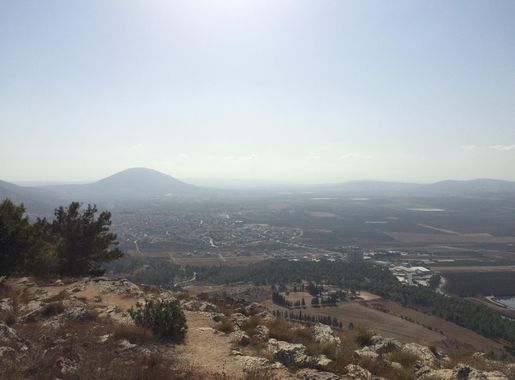
Nestled in the heart of Israel, the Jezreel Valley is a picturesque expanse of lush fields, rolling hills, and historic towns. Known as the 'breadbasket of Israel,' this fertile valley has been a vital agricultural region for centuries. The landscape is dotted with vineyards, orchards, and farms that offer a glimpse into the country’s rich farming traditions. The Jezreel Valley is also a treasure trove of historical and archaeological sites. Megiddo, one of the most famous ancient cities, is situated here and is recognized as a UNESCO World Heritage Site. Visitors can explore the impressive ruins and learn about the valley's role in numerous biblical battles. Nearby, the town of Nazareth offers a spiritual journey with its sacred Christian sites, including the Basilica of the Annunciation. Outdoor enthusiasts will find plenty to do in the Jezreel Valley. The area is ideal for hiking, cycling, and birdwatching, with numerous trails and nature reserves. The valley’s mild climate makes it an attractive destination year-round. Don't miss the stunning views from Mount Gilboa, where you can see the entire valley stretching out in a patchwork of green and gold.