

Free Sharon Plain Travel Guide & Mobile App
Explore Sharon Plain with free travel guides. Discover regional history, expert tips, proposed trips, and audio guides on web or mobile app.


Explore Israel’s Sharon Plain for Mediterranean beaches, ancient ports, citrus country, nature reserves and lively coastal towns between Tel Aviv and Hadera.
Read more about Sharon Plain
When is the best time to visit Sharon Plain?
Best: May–June, October · 26–29°C| Month | High (°C) | Rainfall (mm) |
|---|---|---|
| January | 16 | 90 |
| February | 17 | 80 |
| March | 19 | 60 |
| April | 23 | 30 |
| May (best) | 27 | 5 |
| June (best) | 29 | 0 |
| July | 32 | 0 |
| August | 32 | 0 |
| September | 30 | 5 |
| October (best) | 26 | 30 |
| November | 22 | 50 |
| December | 18 | 80 |
Getting to and around Sharon Plain
How to get there
Transportation
Top city travel guides in Sharon Plain
The cities of Sharon Plain, and the easiest places to base yourself.
-

-

-

-

-

-


Swipe for more cities
Best attractions in Sharon Plain
The Sharon Plain combines coastal recreation, archaeology, wildlife and urban culture across a relatively compact but heavily developed part of Israel. Along the shore, Netanya’s beaches and promenade contrast with the open dunes and cliff-backed coast around Hof Hasharon, Beit Yanai and Poleg. Apollonia National Park near Herzliya offers sea views and the remains of a fortified ancient and Crusader settlement, while Caesarea, at the northern edge of the plain, brings together Roman, Byzantine and Crusader archaeology with a modern harbour setting. Inland, the Alexander Stream area is known for restored habitats and softshell turtles, and HaSharon National Park preserves dunes, open woodland and seasonal wildflowers near Hadera. The Hefer Valley provides a quieter agricultural landscape of fields, waterways and village roads, while Hadera’s eucalyptus areas reflect the region’s history of drainage and settlement. Museums, galleries, family attractions and urban cultural venues are concentrated in the larger towns, making the region suitable for combining outdoor stops with restaurants and shopping. Conditions vary considerably by season, and nature reserves are best explored with water, sun protection and attention to marked paths.
-
National park
Caesarea National Park
Explore the ancient wonders and breathtaking landscapes of Caesarea National Park, a unique blend of history and nature along Israel's stunning coastline.
-
Tourist attraction
Independence Square
Experience the vibrant atmosphere and stunning coastal views at Independence Square, the heart of Netanya's cultural and social life.
-
Ecological park
פארק אוטופיה - Utopia Park
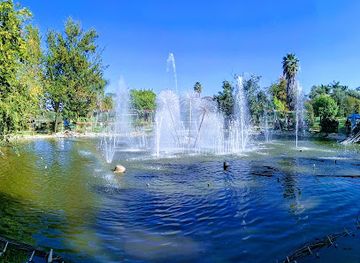
Explore Utopia Park, an ecological haven in Bahan, Israel, offering lush landscapes, educational exhibits, and family-friendly activities.
-
Beach
Tel Baruch Beach
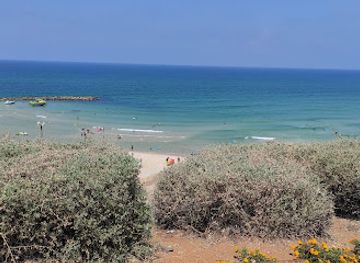
Experience the beauty of Tel Baruch Beach, where golden sands meet azure waters, perfect for relaxation and adventure in Israel's stunning Mediterranean coast.


Best landmarks in Sharon Plain
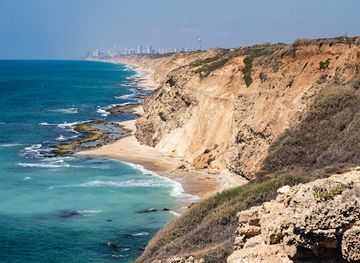
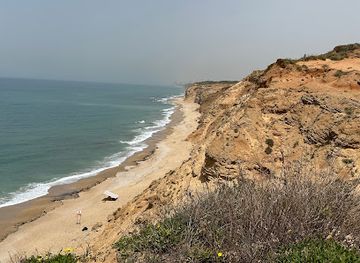
The Sharon’s most recognisable historic landmark is Apollonia National Park, where a Crusader fortress occupies a sandstone promontory above the Mediterranean and preserves the outline of an earlier coastal settlement. At the northern edge of the plain, Caesarea’s Roman theatre, harbour installations, aqueduct sections and Crusader walls reveal the scale of the ancient port established by Herod. Netanya’s long sea promenade and sandstone cliffs form a modern coastal landmark, shaped by the same kurkar geology that supported older settlements. The Alexander Stream is a significant natural landmark, cutting across the agricultural plain before reaching the sea and supporting a restored population of softshell turtles. Around Hadera, eucalyptus groves and open wetland landscapes recall the environmental changes that accompanied modern settlement. In the southern Sharon, the Yarkon’s headwaters and Tel Afek mark the transition between the metropolitan plain and the inland landscape, while the region’s surviving citrus groves provide a more modest but culturally important reminder of its agricultural past.
-
National park
Apollonia National Park
Explore the stunning coastal cliffs and ancient ruins of Apollonia National Park, a perfect blend of nature and history in Israel.
-
Nature preserve
Sharon Reserve
Explore the serene beauty of Sharon Reserve, a nature preserve in Herzliya, perfect for hiking, picnics, and reconnecting with nature.
-
Nature preserve
Agamon Heffer
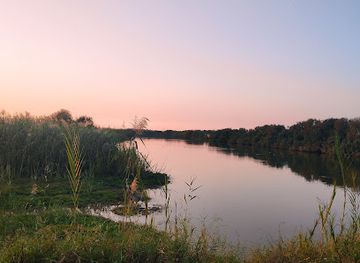
Explore Agamon Heffer: A tranquil nature preserve in Ein HaHoresh, perfect for birdwatching, hiking, and enjoying the serenity of the outdoors.
-
Orthodox synagogue
Itzkovitz Synagogue
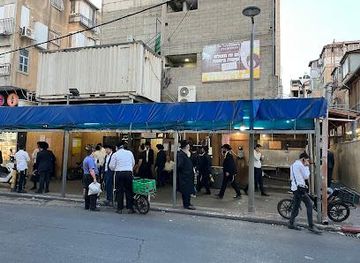
Discover the Itzkovitz Synagogue in Bnei Brak, a spiritual and cultural landmark reflecting the beauty of Jewish heritage.
Explore Sharon Plain on the map
Plan your trip on one map. See where the top cities, national parks and sights are, and book hotels and experiences in a few clicks.
Best hotels in Sharon Plain
Best restaurants in Sharon Plain
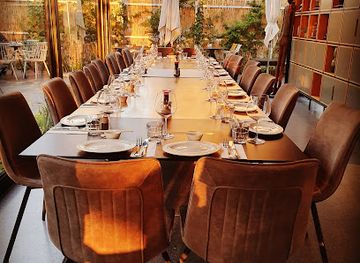
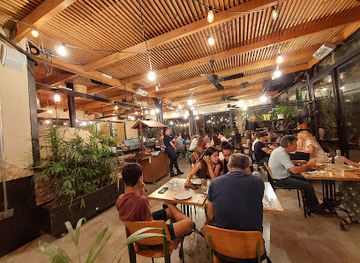
Dining in the Sharon Plain reflects Israel’s wider Mediterranean food culture while drawing on coastal, agricultural and immigrant influences. Netanya, Herzliya and Caesarea offer restaurants ranging from seafood and modern Israeli cooking to cafés, bakeries and casual Middle Eastern kitchens. In the inland towns and villages, look for hummus, grilled meats, salads, breads, dairy products and seasonal fruit rather than a single dish that defines the whole region. Citrus, olives, herbs and locally grown vegetables remain important to the area’s agricultural identity, while fish is more prominent near the coast. Markets and farm shops can provide produce, pastries, pickles and other regional foods, though opening days and stock vary. Traditional cafés and informal eateries are useful for breakfast and lunch, while marina and seafront areas generally provide more evening dining choices. Kosher restaurants are common, but standards and Shabbat opening arrangements differ, so visitors should check details in advance when planning meals around the weekend.
-
Kosher
HaYekev
Experience authentic kosher cuisine at HaYekev in Netanya—where Mediterranean meets Italian flavors in a warm and inviting atmosphere.
-
Restaurant
Hanamaru
Experience exquisite sushi and vibrant flavors at Hanamaru in Beit Yitzhak-Sha'ar Hefer – a must-visit destination for food enthusiasts.
-
Restaurant
Kofinas
Discover the flavors of Italy and the Mediterranean at Kofinas – where every meal is a celebration of taste.
-
Restaurant
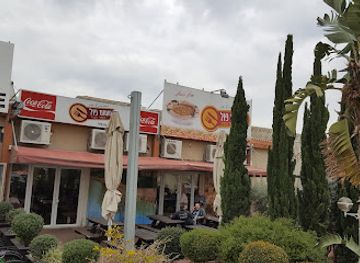
Hummus Ful Ahmed Sa'id
Discover the essence of Israeli cuisine at Hummus Ful Ahmed Sa'id, where every dish tells a story of tradition and flavor.

Best bars in Sharon Plain
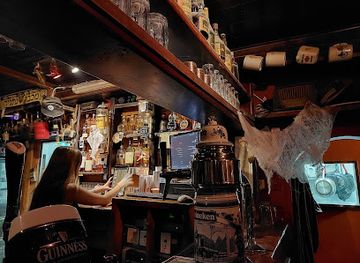
Evening life in the Sharon Plain is concentrated in Herzliya, Netanya, Caesarea and the larger inland towns rather than spread evenly through the countryside. Coastal promenades, hotel areas and marinas provide restaurants, cafés, wine bars and occasional live-music venues, while local pubs and casual bars serve residents in urban centres. Herzliya has the broadest concentration of contemporary evening venues, and Netanya combines seafront dining with a more varied town-centre scene. Caesarea’s nightlife is generally associated with restaurants, cultural performances and the marina rather than a large club district. In rural parts of the Hefer Valley and northern Sharon, evenings are quieter and often centre on small restaurants, community events or village pubs. Nightlife varies by season, the Jewish calendar and Shabbat arrangements; visitors should check current opening information rather than assume late-night services in smaller communities.
-
Pub
Nisha Bar
Experience the vibrant atmosphere of Nisha Bar in Kadima Zoran, where delicious food meets refreshing drinks in a lively pub setting.
-
Beer Garden
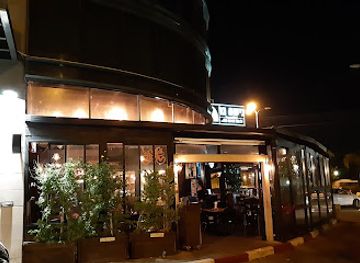
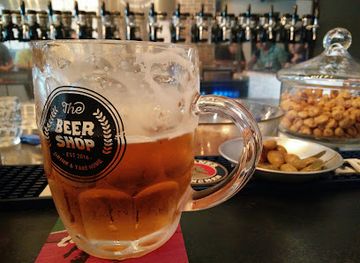
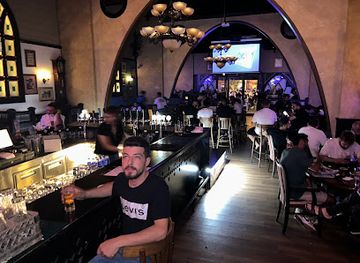
Beer Shop
Explore the rich world of craft beers at Beer Shop, a lively beer garden in Netanya, perfect for relaxation and socializing with friends.
-
Irish pub
Murphy's
Immerse yourself in Irish culture with great food, live music, and sports action at Murphy's Pub in Netanya.
-
Pub
Uranus
Discover Uranus Pub in Netanya for a vibrant nightlife filled with great drinks, live entertainment, and a welcoming atmosphere.
Best nightclubs in Sharon Plain
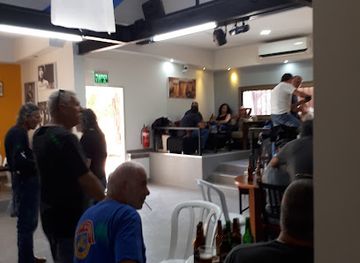
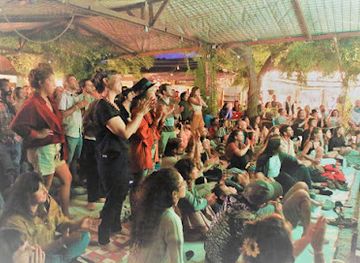
Evening life in the Sharon Plain is concentrated in Herzliya, Netanya, Caesarea and the larger inland towns rather than spread evenly through the countryside. Coastal promenades, hotel areas and marinas provide restaurants, cafés, wine bars and occasional live-music venues, while local pubs and casual bars serve residents in urban centres. Herzliya has the broadest concentration of contemporary evening venues, and Netanya combines seafront dining with a more varied town-centre scene. Caesarea’s nightlife is generally associated with restaurants, cultural performances and the marina rather than a large club district. In rural parts of the Hefer Valley and northern Sharon, evenings are quieter and often centre on small restaurants, community events or village pubs. Nightlife varies by season, the Jewish calendar and Shabbat arrangements; visitors should check current opening information rather than assume late-night services in smaller communities.
-
Night club
Hetz Club
Discover the electrifying nightlife of Hetz Club in Ein HaHoresh, where music, dancing, and unforgettable moments await.
-
Night club
beso club
Experience the pulse of nightlife at Beso Club, a premier destination in Israel with electrifying music and an unforgettable atmosphere.
-
Night club
The Nordoff
Experience the electrifying nightlife at The Nordoff in Tel Aviv, where great music and vibrant atmosphere unite for an unforgettable evening.
-
Night club
מועדון היוניקורן
Unicorn Club in Pardes Hanna: Dance the night away in a vibrant atmosphere with top DJs and signature cocktails.


Best shops in Sharon Plain
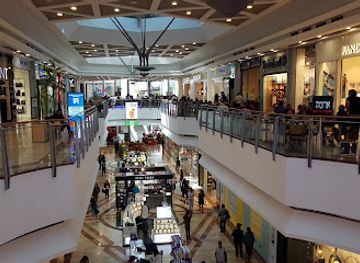
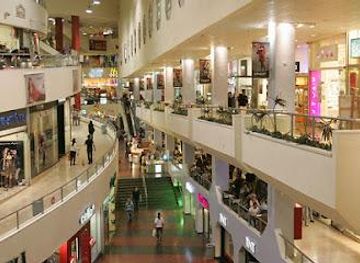
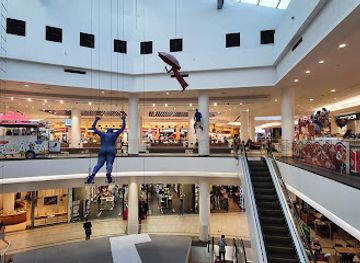
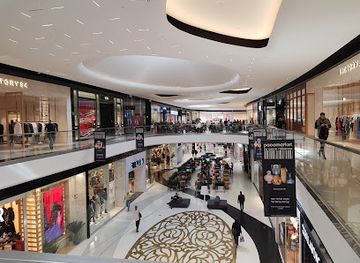
Shopping in the Sharon Plain ranges from modern urban retail to produce stalls and independent businesses in market towns. Herzliya and Netanya have the broadest selection of shopping centres, high-street shops, cafés and international brands, while Kfar Saba and Ra’anana combine commercial centres with smaller boutiques, food shops and local services. Caesarea is better suited to browsing galleries, design-oriented shops and marina businesses than to extensive everyday retail. In rural areas and the Hefer Valley, farm shops and seasonal stalls may offer citrus, olive products, honey, wine, baked goods and fresh produce, although these are often small operations with limited opening hours. Markets differ by town and day, so visitors should check locally before travelling specifically for one. Useful souvenirs include Israeli ceramics, contemporary crafts, regional food products and books on local archaeology or landscape; avoid buying unverified antiquities or archaeological objects.
-
Shopping mall
Azrieli Mall
Discover Azrieli Mall: Your ultimate destination for shopping, dining, and entertainment in the heart of Tel Aviv.
-
Shopping mall
Dizengoff Center
Experience the vibrant shopping and dining at Dizengoff Center, Tel Aviv’s iconic shopping mall, blending local culture and modern lifestyle.
-
Shopping mall
Grand Canyon Haifa
Discover a world of shopping, dining, and entertainment at Grand Canyon Haifa, the ultimate destination in Haifa, Israel.
-
Shopping mall
TLV Mall
Discover TLV Mall, a vibrant shopping hub in Tel Aviv, offering diverse shops, delightful dining, and entertainment for all ages.
Get your free copy of our complete guide to Sharon Plain, delivered straight to you.
Everything on this page, from attractions and restaurants to essentials and local phrases, in one PDF you can read offline, print or share.
Already have an account? Sign in
Your Sharon Plain guide is ready.
We'll send it to · Not you? Sign out

Getting your guide ready…
We are putting together a fresh copy of the Sharon Plain guide. This can take up to a minute.
This can take a few moments. If your browser asks, choose Allow so the download can start. You'll find the guide in your Downloads folder.
Nothing happened? Download it again
Sorry, the guide is taking longer than usual. Please try again in a minute, or get it by email instead.
Sharon Plain essentials
Currency and Payment
Safety
Emergency Situations
Do's and Don'ts
Local Tips
From Eve
Local phrases worth knowing
You don't need to get them perfect. A few words go a long way, and locals appreciate the effort.
Basics
| English | Local | Say it |
|---|---|---|
| Hello | Hello | [Heh-loh] |
| Goodbye | Goodbye | [Good-bye] |
| Yes | Yes | [Yes] |
| No | No | [No] |
| Please/You're welcome | Please/You're welcome | [Pleez/You're wel-kum] |
| Thank you | Thank you | [Thangk yoo] |
| Excuse me/Sorry | Excuse me/Sorry | [Ex-kyoos mee/So-ree] |
| How are you? | How are you? | [How ar yoo?] |
| Fine. And you? | Fine. And you? | [Fine. And yoo?] |
| Do you speak English? | Do you speak English? | [Doo yoo speek Ing-lish?] |
| I don't understand | I don't understand | [I dont un-der-stand] |
Eating & Drinking
| English | Local | Say it |
|---|---|---|
| I'd like to see the menu, please | I'd like to see the menu, please | [I'd lyk to see the men-yoo, pleez] |
| I don't eat meat | I don't eat meat | [I dont eet meet] |
| Cheers! | Cheers! | [Cheerz] |
| I would like to pay, please | I would like to pay, please | [I wood lyk to pay, pleez] |
Emergencies
| English | Local | Say it |
|---|---|---|
| Help! | Help! | [Help] |
| Go away! | Go away! | [Goh uh-way] |
| Call the Police! | Call the Police! | [Call the Po-lees] |
| Call a doctor! | Call a doctor! | [Call a dok-tor] |
| I'm lost | I'm lost | [I'm lost] |
| I'm ill | I'm ill | [I'm ill] |
Shopping
| English | Local | Say it |
|---|---|---|
| I'd like to buy... | I'd like to buy... | [I'd lyk to buy...] |
| I'm just looking | I'm just looking | [I'm just luk-ing] |
| How much is it? | How much is it? | [How much iz it?] |
| That's too expensive | That's too expensive | [That's too expen-siv] |
| Can you lower the price? | Can you lower the price? | [Can yoo loh-er the prys?] |
Time & Numbers
| English | Local | Say it |
|---|---|---|
| What time is it? | What time is it? | [What tym iz it?] |
| It's one o'clock | It's one o'clock | [It's wun o'clock] |
| Half past (10) | Half past (10) | [Haf past (ten)] |
| Morning | Morning | [Mor-ning] |
| Afternoon | Afternoon | [Af-ter-noon] |
| Evening | Evening | [Ee-ven-ing] |
| Yesterday | Yesterday | [Yes-ter-day] |
| Today | Today | [To-day] |
| Tomorrow | Tomorrow | [To-mor-row] |
| 1 | 1 | [One] |
| 2 | 2 | [Two] |
| 3 | 3 | [Three] |
| 4 | 4 | [Four] |
| 5 | 5 | [Five] |
| 6 | 6 | [Six] |
| 7 | 7 | [Seven] |
| 8 | 8 | [Eight] |
| 9 | 9 | [Nine] |
| 10 | 10 | [Ten] |
Transport & Directions
| English | Local | Say it |
|---|---|---|
| Where's a/the...? | Where's a/the...? | [Where's a/the...?] |
| What's the address? | What's the address? | [What's the ad-dress?] |
| Can you show me (on the map)? | Can you show me (on the map)? | [Can yoo show mee (on the map)?] |
| When's the next (bus)? | When's the next (bus)? | [When's the nekst (bus)?] |
| A ticket (to ....) | A ticket (to ....) | [A tik-it (to ....)] |
History of Sharon Plain
Early Settlement and the Coastal Plain
The Sharon Plain has supported settlement since prehistoric times, helped by its Mediterranean climate, coastal access and fertile pockets between sandy ridges and wetlands. Canaanite and later Iron Age communities established towns and agricultural landscapes along the coastal corridor, while the region’s proximity to major routes linked it to inland valleys, Egypt and the northern Levant. Archaeological remains are unevenly preserved because many sites lie beneath modern development, but ancient tells, wells, field systems and harbour settlements demonstrate that the plain was never an empty strip between the sea and the hills.
Apollonia and the Ancient Mediterranean
Apollonia, above the coast near modern Herzliya, developed as a coastal settlement during the Persian period and prospered under Hellenistic, Roman and Byzantine rule. Its position beside a natural anchorage and sources of sandstone helped support trade, craft production and regional connections. The site later became known as Arsuf. Ruins visible today include defensive walls, industrial remains and traces of successive urban phases, illustrating how coastal communities adapted to changing empires and the shifting importance of maritime trade.
Caesarea and Roman Administration
Caesarea Maritima, on the northern side of the Sharon Plain, was founded as a major port by Herod the Great in the late first century BCE and named for Augustus Caesar. Its harbour, theatre, administrative buildings and water system made it one of the eastern Mediterranean’s important urban centres. Under Roman and Byzantine rule, Caesarea served as a political and commercial hub. Its archaeological remains provide some of the clearest evidence of imperial infrastructure and urban life in the coastal plain.
Crusader Fortifications and Coastal Power
During the Crusader period, coastal strongholds controlled maritime access and the routes between the sea and the interior. Apollonia-Arsuf was rebuilt as a fortified town and became the scene of the Battle of Arsuf in 1191, when Richard I of England defeated Saladin’s army during the Third Crusade. Caesarea also remained strategically important. The surviving fortifications, especially at Apollonia, reflect a period when control of ports and coastal roads was central to the region’s political and military history.
Ottoman Agriculture and Wetlands
For much of the Ottoman period, the Sharon was a sparsely settled agricultural landscape containing dunes, marshes, seasonal streams and scattered villages. The area supported grain cultivation, grazing and some orchards, but malaria and difficult drainage limited intensive settlement in places. Roads and caravan routes connected coastal communities with inland markets. The region’s later transformation depended partly on draining wetlands, improving water management and building more reliable transport links, changes that altered both its ecology and its settlement pattern.
Jewish Settlement and the Citrus Economy
From the late nineteenth century and especially during the British Mandate, Jewish agricultural colonies and new towns expanded across the Sharon. Citrus, particularly oranges grown for domestic and export markets, became a defining industry, supported by irrigation, packing houses and improved roads and railways. Communities such as Petah Tikva, Kfar Saba, Ra’anana, Herzliya and Netanya grew within this wider agricultural transformation, although their histories and founding dates differ. Many surviving groves and rural lanes preserve traces of the landscape that preceded rapid urbanisation.
Urbanisation, Immigration and Environmental Change
After the establishment of Israel in 1948, the Sharon Plain experienced rapid population growth, absorbing new immigrants and expanding towns while remaining an important agricultural area. Housing estates, highways, industry and technology businesses replaced or fragmented many orchards and open fields. At the same time, nature reserves and stream-restoration projects sought to protect dunes, wetlands, coastal cliffs and wildlife corridors. The contemporary Sharon is therefore a region of negotiation between metropolitan growth, farming, heritage conservation and the ecological pressures of a densely populated coast.
Sharon Plain in Photos
Browse through our photo collection highlighting the charm and character of the destination.
Neighbouring regions of Sharon Plain
The closest regions to Sharon Plain, if you have time for more than one.
-

-

-

-

-


Swipe for more regions
Explore more

Explore more of Israel
Discover Israel, a country where ancient history and modern culture meet, offering a rich tapestry of religious significance, vibrant cities, and diverse landscapes.
Explore Israel