

Free Haifa District Travel Guide & Mobile App
Explore Haifa District with free travel guides. Discover regional history, expert tips, proposed trips, and audio guides on web or mobile app.


Explore Haifa District for Carmel forests, Mediterranean beaches, historic Caesarea, diverse cuisine and the layered cultures of northern Israel.
Read more about Haifa District
When is the best time to visit Haifa District?
Best: May–June, September · 25–29°C| Month | High (°C) | Rainfall (mm) |
|---|---|---|
| January | 17 | 120 |
| February | 18 | 100 |
| March | 19 | 80 |
| April | 22 | 40 |
| May (best) | 25 | 10 |
| June (best) | 28 | 1 |
| July | 30 | 0 |
| August | 31 | 1 |
| September (best) | 29 | 5 |
| October | 26 | 40 |
| November | 22 | 80 |
| December | 18 | 100 |
Getting to and around Haifa District
How to get there
Transportation
Top city travel guides in Haifa District
The cities of Haifa District, and the easiest places to base yourself.
-

-

-

-

-

-


Swipe for more cities
Destinations in Haifa District
Resorts, valleys and scenic spots worth a trip of their own.

Swipe for more destinations
Best attractions in Haifa District
Haifa District offers an unusually broad mixture of urban culture, archaeology, coast and woodland. In Haifa, visitors can explore museums, galleries, the German Colony and the Bahá'í terraces, as well as neighbourhoods climbing Mount Carmel and overlooking the bay. The Carmel National Park provides marked walking routes, limestone landscapes and forested ridges, while the Nahal Me'arot caves introduce the region's deep prehistoric record. Along the coast, Dor-Habonim Beach Nature Reserve combines swimming coves, sandstone formations and archaeological remains, subject to seasonal conditions and local access rules. Caesarea is the district's major archaeological attraction, with Roman and Byzantine remains beside the Mediterranean. South of Haifa, Hadera and its surrounding plain offer beaches, wetlands and a more modern coastal setting. Zikhron Ya'akov, Binyamina and nearby rural communities add historic streets, galleries, agricultural landscapes and wine-related experiences. The district is best understood as a collection of contrasting areas rather than a single attraction circuit: city visits work well by public transport, while nature reserves, villages and scattered heritage sites often require a car or advance planning.
-
Tourist attraction
Ramat Hanadiv
Experience the beauty of nature and history at Ramat Hanadiv, a tranquil haven featuring stunning gardens, scenic hiking trails, and rich cultural heritage.
-
National park
Mount Carmel National Park
Discover the breathtaking landscapes and diverse ecosystems of Mount Carmel National Park in Haifa, Israel, a must-visit for nature lovers and adventure seekers.
-
Science museum
Madatech
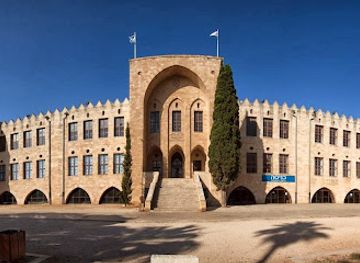
Dive into the wonders of science at Madatech, Israel's National Museum of Science, Technology, and Space, and experience interactive exhibits for all ages.
-
Park
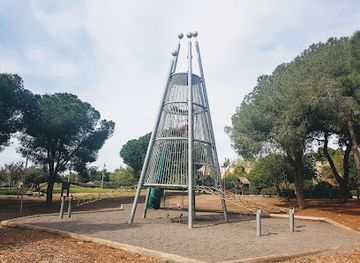
Hecht Park
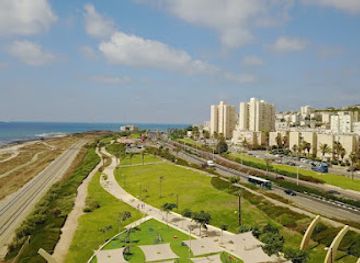
Discover Hecht Park in Haifa, a lush green space perfect for families, picnics, and leisurely strolls amidst stunning natural beauty.


Best landmarks in Haifa District
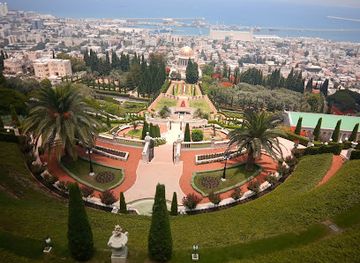
Haifa's most recognisable landmark is the Bahá'í World Centre, whose Shrine of the Báb and carefully terraced gardens descend the northern slope of Mount Carmel towards the German Colony. The complex is an active holy site as well as a major example of formal landscape design, and access to parts of it is controlled. The German Colony's restored nineteenth-century Templer buildings form a historic axis beneath the gardens, with the bay visible beyond. On the Carmel, the Stella Maris church and monastery mark a prominent ridge associated with the religious traditions of Mount Carmel. Farther south, Caesarea's ancient harbour, theatre and aqueduct remains express the scale of Herodian and later Roman construction on the coast. Zikhron Ya'akov's central historic streets preserve buildings from the early agricultural-colony period, while the Carmel ridge itself is a geographical landmark whose wooded slopes define Haifa's skyline. Coastal sandstone cliffs and bays at Dor-Habonim provide a natural counterpoint to the district's monumental architecture and archaeological ruins.
-
Pilgrimage place
Baháʼí Garden Haifa
Explore the Baha'i Gardens in Haifa: a stunning blend of beauty, spirituality, and tranquility, perfect for all travelers.
-
National park
Mount Carmel National Park
Experience the majestic landscapes and rich biodiversity of Mount Carmel National Park, a perfect escape for nature lovers and history enthusiasts in Haifa, Israel.
-
Science museum
Madatech
Explore Madatech, Israel's National Museum of Science and Technology in Haifa, for an exciting and educational experience perfect for all ages.
-
Park
Hecht Park
Discover the tranquility of Hecht Park in Haifa, a beautiful urban park blending nature, recreation, and stunning views for all visitors.
Explore Haifa District on the map
Plan your trip on one map. See where the top cities, national parks and sights are, and book hotels and experiences in a few clicks.
Best hotels in Haifa District
Best restaurants in Haifa District
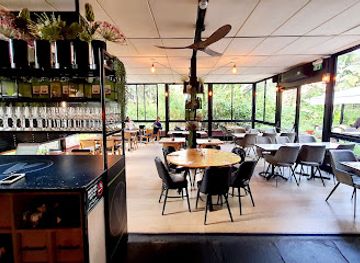
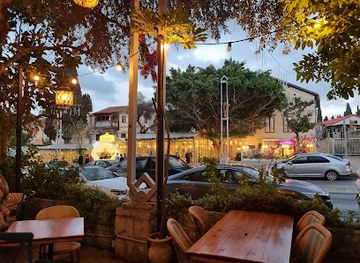
Haifa's dining scene reflects its mixed population and port-city history, with Arab and Jewish restaurants, bakeries, cafés and market stalls serving dishes such as hummus, falafel, grilled meats, salads, pastries and regional seafood. Wadi Nisnas is particularly associated with Arab food culture, though the city's culinary geography extends well beyond one neighbourhood. Along the Carmel and southern coast, visitors find village eateries, family-run restaurants, rural inns and contemporary venues using vegetables, fruit, olive oil and herbs from the surrounding agricultural country. Zikhron Ya'akov and Binyamina are linked to vineyards and wine tourism, while local producers and farm shops sell seasonal fruit, honey, cheeses and other goods. Caesarea offers restaurants near the ancient harbour and modern residential areas, but the archaeological site itself is primarily a heritage destination rather than a traditional food market. Tipping is customary in sit-down restaurants, and menus may combine local Middle Eastern dishes with broader Israeli and Mediterranean cooking.
-
Italian
Vivino - רובע האיטלקי חיפה
Discover authentic Italian flavors at Vivino in Haifa's enchanting Italian Quarter – where culinary excellence meets warm hospitality.
-
Italian
Eataliano Dalla Costa
Experience authentic Italian cuisine at Eataliano Dalla Costa in Haifa—where every dish tells a story of tradition and flavor.
-
Restaurant
Fattoush
Discover Fattoush in Haifa: A delightful blend of Lebanese flavors and Mediterranean charm awaits you at this unique restaurant and bookstore.
-
Asian
Minna Tomei
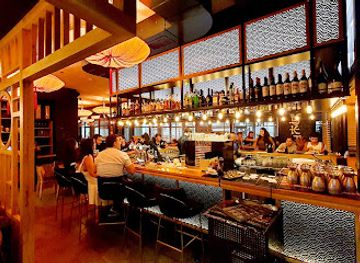
Discover the flavors of Asia at Minna Tomei, one of Haifa's top restaurants renowned for its exquisite dishes and vibrant atmosphere.

Best bars in Haifa District
Haifa is the district's main centre for evening entertainment, with pubs, cocktail bars, cafés, live-music venues and small clubs concentrated around areas such as the German Colony, Downtown and parts of the Carmel neighbourhoods. Its nightlife reflects a mixed urban population and is generally more varied than that of the surrounding towns, though individual venues and opening arrangements change. In Wadi Nisnas and other central areas, evening activity often centres on restaurants, coffee and conversation rather than large clubs. Caesarea, Zikhron Ya'akov and Binyamina offer wine bars, restaurants, brewery or cellar experiences and occasional live performances, while rural Carmel communities tend to become quiet after dinner. Hadera has a more local evening scene, with pubs, cafés and restaurants rather than a concentrated club district. Visitors should check current arrangements, use taxis or designated drivers after drinking, and remember that nightlife can be significantly reduced from Friday afternoon through Saturday in observant areas.
-
Restaurant
Libira Brewpub ליבירה
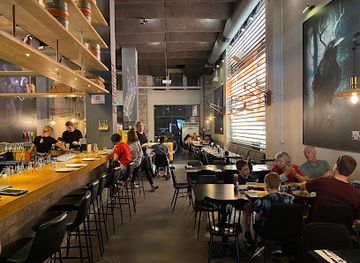
Discover the best craft beers and delicious food at Libira Brewpub in Haifa, a vibrant spot for food and drink enthusiasts.
-
Bar
Iza Bar
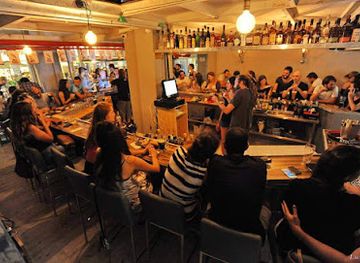
Experience the vibrant nightlife at Iza Bar in Haifa, where great drinks and lively ambiance come together for an unforgettable evening.
-
Pub
The Duke
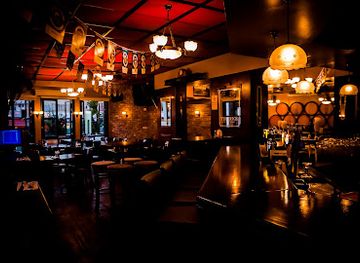
Experience Haifa's vibrant nightlife at The Duke, a lively pub offering delicious food, refreshing drinks, and unforgettable entertainment.
-
Bar
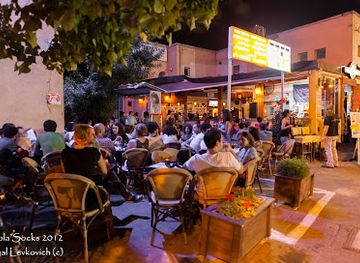
Nola Socks Pub
Experience the vibrant nightlife of Haifa at Nola Socks Pub, where delicious food, refreshing drinks, and live music come together.
Best nightclubs in Haifa District
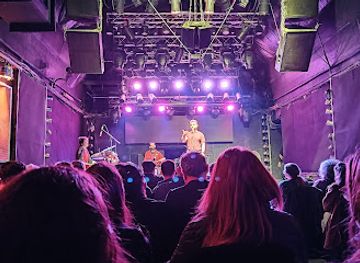
Haifa is the district's main centre for evening entertainment, with pubs, cocktail bars, cafés, live-music venues and small clubs concentrated around areas such as the German Colony, Downtown and parts of the Carmel neighbourhoods. Its nightlife reflects a mixed urban population and is generally more varied than that of the surrounding towns, though individual venues and opening arrangements change. In Wadi Nisnas and other central areas, evening activity often centres on restaurants, coffee and conversation rather than large clubs. Caesarea, Zikhron Ya'akov and Binyamina offer wine bars, restaurants, brewery or cellar experiences and occasional live performances, while rural Carmel communities tend to become quiet after dinner. Hadera has a more local evening scene, with pubs, cafés and restaurants rather than a concentrated club district. Visitors should check current arrangements, use taxis or designated drivers after drinking, and remember that nightlife can be significantly reduced from Friday afternoon through Saturday in observant areas.
-
Live Music
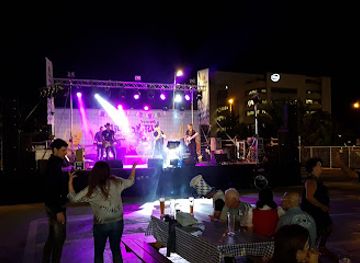
Zappa Haifa
Discover the heart of Haifa's nightlife at Zappa Haifa, where unforgettable live music and vibrant performances come alive.
-
Restaurant
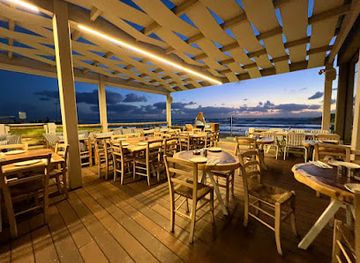
Beach Club Haifa
Discover Beach Club Haifa, where exquisite Mediterranean cuisine meets a vibrant cocktail bar amidst stunning coastal views.
-
Pub
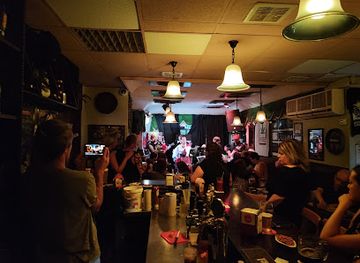
Rodeo Haifa
Discover the heart of Haifa's nightlife at Rodeo - a vibrant pub and live music venue featuring the best rock performances.
-
Night club
Wunderbar
Experience the vibrant nightlife at Wunderbar, Haifa’s premier night club featuring live music, a lively bar, and unforgettable entertainment.
Best shops in Haifa District
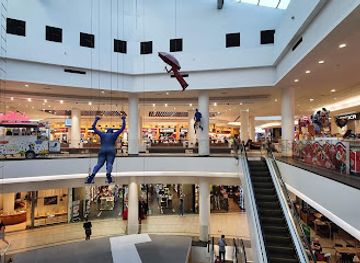
Haifa provides the district's broadest shopping range, from modern retail areas and independent boutiques to the food stalls, bakeries and small shops of Wadi Nisnas and the Lower City. Visitors can look for Middle Eastern sweets, spices, coffee, olive oil, ceramics, jewellery and locally made crafts, while larger commercial centres supply everyday goods and international brands. The historic streets of Zikhron Ya'akov are more suited to browsing galleries, design shops, antiques, books, speciality foods and wine than to extensive department-store shopping. Binyamina and the southern Carmel offer cellar shops, farm products and seasonal produce, although opening times can be limited outside appointments or organised visits. Markets and small producers are often the best places to buy edible souvenirs such as tahini, halva, dates, honey, preserves and regional wine. In rural areas, carry cash as smaller stalls may not have the same card facilities as Haifa's established businesses.
-
Shopping mall
Dizengoff Center
Explore the bustling Dizengoff Center in Tel Aviv – a shopping paradise with boutiques, eateries, and lively events that embody the city's vibrant spirit.
-
Shopping mall
Grand Canyon Haifa
Experience shopping, dining, and culture at Grand Canyon Haifa, a vibrant shopping mall that captures the essence of Haifa.
-
Shopping mall
BIG Krayot
Explore BIG Krayot, a vibrant shopping mall in Haifa, offering diverse stores, delicious food, and entertainment for an unforgettable shopping experience.
-
Shopping mall
CineMall
Discover an all-in-one shopping and entertainment experience at CineMall in Haifa, featuring diverse stores, delicious dining, and a state-of-the-art cinema.

Get your free copy of our complete guide to Haifa District, delivered straight to you.
Everything on this page, from attractions and restaurants to essentials and local phrases, in one PDF you can read offline, print or share.
Already have an account? Sign in
Your Haifa District guide is ready.
We'll send it to · Not you? Sign out

Getting your guide ready…
We are putting together a fresh copy of the Haifa District guide. This can take up to a minute.
This can take a few moments. If your browser asks, choose Allow so the download can start. You'll find the guide in your Downloads folder.
Nothing happened? Download it again
Sorry, the guide is taking longer than usual. Please try again in a minute, or get it by email instead.
Haifa District essentials
Currency and Payment
Safety
Emergency Situations
Do's and Don'ts
Local Tips
From Eve
Local phrases worth knowing
You don't need to get them perfect. A few words go a long way, and locals appreciate the effort.
Basics
| English | Local | Say it |
|---|---|---|
| Hello | שלום | [Shalom] |
| Goodbye | להתראות | [Lehitraot] |
| Yes | כן | [Ken] |
| No | לא | [Lo] |
| Please/You're welcome | בבקשה | [Bevakasha] |
| Thank you | תודה | [Toda] |
| Excuse me/Sorry | סליחה | [Slicha] |
| How are you? | מה שלומך? | [Ma shlomecha? (to a male) / Ma shlomech? (to a female)] |
| Fine. And you? | בסדר. ואתה? | [Beseder. Ve'ata? (to a male) / Ve'at? (to a female)] |
| Do you speak English? | אתה מדבר אנגלית? | [Ata medaber anglit? (to a male) / At medaber anglit? (to a female)] |
| I don't understand | אני לא מבין | [Ani lo mevin (to a male) / Ani lo mevina (to a female)] |
Eating & Drinking
| English | Local | Say it |
|---|---|---|
| I'd like to see the menu, please | אני רוצה לראות את התפריט, בבקשה | [Ani rotzeh lirot et ha-tafri't, bevakasha] |
| I don't eat meat | אני לא אוכל בשר | [Ani lo ochel basar (to a male) / Ani lo ochelet basar (to a female)] |
| Cheers! | לחיים! | [L'chaim!] |
| I would like to pay, please | אני רוצה לשלם, בבקשה | [Ani rotzeh leshalem, bevakasha] |
Emergencies
| English | Local | Say it |
|---|---|---|
| Help! | עזרה! | [Ezra!] |
| Go away! | לך מכאן! | [Lech mikan!] |
| Call the Police! | תקראו למשטרה! | [Tikru le-mishtara!] |
| Call a doctor! | תקראו לרופא! | [Tikru le-rofe!] |
| I'm lost | אני אבוד | [Ani avud (to a male) / Ani avuda (to a female)] |
| I'm ill | אני חולה | [Ani choleh (to a male) / Ani cholah (to a female)] |
Shopping
| English | Local | Say it |
|---|---|---|
| I'd like to buy... | אני רוצה לקנות... | [Ani rotzeh liknot...] |
| I'm just looking | אני רק מסתכל | [Ani rak mistakel (to a male) / Ani rak mistaklet (to a female)] |
| How much is it? | כמה זה עולה? | [Kama ze ole?] |
| That's too expensive | זה יקר מדי | [Ze yakar midai] |
| Can you lower the price? | אתה יכול להוריד את המחיר? | [Ata yachol lehorid et ha-mechir? (to a male) / At yachol lehorid et ha-mechir? (to a female)] |
Time & Numbers
| English | Local | Say it |
|---|---|---|
| What time is it? | מה השעה? | [Ma ha-sha'a?] |
| It's one o'clock | השעה אחת | [Ha-sha'a achat] |
| Half past (10) | חצי אחרי (10) | [Ch'tzi acharei (10)] |
| Morning | בוקר | [Boker] |
| Afternoon | אחר צהריים | [Achar tzohorayim] |
| Evening | ערב | [Erev] |
| Yesterday | אתמול | [Etmol] |
| Today | היום | [Hayom] |
| Tomorrow | מחר | [Machar] |
| 1 | אחד | [Echad] |
| 2 | שניים | [Shnaim] |
| 3 | שלושה | [Shlosha] |
| 4 | ארבעה | [Arba'a] |
| 5 | חמישה | [Chamisha] |
| 6 | שישה | [Shisha] |
| 7 | שבעה | [Sheva'a] |
| 8 | שמונה | [Shmone] |
| 9 | תשעה | [Tisha'a] |
| 10 | עשרה | [Asara] |
Transport & Directions
| English | Local | Say it |
|---|---|---|
| Where's a/the...? | איפה ה...? | [Eifo ha...?] |
| What's the address? | מה הכתובת? | [Ma ha-ketovet?] |
| Can you show me (on the map)? | אתה יכול להראות לי (על המפה)? | [Ata yachol lehar'ot li (al ha-mapah)? (to a male) / At yachol lehar'ot li (al ha-mapah)? (to a female)] |
| When's the next (bus)? | מתי האוטובוס הבא? | [Matai ha-autobus haba?] |
| A ticket (to ....) | כרטיס (ל....) | [Kartis (le....)] |
History of Haifa District
Prehistoric Carmel Caves
The Carmel range preserves one of the world's important records of prehistoric human occupation. The Nahal Me'arot cave system contains archaeological evidence associated with Neanderthals and early modern humans, including remains, tools and burials spanning very long periods of the Palaeolithic. Its importance lies not only in the age of the finds but also in the evidence for different human populations using the same ecological corridor. The caves and surrounding reserve show how the Carmel's combination of woodland, springs, coastal access and limestone shelter supported human life long before the emergence of towns.
Caesarea in the Roman and Byzantine Ages
Caesarea, on the district's southern coast, was developed by Herod the Great in the late first century BCE and named in honour of Augustus Caesar. Its artificial harbour, palace complex, theatre and urban infrastructure made it a major centre of administration and commerce. Under Roman and Byzantine rule it became one of the eastern Mediterranean's important cities and a significant Christian centre. Archaeological remains visible today reflect several eras, including Roman, Byzantine and later settlement, although the modern community and surrounding coast form a separate contemporary landscape from the ancient port.
Medieval Carmel and Coastal Fortifications
The Carmel and Haifa coast occupied a strategic position between the Mediterranean and the inland routes of northern Palestine. Haifa and nearby ports experienced changing control during the Crusader, Mamluk and Ottoman periods, while religious communities established or maintained sites on Mount Carmel. Fortifications, roads and harbours were repeatedly adapted to changing military and commercial needs. Much of the medieval fabric has been altered, but the district's strategic geography remains legible in the relationship between the mountain, the bay, the coastal plain and the routes leading towards Galilee.
Ottoman Haifa and the German Templers
Haifa expanded significantly during the Ottoman period, particularly after improved transport links connected the port with the interior. In the late nineteenth century, members of the German Templer movement established a colony below Mount Carmel, laying out streets and houses that remain visible in the German Colony. The district also developed through agriculture, small-scale commerce and maritime trade. Ottoman Haifa was a multi-community town, and its later urban form reflects the interaction of Arab residents, Jewish immigrants, European settlers and the authorities of the Ottoman Empire.
Railways, Port Development and the British Mandate
Railway construction and the expansion of Haifa's port transformed the district in the late Ottoman and British Mandate periods. Haifa became a major gateway for people, goods and fuel, while industrial facilities and new neighbourhoods spread around the bay. The British developed infrastructure linked to the port, railways and the oil pipeline from Iraq, strengthening Haifa's regional economic importance. These changes shifted the district from a relatively small coastal settlement towards a modern industrial city and also intensified political and social competition during the final decades of the Mandate.
The 1948 War and Haifa's Transformation
The 1948 war brought a profound transformation to Haifa District. Haifa became part of the newly established State of Israel, and much of the city's Palestinian Arab population left during the fighting and its aftermath, while others remained. The district's political geography and settlement patterns changed as Israel absorbed immigrants and developed new towns, roads and industrial areas. The consequences remain important to understanding Haifa's mixed population, its neighbourhood histories and the wider landscape of abandoned, altered and continuing Arab communities along the coast and Carmel.
Industrial and Cultural Growth Since 1948
Post-1948 Haifa developed as Israel's principal northern industrial and maritime centre, with port activity, petrochemical facilities, manufacturing and higher education shaping its economy. At the same time, museums, theatres, universities and religious institutions strengthened the city's cultural profile. Southern parts of the district saw the growth of agricultural settlements, vineyards, suburban communities and tourism around Caesarea and the Carmel. Environmental questions concerning industry, transport, coastal development and the protection of forests and archaeological sites have accompanied this growth and remain part of the district's contemporary identity.
Haifa District in Photos
Browse through our photo collection highlighting the charm and character of the destination.
Neighbouring regions of Haifa District
The closest regions to Haifa District, if you have time for more than one.
-

-

-

-

-


Swipe for more regions
Explore more

Explore more of Israel
Discover Israel, a country where ancient history and modern culture meet, offering a rich tapestry of religious significance, vibrant cities, and diverse landscapes.
Explore Israel