

Free Samaria Travel Guide & Mobile App
Explore Samaria with free travel guides. Discover regional history, expert tips, proposed trips, and audio guides on web or mobile app.


Explore Samaria in the West Bank through Nablus, ancient ruins, Samaritan heritage, olive groves and limestone hill country shaped by layered history.
Read more about Samaria
When is the best time to visit Samaria?
Best: April–June · 24–29°C| Month | High (°C) | Rainfall (mm) |
|---|---|---|
| January | 15 | 90 |
| February | 17 | 80 |
| March | 19 | 60 |
| April (best) | 24 | 30 |
| May (best) | 27 | 10 |
| June (best) | 29 | 0 |
| July | 31 | 0 |
| August | 31 | 0 |
| September | 29 | 10 |
| October | 27 | 30 |
| November | 22 | 50 |
| December | 18 | 80 |
Getting to and around Samaria
How to get there
Transportation
Top city travel guides in Samaria
The cities of Samaria, and the easiest places to base yourself.
-

-

-

-

-

-


Swipe for more cities
Best attractions in Samaria
Samaria’s attractions combine major archaeological sites, living religious traditions and a predominantly rural limestone landscape. Nablus is the principal cultural base, with its old city, spice and produce markets, Ottoman buildings, traditional soap-making heritage and the Church of Jacob’s Well. Mount Gerizim, above the city, is the sacred centre of the Samaritan community and offers wide views over the central highlands. At Sebastia, the remains of ancient Samaria and later Roman and Byzantine settlement stand among a modern Palestinian village and olive-growing countryside. Tell Balata presents the archaeological site associated with ancient Shechem, while Shiloh interprets an early Israelite religious centre through archaeology and landscape. Beyond the formal sites, visitors encounter terraced hills, springs, village paths, olive groves and agricultural valleys, although access, interpretation and facilities vary considerably. Outdoor exploration requires local advice because roads and trails can cross different jurisdictions or become unsuitable in hot weather.
-
Historical place museum
Ajloun Castle
Discover the rich history and breathtaking views at Ajloun Castle, a remarkable medieval fortress in Jordan that transports visitors back in time.
-
National park
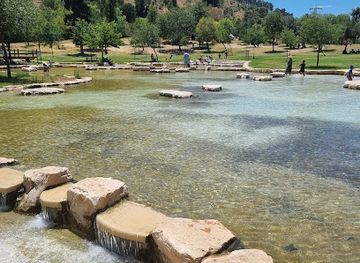
Ma'ayan Harod National Park- Gideon's Spring
Explore the natural beauty and historical significance of Ma'ayan Harod National Park, a serene retreat in Israel's lush landscapes.
-
National park
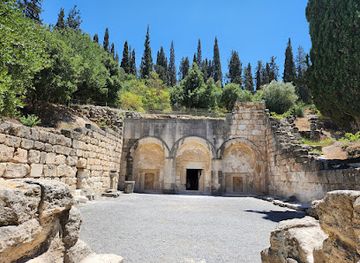
Bet She'arim National Park
Explore the rich history and stunning landscapes of Bet She'arim National Park, a captivating destination for nature lovers and history enthusiasts alike.
-
National park
עין מודע
Discover the breathtaking landscapes and rich history of Ein Gedi National Park, a stunning natural oasis along the shores of the Dead Sea.

Best landmarks in Samaria
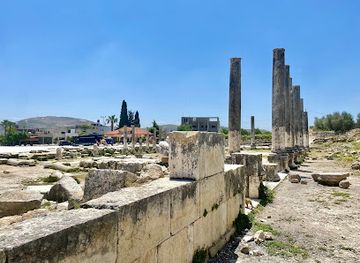
The defining landmark of Samaria is the paired skyline of Mount Gerizim and Mount Ebal above Nablus, a setting central to Jewish, Samaritan and Christian historical traditions. Mount Gerizim contains the principal sacred precinct of the Samaritan community, while the valley between the mountains leads towards the old city and the site traditionally identified with Jacob’s Well. The remains at Sebastia mark the hilltop capital of the ancient Kingdom of Israel and later Roman civic centres, with columns, streets and monumental fragments embedded in the modern landscape. Tell Balata preserves the archaeological setting associated with ancient Shechem. Nablus’s old city is itself a landmark ensemble of stone lanes, courtyards, mosques, bathhouses and market buildings, shaped in large part during the Ottoman period. The terraced olive hills around Salfit, Nablus and northern Samaria are less monumental but equally characteristic, representing centuries of agricultural adaptation to the region’s dry limestone terrain.
-
Nature preserve
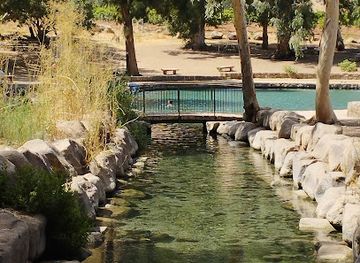
Ein Muda
Explore the captivating beauty of Ein Muda Nature Preserve in Israel, where tranquility and nature harmoniously blend for an unforgettable experience.
-
National park
Samaria (Sebastia)
Discover the rich history and stunning landscapes of Samaria (Sebastia), a national park that showcases the ancient biblical Kingdom of Israel.
-
Tourist attraction
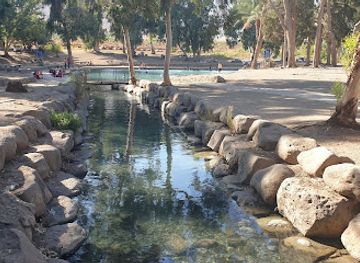
ביותור תיירות חקלאית אקולוגית אטרקציות עמק המעיינות בית שאן
Explore the organic beauty of Sde Eliyahu - a unique destination for eco-tourism and culinary delights in the heart of Israel.
Explore Samaria on the map
Plan your trip on one map. See where the top cities, national parks and sights are, and book hotels and experiences in a few clicks.
Best hotels in Samaria
Best restaurants in Samaria
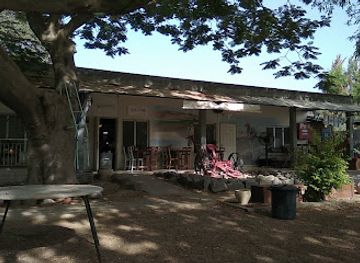
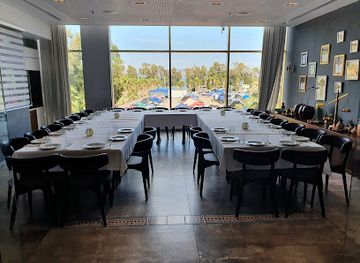
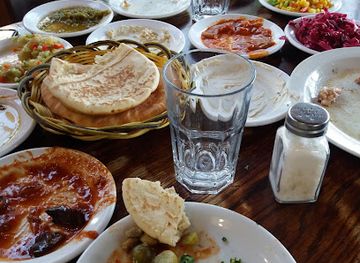
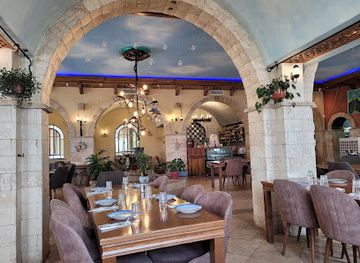
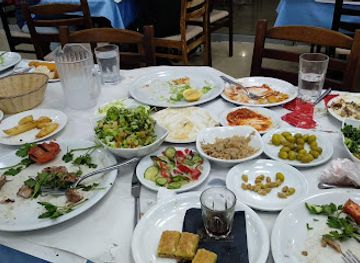
Dining in Samaria is closely linked to Palestinian hill-country cooking and the produce of small farms. Nablus is particularly associated with knafeh, the syrup-soaked cheese pastry served warm, as well as Nabulsi cheese, hummus, falafel, stuffed vegetables and breads from traditional bakeries. Across the region, menus may feature maqluba, musakhan, grilled meats, lentil dishes, seasonal salads, yoghurt and olive oil from local groves. Palestinian coffee and sweet tea are common forms of hospitality, while market stalls provide fruit, herbs, pickles and nuts according to the season. Restaurants in Nablus and Jenin range from simple grills and family-run eateries to more contemporary cafés; in smaller villages, dining may be limited to local establishments or arrangements made through a guide. Ask about ingredients when necessary, as menus may change with harvests, religious observance and local availability.
-
Restaurant
Magdalena restaurant
Experience exquisite Israeli cuisine at Magdalena Restaurant in Migdal – where fresh flavors meet stunning views.
-
Restaurant
Restaurant Turan
Experience authentic Israeli cuisine at Restaurant Turan – where every dish tells a story of tradition and flavor.
-
Mediterranean
Sahara Palace | ארמון סהרה
Discover exquisite Mediterranean dining at Sahara Palace in Nein – where flavors meet tradition in an unforgettable setting.
-
Restaurant
River Restaurant
Experience exquisite dining by the river in Magiddo with diverse menu options showcasing local flavors.
Best bars in Samaria
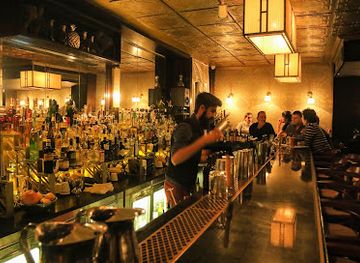
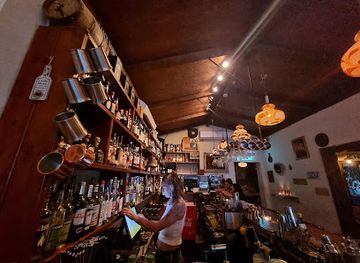
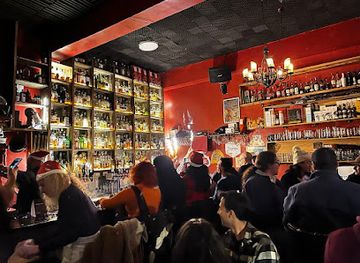
Samaria is not a destination for a large nightclub circuit, and evening life is shaped by local customs, religious practice and security conditions. In Nablus and Jenin, visitors are more likely to find cafés, tea rooms, restaurants and sweet shops open into the evening than alcohol-focused venues. Some Christian communities and visitor-oriented establishments elsewhere in the wider West Bank serve beer or wine, but availability is uneven and should never be assumed in a predominantly Muslim town or rural village. Social life often centres on family gatherings, market streets, cafés, football and conversation rather than late-night entertainment. If staying in an Israeli settlement, the evening options may be different, but access between settlements and Palestinian towns can be restricted or inadvisable after dark. Check local arrangements rather than travelling in search of nightlife.
-
Brewpub
BeerBazaar Jerusalem
Experience Jerusalem's vibrant craft beer scene at BeerBazaar, a must-visit brewpub blending local flavors and a lively atmosphere.
-
Cocktail bar
Gatsby Cocktail Room
Discover the elegance of Gatsby Cocktail Room in Jerusalem, where expertly crafted cocktails meet a vibrant nightlife experience.
-
Bar
Hacohen Bar
Discover Hacohen Bar in Pardes Hanna-Karkur: a lively bar offering a wide selection of drinks and a welcoming atmosphere perfect for socializing.
-
Bar
Glen Whisk(e)y bar
Discover the Glen Whisk(e)y Bar in Jerusalem, where tradition meets a vibrant nightlife scene, offering a unique selection of whiskies in a cozy setting.

Best nightclubs in Samaria
Samaria is not a destination for a large nightclub circuit, and evening life is shaped by local customs, religious practice and security conditions. In Nablus and Jenin, visitors are more likely to find cafés, tea rooms, restaurants and sweet shops open into the evening than alcohol-focused venues. Some Christian communities and visitor-oriented establishments elsewhere in the wider West Bank serve beer or wine, but availability is uneven and should never be assumed in a predominantly Muslim town or rural village. Social life often centres on family gatherings, market streets, cafés, football and conversation rather than late-night entertainment. If staying in an Israeli settlement, the evening options may be different, but access between settlements and Palestinian towns can be restricted or inadvisable after dark. Check local arrangements rather than travelling in search of nightlife.

Best shops in Samaria
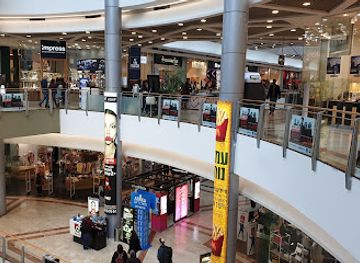
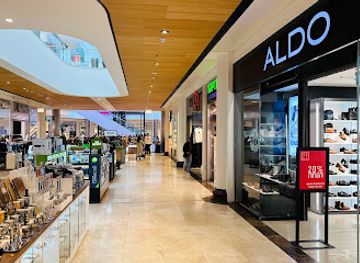
Shopping in Samaria is centred on traditional markets, independent food shops and the commercial streets of Nablus and Jenin rather than large retail complexes. Nablus’s old market is the strongest place to browse spices, olives, pickles, soaps, sweets, textiles, household goods and seasonal produce, while its olive-oil soap remains a locally associated craft product. Nabulsi cheese, olive oil, dates, herbs and packaged sweets are practical food purchases, provided they can be carried and stored safely. In smaller towns and villages, shops are primarily oriented towards daily needs, with occasional stalls selling embroidery, ceramics or handmade items. Prices may be negotiable in some markets, but bargain courteously and check weights and packaging when buying produce. Retail hours, market activity and access can change with religious holidays, local events and security restrictions, so treat shopping as part of a town visit rather than planning an itinerary around a particular temporary stall.
-
Shopping mall
Azrieli Mall
Explore Azrieli Mall, a shopping and entertainment hub in Tel Aviv, featuring a diverse range of stores, dining options, and cultural experiences.
-
Shopping mall
Alrov Mamilla Avenue
Explore Alrov Mamilla Avenue: A Shopping Paradise in the Heart of Jerusalem with Luxurious Boutiques and Gourmet Dining.
-
Shopping mall
Malcha Shopping Mall
Discover the vibrant shopping experience at Malcha Shopping Mall in Jerusalem, with diverse stores, dining, and entertainment options for every visitor.
-
Clothing store
Ha'metzi'on second-hand stores
Explore Ha'metzi'on Second-Hand Stores for unique vintage clothing, accessories, and sustainable shopping in the heart of Jerusalem.


Get your free copy of our complete guide to Samaria, delivered straight to you.
Everything on this page, from attractions and restaurants to essentials and local phrases, in one PDF you can read offline, print or share.
Already have an account? Sign in
Your Samaria guide is ready.
We'll send it to · Not you? Sign out

Getting your guide ready…
We are putting together a fresh copy of the Samaria guide. This can take up to a minute.
This can take a few moments. If your browser asks, choose Allow so the download can start. You'll find the guide in your Downloads folder.
Nothing happened? Download it again
Sorry, the guide is taking longer than usual. Please try again in a minute, or get it by email instead.
Samaria essentials
Currency and Payment
Safety
Emergency Situations
Do's and Don'ts
Local Tips
From Eve
Local phrases worth knowing
You don't need to get them perfect. A few words go a long way, and locals appreciate the effort.
Basics
| English | Local | Say it |
|---|---|---|
| Hello | Shalom | [sha-lom] |
| Goodbye | Lehitraot | [leh-ee-tra-oat] |
| Yes | Ken | [ken] |
| No | Lo | [lo] |
| Please/You're welcome | Bevakasha | [be-va-ka-sha] |
| Thank you | Toda | [to-da] |
| Excuse me/Sorry | Slicha | [slee-kha] |
| How are you? | Ma nishma? | [ma neesh-ma] |
| Fine. And you? | Tov. Ve'atah? | [tov ve-a-tah] |
| Do you speak English? | Ata medaber anglit? | [ah-ta meh-da-ber an-glit] |
| I don't understand | Ani lo mevin | [ah-nee lo meh-veen] |
Eating & Drinking
| English | Local | Say it |
|---|---|---|
| I'd like to see the menu, please | Ani rotzeh lir'ot et ha-menu, bevakasha | [ah-nee ro-tzeh leer-ot et ha-meh-noo, beh-va-ka-sha] |
| I don't eat meat | Ani lo ochel basar | [ah-nee lo o-khel ba-sar] |
| Cheers! | L'chaim! | [le-kha-im] |
| I would like to pay, please | Ani rotzeh leshalem, bevakasha | [ah-nee ro-tzeh le-sha-lem, beh-va-ka-sha] |
Emergencies
| English | Local | Say it |
|---|---|---|
| Help! | Ezra! | [ez-rah] |
| Go away! | Lech mizeh! | [lech mee-zeh] |
| Call the Police! | Tzevach et hamishmeret! | [tsay-vach et ha-mish-me-ret] |
| Call a doctor! | Tzevach leRofe! | [tsay-vach le-ro-feh] |
| I'm lost | Ani t'lah | [ah-nee tah-lah] |
| I'm ill | Ani choleh | [ah-nee kho-leh] |
Shopping
| English | Local | Say it |
|---|---|---|
| I'd like to buy... | Ani rotzeh liknot... | [ah-nee ro-tzeh leek-not] |
| I'm just looking | Ani rak m'vakeh | [ah-nee rak meh-va-keh] |
| How much is it? | Kama ze ole? | [kah-mah zeh oh-leh] |
| That's too expensive | Ze yoter yakar | [zeh yo-ter yah-kar] |
| Can you lower the price? | Ata yachol lehakot et hachir? | [ah-ta yah-chol leh-kot et ha-kheer] |
Time & Numbers
| English | Local | Say it |
|---|---|---|
| What time is it? | Ma ha-sha'a? | [ma ha-shah-ah] |
| It's one o'clock | Ze sha'a achat | [zeh sha-ah ah-khat] |
| Half past (10) | Chatzot (10) | [cha-tzot] |
| Morning | Boker | [bo-ker] |
| Afternoon | Tzohorayim | [tzo-ho-ra-yim] |
| Evening | Erev | [eh-rev] |
| Yesterday | Etmol | [et-mol] |
| Today | Hayom | [ha-yom] |
| Tomorrow | Machar | [ma-khar] |
| 1 | Echad | [eh-khad] |
| 2 | Shtayim | [sh-tah-yeem] |
| 3 | Shalosh | [sha-losh] |
| 4 | Arba | [ar-ba] |
| 5 | Chamesh | [cha-mesh] |
| 6 | Shesh | [shesh] |
| 7 | Sheva | [she-vah] |
| 8 | Shmoneh | [sh-mo-neh] |
| 9 | Tesha | [te-shah] |
| 10 | Asar | [ah-sar] |
Transport & Directions
| English | Local | Say it |
|---|---|---|
| Where's a/the...? | Eifo yesh ...? | [ay-foh yesh] |
| What's the address? | Ma ha-adress? | [ma ha-a-dress] |
| Can you show me (on the map)? | Ata yachol leharot li (al ha-map)? | [ah-ta yah-chol leh-har-ot lee al ha-map] |
| When's the next (bus)? | Matai ha-bus habah? | [ma-tai ha-bus ha-ba] |
| A ticket (to ....) | Karta (le ....) | [kar-ta le] |
History of Samaria
Early Settlements and the Bronze Age
Samaria’s hills have been occupied since prehistoric times, with fertile valleys, springs and defensible ridges encouraging permanent settlement. Tell Balata, near modern Nablus, is commonly identified with ancient Shechem and preserves evidence of a substantial Bronze Age urban centre. Trade routes crossing the central hill country connected local communities with the wider Levant. Archaeological remains from this period include fortified structures, domestic areas and religious contexts, although interpretations continue to develop. The region’s later towns and villages often occupy the same strategic corridors, reflecting the enduring importance of water, agriculture and movement through the highlands.
The Kingdom of Israel and the City of Samaria
In the ninth century BCE, the Israelite king Omri established Samaria as the capital of the northern Kingdom of Israel. The city occupied a commanding hill near present-day Sebastia and developed into a political and administrative centre. Its rulers maintained connections with neighbouring kingdoms, while the surrounding country supported grain, olives and vineyards. Assyrian conquest in the late eighth century BCE ended the kingdom’s independence and transformed the population and administration of the region. The ancient capital’s foundations, monumental remains and later layers are among the most important archaeological evidence for the northern Israelite state.
Assyrian, Hellenistic and Hasmonaean Rule
After the Assyrian conquest, Samaria became part of successive imperial and regional political systems. Persian rule was followed by the Hellenistic kingdoms created after Alexander the Great, bringing new administrative practices and cultural influences. In the second century BCE, Hasmonaean expansion incorporated the central highlands into a Jewish state, while relations between communities in the region remained complex. Mount Gerizim became the principal sacred mountain of the Samaritan community, whose religious tradition developed alongside, but separately from, Jewish traditions. These layers help explain the region’s unusually dense combination of sacred sites and contested historical memories.
Roman and Byzantine Samaria
Roman rule reshaped the region through new roads, civic institutions and urban development. Sebastia, Neapolis and other settlements acquired theatres, colonnaded streets, baths and public buildings, while agriculture remained fundamental in the surrounding hills. Neapolis, the Roman predecessor of Nablus, later became an important Byzantine city. Christianity spread through the area, leaving churches, monasteries and pilgrimage traditions. Samaritan revolts against Byzantine authority in the fifth and sixth centuries caused major disruption, and the community’s demographic and political position declined thereafter, although Samaritan religious life endured around Mount Gerizim.
Islamic, Crusader and Mamluk Transformations
Following the Arab conquest in the seventh century, Samaria became part of the wider Islamic world, and Arabic gradually became dominant. Nablus developed as an important commercial and agricultural centre, benefiting from its position between the coast and the Jordan Valley. Crusader control affected parts of the central highlands, but Ayyubid and later Mamluk rule re-established Muslim authority and strengthened regional administration. Mosques, markets, caravan routes and agricultural terraces continued to shape settlement. The period’s legacy remains visible in the street patterns and religious architecture of Nablus and in the landscape of long-established hill villages.
Ottoman Samaria and the Growth of Nablus
The Ottoman Empire governed Samaria from the sixteenth century until the First World War. Nablus became a prosperous regional centre whose merchants traded soap, olive oil, grains and textiles. The city’s famous olive-oil soap industry expanded through workshops and commercial networks, while extended families invested in houses, mosques, schools and public buildings. Rural communities maintained terraced agriculture and olive groves, and caravan connections linked the highlands with coastal and inland markets. Ottoman architectural details, including courtyards, stone arcades and traditional houses, remain important elements of Nablus’s old city.
British Mandate and the Modern Political Landscape
After the First World War, Samaria became part of the British Mandate for Palestine. New roads, administrative boundaries and educational institutions altered older patterns of movement, while competing Arab and Jewish national projects increasingly shaped political life. The 1948 war placed the West Bank, including Samaria, under Jordanian administration; Israel captured the territory during the 1967 war. Since the Oslo agreements of the 1990s, parts of the West Bank have been administered by the Palestinian Authority, while Israel retains varying responsibilities and control in other areas. The region’s roads, settlements, cities and archaeological sites must therefore be understood within this unresolved political framework.
Samaria in Photos
Browse through our photo collection highlighting the charm and character of the destination.
Neighbouring regions of Samaria
The closest regions to Samaria, if you have time for more than one.
-

-

-

-

-


Swipe for more regions

