

Free Jordan Valley Travel Guide & Mobile App
Explore Jordan Valley with free travel guides. Discover regional history, expert tips, proposed trips, and audio guides on web or mobile app.


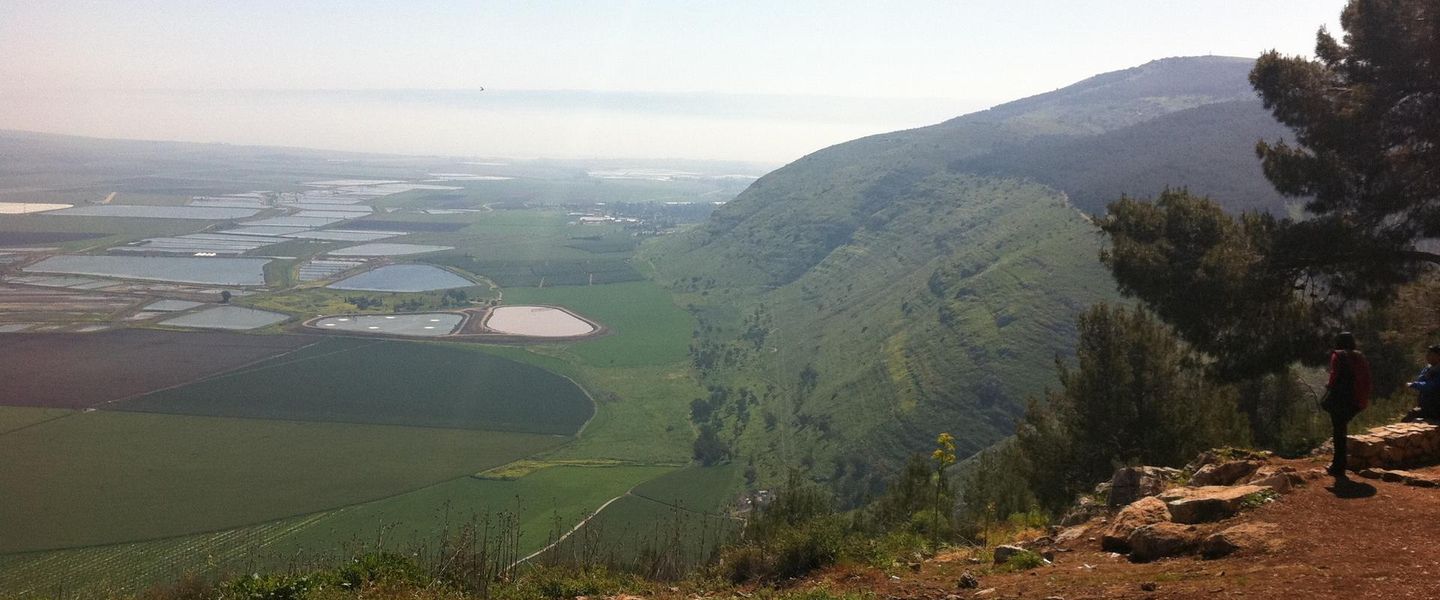


Explore Israel's Jordan Valley for Roman ruins, fertile farms, desert landscapes, birdlife and dramatic views along the Jordan River.
Read more about Jordan Valley
When is the best time to visit Jordan Valley?
Best: April, October–November · 23–29°C| Month | High (°C) | Rainfall (mm) |
|---|---|---|
| January | 17 | 60 |
| February | 19 | 50 |
| March | 22 | 40 |
| April (best) | 26 | 20 |
| May | 30 | 10 |
| June | 33 | 0 |
| July | 36 | 0 |
| August | 36 | 0 |
| September | 33 | 10 |
| October (best) | 29 | 20 |
| November (best) | 23 | 30 |
| December | 19 | 50 |
Getting to and around Jordan Valley
How to get there
Transportation
Best attractions in Jordan Valley
The Jordan Valley's attractions combine major archaeology with open landscapes and working countryside. Beit She'an National Park is the principal historic site, presenting the remains of Roman and Byzantine Scythopolis through its theatre, colonnaded streets, bathhouses and civic buildings. Nearby springs and green agricultural areas provide a striking contrast to the dry slopes around the valley. Mount Gilboa, on the western side of the wider Beit She'an Valley, offers marked walks and expansive viewpoints across the Jordan Valley, although conditions can be hot and exposed. Farther south, rural roads pass date plantations, irrigated fields and communities shaped by modern farming. Birdwatching is rewarding around suitable wetlands, reservoirs and river habitats, particularly during migration seasons, while cycling and walking are best pursued on recognised routes away from restricted border areas. Belvoir Fortress, standing on a high ridge above the valley, adds a strong medieval dimension, with its defensive walls and views explaining its strategic position. The attraction landscape is therefore less about a continuous chain of tourist facilities than about reading the relationship between water, agriculture, ancient routes, imperial remains and a sensitive modern frontier.
-
Tourist attraction
Rosh HaNikra Grottoes
Explore Rosh HaNikra Grottoes, a stunning natural attraction featuring breathtaking sea caves and panoramic Mediterranean views in Israel.
-
Religious destination
Yardenit
Explore Yardenit, the serene baptismal site on the Jordan River, where faith meets nature in a beautifully spiritual experience.
-
National park
Majrase Nature Reserve
Explore the breathtaking Majrase Nature Reserve, a national park in Israel with stunning landscapes, diverse wildlife, and exhilarating hiking trails.
-
Tourist attraction
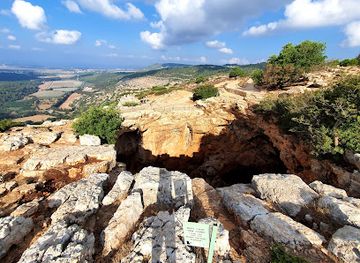
Keshet Cave
Explore the breathtaking Keshet Cave, a natural wonder in Israel renowned for its stunning rock formations and scenic hiking trails.
Best landmarks in Jordan Valley
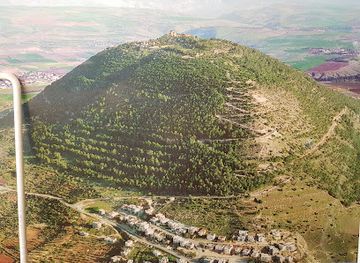
The defining historic landmark of the Jordan Valley is Beit She'an National Park, where the surviving scale of Roman and Byzantine Scythopolis can be read in its theatre, columns, bathhouses and monumental streets. The site is especially significant because Scythopolis was the leading city of the Decapolis and occupied a strategic position beside fertile land and routes through the valley. Belvoir Fortress, known in Hebrew as Kochav HaYarden, crowns a ridge east of the Galilean hills and is one of the region's most commanding medieval remains; its concentric defences and elevated outlook reveal why the site mattered during the Crusader period. The Jordan River is a geographical and symbolic landmark rather than a single monument, forming the valley's eastern spine and the international boundary in much of the area. Mount Gilboa adds a natural landmark on the western margin, with high ground overlooking the agricultural plain and the Jordanian escarpments beyond. Together these places express the valley's central themes: water and aridity, empire and frontier, agriculture and strategic height.
-
Market
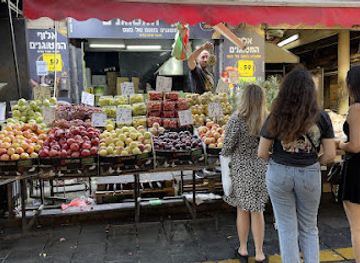
Mahaneh Yehudah Market
Discover the flavors, sights, and sounds of Jerusalem at Mahaneh Yehudah Market, a vibrant hub of culture and culinary delights.
-
Historical landmark
Masada National Park
Discover the historical significance and breathtaking views at Masada National Park, a must-visit for every traveler to Israel.
-
Religious destination
Yardenit
Experience spiritual renewal at Yardenit, a serene baptismal site on the banks of the Jordan River, where faith and nature intertwine.
-
History museum
Tower of David
Discover the rich history and stunning architecture of the Tower of David in Jerusalem, a must-see museum and tourist attraction.

Explore Jordan Valley on the map
Plan your trip on one map. See where the top cities, national parks and sights are, and book hotels and experiences in a few clicks.
Best hotels in Jordan Valley
Best restaurants in Jordan Valley
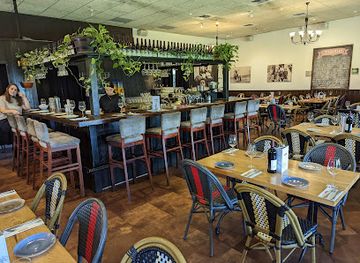
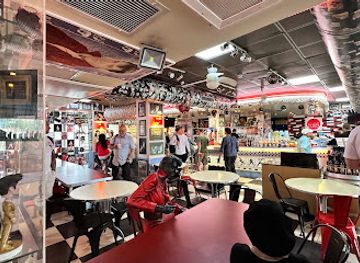
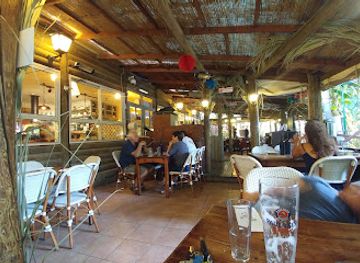
Dining in the Jordan Valley reflects Israel's broad Mediterranean and Middle Eastern food culture alongside the produce of a hot agricultural region. Beit She'an has the greatest choice of cafés, bakeries, casual restaurants and everyday eateries, while smaller communities may offer limited options or dining connected to accommodation and local businesses. Dates, vegetables, fruit, herbs and olive oil are important regional products, and roadside stalls or farm shops may sell seasonal produce when available. Expect dishes such as salads, grilled meats, vegetables, hummus, breads and dairy products rather than a single cuisine unique to the valley. Rural meals and kibbutz dining can provide a useful introduction to local ingredients, but arrangements often require advance checking. In the valley's hotter southern areas, carry provisions when visiting dispersed sites, as restaurants and shops can be far apart. Israeli coffee culture, fresh bakery goods and simple picnic meals suit the region's archaeological and outdoor itineraries.
-
Italian
Derech HaGefen
Experience authentic Italian cuisine at Derech HaGefen - where delightful flavors meet warm hospitality in Beit Zayit.
-
Restaurant
Moshbutz
Experience exceptional dining at Moshbutz in Ramot, where fresh ingredients meet culinary creativity.
-
Restaurant
Elvis American Cafe
Experience rock 'n' roll nostalgia at Elvis American Cafe - where delicious American cuisine meets iconic memorabilia.
-
Restaurant
Tzel Tamar
Experience exquisite dining at Tzel Tamar in Ashdot Ya'akov Ihud - where local flavors meet stunning views.

Best bars in Jordan Valley
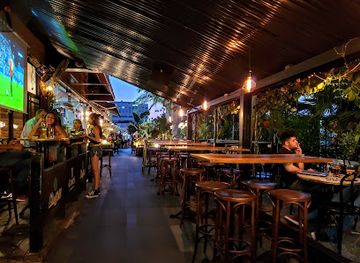
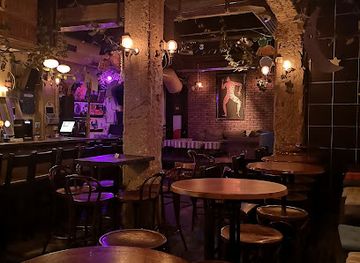
Nightlife in the Jordan Valley is modest and generally centred on cafés, casual restaurants, hotel or guesthouse dining and community life rather than dedicated clubs. Beit She'an provides the broadest choice of evening places, with local eateries and cafés that are more active than those in the surrounding rural settlements. In kibbutzim and moshavim, evenings tend to be quiet, with social activities organised locally and access to food or drink depending on the accommodation. Visitors should not expect a concentrated bar district or late-night entertainment across the valley. Alcohol is available in many Israeli restaurants and shops, subject to local licensing and opening arrangements, while some religious or community settings may have different practices. For a fuller nightlife programme, travellers generally need to continue to larger towns outside the region rather than treating the Jordan Valley as an urban evening destination.
-
Bar
Sheffield Public House
Discover Sheffield Public House: a lively bar and restaurant in Rehovot, serving delightful drinks and delicious meals in a vibrant atmosphere.
-
Brewpub
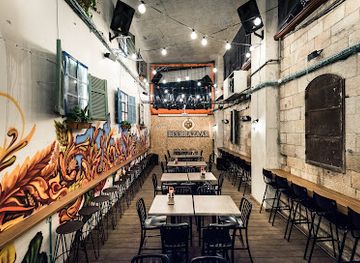
BeerBazaar Jerusalem
Explore a vibrant brewpub in Jerusalem, offering a diverse selection of craft beers, delicious food, and live music in a lively atmosphere.
-
Cocktail bar
Bellboy
Discover Tel Aviv's premier cocktail bar, Bellboy, offering unique drinks and an unforgettable nightlife experience in the heart of the city.
-
Bar
Shaffa Bar
Discover the eclectic flavors and vibrant atmosphere of Shaffa Bar, a trendy Tel Aviv hotspot for cocktails and culinary delights.

Best nightclubs in Jordan Valley
Nightlife in the Jordan Valley is modest and generally centred on cafés, casual restaurants, hotel or guesthouse dining and community life rather than dedicated clubs. Beit She'an provides the broadest choice of evening places, with local eateries and cafés that are more active than those in the surrounding rural settlements. In kibbutzim and moshavim, evenings tend to be quiet, with social activities organised locally and access to food or drink depending on the accommodation. Visitors should not expect a concentrated bar district or late-night entertainment across the valley. Alcohol is available in many Israeli restaurants and shops, subject to local licensing and opening arrangements, while some religious or community settings may have different practices. For a fuller nightlife programme, travellers generally need to continue to larger towns outside the region rather than treating the Jordan Valley as an urban evening destination.
-
Cocktail bar
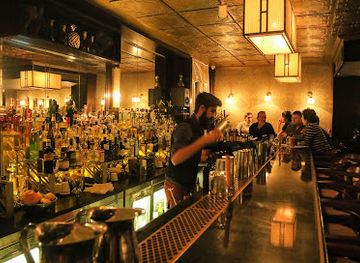
Gatsby Cocktail Room
Experience sophisticated nightlife at Gatsby Cocktail Room in Jerusalem, where innovative cocktails and a vibrant atmosphere await.
-
Live Music
Gagarin Club TLV
Discover Gagarin Club TLV: A premier live music venue and dance club in Tel Aviv, where vibrant beats and electrifying performances await.
-
Night club
Wunderbar
Experience the vibrant nightlife at Wunderbar, Haifa's ultimate destination for live music, cocktails, and unforgettable evenings.
-
Bar
Cactus9
Experience the electrifying nightlife of Jerusalem at Cactus9, a dynamic bar and club offering vibrant music, dance, and delicious drinks.

Best shops in Jordan Valley
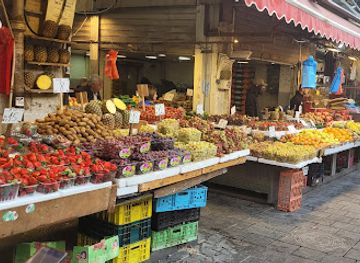
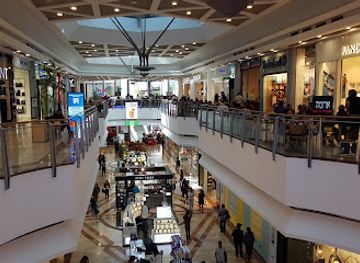
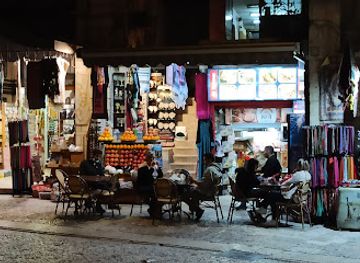
Shopping in the Jordan Valley is practical and locally oriented rather than centred on large retail districts. Beit She'an has the region's main high-street shops, supermarkets, bakeries and everyday services, while smaller settlements provide limited provisions. Seasonal farm stalls and produce outlets may sell dates, vegetables, fruit and other goods from the irrigated valley, although availability and payment methods vary. Visitors can also look for Israeli staples such as olive oil, tahini, halva, wine, spices and packaged foods, choosing reputable shops for labelled products. Rural guesthouses, visitor centres and craft sellers may offer small selections of local or regional gifts, but retail provision is not dependable at every attraction. Plan food and water purchases before travelling into the more dispersed southern valley, where settlements and shops are farther apart. For antiques, fashion and a wider choice of galleries or specialist retailers, larger cities outside the immediate region are more suitable than the Jordan Valley itself.
-
Market
Mahaneh Yehudah Market
Explore Mahaneh Yehudah Market, a vibrant hub of culture, cuisine, and community in the heart of Jerusalem, offering a unique shopping experience.
-
 Shopping mall
Ice Mall
Experience Eilat's Ice Mall: A unique shopping destination featuring diverse stores, dining, and entertainment in a vibrant atmosphere.
-
Shopping mall
Azrieli Mall
Discover Azrieli Mall, Tel Aviv's premier shopping destination, blending fashion, dining, and entertainment in an architecturally stunning space.
-
Shopping mall
Alrov Mamilla Avenue
Discover Alrov Mamilla Avenue, Jerusalem's premier shopping mall featuring luxury brands, local boutiques, and a vibrant atmosphere steeped in history.
Get your free copy of our complete guide to Jordan Valley, delivered straight to you.
Everything on this page, from attractions and restaurants to essentials and local phrases, in one PDF you can read offline, print or share.
Already have an account? Sign in
Your Jordan Valley guide is ready.
We'll send it to · Not you? Sign out

Getting your guide ready…
We are putting together a fresh copy of the Jordan Valley guide. This can take up to a minute.
This can take a few moments. If your browser asks, choose Allow so the download can start. You'll find the guide in your Downloads folder.
Nothing happened? Download it again
Sorry, the guide is taking longer than usual. Please try again in a minute, or get it by email instead.
Jordan Valley essentials
Currency and Payment
Safety
Emergency Situations
Do's and Don'ts
Local Tips
From Eve
Local phrases worth knowing
You don't need to get them perfect. A few words go a long way, and locals appreciate the effort.
Basics
| English | Local | Say it |
|---|---|---|
| Hello | مرحبا | [Marhaba] |
| Goodbye | وداعا | [Wada'an] |
| Yes | نعم | [Na'am] |
| No | لا | [La] |
| Please/You're welcome | من فضلك | [Min fadlik] |
| Thank you | شكرا | [Shukran] |
| Excuse me/Sorry | عفوا | [Afwan] |
| How are you? | كيف حالك؟ | [Kayfa halak?] |
| Fine. And you? | بخير. وأنت؟ | [Bikhair. Wa anta?] |
| Do you speak English? | هل تتحدث الإنجليزية؟ | [Hal tatahaddath al-ingliziyya?] |
| I don't understand | لا أفهم | [La afham] |
Eating & Drinking
| English | Local | Say it |
|---|---|---|
| I'd like to see the menu, please | أود رؤية القائمة، من فضلك | [Awad ru'yat al-qaimah, min fadlik] |
| I don't eat meat | لا آكل اللحم | [La akul al-lahm] |
| Cheers! | في صحتك! | [Fi sihtak!] |
| I would like to pay, please | أود الدفع، من فضلك | [Awad al-daf', min fadlik] |
Emergencies
| English | Local | Say it |
|---|---|---|
| Help! | نجدة! | [Najda!] |
| Go away! | ابتعد! | [Ibt'id!] |
| Call the Police! | اتصل بالشرطة! | [Ittasil bil-shurta!] |
| Call a doctor! | اتصل بطبيب! | [Ittasil bi-tabeeb!] |
| I'm lost | أنا ضائع | [Ana da'i'] |
| I'm ill | أنا مريض | [Ana marid] |
Shopping
| English | Local | Say it |
|---|---|---|
| I'd like to buy... | أود شراء... | [Awad shirā...] |
| I'm just looking | أنا فقط أنظر | [Ana faqat anzur] |
| How much is it? | كم ثمنه؟ | [Kam thamanuh?] |
| That's too expensive | هذا مكلف جدا | [Hatha mukallaf jiddan] |
| Can you lower the price? | هل يمكنك خفض السعر؟ | [Hal yumkinuka khafdh al-si'r?] |
Time & Numbers
| English | Local | Say it |
|---|---|---|
| What time is it? | كم الساعة؟ | [Kam al-sa'ah?] |
| It's one o'clock | الساعة واحدة | [Al-sa'ah wahida] |
| Half past (10) | نصف الساعة (10) | [Nisf al-sa'ah (10)] |
| Morning | صباح | [Sabah] |
| Afternoon | بعد الظهر | [Ba'd al-zuhur] |
| Evening | مساء | [Masa'] |
| Yesterday | أمس | [Ams] |
| Today | اليوم | [Al-yawm] |
| Tomorrow | غدا | [Ghadan] |
| 1 | ١ | [Wahid] |
| 2 | ٢ | [Ithnayn] |
| 3 | ٣ | [Thalathah] |
| 4 | ٤ | [Arba'ah] |
| 5 | ٥ | [Khamsah] |
| 6 | ٦ | [Sittah] |
| 7 | ٧ | [Sab'ah] |
| 8 | ٨ | [Thamaniyah] |
| 9 | ٩ | [Tis'ah] |
| 10 | ١٠ | [Asharah] |
Transport & Directions
| English | Local | Say it |
|---|---|---|
| Where's a/the...? | أين ...؟ | [Ayn ...?] |
| What's the address? | ما هو العنوان؟ | [Ma huwa al-'unwan?] |
| Can you show me (on the map)? | هل يمكنك أن تريني (على الخريطة)؟ | [Hal yumkinuka an turini (ala al-kharita)?] |
| When's the next (bus)? | متى سيكون الباص التالي؟ | [Mata sayakun al-bas al-tali?] |
| A ticket (to ....) | تذكرة (إلى ....) | [Tadhkirah (ila ....)] |
History of Jordan Valley
Early Settlement and the Rift Valley Environment
The Jordan Valley has been inhabited since prehistoric times, with the watercourses, springs and natural corridor offering reliable resources in an otherwise challenging environment. Neolithic remains at sites such as Gesher, south of the Sea of Galilee, provide evidence of early settled communities and technological change. The valley's position within the Great Rift Valley also made it a route between the Levantine highlands and regions east of the Jordan. Its landscape has always required adaptation: permanent settlement concentrated around springs and cultivable soils, while movement, trade and seasonal use connected the valley with neighbouring uplands.
Canaanite and Israelite Periods
Beit She'an developed as an important settlement during the Bronze and Iron Ages, when the valley formed part of a strategic lowland corridor. Egyptian influence is recorded in the wider region, and biblical traditions associate the area with Israelite and Philistine history. The valley's political importance came from geography as much as from its settlements: armies and merchants moving between the coast, Galilee, the hill country and the Jordan crossings had to negotiate this eastern route. Archaeological layers at Beit She'an preserve evidence of the succession of cultures that controlled or influenced the site.
Scythopolis and Roman-Byzantine Prosperity
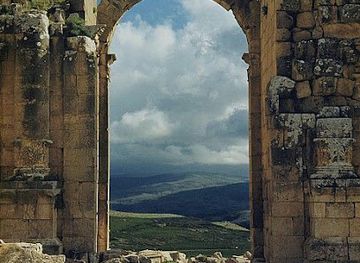
Under Hellenistic and Roman rule, Beit She'an became Scythopolis, the principal city of the Decapolis and the only one of that group west of the Jordan River. Roman rebuilding gave the city a theatre, colonnaded streets, bathhouses, temples and civic monuments. Its position near fertile land and major routes supported a prosperous urban centre. The city continued to flourish in the Byzantine period, when Christianity shaped its public and religious life. The earthquake of 749 CE severely damaged Scythopolis, and the monumental ruins visible today preserve the scale of this ancient urban phase.
Islamic, Crusader and Mamluk Frontiers
After the Byzantine period, the Jordan Valley remained part of successive Islamic states and continued to function as a route between Syria, Palestine and the eastern Mediterranean. The region's fortifications and crossing points acquired renewed importance during the Crusader period, when control of the Jordan approaches formed part of wider struggles between Crusader and Muslim powers. A prominent surviving reminder is Belvoir Fortress, built by Crusaders on a high ridge overlooking the valley and later captured by Saladin's forces. Ottoman administration subsequently incorporated the valley into a long-lived imperial system centred on rural agriculture and regional routes.
Ottoman Agriculture and Changing Communications
During the Ottoman era, settlement remained concentrated around springs and cultivated pockets, while much of the valley was sparsely populated compared with the hill country. Agricultural production included cereals, grazing and garden crops suited to local water supplies. The valley's strategic role persisted as roads and later modern communications linked northern Palestine with the Jordan River crossings and inland Syria. Ottoman-era remains are less monumental than those of Roman Scythopolis, but the period helped shape land use, village patterns and the agricultural geography inherited by the twentieth century.
Kibbutzim, Irrigation and Modern Settlement
From the 1930s onwards, Jewish agricultural communities were established or expanded in the Beit She'an and Jordan valleys, including kibbutzim and moshavim that developed intensive irrigation and collective farming. Drainage, water management and new agricultural methods changed areas that had previously been seasonally flooded or difficult to cultivate. After the establishment of Israel in 1948, the valley became a frontier region alongside the Jordanian border, and communities combined agriculture with strategic and social roles. Today, date palms, vegetables and other crops remain central to the local economy.
The Jordanian Border and Contemporary Access
The 1949 Armistice arrangements and the 1967 war altered the political geography of the Jordan Valley, while the Israel-Jordan peace treaty of 1994 established an international border and a framework for cooperation. The boundary now runs along much of the valley's eastern side, although the wider term Jordan Valley is also used for areas in the West Bank, whose legal and administrative circumstances differ from those of Israel proper. Visitors encounter this layered geography through border fencing, controlled roads, military areas and changing access rules, making current mapping and official guidance essential.
Jordan Valley in Photos
Browse through our photo collection highlighting the charm and character of the destination.
Neighbouring regions of Jordan Valley
The closest regions to Jordan Valley, if you have time for more than one.
-

-

-

-

-


Swipe for more regions

